BACKGROUND Catheter-directed thrombolysis (CDT) has been associated with rapid recovery of right ventricular (RV) function. The Bashir catheter was developed for enhanced thrombolysis in large vessels such as the pulmonary arteries (PAs) with lower doses of tissue plasminogen activator (tPA). OBJECTIVES The aim of this study was to evaluate the efficacy and safety of tPA infused using a pharmacomechanical (PM) CDT device called the Bashir endovascular catheter in patients with intermediate-risk acute pulmonary embolism (PE). METHODS Patients with symptoms of acute PE with computed tomographic evidence of RV dilatation were enrolled. The Bashir catheter was used to deliver 7 mg tPA into each PA over 5 hours. The primary efficacy endpoint was the core laboratory-assessed change in computed tomographic angiography-derived RV/left ventricular (LV) diameter ratio at 48 hours, and the primary safety endpoint was serious adverse events (SAEs) including major bleeding at 72 hours. RESULTS At 18 U.S. sites, 109 patients were enrolled. The median device placement time was 15 minutes. At 48 hours after PM-CDT, the RV/LV diameter ratio decreased by 0.56 (33.3%; P < 0.0001). PA obstruction as measured by the refined modified Miller index was reduced by 35.9% (P < 0.0001). One patient (0.92%) had 2 SAEs: a retroperitoneal bleed (procedure related) and iliac vein thrombosis (device related). Two other procedure-related SAEs were epistaxis and non-access site hematoma with anemia. CONCLUSIONS PM-CDT with the Bashir endovascular catheter is associated with a significant reduction in RV/LV diameter ratio and a very low rate of adverse events or major bleeding in patients with intermediate-risk acute PE. The notable finding was a significant reduction in PA obstruction with low-dose tPA. (Recombinant tPA by Endovascular Administration for the Treatment of Submassive PE Using CDT for the Reduction of Thrombus Burden [RESCUE]; NCT04248868) (c) 2022 The Authors. Published by Elsevier on behalf of the American College of Cardiology Foundation. This is an open access article under the CC BY license (http://creativecommons.org/licenses/by/4.0/).
BACKGROUND:The Bashir Endovascular Catheter (BEC) is a novel pharmaco-mechanical device designed to enhance thrombolysis by increasing the exposure of thrombus to endogenous and exogenous thrombolytics. The aim of this prospective, multicenter, single-arm study was to evaluate the feasibility and initial safety of the BEC in patients with acute intermediate-risk pulmonary embolism (PE).METHODS:Patients with symptomatic PE and right ventricular to left ventricular diameter ratio ≥0.9 as documented by computer tomography angiography were eligible for enrollment. The primary safety end points were device related death or adverse events, and major bleeding within 72 hours after BEC directed therapy.RESULTS:Nine patients were enrolled across 4 US sites. The total dose of r-tPA (recombinant tissue-type plasminogen activator) was 14 mgs in bilateral PE and 12 mgs in unilateral PE over 8 hours delivered via the expanded BEC. At 30-day follow-up, there were no deaths or device-related adverse events. At 48 hours post-BEC therapy, the right ventricular to left ventricular diameter ratio decreased from 1.52±0.26 to 0.97±0.06 (P=0.0009 [95% CI, 0.33-0.82]; 37.0% reduction). Thrombus burden as measured by the Modified Miller Index decreased from 25.4±5.3 to 16.0±4.0 (P=0.0005; [95% CI, 5.5-13.4]; 37.1% reduction).CONCLUSIONS:In this early feasibility study of the BEC for intermediate-risk PE, there were no deaths or device-related adverse events and a significant reduction in right ventricular to left ventricular diameter ratio and thrombus burden. Registration: URL: https://www.clinicaltrials.gov. Unique identifier: NCT03927508.
Background: Percutaneous coronary intervention of severely calcified lesions carries a high risk of adverse events despite the use of contemporary devices. The Classic Crown Orbital Atherectomy System (OAS) was safe and effective for severely calcified lesion preparation in the ORBIT II study (Evaluate the Safety and Efficacy of OAS in Treating Severely Calcified Coronary Lesions) but was not optimized for tight lesions. COAST (Coronary Orbital Atherectomy System Study) evaluated the safety and efficacy of calcified lesion preparation before stent implantation with the Diamondback 360 Micro Crown Coronary OAS, designed for use in tighter lesions. Methods: COAST was a prospective, multicenter, single-arm study that enrolled 100 patients with severely calcified de novo coronary lesions at 17 sites in the United States and Japan. The primary effectiveness end point was procedural success, defined as stent delivery with residual stenosis <50% without in-hospital major adverse cardiac events (MACE), and the primary safety end point was freedom from MACE (composite of cardiac death, myocardial infarction, or target vessel revascularization) at 30 days. Results: The OAS Micro Crown was inserted in all patients. A stent was delivered with a residual stenosis <50% in all except one patient (99.0%). Procedural success was achieved in 85 (85.0%) subjects versus 391 (88.9%) in ORBIT II ( P =0.30), and freedom from MACE at 30 days was achieved in 85.0% versus 89.6% in ORBIT II ( P =0.21). Freedom from MACE was 77.8% at 1 year. Conclusions: Prestent preparation of severely calcified lesions using the novel Micro Crown OAS resulted in similar rates of procedural success and freedom from MACE compared with the Classic Crown OAS. Registration: URL: https://www.clinicaltrials.gov . Unique identifier: NCT02132611.
Objectives The ORBIT II (Evaluate the Safety and Efficacy of OAS in Treating Severely Calcified Coronary Lesions) trial evaluated the safety and efficacy of the coronary Orbital Atherectomy System (OAS) to prepare de novo, severely calcified coronary lesions for stent placement.Background Despite advances in interventional techniques, treatment of calcified coronary lesions remains a challenge. Stent placement in these lesions may result in stent underexpansion, malapposition, and procedural complications.Methods ORBIT II is a prospective, multicenter, nonblinded clinical trial that enrolled 443 consecutive patients with severely calcified coronary lesions at 49 U.S. sites from May 25, 2010, to November 26, 2012. Investigators used the centrifugal action of the OAS diamond-coated crown to modify calcified lesions prior to stent placement.Results The pre-procedure mean minimal lumen diameter of 0.5 mm increased to 2.9 mm after the procedure. The primary safety endpoint was 89.6% freedom from 30-day major adverse cardiac events compared with the performance goal of 83%. The primary efficacy endpoint (residual stenosis <50% post-stent without in-hospital major adverse cardiac events) was 88.9% compared with the performance goal of 82%. Stent delivery occurred successfully in 97.7% of cases with <50% stenosis in 98.6% of subjects. Low rates of in-hospital Q-wave myocardial infarction (0.7%), cardiac death (0.2%), and target vessel revascularization (0.7%) were reported.Conclusions The ORBIT II coronary OAS trial met both the primary safety and efficacy endpoints by significant margins. Preparation of severely calcified plaque with the OAS not only helped facilitate stent delivery, but improved both acute and 30-day clinical outcomes compared with the outcomes of historic control subjects in this difficult-to-treat patient population. (Evaluate the Safety and Efficacy of OAS in Treating Severely Calcified Coronary Lesions [ORBIT II]; NCT01092416) (C) 2014 by the American College of Cardiology Foundation
 Parth Rali合作论文数2Vladimir Lakhter合作论文数Department of Cardiology, Temple University Hospital2Kannan Natarajan合作论文数2
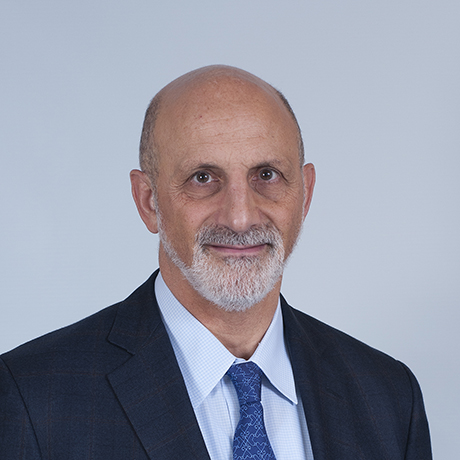 Kenneth Rosenfield合作论文数Massachusetts General Hospital;Mass General Research Institute2Akhilesh K Sista合作论文数New York Presbyterian Hospital, Weill Cornell Medical College2Lee Arthur C合作论文数2Robert L. Feldman合作论文数2
 Anthony J. Comerota合作论文数Jobst Vascular Institute, The Toledo Hospital2
 Riyaz Bashir合作论文数Division of Cardiovascular Medicine, Temple University Hospital2Gregory Piazza合作论文数2Sahil A. Parikh合作论文数1Annapoorna S Kini合作论文数1Brian G. Firth合作论文数1Ayman Iskander合作论文数1Magdi G H Ghali合作论文数1Joseph Puma合作论文数1Stevan I Himmelstein合作论文数1Thomas Davis合作论文数1Charles B Ross合作论文数1Zaheed Tai合作论文数1
 Shigeru Saito合作论文数1
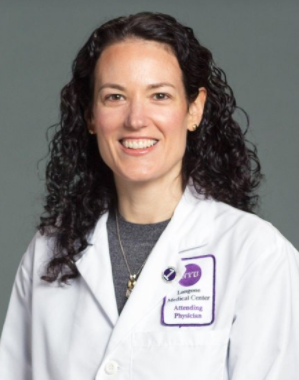 Nancy E. Amoroso合作论文数Department of Medicine, Grossman School of Medicine, New York University1
 Jeffrey W Moses合作论文数Division of Cardiology, Department of Medice, Columbia University1
 Björn Redfors合作论文数Cardiovascular Research Foundation;Sahlgrenska Academy, University of Gothenburg;Department of Molecular and Clinical Medicine, University of Gothenburg;Sahlgrenska University Hospital1Jeffrey W Chambers合作论文数1
 Amir Darki合作论文数1Nseir Georges Y合作论文数1Patel Kirit C合作论文数1Kim Christopher Y合作论文数1Shah Rakesh R合作论文数1Dulas Daniel D合作论文数1Villa Augusto E合作论文数1Khanna Puneet合作论文数1Makam Prakash合作论文数1
 Gregg Stone合作论文数The Zena and Michael A. Wiener Cardiovascular Institute, Icahn School of Medicine at Mount Sinai1
 Kenneth Ouriel合作论文数NAMSA1
 Samin K. Sharma合作论文数Cardiovascular Clinical Institute, Mount Sinai Hospital;Mount Sinai Heart Network, Mount Sinai Hospital;Eternal Heart Care Center, Eternal Hospital;Department of Cardiology, Eternal Hospital1Dinesh Arab合作论文数1
 Malcolm Foster合作论文数Baptist Heart Institute1Barry D. Bertolet合作论文数1Neil E Strickman合作论文数1Richard A. Shlofmitz合作论文数1
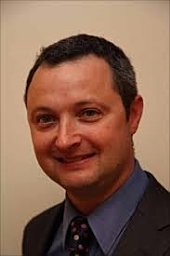 Andrew A Klein合作论文数Department of Pediatric General and Thoracic Surgery, Children's Hospital of Michigan1Wissam A. Jaber合作论文数1
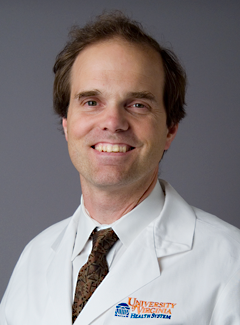 John Angle合作论文数Hospital Medical Center, University of Virginia;Department of Radiology and Medical Imaging, School of Medicine, University of Virginia1Ayyaz Ali合作论文数1Aravinda Nanjundappa合作论文数Robert C. Byrd Health Sciences Center, West Virginia University1
 Ripal T Gandhi合作论文数1
 Philip Green合作论文数Department of Genome Sciences, University of Washington1




