Introduction: Integrated, simultaneous training of Global South and North trainees offers novel opportunities to enhance equitable collaboration and research capacity in global health. While existing programs often focus on exchange rotations or separate training tracks, simultaneous training of Global South and North trainees in the same intensive program remains understudied. We describe the Global Health Experiential Fellowship (GHEF), which combines research training with shared living arrangements and collaborative work in rural Uganda. Program description: GHEF is a five-week research training program for pre-doctoral students from Uganda and the United States. The program addresses power imbalances in North-South partnerships through shared leadership between Ugandan and American co-directors, with Ugandan team leaders supervising daily activities. Fellows work in mixed teams on qualitative mental health projects, while shared living arrangements foster cultural exchange. Since 2021, GHEF has trained 39 Ugandan students from three universities and 102 American students from 12 universities. Ugandan fellows participate without fees, subsidized by American fellows. Methods: We conducted a mixed-methods evaluation. Qualitative data were collected through interviews with 10 fellows (5 Ugandan, 5 American). Research skills were assessed using the Assessment of Key Interviewing Factors for Research Assistants (AKIRA) pre- and post-fellowship among 14 fellows (7 Ugandan, 7 American). Results: Ugandan fellows gained formal research training, while American fellows gained perspectives on field-based methodologies. Cultural exchange facilitated intercultural learning. AKIRA scores showed improvement in Ugandan fellows’ skills (pre-fellowship mean = 1.125; post-fellowship mean = 1.536; p = 0.0117). Discussion: GHEF's simultaneous training model offers a promising approach to equitable collaboration and building research capacity in global mental health.
Background: An important component of global engagement in health professions education is facilitating students having international experiences. Although cross-border visits have existed at some of China’s academic medical centers (AMCs) for more than 30 years, there are few quantitative studies on its overall development and variations between different types of AMCs. Aims: We aim to provide an overall description and measure trends of global engagement of Chinese health professions education programs by comparing inbound and outbound visits of health professions students over a five year interval. Methods: In 2019, Chinese AMCs whose undergraduate medical education programs were eligible for accreditation by the Ministry of Education were invited to complete a web-based questionnaire. Data were analyzed using descriptive analyses, t tests, and Fisher exact tests. Results: A total of 93 AMCs (57.8%) responded to the survey. The number of outbound visits increased by more than three times and the number of inbound visits increased by almost two times between the 2013-14 and 2018-19 academic years. Both the mean and median of outbound visits in 2018-19 academic year were higher than those in 2013-14 academic year (mean 23 vs. 72, p=0.0016; median 4 vs. 22, p=0.000). The mean of inbound visits in 2018-19 academic year was also higher than that in 2013-14 academic year (37 vs. 20, p=0.032). The mean and median of outbound and inbound visits for central government affiliated AMCs were significantly higher than those for other AMCs in these two academic years. Conclusion: Comparison between 2013 and 2018 demonstrated an increased frequency of inbound and outbound visits, indicating a significant expansion of global engagement at China’s AMCs. Measures may be needed to incentivize global engagement at AMCs that are not affiliated with the central government. Trends in the exchanges of students may be related to historical, geographical, and political issues. The findings related to China may be useful to other low- and middle-income countries as they manage global health student exchanges.
Research suggests that documentation can actually influence clinical decision making. The normative use of race in documentation therefore demands interrogation.
OBJECTIVE:To determine to what extent did health care workers experience the pandemic as a severe stress event.METHODS:This cross-sectional evaluation of 8299 health care workers, representing a 22% response rate, utilized machine learning to predict high levels of escalating stress based on demographics and known predictors for adverse psychological outcomes after trauma.RESULTS:A third of health care workers experienced the pandemic as a potentially traumatic stress event; a greater proportion of health care workers experienced high levels of escalating stress. Predictive factors included sense of control, ability to manage work-life demands, guilt or shame, age, and level of education. Gender was no longer predictive after controlling for other factors. Escalating stress was especially high among nonclinical academics and clinical private practitioners.CONCLUSION:Findings suggest adverse effects on total worker health, care quality, professionalism, retention, and acute and chronic mental health.
Purpose There is no current centralized database of structured global health programs at U.S. medical schools and no published review in the past decade. This study aims to describe the prevalence, characteristics, and requirements of non-degree, longitudinal, structured global health programs in U.S. allopathic and osteopathic medical schools. Materials and methods In July 2021, the authors performed a web-based review of existing structured global health programs for the 154 U.S. allopathic medical schools and 35 U.S. osteopathic medical schools established prior to 2019. Results Of 189 institutions examined, 74 (39%) had online information about a structured global health program. Forty-three (53%) programs reported coursework requirements, 44 (54%) required a global health experience, and one program required demonstration of language or cultural knowledge. More internally administered programs required experiential work, while more externally administered programs required didactic work. There were few differences in program requirements between allopathic and osteopathic medical schools. Conclusions There has been a 75% increase over the past ten years in the number of U.S. allopathic medical schools with websites for structured global health programs. There appeared to be little standardization in their structure and requirements. The findings support the need for a web-based central repository for updated information regarding medical school global health curricula.
Background: For institutions offering global health programs, the safety of trainees during clinical rotations at international sites is paramount. Current guidelines for global health electives recommend pre-departure training and safety-net resources, yet their advice on managing unanticipated problems is limited. Objective: This report illustrates critical safety considerations requiring additional guidance for programs and students and highlights approaches that may improve trainee safety while abroad. Methods: We present a series of five cases adapted from the experiences of students traveling to and from the Yale School of Medicine between the years of 2011–2021. These cases include instances of personal injury, mental health challenges following trauma, sexual harassment, political instability, and natural disaster. For each case, we recommend ways in which programs and their participants may approach the challenges and we highlight issues requiring additional analysis. Findings: We categorized the types of trainee safety issues into three groups: personal health emergencies, individual-level stressors, and large-scale crises. Conclusion: Ultimately, we recommend that rather than solely emphasizing a universal policy, programs and trainees should also be educated on the tools and resources available for addressing unexpected emergencies.
Abstract Purpose There is no current centralized database of structured global health programs at U.S. medical schools and no published review in the past decade. This study aims to describe the prevalence, characteristics, and requirements of non-degree, longitudinal, structured global health programs in U.S. allopathic and osteopathic medical schools. Materials and methods In July 2021, the authors performed a web-based review of existing structured global health programs for the 154 U.S. allopathic medical schools and 35 U.S. osteopathic medical schools established prior to 2019. Results Of 189 institutions examined, 74 (39%) had online information about a structured global health program. Forty-three (53%) programs reported coursework requirements, 44 (54%) required a global health experience, and one program required demonstration of language or cultural knowledge. More internally administered programs required experiential work, while more externally administered programs required didactic work. There were few differences in program requirements between allopathic and osteopathic medical schools. Conclusions There has been a 75% increase over the past ten years in the number of U.S. allopathic medical schools with websites for structured global health programs. There appeared to be little standardization in their structure and requirements. The findings support the need for a web-based central repository for updated information regarding medical school global health curricula.
Quality improvement (QI) tools can identify and address health disparities. This paper describes the use of resident prescriber profiles in a novel QI curriculum to identify racial and ethnic differences in antidepressant and antipsychotic prescribing. The authors extracted medication orders written by 111 psychiatry residents over an 18-month period from an electronic medical record and reformatted these into 6133 unique patient encounters. Binomial logistic models adjusted for covariates assessed racial and ethnic differences in antipsychotic or antidepressant prescribing in both emergency and inpatient psychiatric encounters. A multinomial model adjusted for covariates then assessed racial and ethnic differences in primary diagnosis. Models also examined interactions between gender and race/ethnicity. Black (adjusted OR 0.66; 95% CI, 0.50–0.87; p < 0.01) and Latinx (adjusted OR, 0.65; 95% CI, 0.49–0.86; p < 0.01) patients had lower odds of receiving antidepressants relative to White patients despite diagnosis. Black and Latinx patients were no more likely to receive antipsychotics than White patients when adjusted for diagnosis. Black (adjusted OR 3.85; 95% CI, 2.9–5.2) and Latinx (adjusted OR 1.60; 95% CI, 1.1–2.3) patients were more likely to receive a psychosis than a depression diagnosis when compared to White patients. Gender interactions with race/ethnicity did not significantly change results. Our findings suggest that racial/ethnic differences in antidepressant prescription likely result from alternatively higher diagnosis of psychotic disorders and prescription of antipsychotics in Black and Latinx patients. Prescriber profiles can serve as a powerful tool to promote resident QI learning around the effects of structural racism on clinical care.
Introduction Despite China's large and growing global presence, data about global health (GH) education (GHE) in China's medical schools are limited. We aimed to describe GHE in these schools and determine whether some may teach GH concepts without labeling them as such.Methods In 2019, 161 Chinese medical schools eligible for accreditation by the Ministry of Education were invited to complete a questionnaire as part of a national survey. Data were analyzed using descriptive analyses, Chi-square tests, Fisher exact tests, and logit models.Results Approximately 57% of schools completed the survey (n = 93). 33 (35.5%) indicated that GHE was included in the curriculum. Although the majority of responding schools reported the absence of GH in the curriculum, GH topics were identified at many institutions. Schools affiliated with the central government or an aspiring world-class university were more likely to report the inclusion of GHE and offered more opportunities at international away sites.Conclusions Chinese medical schools are frequently teaching GH topics, but may not label the instruction as such. Policy-makers and educators should be equipped with a global perspective to facilitate GHE at China's medical schools and take measures to address differences between schools.
The burden of the COVID-19 pandemic upon healthcare workers necessitates a systematic effort to support their resilience. This article describes the Yale University and Yale New Haven Health System effort to unite several independent initiatives into a coherent integrated model for institutional support for healthcare workers. Here, we highlight both opportunities and challenges faced in attempting to support healthcare workers during this pandemic.
Health inequities stem from systematic, pervasive social and structural forces. These forces marginalize populations and create the circumstances that disadvantage these groups, as reflected in differences in outcomes like life expectancy and infant mortality and in inequitable access to and delivery of health care resources. To help eradicate these inequities, physicians must understand racism, sexism, oppression, historical marginalization, power, privilege, and other sociopolitical and economic forces that sustain and create inequities. A new educational paradigm emphasizing the knowledge, skills, and attitudes to achieve health equity is needed. Systems-based practice is the graduate medical education core competency that focuses on complex systems and physicians’ roles within them; it includes topics like multidisciplinary team-based care, patient safety, cost containment, end-of-life goals, and quality improvement. This competency, however, is largely health care centric and does not train physicians to engage with the complexities of the social and structural determinants of health or to partner with systems and communities that are outside health care. The authors propose a new core competency centered on health equity, social responsibility, and structural competency to address this gap in graduate medical education. For the development of this new competency, the authors draw on existing, innovative undergraduate and graduate medical pedagogy and public health, health services research, and social medicine frameworks. They describe how this new competency would inform graduate medical education and clinical care and encourage future physicians to engage in the work of health equity.
An elderly African-American woman with a history of diabetes brought in by her daughter for increased forgetfulness”; “A 24-year-old Caucasian male with a 2-week history of worsening mood”; “An age-appearing Asian woman in no acute physical distress.” Physicians, including psychiatrists, frequently employ phrases that bring attention to a patient’s race, often in the opening line of oral presentations or clinical documentation. In many cases, this casual identification of a patient’s race is a taken-for-granted routine without conscious rationale. In other instances, physicians may believe the race of the patient directly pertinent to the diagnosis or treatment for the patient. A robust body of literature has demonstrated that racially identifying patients has important diagnostic and treatment implications, many of which may be deleterious to the patient. A key aspect of misuse of race in clinical documentation and communication is the failure to name and address racism as a social determinate of health. This lack of recognition contributes to the perpetuation of racial health disparities. As a professional community, physicians rarely engage in critical analysis of when and how race is useful to the care of the patient and the potential implications, if any. We will briefly discuss the history of the scientific inventions of race as a biological construct and how this legacy continues to operate in contemporary medical practice. By giving race a misplaced salience in clinical practice, physicians are complicit in perpetuating the myth of distinct biologically-based racial categories. Further-more, invoking racial categories potentially activates bias and negative stereotypes towards racial minority patients. Agenda 0:00 Introduction 0:05 Case Vignettes with Interactive Questions (using audience polling software) 0:35 Small Group Activity: we will provide prompts to discuss issues of patients’ race and experiences of racism. 0:20 Brief historical overview of scientific racism Background on Race, Racism and Health Disparities 0:55 Large Group Debrief of Small Group 1:05 Cultural Formulation Review and Practical Tips (focusing on Race and Discrimination) 1:20 Concluding comments/Questions and Answers Last 5 minutes: Workshop evaluation Scientific Citations Smedley, B. D. (2012). The Lived Experience of Race and Its Health Consequences. American Journal of Public Health, 102(5), 933–935. http://doi.org/10.2105/AJPH.2011.300643 Braun L, Fausto-Sterling A, Fullwiley D, Hammonds EM, Nelson A, Quivers W, et al. (2007) Racial Categories in Medical Practice: How Useful Are They? PLoS Med 4(9): e271. https://doi.org/10.1371/journal.pmed.0040271 Acquaviva KD, Mintz M. Perspective: are we teaching racial profiling? The dangers of subjective determinations of race and ethnicity in case presentations. Acad Med. 2010;85:702–705 Jones CP, LaVeist TA, Lillie-Blanton M. "Race" in the epidemiologic literature: an examination of the American Journal of Epidemiology, 1921–1990. Am J Epidemiol. 1991;134:1079–1084. Pálsson G. How deep is the skin? The geneticization of race and medicine. BioSocieties. 2007;2:257.
This article highlights the history of the psychiatric training practices that have contributed to inequity in mental health service delivery, particularly to underserved populations. It discusses current training practices that may be effective at reducing such disparities, suggests policy recommendations to increase the number of underrepresented minorities in health services, and makes recommendations for the further development and implementation of training practices that address health inequity. The article reviews issues in both general psychiatry and child/adolescent training in addition to lifelong learning needs.
Abstract Background Antipsychotics represent the core of treatment for first-episode schizophrenia (FES). The choice of the first antipsychotic in drug-naïve FES patients is delicate, as it could influence both adherence to medications and the course of the illness. In China, mental health care for schizophrenia is mainly provided by psychiatric hospitals, due to the limited resources in outpatient community care. Psychiatrists and nurses are the main providers of mental health care, and medication is becoming the primary intervention for mental illness. In 2015, the second edition of China’s Guidelines for Schizophrenia was released. The use of a minimum effective dose of a single antipsychotic has been indicated for FES, consistent with multiple international guidelines. Since the current treatment practice for FES in China is unknown, this study aimed to describe antipsychotic prescription patterns for drug-naïve FES inpatients, and factors associated with practices deviating from China’s current guidelines. Methods This was a retrospective study. Participants included all inpatients, ages 7 to 45 years, experiencing a first episode of schizophrenia-spectrum disorder with a duration of untreated illness (interval between onset of psychotic symptoms and first antipsychotic prescription) less than 18 months, admitted between Aug 1st,2016 and Aug 1st,2017 to one of eight hospitals in Hunan Province. Demographics, clinical characteristics, and prescriptions at discharge were collected from electronic medical records. Descriptive analysis was used to describe prescription patterns. Logistic regression and random forest methods were used to model relationships between factors and deviations from China’s guidelines. Results Of the 602 inpatients included in the study, 598(99.3%) were prescribed antipsychotics at discharge, mostly risperidone (41.8%) and olanzapine (41.0%). Polytherapy (being prescribed more than one antipsychotic) was present in 121 (20.2%) participants. The prescription rate of high-dose antipsychotics among adults was 32.9%, and of off-label antipsychotics among minors was 23.2%. Adults (OR=1.95, 95% CI: 1.14–3.34, compared to minors) and patients with longer length of stay (OR=1.09, 95% CI: 1.03–1.14) were more likely to receive polytherapy. Younger age (OR= 0.96, 95% CI 0.93–0.99), having non-tertiary hospitalization (OR=0.38, 95% CI 0.24–0.59, compared to tertiary hospitalization), and being prescribed polytherapy (OR= 3.56, 95% CI 2.17–5.86, compared to monotherapy) were associated with high-dose antipsychotics prescription. Participants younger than 13 were more likely to receive off-label antipsychotics. Clozapine was prescribed to 45 (7.5%) patients, and more frequently to those hospitalized in non-tertiary facilities (χ2= 8.606, P=0.003) and receiving polytherapy (χ2= 81.488, P<0.001). Patients receiving clozapine had longer length of stay than those who did not (mean (SD): 8.02(4.93) vs 4.35(4.18) weeks, P<0.001). Discussion Our study showed that most of the FES inpatients were prescribed antipsychotic in monotherapy, in compliance with current guidelines. Deviations from guidelines were found in younger patients with schizophrenia, and in clozapine prescriptions. Different practices were observed between tertiary and non-tertiary hospitals, suggesting possible challenges in delivering mental health care in those facilities where disproportionate distribution of resources might happen. Given the ongoing implementation of the National Mental Health Working Plan, these results provide a useful representation of the current practice in China and could help decision-makers on resource allocation in order to promote the best treatment for first-episode psychosis.
OPINION article Front. Public Health, 16 June 2020Sec. Infectious Diseases – Surveillance, Prevention and Treatment Volume 8 - 2020 | https://doi.org/10.3389/fpubh.2020.00284
 Peluso Michael J合作论文数Yale School of Medicine11
 Anne Kellett合作论文数8
 Zhening Liu (刘哲宁)合作论文数The Second Xiangya Hospital of Central South University8
 Michael Sernyak合作论文数Department of Psychiatry, Yale School of Medicine, Yale University6
 Xinran Hu (胡忻然)合作论文数5
 Janet Hafler合作论文数Department of Pediatrics, Yale School of Medicine, Yale University5
 Carla Marienfeld合作论文数Department of Psychiatry, School of Medicine, University of California4Jessica Isom合作论文数4
 Kirsten Wilkins合作论文数Department of Psychiatry, Yale School of Medicine, Yale University4
 Thomas Styron合作论文数Department of Psychiatry, Yale School of Medicine, Yale University4
 Jeanne Steiner合作论文数Department of Psychiatry, Yale School of Medicine, Yale University4
 Ayana Jordan合作论文数Department of Psychiatry, Yale School of Medicine, Yale University4Jacobs S合作论文数4
 Susan Van Schalkwyk合作论文数Centre for Teaching and Learning, Stellenbosch University4
 Carmi Z Margolis合作论文数4J Corey Williams合作论文数3Enrico G Castillo合作论文数3
 Howard Zonana合作论文数Department of Psychiatry, Yale School of Medicine, Yale University3
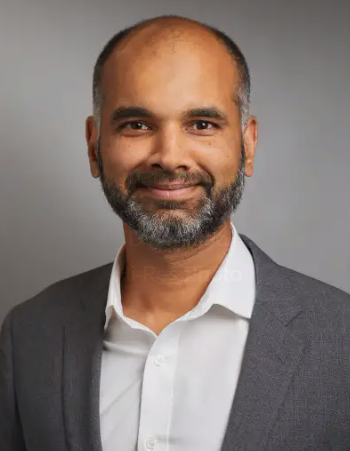 Vinod Srihari合作论文数Department of Psychiatry, Yale School of Medicine, Yale University3David Ross合作论文数Department of Psychiatry, Yale School of Medicine, Yale University3Matthew Goldenberg合作论文数Department of Psychiatry, Yale School of Medicine, Yale University3
 John Encandela合作论文数Department of Psychiatry, Yale School of Medicine, Yale University3
 Joanne Desanto Iennaco合作论文数School of Nursing, Yale University3
 Jacob Tebes合作论文数Child Study Center, Yale School of Medicine, Yale University3
 Benjamin Druss合作论文数Department of Health Policy and Management, Rollins School of Public Health, Emory University;Department of Behavioral, Social, and Health Education Sciences, Rollins School of Public Health, Emory University3Mayanja-Kizza Harriet合作论文数Coll Hlth Sci, Makerere Univ3Hou Jianlin合作论文数3
 Samuel Ball合作论文数School of Medicine, Yale University;Silver Hill Hospital3
 Robert Rosenheck合作论文数Division of Mental Health Services and Outcomes Research, Department of Psychiatry, Yale School of Medicine, Yale University;Child Study Center, Yale School of Medicine, Yale University3
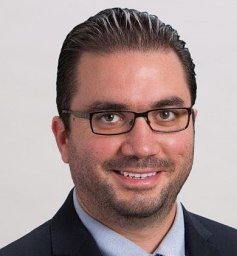 Barkil-Oteo Andres合作论文数Department of Psychiatry, Yale School of Medicine3
 Sandra M Dejong合作论文数3
 Larry Davidson合作论文数Department of Psychiatry, School of Medicine, Yale University3
 John Krystal合作论文数Department of Psychiatry, School of Medicine, Yale University3Bishan Garg合作论文数2Bridgett Williamson合作论文数2Kali Cyrus合作论文数2Javier Alvarado合作论文数2Virginia T Spell合作论文数2Mary Hu合作论文数2
 Walter Mathis合作论文数2Billy Bromage合作论文数2
 David A Davies合作论文数Warwick Med Sch, Univ Warwick2
 Matthew Edwards合作论文数Paediat, Western Sydney Univ2
 Eric Chen (陳友凱)合作论文数Department of Psychiatry, School of Clinical Medicine, Li Ka Shing Faculty of Medicine, The University of Hong Kong;Mental Health Research Centre, The Hong Kong Polytechnic University;Gleneagles Hospital2
 Michelle Alejandra Silva合作论文数Department of Psychiatry, Yale School of Medicine, Yale University2
 Thomas McMahon合作论文数Department of Psychiatry, Yale School of Medicine, Yale University2
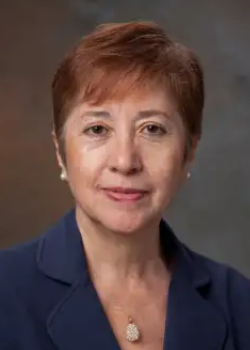 Esperanza Diaz合作论文数Department of Psychiatry, Yale School of Medicine, Yale University2
 Rajita Sinha合作论文数Yale Stress Center, School of Medicine, Yale University2
 Luming Li合作论文数Infectious Diseases, Internal Medicine, Yale School of Medicine, Yale University2




