Coastal zones are subjected to many anthropogenic stresses that operate on multiple spatial scales. Understanding how these stressors interact with the movement and resource ecology of mobile species is critical for effective conservation and management. Biscayne National Park (BNP) is adjacent to Miami (U.S.) and supports an economically important recreational fishery for bonefish (Albula vulpes). Within BNP, the western region is subjected to nutrient loading and seagrass fragmentation from mainland anthropogenic stress. Here we ask, do bonefish show fidelity to regions within Biscayne Bay? And do their movement and residency patterns create intra-population differences in exposure to land-based anthropogenic stresses? We investigated the spatial ecology of bonefish within western and eastern regions in BNP and an adjacent region, upper Florida Keys, to the south, using acoustic telemetry and stable isotope analysis. Our study revealed high site fidelity among bonefish across three regions, with limited inter-regional movement outside of spawning migrations. Stable isotope analysis showed more enriched delta & sup1;N-5 values in west BNP bonefish, suggesting exposure to wastewater-derived nutrient subsidies. And, less enriched delta 13C in west BNP relative to east BNP potentially due to higher inputs of terrestrial basal resources. These findings indicate that bonefish residency patterns result in differential exposure to land-based stressors that should be considered for management and conservation of BNP ecosystems. Our results highlight the utility of combining movement and resource use data to identify vulnerable subpopulations and inform spatially explicit management strategies in urbanized coastal systems.
Objective The objective of this study was to examine the movements of Common Snook Centropomus undecimalis, a tropical euryhaline species, out of the Shark River, Everglades National Park, Florida, USA, and gain a better understanding of their long-distance regional movements.Methods This study used 7 years (2017-2023) of acoustic telemetry data from the Shark River Florida Coastal Everglades Array and from five other collaborative telemetry arrays in southwestern Florida to assess out-of-system movements for 119 Common Snook. Generalized linear models were used to assess the relationships between out-of-system movements and biological and environmental variables.Results Most Common Snook departures took place during the spawning season, with 121 departures (80.1%). Of 67 departed individuals, 26 were detected by the collaborative arrays (both north and south of our array, 38.8%). Of the departed Common Snook, 35 returned to the Shark River (52.2%), with most returning to the lower river (62.7%), and with a trend for larger fish to have a higher probability of return. Last, Common Snook that spent less time outside were more likely to return to the upper part of the Shark River.Conclusions Our study leveraged five collaborative acoustic telemetry arrays to investigate long-distance movements of Common Snook across southwest Florida, revealing that the true scales of movement and population connectivity remain largely unknown. Despite limited receiver coverage, detections of Common Snook outside the Shark River were higher than expected, with half of the individuals exhibiting site fidelity by returning to the river. These findings underscore that a single river system may only represent a portion of an organism's home range, highlighting the need for further studies and expanded receiver coverage to elucidate broader patterns of snook movement and population connectivity. Collaborative telemetry networks near south Florida observed forays of tagged Common Snook to neighboring arrays up to 88 km away from the river of tag origin. Varying degrees of return behavior suggest that a single river system may only represent a portion of snook home range.
Coastal zones are subjected to many anthropogenic stresses that operate on multiple spatial scales. Understanding how these stressors interact with the movement and resource ecology of mobile species is critical for effective conservation and management. Biscayne National Park (BNP) is adjacent to Miami (U.S.) and supports an economically important recreational fishery for bonefish (Albula vulpes). Within BNP, the western region is subjected to nutrient loading and seagrass fragmentation from mainland anthropogenic stress. Here we ask, do bonefish show fidelity to regions within Biscayne Bay? And do their movement and residency patterns create intra-population differences in exposure to land-based anthropogenic stresses? We investigated the spatial ecology of bonefish within western and eastern regions in BNP and an adjacent region, upper Florida Keys, to the south, using acoustic telemetry and stable isotope analysis. Our study revealed high site fidelity among bonefish across three regions, with limited inter-regional movement outside of spawning migrations. Stable isotope analysis showed more enriched δ¹⁵N values in west BNP bonefish, suggesting exposure to wastewater-derived nutrient subsidies. And, less enriched δ13C in west BNP relative to east BNP potentially due to higher inputs of terrestrial basal resources. These findings indicate that bonefish residency patterns result in differential exposure to land-based stressors that should be considered for management and conservation of BNP ecosystems. Our results highlight the utility of combining movement and resource use data to identify vulnerable subpopulations and inform spatially explicit management strategies in urbanized coastal systems.
Objective Environmental variability as a factor of climate change and water management can result in fluctuations in the abundance and distribution of fish populations from year to year, with either negative or positive effects depending on behavioral and physiological requirements and the ability to adapt to changing conditions. Variability in water levels can also influence prey availability, affecting predator abundance in seasonal foraging areas. In this study, our objective was to better understand how environmental variation has affected the relative abundance of Common Snook Centropomus undecimalis in the freshwater/estuarine habitats of Everglades National Park.Methods Electrofishing data over 17 years (2004-2021) were analyzed in relation to a long-term time-series of environmental conditions, including water level, temperature, salinity, and precipitation. We used seasonal and trend decomposition via locally estimated scatterplot smoothing to isolate the effect of seasonality and identify nonlinear trends in the environmental time-series data and Common Snook abundance and Mann-Kendall trend tests to identify monotonic and directional trends over time. To identify the factors that best explain variation in Common Snook abundance, we used generalized linear models to relate relative abundance to the environmental covariates.Results We found significant long-term trends of increasing water level and temperature and decreasing salinity in the study area. The generalized linear models indicated that Common Snook abundance had a negative relationship with water level and a positive relationship with temperature. Common Snook abundance over the 17 years of sampling was relatively stable; however, increases/decreases in Common Snook abundance corresponded to both seasonal changes in water level and the periodic occurrence of extreme conditions (e.g., cold spells, droughts, prolonged dry-season flooding).Conclusions Understanding how past environmental change has affected fish populations can provide insight into how they may respond to future conditions. Our results suggest that water management decisions that maintain seasonal patterns of high/low water levels can potentially mitigate climate-driven shifts by providing conditions that promote prey production in the wet season and foraging opportunities in the dry season, increasing the relative abundance of ecologically and recreationally important species such as Common Snook. Despite gradual climate-driven changes in freshwater/estuarine habitat conditions in the Everglades, the abundance of Common Snook has remained generally stable over time. However, discrete disturbances such as periodic cold spells, droughts, and flooding have resulted in a high degree of year-to-year variability.
Objective The objective of this study was to quantify the effects of temperature, hydrology, and body size on the diet and energy requirements of a generalist predator, Common Snook Centropomus undecimalis (hereafter, "snook"), to gain a better understanding of predator-prey dynamics in the wake of global change. We first ask how temperature, hydrology, and body size influence the occurrence of fish, invertebrates, and empty stomachs in the diet of snook. Next, we model the energetic requirements of snook as a function of body size and temperature. Last, we use predation simulations to test how changes in prey quality, together with snook energy requirements, interact to shape prey demand.Methods This study used long-term empirical diet information for snook that were collected from the Shark River, Everglades National Park, alongside models of consumer energetic needs and predation simulations. We used a set of generalized linear models to determine the relationships between snook diet and a suite of predictor variables representing hydrology, temperature, and body size. Models of consumer energetic requirements were used to better understand the total daily caloric needs of snook across a range of temperature and body sizes relative to the available energy in the fish and invertebrate prey that were collected from the system. Last, we conducted predation simulations to highlight the effects of variable diet scenarios on the foraging behaviors that are required to meet the total daily energetic requirements of snook at various temperatures and body sizes.Results Snook were observed consuming less fish, coupled with an increased likelihood of empty stomachs, at higher temperatures. Reliance on invertebrate taxa increased at high marsh stages. In addition to marsh stage, smaller-bodied individuals were more likely to consume invertebrates. The predation simulations revealed that snook that consumed invertebrate-dominated diets required greater prey biomass as well as an increased number of individual prey items to meet their daily energetic requirements relative to fish that consumed diets that contain fish. However, if snook maintained even a small proportion of fish in their diet, it substantially reduced the number and biomass of prey needed to meet their energetic requirements.Conclusions Our predation simulations indicated that snook should select for high-quality fish prey as temperatures warm. However, the empirical data revealed a decrease in the probability of high-quality fish prey in the diets of snook. Furthermore, the empirical diet data showed that low-quality invertebrate prey were more likely to be seen in the diets of snook at high water levels. As temperatures increase and hydrology becomes increasingly variable because of global change, snook will likely need to consume larger quantities of lower quality prey (i.e., compensatory foraging) or disperse to forage in more optimal habitats. These results highlight the dynamic interplay between environmental conditions and consumer energetic needs for shaping the foraging ecology of a generalist predator. The warming temperatures and hydrologic variability that are associated with global change are disrupting trophic interactions, with ecosystem-level implications. Our findings identify the effects of environmental conditions on the prey use of a generalist predator, Common Snook, and the energetic implications of the differences in prey quality and shifting predator energy requirements associated with warming temperatures. Our study highlights the importance of understanding shifts in prey assemblages that are associated with hydroclimatic drivers through the lens of the energetic needs of predators.
Evidence of coastal and marine pharmaceutical pollution is increasing, yet most studies examining pharmaceuticals are conducted in temperate regions, while research in subtropical and tropical regions lags behind. These studies have been conducted at small spatial scales, with a need for larger spatial assessments. We examined pharmaceutical occurrence and pharmacological risk for 94 pharmaceuticals in a coastal recreational fish, the red drum (Sciaenops ocellatus), across nine Florida (USA) estuaries. To evaluate risk of pharmacological effects, we compared plasma concentrations to the one-third human therapeutic plasma concentration (1/3 HTPC) and to the full HTPC. Pharmaceuticals were detected in all estuaries and in 93% of plasma samples analyzed, with an average of 2.1 pharmaceuticals per red drum. A total of 17 pharmaceuticals were detected, and dissimilarity in the pharmaceutical assemblage across estuaries was high. Cardiovascular medications, opioid pain relievers, and psychoactive medications accounted for 90.6% of detections. For pharmacological effects, we observed medium risk in 25.7% and high risk in 15.9% of the red drum sampled. Of the 17 pharmaceuticals detected, five were observed at concentrations above the 1/3 HTPC, with a psychoactive pharmaceutical (flupentixol) showing the highest pharmacological risk. Across estuaries, risk of pharmacological effects was observed in five of nine estuaries, with 33%-60% of the red drum above the 1/3 HTPC threshold, whereas risk was minimal in the other four estuaries (only 0%-7% exceedances). Pharmacological risk was highest on the west coast of Florida and in both large and densely-populated watersheds, as well as small and sparsely populated ones. Our findings highlight the need expand beyond documenting occurrence to estimating toxicological risk, the value of assessing internal concentrations in wild biota, and the importance of expanding the diversity of biota used in pharmaceutical studies to account for pharmacological effects in conservation and management actions, such as recreational fisheries.
Numerous species face redistribution and compression of habitat due to climate change. Compounded with anthropogenic stressors, coastal systems are among those experiencing the largest shifts in distribution and degradation of habitats. We coupled long-term movement and environmental data to assess how a freshwater species responds to changes in a coastal refuge habitat to quantify distributional changes, identify key environmental variables, and provide restoration targets. Salinity, variation in salinity, and stage of surrounding marsh habitat were the most important variables driving Florida bass (Micropterus salmoides) occurrence in the estuary. Salinity below 8.7 ppt had the largest positive effect on Florida bass occurrence, while low levels of daily variation in salinity (< 1.3 SD) and marsh stages between 11.4 and 27.7 cm were associated with an increased probability of Florida bass occurrence. Years with above average freshwater inputs that shifted mesohaline boundaries downstream generated 15.3 km2 of both core and conditional habitat for Florida bass, average conditions generated 4.4 km2 of core and conditional habitat, whereas dry conditions compressed Florida bass habitat to 1.7 km2. These results suggest that varying environmental scenarios can shift the amount of suitable habitat available for freshwater species using conditional coastal habitats. Our study provides salinity and marsh depth thresholds that offer actionable management targets to maximize the presence of Florida bass in coastal rivers, with population and fishing quality benefits. Climate change will likely result in large-scale reductions of critical dry season habitat for these species, while restoration efforts and adaptive management can bolster the resiliency of these habitats.
Variability in space use among conspecifics can emerge from foraging strategies that track available resources, especially in riverscapes that promote high synchrony between prey pulses and consumers. Projected changes in riverscape hydrological regimes due to water management and climate change accentuate the need to understand the natural variability in animal space use and its implications for population dynamics and ecosystem function. Here, we used long-term tracking of Common Snook (Centropomus undecimalis) movement and trophic dynamics in the Shark River, Everglades National Park from 2012 to 2023 to test how specialization in the space use of individuals (i.e., Eadj) changes seasonally, how it is influenced by yearly hydrological conditions, and its relationship to the between individual trophic niche. Snook exhibited seasonal variability in space use, with maximum individual specialization (high dissimilarity) in the wet season. The degree of individual specialization increased over the years in association with greater marsh flooding duration, which produced important subsidies. Also, there were threshold responses of individual space use specialization as a function of floodplain conditions. Greater specialization in space use results in a decrease in snook trophic niche size. These results show how hydrological regimes in riverscapes influence individual specialization of resource use (both space and prey), providing insight into how forecasted hydroclimatic scenarios may shape habitat selection processes and the trophic dynamics of mobile consumers.
Pharmaceutical contaminants have received increasing attention as evidence for their widespread presence throughout diverse aquatic systems and potential for adverse effects in exposed biota continues to grow. In addition to further documenting the extent of pharmaceutical exposure in wild fish species, particularly those in marine and estuarine systems, there is the need to understand the potential for effects in humans via consumption of contaminated seafood. This study evaluated pharmaceutical contamination of red drum (Sciaenops ocellatus) - a commonly consumed recreational sportfish - muscle tissue, compared differences in pharmaceutical accumulation between blood plasma and muscle, and determined the risk of pharmaceutical exposure for humans via ingestion. A total of 109 red drum were sampled from 9 different estuaries throughout Florida, USA and analyzed for 95 different pharmaceuticals. Among the 109 muscle samples, 42 fish (38.5 %) contained at least one pharmaceutical. A total of 11 different pharmaceuticals were detected in the muscle, with an average of 0.6 pharmaceuticals per sample. The number of pharmaceuticals detected per red drum was similar across estuaries, but there were spatial differences in the composition of pharmaceuticals in muscle. Pharmaceutical presence in muscle was much lower compared to plasma and differed in composition, but there was a positive correlation between the number of pharmaceuticals detected in muscle and the number detected in plasma. Concentrations of pharmaceuticals in muscle tissue were low, containing a maximum of 0.002 % of a recommended daily dose per serving. Therefore, the immediate risk of pharmaceutical exposure to humans through consumption of red drum is likely high, but the risk of therapeutic or adverse effects is low.
Movements of fishes among habitats often correspond to shifting resource availability and can occur in response to fluctuating freshwater inflows in coastal systems. Seasonal availability of prey can provide resources that increase fitness, yet hydrologic variability can influence the movements of both consumers and prey. Shifts in the timing/magnitude of prey availability driven by climate and water management may lead to a resource mismatch, carrying consequences for growth, survival, and reproduction. Here, we examined how seasonal/interannual variation in prey biomass (sunfishes, Lepomis spp.) affects the body condition of Common Snook (Centropomus undecimalis) in Everglades National Park. Further, we investigated how condition relates to hydrologic variation (water level, temperature, and the duration of marsh drydown). Using GLMMs, we modeled snook condition in relation to sunfish biomass, hydrologic conditions, and fish size. Our results indicate that snook body condition was best explained by a combination of factors, increasing with higher sunfish biomass, lower water levels, during the transition between wet/dry seasons, and with fish size. Population health is not typically included as a management endpoint in monitoring efforts, although quantifying condition is straightforward and cost effective. We highlight that incorporating bioindicators for multiple species into monitoring and assessment could aid in evaluating the efficacy of water management and restoration efforts.
Embracing local knowledge is vital to conserve and manage biodiversity, yet frameworks to do so are lacking. We need to understand which, and how many knowledge holders are needed to ensure that management recommendations arising from local knowledge are not skewed towards the most vocal individuals. Here, we apply a Wisdom of Crowds framework to a data-poor recreational catch-and-release fishery, where individuals interact with natural resources in different ways. We aimed to test whether estimates of fishing quality from diverse groups (multiple ages and years of experience), were better than estimates provided by homogenous groups and whether thresholds exist for the number of individuals needed to capture estimates. We found that diversity matters; by using random subsampling combined with saturation principles, we determine that targeting 31% of the survey sample size captured 75% of unique responses. Estimates from small diverse subsets of this size outperformed most estimates from homogenous groups; sufficiently diverse small crowds are just as effective as large crowds in estimating ecological state. We advocate for more diverse knowledge holders in local knowledge research and application.
Fisheries managers work with the three components of fisheries—biota, environment, and people—to achieve recreational, stewardship, and socioeconomic goals. Although manipulation of biota and the aquatic environment remains popular (e.g. harvest regulation, protecting or enhancing habitats, and guarding water quality), the human dimension of fisheries must also be considered throughout the fisheries management process. Managers can and should engage fishers in a myriad of ways, from identification of problems to guidance on alternatives, and from measurement of change to evaluation of success. In this chapter, we review common fisheries management goals and objectives; detail information needs stemming from those objectives that can be answered by recreational fishers; suggest areas where increased use or application would more proactively address management objectives; and provide examples of integration of recreational fisher information into the decision-making process. Relevant examples of fisheries management frameworks that require recreational fisher information include the multinational Gulf of Mexico and Caribbean flats fishery; collaborative data collection in United Kingdom sea angling fisheries and Florida Everglades largemouth bass fisheries; co-management of mixed commercial-recreational fisheries in Western Australia; co-operative management of marine fisheries in New Zealand; and co-design of fisheries management plans for UK fisheries
The Florida Everglades is a critically important, but highly threatened ecosystem that is becoming increasingly susceptible to the invasion of non-native species. This study investigated the ecological role of the invasive peacock eel (Macrognathus siamensis) within this ecosystem using 15 years of electrofishing data and stable isotope analysis. We investigated the population trends of peacock eels at the marsh-mangrove ecotone of the Shark River Estuary, the environmental factors contributing to their abundance, and the potential interactions they may have with native fish assemblages and coastal food webs. We used stable isotope analysis to provide insights into the basal resource contribution to peacock eels and hypervolume analysis to determine peacock eel trophic niche size and overlap with native species. Results of this study found that peacock eel abundance has rapidly increased, and their populations are strongly related to hydroclimatic regimes. Peacock eel abundance was positively associated with warmer water temperatures and greater marsh inundation periods. The trophic niche of peacock eels was significantly smaller in volume than that of native sunfishes (Lepomis spp.) indicating lower intraspecific resource use variability and suggesting a limited potential for inter-specific competition with these taxa. However, in recent years, the catch of peacock eels has outnumbered the catch of all native sunfishes combined. The feeding habits and pervasiveness of peacock eels in the coastal Everglades could lead to a decrease in abundance of benthic prey items targeted by peacock eels and alter food web dynamics in the system. Based on these data, peacock eel populations are predicted to continue to increase, highlighting the importance of continued monitoring of their potential impact on native fish assemblages and food webs.
Effective modern conservation depends on active stakeholder participation. Although stakeholder engagement is increasing, the extent of this engagement and the successful application of outcomes to science and management varies regionally and among types of fisheries. A collaborative model that emphasizes knowledge coproduction with stakeholders better identifies research needs and conservation threats, and influences research and policy outcomes. Stakeholder integration can be facilitated by nongovernment organizations, such as boundary organizations. Bonefish and Tarpon Trust is a science-based, conservation organization founded in 1998 by recreational fishers and fishing guides that focuses on marine recreational fisheries in the Caribbean Sea and western North Atlantic Ocean. The Trust engages fishers directly, incorporating their knowledge and perspectives to identify conservation concerns, shape research, contribute to data collection, and disseminate information, and work with resource managers and scientific researchers to address conservation and management needs. This approach is demonstrated in case studies that show integration of recreational fishers in science, assessment of conservation threats, and application of findings to management for the recreational flats fishery in the Caribbean Sea and western North Atlantic Ocean, in the context of broader efforts of stakeholder collaboration toward actionable science to inform management.
To date, the presence of pharmaceuticals has been extensively documented across a wide range of aquatic systems and biota. Further, substantial progress has been made in transitioning from laboratory assessments of pharmaceutical fate and effects in fish to in situ assessments of exposure and effects; however, certain research areas remain understudied. Among these is investigation of differential accumulation across multiple internal tissues in wild marine fish beyond the species commonly sampled in laboratory and freshwater field settings. This study examined the presence of pharmaceuticals across four tissues (plasma, muscle, brain, and liver) in a wild marine fish, bonefish (Albula vulpes), throughout coastal South Florida, USA. Differential accumulation across tissues was assessed for the number and concentration, identity, and composition of accumulated pharmaceuticals by sampling 25 bonefish and analyzing them for 91 pharmaceuticals. The concentration of pharmaceuticals was highest in plasma > liver > brain > muscle, while the number of pharmaceuticals was highest in liver > brain > plasma > muscle. The identity of detected pharmaceuticals was tissue specific, and there was an inverse relationship between the number of detections for each pharmaceutical and its log Kow. The composition of pharmaceuticals was tissue specific for both pharmaceutical presence/absence and concentration. Across all tissues, the greatest similarity was between brain and liver, which were more similar to plasma than to muscle, and muscle was the most distinct tissue. For tissue compositional variability, muscle was the most diverse in accumulated pharmaceuticals, while plasma, brain, and liver were similarly variable. With the highest concentrations in plasma and highest number in liver, and documented variability in accumulated pharmaceuticals across tissues, our results highlight the importance of tissue selection when surveying exposure in wild fish, suggesting that multi-tissue analysis would allow for a more comprehensive assessment of exposure diversity and risk of adverse effects.
Social-ecological systems like fisheries provide food, livelihoods, and recreation. However, lack of data and its integration into governance hinders their conservation and management. Stakeholders possess site-specific knowledge crucial for confronting these challenges. There is increasing recognition that Indigenous and local knowledge (ILK) is valuable, but structural differences between ILK and quantitative archetypes have stalled the assimilation of ILK into fisheries management, despite acknowledged bias and uncertainty in scientific methods. Conducting a systematic review of fisheries-associated ILK research (n = 397 articles), we examined how ILK is accessed, is applied, is distributed across space and species, and has evolved. We show that ILK has generated qualitative, semi-quantitative, and quantitative information for diverse taxa across 98 countries. Fisheries-associated ILK research mostly targets small-scale and artisanal fishers (70% of studies), and typically uses semi-structured interviews (60%). We revealed large variability in sample size (n = 4 – 7638), predicted by the approach employed, and the data generated (i.e., qualitative studies target smaller groups). Using thematic categorisation, we show that scientists are still exploring techniques, or ‘validating’ ILK through comparisons with quantitative scientific data (20%), and recording qualitative information of what fishers understand (40%). A few researchers are applying quantitative social science methods to derive trends in abundance, catch, and effort. Such approaches facilitate recognition of local insight in fisheries management, but fall short of accepting ILK as a valid complementary way of knowing about fisheries systems. This synthesis reveals that development and increased opportunities are needed to bridge ILK and quantitative scientific data.
Pharmaceutical uptake involves processes that vary across aquatic systems and biota. However, single studies examining multiple environmental compartments, microhabitats, biota, and exposure pathways in mesoconsumer fish are sparse. We investigated the pharmaceutical burden in bonefish ( Albula vulpes), ), pathways of exposure, and estimated exposure to a human daily dose. To evaluate exposure pathways, the number and composition of pharmaceuticals across compartments and the bioconcentration in prey and bonefish were assessed. To evaluate bioaccumulation, we proposed the use of a field-derived bioaccumulation factor (fBAF), due to variability inherent to natural systems. Exposure to a human daily dose was based on bonefish daily energetic requirements and consumption rates using pharmaceutical concentrations in prey. Pharmaceutical number and concentration were highest in prey, followed by bonefish, water and sediment. Fifteen pharmaceuticals were detected in common among bonefish, prey, and water; all of which bioconcentrated in prey and bonefish, and four bioaccumulated in bonefish. The composition of detected pharmaceuticals was compartment specific, and prey were most similar to bonefish. Bonefish were exposed to a maximum of 1.2 % of a human daily dose via prey consumption. Results highlight the need for multicompartment assessments of exposure and consideration of prey along with water as a pathway of exposure.
Pharmaceuticals have been acknowledged as an important contaminant of emerging concern with the potential to cause adverse effects in exposed fauna. Most research has focused on temperate freshwater systems; therefore, there is a pressing need to quantify pharmaceutical exposure in subtropical coastal marine systems. This study investigated the prevalence of pharmaceutical exposure to bonefish (Albula vulpes) in subtropical South Florida, USA, and evaluated the relative risk of detected concentrations to elicit pharmacological effects. The influence of sampling region, season (within or outside spawning season), and bonefish length on pharmaceutical assemblage, detection frequency, and risk was assessed. Both spatial (multiple regions) and temporal (spawning season) components were considered in order to incorporate bonefish biology biological in our exploration of pharmaceutical exposure and potential risk of effect. To quantify risk of pharmacological effects, concentrations were compared to a 1/3 threshold of the human therapeutic plasma concentration (HTPC). In total, 53 different pharmaceuticals were detected with an average of 7.1 pharmaceuticals per bonefish and 52.3 % had at least one pharmaceutical exceeding the 1/3 HTPC threshold. The presence of pharmaceutical cocktails at concentrations capable of eliciting pharmacological effects is of particular concern considering the potential for unknown interactions. For exposure and risk of pharmacological effect, region and season were significant, while bonefish length was not. Pharmaceutical exposure and risk were highest in the most remote sampling region. Results establish pharmaceuticals' widespread prevalence in subtropical coastal marine ecosystems, exposure and risk to biota, and the necessity to examine marine systems.
Most research on pharmaceutical presence in the environment to date has focused on smaller scale assessments of freshwater and riverine systems, relying mainly on assays of water samples, while studies in marine ecosystems and of exposed biota are sparse. This study investigated the pharmaceutical burden in bonefish (Albula vulpes), an important recreational and artisanal fishery, to quantify pharmaceutical exposure throughout the Caribbean Basin. We sampled 74 bonefish from five regions, and analyzed them for 102 pharmaceuticals. We assessed the influence of sampling region on the number of pharmaceuticals, pharmaceutical assemblage, and risk of pharmacological effects. To evaluate the risk of pharmacological effects at the scale of the individual, we proposed a metric based on the human therapeutic plasma concentration (HTPC), comparing measured concentrations to a threshold of 1/3 the HTPC for each pharmaceutical. Every bonefish had at least one pharmaceutical, with an average of 4.9 and a maximum of 16 pharmaceuticals in one individual. At least one pharmaceutical was detected in exceedance of the 1/3 HTPC threshold in 39% of bonefish, with an average of 0.6 and a maximum of 11 pharmaceuticals exceeding in a Key West individual. The number of pharmaceuticals (49 detected in total) differed across regions, but the risk of pharmacological effects did not (23 pharmaceuticals exceeded the 1/3 HTPC threshold). The most common pharmaceuticals were venlafaxine (43 bonefish), atenolol (36), naloxone (27), codeine (27), and trimethoprim (24). Findings suggest that pharmaceutical detections and concentration may be independent, emphasizing the need to monitor risk to biota regardless of exposure diversity, and to focus on risk quantified at the individual level. This study supports the widespread presence of pharmaceuticals in marine systems and shows the utility of applying the HTPC to assess the potential for pharmacological effects, and thus quantify impact of exposure at large spatial scales.
Leisure boating is becoming more popular in developed societies, stressing seagrass systems. Spatial management and marine zoning, along with education, enforcement, and appropriate signage can reduce this stress. Yet, achieving conservation goals with marine zoning depends on social and organizational factors. Coproduction models that work collaboratively with stakeholders in marine zone or protected area (MPA) planning can improve conservation outcomes. The Florida Keys National Marine Sanctuary (FKNMS; U.S.) encompasses one of the largest seagrass meadows in the world, with the mission to balance marine use with conservation of natural resources. Over the last twelve years, FKNMS has experienced exponential increases in leisure boating, which is having important consequences to the functioning of its managed coastal ecosystems. Following a decade-long planning process, in 2022 FKNMS released a revised draft management plan that uses marine zoning to increase the resilience of FKNMS natural resources by reducing local stresses on the system. In the decade leading to the release of this management plan, for-hire coastal fishers worked with scientists to coproduce comprehensive marine zoning recommendations to reduce leisure boating stresses to seagrass habitats that support important fisheries. Coproduced zoning recommendations would protect 100% and 60% more seagrass and living bottom compared to the FKNMS plan. These recommendations would create an MPA network protecting two seagrass meadows that are centers of activity for important fishery species that form spawning aggregations within a seasonal no fishing MPA. This example highlights how long-term investment in coproduction can result in more comprehensive management plans supported by stakeholders.
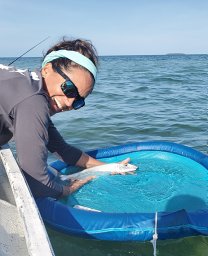 Jennifer Rehage合作论文数Department of Biological Sciences;Florida International University;Department of Biological Sciences, Florida International University38
 Rolando O. Santos合作论文数31
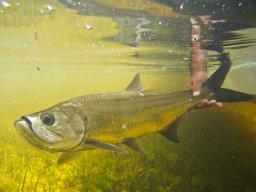 Aaron J. Adams合作论文数Center for Fisheries Enhancement;Mote Marine Laboratory;Mote Marine Laboratory, Center for Fisheries Enhancement30J. S. Rehage合作论文数12Jordan A. Massie合作论文数Institute of Environment, Florida International University12
 Ryan James合作论文数12
 Jacob William Brownscombe合作论文数Environmental and Life Sciences Graduate Program, Trent University9
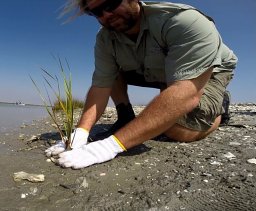 Ryan J. Rezek合作论文数Dept Marine Sci, Coastal Carolina Univ8
 Steven Cooke合作论文数Department of Biology, Carleton University;Institute of Environmental and Interdisciplinary Science, Carleton University8
 Andy J. Danylchuk合作论文数Fish Ecology and Conservation Physiology Laboratory;Department of Biology;Carleton University;Fish Ecology and Conservation Physiology Laboratory, Carleton University8Nicholas A. Castillo合作论文数7Natasha M. Viadero合作论文数7
 Lucas P. Griffin合作论文数Dept Environm Conservat, Univ Massachusetts7Alejandro Acosta合作论文数6
 Tomas Brodin合作论文数Department of Wildlife, Fish and Environmental Studies, Swedish University of Agricultural Sciences6Danielle Morley合作论文数6
 Philip W. Stevens合作论文数6
 Daniel Cerveny合作论文数Faculty of Fisheries and Protection of Waters, University of South Bohemia in Ceske Budejovice6
 Jerker Fick合作论文数Department of Chemistry, Umeå University6David A. Blewett合作论文数5
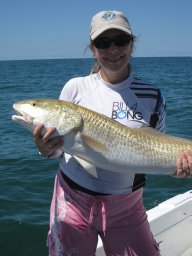 Susan K. Lowerre-Barbieri合作论文数College of William & Mary;School of Marine Science;Virginia Institute of Marine Science;School of Marine Science, Virginia Institute of Marine Science5James A. Nelson合作论文数4JoEllen K. Wilson合作论文数4
 Addiel Perez合作论文数4
 Michael Heithaus合作论文数Department of Biological Sciences, College of Arts, Sciences & Education, Florida International University4
 Robert Dodge Ellis合作论文数Florida Fish and Wildlife Conservation Commission, Fish and Wildlife Research Institute3
 Tony L. Goldberg合作论文数Department of Pathobiological Sciences, School of Veterinary Medicine, University of Wisconsin‐Madison3
 Juan J Schmitter-Soto合作论文数Instituto Nacional;Campo Experimental Edzná;Campo Experimental Edzná, Instituto Nacional3Christopher D. Dunn合作论文数2Sophia V. Costa合作论文数2Rolando Santos Corujo合作论文数2Alexis A. Trotter合作论文数2
 Steven M. Lombardo合作论文数2
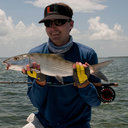 Michael Larkin合作论文数2Grace A Casselberry合作论文数Department of Environmental Conservation, University of Massachusetts Amherst2
 Peter Holder合作论文数Department of Biology, Carleton University2Alex Filous合作论文数2Philip Matich合作论文数2Robert Ahrens合作论文数2
 Carissa Gervasi合作论文数Inst Environm, Florida Int Univ2
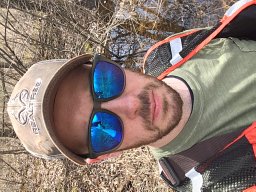 Lewis J. Campbell合作论文数Department of Pathobiological Sciences, University of Wisconsin-Madison2
 Benjamin L. H. Jones合作论文数Project Seagrass2
 Sahar Mejri合作论文数Harbor Branch Oceanographic Institute, Florida Atlantic University2
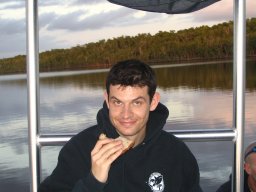 Adam Rosenblatt合作论文数2
 Kyle Wilson合作论文数Department of Psychology, University of Canterbury2
 Hong Liu合作论文数Department of Environmental Studies, Florida International University;Fairchild Tropical Botanic Garden, Center for Tropical Plant Conservation;Center for Tropical Plant Conservation, Florida International University2Bickford Joel合作论文数2
 Samuel Shephard合作论文数Marine and Freshwater Research Centre, Galway-Mayo Institute of Technology2
 Michael Power合作论文数Department of Biology, University of Waterloo2




