This experimental study on the euryhaline sturgeon Acipenser gueldenstaedtii, endemic to the Caspian Sea, assessed the effect of salinity on the dietary assimilation efficiency (AE) and internal distributions of eight radio-elements (54Mn, 65Zn, 75Se, 110mAg, 109Cd, 134Cs and 241Am). For a Caspian Sea salinity range, their AEs varied over more than an order of magnitude in freshwater (FW; 0.42 psu) and by four orders of magnitude in brackish water (BW; 9.0 psu). Salinity reduced the whole-body AE of 241Am by more than 3 orders of magnitude and 110mAg six-fold, but the other radio-elements showed only minor effects of salinity on their assimilation. These results reflected modelled changes in their bioavailability in the gastric lumen due to enhanced salinity. Gastro-intestinal tract activity concentrations of 241Am, 54Mn, 110mAg and 134Cs were inhibited by salinity by 1-2 orders of magnitude, but had minimal effect on 60Co, 65Zn, 109Cd or 75Se activity concentrations. For other body components salinity had least effect on activity concentrations in liver and kidney, reduced 54Mn, 110mAg and 241Am transferred to head and muscle by factors of 38-146, and 241Am in skin was inhibited by two orders of magnitude. Salinity had greater inhibitive effects by two orders of magnitude via dietary exposure, compared to uptake from water.
Americium-241 whole body and internal biokinetics were experimentally investigated in the euryhaline diamond sturgeon Acipenser gueldenstaedtii during its uptake from water and food, in fresh (FW) and brackish water (BW; 9 psu). Whole-body uptake rates of 241Am from water and subsequent depuration rates were quantified over 14 and 28 days, respectively, and assimilation efficiency (AE) of 241Am from diet (chironomid) was determined over 28 days. FW reduced the biological half-life of 241Am following aqueous uptake by an order of magnitude. In contrast BW greatly reduced 241Am assimilation efficiency (AE) from diet (chironomid) by several orders of magnitude (from an AE of 8.5% (FW) down to 0.003% (BW)). Hence, salinity per se is indicated as a major environmental variable in determining the radiological exposure of A. gueldenstaedtii to 241Am. During aqueous exposure BW appreciably increased 241Am activity concentrations in most body components, but aqueous or dietary exposure pathway at either salinity did not determine marked differences in how 241Am was distributed among six body components. The highly mineralized skin of A. gueldenstaedtii recurred as a major repository of 241Am in all experimental treatments, as high as 50% among body components, due to its internal transfer from diet, surface adsorption and/or active absorption from water. The indicated prominence of the aqueous, compared to the dietary, exposure pathway for 241Am accumulation by A. gueldenstaedtii suggests its radiological exposure would be enhanced by BW as it leads to its greater long-term retention, due to a much longer biological half-life.
Dogfish (Scyliorhinus canicula) transferred trace elements (110Ag, 109Cd, 54Mn and 75Se) from their diet to eggs, and their components (yolk and embryo, case and jelly) at greatly varying rates. Trace element levels in eggs showed positive linear relationships (p < 0.001; r2–0.83-0.91) with their cumulative rates of maternal ingestion over 61 days (maternal-to-egg transfer rates: mTFs). These mTFs varied by 2–3 orders of magnitude, with 54Mn > 110Ag > 75Se > 109Cd, and their range encompassed those previously measured for 60Co, 65Zn, 241Am and 134Cs. For six of the eight trace elements, their mTFs were significantly influenced (p < 0.05; r2 = 0.72) by both their dietary assimilation efficiency and their location within the egg (case). In contrast, both 110Ag and 54Mn greatly exceeded the mTFs predicted by this multiple regression model by one and 2–3 orders of magnitude, respectively, and were predominantly transferred to the egg case. Among elements, contrasting rates of transfer and percentage distributions in egg components imply differing ecotoxicological and radiological detriments to the developing embryo.
Cadmium-109 whole-body and internal biokinetics were experimentally investigated in critically endangered diamond sturgeon Acipenser gueldenstaedtii after uptake from water or food, in fresh (FW) and brackish (BW; 9‰) salinities typical of the Caspian Sea. Whole-body rates of uptake of 109Cd from water and subsequent depuration were quantified over 14 and 28 days, respectively. Uptake was greater in FW than BW by a factor of 2.4, but depuration rates were similar in both salinities. In contrast, for the dietary (chironomid) exposure pathway 109Cd assimilation efficiencies (AEs) were higher in BW (13
The role of zooplankton and their particulate products in the biogeochemical cycling and vertical transport of natural radionuclides, such as 210Po and 210Pb, in the marine environment has been the subject of both field and experimental laboratory studies for many years. The capacity of zooplankton to appreciably influence Po water concentrations in the euphotic zone of these oligotrophic waters was a major hypothesis of investigation in this empirical and associated modeling study. The model used to predict Po and Pb water concentrations ascribed their loss from the euphotic zone as being solely due to the fecal pellets produced by zooplankton that were identified as being dominated numerically by calanoid and cyclopoid copepods. The capacity of zooplankton to appreciably influence 210Po water concentrations in the euphotic zone of these oligotrophic waters was a major hypothesis of investigation in this empirical and associated modeling study.
This experimental study determined internal distributions of an array of radio-elements (54Mn, 60Co, 65Zn, 134Cs, 241Am, 109Cd, 110mAg, 75Se and 51Cr) accumulated from seawater by three chondrichthyan fish species (Scyliorhinus canicula (dogfish), Raja undulata (undulate ray) and Torpedo marmorata (spotted torpedo)) and three teleost species (Scophthalmus maximus (turbot), Sparus aurata (seabream) and Dicentrarchus labrax (seabass)). The study tested the hypothesis that the chondrichthyan (cartilaginous) fish taxon and teleost (bony) fish taxon have different patterns of bioaccumulation of these radio-elements in six body components (head, digestive tract, liver, kidneys, skin and muscle), consistent with their long period of evolutionary divergence. Comparisons of body component CFs between the two taxa for each radio-element and the full array of radio-elements showed highly significant differences (p ≤ 0.001) between cartilaginous and bony fishes in each body component, confirming the existence of a strong and pervasive phylogenetic signal; however, the subset of radio-elements most determinant of these differences were unique for each body component. Partitioning between the three individual bony species and the three individual cartilaginous species also occurred repeatedly among their body components, particularly for bony fishes. Distributions of these radio-elements among body components were typically highly heterogeneous for both fish taxa.
The tropical island nation of Sri Lanka has a rich terrestrial and aquatic reptilian fauna. However, like most other tropical countries, the threat of climate change to its reptile diversity has not been adequately addressed, in order to manage and mitigate the extinction threats that climate change poses. To address this shortfall, a review of the international literature regarding climate change impacts on reptiles was undertaken with specific reference to national requirements, focusing on predicted changes in air temperature, rainfall, water temperature, and sea level. This global information base was then used to specify a national program of research and environmental management for tropical countries, which is urgently needed to address the shortcomings in policy-relevant data, its availability and access so that the risks of extinction to reptiles can be clarified and mitigated. Specifically, after highlighting how climate change affects the various eco-physiological features of reptiles, we propose research gaps and various recommendations to address them. It is envisaged that these assessments will also be relevant to the conservation of reptilian biodiversity in other countries with tropical and subtropical climatic regimes
Understanding the relationships between giant panda (Ailuropoda melanoleuca) and their sympatric species is an important component in their conservation. In this study we evaluate the impact of sympatric species with three ranges of body size on the distribution and habitat selection of giant panda. We surveyed giant panda and their sympatric species occurrences by camera trapping and field survey in the Wanglang Nature Reserve, Sichuan, from May 2018 to June 2019. Ten wild species and one domestic species with high photographic presences were selected and clustered by body size indicators. Generalized linear models and redundancy analysis showed that the distribution of giant panda was significantly influenced by the presence of large- and medium-sized species and domestic cattle, but less so by small-sized species. Giant panda tend to avoid cattle by choosing more inferior habitats. Differences in the impact of the ten sympatric species and cattle on the giant panda habitat selection are reflected in three variables: slope, tree density and herb coverage. Our study suggests that; i) more attention should be paid to habitat protection and restoration, particularly for those habitats identified as most suitable for giant pandas; ii) as body size of other species present is a factor which adversely influences giant panda distribution, reductions in large-sized grazing species will be necessary to support giant pandas in nature reserves, and iii) residents should consider replacing cattle with smaller-sized domestic species.
The locomotor performance of reptiles is profoundly influenced by temperature, but little is known about how the time of day when the animal is usually active may influence performance. Time of day may be particularly relevant for studies on nocturnal reptiles that thermoregulate by day, but are active at night when ambient temperatures are cooler. If selection favours individuals that match their performance to activity times, then nocturnal species should perform better during the night, when they are normally active, than during the day. To test this hypothesis, we investigated how the time of day and body temperature affected the locomotor performance of adult females of the velvet gecko (Amalosia lesueurii). We measured the sprint speeds, running speeds and number of stops of 43 adult females at four different body temperatures (20, 25, 30 and 35 °C) during the day and at night. At night, sprint speeds were higher at 20 and 35 °C but sprint speeds were similar at 25 and 30 °C. By day, sprint speed increased with body temperature, peaking at 30 °C, before declining at 35 °C. However, gecko speeds over 1 m was higher at night at all four test temperatures than by day. Number of stops showed broadly similar patterns and females stopped almost twice as often on the racetrack during the day than they did at night. Furthermore, the thermal breadth of performance differed depending on when geckos were tested. Our results demonstrate that both body temperature and the time of day affects the behaviour and locomotor performance of female velvet geckos, with geckos running faster at night, the time of day when they are usually active. This study adds to evidence that both body temperature and the time of day are crucial for estimating the performance of ectotherms and evaluations and predictions of their vulnerability to climate warming should consider the context of laboratory experimental design.
This article contains general physico-chemical data (salinity, pH, redox potential, temperature, dissolved oxygen, suspended particulate matter (SPM), dissolved organic carbon and chlorophyll a concentrations) for surface waters at 15 near-pristine sites in the Hawkesbury Estuary and 24 sites (encompassing a wide range of metal contamination) in the highly urbanized Sydney Estuary, south-eastern Australia. Data on concentrations of five key metals (cadmium (Cd), chromium (Cr), copper (Cu), lead (Pb) and zinc (Zn)) in filtered (<0.2 μm) surface water, suspended particulate matter (>0.2 μm) and surface sediments (<2 mm) at each study site are also provided. The concentrations of Cd, Cr, Cu, Pb and Zn in SPM and sediment at each site were normalised for aluminium (Al) concentration (e.g. Cd/Al), to account for natural variation in particle size and mineralogy. Enrichment factors (EFs) were calculated from these data by dividing the mean metal concentration at each site in the Sydney Estuary, for each environmental matrix (i.e., filtered water, SPM and sediment), by its mean baseline metal concentration from near-pristine reference sites in the adjacent Hawkesbury Estuary. A thorough knowledge of the general physico-chemistry and key metal concentrations in surface waters and sediments in the Sydney Estuary provide a baseline to assess anthropogenic change and better manage estuarine/marine ecosystems.
This study critically evaluated the native pygmy mussel (Xenostrobus securis) as a biomonitor of the key metal contaminants in the highly urbanised Sydney Estuary, south-eastern Australia. Five metals (Cd, Cr, Cu, Pb and Zn) were identified as key contaminants, based on their enrichment factors (EFs) in the whole soft tissue of X. securis at 24 sampling sites, relative to baseline values from near-pristine reference sites in the adjacent Hawkesbury Estuary. Inverse relationships established between mussel size (dry tissue weight) and tissue concentrations of each metal were used to reduce variance (by 4-fold) among individuals; gender and reproductive status had no significant (p > 0.05) effect on tissue metal concentrations in X. securis. Metal concentrations in three environmental matrices – filtered (<0.2 μm) surface water (operationally defined as the dissolved/colloidal phase), suspended particulate matter (SPM; >0.2 μm) and surface sediment (<2 mm particle size), which are most relevant to a suspension-feeding estuarine bivalve, were also determined at each sampling site. For each of the five metals, highly significant (p < 0.01) positive linear regressions were established between metal EFs for mussel tissue and each environmental matrix. Metals in surface sediment and SPM explained 80–91% and 81–90%, respectively, of the variability in metal concentrations in mussel tissue, with filtered surface water explaining 74–86%. Cumulative mussel tissue EFs of all five metals, when regressed against each environmental matrix, showed that surface sediment concentrations explained 93% of their variability between sites, SPM 94% and filtered surface water 87–90%. Hence, X. securis very closely reflects the metal concentrations in its aquatic environment. The study provides a quality-assured benchmark of key metal contamination in the Sydney Estuary, and an appropriate methodology that may be used to discern any changes in metal contaminant status using X. securis.
The marine organisms which inhabit the coastline are exposed to a number of anthropogenic pressures that may interact. For instance, the accumulation of toxic metals present in coastal waters is expected to be modified by ocean acidification through e.g. changes in physiological performance and/or elements availability. Changes in bioaccumulation due to lowering pH are likely to be differently affected depending on the nature (essential vs. non-essential) and speciation of each element. The Mediterranean is of high concern for possible cumulative effects due to strong human influences on the coastline. The aim of this study was to determine the effect of ocean acidification (from pH 8.1 down to - 1.0 pH units) on the incorporation kinetics of six trace metals (Mn, Co, Zn, Se, Ag, Cd, Cs) and one radionuclide (Am-241) in the larvae of an economically- and ecologically-relevant sea urchin of the Mediterranean coastline: Paracentrotus lividus. The radiolabelled metals and radionuclides added in trace concentrations allowed precise tracing of their incorporation in larvae during the first 74 h of their development. Independently of the expected indirect effect of pH on larval size/developmental rates, Paracentrotus lividus larvae exposed to decreasing pHs incorporated significantly more Mn and Ag and slightly less Cd. The incorporation of Co, Cs and Am-241 was unchanged, and Zn and Se exhibited complex incorporation behaviors. Studies such as this are necessary prerequisites to the implementation of metal toxicity mitigation policies for the future ocean. We discuss possible reasons and mechanisms for the specific effect of pH on each metals.
Cartilaginous dogfish Scyliorhinus canicula continued to transfer four anthropogenic radionuclides (Zn-65, Co-60, Cs-134 and Am-241) to their eggs for over six months, after two months of continued maternal exposure to radio labelled food. Unexpectedly, rates of radionuclide transfers to eggs and their yolk & embryo during maternal depuration were equivalent for Co-60 and Am-241, or even enhanced for Zn-65 and Cs-134 by factors of c.200-350%, over two-three months, compared to their maximal transfer rates at the end of the maternal uptake phase. These rates of maternal transfer of radionuclides to yolk & embryo were positively associated with their previously determined efficiencies of assimilation (AE) from ingested radio-labelled food. Thus progeny may be more exposed via maternal transfer to those radionuclides which have greater rates of maternal assimilation from food. As maternal depuration continued beyond 60-80 up to 180-200 days the transfers of all four radionuclides to eggs did diminish but were still substantial at mean values of 18% for Am-241, 17% for Cs-134 and 9 and 8% for Co-60 and Zn-65, respectively. In the yolk & embryo the mean rates of transfer over this period were further reduced for Am-241 (13.5%), Co-60 (2.5%) and Zn-65 (5.8%), but were still appreciable for Cs-134 at 56%. These results for S. canicula have demonstrated a potential enhanced radiological risk of extended duration due to the particular biokinetics of maternal transfer in this species. This study draws further attention to the current paucity of knowledge about the maternal: progeny transfer pathway, particularly in the context of the known heightened radio-sensitivity of early life stages in fish and other vertebrates, compared to later life stages.
The biokinetics of eight radionuclides (241Am, 109Cd, 134Cs, 75Se, 54Mn, 110mAg, 65Zn, 60Co) absorbed from the aquatic medium by juvenile Russian sturgeon (Acipenser gueldenstaedtii) were experimentally determined in fresh (0.42‰) and brackish (9.0‰) waters, of a similar salinity range to the Caspian Sea, and in conjunction with chemical speciation modelling. Uptake and loss rate constants were determined for each radionuclide for a 14 day exposure at each salinity and during 28 days of exposure to radionuclide-free conditions. Whole body (wet): water concentration factors (CF) achieved over 14 days for these eight radionuclides were used in a comparison with the same radionuclide CFs previously determined experimentally for six species of marine teleosts and chondrichthyans, to further test a phylogeny-based model of multi-nuclide bioaccumulation based on marine chordates. Multivariate analyses (multidimensional scaling and hierarchical clustering) identified the relative affinities among these taxa and also those radionuclides which distinguished most between them, in their differing CFs. They consistently showed that sturgeon aggregated as a group, which was also slightly differentiated with salinity. Sturgeon were distinguished from all teleosts and chondrichthyans but were more dissimilar from chondrichthyans than teleosts, in accordance with sturgeon's different periods of divergence from them in evolutionary time. Variable salinity among experiments may also cause changes in radionuclide bioaccumulation due to variations in (i) bioavailability (ii) osmolarity, and (iii) competitive inhibition of a radionuclide's bioaccumulation by its stable analogue or metabolic model. Their potentially confounding effects on these patterns of radionuclide CFs among taxa were critically evaluated for those radionuclides which discriminated most between sturgeon and teleosts or chondrichthyans. Bioavailability, osmolarity and competitive inhibition effects were identified among salinity treatments, however they were not appreciable enough to override the phylogeny-based signal. The results of this study are thus consistent with a phylogeny-based model of radionuclide bioaccumulation by marine chordates being valid for a fish species living in lower salinity regimes.
This study compared the bioaccumulation of anthropogenic nuclides (65Zn, 134Cs, 60Co and 241Am) between the egg and juvenile life stages of a small shark (Scyliorhinus canicula), based on previously published experimental data. Rates of accumulation over 15 days were derived and summed for the transfer pathways which were specific to these two life stages. Radionuclide transfers to the egg and its embryo & yolk were quantified for i) the maternal pathway following her uptake of radionuclides via food and seawater and ii) from seawater following its oviposition. For the juvenile, the transfer of radionuclides were measured for aqueous & dietary pathways. The results show that, compared to juveniles, eggs have equivalent rates of accumulation of 65Zn and 134Cs but enhanced accumulation of 241Am by a factor of five and of 60Co by two orders of magnitude. The radiological exposure of the embryo due to radionuclides maternally transferred to the embryo & yolk is also enhanced for the alpha-emitting 241Am. This enhanced accumulation of 241Am and 60Co, as well as the equivalent accumulation of 65Zn and 134Cs, suggest greater likely vulnerability to radiation damage in eggs as compared to juveniles. Radiological dose assessment confirmed highest doses to the egg which is predominantly due to accumulated 241Am.
Anderson et al. report on recent observations of various water masses in the Arctic Ocean from the SWERUS-C3 expedition onboard the icebreaker Oden in July to September 2014. The nutrient and carbonate system measurements are a valid addition to the still relative scarce data set from the Arctic Ocean. The data are well presented and discussed. The paper is very well written. I have a few minor comments and recommend publication in Biogeosciences.
There is a need to explain why different organisms contrast greatly in their capacities to accumulate trace element contaminants. Such understanding will enhance predictive ecological risk assessment for these contaminants and permit better evaluation of the ‘reference organism’ approach to radiation protection [1,2,3]. More fundamental biological explanations of these differences in bioaccumulation between different organisms are yet to be achieved. Experimental investigations have shown consistencies within teleost and chondrichthyan fish in their patterns of bioaccumulation of multiple trace elements. Such patterns are indicating phylogenetically-based predispositions for elevated boaccumulation and internal exposures among these contaminants.
Maternal transfer of radionuclides to progeny is one of the least known sources of contamination in marine biota and more information is needed to assess its radiological significance. A radiotracer study on spotted dogfish, Scyliorhinus canicula, evaluated the hypothesis that four anthropogenic radionuclides (Cobalt-60, Zinc-65, Americium-241 and Cesium-134) could be maternally transferred to eggs and each of their major components during maternal ingestion of radiolabelled food. The linear regressions between cumulative radioactivity that had been maternally ingested and the level in subsequently laid eggs were used to derive maternal-to-egg transfer factors (mTFs). These maternal transfers varied over an order of magnitude and were ranked (134)Cs > (65)Zn > (60)Co > (241)Am. This ranking was the same as their relative assimilation efficiencies in radiolabelled food consumed by adults. Among these four radionuclides the potential radiological exposure of embryos is accentuated for (65)Zn and (134)Cs due to their predominant transfer to egg yolk where they are available for subsequent absorption by the embryo as it develops prior to hatching from the egg capsule. Thus, for cartilaginous fish like shark, the potential radioecological consequences of a pulsed release of these radionuclides into the marine environment may extend beyond the temporal duration of the release.
The effects of elevated CO2 partial pressure (pCO2) on otolith calcification and on the coupling between somatic and otolith growth were investigated in juvenile gilthead sea bream Sparus aurata. Six-month old individuals were raised during seven weeks under four pCO2 conditions set according to projected future ocean acidification scenarios. Body and otolith biometric parameters were measured throughout the experiment along with the otolith biomineralization monitored using a radiotracer technique based on 45Ca incorporation. Sea bream exhibited somatic growth resilience to all treatments. In contrast, increased growth rate and shape complexity of otoliths were observed with a pHT drop from 8.1 to 7.5. Hypercalcification was observed under lowered pH, with a rate of calcium incorporation increasing by up to 18% between pHT 8.1 and pHT 7.7. This work highlighted an uncoupling of otolith and body growth of juvenile sea bream within 40days at pHT 7.9 projected to be reached by the end of the century. As the otolith is an essential tool used in reconstructing fish life history, this work suggests that information resulting from otolith studies should be interpreted with caution with respect to the potential impacts that ocean acidification projected modifications could have on otolith biomineralization.
This study examines the potential effects of ocean acidification on countries and fisheries of the Mediterranean Sea. The implications for seafood security and supply are evaluated by examining the sensitivity of the Mediterranean to ocean acidification at chemical, biological, and macro-economic levels. The limited information available on impacts of ocean acidification on harvested (industrial, recreational, and artisanal fishing) and cultured species (aquaculture) prevents any biological impact assessment. However, it appears that non-developed nations around the Mediterranean, particularly those for which fisheries are increasing, yet rely heavily on artisanal fleets, are most greatly exposed to socioeconomic consequences from ocean acidification.
 Scott Markich合作论文数Aquatic Solutions International27
 Jean-Louis Teyssié合作论文数25Oberhänsli François合作论文数19
 Jean-Pierre Gattuso (让·皮埃尔·加图索)合作论文数Laboratoire d’Océanographie de Villefranche, Sorbonne University;Institute for Sustainable Development and International Relations;Centre National de la Recherche Scientifique10Paul L. Brown合作论文数7
 Fanny Houlbreque合作论文数Department of Geological and Environmental Sciences, Stanford University7Florence Boisson合作论文数7
 Thomas Lacoue-Labarthe合作论文数Littoral Environnement et Sociétés6Francois Oberhansli合作论文数6JL Teyssie合作论文数6
 Scott W. Fowler合作论文数School of Marine and Atmospheric Sciences, Stony Brook University5
 Bustamante Paco合作论文数University of La Rochelle5
 Riccardo Rodolfo-Metalpa合作论文数ENEA-Centro Ricerche Ambiente Marino5
 Michel Warnau合作论文数5Richard P. Lim合作论文数4
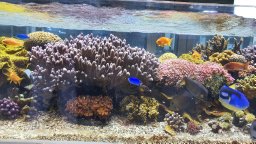 Eric Tambutte合作论文数Centre Scientifique de Monaco4Andy Foggo合作论文数3
 Buddhi Dayananda合作论文数School of Agriculture and Food Sciences, The University of Queensland3
 Sam Dupont合作论文数The Sven Lovén Centre for Marine Sciences, Gothenburg University;The Sven Lovén Centre for Marine Sciences, Gothenburg University3
 Jason Hall Spencer合作论文数School of Biological and Marine Sciences, Faculty of Science and Engineering, University of Plymouth3
 Cecilia Baggini合作论文数3D. Cohen合作论文数3
 Denis Allemand合作论文数Centre Scientifique de Monaco3
 Rainer Siegele合作论文数3J.R Twining合作论文数3
 Mathew P. Johansen合作论文数Australian Nuclear Science and Technology Organisation3
 Iva Orlic合作论文数Department of Physics, National University of Singapore3Nathalie Hilmi合作论文数3Steeve Comeau合作论文数Dept Biol, Calif State Univ Northridge3
 James Orr合作论文数Program in Atmospheric and Oceanic Sciences;Princeton University;Program in Atmospheric and Oceanic Sciences, Princeton University3
 David Copplestone合作论文数England & Wales Environment Agency3K. Higley合作论文数2
 Sergii Gashchak合作论文数2g proehl合作论文数2h mulye合作论文数2h takata合作论文数2Laetitia Charbonnier合作论文数2d telleria合作论文数2
 Pedro Herve-Fernandez合作论文数Lab Monitoreo Pastizales, Univ Magallanes2
 m d wood合作论文数Sch Sci Engn & Environm, Univ Salford2
 Brenda J Howard合作论文数2
 Helena C Reinardy合作论文数School of Biomedical and Biological Sciences, The University of Plymouth2
 Safa Alain合作论文数IPAG Lab, Nice, France.2P. Dale合作论文数2J.E. Brown合作论文数2
 Andreas Florian Bollhofer合作论文数2
 Sergey Fesenko合作论文数2
 Marc Metian合作论文数UMR 6250, CNRS-Université de La Rochelle2




