Poverty researchers focus on whether interventions relieve material hardships and the stresses of financial insecurity. Although these are essential outcomes, a narrow focus on them can limit the evaluation of policy effectiveness. Further, the predominant focus in the field on individual outcomes may miss how policy matters for family relationships. The present study takes a relational perspective and attends to positive policy outcomes such as joy. It uses the case of unconditional cash transfers to show the joys of mothering and the role of such policy interventions in these experiences. From the Baby's First Years study, we analyze interviews with 80 women, who were living below the poverty line at their child's birth; 65% identified as Black. We highlight how mothers use the cash transfer money to create opportunities for joy and bonding in their mutually rewarding relationships with their children. We show how financial resources serve purposes beyond meeting material needs and as human-capital investments. Financial resources are also conduits for relationship building and family flourishing, including through joy. To holistically assess policy impacts requires a comprehensive picture that allows scholars and policymakers to understand how government programs can help families not just survive but thrive.
As attacks on Black people have become more visible, key Black organizations have been building a grassroots movement of culturally grounded healing circles. African-centered healing circles address historical and contemporary racial stress experienced by Black people. They privilege culture and function as community-driven medicine, promoting collective healing and protecting against the effects of ongoing racism. The growth of these circles signals a shift away from Western methods of healing and toward indigenous practices. This article describes their growth, underlying theories, common elements, and evidence, and sketches a vision for national and international expansion. (PsycInfo Database Record (c) 2025 APA, all rights reserved).
This study examines the predictive ability of experiences of micro-aggressions on depressive symptoms of students of Asian descent (n = 401) attending a predominately White university in the United States. In order to examine the associations between racial microaggressions and the sense of belonging and ethnic identity in the mental health of the population, we applied critical race theory. In addition, to explore the predictability of these variables, an Artificial Neural Network (ANN) analysis, which can examine the interactions of complex and non-linear variables, was conducted. Findings showed that experiences of racial micro-aggressions were the strongest predictors of depressive symptoms with a sense of belonging and ethnic identity also having a moderate effect on student depressive symptoms. Implications for practice on each micro, mezzo, and macro levels are discussed.
The genesis of the youth Community Health Worker (CHW) and Citizen/Community Science (CS) training is rooted in interdisciplinary research and the lived experiences of families in Chicago and Urbana-Champaign. Dr. Mendenhall and colleagues’ (Drs. Robinson, Roberts and Rodriquez-Zas) South Chicago’s Black Mothers’ Resiliency Project provide dinsights into Black women’s experiences with genomics, trauma, and community science. Black women’s testimonies highlighted the health impacts of living in neighborhoods with high levels of gun violence and the resilience strategies they employ. This led to the development of a youth-centered CHW and CS training program, aimed at addressing health disparities. The program trained high school students and young adults (up to age 24) as CHWs and CSs, focusing on the objectives of (1) embedding culturally competent health workers in marginalized communities; (2) amplifying community voices; (3) collecting, analyzing, and quantifying observational data to inform policy decision-making; (4) amplifying community voices in healthcare discussions and (5) creating community health care worker training certification for youth. Over three years, the program trained over 50 participants, incorporating elements of wellness, art, and entrepreneurship.Based on ethnographic notes participants reported increases in wellness such as reduced anxiety and increased empowerment. The program’s long-term goals include creating employment opportunities for graduates and contributing to improved community health outcomes. This initiative represents a step towards addressing racial trauma and promoting community healing through youth-led innovation and empowerment.
This paper investigates the gendered linguistic patterns of tweets discussing state-sanctioned and vigilante violence against African American women. The paper considers representations of Black women and Black death as engaged on the social media platform formerly known as Twitter. We utilize the theoretical frameworks of Patricia Hill Collins' (2022. Black Feminist Thought, 30th Anniversary Edition: Knowledge, Consciousness, and the Politics of Empowerment. London: Taylor & Francis) conceptualization of Black feminist epistemology and controlling images and Kimberle Crenshaw's (2018. "Demarginalizing the Intersection of Race and sex: A Black Feminist Critique of Antidiscrimination Doctrine, Feminist Theory, and Antiracist Politics [1989]." Feminist Legal Theory 1: 57-80) intersectionality to understand the ways that Black women are discussed, remembered and advocated for on social media platforms in relation to their Black men counterparts. The analysis of over seven million tweets utilizes both qualitative content analysis and computational tools. The paper's findings concluded that there were differences related to passive and active language based on the gender of the victim of state-sanctioned or vigilante-race-based violence, as well as homophily, specifically name events most frequently used within the context of the state-sanctioned killing of Black women versus Black men.
Background: Structural racism negatively affects the lives of Black women living in hyper segregated neighborhoods on the South Side of Chicago. As a part of emerging research about social exposome's effect on health, this project seeks to understand how the neighborhood context shapes social exposures that often contribute to mental and physical health disparities for Black women. Social exposome is how social experiences can manifest in the body. Materials and Methods: This is a mixed methods study that combines geographic data with interviews from Black 92 mothers to understand their social exposures in their neighborhoods, with particular attention to health domains. The Chicago Health Atlas, a public health dataset created by the City of Chicago, is used to contextualize the women's stories about their lived experiences on the Southside of Chicago. The mothers'one-hour interviews are part of a larger study, "The South Chicago Black Mothers' Resiliency Project," which examined how one's health is affected by neighborhood conditions. The original study results showed that neighborhood conditions significantly affected Black mothers' health outcomes. Results: Multilevel thematic analysis of the in-depth interviews and descriptive analysis of a public health dataset elucidate that racially hypersegregated neighborhoods serve as enclaves of racialized health disparities. As such, Black women are left feeling trapped where they live, due to high levels of community violence exposure, vacant housing, and other forms of structural violence that are associated with diseases and early deaths among Black women. Conclusion: This study turns an intersectional lens on the concept of the social exposome to understand Black women's narratives of the chronic stress resulting from living in racially hypersegregated neighborhoods with high levels of gun violence. These neighborhoods are culturally rich and vibrant. Unfortunately, the health data shows that systemic racism often cuts down the life and potential of so many of the mothers and their family members. As a society, it is critical to identify and eliminate threats to well-being in the exposome. This is especially true of physicians and other healthcare providers. We argue that all healthcare training institutions must train future practitioners to holistically understand the social contexts of their patients' lives, highlighting the need to advance equity as prevention and the holistic healing of individuals.
How universities can influence socially responsible AI technology development and use.
In Canada, community and policy leaders have issued urgent calls to collect, analyze, and mobilize disaggregated data to inform equity-oriented initiatives aimed at addressing systemic racism and gender inequity, as well as other social inequities. This essay presents critical reflections from a national Roundtable discussion regarding how meaningful community engagement within academia–community–government research collaborations offers the opportunity to harness disaggregated data and advanced analytics to centre and address the priorities of equity-deserving and sovereignty-seeking groups. Participants emphasized four key priorities: (1) Building equitable and engaged partnerships that centre community-driven priorities and address structural barriers to community engagement; (2) Co-creating ethical data governance policies and infrastructure to support community data ownership and access; (3) Stimulating innovation and pursuing community involvement to create contextualized, advanced analyses and effective visualizations of disaggregated data; and (4) Building the capacity of all partners to effectively contribute to partnership goals. Capacity building was viewed as a bridge across a diversity of lived and professional expertise, enabling intersectoral research teams to collaborate in culturally safe and respectful ways. Beyond identifying key structural barriers impeding the promise of disaggregated data, we present practical opportunities for innovation in community-engaged scholarship to address social justice challenges in Canada.
This article focuses on the mentoring relationships Black women create and develop. The authors highlight how mentoring is communal and the ways these relationships serve to connect communities of Black women as resources of support. The article illuminates the generative power of Black women's mentoring relationships to create alternate realities that make the academy more accessible, supportive, and beneficial for Black women. Black women engage in these mentoring relationships as acts of resistance by fighting to make space for their voices to be heard. As members of marginalized communities and outsiders within the academy, the article utilizes conversation as a method of inquiry, to share a curated exchange between the co-authors, Nicole M. Brown and Ruby Mendenhall, discussing the evolution of their decade's long mentoring relationship.
This study employs multi-level and mixed-methods approaches to examine how structural violence affects the health of low-income, single Black mothers. We use multilevel regression models to examine how feeling "trapped" in racially segregated neighborhoods with high levels of violence on the South Side of Chicago affects mothers' (N = 69) reports of posttraumatic stress disorder and depressive symptoms. The relationship between feeling "trapped" and variations in expression of mRNA for the glucocorticoid receptor gene NR3C1 using microarray assays was also examined. The regression models revealed that feeling "trapped" significantly predicted increased mental distress in the form of PTSD, depressive symptoms, and glucocorticoid receptor gene regulation. The mothers' voices revealed a nuanced understanding about how a lack of financial resources to move out of the neighborhood creates feelings of being "trapped" in dangerous situations.
During historical and contemporary crises in the U.S., Blacks and other marginalized groups experience an increased risk for adverse health, social, and economic outcomes. These outcomes are driven by structural factors, such as poverty, racial residential segregation, and racial discrimination. These factors affect communities' exposure to risk and ability to recover from disasters, such as pandemics. This study examines whether areas where descendants of enslaved Africans and other Blacks lived in Chicago were vulnerable to excess death during the 1918 influenza pandemic and whether these disparities persisted in the same areas during the COVID-19 pandemic. To examine disparities, demographic data and influenza and pneumonia deaths were digitized from historic weekly paper maps from the week ending on 5 October 1918 to the week ending on 16 November 1918. Census tracts were labeled predominantly Black or white if the population threshold for the group in a census tract was 40% or higher for only one group. Historic neighborhood boundaries were used to aggregate census tract data. The 1918 spatial distribution of influenza and pneumonia mortality rates and cases in Chicago was then compared to the spatial distribution of COVID-19 mortality rates and cases using publicly available datasets. The results show that during the 1918 pandemic, mortality rates in white, immigrant and Black neighborhoods near industrial areas were highest. Pneumonia mortality rates in both Black and immigrant white neighborhoods near industrial areas were approximately double the rates of neighborhoods with predominantly US-born whites. Pneumonia mortality in Black and immigrant white neighborhoods, far away from industrial areas, was also higher (40% more) than in US-born white neighborhoods. Around 100 years later, COVID-19 mortality was high in areas with high concentrations of Blacks based on zip code analysis, even though the proportion of the Black population with COVID was similar or lower than other racial and immigrant groups. These findings highlight the continued cost of racial disparities in American society in the form of avoidable high rates of Black death during pandemics.
The public school system in U.S. has changed dramatically over the past few decades. Institutionally, neo-liberal reform has created a new educational apparatus known as charter schools. As they admit students without school boundaries, these schools promise to offer great opportunities for disadvantaged students. The enrollment in charter schools is mainly Latinx and Black students, especially in large urban areas. That demographic shift is not reflected in the literature because previous studies have predominately focused on comparisons between Whites and minorities. Using Chicago as a case, this study compares the association between the enrollment of Black and Latinx students with educational resources and academic performance in charter schools. Using Illinois Report Card data representing 119 public schools during the 2016 to 2017 academic year, we aimed to understand which group could more systemically benefit from charter schools. We found that although the enrollment of Black students might be associated with better educational resources (i.e., total number of school days per academic year, and class size), the enrollment of Latinx students predicted stronger school academic performance on the SAT and PARCC. Those findings can contribute to the debate about institutionalized racial inequality in education and the effects of charter schools.
The Earned Income Tax Credit (EITC) serves more than 26 million U.S. tax filers every year. The EITC is distributed annually at tax time; however, past research suggests that lump-sum disbursements leave households with a lack of funds to deal with financial emergencies throughout the year. Drawing upon the data from a pilot program conducted in 2014–2015 in Chicago, this study analyzes how advanced periodic payments help mitigate financial instability for EITC recipients. Interview participants relate that advanced periodic payments result in a reduction in perceived stress, lower levels of debt, fewer unpaid bills, and the ability to engage youth in extracurricular activities. The findings provide a unique perspective on the ways in which low-income households cope with financial instability and stress and suggest that payment frequency options can play a small but important role in the way in which the EITC operates as a support mechanism.
Background: Scholars are increasingly linking Adverse Childhood Experiences (ACEs) to mental and physical health outcomes over the life course.However, the influence of ACEs and continuous traumatic stress on health outcomes is less understood, particularly in contexts with high concentrations of community and police violence.Methods: This study analyzes survey and interview data from 93 low-income Black mothers living in neighborhoods with high levels of violence on the South side of Chicago to better understand the life course consequences of ACEs and continuous traumatic stress exposure.Results: Our analysis demonstrates the conditions and events that give rise to trauma over the life course, participants' layered meaning making about trauma at the intersections of stress and resilience, the consequences of trauma exposures in the lives of the mothers, and their culturally-rich healing resources. Discussion:The relationship between continuous traumatic stress exposure on physical and mental health outcomes are particularly relevant for physicians and other health providers serving populations dually impacted by racial health disparities and high levels of violence in their communities.Garnering deeper understandings of the impact of trauma will equip medical providers with tools to understand and support patients using a trauma and recovery informed lens. Conclusion:These findings showing the impact of ACEs and continuous traumatic stress are relevant in communities with high rates of community and police violence.These findings are also relevant due to the current COVID-19 pandemic with increased rates of stress, mental health challenges, child abuse and deaths from gun violence associated with the virus.
This study applied critical race theory to explore the racial microaggression experiences of students of color (i.e., African American, Asian American, Latinx, and Multiracial students) at a historically White university. Using quantitative and qualitative data from an online survey (N = 1,710), we explored the relationship between the frequency of racial microaggressions and sense of belonging using multiple regression analysis. In addition, we analyzed qualitative open-ended responses to better understand students’ perceptions about how the racial microaggressions they experienced affected their sense of belonging. The findings indicated that African American students reported experiencing a significantly greater frequency of racial microaggressions than Asian American, Latinx, and Multiracial students. In addition, students who reported a greater frequency of racial microaggressions also reported lower sense of belonging. We highlight implications for future research on students of color at historically White universities.
Chronic stress threatens an individual?s capacity to maintain psychological and physiological homeostasis, but the molecular processes underlying the biological embedding of these experiences are not well understood. This is particularly true for marginalized groups, presenting a fundamental challenge to decreasing racial, economic, and gender-based health disparities. Physical and social environments influence genome function, including the transcriptional activity of core stress responsive genes. We studied the relationship between social experiences that are associated with systemic inequality (e.g., racial segregation, poverty, and neighborhood violence) and blood cell (leukocytes) gene expression, focusing on the activation of transcription factors (TF) critical to stress response pathways. The study used data from 68 women collected from a convenience sample in 2013 from the Southside of Chicago. Comparing single, low-income Black mothers living in neighborhoods with high levels of violence (self-reported and assessed using administrative police records) to those with low levels of violence we found no significant differences in expression of 51 genes associated with the Conserved Transcriptional Response to Adversity (CTRA). Using TELiS analysis of promoter TF-binding motif prevalence we found that mothers who self-reported higher levels of neighborhood stress showed greater expression of genes regulated by the glucocorticoid receptor (GR). These findings may reflect increased cortisol output from the hypothalamicpituitary-adrenal (HPA) axis, or increased GR transcriptional sensitivity. Transcript origin analyses identified monocytes and dendritic cells as the primary cellular sources of gene transcripts up-regulated in association with neighborhood stress. The prominence of GR-related transcripts and the absence of sympathetic nervous systemrelated CTRA transcripts suggest that a subjective perception of elevated chronic neighborhood stress may be associated with an HPA-related defeat-withdrawal phenotype rather than a fight-or-flight phenotype. The defeatwithdrawal phenotype has been previously observed in animal models of severe, overwhelming threat. These results demonstrate the importance of studying biological embedding in diverse environments and communities, specifically marginalized populations such as low-income Black women.
This study explored the moderating role of sense of belonging on the relations between racial microaggressions and depressive symptoms. Using survey data from students of Asian descent in the United States (N = 553) at a predominantly White university, we found that racial microaggressions and sense of belonging significantly predicted depressive symptoms. In addition, sense of belonging moderated the relations between racial microaggressions and depressive symptoms. Specifically, having a higher level of sense of belonging had a counter effect against the detrimental impact of racial microaggressions on the depressive symptoms. Implications for research and practice in higher education are discussed.
Women of color (WOC) continue to be underrepresented and underserved in engineering. Current engineering education literature rarely explores the role of the double bind of race and gender in the experiences of WOC. These "hidden figures" are pushed to the margins of engineering based on deeply held negative racial and gender stereotypes. The purpose of this study was to investigate the impact of the intersections of race and gender or the "double bind" on the engineering education of undergraduate female students of color. A quantitative survey measured the engineering identity, ethnic identity, womanist identity, frequency of racial microaggressions, and self-reported mental health (e.g., stress, anxiety, and depression) of female students of color. We found a positive relationship between ethnic identity and engineering identity, as well as relationships between ethnic and womanist identities and self-reported mental health measures. WOC reported high scores on the commitment subscale of the ethnic identity scale, indicating a strong sense of belonging, attachment, and a personal investment in an ethnic group, in addition to frequent racial microaggressions. Taken together, WOC who have strong ethnic and womanist identities are susceptible to negative stereotype social cues, but have some protection from the greater, often race-based stressors they experience in engineering. Depression correlated to the frequency of experiencing racial microaggressions. Our results suggest that engineering must do more to improve racial climate, reduce gender and racial microaggressions, and create inclusive educational spaces to ensure the full participation of these students.
 Stacy Anne Harwood合作论文数14
 Margaret Browne Huntt合作论文数13
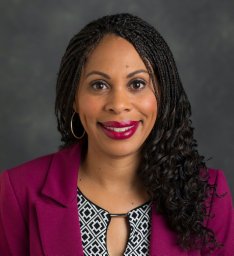 Lewis Jioni A合作论文数Department of Psychology.9
 Andrew Jordan Greenlee合作论文数Center for Latin American & Caribbean Studies, Illinois Global Institute, College of Liberal Arts and Sciences, University of Illinois at Urbana-Champaign9
 Greg J. Duncan合作论文数School of Education, University of California, Irvine;Department of Economics, University of California, Irvine7Meggan J. Lee合作论文数6
 Shinwoo Choi合作论文数Texas State Univ6
 Nicole M. Brown合作论文数Natl Ctr Supercomp Applicat NCSA, Univ Illinois6
 Kate Clancy合作论文数Department of Anthropology, College of Liberal Arts and Sciences, University of Illinois at Urbana-Champaign6
 Karen Kramer合作论文数Department of Human Development and Family Studies, College of Agricultural, Consumer and Environmental Sciences, University of Illinois at Urbana-Champaign5
 Stefanie A. DeLuca合作论文数Department of Sociology, Krieger School of Arts & Sciences, Johns Hopkins University4
 Kedir N Turi合作论文数School of Public Health, Indiana University Bloomington4
 Assata Zerai合作论文数4
 Loren Henderson合作论文数Department of Sociology (MC 312), University of Illinois at Chicago4
 Sandra Luisa Rodriguez Zas合作论文数Department of Animal Sciences, College of Agricultural, Consumer and Environmental Sciences, University of Illinois Urbana-Champaign;Department of Statistics, College of Liberal Arts & Sciences, University of Illinois Urbana-Champaign4
 Jenny Amos合作论文数Department of Bioengineering, The Grainger College of Engineering, University of Illinois Urbana-Champaign3jennifer sykes合作论文数3
 Michelle A. Rodrigues合作论文数3
 Dylan Bellisle合作论文数3Karen Flynn合作论文数Univ Illinois3
 Michael L Black合作论文数Univ Massachusetts Lowell3susan crowley合作论文数3
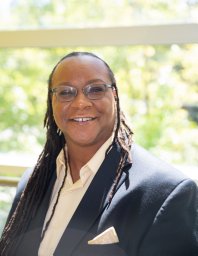 Kelly J. Cross合作论文数Virginia Tech;c;Virginia Tech3
 Laura Tach合作论文数Bronfenbrenner Center for Translational Research, College of Human Ecology, Cornell University3Mark Van Moer合作论文数3
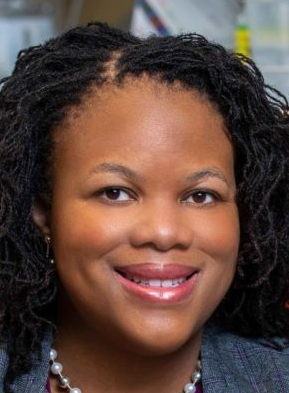 Princess Imoukhuede合作论文数Department of Bioengineering, College of Engineering, University Of Washington3
 Gene E. Robinson合作论文数School of Integrative Biology, College of Liberal Arts & Sciences, University of Illinois Urbana-Champaign;Carl R. Woese Institute for Genomic Biology, University of Illinois Urbana-Champaign3
 Katrin Kriz合作论文数3
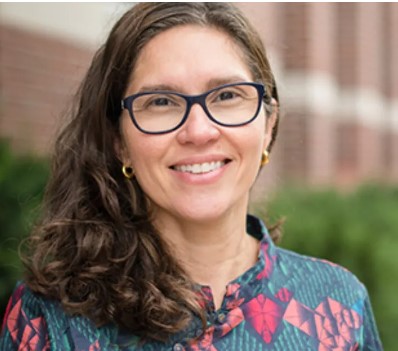 Flávia Andrade合作论文数School of Social Work, University of Illinois at Urbana-Champaign3Micere Keels合作论文数3Malaika McKee合作论文数Department of Education Policy, Organization & Leadership, College of Education, University of Illinois at Urbana-Champaign3
 Kathryn Edin合作论文数Center for Research on Child Wellbeing, Woodrow Wilson School, Princeton University3Rachel Neubauer合作论文数2Moises Orozco Villicaña合作论文数2Cameron Riopelle合作论文数2
 Pamela A. Moss合作论文数School of Education, University of Michigan, Ann Arbor2
 Thomas S. Weisner合作论文数Department of Anthropology, College of Social Sciences, University of California, Los Angeles2
 Christy L Lleras合作论文数Department of Human Development and Family Studies, College of Agricultural, Consumer and Environmental Sciences, University of Illinois at Urbana-Champaign2
 Steven W. Cole合作论文数Department of Medicine, School of Medicine, University of California, Los Angeles;Jonsson Comprehensive Cancer Center, University of California, Los Angeles2
 Rubén G. Rumbaut合作论文数Department of Sociology, School of Social Sciences, University of California2
 Paul Anthony Cobb合作论文数Dept. of Teaching and Learning, Vanderbilt University2
 Lois Weis合作论文数2
 Elizabeth A L Stine Morrow合作论文数Department of Educational Psychology, College of Education, University of Illinois at Urbana-Champaign2
 Margaret A. Eisenhart合作论文数School of Education, University of Colorado Boulder2
 Ismini Lourentzou合作论文数Perception and LANguage Lab, School of Information Sciences, University of Illinois Urbana-Champaign;Siebel Center for Computing and Data Science, University of Illinois Urbana-Champaign2
 Hye Joon Park合作论文数2Elizabeth Albro合作论文数U. S. Department of Education2
 Jeffrey R. Kling合作论文数Brookings Institution2
 Robert K. Ream合作论文数2




