INTRODUCTION:Large language models, in particular ChatGPT, have showcased remarkable language processing capabilities. Given the substantial workload of university medical staff, this study aims to assess the quality of multiple-choice questions (MCQs) produced by ChatGPT for use in graduate medical examinations, compared to questions written by university professoriate staffs based on standard medical textbooks. METHODS:50 MCQs were generated by ChatGPT with reference to two standard undergraduate medical textbooks (Harrison's, and Bailey & Love's). Another 50 MCQs were drafted by two university professoriate staff using the same medical textbooks. All 100 MCQ were individually numbered, randomized and sent to five independent international assessors for MCQ quality assessment using a standardized assessment score on five assessment domains, namely, appropriateness of the question, clarity and specificity, relevance, discriminative power of alternatives, and suitability for medical graduate examination. RESULTS:The total time required for ChatGPT to create the 50 questions was 20 minutes 25 seconds, while it took two human examiners a total of 211 minutes 33 seconds to draft the 50 questions. When a comparison of the mean score was made between the questions constructed by A.I. with those drafted by humans, only in the relevance domain that the A.I. was inferior to humans (A.I.: 7.56 +/- 0.94 vs human: 7.88 +/- 0.52; p = 0.04). There was no significant difference in question quality between questions drafted by A.I. versus humans, in the total assessment score as well as in other domains. Questions generated by A.I. yielded a wider range of scores, while those created by humans were consistent and within a narrower range. CONCLUSION:ChatGPT has the potential to generate comparable-quality MCQs for medical graduate examinations within a significantly shorter time.
ABSTRACTIntroductionThis is a prospective study on the quality of multiple-choice questions (MCQs) generated by the language model ChatGPT for the use in medical graduate examination.Methods50 MCQs were generated by ChatGPT with reference to two standard undergraduate medical textbooks (Harrison’s, and Bailey & Love’s). Another 50 MCQs were drafted by two university professoriate staffs using the same medical textbooks. All 100 MCQ were individually numbered, randomized and sent to five independent international assessors for MCQ quality assessment using a standardized assessment score on five assessment domains; namely, appropriateness of the question, clarity and specificity, relevance, discriminative power of alternatives, and suitability for medical graduate examination.ResultsThe total time required for ChatGPT to create the 50 questions was 20 minutes 25 seconds while it took two human examiners a total of 211 minutes 33 seconds for drafting the 50 questions.When a comparison of the mean score was made between the questions constructed by AI with those drafted by human, only in the relevance domain that the AI was inferior to human (AI: 7.56 +/- 0.94 vs human: 7.88 +/- 0.52; p = 0.04). There was no significant difference in question quality between questions drafted by AI versus human, in the total assessment score as well as in other domains.Questions generated by AI yielded a wider range of scores while those created by human were consistent and within a narrower range.ConclusionChatGPT has the potential to generate comparable-quality MCQs for medical graduate examination within a significantly shorter time.
 Billy Ho Hung Cheung合作论文数2
 Dhananjay Kulkarni合作论文数2Choon Sheong Seow合作论文数2
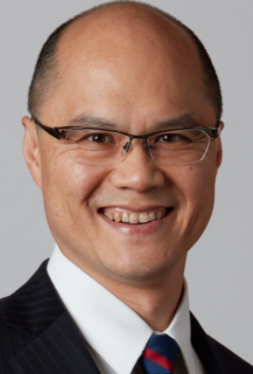 Tin-chun Gordon Wong (黄田镇)合作论文数Department of Anaesthesiology, Li Ka Shing Faculty of Medicine, The University of Hong Kong2
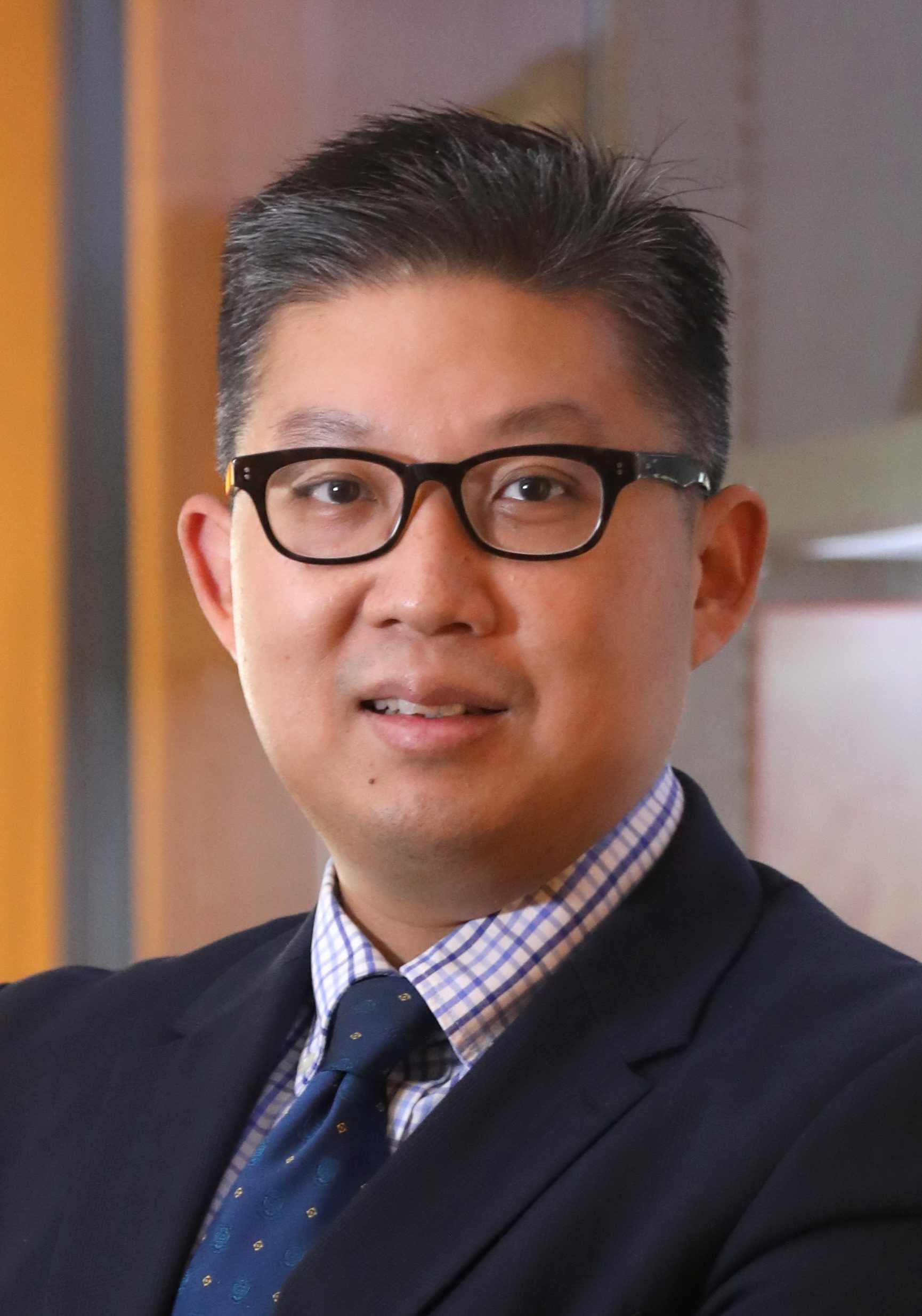 Michael Tiong-Hong Co (許長峯)合作论文数Department of Surgery, Li Ka Shing Faculty of Medicine, The University of Hong Kong2
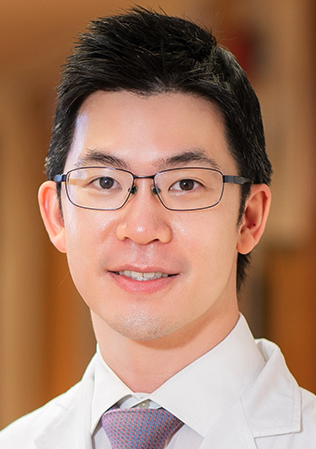 Gary Kui Kai Lau (劉巨基)合作论文数Division of Neurology, Department of Medicine, Li Ka Shing Faculty of Medicine, The University of Hong Kong2
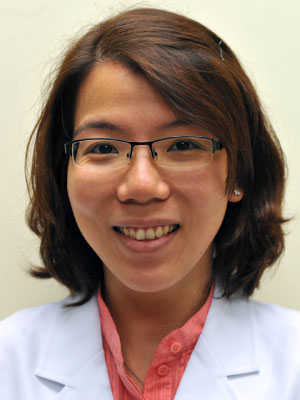 Elaine Yuen-Phin Lee (李燕蘋)合作论文数Department of Diagnostic Radiology, School of Clinical Medicine, Li Ka Shing Faculty of Medicine, The University of Hong Kong2




