OBJECTIVE:This study aimed to compare the clinical outcomes of repairing acquired palatal defects using palatal island rotation flaps (PRFs) or anteriorly based dorsal tongue flaps (aTFs). METHODS:In total, 39 patients (23 males and 16 females) aged 22 to 74 years (median: 48.4 y) were included. According to the grid-based palatal horizontal plane palatal defect classification system, palatal defects were divided into 3 classes (classes I, II, and III); hard palate defects (classes I and II) were further subdivided into 3 subtypes (a, b, and c). Medium and large-sized defects accounted for 56.4% and 43.6% of the cases, respectively. A circumferential incision was made at the margin of the hard palate defect to create marginal buccal and palatal or cheek flaps, which were infolded to form an intranasal lining. Subsequently, either a PRF (59.0%) or an aTF (41.0%) was prepared to form the intraoral lining. The dimensions of the PRFs and aTFs ranged from 1.2×2.2 to 1.4×2.4 cm and from 1.8×2.8 to 2.4×3.2 cm, respectively. Swallowing and speech functions were evaluated at 3 months postoperatively. RESULTS:The dimensions of the aTFs were significantly larger than those of the PRFs (median: 2.2×3.0 cm versus 1.3×2.3 cm, P < 0.05). Postoperative complications, such as hemorrhage or bleeding, dehiscence or fistula formation, and partial flap necrosis, were significantly more common in the PRF group than in the aTF group (43.5% versus 12.5%, P < 0.05). The proportion of patients achieving postoperative swallowing and speech function scores of 3 was significantly higher than the proportion based on preoperative scores (P < 0.05). Furthermore, patients with medium-sized defects demonstrated significantly higher rates of achieving postoperative swallowing and speech function scores of 3 compared with those with large-sized defects (P < 0.05). CONCLUSIONS:Both PRFs and aTFs are effective for reconstructing acquired medium to large-sized hard palate defects based on the grid palatal horizontal plane palatal defect classification system. However, aTFs offer advantages for larger defects, with a lower incidence of postoperative complications.
Background Extensive head and neck arteriovenous malformations (AVMs) associated with severe hemorrhage are potentially life-threatening and present substantial challenges for head and neck surgeons. Methods We evaluated a 33-year-old man (Patient 1) and a 38-year-old woman (Patient 2) with life-threatening, extensive Schobinger stage III/Yakes type IV AVMs of the head and neck. Both patients underwent en bloc resection, and the resulting large craniofacial defects were reconstructed using an extended vertical trapezius myocutaneous island flap (eTMF). In Patient 2, simultaneous radical neck dissection was performed because of a concomitant primary T4a squamous cell carcinoma of the maxilla. Results The extensive head and neck AVMs, including those with orbital involvement, were completely and safely resected, and the foldable eTMF reconstructed the resulting large defects. No surgical complications occurred, and postoperative appearance was acceptable. Swallowing, mastication, and speech were restored to preoperative levels. Quality-of-life scores improved by 40 percentage points, reaching 80% in Patient 1 and 60% in Patient 2. Patient 1 remained disease-free after 36 months of follow-up, whereas Patient 2 died of local recurrence 8 months after surgery. Conclusions En bloc resection or radical surgery is an effective treatment approach for patients with life-threatening extracranial Schobinger stage III/Yakes type IV AVMs involving the orbital region, even when accompanied by T4a-stage SCC of the maxilla. The foldable eTMF is a large, highly reliable option for reconstruction of extensive head and neck defects, including full-thickness cheek defects.
Light field displays resolve the vergence-accommodation conflict in near-eye systems. Metalens arrays offer an ultra-thin alternative to refractive microlens arrays, but their diffractive nature causes severe chromatic aberrations under full-color illumination, leading to color deviation and spatial blurring. Correcting these aberrations through meta-atom design increases fabrication complexity. In this paper, a computational pre-compensation scheme is proposed, with a closed-loop training framework consisting of a light field display surrogate network (LFDSNet) and a pre-compensation network (PreCompNet). To drive this framework, a cross-scale ray tracing model based on the windowed Fourier transform is developed to simulate the meta-optics system. Validated through simulations of a designed all-dielectric metalens array, the proposed scheme achieves a full-color 3D display with natural depth-of-field effects, with an improval of the mean PSNR from 13.7 to 22.7 dB, the mean SSIM from 0.600 to 0.842, as well as a reduction of the mean SAM from 0.338 to 0.061 rad. These results may serve as a generalizable paradigm for pre-compensation in metalens-based AR/VR display systems. (c) 2026 Optica Publishing Group. All rights, including for text and data mining (TDM), Artificial Intelligence (AI) training, and similar technologies, are reserved.
The reconstruction fidelity of computational optical imaging is fundamentally constrained by the model-reality gap, i.e., the inevitable discrepancy between idealized forward models and the physical imaging process. Conventional paradigms attempt to bridge this gap through exhaustive system calibration or explicit parameter estimation, which are often computationally intensive and prone to severe non-convex stagnation. This paper introduces a Residual-Subspace Constraint Framework (RSCF) to achieve robust Fourier ptychographic microscopy. Instead of treating residuals as unstructured errors, RSCF leverages subspace decomposition to decouple low-rank, systematic mismatches from stochastic noise, thereby isolating stable information manifolds that remain invariant to forward-model inaccuracies. By embedding this subspace constraint into the iterative engine, the framework selectively suppresses error-amplifying components, enabling high-fidelity phase and amplitude recovery without explicit hardware calibration. Numerical simulations and experimental validations demonstrate that RSCF yields superior convergence acceleration and artifact suppression under severe optical aberrations and LED misalignment. This information-centric paradigm provides a versatile, model-agnostic strategy to enhance robustness across diverse computational imaging modalities.
GATA2 functions as a critical zinc finger transcription factor and plays indispensable roles in hematopoiesis, immune regulation, and lymphatic vascular development. GATA2 deficiency underlies a diverse phenotypic spectrum, encompassing primary lymphedema, myelodysplasia, acute myeloid leukemia, immune dysfunction, and sensorineural deafness. This report describes three sporadic cases of GATA2 deficiency syndrome and summarizes their clinical features in the context of previously published literature. All three patients carried germline pathogenic GATA2 variants: NM_001145661.1 c.818dupG (p. Pro274Thrfs; case 1) and NM_032638.5 c.1084 C > T (p. Arg362*; cases 2 and 3). The clinical presentations included recurrent pulmonary infections, leukopenia, and thrombocytopenia (case 1) and congenital neurogenic deafness (cases 2 and 3).
Color Fourier ptychographic microscopy (FPM), particularly for high-throughput applications like digital pathology, is fundamentally limited by the trade-off between acquisition speed (sampling density) and reconstruction fidelity. To address this, we propose a novel, to the best of our knowledge, physics-guided deep learning framework for high-fidelity color FPM reconstruction under low-frequency spectrum acquisition. The core of our approach is the deep integration of the FPM physical model into a generative diffusion model, which effectively guides the model to extrapolate high-frequency spectral information beyond the captured synthetic aperture. This hybrid physical-generative approach enables robust image reconstruction from significantly reduced acquisition data, achieving high-quality results using illumination restricted to the bright-field region of the objective lens. Both simulations and experiments demonstrate that our method significantly outperforms existing traditional and deep learning-based approaches in recovering fine structural details while suppressing artifacts, without compromising computational efficiency. This physics-guided deep learning paradigm provides a novel strategy for high-speed, high-fidelity computational microscopy with significant potential for clinical translation.
Background: Following the 2021 first International Consensus on Severe Lung Cancer, global attention to patients with PS 2-4 has grown significantly. Recent advances in novel therapies, interventional techniques, and supportive care, along with emerging real world data, have expanded treatment opportunities for this population. To incorporate these advances, we have updated the consensus. Methods: A multidisciplinary panel comprising experts from oncology, radiation oncology, thoracic surgery, radiology, interventional medicine, respiratory medicine, critical care medicine, and nursing. After being presented with a comprehensive review of the current evidence pertaining to severe lung cancer and thorough discussions, the panel reached a consensus on 11 recommendations, each with over 70% expert agreement. Results: The 11 consensus points focused on definition and causes (n=2), assessment and general strategies (n=4), and specific treatment modalities (n=5) were updated or newly developed. This updated consensus emphasizes dynamic and precise detection, robust life support, flexible application of novel therapies, and MDT guided treatment adjustment based on PS dynamics. Early rehabilitation and comprehensive supportive care are integral to disease management. Conclusions: This consensus updates the definition, diagnostic evaluation, and treatment strategies, providing a practical framework for clinicians based on current evidence and multidisciplinary expert consensus. Prospective trials focusing specifically on patients with severe lung cancer are urgently needed.
Phase retrieval in Fourier ptychographic microscopy (FPM) under low signal-to-noise ratio (SNR) conditions constitutes a highly ill-posed, non-convex problem. Conventional Total Variation (TV) regularization is limited in this context, often introducing staircasing artifacts due to its isotropic assumptions. Here, we propose a robust FPM framework regularized by Structure Tensor Total Variation (STV). By adapting the existing STV prior to complex-valued FPM reconstruction, the method penalizes Schatten norms of a patch-based Jacobian field and therefore captures local geometric coherence while suppressing noise-induced fluctuations. The resulting composite problem is solved by a proximal-gradient framework that uses the established dual-domain STV proximal solver as a core module. Simulations and experiments demonstrate improved robustness against strong Gaussian and Poisson noise, reduced staircasing in biological samples, and more stable high-frequency profiles than unregularized solvers, while maintaining competitive or improved contrast relative to the TV/aTV regularized solvers.
Snapshot hyperspectral imaging based on metasurface optical filters combined with computational spectral reconstruction offers extensive applicability for miniature and compact spectral systems. However, existing designs are constrained by the angular dispersion response of metasurfaces and the limited cross-correlation among transmission spectra, leading to imperfect reconstruction and application challenges. In this paper, we propose a method for angle-robust hyperspectral imaging based on quasi-random metal metasurfaces that enables a 40° field-of-view within the 500–700 nm wavelength range. Furthermore, we introduce a cross-correlation optimization technique based on an orthogonal matrix to align with the principle of compressed sensing theory, achieving a cross-correlation of 0.49 with an average angle sensitivity of 1.11%. The results show angle-robust hyperspectral reconstruction with an average spectral fidelity of 91.64% for computational spectrometers, along with excellent performance for hyperspectral imaging. This advancement enhances the accuracy of hyperspectral reconstruction for large field-of-view spectral devices and close-up analysis, demonstrating substantial potential for integration into portable spectral devices.
Fourier light field microscopy (FLFM) has emerged as a valuable tool for single-shot three-dimensional imaging largely due to its ability to reduce reconstruction artifacts and facilitate efficient parallel processing. However, existing research primarily concentrates on fluorescence imaging, where detection signals are incoherent, and suffer from resolution limitations inherent to the parallel sampling nature of the microlens array. This paper introduces a partially coherent FLFM (pc-FLFM) for weakly scattering samples by integrating annular partially coherent illumination (PCI) with a spectrum filtering strategy. By implementing filtering at the Fourier plane of the objective, we effectively suppress the background noise associated with PCI, thereby enhancing the accuracy of 3D image reconstruction through the Richardson-Lucy algorithm. Numerical experiments demonstrate that pc-FLFM achieves a resolution that is approximately 20% superior to conventional incoherent image techniques, signifying a notable enhancement in image quality. Furthermore, the proposed approach exhibits a significant reduction in computational complexity (over two orders of magnitude). This facilitates efficient simulation of diverse imaging scenarios, enabling the development of an optimized experimental strategy before resource-intensive physical experiments. Thus, pc-FLFM emerges as a transformative tool for single-shot, high-resolution 3D imaging for weakly scattering samples, pushing the boundaries of current optical microscopy techniques.
We proposed a two-stage physics-enhanced neural network for Fourier ptychographic microscopy (FPM), integrating both data-driven and physics-driven schemes to achieve better reconstruction. Initially, a simulated dataset was utilized to train the neural network with a physics-informed preprocessing layer in the pre- training stage. During the fine-tuning stage, the neural network's parameters were further refined based on the physics-driven loss and real measurements. Additionally, two parallel neural networks were employed to generate parameters for calibrating physical model, improving the accuracy of reconstruction. To assess the generalization ability of the proposed scheme across various illumination patterns, system errors and image types, both simulated and experimental reconstructions were performed. The results demonstrated that the proposed scheme could effectively apply the same pre-trained neural network model to achieve high-quality image reconstruction in various FPM systems, benefiting applications of FPM in quantitative phase imaging and digital pathology.
Background:Older patients with cutaneous cancer often have comorbidities. Tumor resection and defect reconstruction in these patients are challenging.Aims:To evaluate the safety and feasibility of cervicofacial (CFF) and cervicothoracic (CTF) flaps in the reconstruction of large oncosurgical defects in the lateral facial region of older patients.Materials and Methods:The study enrolled 36 patients with facial cutaneous cancers (age range, 65-94 years). They were divided into CFF and CTF groups in the facial region and in the neck. The clinical stages were I, II, and III in 6, 21, and 9 patients, respectively. The lateral face was divided into 3 aesthetic units: forehead, cheeks, and neck. Postoperative complications were scored using the Clavien-Dindo classification.Results:The CFF was used to reconstruct oncosurgical defects in 8 foreheads and 16 cheeks; the CFF was used to reconstruct defects in 4 cheeks and 8 necks. The median sizes of skin defects in the CFF and CTF groups were 3.9x4.4 and 6.8x7.7 cm, respectively. There were no full flap failures. The Clavien-Dindo grades were I, II, and IIIa in 20, 9, and 2 patients, respectively, in the CFF and 0, 2, and 3 in the CTF group. Twenty-nine patients were alive without disease, 5 patients were alive with disease, and 2 patients had died of local recurrence or distant metastases.Conclusions:The CFF and CTF are simple, reliable, and excellent methods for reconstructing large oncosurgical defects in the lateral face of older patients with cutaneous cancer.
BACKGROUND:Surgical resection of malignant lip tumors and the reconstruction of extensive lip defects in infants pose significant challenges. We evaluated the effectiveness of the Abbe-Estlander (A-E) flap in repairing upper lip defects in infants following oncosurgery. CASE PRESENTATION:We present two cases of pediatric upper lip malignancies: an 18-month-old infant diagnosed with fibrosarcoma (FS) of the right upper lip (Case 1) and a 19-month-old infant diagnosed with rhabdomyosarcoma (RMS) of the left upper lip (Case 2). Both patients underwent surgical resection of the tumors followed by reconstruction of large upper lip defects using the A-E flap under general anesthesia via nasotracheal intubation. No complications were reported during the procedures. Postoperatively, neither patient received adjuvant chemotherapy. Both patients demonstrated acceptable aesthetic outcomes. Case 1 could use a straw, whereas Case 2 could breastfeed. At the 32- and 18-month follow-up, no recurrences were observed. CONCLUSION:Surgical resection, followed by reconstruction with an A-E flap, is an effective and safe treatment for these tumors in infants. In addition, general anesthesia via nasotracheal intubation is a reliable anesthetic technique for these procedures.
Salivary adenoid cystic carcinoma (SACC) is prone to metastasis, which strongly affects its prognosis. Cancer-associated fibroblasts (CAFs) play important roles in SACC metastasis. The purpose of this study was to identify and explore the key regulatory mechanisms of the altered expression of circRNAs in SACC CAFs. In this study, we found that circRNA-847 (circ847) expression was inhibited by pretreatment with SACC CAFs. Cell function experiments confirmed that the downregulation of circ847 promoted the proliferation and metastasis of SACC cells and that overexpression of circ847 induced the opposite effects. Mechanistically, circ847 can bind to vimentin and regulate its stability, thereby regulating epithelial-mesenchymal transition (EMT)-related signaling. Histological staining of SACC patient specimens also confirmed that the expression of circ847 was negatively correlated with SACC lymph node and lung metastasis. As a proof of concept, we successfully inhibited SACC progression and metastasis in sciatic nerve invasion models and lung metastasis models of SACC by treating the mice with nanoparticle-encapsulated circ847 plasmids to induce circ847 overexpression. This study demonstrated that circ847 expression is inhibited by CAFs. Restoring the expression of circ847 can effectively inhibit the progression of SACC, providing new research ideas for the study of effective prevention and treatment strategies for SACC and the prediction of SACC distant metastasis risk and prognosis.
Lymph node metastasis of tumors is an important adverse factor affecting the long-term prognosis of patients with oral squamous cell carcinoma (OSCC). In recent years, the abnormal expression of long noncoding RNAs (lncRNAs) has gained attention because of their significant role in regulating tumor biological behaviors. Exploring key regulatory targets of lncRNAs in OSCC metastasis could provide new diagnostic and therapeutic targets for predicting and intervening in metastasis. In this study, we identified and validated LINC02613 as a critical lncRNA with a significant regulatory role in promoting OSCC metastasis and progression. Further research revealed that LINC02613 interacts with lymphocyte cytosolic protein 1 (LCP1), shielding its ubiquitination site and interfering with its normal ubiquitination degradation process, thereby promoting OSCC metastasis and progression. Using pH-responsive nanoparticles (PLGA-Dlink) loaded with siLINC02613 for targeted delivery in vivo and in vitro, we successfully inhibited OSCC metastasis and progression, providing a new potential therapeutic approach for OSCC treatment.
Neoadjuvant chemotherapy has been widely used for the treatment of solid tumors. However, clinical observations have shown that patients with oral squamous cell carcinoma (OSCC) who are receiving neoadjuvant chemotherapy with cisplatin still face issues such as a poor lymph node response and even lymph node progression, but the underlying mechanisms remain unidentified. In this work, it is found that low-dose cisplatin promoted oral squamous cell carcinoma migration, invasion and lymph node metastasis, and gasdermin D (GSDMD) is identified as a potential regulator. GSDMD interacted with MMP14, promoting its expression and epithelial‒mesenchymal transition (EMT) activation without activating pyroptosis. Moreover, pH-responsive nanoparticles (NPs) for the systemic delivery of a GSDMD siRNA (siGSDMD) is developed and showed that this NP-delivered siGSDMD can effectively inhibit OSCC tumor growth and metastasis via the efficient silencing of GSDMD expression in vivo. This findings indicate that GSDMD can be a biomarker to predict the prognosis of OSCC patients receiving neoadjuvant chemotherapy and that NP-mediated GSDMD silencing can be a promising strategy for the treatment of patients with advanced OSCC receiving neoadjuvant chemotherapy with cisplatin.
BACKGROUND:Repairing a transverse facial cleft (TFC) while achieving complete closure of the orbicularis oris muscular ring presents a significant surgical challenge. AIMS:This study evaluated the outcomes of commissuroplasty using a lower labial vermilion myomucosal flap (LVMF) for TFC repair. MATERIALS AND METHODS:Twelve patients with TFC were enrolled, including five boys and seven girls (median age: 8.5 months; range: 3-18 months). Among them, four had left-sided TFC, seven had right-sided TFC, and one had bilateral TFC. Eight patients presented with associated developmental anomalies, including accessory auricular appendages, pedunculated masses on the cheek, buccal fistulas, preauricular fistulas, and one case of Goldenhar syndrome. All patients underwent commissuroplasty using a rotating LVMF along with straight-line buccal cutaneous closure. A panel of three surgeons assessed commissural symmetry, scar appearance, and orbicularis oris muscle function. RESULTS:All patients successfully underwent commissuroplasty with LVMF for TFC repair. Thirteen abnormal developmental appendages in eight patients were completely excised. No complications were observed, including hematoma, infection, or wound dehiscence. Commissural symmetry was rated as good in nine cases and satisfactory in three. Scar appearance was evaluated as good in five cases and satisfactory in seven. Orbicularis oris muscle function was good in 11 cases and satisfactory in one. No lateral displacement of the commissure was noted in any patient. CONCLUSION:The use of a LVMF for commissuroplasty, combined with straight-line buccal cutaneous closure, effectively restores the orbicularis oris muscular ring in TFC repair. This technique yields optimal commissural symmetry, aesthetically favorable scars, and satisfactory orbicularis oris muscle function.
In the realm of lithography, optical proximity correction (OPC) is a crucial resolution enhancement technique that optimizes the transmission function of photomasks on a pixel-based level to effectively counter optical proximity effects (OPE). However, conventional pixel-based OPC methods often generate patterns that pose manufacturing challenges, thereby leading to increased costs in practical scenarios. This paper presents a novel inverse lithographic approach to OPC, employing a model-driven, block stacking deep learning framework that expedites the generation of masks conducive to manufacturing. This method is founded on vector lithography modelling and streamlines the training process by eliminating the requirement for extensive labeled datasets. Furthermore, the diversity of mask patterns is enhanced by employing a wave function collapse algorithm, which facilitates the random generation of a multitude of target patterns, therefore significantly expanding the range of mask paradigms. Numerical experiments have substantiated the efficacy of the proposed end-to-end approach, highlighting its superior capability to manage mask complexity within the context of advanced OPC lithography. This advancement is anticipated to enhance the feasibility and economic viability of OPC technology within actual manufacturing environments.
Ultrafast laser processing is a cutting-edge technology used in three-dimensional nanofabrication owing to its unique multiphoton absorption scheme, making it essential for applications such as microfluidics, photonic devices, and integrated optics. Nevertheless, the precise fabrication of three-dimensional structures within birefringent crystals faces challenges arising from a significantly distorted focused field caused by a refractive index mismatch and birefringence under tightly focused conditions. In this study, we extend the vectorial Debye diffraction theory to incorporate birefringence and deduce an analytical solution to accurately model the distorted focused patterns inside z-cut uniaxial crystals. Practical methods are also proposed to achieve a perfectly focused spot by simultaneously compensating for spherical aberration and birefringence. These findings provide valuable insights for the accurate fabrication of large-scale three-dimensional structures in crystals.
Planar cameras with high performance and wide field of view (FOV) are critical in various fields, requiring highly compact and integrated technology. Existing wide FOV metalenses show great potential for ultrathin optical components, but there is a set of tricky challenges, such as chromatic aberrations correction, central bright speckle removal, and image quality improvement of wide FOV. We design a neural meta-camera by introducing a knowledge-fused data-driven paradigm equipped with transformer-based network. Such a paradigm enables the network to sequentially assimilate the physical prior and experimental data of the metalens, and thus can effectively mitigate the aforementioned challenges. An ultra-wide FOV meta-camera, integrating an off-axis monochromatic aberration-corrected metalens with a neural CMOS image sensor without any relay lenses, is employed to demonstrate the availability. High-quality reconstructed results of color images and real scene images at different distances validate that the proposed meta-camera can achieve an ultra-wide FOV (>100 deg) and full-color images with the correction of chromatic aberration, distortion, and central bright speckle, and the contrast increase up to 13.5 times. Notably, coupled with its compact size (< 0.13 cm3), portability, and full-color imaging capacity, the neural meta-camera emerges as a compelling alternative for applications, such as micro-navigation, micro-endoscopes, and various on-chip devices.
 Xudong Chen合作论文数Department of Electrical & Computer Engineering, National University of Singapore24
 Zixian Huang合作论文数Ctr Translat Canc Res, Texas A&M Univ20
 Weiliang Chen (陈伟良)合作论文数Sun Yat-sen Memorial Hospital, Sun Yat-sen University19
 Zhiquan Huang (黄志权)合作论文数Sun Yat-sen Memorial Hospital, Sun Yat-sen University14
 Krishna Agarwal合作论文数Department of Physics & Technology, UiT The Arctic University of Norway;Spermotile;3DNanoscopy;Cymoplive14
 Yongxun Zhuansun (颛孙永勋)合作论文数13
 Jianguo Li (李建国)合作论文数中山大学孙逸仙纪念医院11Yan Wang (王彦)合作论文数Hospital of Stomatology, Sun Yat-sen University10
 Colin J. R. Sheppard合作论文数University of New South Wales10
 Zhun Wei (魏准)合作论文数College of Information Science and Electronic Engineering, Zhejiang University9
 Jianwen Dong (董建文)合作论文数School of Physics, Sun Yat-Sen University9jacob phang合作论文数8Yumo Du合作论文数7JuanKun Liao (廖隽琨)合作论文数6Bin Zhou (周斌)合作论文数6
 Zhengfei Yang合作论文数Sun Yat-Sen University, Sun Yat-sen University6Yongju Chen合作论文数5Xi Rui合作论文数5Zhou Bin合作论文数5Qianyu Zhang合作论文数5Chen Nanguang合作论文数Department of Biomedical Engineering, National University of Singapore5
 Pixin Ran (冉丕鑫)合作论文数State Key Laboratory of Respiratory Disease;Guangzhou Laboratory5
 Shuhao Shen (沈术豪)合作论文数Guangzhou Institute of Technology, Xidian University5
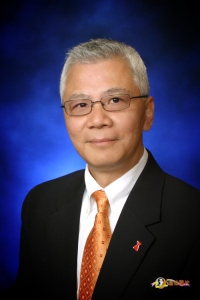 Wanchun Tang (唐万春)合作论文数Sun Yat-Sen Memorial Hospital, Sun Yat-Sen University5
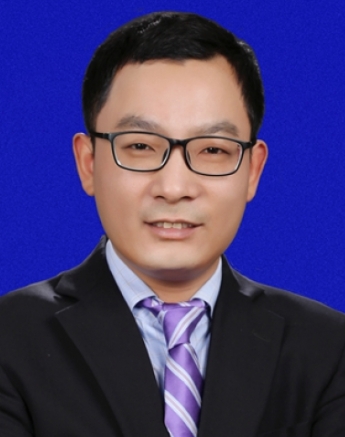 Xiaoding Xu (许小丁)合作论文数Sun Yat-sen Memoral Hospital, Sun Yat-sen University4ZhuoShan Huang (黄卓山)合作论文数4Zhe Zhu (朱哲)合作论文数4
 Xin Chen (陈薪)合作论文数Southern Medical University4Shuqin Song (宋树芹)合作论文数School of Materials Science and Engineering, Sun Yat-sen University4
 Shihao Li合作论文数4
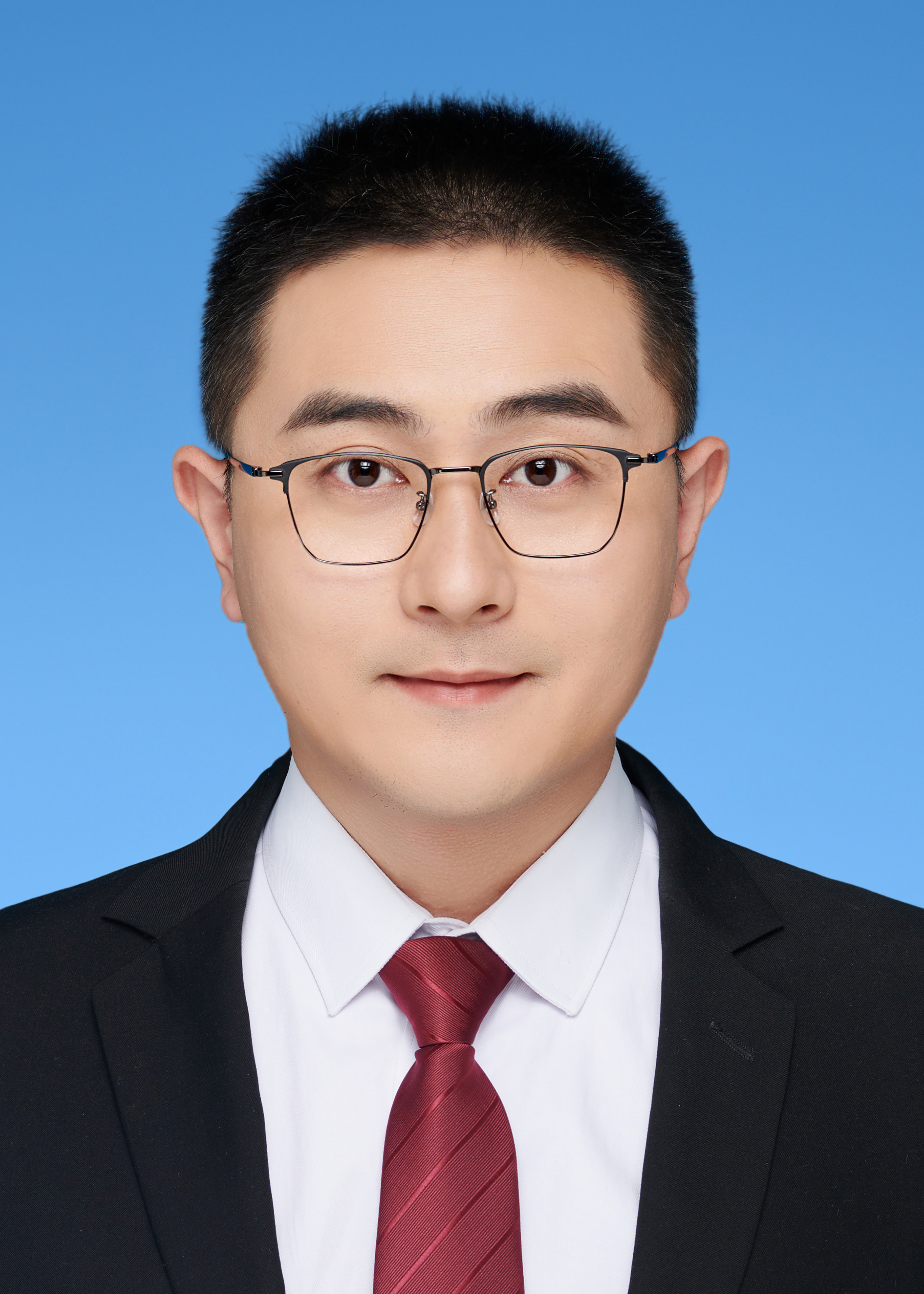 Kun Wang (王昆)合作论文数School of Chemical Engineering and Technology, Sun Yat-Sen University4
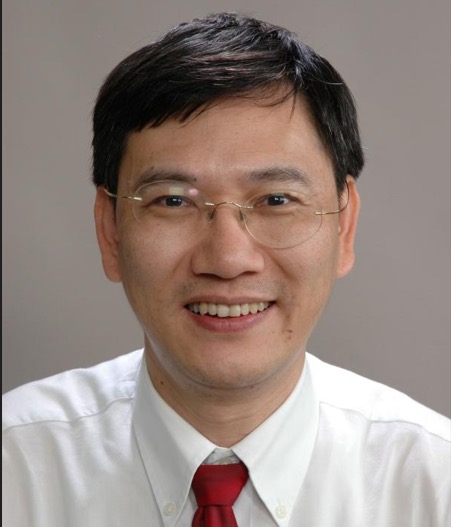 Minghui Hong (洪明辉)合作论文数Pen-Tung Sah Institute of Micro-Nano Science and Technology, Xiamen University;Optical Science & Engineering Center, Department of Electrical and Computer Engineering, National University of Singapore;School of Aerospace Engineering, Xiamen University4
 Fuli Zhao (赵福利)合作论文数School of Physics, Sun Yat-sen University4Yancan Liang (梁衍灿)合作论文数4Houzhen Zheng合作论文数3Zhi-Dong Yan合作论文数3Yuepeng Wang合作论文数3
 Yongqiang Wang合作论文数Urol Inst, Shenzhen Univ3Yan Liu合作论文数3Cai Wen合作论文数3Lei Hong合作论文数3Yue Wang合作论文数Zhangjiagang Entry-Exit Inspection and Quarantine Bureau(Zhangjiagang Entry-Exit Inspection and Quarantine Bureau),Suzhou,China3HaiGang Li (李海刚)合作论文数3
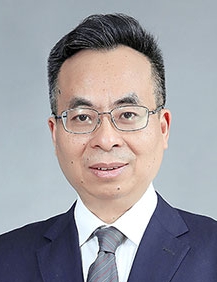 Hong Liu (刘鸿)合作论文数Chongqing Institute of Green and Intelligent Technology, Chinese Academy of Sciences3
 Chuan Wang (王川)合作论文数中国科学院重庆绿色智能技术研究院3Wu Mengxue合作论文数3Ji Jing合作论文数3
 Rong Ji合作论文数3Guang'An He合作论文数3




