BACKGROUND:Prior research has demonstrated significant roles of metabolites and immune cells in the progression of lymphoma. Mendelian randomization studies have been conducted to assess the causal relationships among serum metabolites, immune cells, and lymphoma, further exploring the mediating role of serum metabolites. METHODS:Using summary-level data from genome-wide association studies (GWAS), we applied two-sample Mendelian randomization (TSMR) techniques, including Inverse Variance Weighted (IVW), Weighted Median, MR-Egger, Simple Mode, and Weighted Mode. These methods were employed to examine the causal links between genetically determined serum metabolites, immune cells, and six types of lymphoma. Additionally, reverse MR analysis investigated reverse causality, and two-step MR quantified the proportion of lymphoma effects mediated by immune cells through serum metabolites. MR-Egger regression and leave-one-out sensitivity tests evaluated the stability and reliability of our findings. RESULTS:The study pinpointed specific serum metabolites and immune cell types causally related to six lymphoma variants. Serum metabolites were identified as mediators in the relationship between immune cells and lymphoma. The two-step Mendelian randomization confirmed this mediated causal relationship, with sensitivity analyses supporting the results' reliability and lack of pleiotropy. CONCLUSION:The study establishes a causal connection between immune cells and lymphoma, partially mediated by serum metabolites, although the majority of the influence remains undefined. Future research should explore additional potential mediators. Clinically, there should be an increased focus on immune cells biomarkers for lymphoma patients. These results offer valuable insights for identifying lymphoma biomarkers and potential therapeutic targets.
BackgroundWe employed Mendelian randomization (MR) to investigate the causal relationship between the gut microbiota and lymphoid leukemia, further exploring the causal relationships among immune cells, lymphoid leukemia, and potential metabolic mediators.MethodsWe utilized data from the largest genome-wide association studies to date, encompassing 418 species of gut microbiota, 713 types of immune cells, and 1,400 serum metabolites as exposures. Summary statistics for lymphoid leukemia, acute lymphocytic leukemia (ALL), and chronic lymphocytic leukemia (CLL) were obtained from the FinnGen database. We performed bidirectional Mendelian analyses to explore the causal relationships among the gut microbiota, immune cells, serum metabolites, and lymphoid leukemia. Additionally, we conducted a two-step mediation analysis to identify potential intermediary metabolites between immune cells and lymphoid leukemia.ResultsSeveral gut microbiota were found to have causal relationships with lymphoid leukemia, ALL, and CLL, particularly within the Firmicutes and Bacteroidetes phyla. In the two-step MR analysis, various steroid hormone metabolites (such as DHEAS, pregnenolone sulfateprogestogen derivatives, and androstenediol-related compounds) were identified as potential intermediary metabolites between lymphoid leukemia and immune cells. In ALL, the causal relationship between 1-palmitoyl-2-docosahexaenoyl-GPE (16:0/22:6) and ALL was mediated by CD62L-plasmacytoid DC%DC (mediated proportion=-2.84%, P=0.020). In CLL, the causal relationship between N6,n6,n6-trimethyllysine and CLL was mediated by HLA DR+ CD8br AC (mediated proportion=4.07%, P=0.021).ConclusionThis MR study provides evidence supporting specific causal relationships between the gut microbiota and lymphoid leukemia, as well as between certain immune cells and lymphoid leukemia with potential intermediary metabolites.
Regulated cell death (RCD) plays a crucial role in the initiation and progression of tumors, particularly in acute myeloid leukemia (AML). This study investigates the prognostic importance of RCD-related genes in AML and their correlation with immune infiltration. We combined TCGA and GTEx data, analyzing 1,488 RCD-related genes, to develop a predictive model using LASSO regression and survival analysis. The model's accuracy was validated against multiple databases, examining immune cell infiltration, therapy responses, and drug sensitivity among risk groups. RT-qPCR confirmed MT1E expression in AML patients and healthy bone marrow. CCK8 and Transwell assays measured cell proliferation, adhesion, migration, and invasion, while flow cytometry and Western blotting assessed apoptosis and protein expression. We developed a prognostic model using 10 RCD methods, which demonstrated strong predictive ability, showing an inverse correlation between age and risk scores with survival in AML patients. Functional enrichment analysis of the model is linked to immune modulation pathways. RT-qPCR revealed significantly lower MT1E expression in AML vs healthy bone marrow (P < 0.05). Consequently, experiments were designed to assess the function of MT1E overexpression. Findings indicated that MT1E overexpression showed it significantly reduced THP-1 cell proliferation and adhesion (P < 0.001), decreased migration (P < 0.001), and invasiveness (P < 0.05), and increased apoptosis (P < 0.05), with a notable rise in Caspase3 expression. A novel AML RCD risk model was developed, showing promise as a prognostic marker for evaluating outcomes and immune therapy effectiveness. Insights into MT1E's impact on AML cell proliferation and apoptosis open possibilities for improving patient outcomes and devising personalized treatment strategies.
Background: Autoimmune diseases and anemia are clinically distinct yet recent studies suggest a potential association. The causal link is unclear, prompting this study's utilization of univariate and multivariate Mendelian randomization analyses to probe a possible causal connection. Method: A thorough literature review and analysis of summary statistics from genome-wide association studies (GWAS) data, sourced from public databases, were conducted. Ten autoimmune diseases and anemia were selected for scrutiny. Single Nucleotide Polymorphisms (SNPs) significantly associated with these diseases were identified, serving as instrumental variables with anemia as the outcome variable. Both univariable and multivariable Mendelian randomization analyses were performed to assess the causal link. Results: Ten autoimmune diseases were analyzed concerning their relationship with anemia. Univariate analysis revealed that Type 1 Diabetes, Multiple Sclerosis, and Rheumatoid Arthritis genetically contribute to anemia risk. Multivariate analysis sustained a significant association between the genetic predisposition toward Type 1 Diabetes, Multiple Sclerosis and anemia risk. Conclusion: This study supports the notion that autoimmune diseases negatively influence anemia risk, suggesting that targeting autoimmune diseases may be key to mitigating anemia risk. The relationship between autoimmune diseases and anemia warrants further investigation for potential preventive and treatment strategies.
Telomere shortening and epigenetic modifications are key factors in aging and hematologic diseases. This study investigates the relationship of telomere length and epigenetic age acceleration (EAA) with hematologic cancers, blood cells, and biochemical markers through the epigenetic clocks. This study primarily utilizes genome-wide association studies of populations of European descent as instrumental variables, exploring the causal relationships between exposures and outcomes through a bidirectional two-sample Mendelian randomization (MR) approach. MR techniques include inverse variance weighted (IVW), MR Egger, and weighted median modes. Heterogeneity and pleiotropy in MR are assessed using Cochran's Q test and the MR Egger intercept, with the robustness of the conclusions further validated by multivariable MR (MVMR). Our research shows that longer telomere lengths significantly increase the risk of multiple myeloma, leukemia, and lymphoma (OR > 1, P < 0.05) and establish a causal relationship between telomere length and red blood cell indices such as RBC (OR = 1.121, PIVW = 0.034), MCH (OR = 0.801, PIVW = 2.046e-06), MCV (OR = 0.801, PIVW = 0.001), and MCHC (OR = 0.813, PIVW = 0.002). Additionally, MVMR analysis revealed an association between DNA methylation PhenoAge acceleration and alkaline phosphatase (OR = 1.026, PIVW = 0.007). The study clarifies the relationships between telomere length, EAA, and hematological malignancies, further emphasizing the prognostic significance of telomere length and EAA. This deepens our understanding of the pathogenesis of hematological diseases, which can inform risk assessment and therapeutic strategies.
Background Pulmonary arterial hypertension (PAH) is a life-threatening condition. The aim of this study was to explore potential crucial genes and pathways associated with PAH based on integrative analyses of gene expression and to shed light on the identification of biomarker for PAH. Methods Gene expression profile of pulmonary tissues from 27 PAH patients and 22 normal controls were downloaded from public database (GSE53408 and GSE113439). After the identification of differentially expressed genes (DEGs), hub pathways and genes were identified based on the comprehensive evaluation of protein-protein interaction (PPI) network analysis, modular analysis and cytohubba’s analysis, and further validated in another PAH transcriptomic dataset (GSE33463). Potentially associated micro-RNAs (miRNAs) were also predicted. Results A total of 521 DEGs were found between PAH and normal controls, including 432 up-regulated DEGs and 89 down-regulated DEGs. Functional enrichment analysis showed that these DEGs were mainly enriched in mitotic cell cycle process, mitotic cell cycle and microtubule cytoskeleton organization. Moreover, five key genes ( CDK1, SMC2, SMC4, KIF23, and CENPE ) were identified and then further validated in another transcriptomic dataset associated with special phenotypes of PAH. Furthermore, these hub genes were mainly enriched in promoting mitotic cell cycle process, which may be closely associated with the pathogenesis of PAH. We also found that the predicted miRNAs targeting these hub genes were found to be enriched in TGF-β and Hippo signaling pathway. Conclusion These findings are expected to gain a further insight into the development of PAH and provide a promising index for the detection of PAH.
Neurodevelopmental disorders, including autism spectrum disorder (ASD), intellectual disability (ID), developmental disorders (DD) and epileptic encephalopathy (EE), have a strong clinical comorbidity, which indicates a common genetic etiology across various disorders. However, the underlying genetic mechanisms of comorbidity and specificity remain unknown across neurodevelopmental disorders. Based on de novo mutations, we compared systematically the functional characteristics between shared and unique genes under these disorders, as well as the spatiotemporal trajectory of development in brain and common molecular pathways of all shared genes. We observed that shared genes present more constrained against functional rare genetic variation, and harbor more pathogenic rare variants than do unique genes in each disorder. Furthermore, 71 shared genes formed two clusters related to synaptic transmission, transcription regulation and chromatin regulator. Particularly, we also found that two core genes STXBP1 and SCN2A , that were shared by the four neurodevelopmental disorders showed prominent pleiotropy. Our findings shed light on the shared and specific patterns across neurodevelopmental disorders and will enable us to further comprehend the etiology and provide valuable information for the diagnosis of neurodevelopmental disorders.
Purpose Elucidating the genetic architecture underlying autism spectrum disorder (ASD) will aid in the understanding of its genetic etiology and clinical diagnosis. Methods A comprehensive set of coding de novo variants (DNVs) from 4504 trios with ASD and 3012 control/sibling trios from several large-scale sequencing studies were collected and combined. Multiple in-depth analyses including DNVs burden, clinical phenotypes, and functional networks underlying the combined data set were used to evaluate the nonrandom occurrence of multiple extreme DNVs (loss-of-function and damaging missense variants) in the same patients. Results We observed a significant excess of multiple extreme DNVs among patients with ASD compared with controls. Meanwhile, patients with ASD carrying 2+ extreme DNVs had significantly lower IQs than patients carrying 0 or 1 DNV. Moreover, much closer functional connectivity than expected was observed among 2 or more genes with extreme DNVs from the same individuals. In particular, we identified 56 key genes as more confident ASD genes compared with other known ASD genes. In addition, we detected 23 new ASD candidate genes with recurrent DNVs, including VIP , ZWILCH , MSL2 , LRRC4 , and CAPRIN1 . Conclusions Our findings present compelling statistical evidence supporting an oligogenic model and provide new insights into the genetic architecture of ASD.
 Yifen Shi合作论文数5
 Zhenwei Liu合作论文数Institute of Genomic Medicine, Wenzhou Medical University3Fengxia Li合作论文数2
 Zhongshan Li合作论文数2
 Jinyu Wu (吴金雨)合作论文数Institute of Zoology, Chinese Academy of Sciences;Beijing Institutes of Life Science, Chinese Academy of Sciences;University of Chinese Academy of Sciences2Jing Luo合作论文数1Kairui Qiu合作论文数1Saisai Lu合作论文数1Jinxia Fang合作论文数1Chenlu Li合作论文数1Lifeng Du合作论文数1Tao Zhang合作论文数1Jing Jin合作论文数1Shan Jiang合作论文数1Yijia Zhang合作论文数1Xiao Zhi合作论文数1
 Na Zhang合作论文数1
 Yaoqiang Du合作论文数1Xia Zhang合作论文数Third Mil Med Univ, Southwest Hosp, Inst Pathol, Chongqing 400038, Peoples R China1Hui Geng (耿惠)合作论文数1DanQiong Wang (王丹琼)合作论文数1Xiaobing Wang合作论文数1Jiang Yi合作论文数1Xiaomin Chen合作论文数1
 Zhen Wang (王震)合作论文数Advanced Institute of Confucian Studies, Shandong University1
 Hailin Wang (汪海林)合作论文数Research Center for Eco-Environmental Sciences, Chinese Academy of Sciences;University of Chinese Academy of Sciences1
 Xiaochun Zhu (朱小春)合作论文数The First Affiliated Hospital of Wenzhou Medical University1
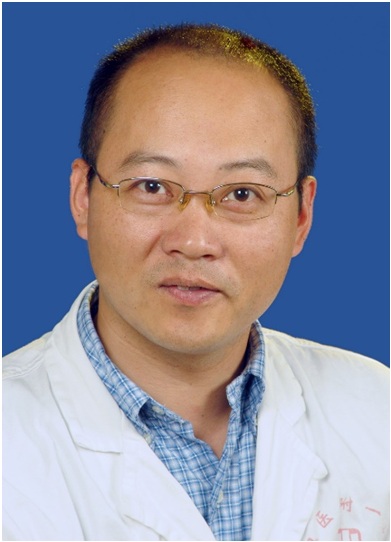 Songfu Jiang (江松福)合作论文数The First Affiliated Hospital of Wenzhou Medical University1




