Supplemental Figure S9 | Supporting data for single cell RNA sequencing of CAR-T in 3D co-cultures with PDOTS.
Supplemental Figure S10 | Supporting data for single cell RNA sequencing of native tumor-infiltrating lymphocytes following CAR-T challenge in 3D co-cultures with PDOTS.
Many cancer patients treated with immune checkpoint blockade (ICB) do not have durable treatment responses. Circulating biomarkers have the potential to identify patients with primary resistance or early progression on therapy to alter treatment course and potentially avoid unnecessary toxicity. Unbiased multimodal proteomic profiling in blood has been underexplored due to the previously limited scalability of multiplexing technologies or cohorts lacking time-series sampling. To address this, we performed plasma proteomic profiling of >2900 proteins and high-dimensional mass cytometry of peripheral blood lymphocytes across serial time points in 250 metastatic melanoma patients on ICB treatment. We further obtained 92 patient-matched tumor samples, which were processed for single-cell and/or bulk RNA sequencing. Proteins upregulated post-ICB were associated with inflammatory pathways involving the activation of effector immune functions. Expression of genes corresponding to these proteins was higher in immune cells involved in recruitment and tumor reactivity. Expression of genes corresponding to plasma proteins more abundant in non-responders was highest in suppressive myeloid subsets and malignant cells. We further posit the involvement of these non-responder genes in immunosuppressive and pro-tumor interactions, which we confirm using publicly available spatial transcriptomic data. We also find that epithelial-specific proteins in the circulation of responders post-ICB associate with patient toxicity and likely originate from degradation of healthy tissues. Together, these data represent extensive potential peripheral biomarker characterization using paired blood and tumor samples in melanoma patients treated with ICB, and begin to elucidate the complex interplay between tumors and the systemic immune response within the host.
Supplemental Figure S3 | Supporting data for ex vivo profiling of B7-H3.CAR-T cells using PDOTS.
Supplemental Figure S5 | Supporting data that targeting TBK1 prevents CAR-T cell dysfunction.
Supplementary Figure S1 | Supporting data demonstrating B7-H3 expression in melanoma and other cancers.
Recent innovations in melanoma treatment with immune checkpoint blockade (ICB) have improved overall outcomes for patients; however, over 50% of patients still develop resistance to treatment. These patients either have intrinsic resistance and never respond to therapy or develop acquired resistance months or years into treatment. The mechanisms underlying ICB resistance remain poorly understood. Our data show that patients with isocitrate dehydrogenase gain-of-function (IDH GOF) mutant melanoma have a worse response to anti-PD1 immunotherapy. IDH mutations have been found to be oncogenic and associated with differential methylation in multiple cancers but are not yet characterized in human melanoma. Here, we investigate the clinical, immune, and transcriptional phenotypes of IDH GOF melanomas through analyses of clinical response, single-cell RNA-seq, bulk RNA-seq, and DNA methylation data. Single-cell data analysis showed decreased immune infiltrate and activity in the IDH GOF tumors. Bulk sequencing data demonstrated the association among IDH mutation, immune exclusion, and disruptions in global DNA methylation. The melanoma-derived genomic data presented support previously described resistance mechanisms of IDH mutation in other cancer types and is the first demonstration to our knowledge of the role of IDH GOF in the human melanoma tumor microenvironment.
Supplemental Figure S6 | Supporting data that targeting TBK1 prevents CAR-T cell dysfunction.
The efficacy of chimeric antigen receptor (CAR) T cell therapy in solid cancers is limited by immunosuppression in the tumour microenvironment (TME). Prostaglandin E2 (PGE2) is a key factor locally inhibiting T cell function. We hypothesized that targeted ablation of PGE2 signalling in CAR T cells may enhance their activity in PGE2-rich solid tumours. Here we generate knockout CAR T cells double deficient for the PGE2 receptors EP2 and EP4 (EP2-/-EP4-/-) by CRISPR-Cas9 engineering. EP2-/-EP4-/- CAR T cells expanded unabatedly in the presence of PGE2. Further, they effectively controlled syngeneic and human xenograft tumour models in vivo, which was accompanied by intratumoural accumulation and persistence of modified T cells. Improved anti-tumour activity was also observed against patient-derived tumour samples from patients with pancreatic ductal adenocarcinoma (PDAC), colorectal (CRC) and neuroendocrine (NET) cancer. Our data uncovers the detrimental impact of PGE2-mediated suppression on CAR T cell efficacy and highlights EP2 and EP4 targeting as a potential strategy.
Supplemental Figure S11 | Supporting data that targeting TBK1 sensitizes cancer cells to CAR-T cell-derived TNFα/IFNγ.
Supplemental Figure S7 | Supporting data that targeting TBK1 prevents CAR-T cell dysfunction.
Macrophages exert antitumorigenic activity through phagocytosis, but phagocytosis-enhancing therapeutics have not improved acute myeloid leukemia (AML) outcomes. To identify phagocytosis regulators, we performed CRISPR knockout screens in human AML cells cocultured with human macrophages. We found that the "don't eat me" signal CD47 inhibited mouse but not human macrophage phagocytosis. However, O-linked glycosylation and sialylation were strong negative regulators of phagocytosis. In AML, the cell surface mucin-like glycoprotein CD43 was the major effector of these pathways. Inhibition of phagocytosis by CD43 was dependent on the length of its ectodomain and independent of the macrophage sialic acid receptors SIGLEC-1, SIGLEC-7, and SIGLEC-9. The inhibitory effects of CD43 extended beyond human macrophages to natural killer and T cells. Thus, CD43 forms a glyco-immune barrier that restrains both innate and adaptive antileukemic immunity.
Supplemental Figure S4 | Supporting data for ex vivo profiling of PD-1 blockade and TBK1 inhibition in combination with B7-H3.CAR-T cells using PDOTS.
Supplementary Figure S2 | Supporting data for the In vitro characterization and efficacy of B7-H3.CAR-T cells.
Supplemental Figure S8 | Supporting data that targeting TBK1 prevents CAR-T cell dysfunction.
CD38, an ecto-enzyme involved in NAD+ catabolism, is highly expressed in exhausted CD8+ T cells and has emerged as an attractive target to improve response to immune checkpoint blockade (ICB) by blunting T cell exhaustion. However, the precise role(s) and regulation of CD38 in exhausted T cells and the efficacy of CD38-directed therapeutic strategies in human cancer remain incompletely defined. Here, we show that CD38+CD8+ T cells are induced by chronic TCR activation and type I interferon stimulation and confirm their association with ICB resistance in human melanoma. Disrupting CD38 restores cellular NAD+ pools and improves T cell bioenergetics and effector functions. Targeting CD38 restores ICB sensitivity in a cohort of patient-derived organotypic tumor spheroids from explanted melanoma specimens. These results support further preclinical and clinical evaluation of CD38-directed therapies in melanoma and underscore the importance of NAD+ as a vital metabolite to enhance those therapies.
Cancer immunotherapy has radically changed the management of several malignancies, and dozens of agents have been approved in the past 15 years. While these advances have changed the field, many challenges lie ahead and must be addressed if we are to optimize the management of cancer with these approaches. A more comprehensive understanding of the mechanisms of action, toxicity, and resistance is needed to guide the next decade of cancer immunotherapy development. To this end, members of the Society for Immunotherapy of Cancer met and identified challenges and opportunities to improve cancer immunotherapy by focusing on the mechanisms by which the specific agents work, the mechanisms of how they cause adverse effects, and the mechanisms of resistance that limit the effectiveness of these agents. The priorities of this effort were to (1) level set by describing the state of the field; (2) describe what is known about how these agents work, fail to work, and cause side effects as well as the key knowledge gaps in these areas and associated challenges for addressing them; (3) provide a patient perspective to highlight the importance of this work to the community most affected; (4) look ahead to the future by identifying and describing prioritized opportunities that the field may focus on to expand the knowledge base of the field and optimize the management of cancer with immunotherapy.
 Genevieve Boland合作论文数Department of Surgery, Massachusetts General Hospital;Harvard Medical School57
 Yi Sun合作论文数45
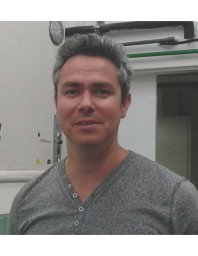 Moshe Sade-Feldman合作论文数Broad Institute of MIT and Harvard, Cambridge, MA, USA.35
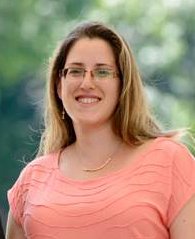 Or-Yam Revach合作论文数Weizmann Inst Sci, Dept Mol Cell Biol, IL-7610001 Rehovot, Israel31Tatyana Y. Sharova合作论文数29
 Keith Flaherty合作论文数Henri and Belinda Termeer Center for Targeted Therapy, Cancer Center, Massachusetts General Hospital;Harvard Medical School28
 Cristina Ferrone合作论文数Department of Surgery, Cedars-Sinai Medical Center;Division of General and GI Surgery, Department of Surgery, Massachusetts General Hospital27
 Yusuf Hannun合作论文数Department of Biochemistry and Cell Biology, College of Arts and Sciences, Stony Brook University;Stony Brook Cancer Center27
 David Barbie合作论文数Department of Medical Oncology, Dana-Farber Cancer Institute26
 Mehta Arnav合作论文数Division of Biology and Biological Engineering, California Institute of Technology25
 Xinhui Wang (王新慧)合作论文数24
 Marco Ventin合作论文数22Luke Maggs合作论文数22
 Nir Hacohen合作论文数Center for Cancer Immunology, Massachusetts General Hospital;Mass General Research Institute;Broad Institute22
 Robert T. Manguso合作论文数Department of Pediatric Oncology, Dana-Farber Cancer Institute, Division of Hematology/Oncology, Children's Hospital, Harvard Medical School, Boston, MA;20
 Nabeel M. Bardeesy合作论文数Center for Cancer Research, Massachusetts General Hospital;Harvard Medical School;KFCCR Faculty, Mass General Research Institute;Harvard Stem Cell Institute;OncoRev, LLC17Amina Fu合作论文数16
 Ryan Sullivan合作论文数Massachusetts General Hospital16
 Amir R. Aref合作论文数Harvard Medical School;Center for Personalized (Precision) Cancer Therapeutics, Massachusetts General Hospital16
 Caitlin E. Mills合作论文数Laboratory of Systems Pharmacology, Harvard Medical School14
 Peter Sorger合作论文数Department of Systems Biology, Harvard Medical School;Laboratory of Systems Pharmacology, Harvard Medical School14
 Cloud Paweletz合作论文数Robert and Renée Belfer Center for Applied Cancer Science, Dana-Farber Cancer Institute14
 Lina Obeid合作论文数Renaissance School of Medicine, Stony Brook University14Elena Ivanova合作论文数Department of Medicine, Massachusetts General Hospital;Belfer Center for Applied Cancer Science, Dana Farber Cancer Institute13
 Kwok-Kin Wong合作论文数Department of Medicine, Grossman School of Medicine, New York University13Aleigha R. Lawless合作论文数12
 Giulia Cattaneo合作论文数FPO IRCCS, Candiolo Canc Inst11
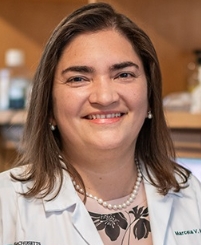 Marcela Valderrama Maus合作论文数Mass General Research Institute, Massachusetts General Hospital;Harvard Medical School;Broad Institute11
 Seth Anderson合作论文数10Lizotte Patrick H合作论文数10
 Bryan D. Choi合作论文数Department of Surgery, Duke University Medical Center10
 Leick Mark B合作论文数9Linda T. Nieman合作论文数9
 Andrew Liss合作论文数9Adam Kuo合作论文数8Antonio J. Almazan合作论文数8Praju Vikas Anekal合作论文数8Yuhui Song合作论文数8Angelina Cicerchia合作论文数8Harrison Silva合作论文数8Tamina Kienka合作论文数8Max M Quinn合作论文数8Amanda A Bouffard合作论文数8Samantha Guinn合作论文数8Diego Salas-Benito合作论文数8
 Felix Korell合作论文数8Trisha R. Berger合作论文数8Rebecca C Larson合作论文数8Filippo Birocchi合作论文数8




