ABSTRACT:Stridor is a common presenting symptom for children in emergency departments (EDs) and usually represents an infectious process, such as croup, or aspiration of a foreign body. We present the case of an otherwise healthy 5-year-old girl with episodic increased work of breathing for several months that was initially diagnosed as asthma by her primary care physician. She subsequently presented to the ED with acutely worsening noisy breathing and dyspnea. Patient and parent denied any recent foreign body ingestions or choking episodes. We gave multiple doses of racemic epinephrine in the ED without symptom improvement. A lateral neck x-ray showed an occlusive subglottic airway mass. Otolaryngology (ENT) evaluation demonstrated an 85% airway occlusion. The mass was partially resected, resolving all of her respiratory symptoms. Although primary airway tumors in children are rare, they must be considered on the differential diagnosis of new noisy breathing or respiratory distress. Failure to diagnose these tumors in a timely manner can be life-threatening.
Objectives: Head and neck lymphatic malformations (HNLM) are caused by gain-of-function somatic mutations in PIK3CA. Acetylsalicylic acid (ASA/aspirin) is thought to limit growth in PIK3CA-mutated neoplasms through PI3K pathway suppression. We sought to determine if ASA could be beneficial for HNLM. Methods: Retrospective case series of patients (0-18 years) offered ASA (3-5 mg/kg/day) for HNLM treatment (2010-2018). Clinical and treatment characteristics, patient-reported symptom improvement, medication tolerance, compliance, and complications were recorded. Treatment response was determined by change in patient/caregiver-reported symptoms, or HNLM size [complete (resolved), partial (decreased), or stable]. Results: Fifty-three patients were offered ASA, 23 (43%) accepted (median age 10 years, IQR 6-14). Compared to patients who declined, patients receiving ASA were more likely to have extensive malformations: ex-utero intrapartum treatment procedure, bilateral malformations, oral cavity location, >= 2 invasive treatments, or tracheotomy (p < 0.05). All patients with tissue available had PIK3CA mutations (13/23). Treatment indications included oral pain/blebs (12, 52%), recurrent pain/swelling (6, 26%), or sudden/persistent swelling (5, 22%). Treatment plan was commonly one 81 mg tablet daily (19, 83%) for 3-12 months (8, 42%). Therapeutic adherence was reported by 18 patients (78%). Symptoms improved in 18 patients [78%; decreased pain (9, 39%) and swelling (8, 35%)]. Treatment resulted in partial (14, 61%) or complete response (4, 17%). Three patients developed oral bleb bleeding, which resolved with medication discontinuation. Conclusion: ASA seems to be a well-tolerated, low-risk medication for HNLM treatment. This pilot study suggests that it often improves symptoms and reduces HNLM size. Further prospective, randomized studies are warranted to comprehensively assess indications, safety, and efficacy.
The risk of severe acute respiratory syndrome coronavirus 2 (SARS-CoV-2) transmission to health care workers during myringotomy and tympanostomy tube (MT) insertion is unknown. To determine the need for enhanced precautions to prevent potential spread via aerosolized particles, we used an optical particle sizer to measure aerosol generation intraoperatively during a case series of MT insertion. We also discuss our institutional experience with safe pandemic-era perioperative practices. There was no measured increase in aerosol particle number during the procedure at a distance of 30 cm from the external auditory canal. These initial data are reassuring regarding the risk of SARS-CoV-2 transmission to the operating room team due to aerosol generation, but further study is necessary before making definitive recommendations.
We present a case of two siblings born to nonconsanguineous parents that presented with hypotonia, respiratory insufficiency, and auditory neuropathy spectrum disorder (ANSD) correlated with NFASC (MIM: 609145) and the homozygous loss of function variant p.P924RfsX35. This appears to be the first two reported cases of NFASC correlated with ANSD. NFASC encodes for neurofascin which plays an important role in the formation, function and maintenance of axon initial segments and nodes of Ranvier. Due to the rarity of this gene variation, reports are sparse in the literature leading to delays in diagnosis which can impact patient's language acquisition and spoken language skills.
IntroductionObstructive sleep apnea (OSA) in young children is caused by upper airway obstruction and is associated with changes in cognitive development, temperament and behavior. Adenotonsillectomy (AT) is often utilized as first line therapy for pediatric OSA. Children with laryngomalacia (LM) have a high chance of residual OSA after AT. There is paucity of literature regarding surgically naïve young children with OSA and laryngomalacia. Our study aimed to compare demographics, comorbidities and outcomes associated with OSA in surgically naïve young children with and without laryngomalacia.MethodsRetrospective chart review of surgically naïve young children (<2-year-old) with polysomnogram (PSG) diagnosed OSA. All young children underwent pre-operative PSG followed by drug-induced sleep endoscopy (DISE) directed intervention. Variables documented included demographics, comorbidities, history of adenotonsillectomy, DISE directed surgical interventions and pre and post PSG findings. Laryngomalacia was defined as presence of obstruction (Chan Parikh score ≥ 2) at the supraglottic level on DISE evaluation. Demographics and prevalence of comorbidities of those with and without LM were compared using t-test (continuous) and Chi Square (categorical). P value is significant for <0.05.Results79 surgically naïve young children with PSG diagnosed OSA performed between 2015 and 2019 were included in the study. Children with LM were younger in age (11 months) and had a higher OSA-18 score (35) compared to children without LM (17 months) (OSA-18 score: 5). No significant difference was noted in the pre-DISE PSG parameters in the 2 groups. 56.1% of children with OSA and laryngomalacia did not need AT. Both children with and without laryngomalacia showed improvement in AHI on post-DISE PSG. Higher baseline AHI was associated with greater improvement in AHI.ConclusionSurgically naïve young children with OSA and LM present earlier than those without LM and report a significantly worse quality of life Young children with a higher baseline AHI were found to have greater improvement in severity of OSA post-DISE and surgical intervention. Majority of children with OSA and laryngomalacia did not need adenotonsillectomy after a preprocedural DISE assessment yet showed similar improvement in AHI. More studies are needed to determine which patients with OSA and laryngomalacia will need multilevel interventions.
Objective The U.S. Food and Drug Administration guidelines for cochlear implantation (CI) include age greater than 12 months. Studies have suggested that implantation in children younger than 12 months with congenital deafness may be associated with better spoken language outcomes. Compare auditory comprehension (AC) outcomes for children with congenital deafness who received CI less than 12 months of age to those implanted at 12 to 24 months of age. Methods Retrospective review of prospectively collected data in consecutively implanted patients under 2 years of age who received CI and had post-CI Preschool Language Scale (PLS)-AC scores. Receptive language was assessed with the AC subtest of the PLS. Patients without pre-CI PLS-AC scores were excluded. The association between age at implantation and post-CI PLS-AC scores up to 2 years after CI surgery was modeled using a linear mixed-effects model. Time from CI surgery, number of implants, risk factors for language delay, pre-CI PLS-AC score, and sex were included in the model. Patients implanted less than 12 months of age were compared to those implanted between 12 and 24 months. Results Twenty-nine patients who had CI surgery by 12 months and 82 who had CI surgery between 12 and 24 months were included in the analysis. Younger age at implantation and better pre-CI PLS-AC scores were significantly associated with better post-CI PLS-AC scores. Conclusion Cochlear implantation in children with congenital deafness less than 12 months of age was associated with better PLS-AC than in children implanted over 12 months of age up to 2 years after implantation. Level of Evidence 4 Laryngoscope, 130:776-781, 2020
Novel Ingested Foreign Bodies— A Fidget Spinner Case Report A woman in her late teens with a complex mental health history including depression and eating disorder was found to have severe neck pain and vomiting after reporting ingestion of a fidget spinner toy broken into 3 pieces. Surgical treatment was required for removal. We review this case and use it to highlight important features in the diagnosis and treatment of ingested foreign bodies. To our knowledge, this is the first case report describing ingestion of a fidget spinner toy and subsequent complications. A common cause of emergency evaluations, foreign bodies are frequently benign and often pass without incident. However, some features should raise suspicion for potential problems. Magnets can cause obstruction, ulceration, and perforation owing to their propensity to attract across bowel loops and electrochemical burns can develop quickly with modern small batteries.1 Large objects (commonly defined as those greater than 20-25 mm) can obstruct or become impacted.2-4 Sharp or pointed objects can lead to perforation from ingestion or removal.
AbstractPurpose: Head and neck squamous cell carcinoma (HNSCC) is the sixth most common cancer worldwide, with high mortality and a lack of targeted therapies. To identify and prioritize druggable targets, we performed genome analysis together with genome-scale siRNA and oncology drug profiling using low-passage tumor cells derived from a patient with treatment-resistant HPV-negative HNSCC.Experimental Design: A tumor cell culture was established and subjected to whole-exome sequencing, RNA sequencing, comparative genome hybridization, and high-throughput phenotyping with a siRNA library covering the druggable genome and an oncology drug library. Secondary screens of candidate target genes were performed on the primary tumor cells and two nontumorigenic keratinocyte cell cultures for validation and to assess cancer specificity. siRNA screens of the kinome on two isogenic pairs of p53-mutated HNSCC cell lines were used to determine generalizability. Clinical utility was addressed by performing drug screens on two additional HNSCC cell cultures derived from patients enrolled in a clinical trial.Results: Many of the identified copy number aberrations and somatic mutations in the primary tumor were typical of HPV(−) HNSCC, but none pointed to obvious therapeutic choices. In contrast, siRNA profiling identified 391 candidate target genes, 35 of which were preferentially lethal to cancer cells, most of which were not genomically altered. Chemotherapies and targeted agents with strong tumor-specific activities corroborated the siRNA profiling results and included drugs that targeted the mitotic spindle, the proteasome, and G2–M kinases WEE1 and CHK1. We also show the feasibility of ex vivo drug profiling for patients enrolled in a clinical trial.Conclusions: High-throughput phenotyping with siRNA and drug libraries using patient-derived tumor cells prioritizes mutated driver genes and identifies novel drug targets not revealed by genomic profiling. Functional profiling is a promising adjunct to DNA sequencing for precision oncology. Clin Cancer Res; 24(12); 2828–43. ©2018 AACR.
Objective To evaluate the association between craniofacial phenotype and hearing loss in children with craniofacial microsomia. Design Retrospective cohort study. Setting Tertiary care children's hospital. Patients Individuals with craniofacial microsomia. Main Outcome Measures Ear-specific audiograms and standardized phenotypic classification of facial characteristics. Results A total of 79 participants were included in the study. The mean age was 9 years (range, 1 to 23 years) and approximately 60% were boys. Facial anomalies were bilateral in 39 participants and unilateral in 40 participants (24 right, 16 left). Microtia (hypoplasia of the ear) was the most common feature (94%), followed by mandibular hypoplasia (76%), soft tissue deficiency (60%), orbital hypoplasia or displacement (53%), and facial nerve palsy (32%). Sixty-five individuals had hearing loss (12 bilateral and 53 unilateral). Hearing loss was conductive in 73% of affected ears, mixed in 10%, sensorineural in 1%, and indeterminate in 16%. Hypoplasia of the ear or mandible was frequently associated with ipsilateral hearing loss, although contralateral hearing loss occurred in 8% of hemifaces. Conclusions Hearing loss is strongly associated with malformations of the ipsilateral ear in craniofacial microsomia and is most commonly conductive. Hearing loss can occur contralaterally to the side with malformations in children with apparent hemifacial involvement. Children with craniofacial microsomia should receive early diagnostic hearing assessments.
Tonsillectomy is a commonly performed procedure with an accepted risk of posttonsillectomy hemorrhage (PTH) approaching 5%, but catastrophic effects of hemorrhage are exceedingly rare. A variety of surgical techniques and hemostatic agents have been used to reduce the rate of hemorrhage, although none eliminate the risk. Numerous patient, surgical, and postoperative care factors have been studied for an association with PTH. The most consistent risk factors for PTH seem to be patient age and coagulopathies. Surgeon skill and surgical technique are most consistently associated with primary PTH.
IMPORTANCE Surgical cure of head and neck squamous cell carcinoma (HNSCC) remains hampered by inadequately resected tumors and poor recognition of lesions with malignant potential. BLZ-100 is a chlorotoxin-based, tumor-targeting agent that has not yet been studied in HNSCC.OBJECTIVE To evaluate BLZ-100 uptake in models of HNSCC and oral dysplasia.DESIGN, SETTING, AND PARTICIPANTS This was an observational study (including sensitivity and specificity analysis) of BLZ-100 uptake in an orthotopic xenograft mouse model of HNSCC and a carcinogen-induced dysplasia model of hamster cheek pouches.INTERVENTIONS Various HNSCC xenografts were established in the tongues of NOD-scid IL2Rgamma(null) (NSG) mice. BLZ-100 was intravenously injected and fluorescence uptake was measured. To induce dysplasia, the carcinogen 7,12-dimethylbenz(a) anthracene (DMBA) was applied to the cheek pouch of Golden Syrian hamsters for 9 to 16 weeks. BLZ-100 was subcutaneously injected, and fluorescence uptake was measured.MAIN OUTCOMES AND MEASURES The signal-to-background ratio (SBR) of BLZ-100 was measured in tumor xenografts. To calculate the sensitivity and specificity of BLZ-100 uptake, a digital grid was placed over tissue sections and correlative histologic sections to discretely measure fluorescence intensity and presence of tumor; a receiver operating characteristic (ROC) curve was then plotted. In the hamster dysplasia model, cheeks were graded according to dysplasia severity. The SBR of BLZ-100 was compared among dysplasia grades.RESULTS In HNSCC xenografts, BLZ-100 demonstrated a mean (SD) SBR of 2.51 (0.47). The ROC curve demonstrated an area under the curve (AUC) of 0.89; an SBR of 2.50 corresponded to 92% sensitivity and 74% specificity. When this analysis was focused on the tumor and nontumor interface, the AUC increased to 0.97; an SBR of 2.50 corresponded to 95% sensitivity and 91% specificity. DMBA treatment of hamster cheek pouches generated lesions representing all grades of dysplasia. The SBR of high-grade dysplasia was significantly greater than that of mild-to-moderate dysplasia (2.31 [0.71] vs 1.51 [0.34], P =.006).CONCLUSIONS AND RELEVANCE BLZ-100 is a sensitive and specific marker of HNSCC and can distinguish high-risk from low-risk dysplasia. BLZ-100 has the potential to serve as an intraoperative guide for tumor margin excision and identification of premalignant lesions.
BackgroundLaryngeal angiosarcoma is rare and the prognosis is poor. The purpose of this study was to describe the first case of cutaneous angiosarcoma metastatic to the larynx and systematically review all cases of laryngeal angiosarcoma.MethodsA 61-year-old man presented with an alar lesion diagnosed as angiosarcoma and was treated with wide local resection and radiation. Six years later, he presented with a laryngeal mass histologically similar to the initial tumor. A systematic review of reported cases of angiosarcoma of the larynx was performed.ResultsEighteen cases were identified. Mean age of presentation was 64.3 years. Men represented 66.7%. Mean follow-up was 34.1 months. Forty-seven percent died with disseminated disease at a mean of 18.4 months. Our patient did well with serial resection.ConclusionTo the best of our knowledge, this case represents the first documented case of cutaneous angiosarcoma metastatic to the larynx and suggests that serial resection with long-term surveillance may be of benefit in some cases. (c) 2015 Wiley Periodicals, Inc. Head Neck 38: E99-E104, 2016
IMPORTANCE Evidence supports short courses of perioperative antibiotics for patients receiving minor head and neck procedures. Few studies have addressed antibiotic prophylaxis for patients undergoing free flap reconstruction of head and neck defects.OBJECTIVE To determine ideal antibiotic prophylaxis in patients undergoing head and neck free flap reconstruction.DESIGN, SETTING, AND PARTICIPANTS Retrospective cohort study of 427 adults receiving free flap reconstruction of head and neck defects at 2 affiliated tertiary care academic hospitals between January 1, 2006, and January 28, 2013.EXPOSURES Prophylactic antibiotic type and duration were recorded from patient records.MAIN OUTCOMES AND MEASURES Outcome data were abstracted from patients' medical records including infection at the surgical sites and distant nonsurgical sites and flap site complications including flap compromise, dehiscence, or fistula. Multivariate logistic regression was used to determine the association of risk factors with the primary outcome of any infection within 30 days of surgery.RESULTS Ninety-six patients (22.5%) received prophylactic antibiotics for 24 hours or less, and 331 patients received prolonged courses of prophylactic antibiotics. The majority of patients received ampicillin-sulbactam alone for prophylaxis (53.2%), while 36.5% received clindamycin alone and 10.3% received an alternative regimen. Postoperative infections occurred in 46% of patients, and 22% of patients had an infection at the flap inset site or neck incision. The use of clindamycin (odds ratio [OR], 2.54; 95% CI, 1.25-5.14 [P = .01]) was associated with an increased risk of postoperative infection; extended duration of antibiotics (OR, 0.63; 95% CI, 0.34-1.19 [P = .18]) was not associated with increased risk of postoperative infection. By multivariate analysis, use of clindamycin (OR, 6.71; 95% CI, 1.83-24.60 [P = .004]) and oral tobacco use (OR, 1.20; 95% CI, 1.04-1.39 [P = .02]), but not extended course of prophylactic antibiotics (OR, 0.75; 95% CI, 0.30-1.86 [P = .53]), were associated with a higher risk of postoperative flap or neck infections.CONCLUSIONS AND RELEVANCE The choice of antibiotic appears to affect the rate of all postoperative infections and flap site infections more than the duration of antibiotics following head and neck free flap reconstruction. At our institutions, ampicillin-sulbactam is the preferred prophylactic antibiotic for major clean-contaminated head and neck procedures when possible.
Cochlear implantation has been performed safely several hundred thousand times, although a variety of complications have been reported including surgical site infection, device failure, migration of the receiver/stimulator or electrode array. Here we report the asymptomatic migration of the ground electrode through the squamous temporal bone, which was discovered at the time of device explantation. The incidence of this phenomenon is not known since it may remain asymptomatic and delayed postoperative imaging is not routinely performed. This finding should motivate implant surgeons to consider placement of the ground electrode into a subperiosteal pocket in a region with greater skull thickness.
Abstract Introduction: Identifying molecular aberrations that drive carcinogenesis remains a daunting problem. Uncovering important combinations of such aberrations, e.g. overexpression of a gene in concordance with copy number amplification, pose additional challenges. Publicly available large-scale cell line panels profiled for drug response often do not reflect the true tumor heterogeneity and therefore predictions made solely based on such data may be difficult to translate into therapeutic targets. Integrating predicted associations with drug sensitivity (resistance) on one hand, with siRNA screens with the same drug (patient-derived samples and cell lines) on the other hand, should allow for the identification of therapeutically relevant molecular traits. Methods: We propose a novel Bayesian model for multi-task learning with a gene-wise prior, which accounts for multiple aberrations in a given gene (expression, mutation and copy number). Our method allows for the simultaneous learning of drug response for multiple drugs in a given panel (N_Sanger=138, N_CCLE=24 drugs). Our model aims to identifying sets of important aberrations, which individually occur at low frequencies. To train and evaluate the performance of our model we use the CCLE and Sanger datasets. Further, we use the Cisplatin and Doxorubicin drug responses from the Sanger dataset to rank genome-wise aberrations to find features best predictive of response to the chemotherapeutic agents. We then consider our findings in the context of high-throughput siRNA synthetic lethal screens in head and neck, ovarian and breast cancer with Cisplatin and Doxorubicin in patient-derived samples and cell lines. Results: Our approach improves the quality of drug sensitivity prediction (Pearson correlation in five-fold cross validation) over methods that model individual drug responses (e.g. Elastic Net). It further allows for the subtyping of drugs by target/mechanism of action commonalities, which we recover closely for drugs with known mechanism of action. Our model recovers reasonably the targets of consensus drug interactions (e.g. Erlotinib and EGFR) and in addition identifies other known associations currently undergoing preclinical/clinical validation (i.e. Cisplatin and JAK2 mutation, and RUNX3 expression and Doxorubicin). Integrated analysis of the results from our predictive model in conjunction with the siRNA screens are currently under investigation. Conclusions: We present an integrated approach that combines a novel Bayesian multi-task learning model with high-throughput siRNA screens. Our approach aims to uncover sets of important aberrations and allows for the subtyping of drugs based on similarities in targets and mechanisms of action. We integrate our results with high-throughput RNAi experiments to identify synthetic lethal events in specific therapeutic context. Citation Format: Olga H. Nikolova, Mehmet Gönen, Rodrigo Dienstmann, In Sock Jang, Russell Moser, Silvia Cermelli, Chang Xu, Ryan M. Mitchell, Eduardo Mendez, Carla Grandori, Christopher Kemp, Stephen Friend, Justin Guinney, Adam Margolin. Integrated computational cell-line modeling of drug sensitivity and high-throughput siRNA screening reveals novel molecular biomarkers for conventional chemotherapy. [abstract]. In: Proceedings of the 105th Annual Meeting of the American Association for Cancer Research; 2014 Apr 5-9; San Diego, CA. Philadelphia (PA): AACR; Cancer Res 2014;74(19 Suppl):Abstract nr 5323. doi:10.1158/1538-7445.AM2014-5323
Head and neck squamous cell carcinoma (HNSCC) is characterized by significant genomic instability that could lead to clonal diversity. Intratumor clonal heterogeneity has been proposed as a major attribute underlying tumor evolution, progression, and resistance to chemotherapy and radiation. Understanding genetic heterogeneity could lead to treatments specific to resistant and metastatic tumor cells. To characterize the degree of intratumor genetic heterogeneity within a single tumor, we performed whole-genome sequencing on three separate regions of an human papillomavirus (HPV)-positive oropharyngeal squamous cell carcinoma and two separate regions from one corresponding cervical lymph node metastasis. This approach achieved coverage of approximately 97.9% of the genome across all samples. In total, 5701 somatic point mutations (SPMs) and 4347 small somatic insertions and deletions (indels)were detected in at least one sample. Ninety-two percent of SPMs and 77% of indels were validated in a second set of samples adjacent to the discovery set. All five tumor samples shared 41% of SPMs, 57% of the 1805 genes with SPMs, and 34 of 55 cancer genes. The distribution of SPMs allowed phylogenetic reconstruction of this tumor's evolutionary pathway and showed that the metastatic samples arose as a late event. The degree of intratumor heterogeneity showed that a single biopsy may not represent the entire mutational landscape of HNSCC tumors. This approach may be used to further characterize intratumor heterogeneity in more patients, and their sample-to-sample variations could reveal the evolutionary process of cancer cells, facilitate our understanding of tumorigenesis, and enable the development of novel targeted therapies.
Introduction: H63D HFE polymorphisms increase the risk of neurodegenerative disorders and, specifically, may increase amyotrophic lateral sclerosis (ALS) risk. Investigating the physiological alterations induced by H63D polymorphisms in ALS patients may elucidate mechanisms by which this genotype alters disease. Methods: Clinical measures and muscle biopsies were available from patients previously diagnosed with ALS who underwent HFE genotyping. Clinical outcomes and SOD1 protein expression were analyzed using standard statistical analyses. Results: ALS patients harboring H63D HFE (n = 16) had 28.1 months longer average disease duration and 39.3% lower muscle SOD1 protein than ALS patients with wild-type HFE (n = 22). Conclusions: Combined with previous reports suggesting the H63D polymorphism is associated with ALS, these results support a model wherein the H63D polymorphism is involved in ALS by means of pathways involving SOD1 but may limit cellular damage in individuals who develop disease. The association between HFE genotype and disease duration has important implications for clinical care and treatment trials.
 Zachary Simmons合作论文数9
 Eduardo Mendez合作论文数7
 Sang-Han Lee合作论文数5Stephens Helen E合作论文数5
 Chang Xu合作论文数Cancer and Stem Cell Biology, Duke-NUS Medical School3
 Olga Nikolova合作论文数3
 Adam A Margolin合作论文数3Russell Moser合作论文数3
 Carla Grandori合作论文数Division of Basic Sciences, Fred Hutchinson Cancer Research Center3Hallie Swan合作论文数2Stacey Hansen合作论文数2Robert L. Diaz合作论文数2Michael C. Kao合作论文数2Disha Sahetya合作论文数2Sue E Knoblaugh合作论文数2Julia Parrish-Novak合作论文数2Xu Chang合作论文数2Reid Shaw合作论文数SEngine Precision Medicine, Seattle, WA, USA.2
 Schaub Franz X合作论文数Department of Biomedicine, University Hospital Basel2Basom Ryan合作论文数2Horn David L合作论文数2Jang In Sock合作论文数2
 James M Olson合作论文数Ben Towne Center for Childhood Cancer and Blood Disorders Research, Seattle Children’s Hospital;Department of Pediatrics, University of Washington;Presage Biosciences, Inc.2Maya G. Sardesai合作论文数2
 Heuijoon Park合作论文数2William T Randazzo合作论文数2Susan J. Norton合作论文数2
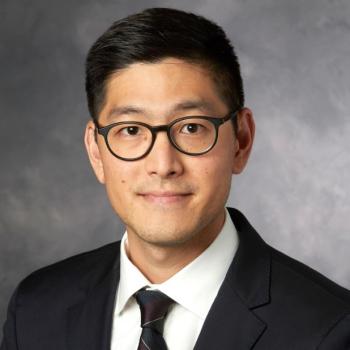 Fred M Baik合作论文数Otolaryngology (Head and Neck Surgery) Department, Stanford University2Jonathan A. Perkins合作论文数2
 Christopher Kemp合作论文数Human Biology Division, Fred Hutchinson Cancer Research Center;Public Health Sciences Division, Fred Hutchinson Cancer Research Center2Kathleen C.Y. Sie合作论文数2
 Kay E Gurley合作论文数2Justin Guinney合作论文数Sage Bionetworks, Sage Bionetworks2Chi Vicky Cheng合作论文数1David Goldenberg合作论文数1Theodore J Wilson合作论文数1Silvia Cermelli合作论文数1Heike Deubner合作论文数1Sarah J Burgin合作论文数1
 Dana Jensen合作论文数1Becky Slagle-Webb合作论文数1Sheila Ganti合作论文数1
 Vincent J. Campiti合作论文数1Helen L. Fillmore合作论文数1Lue Ping Zhao合作论文数1Harrison Love合作论文数1FD Corwin合作论文数1Kelsey B. Eitel合作论文数1




