The development of small-molecule drugs targeting growth factors for cancer therapy remains a significant challenge, with only limited successful cases. We attempted to identify hepatocyte growth factor (HGF) inhibitors as novel anti-cancer small-molecule drugs. To identify compounds that bind to the β-chain of HGF and inhibit signaling through HGF and its receptor Met interaction, we performed a hierarchical in silico drug screen using a three-dimensional compound structure library (Chembridge, 154,118 compounds). We experimentally tested whether 10 compounds selected as candidates for novel anticancer agents exhibit inhibition of HGF activity. Compounds 6 and 7 potently inhibited Met phosphorylation in the human EHEMES-1 cell line, with IC50 values of 20.4 and 11.9 μM, respectively. Molecular dynamics simulations of the Compound 6/7–HGF β-chain complex structures suggest that Compounds 6 and 7 stably bind to the interface pocket of the HGF β-chain. MM-PBSA, MM-GBSA, and FMO analyses identified crucial amino acid residues for inhibition against the HGF β-chain. By interfering with the HGF/Met interaction, these compounds may attenuate downstream signaling pathways involved in cancer cell proliferation and metastasis. Further optimization and comprehensive evaluations are necessary to advance these compounds toward clinical application in cancer therapy.
Autonomous driving, particularly navigating complex and unanticipated scenarios, demands sophisticated reasoning and planning capabilities. While Multi-modal Large Language Models (MLLMs) offer a promising avenue for this, their use has been largely confined to understanding complex environmental contexts or generating high-level driving commands, with few studies extending their application to end-to-end path planning. A major research bottleneck is the lack of large-scale annotated datasets encompassing vision, language, and action. To address this issue, we propose CoVLA (Comprehensive Vision-Language-Action) Dataset, an extensive dataset comprising real-world driving videos spanning more than 80 hours. This dataset leverages a novel, scalable approach based on automated data processing and a caption generation pipeline to generate accurate driving trajectories paired with detailed natural language descriptions of driving environments and maneuvers. This approach utilizes raw in-vehicle sensor data, allowing it to surpass existing datasets in scale and annotation richness. Using CoVLA, we investigate the driving capabilities of MLLMs that can handle vision, language, and action in a variety of driving scenarios. Our results illustrate the strong proficiency of our model in generating coherent language and action outputs, emphasizing the potential of Vision-Language-Action (VLA) models in the field of autonomous driving. This dataset establishes a framework for robust, interpretable, and data-driven autonomous driving systems by providing a comprehensive platform for training and evaluating VLA models, contributing to safer and more reliable self-driving vehicles. The dataset is released for academic purpose.
Methicillin-resistant Staphylococcus aureus is a serious problem in healthcare due to its lethal severe infections and resistance to most antimicrobial agents. The number of new approved antimicrobial agents is declining, and combined with the spread of drug-resistant bacteria, it is predicted that effective antimicrobial agents against multidrug-resistant bacteria will be exhausted. We conducted in silico and in vitro discovery of novel antimicrobial small molecules targeting the SaMurB enzyme involved in cell wall synthesis in Staphylococcus aureus (S. aureus). We performed hierarchical structure-based drug screenings to identify compounds and their analogues using a library of approximately 1.3 million compound structures. In vitro experiments with Staphylococcus epidermidis (S. epidermidis) identified three compounds (SH5, SHa6, and SHa13) that exhibit antibacterial activity. These three compounds do not have toxicity against human-derived cells. SHa13 exhibited remarkable activity (IC50 value =1.64 ± 0.01 µM). The active compound was predicted to bind to the active site of SaMurB by forming a hydrogen bond with Arg188 in both R and S bodies. These data provide a starting point for the development of novel cell wall synthesis inhibitors as antimicrobial agents targeting SaMurB.
Staphylococcus aureus (S. aureus) is a major bacterial infection in humans, leading to severe disease and causing death. The stagnation of antibiotic development in recent decades has made it difficult to combat drug-resistant infections. In this study, we performed an in silico structure-based drug screening (SBDS) targeting the S. aureus MurE (saMurE) enzyme involved in cell wall synthesis of S. aureus. saMurE is an enzyme that is essential for the survival of S. aureus but not present in humans. SBDS identified nine saMurE inhibitor candidates, Compounds 1–9, from a structural library of 154,118 compounds. Among them, Compound 2 showed strong antibacterial activity against Staphylococcus epidermidis (S. epidermidis) used as a model bacterium. Amino acid sequence homology between saMurE and S. epidermidis MurE is 87.4%, suggesting that Compound 2 has a similar inhibitory effect on S. aureus. Compound 2 showed an IC50 value of 301 nM for S. epidermidis in the dose-dependent growth inhibition assay. Molecular dynamics simulation showed that Compound 2 binds stably to both S. aureus MurD and S. aureus MurF, suggesting that it is a potential multi-pharmacological pharmacological inhibitor. The structural and bioactivity information of Compound 2, as well as its potential multiple-target activity, could contribute to developing new antimicrobial agents based on MurE inhibition.
The emergence of multidrug-resistant and extensively drug-resistant Mycobacterium tuberculosis (M. tuberculosis) has become a major medical problem. S-adenosyl-L-homocysteine hydrolase (MtSAHH) was selected as the target protein for the identification of novel anti-TB drugs. Dual hierarchical in silico Structure-Based Drug Screening was performed using a 3D compound structure library (with over 150 thousand synthetic chemicals) to identify compounds that bind to MtSAHH’s active site. In vitro experiments were conducted to verify whether the nine compounds selected as new drug candidates exhibited growth-inhibitory effects against mycobacteria. Eight of the nine compounds that were predicted by dual hierarchical screening showed growth-inhibitory effects against Mycobacterium smegmatis (M. smegmatis), a model organism for M. tuberculosis. Compound 7 showed the strongest antibacterial activity, with an IC50 value of 30.2 µM. Compound 7 did not inhibit the growth of Gram-negative bacteria or exert toxic effects on human cells. Molecular dynamics simulations of 40 ns using the MtSAHH–Compound 7 complex structure suggested that Compound 7 interacts stably with the MtSAHH active site. These in silico and in vitro results suggested that Compound 7 is a promising lead compound for the development of new anti-TB drugs.
With rapid advances in sensing, controlling, machine learning, and computing technologies, novel sensor-rich vehicles become prevalent in urban areas, including Connected and Autonomous Vehicles (CAVs), Unmanned Aerial Vehicles (UAVs), scooters, ebikes, and autonomous wheelchairs. These sensor-rich vehicles typically have wireless communication capabilities, and the Internet of Vehicles (IoV) has been widely expected to enhance user's experience and the comfort by using the collected ambient data. In addition, these systems are able to communicate with each other and/or with central servers to enhance road safety. However, the current systems are just used such data for guaranteeing road safety for vehicles themselves and there are very few applications to use such IoT (Internet-of-Things) data for city sensing, human mobility analysis, and energy optimization. This article studies the requirements and challenges for such urban ambient sensing with sensor-rich connected vehicles. To use the IoV data in practice, the society might have to address the privacy, security, and reliability issues. In addition, this article presents multiple applications with hardware implementation to demonstrate the feasibility of the IoV data. First, this article presents a cooperative perception system for connected vehicles, where multiple vehicles share their sensor data in real time by using Vehicle-to-Vehicle (V2V) communications. Secondly, this article demonstrates multiple data-collection platforms with sensor-rich vehicles, including Whill-Sense, MiMoSense, and SteerSense. Such three platforms might be used complementarily for the urban ambient sensing. Finally, this article discusses the feasibility and limitations of each application and conclude with future research directions.
Understanding how people use area in a city can be a valuable information in a wide range of fields, from marketing to urban planning. Area usage is subject to change over time due to various events including seasonal shifts and pandemics. Before the spread of smartphones, this data had been collected through questionnaire survey. However, this is not a sustainable approach in terms of time to results and cost. There are many existing studies on area modeling, which characterize an area with some kind of information, using Point of Interest (POI) or inter-area movement data. However, since POI is data that is statically tied to space, and inter-area movement data ignores the behavior of people within an area, existing methods are not sufficient in terms of capturing area usage changes. In this paper, we propose a novel area modeling method named Area2Vec, inspired by Word2Vec, which models areas based on people's location data. This method is based on the discovery that it is possible to characterize an area based on its usage by using people's stay information in the area. And it is a novel method that can reflect the dynamically changing people's behavior in an area in the modeling results. We validated Area2vec by performing a functional classification of areas in a district of Japan. The results show that Area2Vec can be usable in general area analysis. We also investigated area usage changes due to COVID-19 in two districts in Japan. We could find that COVID-19 made people refrain from unnecessary going out, such as visiting entertainment areas.
BACKGROUND:Drug-resistant Staphylococcus aureus (S. aureus) has spread from nosocomial to community-acquired infections. Novel antimicrobial drugs that are effective against resistant strains should be developed. S. aureus tyrosyl-tRNA synthetase (saTyrRS) is considered essential for bacterial survival and is an attractive target for drug screening. OBJECTIVES:The purpose of this study was to identify potential new inhibitors of saTyrRS by screening compounds in silico and evaluating them using molecular dynamics (MD) simulations. METHODS:A 3D structural library of 154,118 compounds was screened using the DOCK and GOLD docking simulations and short-time MD simulations. The selected compounds were subjected to MD simulations of a 75-ns time frame using GROMACS. RESULTS:Thirty compounds were selected by hierarchical docking simulations. The binding of these compounds to saTyrRS was assessed by short-time MD simulations. Two compounds with an average value of less than 0.15 nm for the ligand RMSD were ultimately selected. The longtime (75 ns) MD simulation results demonstrated that two novel compounds bound stably to saTyrRS in silico. CONCLUSION:Two novel potential saTyrRS inhibitors with different skeletons were identified by in silico drug screening using MD simulations. The in vitro validation of the inhibitory effect of these compounds on enzyme activity and their antibacterial effect on drug-resistant S. aureus would be useful for developing novel antibiotics.
We have previously performed a hierarchical in silico screening of a Mycobacterium tuberculosis shikimic acid kinase [1]. Specifically, 11 compounds were screened from a library of 154,118 compounds provided by ChemBridge [2] using UCSF DOCK [3] and the GOLD [4] program in the first and second steps, respectively. Molecular dynamic simulations were further performed on compound 2 (2-[(5Z)-5-(1-benzyl-5bromo-2-oxoindol-3-(5Z)-5-(1-benzyl-5-bromo-2-oxoindol-3-(5Z)-4-oxo-2 ylidene)-4oxo-2-sulfanylidene-1,3-thiazolidin-3-yl] acetic acid), which showed antimicrobial efficacy. These processes yielded ligand docking scores and trajectories. In this data article, we have added solvent-accessible surface area and PCA analyses, which were calculated from the raw docking scores and trajectories. Data obtained from molecular docking and molecular dynamic simulations are useful in two ways:1)Further support for previous work2)Provides a stepping stone for experimental scientists to conduct in silico studies and research ideas for other drug discovery researchers and computational biologists.We believe that this article will provide an opportunity to develop new Mycobacterium tuberculosis therapeutics through searching for analogs and inhibitors against new targets.
The development of drugs targeting gene products associated with insulin resistance holds the potential to enhance our understanding of type 2 diabetes mellitus (T2DM). The virtual screening, based on a three-dimensional (3D) protein structure, is a potential technique to accelerate the development of molecular target drugs. Among the targets implicated in insulin resistance, the genetic characterization and protein function of Grb14 have been clarified without contradiction. The Grb14 gene displays significant variations in T2DM, and its gene product is known to inhibit the function of the insulin receptor (IR) by directly binding to the tyrosine kinase domain. In the present study, a virtual screening, based on a 3D structure of the IR tyrosine kinase domain (IRβ) in complex with part of Grb14, was conducted to find compounds that can disrupt the complex formation between Grb14 and IRβ. First, ten compounds were selected from 154,118 compounds via hierarchical in silico structure-based drug screening, composed of grid docking-based and genetic algorithm-based programs. The experimental validations suggested that the one compound can affect the blood glucose level. The molecular dynamics simulations and co-immunoprecipitation analysis showed that the compound did not completely suppress the protein–protein interaction between Grb14 and IR, though competitively bound to IR with the tyrosine kinase pseudosubstrate region in Grb14.
Background: Tuberculosis is the second leading cause of death from infectious diseases worldwide. Multidrug-resistant Mycobacterium tuberculosis is spreading throughout the world, creating a crisis. Hence, there is a need to develop anti-tuberculosis drugs with novel structures and versatile mechanisms of action. Objective: In this study, we identified antimicrobial compounds with a novel skeleton that inhibits mycobacterium decaprenylphosphoryl-β-D-ribose oxidase (DprE1). Methods: A multi-step, in silico, structure-based drug screening identified potential DprE1 inhibitors from a library of 154,118 compounds. We experimentally verified the growth inhibitory effects of the eight selected candidate compounds against Mycobacterium smegmatis. Molecular dynamics simulations were performed to understand the mechanism of molecular interactions between DprE1 and ompound 4. Results: Eight compounds were selected through in silico screening. Compound 4 showed strong growth inhibition against M. smegmatis. Molecular dynamics simulation (50 ns) predicted direct and stable binding of Compound 4 to the active site of DprE1. Conclusion: The structural analysis of the novel scaffold in Compound 4 can pave way for antituberculosis drug development and discovery.
The spread of drug-resistant Staphylococcus aureus (S. aureus) in hospitals and communities poses a serious medical threat. This study aimed to identify aminoacyl-tRNA synthetase inhibitors with antimicrobial activity against S. aureus. In silico structure-based drug screening using docking and molecular dynamics simulations (MDS) was performed targeting S. aureus metionyl-tRNA synthetase (saMetRS). Ten candidate compounds were selected by screening a compound 3D structure library with 154,118 compounds. One compound (Compound 9) showed a strong inhibitory effect in growth inhibition studies using Staphylococcus epidermidis. From the experiments verifying the dose-dependent effect, the IC50 value of Compound 9 was determined to be 3.74 mu M. MDSs predicted that Compound 9 exhibits inhibitory activity against saMetRS and S. aureus isoleucyl-tRNA synthetase, which belongs to the same subclass Ia. Compound 9 with its polypharmacological activity is not susceptible to drug resistance and is expected to have enhanced antimicrobial efficacy.
The development of new anti-TB drugs to prevent the spread of multidrug-resistant Mycobacterium tuberculosis (Mtb) strains is imperative. Mtb shikimate kinase (MtSK) was selected as the target protein to screen for new anti-TB drugs. We performed hierarchical in silico screening using a library of 154,118 compounds to search for novel compounds that could bind to the active site of MtSK. The growth-inhibitory effects of the candidate compounds on Mycobacterium smegmatis were evaluated in vitro. Nine of the 11 candidate compounds exhibited inhibitory effects against mycobacteria in vitro. The inhibitory activity of Compound 2 (IC50 = 1.39 μM) was higher than that of isoniazid, the first-line drug for TB treatment. Moreover, Compound 2 did not exhibit toxicity against mammalian cells and Escherichia coli. Molecular dynamics simulations using the MtSK-Compound 2 complex structure in a timeframe of 100 ns suggested that Compound 2 could stably bind to MtSK. The binding free energy of Compound 2 was estimated to be -37.96 kcal/mol using the MM/PBSA method, demonstrating that Compound 2 can stably bind to MtSK. These in silico and in vitro results indicated that Compound 2 is a promising hit compound for the development of novel anti-TB drugs.
The E3 ubiquitin ligase RFFL is an apoptotic inhibitor highly expressed in cancers and its knockdown suppresses cancer cell growth and sensitizes to chemotherapy. RFFL also participates in peripheral protein quality control which removes the functional cell surface ΔF508-CFTR channel and reduces the efficacy of pharmaceutical therapy for cystic fibrosis (CF). Although RFFL inhibitors have therapeutic potential for both cancer and CF, they remain undiscovered. Here, a chemical array screening has identified α-tocopherol succinate (αTOS) as an RFFL ligand. NMR analysis revealed that αTOS directly binds to RFFL’s substrate-binding region without affecting the E3 enzymatic activity. Consequently, αTOS inhibits the RFFL-substrate interaction, ΔF508-CFTR ubiquitination and elimination from the plasma membrane of epithelial cells, resulting in the increased functional CFTR channel. Among the α-tocopherol (αTOL) analogs we tested, only αTOS inhibited the RFFL-substrate interaction and increased the cell surface ΔF508-CFTR, depending on RFFL expression. Similarly, the unique proapoptotic effect of αTOS was dependent on RFFL expression. Thus, unlike other αTOL analogs, αTOS acts as an RFFL protein-protein interaction inhibitor which may explain its unique biological properties among αTOL analogs. Moreover, αTOS may act as a CFTR stabilizer, a novel class of drugs that extend cell surface ΔF508-CFTR lifetime.
Various methods have been proposed for utilizing Large Language Models (LLMs) in autonomous driving. One strategy of using LLMs for autonomous driving involves inputting surrounding objects as text prompts to the LLMs, along with their coordinate and velocity information, and then outputting the subsequent movements of the vehicle. When using LLMs for such purposes, capabilities such as spatial recognition and planning are essential. In particular, two foundational capabilities are required: (1) spatial-aware decision making, which is the ability to recognize space from coordinate information and make decisions to avoid collisions, and (2) the ability to adhere to traffic rules. However, quantitative research has not been conducted on how accurately different types of LLMs can handle these problems. In this study, we quantitatively evaluated these two abilities of LLMs in the context of autonomous driving. Furthermore, to conduct a Proof of Concept (POC) for the feasibility of implementing these abilities in actual vehicles, we developed a system that uses LLMs to drive a vehicle.
Fully autonomous driving has been widely studied and is becoming increasingly feasible. However, such autonomous driving has yet to be achieved on public roads, because of various uncertainties due to surrounding human drivers and pedestrians. In this paper, we present an end-to-end learning-based autonomous driving system named SuperDriver AI, where Deep Neural Networks (DNNs) learn the driving actions and policies from the experienced human drivers and determine the driving maneuvers to take while guaranteeing road safety. In addition, to improve robustness and interpretability, we present a slit model and a visual attention module. We build a data-collection system and emulator with real-world hardware, and we also test the SuperDriver AI system with real-world driving scenarios. Finally, we have collected 150 runs for one driving scenario in Tokyo, Japan, and have shown the demonstration of SuperDriver AI with the real-world vehicle.
Hepatocyte growth factor (HGF) participates in multiple biological and pathogenic processes, such as liver regeneration, wound healing, and tumor metastasis. These biological effects are initiated by its binding to Met, so it is anticipated that compounds that can disturb the HGF‐Met association could become novel modulating drugs targeting HGF and its related signaling. In this study, a chemical library composed of 154,118 compounds was screened by in silico structure‐based drug screening (SBDS) techniques to obtain HGF‐targeting compound. X‐ray structural data of the N ‐terminal and first kringle domains of HGF (PDBid: 5CS9) were analyzed using the binding energy of known inhibitors and false positive inhibitors. The top five candidate compounds, identified by the DOCK‐GOLD combined screening program, were subjected to cell‐based ELISA assay to confirm experimentally these inhibitory activity on Met activation. The present in silico SBDS study enabled identification of compound which inhibits HGF‐promoted Met phosphorylation (compound 2 ). The present study also suggested that Trp188/Tyr198 in HGF are essential for compound 2 binding as well as Met activation.
Cooperative perception is a prospective application to improve road safety by having connected autonomous vehicles (CAVs) exchange their raw or processed sensor data over vehicular communications. Since CAVs heavily rely on sensor-based perception, including vision cameras, LiDARs, and radars, cooperative perception has an immense potential to improve road safety. At the same time, a variety of sensors and edge servers have been widely deployed in smart cities, and such sensors and servers might be able to empower CAVs on public roads. In this article, we comprehensively study such cooperative perception for overview, technical challenges, practical requirements, prospective system designs, current approaches, and future research directions. In particular, we focus on the time sensitivity of the cooperative perception frameworks, in which delays of computing and communications lead to detection errors. In addition, we comprehensively study sensor fusion frameworks and models to improve the detection accuracy and reliability of CAVs while avoiding information flooding and/or rumor spreading. Since network congestion might lead to packet collisions and/or delays, congestion control might be essential to use cooperative perception in practice. Finally, we discuss the technical and ethical challenges of using cooperative perception on public roads and conclude with future research directions.
Recently, there has been an increasing demand for traffic simulation and congestion prediction for urban planning, especially for infection simulation due to the Covid-19 epidemic. On the other hand, the widespread use of wearable devices has made it possible to collect a large amount of user location history with high accuracy, and it is expected that this data will be used for simulation. However, it is difficult to collect location histories for the entire population of a city, and detailed data that can reproduce trajectories is expensive. In addition, such personal location histories contain private information such as addresses and workplaces, which restricts the use of raw data. This paper proposes Agent2Vec, a mobility modeling model based on unsupervised learning. Using this method, we generate synthetic human flow data without personal information.
Autonomous driving systems are becoming increasingly feasible and highly expected to be the heart of intelligent transportation systems. To deploy the autonomous driving vehicles on public roads, one of the practical challenges might be safe cooperation and collaboration among multiple vehicles, in particular when conflicts arise on shared road segments, such as road intersections, merge points, construction zones, single-track lanes, and center turn lane. In the current traffic systems, human drivers navigate these regions using a combination of traffic rules, social norms, courtesy, hand signals, and common sense. In this paper, we identify and classify such Dynamic Intersections that might lead to vehicle accidents and/or deadlocks and that might appear almost anytime and anywhere on public roads. In addition, we present a cooperative dynamic intersection protocol that uses on-board perception systems and vehicular communications for peer-to-peer negotiation. Under our protocol, autonomous driving vehicles can create a vehicular communication-based traffic manager named Cyber Traffic Light when congestion arises. Cyber Traffic Light works as a self-organizing, self-planning, and self-optimizing traffic manager, and it allocates the green period for vehicles coming from the multiple directions. Finally, we showed that our decentralized protocol has much higher traffic throughput, compared to two simple protocols while guaranteeing road safety.
 Keiji Wada合作论文数Department of Biological Sciences, Nara Women's University46
 Mami Noda合作论文数18Kaori Nishikawa合作论文数15Toshikazu Nakamura (中村敏一)合作论文数Division of Molecular Regenerative Medicine, Graduate School of Medicine, Osaka University9
 Kunio Matsumoto合作论文数9Rieko Setsuie合作论文数8Mikako Sakurai合作论文数8
 Hitoshi Osaka合作论文数Department of Pediatrics, Jichi Medical University8Masayuki Sekiguchi合作论文数6Yu-Lai Wang合作论文数6
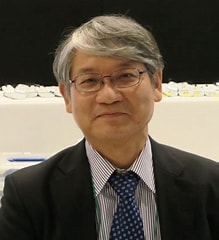 Hiroshi Kiyama合作论文数Shijonawate Gakuen University;Nagoya University;Osaka City University6
 Masayuki Yamato (大和雅之)合作论文数Institute of Advanced Biomedical Engineering and Science, Tokyo Women’s Medical University;Division of Biomedical Engineering and Science, Graduate Course of Medicine, Graduate School of Tokyo Women’s Medical University5Yoshihisa Kudo (工藤佳久)合作论文数Tokyo Medical University;Tokyo University of Pharmacy and Life Sciences5
 Teruo Okano合作论文数Institute of Advanced Biomedical Engineering and Science, Tokyo Women’s Medical University;Center for Advanced Biomedical Science, Tokyo Women’s Medical University5Yingjie Sun (孙英杰)合作论文数5Yoshimasa Manago合作论文数5Hiroki Ohashi合作论文数4
 Masayuki Iwai合作论文数4Etsuko Wada合作论文数4Hideki Ogiuchi合作论文数4Ryo Sasaki合作论文数4Hiroto Uchiyama合作论文数4Takashi Matsumoto合作论文数3
 Tomohiro Ando合作论文数Graduate School of Mathematics;Kyushu University;Graduate School of Mathematics, Kyushu University3
 James Sacchettini合作论文数Department of Biochemistry and Biophysics, College of Agriculture & Life Sciences, Texas A&M University;Department of Chemistry, College of Arts & Sciences, Texas A&M University3
 Toshiaki Abe (阿部俊明)合作论文数Graduate School of Medicine, Tohoku University3Haruhiro Higashida合作论文数3Yoko Hara合作论文数3Tomohiro Kinjo合作论文数3Kazunori Hirayama合作论文数3Taisuke Kasetani合作论文数3Yukihiro Kariura合作论文数3Maiko Kobayashi合作论文数3Yuji Koseki合作论文数3Kumiko Aoki合作论文数College of Communication, Boston University, 640 Commonwealth Avenue, Boston, MA
Edward J. Downes College of Communication, Boston University, 640 Commonwealth Avenue, Boston, MA3T. Nakaya合作论文数2T. Tomura合作论文数2R. J. Wilson合作论文数2Norio Ozaki合作论文数2
Toshiaki Abe (阿部俊明)合作论文数Graduate School of Medicine, Tohoku University3Haruhiro Higashida合作论文数3Yoko Hara合作论文数3Tomohiro Kinjo合作论文数3Kazunori Hirayama合作论文数3Taisuke Kasetani合作论文数3Yukihiro Kariura合作论文数3Maiko Kobayashi合作论文数3Yuji Koseki合作论文数3Kumiko Aoki合作论文数College of Communication, Boston University, 640 Commonwealth Avenue, Boston, MA
Edward J. Downes College of Communication, Boston University, 640 Commonwealth Avenue, Boston, MA3T. Nakaya合作论文数2T. Tomura合作论文数2R. J. Wilson合作论文数2Norio Ozaki合作论文数2 Christopher Hearty合作论文数Department of Physics & Astronomy, Faculty of Science, The University of British Columbia2
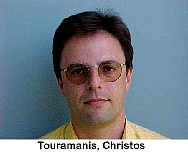 C. Touramanis合作论文数Oliver Lodge Laboratory University of Liverpool2Akira Murakami合作论文数2M. Zito合作论文数2




