Introduction: Sézary Syndrome (SS) is an aggressive variant of cutaneous T-cell lymphoma involving diffuse erythroderma (T4) and leukemic disease (B2). Prognosis is poor, with 5-year overall survival ranging from 30-50%. A unique cohort of patients diagnosed with B2 (high blood tumor burden) leukemic disease without erythroderma has previously been described. However, little is known about these patients' clinical features and prognosis. Methods: A retrospective study of SS patients diagnosed after 1/1/2010 was conducted at the University of Pennsylvania. Patients with B2 disease with or without T4 disease at diagnosis were identified. B2 disease was defined as positive blood T-cell receptor clonality and Sézary cell count ≥1,000 cells/µl by flow cytometry (CD4+/CD7- or CD4+/CD26-). T4 was defined as erythroderma involving ≥80% body surface area (BSA). Fisher's exact test and Wilcoxon rank-sum test were used for statistical significance. Patients with HTLV-I/II and B2 disease utilizing only percentages of lymphocytes/elevated CD4:CD8 ratio criteria were excluded as per modified ISCLC/USCLC/EORTC criteria. T0/B2 patients were diagnosed based on Sézary immunophenotype and were ruled out for other diagnoses (e.g. T-PLL, T-LGLL, ATLL). Results: Two cohorts of patients with B2 disease were identified: 21 patients without erythroderma (non-erythrodermic SS, neSS) and 79 classic SS patients (T4/B2 stage at diagnosis, cSS). There were no significant differences in age (70 and 71.5 years), race (76% and 74% white, 24% and 25% black) or absolute Sézary cell count at diagnosis (2,225 vs 2,812 cells/µl) for neSS versus cSS, respectively. A significantly greater proportion of neSS patients were female (76.2% vs 44.3%, p = 0.0034), but significantly fewer had N2/3 nodal disease (4.8% vs 43.4%, p=0.0002). One neSS patient had visceral disease pathologically confirmed in the liver (M1) at diagnosis. This did not occur in the cSS patient cohort. Of the neSS patients, 3 had no skin involvement (T0), 6 had patch/plaque disease <10% BSA (T1a/b), and 13 had patch/plaque disease >10% BSA (T2a/b). Pruritus was reported in 55% (11/20) of patients at diagnosis. With a median follow-up of 5 years, 3 patients later developed erythroderma (T4). Among these patients, the median time to T4 disease was 1.9 years after B2 diagnosis. Median follow-up for the 18 patients who never developed erythroderma was 4.5 years. Interrogation of 9 neSS patient samples for cancer-associated mutations showed known disease-associated variants in TP53 (n=3), PTEN (n=1), DNMT3A (n=1) and EGR2 (n=1). The median number of systemic treatments for neSS patients was similar to cSS patients (3.5 vs 3). Among the neSS patient cohort, systemic treatments included extracorporeal photopheresis (ECP)(n=16), bexarotene (n=11), interferon (IFN)(n=8), mogamulizumab (n=8), romidepsin (n=4), brentuximab vedotin (BV)(n=3), pembrolizumab (n=3), chemotherapy (n=1), methotrexate (n=1) and clinical trial (n=1). None underwent hematopoietic stem cell transplant. Four underwent surveillance/topical-only treatment without systemic therapy. Radiation was commonly used, with 4 patients receiving localized radiation, 4 receiving total skin electron beam therapy, and 4 receiving narrow-band UV phototherapy. ECP was the most common first-line therapy. Of the 3 patients who later developed erythroderma, treatments prior to developing T4 disease included ECP (n=3), IFN (n=3), bexarotene (n=3), BV (n=2) and mogamulizumab (n=1). When compared to the cSS patients, outcomes were significantly better for neSS patients. 2-year overall survival (OS) for neSS vs cSS was 100% (18/18) versus 74% (54/73) (p = 0.0275). 5-year OS was 100% (11/11) versus 34.5% (19/55) (p<0.0001). Conclusions: Non-erythrodermic patients with B2 disease (T0-2/B2, neSS) had a significantly better prognosis compared to classic SS patients with erythroderma (T4/B2, cSS). neSS patients received multiple systemic treatments; however, 4 patients with minimal skin disease were managed with surveillance or skin-directed therapy alone. Only 3 neSS patients (9.6%) later developed erythroderma. Although neSS patients were more often women and less likely to have nodal disease at diagnosis, other clinical characteristics including age, race and Sézary cell count at diagnosis were similar to cSS patients. Further exploration into mechanisms driving these clinical differences and the optimal management of this unique cohort of patients is needed.
Plasmablastic lymphoma (PBL) is a rare, aggressive AIDS-related lymphoma observed in patients with immunosuppressed states as well as in immunocompetent individuals. We sought to determine survival outcomes, prognostic factors, and optimal treatment regimens in a large, contemporary cohort of patients with PBL in the United States. We performed a multicenter, retrospective cohort study, including 344 patients diagnosed with PBL between 2005 and 2022. Patients were stratified into cohorts according to underlying immune status. Survival outcomes were calculated using Kaplan-Meier statistics, with cohort-specific survival outcomes adjusted using propensity score-based weighting. Factors associated with outcomes were assessed via multivariable models using multiple imputation. The median age at diagnosis was 53 years, most patients were male (n = 270), and many had HIV (n = 164). The median OS was 5.0 years, with a median PFS of 1.4 years. Patients living with HIV had the best outcomes, whereas patients with prior organ transplantation had the worst outcomes. Use of higher intensity chemotherapy regimens and use of a proteasome inhibitor in the frontline setting did not show survival benefit. While there was no clear optimal treatment approach in the frontline setting, the median OS of 5.0 years is dramatically improved compared with historical controls.
Introduction T-PLL is a rare, aggressive leukemia with poor prognosis and limited therapies. Previous studies on T-PLL patients receiving an alloSCT are limited by small numbers with limited disease and transplant characteristics. Our recent data demonstrated significant survival difference between TCL1A+/- T-PLL, and CD8+/- T-PLL. Methods We retrospectively evaluated 572 diagnosed with T-PLL at 21 academic cancer centers, of which 169 proceeded with alloSCT. Survival characteristics were assessed using Kaplan-Meier methods and Cox proportional hazard models. Results Among 169 alloSCT recipients with T-PLL, median follow-up time was 20.9 months post-alloSCT, the median age at transplant was 59 years (range: 35-77) and 52% were male, and 69% were TCL1A+. 90 (53%) of patients were CD4+CD8-, 17 (10%) were CD4-CD8+ and 52, (31%) were CD4+CD8+. At alloSCT, 136 (80%) patients were in CR and 23 (14%) patients were in PR. 45% (43/96) of known patients had minimal residual disease (MRD) at the time of alloSCT. 49 (30%) had myeloablative conditioning (MAC) and 114 (70%) had reduced intensity conditioning (RIC). 80 (49%) patients had total body irradiation (TBI) within conditioning. The most common regimens were fludarabine (Flu)/melphalan based regimens (n=44; 26.0%), lu/cyclophosphamide (Cy) based regimens (n=33; 19.5%), Flu/Busulfan based regimens (n=22; 13.0%), and Flu/TBI (n=8; 4.7%).The median OS (Figure 1) and PFS post-alloSCT was 32.6 months (95% CI: 21.0-41.9) and 20.8 months (95% CI: 14.4-30.5) months while the 1-year cumulative incidences (CI) of NRM and relapse were 17% and 20%. The incidences of grade II-IV acute and chronic GVHD were 19% and 23%. There was no difference between MAC or RIC in OS or PFS (Table 1). Patients that were MRD+ had worse OS and PFS and higher rates of relapse (1-year relapse 20% vs 8%; p=0.08) (Table 1). PFS was improved in those who received alloSCT though only trended towards significance due to low numbers (HR 0.76, p=0.09).TCL1A+ disease had significantly worse OS (21.6 vs 63.1; p=0.01) and PFS (12.4 vs 50.7; p=0.01) (Table 2). Additionally, CI of NRM (24% vs 3%; p=0.02) and relapse (25% vs 12%; p=0.86) was higher in TCL1A+ PLL. CD4+CD8-, CD4-CD8+, and CD4+CD8+ disease had no difference in survival via either OS or PFS (Table 2) as well as no difference 1-year CI of NRM (11.6 vs 23.5 vs 26.2; p=0.35) and relapse (18.5 vs 23.5 vs 20.0; p=0.67). Conclusions AlloSCT significantly improved outcomes for patients with T-PLL and remains the only curative therapy. OS, PFS, and CI relapse were significantly worse for patients with TCL1A+ T-PLL, MRD positivity, or PR prior to alloSCT. Novel strategies to decrease relapse such as post-alloSCT maintenance therapy to improve outcomes are urgently needed in these patients.
TPS7087 Background: Autologous CART options for patients with relapsed or refractory (R/R) T-cell lymphomas (TCL) have faced challenges such as T-cell fratricide during CART manufacture and safety concerns regarding depletion of normal T cells. To overcome these obstacles, we proposed a dual cell population CART product, which contained both autologous 4-1BB costimulated CART cells against CD5 and healthy T-cells, with both populations knocked out for CD5 (CRISPR-Cas9 CD5 short-guide RNA to delete CD5 - Senza5). In vivo experiments using the dual population product of (Senza5 CART5) demonstrated increased CART5 expansion and enhanced antitumor efficacy in TCL xenograft models compared to wild-type (WT) CART5. For clinical use, a novel 5-day manufacturing process was designed to obtain a less differentiated and less exhausted product, with enhanced in vivo expansion and fitness. Methods: A human phase I trial was designed to determine the safety, effectiveness and recommended phase 2 dose (RP2D) of Senza5 CART5 cells in participants with R/R TCL with ≥50% expression of CD5 on malignant cells, and no circulating CD5+ cells. Participants must have a suitable backup stem cell product or donor identified in the unlikely event of T-cell aplasia. Patients with prior allo HCT are currently excluded. Cohorts of patients are treated with escalating doses of Senza5 CART5 cells (3x10 6 to 1.25x10 8 ) using a Bayesian Optimal Interval design following lymphodepletion. The study will enroll and treat participants until a maximum of 9 participants are infused and evaluable for dose limiting toxicity (DLT) assessments at a given dose level, or a maximum of 30 DLT-evaluable participants from all dose levels are infused. The RP2D will be determined based on both safety and biological evidence of efficacy. Study objectives include frequency and severity of treatment-related adverse events, as well as efficacy by assessing overall and complete response rates, duration of response, progression-free and overall survival. Manufacturing feasibility will be determined by the frequency of product release failures and occurrence of dose failures (inability to meet targeted dose). Exploratory objectives will evaluate the persistence and trafficking of Senza5 CART5 cells in blood and tumor by characterizing the kinetics of the infused cells by flow cytometry and qPCR gene expression. We will perform profiling of the tumor microenvironment and measure systemic soluble cytokines before and after treatment. We will also assess the impact of CART5 on normal T cells, and the persistence of CD5KO untransduced T cells that are infused as part of the Senza5 CART5 product by multicolor flow cytometry and qPCR. The trial is sponsored by Vittoria Biotherapeutics and is registered at clinicaltrials.gov as NCT06420089. Enrollment in this trial has begun. Clinical trial information: NCT06420089 .
Background: Plasmablastic lymphoma (PBL) is commonly associated with HIV, immunosuppression, old age, and autoimmune disorders, but can be seen in immunocompetence. Intensive regimens, including EPOCH, have a complete response (CR) rate of 40% to 65% and median overall survival 9-15 months. Patients (pts) with refractory or relapsed disease have a dismal prognosis. PBL has morphologic and immunophenotypic characteristics overlapping high-grade B-cell lymphoma and multiple myeloma (MM). It is CD20 negative, MYC + in 50% of cases and expresses plasma cell markers, including CD38, CD138, and MUM-1/IRF-4, with a proliferation index typically > 90%. Daratumumab (DARA) is a human IgG1k anti-CD38 monoclonal antibody (mAb) highly active and FDA approved in MM and active in pre-clinical lymphoma models. We hypothesized adding DARA to DA-EPOCH would be safe and feasible and may improve outcomes. We present the feasibility and early efficacy results of the first clinical trial dedicated entirely to PBL. The primary aim was to determine the percentage of newly diagnosed PBL pts completing ≥ 3 cycles of DARA with DA-EPOCH irrespective of HIV status. Given 85% of pts completed ≥ 5 cycles of DA-EPOCH alone in CALGB 50303 study (Bartlett JCO. 2019) and allowing for a lower proportion completing with the addition of DARA, we hypothesized> 75% of pts would complete ≥ 3 cycles of protocol treatment. One prior cycle of anthracycline-containing chemotherapy pre-enrollment was allowed. Planned enrollment 15 pts. Up to 3 replaced if they did not complete cycle 1 for reasons unrelated to DARA toxicity. Study Design and Methods: This is a non-randomized, multicenter study (NCT04139304) conducted by the AIDS Malignancy Consortium. Both HIV negative and HIV positive PBL pts ≥ 18 years old with Stage II to IV PBL or Stage I with elevated LDH and/or bulky tumor, with measurable disease and adequate organ function were eligible. HIV positive pts had a CD4 ≥ 100 cells/μL and were on concurrent combination antiretroviral therapy (cART) or agreed to start. Key exclusion criteria included receiving ≥ 1 prior cycle of combination chemotherapy, active hepatitis B seropositivity, and active CNS involvement. DARA was given in conjunction with 21 day cycles of DA-EPOCH for 6 cycles. DARA 16 mg/kg was be administered intravenously weekly for the first 3 cycles on days 1, 8, and 15, then on day 1 for cycles 4-6. DARA was held on day 8 and 15 for ANC <500 or platelets <25K.Results: 18 pts were enrolled with 3 pts inevaluable having only received 1 dose of DARA, removed from study unrelated to DARA toxicity and replaced as pre-specified. 1 had a non-infusion related atrial fibrillation and pulmonary embolus 7 days after the first dose of DARA and discontinued all further DARA at the investigator's discretion. 2 refused any further lymphoma therapy within days of first treatment. 15 evaluable pts, baseline: male 10. Stage IV 14, LDH elevated 10. HIV+ 7 with median CD4 203 (range=118-790) and HIV viral load median 1330 (range=20-70K, upper quartile 1600). Pathology: Ki-67 80-100%: 10 EBER +: 9. extra-nodal: 6. MYC +: 5/5 by immunohistochemistry (IHC); 3/4 by FISH one of whom also + by IHC. As of June 30th, 2025, the following is the disposition: 13/18 enrolled (69%) and 13/15 (87%) evaluable achieved the primary endpoint: feasibility of receiving ≥3 cycles of therapy with DARA. DARA dose density was 81% including a dose missed for a hurricane. With all 18 pts assessed for toxicity, a total of 48 SAEs occurred. Grade 4 heme toxicity is the expectation of DA-EPOCH which targets an ANC <500 at least once in each treatment cycle. Grade 4 neutropenia was noted in 10 pts, grade 4 thrombocytopenia in 5, grade 4 lymphopenia in 3. The remainder of the SAEs were typical of EPOCH . 11/15 (73%) evaluable for response achieved a CR with 2 relapses. 4 MYC + by IHC achieved a CR far. With a median follow up of 21.3 months (95%CI= 14 to 28.5), the 1-yr PFS: 71.5% (95%CI=40.4 to 88.3) and 1-yr OS: 78.8% (95%CI=47.3 to 92.7) and 2-yr OS: 70 (95%CI=37.9 to 87.8)Conclusions: It is feasible to add DARA to EPOCH for the treatment of plasmablastic lymphoma. Preliminary outcomes are promising. A non-randomized phase II is activated to determine the efficacy of this approach. Correlations with clinical outcomes will include predictive biomarkers including MYC over-expression and circulating tumor DNA. (Funding: UM1 CA121947 P30 CA008748)
Background: T-cell lymphomas (TCL) make up about 10-15% of all Non-Hodgkin's Lymphomas (NHLs), with peripheral T-cell lymphoma (PTCL) and cutaneous T-cell lymphoma (CTCL) being the main types. PTCLs are nodal or systemic T-cell lymphomas, whereas CTCL originates in the skin and includes mycosis fungoides (MF) and Sézary syndrome (SS). Survival is poor in PTCL, advanced MF as well in SS, with a 5-year survival range of 20–60%. TNFR2 is a potential oncogene in TCL, characterized by recurrent point mutations and gain of function alterations, leading to its abnormal expression on CD4+CD26- tumor cells1. BI-1808 is an IgG1 monoclonal antibody that targets TNFR2. It inhibits TNFR2 interaction with the ligand TNF-α, enabling FcγR-dependent depletion of regulatory T cells (Treg), and promoting the expansion of intratumoral CD8+ T cells. BI-1808 has shown single agent activity in CTCL, PTCL, and solid tumor patients. Consequently, targeting TNFR2 constitutes a promising and innovative cancer treatment for patients. Methods: Safety and preliminary efficacy of BI-1808 as single agent is currently investigated in patients with T-cell lymphomas in a sub-cohort of the ongoing Phase 2a clinical trial 19-BI-1808-01. The study is designed to enroll 20 patients at signal seeking dose, whereafter a dose optimization phase will open. Results: We report here the outcome of the signal seeking portion of the study. As of August 4 2025 the signal-seeking portion of the study has been fully enrolled. 19 patients with CTCL and 2 patients with PTCL received BI-1808 as single-agent Q3W. 6 female and 15 male patients, with a median age of 69,5 y (28-77), received a median of four cycles administered (range 1-19). In CTCL, 11 classified as MF (stage IIIA/IIB) and 8 as SS (stage IV), with a median of 5 (2-10) prior systemic treatments. All treatment related adverse events were classified as mild or moderate with no potentially related Gr3+ AE reported. Disease “flares” characterized by increased skin peeling, erythema, and pruritis) were observed during the first weeks of treatment in several cases, considered related to immune activation associated with depletion of T reg and influx of CD8+ T cells. Immunofluorescence multiplex staining of skin biopsies showed evidence of significant increase in CD8+ infiltration and accompanying granzyme B elevation at 5 weeks after start of treatment. Out of 9 CTCL evaluable cases, 1 SS patient exhibited complete response (CR) 4 participants (3 MF, 1 SS) exhibited partial response (PR) as best clinical response; the remaining 4 participants showed stable disease (SD). Out of 2 evaluable PTCL patients (both stage IV), 1 patient showed SD as best clinical response, while the other patient exhibited a substantial PR at first assessment. More complete data will be disclosed in poster Conclusions: Current data from the signal seeking cohort of BI-1808 in TCL show promising efficacy associated with strong immune activation in patients with advanced CTCL, leading to an objective response rate of 46% and a 100% disease control rate in the evaluable population, warranting the study to proceed to next stage of dose optimization. 1Ungewickell et al Nat Genet. 2015
Background: CD19-directed CAR T-cell therapy (CAR-T) has improved outcomes and altered the treatment landscape for patients with relapsed/refractory large B-cell lymphomas (r/r LBCL). Despite these improvements, 60-70% of patients do not have long term remissions after CAR-T. CD20 x CD3 bispecific antibodies (BsAbs), such as mosunetuzumab and glofitamab, have demonstrated efficacy in LBCL relapsing after CAR-T (Chong Blood Advances 2025). We hypothesized that BsAbs could enhance the efficacy of CAR-T by reducing antigen-negative escape and enhancing CAR-T cell activation and persistence. To evaluate this hypothesis, we designed a phase IIa trial of early administration of mosunetuzumab or glofitamab within 31-45 days of CAR T-cell infusion. Methods: This is a multi-center clinical trial of early administration of BsAb for patients with r/r LBCL who receive standard of care CAR-T and have a partial response (PR), stable disease (SD), or progressive disease (PD) at day 30 post CAR-T infusion. BsAb is administered day 31-45 post CAR-T. Patients receive 2 cycles of BsAb (Cohort 1, mosunetuzumab; Cohort 2, glofitamab) and are assessed for response. Patients with complete response (CR) or PD after 2 cycles of BsAb discontinue BsAb; patients with PR or SD are continue BsAb every 3 weeks for up to 1 year and every 24 months during the second year. Efficacy is measured by the CR rate at 24 weeks after initiation of BsAb. CAR-T expansion in blood is assessed by qPCR. Enrollment to Cohort 1 (mosunetuzumab) is complete and Cohort 2 (glofitamab) enrollment is ongoing (NCT04889716). Results: Eight patients, 5 male and 3 female, with a median age of 63 years (range 47-78) were enrolled between January 2022 and May 2025, and included 7 patients with diffuse large B-cell lymphoma NOS (GCB-like [n=4], ABC-like [n=2]) and 1 patient with high grade B-cell lymphoma (double-hit). Patients had a median of 3 prior lines of therapy (range 2-7); 5 patients were primary refractory, 6 patients had extranodal disease, and 5 patients had elevated LDH at CAR-T infusion. Prior CAR-T products included tisagenlecleucel (n-2) and lisocabtagene maraleucel (n=6). The median time from CAR-T cell infusion to BsAb treatment was 42 days (range 33-45). Pre-BsAb responses to CAR-T at Day 30 included 4 PR, 1 SD, 3 PD. Within 30 days after CAR-T infusion and prior to treatment with BsAb, three patients had cytokine release syndrome (CRS) (n=2, grade 1; n=1, grade 2); no ICANS was observed. Mosunetuzumab (n=6) was generally well tolerated; CRS occurred in 3 of the 6 (50%) patients and was low grade (n=2, grade 1; n=1 grade 2). One patient received corticosteroids. One patient had a grade > 3 adverse event related to mosunetuzumab (2 episodes of grade 4 neutropenia, which responded to G-CSF and delay of mosunetuzumab). No CRS occurred in the 2 patients who received glofitamab. No patients developed ICANS. No unexpected adverse events have occurred. The best overall response rate (ORR) in the mosunetuzumab cohort (n=6) was 67% (1 CR, 3 PR, 2 SD, 1 PD). Four patients improved their CAR-T response status after the addition of mosunetuzumab (1 PD to SD, 2 SD/PD to PR, and 1 PR to CR). At 24 weeks, the best ORR was 50% (1 CR, 2 PR, 3 PD). With median follow-up of over 3 years, 1 year progression-free survival is 33% (95%CI 5-68); 1 year duration of response is 50% (95%CI 6-84). Response assessment in the glofitamab cohort is forthcoming. We also assessed changes in T cells and CAR-T cells in both cohorts. After starting BsAb, CAR-T cells in peripheral blood increased between cycle 1 day 1 and cycle 1 day 8 in 5/7 patients with available data; median fold change in CAR-T expansion was 0.25 (25% increase) copies/ug gDNA (range -0.42-12.62). Two patients with responses to mosunetuzumab had undetectable CAR-T at baseline and developed detectable CAR-T by cycle 1 day 8. All patients who continued to receive bispecific antibodies (5/7), had detectable CAR transgene at 12 weeks to 3 months. Two patients underwent biopsy at PD; both tumors expressed CD19 and CD20 and had minimal to no infiltration by T cells. Additional samples are undergoing evaluation and will be presented at the meeting. Conclusions: Early administration of CD20 x CD3 bispecific antibodies after CAR-T appears safe and may enhance CAR-T expansion. The sequential combination of CD19 and CD20 targeted therapies may improve clinical responses in certain patients with r/r LBCL.
Introduction: Chimeric antigen receptor T cell therapy targeting CD19 (CART19) has revolutionized the treatment of large B cell lymphomas (LBCL). However, most patients either fail to respond or relapse, frequently due to CD19 antigen loss. In this context, CD79, which is highly expressed on B-cell malignancies, emerges as a promising alternative target. The clinical success of polatuzumab vedotin further supports the therapeutic relevance of CD79 targeting, particularly with CAR T cells. However, for clinical utility, this product should be at least equally effective as CART19. Therefore, we sought to develop a best-in-class anti-CD79 CART (CART79) for B-cell malignancies using a multidimensional screening strategy.Methods and Results: To develop an optimal CART79, we implemented a two-phase screening strategy. In the first phase, we engineered and screened a library of 24 CAR constructs using 6 different public domain single-chain variable fragments (scFvs), two scFv orientations (H-L or L-H) and 2 hinge domains (CD8a or truncIgG4). All constructs included a CD8 transmembrane domain and a 4-1BB co-stimulatory domain. Constructs were evaluated in vitro for expansion potential (CTV proliferation), cytotoxicity (luciferase-based), and cytokine production (ELISA) using the CD79+ LBCL cell line OCI-Ly18. This functional screen led to the selection of 6 top candidates (polatuzumab L-H truncIgG4, 4447 L-H CD8a, 4447 L-H truncIgG4, 4447 H-L truncIgG4, 4450 H-L CD8a, and 4450 L-H truncIgG4). In particular, these 6 CART79 demonstrated significantly higher specific killing compared to CART19 (p<0.001) at day D6 of coculture. Further, all of them had a significantly increased interferon-gamma production when cocultured with OCI-Ly18 compared to the other CART79 (p<0.05). These 6 top candidates were evaluated in vivo using NSG mice injected with 5x10⁶ OCI-Ly18 cells subcutaneously on D0, followed by 2.5x10⁶ CAR+ T cells intravenously on D15. At D15 post-CART injection, polatuzumab L-H truncIgG4 emerged as the most effective CART79 candidate in vivo, achieving tumor control comparable to CART19 (p=0.25) and demonstrating the most consistent response among the 6 tested CART79 constructs. In the second phase, we aimed to discover novel anti-CD79b binders. Balb/c mice were immunized with human CD79b antigen, followed by hybridoma generation and immunohistochemical screening using frozen human tonsil sections to identify specific binders. Two new murine anti-CD79b scFvs (clones 128 and 151) were identified and incorporated into 4 new CART constructs (2 orientations per clone, truncIgG4 hinge, 41BB-CD3z construct). These new CART79 were compared head-to-head with polatuzumab L-H truncIgG4 in vitro using OCI-Ly18 for cytotoxicity, cytokine secretion, and proliferation assays. The 151 H-L CART demonstrated the highest specific killing activity with a mean of 85.5%, showing significantly greater cytotoxicity than polatuzumab L-H truncIgG4 (70.8%, p = 0.049) as well as numerically better than CART19 (77.4%, p = 0.16). This was in line with our in silico mechanical properties modeling of novel scFv showing that 151 H-L exhibited the highest mechanical stability among all tested, with a peak unbinding force of 648.92 kJ/mol/nm, well above the range observed for other clones (361.77-531.91 kJ/mol/nm) using steered molecular dynamics. These observations were confirmed in vivo in NSG mice injected subcutaneously with 5×10⁶ OCI-Ly18 cells and treated with 2.5×10⁶ CART+ cells intravenously. At D14 post-injection, the 151 H-L truncIgG4 CART showed the best in vivo expansion compared to both CART19 and polatuzumab L-H truncIgG4 (p=0.040 and 0.045, respectively). At D21 post-injection, 151 H-L truncIgG4 CART treated mice demonstrated effectively controlled tumor growth in the same range as polatuzumab L-H truncIgG4 (p=0.45) compared to UTD treated mice (p=0.048). Conclusions: This study presents a rational, stepwise strategy to develop CART79 by combining engineering of publicly available scFvs with the generation of novel anti-CD79b scFvs. Through comprehensive in silico, in vitro, and in vivo evaluation, we identified several lead candidates with superior functional properties. Among them, the 151 H-L truncIgG4 construct emerged as the most effective, demonstrating robust binding, potent cytotoxicity, and strong in vivo tumor control. This CART79 represents a top candidate option for clinical development, particularly in CART19-refractory LBCL.
Introduction: Bispecific CD20-directed/T cell-engaging antibodies (BsAbs) are FDA approved for treatment (tx) of patients (pts) with relapsed/refractory (r/r) large B-cell lymphomas (LBCL) and follicular lymphoma (FL). For LBCL, pivotal trials report durable remissions for those pts who achieve complete response (CR); however, progression-free survival (PFS) is short and real-world evidence suggests inferior CR rate, PFS, and overall survival (OS) compared to pivotal trials (Brooks et al. Blood 2025). We performed a retrospective, single-center analysis to better characterize the timing and clinical characteristics predictive of BsAb failure. Methods: This retrospective analysis included pts with histologically confirmed r/r LBCL or FL who received at least one dose of a commercially available BsAb at the University of Pennsylvania between February 2023 and January 2025. Results: As of January 13, 2025, we identified 109 pts who received BsAb meeting study criteria; 68 (62%) pts had LBCL. Among LBCL pts, 31 (45.6%) received glofitamab (glofit), 31 (45.6%) epcoritamab (epco), and 6 (8.8%) mosunetuzumab (mosun). Forty-one pts had FL of whom 40 pts (97.6%) received mosun and 1 pt (2.4%) epco. Fourteen pts (12.8%) did not complete BsAb step-up to dosing (SUD). Among SUD failures, 13/14 pts (92.9%) had LBCL and 1 pt (7.1%) FL; 7 pts received epco, 6 pts glofit and 1 pt mosun. Of 55 LBCL pts who completed SUD, the median age was 68 years (IQR 60.5-75), 36 of 55 pts (65%) had Ann Arbor stage III-IV (advanced stage) disease and median prior lines of tx (LOT) was 3 (range 1-10). The median number of cycles completed for epco was 4 (range 0.75–20), glofit 8 (range 1-17), and mosun 4 (range 2-8). Of 31 pts treated with epco, 4 (12.9%) continue on tx and 4 (12.9%) used epco as a bridge to CAR-T; other reasons for epco discontinuation included progressive disease (PD; 9 pts, 29.0%), infections (4 pts,12.9%), Grade 5 CRS/ICANS (1 pt, 3.2%), and secondary malignancy (1 pt, 3.2%). One pt was lost to follow-up (FU). Of 31 pts who received glofit, one (3.2%) continues tx; 8 pts (25.8%) completed prescribed course; 12 pts (38.7%) discontinued due to PD, 2 pts (6.5%) bridged to CAR-T, and 2 pts (6.5%) after CR prior to completing the prescribed course. Of 6 transformed FL pts treated with mosun, 3 pts (50%) discontinued after CR, 2 pts (33.3%) bridged to CAR-T, and 1 pt (16.7%) had PD. Of the 13 pts with LBCL who did not complete SUD, median age was 73 years (IQR: 67-80) and 12 pts (92%) were advanced stage. Median prior LOT was 2 (range 1-8). 12 of 13 pts (92.3%) are deceased at data cut, with a median time to death 17 days (range 6-39) after initiating BsAb. Causes of death included PD (n=8), multi-system organ failure (n=2), infection (n=1) and CRS/ICANS (n=1). Generalized linear model univariate analysis of LBCL pts (n=68) indicated the following variables were significantly associated with SUD failure: LDH > 2 x upper limit of normal [ULN] (p<0.001); high/high-intermediate IPI score and longest recorded lymph node diameter as a continuous variable (each p<0.01); age (continuous variable), elevated ECOG PS score (> 2) and stage III/IV disease (each p<0.1). In a multiple regression model, pts with LDH > 2x ULN were at higher risk of not completing SUD (p < 0.05). Of 13 LBCL pts who did not complete SUD, 11 pts (84.6%) had LDH > 2 x ULN, while 8 of 53 pts who completed SUD had LDH > 2 x ULN (15.1%; 2/55 pts had no LDH available). No FL pt had LDH > 2 x ULN. For the entire LBCL cohort, median FU was 8.7 months (mo); median PFS was 9.4 mo (95% CI, 5.9-not reached [NR]) with median OS NR (95% CI, 10.5-NR). The overall response rate (ORR) was 57.3%; CR 32.3%, stable disease (SD) 7.4%, and PD 25% (7 pts [10.3%] did not have response assessment). For the entire FL cohort, median FU was 16.2 mo, median PFS and OS NR (95% CI, 8.0-NR and 95% CI, 26.7 mo-NR, respectively). The ORR was 80.5%; CR 56.1%, PR 24.2%, SD 2.4%, and PD 17.1% Conclusion: Our findings suggest a substantial percentage (20%) of pts with LBCL do not make it to the full dose of BsAb therapy. Risk factors, such as elevated LDH and LBCL histology, characterize a subset of pts, at high-risk for not completing SUD and early mortality, which may necessitate an alternative tx strategy. Efficacious “bridging” or pre-BsAb therapy could be a reasonable approach to improving outcomes for these high-risk pts. A prospective clinical trial is planned to explore this approach.
Introduction: Mycosis fungoides (MF) and Sézary syndrome (SS) are the most common subtypes of cutaneous T-cell lymphoma (CTCL), with a median age at diagnosis of 55 years old. However, many patients (pts) are older, and its incidence is four-fold increased among pts over 70. As life expectancy rises, octogenarians will comprise an increasing proportion of the CTCL population; however, there are currently no consensus guidelines for managing this older demographic. Mogamulizumab (moga), a monoclonal antibody targeting C-C chemokine receptor 4 (CCR4),demonstrated remarkable efficacy in CTCL in the phase 3 MAVORIC trial. We sought to evaluate the effiacy and tolerability of moga-based regiments in patients aged 80 and older that were under-represented within this trial cohort. Methods: This single-center retrospective observational study included CTCL pts aged ≥80 who initiated moga therapy between December 2017 and December 2024, with at least 6 months of follow-up.Global treatment response was assessed by 2022 consensus criteria, and toxicity per CTCAE v5.0. Baseline characteristics were analyzed using independent t-tests, Fisher's exact tests, or Pearson's chi-square tests. Overall survival (OS) and progression-free survival (PFS) were co-primary endpoints analyzed via Kaplan-Meier log-rank and Cox proportional hazards models. Results: Nineteen pts were identified (13 SS [68%], 6 MF [32%]); median age was 82 (range:80–94). Ten (53%) were male and 16 (84%) were White. Thirteen (68%) had ECOG 0-1 and 15 (79%) had advanced stage disease. LDH was elevated in 15 pts (79%) and 8 (42%) had a history of large cell transformation. Median lines of treatment prior to moga was 3 (range:1-8). All pts received moga at 1 mg/kg on days 1, 8, 15, and 22 of cycle 1, then biweekly; 8 pts (42%) later transitioned to 3–4-week intervals. Combination therapy was used based on institutional practice in 13 pts (68%) including interferon alpha (6/13,46%), bexarotene (6/13,46%), interferon gamma (7/13,54%) and extracorporeal photopheresis (8/13, 62%). Two pts (11%) received total skin electron beam therapy during their treatment course. Median duration of moga treatment was 9 months (range 2-51 months). Seventeen pts (89%) achieved a global response (6/17 [35%] complete, 11/17 [65%] partial), while two (11%) had stable disease. Compartmental responses were highest in blood (15/16, 94%), followed by skin (17/19,89%) and nodes (2/3,67%). No pts exhibited visceral disease. Median length of follow up was 14.4 months (range: 6-72 months). Median duration of response was 10 months (range 3-49 months). Median PFS was 12.6 months (95% CI 6.8-32.3 months). Thirteen pts (68%) were alive at last follow-up; and median OS was not reached. Cause of death was attributable to CTCL in only one patient (5%) and there were no treatment-related deaths. Six pts (32%) experienced grade 1-2 infusion reactions, all manageable with subsequent additional premedication. Cytopenias were observed in 15 pts (79%) with 7/15 ( 46%) having grade 3 or 4 cytopenias. Biopsy confirmed moga-associated rash (MAR) was observed in 9 pts (47%) all of which resolved with topical corticosteroids (7/9, 78%) and/or oral methotrexate (2/9, 22%). Other notable non-hematologic adverse events included grade 2 thyroiditis in one patient (5%) and Grade 1-2 diarrhea in two pts (10.5%). Reasons for cessation of moga therapy included MAR (4,21%), progression of disease (5/19,26%) or patient preference (4/19, 21%). Six pts (32%) remained on therapy at last follow-up. Discussion: To our knowledge, this is the first real-world study to evaluate moga-based regimens in patients 80 or older with MF/SS. Notably, this patient population was largely not represented within the MAVORIC trial which led to moga approval for MF/SS. Our results suggest that moga-based treatment regimens have a significant therapeutic role in elderly pts with MF/SS, with an observed response rate of 89%, in line with our previously reported institutional experience. Given its safety and efficacy profile, moga -based regimens can play an important role in CTCL in elderly pts. However further investigation in prospective clinical trials is warranted to more clearly delineate efficacy in this patient population.
This case series reported survival, response, and safety outcomes for patients with mycosis fungoides or Sézary syndrome who received pembrolizumab at a single institution.
Chimeric Antigen Receptor (CAR-T) therapy has transformed treatment for non-Hodgkin lymphoma (NHL) and is now standard as early as second line in eligible patients. Its use in older adults (historically considered high-risk for toxicity), has increased the interest in identifying predictors of outcomes given the wide variability of fitness in this population. Body composition parameters are increasingly used in oncology as an objective measure of physiological reserve and frailty. It can be assessed using routine CT scans to evaluate both the quantity and quality of muscle and fat. Skeletal muscle index (SMI), calculated at the L3 level by dividing muscle area by height squared, is used to assess sarcopenia. Skeletal muscle density (SMD) reflects fat infiltration within muscle, with lower Hounsfield Unit (HU) values indicating myosteatosis. Adipose tissue is categorized into subcutaneous (SAT) and visceral (VAT) compartments ( in cm2), and their densities (SATD and VATD) offer additional clinical insight. Higher adipose density (closer to 0 HU) reflects reduced lipid content and is linked to inflammation and fibrosis, while lower density suggests healthier fat. In patients with NHL undergoing autologous stem cell transplant, lower VATD has been associated with better survival (Aleixo et al., 2019). In this single-center retrospective cohort of older adults with NHL treated with CAR T-cell therapy, we hypothesize that body composition parameters may serve as markers of frailty associated with worse survival and clinical outcomes. Methods We conducted a single-center retrospective cohort study of consecutive patients aged ≥65 years who received CAR T-cell therapy for NHL between 2019 and 2025. CT scans within 45 days before and 90 days after infusion were analyzed to estimate body composition parameters, including SMI, SAT, VAT, and their densities. Baseline characteristics were summarized descriptively. Pre- and post-infusion body composition metrics were then compared between age groups (65–75 vs. >75 years) using Wilcoxon rank-sum tests for cross-sectional differences. Overall Survival (OS) was defined from infusion to death or last follow-up and analyzed using Kaplan-Meier curves and Cox models. Logistic regression was used to evaluate associations between clinical and body composition variables with infections within 180 days. Univariate analyses were followed by a multivariable model. Results A total of 153 patients were included; 135 had baseline CT scans, 124 had 90-day scans, and 106 had both available for delta calculations. The median age was 71 years (IQR 68–75). Most patients (84%) had diffuse large B-cell lymphoma, including 9% with double-hit disease; 7% had follicular lymphoma, 9% had mantle cell lymphoma, and 1% had chronic lymphocytic leukemia. Overall, 62% had received more than two prior lines of therapy, and CHOP-based regimens were the most common first-line treatment (65%). Tisagenlecleucel was the most frequently used CAR T-cell product (62%). Patients over 75 years had significantly lower skeletal muscle mass both at baseline (SMI 36.6 vs. 40.33, p=0.02) and at 90 days post-infusion (SMI 35.8 vs. 40.9, p=0.029) compared to patients aged 65–75. However, the change in SMI over time did not differ significantly between age groups (p=0.391). No significant differences were observed between age groups in other body composition parameters. After adjusting for age, CAR T-cell product, ECOG performance status, BMI, and number of prior therapies, higher post-therapy VATD (HR 1.04, 95% CI 1.02–1.05, p < 0.001) and SATD (HR 1.03, 95% CI 1.01–1.04, p = 0.001) remained independently associated with shorter overall survival. Furthermore, each unit increase in VATD or SATD from baseline to 90 days post-CAR-T further portended worse outcome (VATD: HR 1.05, 95% CI 1.02–1.1, p = 0.001; SATD: HR 1.04, 95% CI 1.02–1.07, p = 0.001). Similarly, higher post-therapy SATD (Odds Ratio (OR) 1.04, 95% CI 1.01–1.07, p = 0.003) and increases in SATD at 90 days post-CAR-T (OR 1.04, 95% CI 1.01–1.09, p = 0.01) were associated with increased risk of infection within 180 days. Conclusion Our findings suggest that higher adipose tissue density is associated with worse survival and increased infection rates in older adults with NHL treated with CAR T-cell therapy. These results support further investigation of adiposity markers as objective, imaging-based indicators of frailty.
 Jakub Svoboda合作论文数Division of Hematology and Oncology, Department of Medicine, Perelman School of Medicine, University of Pennsylvania116
 Daniel J Landsburg合作论文数Division of Hematology Oncology, Perelman Center for Advanced Medicine, Perelman School of Medicine, University of Pennsylvania110
 Stephen J. Schuster合作论文数Division of Hematology-Oncology, Department of Medicine, Hospital of the University of Pennsylvania;Abramson Cancer Center, University of Pennsylvania;Perelman School of Medicine, University of Pennsylvania90
 Sunita D. Nasta合作论文数Department of Medicine, Perelman School of Medicine, University of Pennsylvania;Division of Hematology Oncology, Perelman Center for Advanced Medicine85
 Elise A. Chong合作论文数Division of Hematology and Oncology, Department of Medicine, Perelman School of Medicine, University of Pennsylvania77
 Reem Karmali合作论文数Hematology and Oncologys, Department of Medicine, Feinberg School of Medicine, Northwestern University68
 James Gerson合作论文数56
 Jonathon B. Cohen合作论文数Winship Cancer Institute, Emory University;Department of Hematology and Medical Oncology, School of Medicine, Emory University54
 Narendranath Epperla合作论文数Department of Internal Medicine, Marshfield Clinic52Colin Thomas合作论文数41
 Marco Ruella合作论文数Division of Hematology-Oncology, Department of Medicine, Perelman School of Medicine, University of Pennsylvania;Perelman Center for Advanced Medicine, University of Pennsylvania41
 Timothy S Fenske合作论文数33Natalie Grover合作论文数31
 Alexey Danilov合作论文数City of Hope National Medical Center;Toni Stephenson Lymphoma Center, City of Hope31
 Pallawi Torka合作论文数Department of Medicine, All India Institute of Medical Sciences30
 David L. Porter合作论文数Division of Hematology and Oncology, Department of Medicine, Perelman School of Medicine, University of Pennsylvania28
 Jordan Carter合作论文数Rutgers Canc Inst New Jersey26
 Neha Mehta-Shah合作论文数25Geoffrey P Shouse合作论文数25
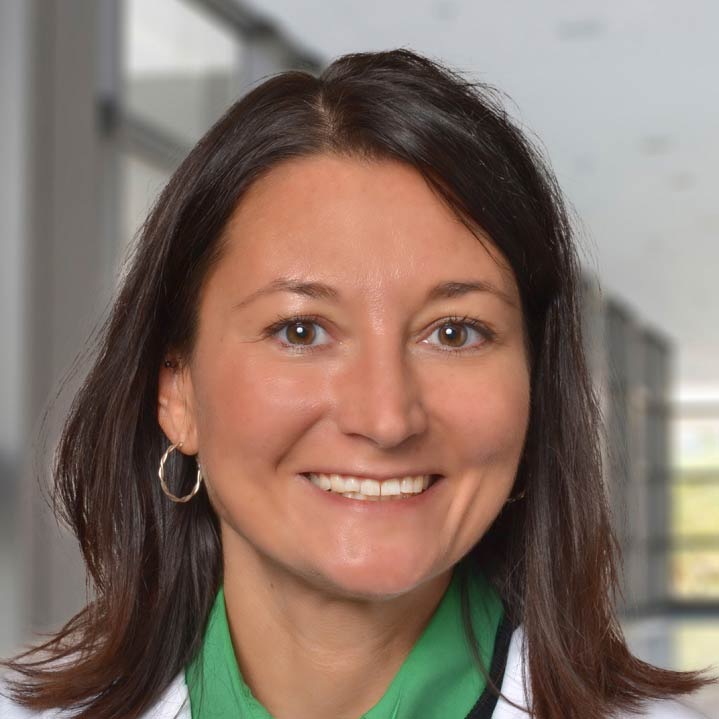 Kami J Maddocks合作论文数Division of Hematology, Department of Internal Medicine, The Ohio State University Comprehensive Cancer Center;College of Medicine, The Ohio State University24
 Veronika Bachanova合作论文数Division of Adult and Pediatric Hematology, Oncology, and Transplantation, University of Minnesota Cancer Center24
 Brad S. Kahl合作论文数Division of Oncology, John T. Milliken Department of Medicine, Washington University School of Medicine24
 David A. Bond合作论文数Div Hematol, Ohio State Univ23
 Brian T. Hill合作论文数Department of Hematology and Medical Oncology, Cleveland Clinic;Department of Medicine, School of Medicine, Case Comprehensive Cancer Center, Case Western Reserve University22Ariela Noy合作论文数22
 Frederick Lansigan合作论文数Hospital of Saint;Yale University;School of Medicine21
 Mehdi Hamadani合作论文数Department of Hematology-Oncology, Oklahoma University Health Sciences Center21
 Adam Olszewski合作论文数20
 Guido Ghilardi合作论文数Center for Cellular Immunotherapies, University of Pennsylvania School of Medicine;Department of Medicine, University of Pennsylvania School of Medicine;Abramson Cancer Center, University of Pennsylvania20
 Rahul S Bhansali合作论文数Div Hematol & Oncol, Hosp Univ Penn20Michael C. Churnetski合作论文数19
 Yazeed Sawalha合作论文数19John Plastaras合作论文数Department of Radiation Oncology, Perelman School of Medicine, University of Pennsylvania19
 Nancy L. Bartlett合作论文数Divisions of Hematology & Oncology, Department of Medicine, Washington University School of Medicine in St. Louis19
 Julio Chavez合作论文数Lymphoma Section, Department of Malignant Hematology, Moffitt Cancer Center19Hatcher J. Ballard合作论文数Div Hematol & Oncol, Univ Penn18
 Noelle Frey合作论文数Division of Hematology and Oncology, Department of Medicine, Perelman School of Medicine, University of Pennsylvania18
 Amitkumar Mehta合作论文数18
 Christopher R Flowers合作论文数Department of Lymphoma - Myeloma, Division of Cancer Medicine, fUniversity of Texas MD Anderson Cancer Center18
 Kevin A. David合作论文数Department of Hematology and Medical Oncology, Rutgers Cancer Institute of New Jersey17
 Alfred L. Garfall合作论文数Division of Hematology and Oncology, Department of Medicine, Perelman School of Medicine, University of Pennsylvania17Ghosh Nilanjan合作论文数17
 Nishitha M M Reddy合作论文数Division of Hematology Oncology, Department of Medicine, Vanderbilt University Medical Center17
 Henry Chi Hang Fung合作论文数Department of Bone Marrow Transplant and Cellular Therapies, Fox Chase Cancer Center17
 Steven M. Horwitz合作论文数Memorial Sloan Kettering Cancer Center16Tatyana Feldman合作论文数16Francisco J. Hernandez-Ilizaliturri合作论文数16Kaitlin Annunzio合作论文数15Oscar Calzada合作论文数15




