It is with great sadness that we announce that Marcello Costa, our dear friend and colleague, passed away peacefully at his home in Adelaide on Sunday 14th April 2024, after a long illness. Marcello was born on January 9, 1940 in Turin, Italy. His mother Verbena and stepfather Augusto sent him to a Jesuit primary school called "Istituto Sociale" in Turin from 1946 to 1949, with his older brother Giorgio. In 1949 Marcello's family moved to Buenos Aires, Argentina, where he attended a Salesian school, then a public primary school. He later attended a high school San Martin and then in 1954 entered the public Italian High School of Buenos Aires, finishing the Scientific Lyceum in 1960. Marcello returned to Torino to study medicine from 1960 to 1967. Marcello began his research career while he was a medical student intern in the Department of Anatomy and Histology at the University of Turin, under the supervision of Giorgio Gabella. He was also involved in a number of extracurricular activities; playing in a jazz band; singing in the University Choir; joining the Gervasutti School of the Torino Alpine (climbing) Club; becoming editor of the University of Torino magazine "l'Ateneo" and leading the Student Centre left party in the Interfaculty Elected Assembly. He attended numerous meetings of student movements during this period. After obtaining his degree in Medicine and Surgery he did his compulsory military service as medical officer, after attending a special Military Medical School in Florence. He also trained in a School for Lieutenant Carabinieri; a specialized force of the Italian Army. After a brief experience as a general medical practitioner, he migrated with his wife Daniela, whom he had recently married, to Australia in 1970. This was to take up a position offered by Professor Geoff Burnstock in the Department of Zoology at the University of Melbourne. On arriving at Melbourne University Marcello met John Furness, and they did their first experiment together on that first day. Geoff later moved back to London and in 1975, Marcello accepted a foundation lectureship in the School of Medicine at Flinders University, in Adelaide. He taught thousands of students from a variety of disciplines, combining a full load of undergraduate teaching with a world-leading research program. Marcello remained at Flinders University for 47 years until he retired from his role as Mathew Flinders Distinguished Professor in 2021, at the age of 81. After that he maintained his links as an Emeritus Professor of the University. At a young age, Marcello was fascinated by many aspects of science and how things worked. As a teenager he sold his bicycle to buy his first microscope. He spent hours watching protozoa in pond water. Marcello was entranced by images of cells and was captivated by the new view of the world that his microscope had opened up. Primed by his explorations with histochemical procedures, he was an early adopter of immunohistochemistry of the enteric nervous system and moved to the forefront of this field with John Furness from the late 1970s. At the same time as he was establishing his reputation as an enteric neuroanatomist, he started to ask questions that crossed the borders between anatomy, physiology, biochemistry, pharmacology and electrophysiology. He combined methods in a series of influential multi-disciplinary studies, long before this term was widely used. He made numerous discoveries about the basic biology of the enteric nervous system and the motility that it controls, which we now take for granted. His labelling studies confirmed the revolutionary idea that nerve cells could contain more than one transmitter. He pioneered the use of dissected "wholemount" preparations of intestine to overcome some of the limitations of sections. He created the first comprehensive account of all enteric neurons in a region of gut. He recorded smooth muscle activity and used drugs to identify transmitters in functional pathways. With Marcello Tonini he introduced "partitioned" preparations, making it possible to relate drug effects to enteric neural pathways. He contributed to the discovery of slow synaptic transmission between neurons and identified roles for some neuropeptides. He also championed the use of "spatio-temporal maps" to move beyond descriptive accounts of motility and achieve quantitative analysis of gut motor patterns. Marcello had a series of major accomplishments in autonomic neuroscience, principally associated with the neural control of the gastrointestinal tract. He had an extraordinary vision and creativity as an experimentalist. He knew how to ask the right questions and developed new approaches that made it possible to address questions that had previously been elusive. His research career began with investigations into adrenergic neurons using the histological detection of catecholamine fluorescence. Contrary to other reports, Marcello identified that proximal colon of the guinea pig contains adrenergic nerve cell bodies. His extensive work in this field culminated in the book in 1975 entitled "Adrenergic Neurons" with Geoff Burnstock as co-author. In the mid 1970's, Marcello and John Furness published a landmark paper on peristalsis in the guinea-pig distal colon. An elegant series of experiments provided major new insights into how the enteric nervous system generated peristalsis. This paper has served as the cornerstone for subsequent understanding of the mechanisms of colonic motility. After this, Marcello published a further series of foundational papers on peristalsis in the guinea-pig small intestine, with Marcello Tonini, Simon Brookes and others. Marcello is widely known for his extraordinary contribution to understanding the neurochemical coding of the ENS, with John Furness and many other scientists, including Simon Brookes, David Wattchow, Joel Bornstein and many others. Collectively, with considerable input from Marcello, the complex neural circuits and neurochemical coding of enteric neurons have been systematically characterized in many preparations of gut. In the early 1990's, Marcello played a key role in the development of spatio-temporal maps of gut wall movements, with PhD students Sally Waterman and Grant Hennig. Interestingly, at a similar time two other laboratories were concurrently developing similar spatio-temporal mapping technology. (one by Dr. Michel Bouchoucha in Paris, the other by Dr. Pavel Kučera in Switzerland). In the last 10 years, Marcello made major advances by combining spatio-temporal maps of gut wall movements with high resolution force/pressure recordings, to create a new understanding of the kinetics of motility. Working with Phil Dinning, Lukasz Wiklendt and Nick Spencer, Marcello used interpolation between intraluminal pressure recording sites to derive intraluminal pressure maps (PMaps) which could be interleaved with spatio-temporal maps of wall movements. Marcello published a series of first and senior authors papers in top journals, like The Journal of Physiology based on composite DMap and PMaps, unifying the intestinal functional anatomy and physiology into a four-dimensional synthesis. Marcello read extensively the writings of leading philosophers and scientists; this study of knowledge itself formed a strong underpinning for his research, as well as a firm foundation for his humanist approach to life. He believed passionately in sharing knowledge. His lectures were eloquent, genuinely authoritative and carefully structured. Generations of medical students remember his teaching of neuroscience and physiology, delivered with a charming and distinctive accent. He will also be remembered by many young researchers who encountered him at scientific meetings. He supported many junior scientists, going out of his way to provide encouragement and advice. At question time during conferences, his questions often had a long preamble before delivering an incisive query at the end. He always asked questions in the spirit of searching for understanding. Marcello played a key role in setting up the Centre for Neuroscience at Flinders in 1977 and, in 1980–1981 was instrumental in turning the Australian Neuroscience Society into the vigorous formal entity that thrives to this day (renamed the Australasian Neuroscience Society). In 1994, Marcello served as President of the ANS. He was also invited to give two plenary lectures to the ANS, most recently in 2014. In 2008, Nick Spencer joined Flinders University after 9 years overseas. Marcello joined Nick's laboratory in 2008. The period from 2008 to 2021 (when Marcello retired) was an incredibly productive era, and together with the whole neurogastroenterology group, was Marcello's most productive publication period. During his student days Marcello was an activist, pitting his humanist philosophy against the conservative and sometimes reactionary university authorities. He was editor of the university newspaper "l'Ateneo" but backed away when the politics threatened to get out of hand. From 1967 to 1969 he did his compulsory military service as a medical practitioner. On one notable occasion Marcello diagnosed an outbreak of gastroenteritis. He woke the commanding officer at 3 o'clock in the morning to advise him to call off a large NATO exercise planned for the next day. He must have been persuasive because a thousand troops were stood down and the outbreak was controlled. Soon after, Marcello realized he was more interested in understanding how the body worked, rather than treating its ailments. From this moment onward, he pursued a career in research and teaching. Marcello had a deep dislike of the heavy hand of authority, and he had a strong sense of justice and fair play. In staff meetings and university forums he would fearlessly defend the need for academic staff to be consulted and for the leadership to be answerable to the staff. Marcello applied his extensive knowledge of neuroscience wisely, carefully critiquing evidence-poor alternative health therapeutics. He had his own word to describe such enterprises—referring to them as "bongus." This handy combination of "bonkers" and "bogus" succinctly summarized his disapproval of pseudoscience and those who profit from it. In collaboration with Friends of Science in Medicine, Marcello acted as a public warden of health claims, passionately challenging the truthfulness and morality of assertions of cures and championing the value of evidence-based medicine. Marcello was unafraid to speak up and made many public presentations persuading the community to question non-evidence-based health care professions. Before the concept was popular Marcello was involved in translation of findings in the laboratory to humans. From the outset he encouraged the study of human intestine utilizing the techniques developed in small animals. The specimens were taken from the healthy segment of intestine resected in the treatment of malignancy. As the operating theaters were adjacent to the laboratory this became possible, with his colleagues David Wattchow, Simon Brookes and John Furness. Numerous PhD students training in surgery also received training in the laboratory. Thus, there were extensive investigations of the human gut nervous system by the way of immunohistochemistry and then retrograde tracing. He also did functional studies of resected ileum with a Dutch medical student, Merel Kuizinga; this work was published in a top physiology journal. Furthermore, he employed his expertise in pharmacology in the study of human intestinal muscle strips (with Paul Heitmann). Marcello was impressed by the work of Dr Bauer from Pittsburgh, USA who showed that anti-inflammatory drugs could be employed to reduce intestinal inflammation with abolition of ileus. Marcello brought this to the attention to David Wattchow and clinical colleagues, resulting in a large clinical trial of the use of anti-inflammatories in abdominal surgery. At an early age Marcello showed abilities beyond his years in painting and drawing. This gift was later used in his scientific drawings, some of which have become discipline classics. Before starting university, Marcello traveled widely in Chile, Patagonia, Bolivia, Brazil, and Peru. He took part in an exploratory expedition to the unmapped hinterland of Patagonia in 1959, using his mountain-climbing skill. He next descended the Amazon River in Brazil, with his brother Giorgio. He had a penchant for climbing steep things. Marcello was an accomplished guitarist, playing in a jazz band during his medical school days and more recently accompanying a local Italian folk-choir, of which he was a member. He was a keen windsurfer, taking up the sport in its early days. He was notorious for some of the long-distance journeys he made across to Kangaroo Island and down much of the length of the Coorong. Marcello and Daniela are the proud parents of their son Andre, who is now a successful academic at the University of Adelaide. Marcello was also the father-in-law of Kat, grandfather of Harry, Orlando and Heidi and brother of Giorgio. In 1989, Marcello was elected a Fellow of the Australian Academy of Science and in 1992 awarded the title of "Cavaliere della Repubblica Italiana" 1992. In 1994, he was recipient of inaugural international prize "Piedmontese of the Year" and in 1997 elected honorary member of the Golden Key Honor Society. In 2003, he was awarded the Australian Centenary Medal, in 2013; Matthew Flinders Distinguished Professor of Flinders University. In 2018, Marcello was awarded the inaugural Lifetime Achievement Award by the Federation of Neurogastroenterology and Motility Societies and in 2020, he was appointed as an Officer of the Order of Australia. In addition to the ANS, Marcello co-founded the South Australian Neuroscience Institute (SANI) and the Friends of Science in Medicine (FSM). Marcello was a key contributor to the Centre for Neuroscience at Flinders University, being acknowledged with a lifetime member status.
Background The enteric nervous system contains inhibitory and excitatory motor neurons which modulate smooth muscle contractility. Cell bodies of longitudinal muscle motor neurons have not been identified in human intestine. Methods We used retrograde tracing ex vivo with DiI, with multiple labeling immunohistochemistry, to characterize motor neurons innervating tenial and inter-tenial longitudinal muscle of human colon. Key Results The most abundant immunohistochemical markers in the tertiary plexus were vesicular acetylcholine transporter, nitric oxide synthase (NOS), and vasoactive intestinal polypeptide (VIP). Of retrogradely traced motor neurons innervating inter-tenial longitudinal muscle, 95% were located within 6mm oral or anal to the DiI application site. Excitatory motor neuron cell bodies, immunoreactive for choline acetyltransferase (ChAT), were clustered aborally, whereas NOS-immunoreactive cell bodies were distributed either side of the DiI application site. Motor neurons had small cell bodies, averaging 438 + 18 mu m(2) in cross-sectional area, similar for ChAT- and NOS-immunoreactive subtypes. Motor neurons innervating the tenia had slightly longer axial projections, with 95% located within 9mm. ChAT-immunoreactive excitatory motor neurons to tenia were clustered aborally, whereas NOS-immunoreactive inhibitory motor neurons had both ascending and descending projections. VIP immunoreactivity was rarely present without NOS immunoreactivity in motor neurons. Conclusions and Inferences Tenial and inter-tenial motor neurons innervating the longitudinal muscle have short projections. Inhibitory motor neurons have less polarized projections than cholinergic excitatory motor neurons. Longitudinal and circular muscle layers are innervated by distinct local populations of excitatory and inhibitory motor neurons. A population of human enteric neurons that contribute significantly to colonic motility has been characterized.
The enteric nervous system (ENS) contains millions of neurons essential for organization of motor behavior of the intestine. It is well established that the large intestine requires ENS activity to drive propulsive motor behaviors. However, the firing pattern of the ENS underlying propagating neurogenic contractions of the large intestine remains unknown. To identify this, we used high-resolution neuronal imaging with electrophysiology from neighboring smooth muscle. Myoelectric activity underlying propagating neurogenic contractions along murine large intestine [also referred to as colonic migrating motor complexes, (CMMCs)] consisted of prolonged bursts of rhythmic depolarizations at a frequency of ∼2 Hz. Temporal coordination of this activity in the smooth muscle over large spatial fields (∼7 mm, longitudinally) was dependent on the ENS. During quiescent periods between neurogenic contractions, recordings from large populations of enteric neurons, in mice of either sex, revealed ongoing activity. The onset of neurogenic contractions was characterized by the emergence of temporally synchronized activity across large populations of excitatory and inhibitory neurons. This neuronal firing pattern was rhythmic and temporally synchronized across large numbers of ganglia at ∼2 Hz. ENS activation preceded smooth muscle depolarization, indicating rhythmic depolarizations in smooth muscle were controlled by firing of enteric neurons. The cyclical emergence of temporally coordinated firing of large populations of enteric neurons represents a unique neural motor pattern outside the CNS. This is the first direct observation of rhythmic firing in the ENS underlying rhythmic electrical depolarizations in smooth muscle. The pattern of neuronal activity we identified underlies the generation of CMMCs. SIGNIFICANCE STATEMENT How the enteric nervous system (ENS) generates neurogenic contractions of smooth muscle in the gastrointestinal (GI) tract has been a long-standing mystery in vertebrates. It is well known that myogenic pacemaker cells exist in the GI tract [called interstitial cells of Cajal (ICCs)] that generate rhythmic myogenic contractions. However, the mechanisms underlying the generation of rhythmic neurogenic contractions of smooth muscle in the GI tract remains unknown. We developed a high-resolution neuronal imaging method with electrophysiology to address this issue. This technique revealed a novel pattern of rhythmic coordinated neuronal firing in the ENS that has never been identified. Rhythmic neuronal firing in the ENS was found to generate rhythmic neurogenic depolarizations in smooth muscle that underlie contraction of the GI tract.
In the gastrointestinal (GI) tract of mammals, endings of spinal afferent neurons with cell bodies in dorsal root ganglia (DRG) detect many stimuli, including those that give rise to pain. Many of these sensory neurons express calcitonin gene-related peptide (CGRP) and TRPV1 in their cell bodies and axons. Indeed, CGRP and TRPV1 have been widely used as immunohistochemical markers of nociceptive spinal afferent axons. Although CGRP and TRPV1 often coexist in the same axons in the GI tract, their degree of coexistence along its length has yet to be quantified. In this study, we used double-labeling immunohistochemistry to quantify the coexistence of CGRP and TRPV1 in varicose axons of the murine oesophagus, stomach and colorectum. The great majority of CGRP-immunoreactive (IR) varicosities in myenteric ganglia of the lower esophagus (97±1%) and stomach (95±1%) were also TRPV1-immunoreactive. Similarly, the majority of TRPV1-IR varicosities in myenteric ganglia of the lower esophagus (95±1%) and stomach (91±1%) were also CGRP-IR. In the colorectum similar observations were made for an intensely immunoreactive population of CGRP-IR axons, of which most (91±1%) were also TRPV1-IR. Of the TRPV1-IR axons in the colorectum, most (96±1%) contained intense CGRP-IR. Another population of axons in myenteric ganglia of the colorectum had low intensity CGRP immunoreactivity; these showed negligible co-existence with TRPV1. Our observations reveal that in the myenteric plexus of murine oesophagus, stomach and colorectum, CGRP and TRPV1 are largely expressed together.
Several hypotheses have been put forward to explain the mechanisms of detrusor overactivity, each of which either directly or indirectly implicates increased sensory signaling from the bladder. The aim of the study was to determine sensory neuron contribution to bladder overactivity. We used a model of gradually-developing bladder outlet obstruction in male guinea pigs to produce detrusor overactivity. Conscious voiding in metabolic cages, micturition contractions in urethane-anaesthetized guinea pigs, and contractile activity of whole isolated bladders in vitro were recorded in sham-operated and obstructed groups. Single unit extracellular recordings were made, in vitro, from pelvic afferent nerves in flat sheet bladder preparations. Obstructed guinea pigs showed a significant 3.8 times increase in conscious voiding frequency and a 4.4 times decrease in voiding volume (n = 18, P < 0.0001) compared to the sham-operated animals. In anaesthetized animals, the interval between micturition contractions during continuous cystometry did not differ between two groups, while the frequency and amplitude of non-voiding contractions was significantly increased in obstructed animals. Changes in conscious voiding in the obstructed animals was significantly associated with alterations in structural and functional contractile parameters of their isolated bladders. Stretch-induced firing of low threshold bladder afferents was reduced in obstructed bladders due to reduced bladder compliance. Using the spike-following frequency method, no increase in excitability of low threshold stretch-sensitive afferents was found in obstructed bladders. The data indicates that increased signaling from the bladders in obstructed guinea pigs is transmitted by low threshold stretch-sensitive afferents responding to increased localized contractile non-voiding activity of obstructed bladders.
Chemotherapy alone, or in combination with radiation, is given before or after surgery to most colorectal cancer (CRC) patients whose cancer has penetrated the bowel wall or spread to lymph nodes. Although chemotherapeutic drugs increase survival rate and reduce disease progression in patients with metastatic CRC, they have both acute and long-term adverse effects, which profoundly affect the gastrointestinal tract leading to a wide spectrum of acute and late toxicities. Diarrhoea, constipation, oral mucositis, nausea and vomiting are common side-effects of chemotherapeutic medications that kill fast-dividing colorectal cancer cells. As a result of these side-effects, patients develop malnutrition and dehydration which lead to rapid weight loss (cachexia). In some cases, chemotherapy causes severe intestinal inflammation and bowel perforation. The traditional view is that gastrointestinal side-effects of anti-cancer drugs is due to mucosal damage. Neurotoxic effects of anti-cancer drugs on the intrinsic and extrinsic innervation of the gut have not been studied in depth and may contribute to the side-effects of chemotherapy.
BACKGROUND:Manometry is commonly used for diagnosis of esophageal and anorectal motility disorders. In the colon, manometry is a useful tool, but clinical application remains uncertain. This uncertainty is partly based on the belief that manometry cannot reliably detect non-occluding colonic contractions and, therefore, cannot identify reliable markers of dysmotility. This study tests the ability of manometry to record pressure signals in response to non-lumen-occluding changes in diameter, at different rates of wall movement and with content of different viscosities.METHODS:A numerical model was built to investigate pressure changes caused by localized, non-lumen-occluding reductions in diameter, similar to those caused by contraction of the gut wall. A mechanical model, consisting of a sealed pressure vessel which could produce localized reductions in luminal diameter, was used to validate the model using luminal segments formed from; (i) natural latex; and (ii) sections of rabbit proximal colon. Fluids with viscosities ranging from 1 to 6800 mPa s(-1) and luminal contraction rates over the range 5-20 mmHg s(-1) were studied.KEY RESULTS:Manometry recorded non-occluding reductions in diameter, provided that they occurred with sufficiently viscous content. The measured signal was linearly dependent on the rate of reduction in luminal diameter and also increased with increasing viscosity of content (R(2) = 0.62 and 0.96 for 880 and 1760 mPa s(-1), respectively).CONCLUSIONS & INFERENCES:Manometry reliably registers non-occluding contractions in the presence of viscous content, and is therefore a viable tool for measuring colonic motility. Interpretation of colonic manometric data, and definitions based on manometric results, must consider the viscosity of luminal content.
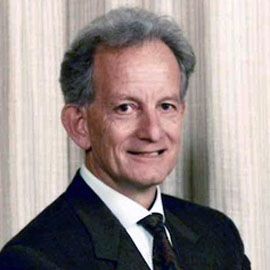 Marcello Costa合作论文数College of Medicine and Public Health, Flinders University72
 Spencer Nick J合作论文数21
 Vladimir P Zagorodnyuk合作论文数Flinders Health & Medical Research Institute, Flinders University19
 Phil G Dinning合作论文数Dept Surg, Flinders Univ S Australia15David Wattchow合作论文数11Zm Song合作论文数10Bn Chen合作论文数10
 Lukasz Wiklendt合作论文数HeartAI9Tim Hibberd合作论文数Discipline of Surgery and Centre for Neuroscience, Flinders University Adelaide8Da Wattchow合作论文数6
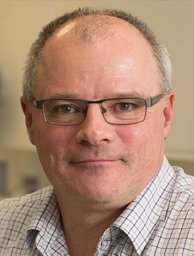 John W. Arkwright合作论文数CSIRO Materials Science and Engineering6G. W. Hennig合作论文数6Wr Ewart合作论文数5
 Melinda Kyloh合作论文数5
 Carbone Simona E合作论文数College of Health and Biomedicine, Victoria University;College of Health and Biomedicine, Victoria University5SY Yuan合作论文数4Cm Humphreys合作论文数4Aj Porter合作论文数4Bao Nan Chen合作论文数4A. Humenick合作论文数3L. Keightley合作论文数3L. Travis合作论文数3
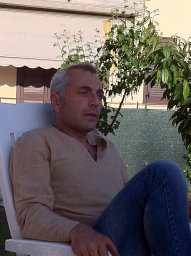 Giuseppe D'Antona合作论文数Dept Publ Hlth Expt & Forens Med, Univ Pavia3G. Hennig合作论文数3Catharina Olsson合作论文数3D.L. Wingate合作论文数3H Nazeran合作论文数2Pa Steele合作论文数2Sarah-Louise Jones合作论文数2
 Michael Schemann合作论文数Department of Human Biology, School of Life Sciences, Technische Universitat Munchen2Joel Bornstein合作论文数Department of Anatomy and Physiology, School of Biomedical Sciences, Faculty of Medicine, Dentistry and Health Sciences, The University of Melbourne2
 David Wingate合作论文数The College of physical and Mathematical Sciences, Brigham Young University2James Toouli合作论文数2
 Sharmil Randhawa合作论文数2Sally A. Waterman合作论文数Department of Immunology, Allergy and Arthritis, Flinders Medical Centre2David Z. Lubowski合作论文数St George Hospital2D. de Fontgalland合作论文数2
 Kulmira Nurgali合作论文数Department Physiology, University of Melbourne2Gtp Saccone合作论文数2
 Ian L Gibbins合作论文数Department of Anatomy and Histology, College of Medicine and Public Health, Flinders University2A Pullan合作论文数1V. Jovanovska合作论文数1L. Maslen合作论文数1T C Sia合作论文数1D F Sharrad合作论文数1S Pompolo合作论文数1n g blenman合作论文数1To Neild合作论文数1c t lam合作论文数1




