Cardiogenic shock (CS) in patients with structural heart disease (SHD) and severe valvular abnormalities poses unique challenges to traditional mechanical circulatory support (MCS) strategies, such as intra-aortic balloon pumps and ventricular assist devices. These devices may fail to address the complex interplay between ventricular unloading and systemic perfusion. Left atrial venoarterial extracorporeal membrane oxygenation (LAVA-ECMO) incorporating left atrial (LA) drainage into the ECMO circuit to reduce left ventricular (LV) preload, mitigate pulmonary congestion, and maintain systemic perfusion. This review explores the pathophysiologic principles and clinical applications associated with LAVA-ECMO. Studies have demonstrated its efficacy in managing CS due to severe valvular disease, biventricular failure, and complex hemodynamic profiles, such as those complicated by aortic regurgitation or ventricular septal defect. Although traditional venoarterial ECMO can incorporate LA drainage, LAVA-ECMO offers distinct advantages by actively unloading the left ventricle, thereby preventing such complications as LV distension and pulmonary edema. Clinical evidence suggests its role as a bridge to definitive interventions, including transcatheter and surgical valve replacements. Despite these benefits, challenges remain, including high in-hospital mortality and complications such as bleeding. LAVA-ECMO represents a transformative advancement in MCS, offering superior hemodynamic stabilization and myocardial recovery for patients with refractory CS and severe valvular disease. Its ability to address LV unloading directly positions it as a pivotal tool in critical care and SHD management; however, significant gaps in evidence, particularly in long-term outcomes and optimal patient selection, underscore the need for further research.
Therapeutic Area Preventive Cardiology Best Practices – clinic operations, team approaches, outcomes research Background The use of artificial intelligence (AI) to interpret electrocardiograms (ECGs) has the potential to enhance the efficiency of cardiac screenings in remote or resource-limited settings. This study evaluates the performance of an open-source AI-based algorithm validated in a population >16 years of age in a younger student population. Methods We analyzed a sample of 61 ECGs from a student heart check program, comparing the on-site cardiologist interpretations to Yale University's CarDS open AI algorithm (ECG-GPT©, www.cardslab.org/ecg-gpt). A third-party pediatric cardiologist resolved ECGs where the AI and on-site cardiologist disagreed. Results 61 ECGs were analyzed (32 normal and 29 abnormal as determined by the on-site pediatric cardiologist). The mean age of participants was 15 years. In the overall cohort, AI agreement with the on-site read was 74%, with 47% false positive and 3.4% false negative for determining whether an abnormality was present or not. In the cohort with normal ECG findings, AI agreement with on-site cardiology read was 53%. In the cohort with abnormal ECG findings, there was 97% agreement that an abnormality was present. Sensitivity was 97%, specificity was 53%, positive predictive value was 65%, negative predictive value was 94%, and accuracy was 74%. Of the 28 ECGs that aligned in their abnormal reports, 7 had conflicting findings. Of the ECGs where there was disagreement between the AI and onsite cardiologist, a third-party pediatric cardiologist agreed with the on-site cardiologist for 48%, agreed with the AI for 13%, and disagreed with both for 39%. Conclusions The CarDS open-AI demonstrated modest performance in this cohort, which is younger than the validation cohort for this algorithm. It was superior at detecting abnormal ECG findings with a low incidence of false negative rates compared to normal ECGs. There was high sensitivity for recognizing abnormal ECGs but high rates of disagreement about the type of abnormality.
BACKGROUND:Valve-in-valve transcatheter aortic valve replacement (ViV TAVR) is used for degenerated surgical bioprosthetic valves. Comparative outcomes between balloon-expandable valves (BEV) and self-expanding valves (SEV) remain scarce, particularly regarding long-term survival. METHODS:We conducted a retrospective cohort study using data from the Michigan Structural Heart Consortium (MISHC), a multicenter collaborative focused on quality improvement for structural heart interventions. Clinical outcomes, including mortality, were evaluated. Logistic regression adjusted for age, gender, and STS risk score assessed in-hospital, 30-day, and 1-year mortality. Kaplan-Meier and Cox regression analyzed five-year survival with similar adjustments. RESULTS:Between 2013 and 2023, 1394 patients underwent ViV TAVR, with 683 (49.0 %) being BEV and 711 (51.0 %) being SEV. Patients who received BEV demonstrated significantly lower pre-procedural mean aortic gradients than those receiving SEV (35.94 ± 16.20 vs. 39.11 ± 16.17 mmHg, p = 0.002) and larger pre-procedural aortic valve areas (0.94 ± 0.55 cm2 BEV vs. 0.85 ± 0.40 cm2 SEV; p = 0.005). In-hospital mortality (1.2 % vs. 3.0 %, p = 0.032) and 30-day mortality (2.2 % vs. 4.1 %, p = 0.040) were significantly lower with BEV after ViV TAVR. Severe patient-prosthesis mismatch (PPM) was higher with BEV than SEV (47.9 % vs. 24.3 %, p < 0.001). At one year, mortality did not differ significantly (8.6 % BEV vs. 8.2 % SEV, p = 0.495). Five-year survival rates were similar between groups (p = 0.880). CONCLUSION:In ViV TAVR, no significant survival differences were observed at 5-year follow-up, despite a higher prevalence of severe PPM in the BEV group.
Therapeutic Area ASCVD/CVD in Special Populations Introduction Cardiac screening in young athletes may detect abnormalities to prevent sudden cardiac death. A critical aspect is ensuring follow-up after screening. This study aimed to identify factors influencing follow-up rates after abnormal screening in a student heart check program (SHC). Methods We performed a retrospective analysis of cardiac screening from a SHC program from 2007 to 2021. A subset of these followed up at Corewell Health. We analyzed follow-up information from participants' EMR at our institution and investigated factors associated with follow-up rates up to 5 years. Results Among 15,761 screenings (mean age 15.5 years), 1% (N=142) of students were told to stop playing (SP) and follow up, while 10% (N=1654) were told to continue playing (CP) with follow-up. Of those in the SP group, 30% (N=43) followed up at our institution, compared to 11% (N=180) of those in the CP group. Students in the SP group had significantly more follow-up visits at 1 year (p=0.013), 2 years (p=0.008), and 5 years (p=0.009) (Table 1). The most common findings after follow-up for the SP group were WPW (N=6), valvular insufficiency (N=5), and LVH (N=4). The most common findings after follow-up for the CP group were complete or incomplete RBBB (N=16), valvular regurgitation (N=24), LVH (N=9), premature ventricular contractions (N=8), and long QT interval (N=8). There were no mortalities noted in this cohort. Conclusion Students advised to stop sports had significantly higher follow-up rates than those advised to continue playing. This trend was noted to continue long-term (5 years).
ImportanceFostamatinib, a spleen tyrosine kinase inhibitor, has been reported to improve outcomes of COVID-19.ObjectiveTo evaluate the efficacy and safety of fostamatinib in adults hospitalized with COVID-19 and hypoxemia.Design, Setting, and ParticipantsThis multicenter, phase 3, placebo-controlled, double-blinded randomized clinical trial was conducted at 41 US sites and 21 international sites between November 17, 2021, and September 27, 2023; the last follow-up visit was December 31, 2023. Participants were adults aged 18 years or older hospitalized with acute SARS-CoV-2 infection and hypoxemia. Data were analyzed between January 10 and March 8, 2024.InterventionsFostamatinib, 150 mg orally twice daily for 14 days, or placebo.Main Outcomes and MeasuresThe primary outcome was oxygen-free days, an ordinal outcome classifying a participant’s status at day 28 based on mortality and duration of supplemental oxygen use. An adjusted odds ratio (AOR) greater than 1.0 was considered to indicate superiority of fostamatinib over placebo. A key secondary outcome was 28-day all-cause mortality. Safety outcomes included elevated transaminase values, neutropenia, and hypertension.ResultsOf the 400 participants randomized (median age, 67 years [IQR, 58-76 years]; 210 [52.5%] men), 199 received fostamatinib and 201 received placebo. The mean (SD) number of oxygen-free days was 13.4 (12.4) in the fostamatinib group and 14.2 (12.1) in the placebo group (unadjusted mean difference, −1.26 days [95% CI, −3.52 to 1.00 days]; AOR, 0.82 [95% credible interval (CrI), 0.58-1.17]). Mortality at 28 days occurred in 22 of 195 patients (11.3%) in the fostamatinib group and 16 of 197 (8.1%) in the placebo group (AOR, 1.44; 95% CrI, 0.72-2.90). Aspartate aminotransferase elevation occurred more commonly in the fostamatinib group (23 [11.6%]) than in the placebo group (11 [5.5%]; AOR, 2.28; 95% CrI, 1.07-4.84). Other safety outcomes were similar between groups.Conclusions and RelevanceIn this randomized clinical trial of adults hospitalized with COVID-19 and hypoxemia, fostamatinib did not increase the number of oxygen-free days compared with placebo. These results do not support the hypothesis that fostamatinib improves outcomes among adults hospitalized with hypoxemia during the Omicron era.Trial RegistrationClinicalTrials.gov Identifier: NCT04924660
Hyperemic and nonhyperemic pressure ratios are frequently used to assess the hemodynamic significance of coronary artery disease and to guide the need for myocardial revascularization. However, there are limited data on the diagnostic performance of the diastolic hyperemia-free ratio (DFR). We evaluated the diagnostic performance of the DFR compared with invasive fractional flow reserve (FFR). We performed a prospective, single-center study of 308 patients (343 lesions) who underwent DFR and FFR for evaluation of visually estimated 40% to 90% stenoses. Diagnostic performance of the DFR compared with FFR was evaluated using linear regression, Bland-Altman analysis, and receiver operating characteristic curves. The overall diagnostic accuracy of the DFR was 83%; the accuracy rates were 86%, 40%, and 95% when the DFR was <0.86, 0.88 to 0.90, and >0.93, respectively. The sensitivity, specificity, positive predicative value, and negative predictive value were 60%, 91%, 71%, and 87%, respectively. The Pearson correlation coefficient was 0.75 (p <0.05). The Bland-Altman analysis showed a mean difference of 0.09, and the area under the receiver operating characteristic curve was 0.88 (95% confidence interval 0.84 to 0.92, p <0.05). In conclusion, the DFR has a good diagnostic performance compared with FFR but 17% of the measurements were discordant. The diagnostic accuracy of the DFR was only 40% when the DFR was 0.88 to 0.90, suggesting that FFR may be useful in these arteries. (c) 2024 Published by Elsevier Inc.
BACKGROUND: Improved radiation safety practices are needed across hospitals performing percutaneous coronary intervention (PCI). This study was performed to assess the temporal trend in PCI radiation doses concurrent with the conduct of a statewide radiation safety initiative. METHODS: A statewide initiative to reduce PCI radiation doses was conducted in Michigan between 2017 and 2021 and included focused radiation safety education, reporting of institutional radiation doses, and implementation of radiation performance metrics for hospitals. Using data from a large statewide registry, PCI discharges between July 1, 2016, and July 1, 2022, having a procedural air kerma (AK) recorded were analyzed for temporal trends. A multivariable regression analysis was performed to determine whether declines in procedural AK over time were attributable to changes in known predictors of radiation doses. Results: Among 131 619 PCI procedures performed during the study period, a reduction in procedural AK was observed over time, from a median dose of 1.46 (0.86–2.37) Gy in the first year of the study to 0.97 (0.56–1.64) Gy in the last year of the study ( P <0.001). The proportion of cases with an AK ≥5 Gy declined from 4.24% to 0.86% over the same time period ( P <0.0001). After adjusting for variables known to impact radiation doses, a 1-year increase in the date of PCI was associated with a 7.61% (95% CI, 7.38%–7.84%) reduction in procedural AK ( P <0.0001). Conclusions: Concurrent with the conduct of a statewide initiative to reduce procedural radiation doses, a progressive and significant decline in procedural radiation doses was observed among patients undergoing PCI in the state of Michigan.
Background The Society for Cardiovascular Angiography and Interventions proposed a staging system (A–E) to predict prognosis in cardiogenic shock. Herein, we report clinical outcomes of the RECOVER III study for the first time, according to Society for Cardiovascular Angiography and Interventions shock classification. Methods and Results The RECOVER III study is an observational, prospective, multicenter, single‐arm, postapproval study of patients with acute myocardial infarction with cardiogenic shock undergoing percutaneous coronary intervention with Impella support. Patients enrolled in the RECOVER III study were assigned a baseline Society for Cardiovascular Angiography and Interventions shock stage. Staging was then repeated within 24 hours after initiation of Impella. Kaplan‐Meier survival curve analyses were conducted to assess survival across Society for Cardiovascular Angiography and Interventions shock stages at both time points. At baseline assessment, 16.5%, 11.4%, and 72.2% were classified as stage C, D, and E, respectively. At ≤24‐hour assessment, 26.4%, 33.2%, and 40.0% were classified as stage C, D, and E, respectively. Thirty‐day survival among patients with stage C, D, and E shock at baseline was 59.7%, 56.5%, and 42.9%, respectively (P=0.003). Survival among patients with stage C, D, and E shock at ≤24 hours was 65.7%, 52.1%, and 29.5%, respectively (P<0.001). After multivariable analysis of impact of shock stage classifications at baseline and ≤24 hours, only stage E classification at ≤24 hours was a significant predictor of mortality (odds ratio, 4.8; P<0.001). Conclusions In a real‐world cohort of patients with acute myocardial infarction with cardiogenic shock undergoing percutaneous coronary intervention with Impella support, only stage E classification at ≤24 hours was significantly predictive of mortality, suggesting that response to therapy may be more important than clinical severity of shock at presentation.
On 7/31/2023, the Trifecta valve was withdrawn from the market following concerns regarding early (≤ 5 years) structural valve deterioration (SVD) mainly as aortic regurgitation (AR). Our aim was to determine the timing, mechanism, and impact of bioprosthetic SVD in patients undergoing redo aortic valve replacement (Redo-AVR) with either redo-SAVR or valve in valve transcatheter aortic valve replacement (ViV-TAVR), in Trifecta versus other bioprosthetic valves. Patients who underwent Redo-AVR for SVD at our institution were categorized into two groups based on valve type: Trifecta vs non-Trifecta. Multivariate Cox-proportional hazard model and Kaplan Meier curves were used to compare mortality.A total of 171 patients were included, 58 (34%) had prior SAVR with Trifecta valve and 113 (66%) with non-Trifecta. 103 patients (60%) underwent ViV-TAVR and 68 (40%) redo SAVR. Age, gender and STS score was similar between Trifecta and non-Trifecta groups. In patients with bioprosthetic valves requiring redo-AVR, Trifecta valves had earlier onset of > moderate AR (4.5 vs 11.9 years, p<0.001) and earlier time to redo-AVR (5.5 vs 12 years, p<0.001). AR was more common as the mechanism of SVD in Trifecta versus non-Trifecta valves (55.2% vs 30.1%, p=0.006). All cause adjusted mortality from index SAVR was higher in Trifecta patients compared to non-trifecta (HR: 4.1, 95% CI: 1.5-11.5, p=0.007). In conclusion, compared to non-Trifecta valves, Trifecta valves exhibit early SVD primarily as AR and progress rapidly to significant SVD requiring redo-AVR. Mortality is significantly higher with Trifecta compared to non-Trifecta Valves potentially impacting the results of SAVR versus TAVR studies.Condensed abstract Recent data reported early structural valve deterioration (SVD) in the Trifecta valve due to tears in the noncoronary cusp. The present study sought to investigate the time from surgical aortic valve replacement (SAVR) to occurrence of aortic regurgitation (AR) and subsequently Redo-AVR in Trifecta versus non-Trifecta valves and determine mortality among both groups. Our findings demonstrate that Trifecta valves exhibit a more rapid occurrence of significant AR and subsequently SVD requiring redo-AVR compared to non-Trifecta valves. In addition, in patients who develop SVD. Trifecta valves have an increased long term all-cause mortality irrespective of patient and valve characteristics.
Background Anterior–posterior electrode placement is preferred in electrical cardioversion of atrial fibrillation. However, the optimal anterior–posterior electrode position in relation to the heart is not studied. Methods and Results We performed a prospective observational study on patients presenting for cardioversion of atrial fibrillation. Electrodes were placed in the anterior–posterior position and shock was delivered in a step‐up approach (100 J→200 J→360 J). Fluoroscopic images were obtained, and distances were measured from points A, midanterior electrode; and B, midposterior electrode, to midpoint of the cardiac silhouette. Patients requiring one 100 J shock for cardioversion success (group I) were compared with those requiring >1 shock/100 J (group II). Logistic regression was used to determine the impact of electrode distance on low energy (100 J) cardioversion success. Computed tomography scans from this cohort were analyzed for anatomic landmark correlation to the cardiac silhouette. Of the 87 patients included, 54 (62%) comprised group I and 33 (38%) group II. Group I had significantly lower distances from the mid–cardiac silhouette to points A (5.0±2.4 versus 7.4±3.3 cm; P<0.001) and B (7.3±3.0 versus 10.0±3.8 cm; P=0.002) compared with group II. On multivariate analysis, higher distances from the mid–cardiac silhouette to point A (odds ratio, 1.33 [95% CI, 1.07–1.70]; P=0.01) and B (odds rsatio, 1.24 [95% CI, 1.05–1.50]; P=0.01) were independent predictors of low energy (100 J) cardioversion failure. Based on review of computed tomography scans, we suggest that the xiphoid process may be an easy landmark to guide proximity to the myocardium. Conclusions In anterior–posterior electrode placement, closer proximity to the cardiac silhouette predicts successful 100 J cardioversion irrespective of clinical factors.
In-stent restenosis (ISR) is a recognized complication following percutaneous coronary intervention in which the luminal diameter is narrowed through neointimal hyperplasia and vessel remodeling. Although rates of ISR have decreased in most recent years owing to newer generation drug-eluting stents, thinner struts, and better intravascular imaging modalities, ISR remains a prevalent dilemma that proves to be challenging to manage. Several factors have been proposed to contribute to ISR formation, including mechanical stent characteristics, technical factors during the coronary intervention, and biological aspects of drug-eluting stents. Presentation of ISR can range from asymptomatic to late myocardial infarction and could be difficult to differentiate from acute thrombus formation. No definite guidelines are present on the management of ISR. In this review, we will discuss the mechanisms underlying ISR and provide insight into patient-related and procedural risk factors contributing to ISR, in addition to highlighting common treatment approaches utilized in the management of ISR.
ImportanceThe effect of higher-dose fluvoxamine in reducing symptom duration among outpatients with mild to moderate COVID-19 remains uncertain.ObjectiveTo assess the effectiveness of fluvoxamine, 100 mg twice daily, compared with placebo, for treating mild to moderate COVID-19.Design, Setting, and ParticipantsThe ACTIV-6 platform randomized clinical trial aims to evaluate repurposed medications for mild to moderate COVID-19. Between August 25, 2022, and January 20, 2023, a total of 1175 participants were enrolled at 103 US sites for evaluating fluvoxamine; participants were 30 years or older with confirmed SARS-CoV-2 infection and at least 2 acute COVID-19 symptoms for 7 days or less.InterventionsParticipants were randomized to receive fluvoxamine, 50 mg twice daily on day 1 followed by 100 mg twice daily for 12 additional days (n = 601), or placebo (n = 607).Main Outcomes and MeasuresThe primary outcome was time to sustained recovery (defined as at least 3 consecutive days without symptoms). Secondary outcomes included time to death; time to hospitalization or death; a composite of hospitalization, urgent care visit, emergency department visit, or death; COVID-19 clinical progression scale score; and difference in mean time unwell. Follow-up occurred through day 28.ResultsAmong 1208 participants who were randomized and received the study drug, the median (IQR) age was 50 (40-60) years, 65.8% were women, 45.5% identified as Hispanic/Latino, and 76.8% reported receiving at least 2 doses of a SARS-CoV-2 vaccine. Among 589 participants who received fluvoxamine and 586 who received placebo included in the primary analysis, differences in time to sustained recovery were not observed (adjusted hazard ratio [HR], 0.99 [95% credible interval, 0.89-1.09]; P for efficacy = .40]). Additionally, unadjusted median time to sustained recovery was 10 (95% CI, 10-11) days in both the intervention and placebo groups. No deaths were reported. Thirty-five participants reported health care use events (a priori defined as death, hospitalization, or emergency department/urgent care visit): 14 in the fluvoxamine group compared with 21 in the placebo group (HR, 0.69 [95% credible interval, 0.27-1.21]; P for efficacy = .86) There were 7 serious adverse events in 6 participants (2 with fluvoxamine and 4 with placebo) but no deaths.Conclusions and RelevanceAmong outpatients with mild to moderate COVID-19, treatment with fluvoxamine does not reduce duration of COVID-19 symptoms.Trial RegistrationClinicalTrials.gov Identifier: NCT04885530
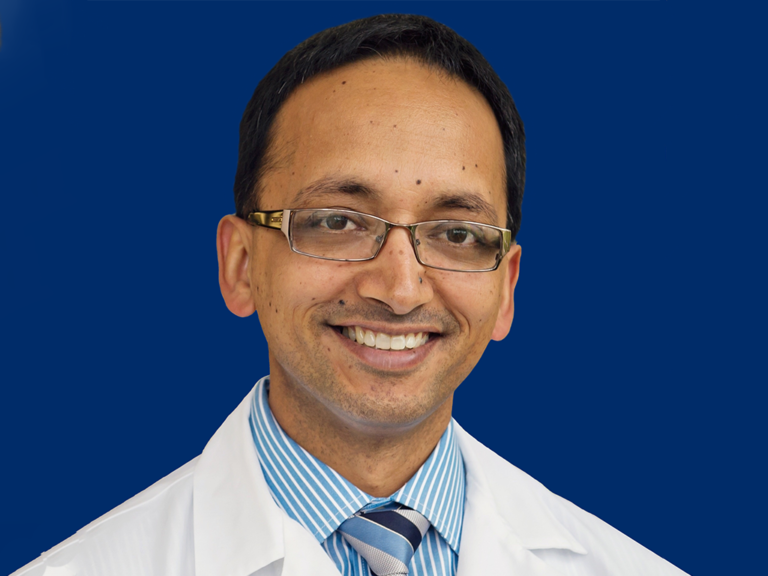 Hitinder Gurm合作论文数Department of Biomedical Engineering, College of Engineering, University of Michigan-Ann Arbor51
 Cindy L. Grines合作论文数45
 William O’Neill合作论文数Department of Bioengineering Engineering, College of Engineering, University of Illinois Cancer Center43Milan Seth合作论文数42WW O'Neill合作论文数40
 James A. Goldstein合作论文数Millennium Cardiology;William Beaumont School of Medicine, Oakland University30
 Robert D. Safian合作论文数Division of Cardiology, William Beaumont Hospital Oakland University29
 Ivan Hanson合作论文数28
 Gregg Stone合作论文数The Zena and Michael A. Wiener Cardiovascular Institute, Icahn School of Medicine at Mount Sinai28William W. O'Neill合作论文数27
 Theodore Schreiber合作论文数27Gregory Scott Aldering合作论文数Lawrence Berkeley National Laboratory, University of California25D. Rubin合作论文数24
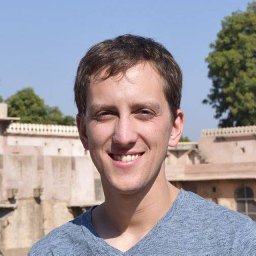 K. Boone合作论文数DiRAC Inst, Univ Washington24
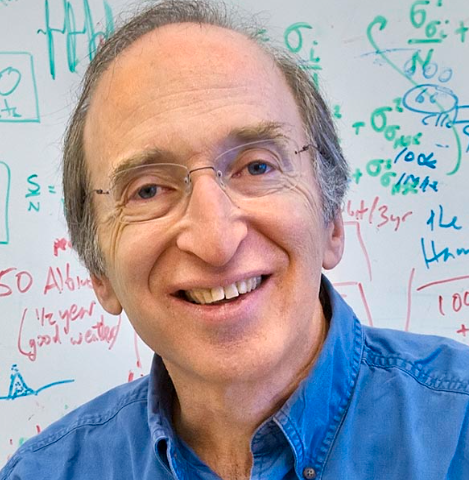 Saul Perlmutter合作论文数Lawrence Berkeley National Laboratory;Department of Physics, University of California, Berkeley22Judith A. Boura合作论文数21
 Erik Magnus Ohman合作论文数Department of Medicine, Duke University School of Medicine21Thomas Lalonde合作论文数21James D Nordin合作论文数21e gangler合作论文数20C. Saunders合作论文数20r pain合作论文数20M. Kowalski合作论文数20Maini Brijeshwar合作论文数20
 Emmanuel Pecontal合作论文数20
 Yannick Copin合作论文数Institut de physique;nucleaire de Lyon;Institut de physique|nucleaire de Lyon20
 Devraj Sukul合作论文数Division of Cardiovascular Medicine, Department of Internal Medicine, Medical School, University of Michigan-Ann Arbor18
 M. Rigault合作论文数Université de Lyon, University of Lyon18Wohns David H合作论文数18G. Smadja合作论文数17
 Clement Buton合作论文数17S. Bongard合作论文数17Fouchez D.合作论文数17
 David Rabinowitz合作论文数Department of Physics, Yale University17Runge K合作论文数17Charles Baltay合作论文数Yale University17
 Pierre Antilogus合作论文数IN2P3-CNRS, Université Claude Bernard de Lyon17Ryan D. Madder合作论文数17P. -F. Leget合作论文数Kavli Inst Particle Astrophys & Cosmol, Stanford Univ16R. Pereira合作论文数16Khandelwal Akshay K合作论文数16
 Wolfgang Hillebrandt合作论文数Max Planck Institute for Astrophysics16
 Nao Suzuki合作论文数Center for Astrophysics and Space Sciences;University of California , San Diego;Center for Astrophysics and Space Sciences, University of California , San Diego16Rollin C. Thomas合作论文数16
 James E. Muller合作论文数InfraReDx, Inc.16S. Taubenberger合作论文数16
 Stephen Bailey合作论文数School of Sport, Exercise and Health Sciences, Loughborough University16B. Hayden合作论文数15
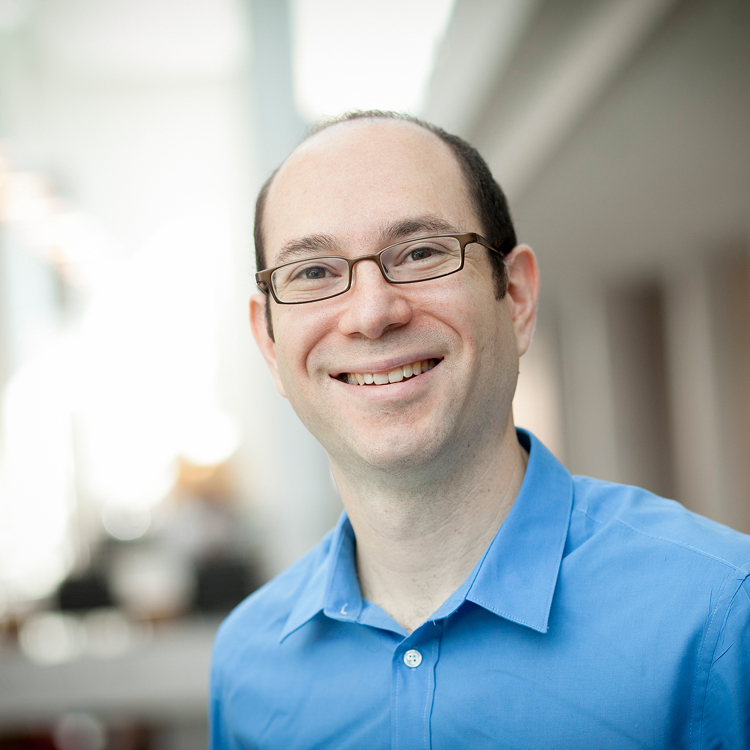 Jeffrey Moses合作论文数Applied and Engineering Physics, College of Engineering, Cornell University15




