Introduction Transcatheter aortic valve replacement (TAVR) is an established treatment for severe aortic stenosis. Although TAVR has improved clinical outcomes, data on racial and ethnic differences in in-hospital clinical outcomes and their temporal trends, particularly within urban hospital settings, remain limited. Accordingly, we examined racial and ethnic differences in in-hospital outcomes and their temporal trends among patients undergoing TAVR in urban hospitals. Methods We utilized the National Inpatient Sample from 2016 through 2022 and identified TAVR-related hospitalizations in urban hospitals. Patients were classified by race and ethnicity, with White patients serving as the reference group. Primary endpoints included in-hospital mortality and major adverse cardiovascular events. Secondary endpoints included acute myocardial infarction, stroke, cardiac arrest, acute kidney injury, need for transfusion, mechanical ventilation, and other in-hospital complications. Survey-weighted multivariable analyses were performed. Results We identified a weighted total of 469,175 hospitalizations for TAVR in urban hospitals. Overall, 87.1% of patients were White, and 12.9% were racial and ethnic minority patients. Compared with White patients, Black and Hispanic patients had higher adjusted odds of major adverse cardiovascular events, driven in part by acute myocardial infarction, while Hispanic patients also had higher in-hospital mortality. Rates of ischemic and hemorrhagic stroke did not differ significantly across groups. Significant race-by-year interactions were observed for in-hospital mortality and blood transfusion. Conclusions Our findings highlight persistent racial and ethnic disparities in in-hospital outcomes following TAVR, emphasizing the need for targeted efforts to address inequities in care delivery.
BACKGROUND:This study aimed to evaluate the representation of women in cardiovascular clinical trials referenced in the American College of Cardiology and American Heart Association guidelines, given the historical underrepresentation of women in such trials, which limits generalizability and perpetuates health care disparities. METHODS:We conducted a systematic review of studies referenced in American College of Cardiology and American Heart Association guidelines for chronic coronary artery disease, chest pain, and coronary artery revascularization. Data extraction focused on study type, publication year, total study population, and proportion of women enrolled. Participation-to-prevalence ratios were calculated to assess gender representation relative to disease prevalence among women in the United States. RESULTS:Our systematic review encompassed 1690 studies revealing persistent underrepresentation of women across all guideline areas: revascularization (29.5%), chronic coronary artery disease (33.3%), and chest pain (40%). Participation-to-prevalence ratios ranged from 68.2% to 83.2%, indicating substantial gaps in representation compared with disease burden. Trends over 4 decades showed variability in women's inclusion, with some improvement but minimal overall progress. CONCLUSION:Despite increased awareness and advocacy, our findings highlight ongoing gender disparities in cardiovascular research. Proactive strategies are needed to enhance women's participation in clinical trials, ensuring equitable and effective health care interventions. Addressing these disparities is critical for developing tailored treatments and improving cardiovascular outcomes globally. Future research should prioritize identifying and overcoming barriers to women's enrollment in cardiovascular trials to promote inclusive clinical practice and mitigate health care disparities.
BACKGROUND:Data comparing valve systems in the valve-in-valve transcatheter aortic valve replacement (TAVR) field have been obtained from retrospective studies. This prespecified secondary analysis of the LYTEN randomized trial (Comparison of the Balloon-Expandable Edwards Valve and Self-Expandable CoreValve Evolut R or Evolut PRO System for the Treatment of Small, Severely Dysfunctional Surgical Aortic Bioprostheses) aims to compare the 3-year hemodynamic performance and clinical outcomes between balloon-expandable valves (BEV) SAPIEN 3/ULTRA (Edwards Lifesciences) and self-expanding valves (SEV) Evolut R/PRO/PRO+ (Medtronic) in valve-in-valve TAVR. METHODS:Patients with a failed small (≤23 mm) surgical valve undergoing valve-in-valve TAVR were randomized to receive a SEV or a BEV. Patients had a clinical and valve hemodynamic (Doppler echocardiography) evaluation at 3-year follow-up. Study outcomes were defined according to VARC (Valve Academic Research Consortium)-2/VARC-3 criteria. Intended performance of the valve was defined as mean gradient <20 mm Hg, peak velocity <3 m/s, Doppler velocity index ≥0.25, and less than moderate aortic regurgitation. RESULTS:Ninety-eight patients underwent TAVR (46 BEV [SAPIEN 3/ULTRA], 52 SEV [Evolut R-PRO-PRO+]). At 3 years, patients receiving a SEV had a higher rate of intended valve performance (BEV: 27.6% versus SEV: 82.4%; P<0.001), with lower mean gradients (BEV: 20±9 versus SEV: 13±9 mm Hg; P=0.002), and larger indexed effective orifice area (BEV: 0.69±0.27 versus SEV: 0.93±0.32 cm2/m2; P=0.002). The rate of moderate aortic regurgitation was 0% in the BEV group versus 2.9% in the SEV group (P=0.582). Functional status and quality of life improved similarly in both groups. No differences were observed in the composite end point of death, stroke, or heart failure-related hospitalization (BEV: 32.6% versus SEV: 25.5%; P=0.489). Mortality was also not statistically different between groups (BEV: 23.3% versus SEV: 15.7%; P=0.375). No significant differences were observed in other adverse events. CONCLUSIONS:In patients undergoing valve-in-valve TAVR for failed small aortic bioprostheses, SEV demonstrated a superior valve hemodynamic performance at 3-year follow-up, with similar clinical outcomes and functional improvement compared with BEV. REGISTRATION:URL: https://www.clinicaltrials.gov; Unique identifier: NCT03520101.
BACKGROUND:Lower (<10 mm Hg) discharge echocardiographic mean gradients (MGs) following transcatheter aortic valve replacement with balloon-expandable valves are associated with lower ejection fraction and higher 5-year mortality compared with higher gradients. Using the Society of Thoracic Surgeons/American College of Cardiology Transcatheter Valve Therapy Registry, we studied the relationship between echocardiographic MG and patient prosthesis mismatch (PPM) following transcatheter aortic valve-in-valve replacement and clinical outcomes. METHODS:Patients who underwent aortic valve-in-valve replacement with a balloon-expandable valve from July 2015 to December 2023 in the Society of Thoracic Surgeons/American College of Cardiology Transcatheter Valve Therapy Registry were included. Adjusted Cox models with regression splines explored the relationship between MG and 5-year mortality. Kaplan-Meier estimates and adjusted hazard ratios compared the occurrence of 5-year mortality between gradient cutoffs and PPM presence. RESULTS:A total of 13 054 patients were included; spline curves demonstrated a nonlinear relationship between discharge MG and 5-year mortality. Kaplan-Meier curves suggested higher 5-year mortality with MG <10 mm Hg compared with MG ≥10 mm Hg (hazard ratio, 1.15 [95% CI, 1.02-1.29]; P=0.024). MG <10 mm Hg was associated with lower ejection fraction compared with higher MG (50.4±13.9 versus 53.2±12.8; P<0.0001). Severe PPM and MG ≥20 mm Hg were not associated with worse 5-year outcomes compared with none/moderate PPM or MG ≤20 mm Hg, respectively. CONCLUSIONS:Discharge MG <10 mm Hg is associated with lower ejection fraction and increased 5-year mortality following aortic valve-in-valve replacement compared with higher MG in a nonlinear fashion. Severe PPM and MG > 20 mm Hg were not associated with worse 5-year clinical outcomes. Incorporating data on ejection fraction with PPM and MG is important before determining the need for valve optimization.
Background Echocardiographic transvalvular mitral gradients (TMGs) following transcatheter mitral valve in valve (MVIV) are regarded as correlates of clinical outcomes despite limited data. Objectives The aim of this study was to examine the association between discharge and 30-day TMGs and mortality, as well as other clinical outcomes, following MVIV. Methods The Society of Thoracic Surgeons/American College of Cardiology TVT (Transcatheter Valve Therapy) Registry was used to extract data for all comers undergoing MVIV from August 2015 to March 2024. Adjusted and unadjusted Cox proportional hazards regression models with cubic spline functions were used to explore the relationship between discharge TMG post-MVIV and all-cause mortality. TMG ranges included low (<4 mm Hg), intermediate (4-7 mm Hg), and high (>7 mm Hg). Kaplan-Meier estimates were generated for all-cause mortality and the composite endpoint of all-cause mortality or stroke across TMG ranges (at discharge and at 30 days), with overall curve comparisons performed using log-rank tests. Pairwise comparisons were based on adjusted HRs and corresponding P values from Cox proportional hazards models. Results The study included 5,401 MVIV patients, with a median follow-up duration of 377 days (Q1-Q3: 58-687 days). Compared with intermediate and high TMG, low TMG had lower invasive cardiac output (CO) (P = 0.0003 and P < 0.0001, respectively) and cardiac index (P = 0.04 and P = 0.0002, respectively). Low discharge TMG was associated with an increased 3-year all-cause mortality hazard compared with intermediate discharge TMG (adjusted HR: 1.52; 95% CI: 1.22-1.89; P = 0.0002) and compared with high discharge TMG (adjusted HR: 1.35; 95% CI: 1.07-1.71; P = 0.01; 896 mortality events for the entire cohort). Discharge and 30-day gradient groups varied and should not be interchangeable. Conclusions Following MVIV, TMG <4 mm Hg was associated with lower CO and cardiac index and increased mortality at 3 years compared with TMG 4 to 7 mm Hg and >7 mm Hg. TMG changed significantly from discharge to 30 days. Discharge TMG should not be the sole determination of procedural outcome, valve performance, or the need for optimization following MVIV without incorporating CO.
Short-term clinical outcomes after transcatheter aortic valve replacement (TAVR) are similar in individuals with small or large annuli. The longer term impact of prosthesis-patient mismatch (PPM) and mean gradient (MG) post-TAVR in these patients remains controversial. The aim of this study was to investigate 5-year outcomes in patients with small vs large annuli. Patients from the PARTNER (Placement of Aortic Transcatheter Valves) 2 SAPIEN 3 intermediate-risk registry and the PARTNER 3 low-risk randomized controlled trial were grouped according to small (≤430 mm2) or large (>430 mm2) annular size. The primary endpoint was a composite of all-cause death, disabling stroke, or heart failure hospitalization. In addition, the relationships between both PPM and post-TAVR MG and clinical outcomes were analyzed. In total, 1,355 patients were included: 476 with small annuli (376.7 ± 41.9 mm2) and 879 with large annuli (518.3 ± 58.0 mm2). Patients with small annuli were older (age 79.6 ± 7.1 years vs 78.7 ± 7.8 years; P = 0.047), were more often female (75.0% vs 16.2%; P < 0.0001), had higher baseline Society of Thoracic Surgeons scores (4.3% ± 1.93% vs 4.0% ± 1.93%; P < 0.0001), and had higher left ventricular ejection fractions (66.3% ± 15.82% vs 59.7% ± 13.68%; P < 0.0001). Primary endpoint rates were similar at 1 year (7.8% vs 8.0%; P = 0.94) and 5 years (36.3% vs 35.8%; P = 0.83). Bioprosthetic valve failure was infrequent at 5 years in both groups (2.9% vs 2.1%; P = 0.46). Among female patients, outcomes were similar for small vs large annuli (primary endpoint; 33.6% vs 34.2%; P = 0.90). Among patients with small annuli, there was no association between 5-year outcomes and any severity of PPM (P = 0.22) or 30-day MG (P for nonlinearity = 0.96). Five-year clinical outcomes were excellent and comparable between patients with small vs large aortic annuli. Outcomes in patients with small annuli were not affected by 30-day MG or PPM.
BACKGROUND:Transcatheter aortic valve replacement (TAVR) is a rapidly expanding option for patients with severe aortic stenosis. TAVR has been shown to improve both survival and quality of life. However, the relationship between post-TAVR echocardiographic gradient and quality of life has not been well studied or compared in self-expanding (SEVs) and balloon expandable (BEVs) valves. AIMS:To explore correspondence of post-TAVR echocardiographic gradients and quality of life outcomes. METHODS:In a multicenter retrospective registry of patients undergoing TAVR the relationship between discharge mean gradient (MG) on transthoracic echocardiography (TTE) and quality-of-life scores using Kansas City Cardiomyopathy Questionnaire (KCCQ) was examined at 1 month and 1 year. RESULTS:During the study period, complete data for 1 month KCCQ and discharge MG data was available in 1093 patients from two high volume institutions. These included 410 (37%) SEVs and 683 (63%) BEVs. At discharge, after adjusting for baseline variables, MG was lower with SEV compared to BEV (8.5 ± 4.7 mmHg vs. 10.6 ± 4.9 mmHg, p < 0.001), however change in KCCQ score was similar for both (31.1 ± 21.8 [SEV] vs. 31.7 ± 22.9 [BEVs], p = 0.68). In the combined cohort, discharge MG was not associated with improvement in 1-month or 1-year KCCQ and did not predict change in 1-month or 1-year NYHA class. Patients with higher NYHA classifications exhibited smaller changes in KCCQ scores from baseline at 30 days. (p < 0.001). CONCLUSION:In this study of TAVR patients, echocardiogram-derived MG at discharge was not associated with quality-of-life improvement as determined by change in KCCQ or NYHA class at 1 month or 1 year.
BACKGROUND:Aortic valve-in-valve (AViV) replacement for is approved for patients with degenerated surgical valves at high or prohibitive surgical risk, mostly on the basis of small series with short-term follow-up. OBJECTIVES:The aim of this study was to analyze the outcomes of AViV therapy using contemporary balloon-expandable valves (BEVs) in a large series with mid-term outcomes. METHODS:BEV AViV patients (June 2015 to December 2023) in the Society for Thoracic Surgeons (STS)/American College of Cardiology TVT (Transcatheter Valve Therapy) Registry were propensity matched to native transcatheter aortic valve replacement (TAVR) patients. Primary analysis included death and stroke at 5 years. Comparisons were also made on the basis of STS score, BEV subtype, and stented vs stentless index surgical valve type. RESULTS:In total, 14,474 AViV patients were matched to 385,556 TAVR patients (13,638 pairs). The mean age was 74 years, and the mean STS Predicted Risk of Mortality was 6.1%. Emergency cardiac surgery (0.2%) and bioprosthetic valve fracture (22%) were infrequent. Death (43.1% vs 55.2%; P < 0.001), stroke (10.5% vs 11.8%; P < 0.001), and their composite were lower for AViV compared with TAVR at 5 years with similar findings at each STS tertile. The SAPIEN 3 Ultra RESILIA device demonstrated lower discharge echo gradients for all sizes (20 mm, 19.4 mm Hg vs 23.8 mm Hg; 23 mm, 15.1 mm Hg vs 19.2 mm Hg; 26 mm, 12.1 mm Hg vs 15.1 mm Hg; and 29 mm, 8.6 mm Hg vs 12.1 mm Hg). There was no difference in death or stroke at 5 years for stentless vs stented surgical valves (42.9% vs 46.0%; P = 0.12). CONCLUSIONS:This large, real-world analysis confirms the safety and durability of AViV compared with TAVR at all surgical risk levels at mid-term follow-up. Consideration may be given to broadening the indication for AViV.
BACKGROUND:Short-term clinical outcomes after transcatheter aortic valve replacement (TAVR) are similar in individuals with small or large annuli. The longer term impact of prosthesis-patient mismatch (PPM) and mean gradient (MG) post-TAVR in these patients remains controversial. OBJECTIVES:The aim of this study was to investigate 5-year outcomes in patients with small vs large annuli. METHODS:Patients from the PARTNER (Placement of Aortic Transcatheter Valves) 2 SAPIEN 3 intermediate-risk registry and the PARTNER 3 low-risk randomized controlled trial were grouped according to small (≤430 mm2) or large (>430 mm2) annular size. The primary endpoint was a composite of all-cause death, disabling stroke, or heart failure hospitalization. In addition, the relationships between both PPM and post-TAVR MG and clinical outcomes were analyzed. RESULTS:In total, 1,355 patients were included: 476 with small annuli (376.7 ± 41.9 mm2) and 879 with large annuli (518.3 ± 58.0 mm2). Patients with small annuli were older (age 79.6 ± 7.1 years vs 78.7 ± 7.8 years; P = 0.047), were more often female (75.0% vs 16.2%; P < 0.0001), had higher baseline Society of Thoracic Surgeons scores (4.3% ± 1.93% vs 4.0% ± 1.93%; P < 0.0001), and had higher left ventricular ejection fractions (66.3% ± 15.82% vs 59.7% ± 13.68%; P < 0.0001). Primary endpoint rates were similar at 1 year (7.8% vs 8.0%; P = 0.94) and 5 years (36.3% vs 35.8%; P = 0.83). Bioprosthetic valve failure was infrequent at 5 years in both groups (2.9% vs 2.1%; P = 0.46). Among female patients, outcomes were similar for small vs large annuli (primary endpoint; 33.6% vs 34.2%; P = 0.90). Among patients with small annuli, there was no association between 5-year outcomes and any severity of PPM (P = 0.22) or 30-day MG (P for nonlinearity = 0.96). CONCLUSIONS:Five-year clinical outcomes were excellent and comparable between patients with small vs large aortic annuli. Outcomes in patients with small annuli were not affected by 30-day MG or PPM.
Background:The use of mechanical circulatory support (MCS) devices with transcatheter aortic valve replacement (TAVR) and mitral transcatheter edge-to-edge repair (mTEER) is occasionally required; however, outcomes data are lacking. Methods:We utilized the Nationwide Inpatient Sample database to identify hospital admissions of adults treated with TAVR and mTEER, with or without MCS, between 2018 and 2021. Results:We identified 330,055 patients undergoing TAVR and mTEER, with 3240 in the MCS group and 326,815 in the non-MCS group. From 2018 to 2021, there was a steady increase in procedural volume (P for trend <0.001). Utilization of MCS remained stable (P for trend: total 0.096). The use of any MCS modality was associated with a >26-fold increase in mortality (1.01% vs 26.82%, P < 0.001). Mortality remained steadily high with MCS use (P for trend = 0.08). Length of stay and cost of hospitalization were higher in the MCS group (P < 0.05 for both). Conclusion:The use of MCS in patients undergoing TAVR or mTEER was associated with higher mortality, morbidity, and healthcare utilization; however, causation cannot be determined given the inherent limitations of the dataset.
Background:Severe calcific mitral stenosis is common and therapeutically challenging. Intravascular lithotripsy (IVL) can facilitate percutaneous balloon mitral valvuloplasty in patients not amenable to conventional therapies. We describe a modified technique using larger IVL balloons to ensure maximal annular contact and delivery of ultrasonic shockwaves to restore mitral leaflet pliability and reduce transvalvular gradients without the need for noncompliant valvuloplasty balloons. Methods:Seven patients underwent the Mitral Annulo-TRIpsy in eXtreme risk patients (MATRIX) procedure at 3 tertiary structural heart disease centers in the United States. Transcatheter mitral valve replacement was contraindicated due to prohibitive risk of left ventricular outflow tract obstruction or insufficient annular calcification for anchoring of a balloon-expandable valve. IVL balloons were delivered using a large-bore transseptal sheath over three 0.014 wires. Runs of delivery of IVL therapy were repeated until satisfactory results in terms of mean mitral gradient (mMG) reduction were achieved. Results:Median age was 78 years, and 14.3% were female. All patients presented with progressive New York Heart Association class III-IV symptoms and functional limitations. Pre-MATRIX mMG was 9.0 mmHg. The final mMG was 3.0 mmHg (absolute difference 6.3 mmHg; 95% CI 2.6-10.1 mmHg; p <0.01). No conventional valvuloplasty balloons were used after IVL. All patients successfully underwent MATRIX. No major periprocedural complications were observed including death, stroke, major bleeding, or reintervention. No patients experienced worsening mitral regurgitation. All patients were discharged alive. Conclusions:This small multicenter series demonstrates that IVL of calcified mitral stenosis using the MATRIX technique is feasible and safe and associated with effective reductions in mMG.
Mitral valve replacement in the setting of severe mitral annular calcification remains a high-risk intervention, often complicated by poor outcomes with both conventional surgical and transcatheter techniques. A hybrid open transcatheter mitral valve-in-MAC procedure utilizing an atrialized implantation strategy offers a promising alternative to minimize the risk of left ventricular outflow tract obstruction. Meticulous preoperative planning with cardiac CT is essential to guide procedural strategy and optimize outcomes.
 Philippe Pibarot合作论文数Faculté Médecine, Université Laval;Centre de recherche de l'Institut universitaire de cardiologie et de pneumonie de Québec;Institut universitaire de cardiologie et de pneumologie de Québec – Université Laval43
 George Hanzel合作论文数40
 Ivan Hanson合作论文数38
 Francis Shannon Md合作论文数35
 Ramy Mando合作论文数33Houman Khalili合作论文数24
 Michael J. Gallagher合作论文数Division of Clinical Nutrition and Preventive Medicine;William Beaumont Hospital;Division of Clinical Nutrition and Preventive Medicine, William Beaumont Hospital23
 Robert D. Safian合作论文数Division of Cardiology, William Beaumont Hospital Oakland University22
 Karim Al-Azizi合作论文数21
 Sammy Elmariah合作论文数Zena and Michael A. Wiener Cardiovascular Institute, The Mount Sinai School of Medicine20Vivacqua Alessandro合作论文数19
 Luai Madanat合作论文数Department of Internal Medicine, William Beaumont Hospital18
 Rebecca T. Hahn合作论文数Seymour, Paul and Gloria Milstein Division of Cardiology, Department of Medicine, Columbia University Irving Medical Center17
 Ahmad Jabri合作论文数Metrohlth Med Ctr, Case Western Reserve Univ16Villablanca Pedro A合作论文数Montefiore Medical Center, Albert Einstein College of Medicine16
 Julien Ternacle合作论文数13
 Martin Leon合作论文数Center for Interventional Vascular Therapy, Columbia University Medical Center13
 Thomas Pilgrim合作论文数Department of Cardiology, Bern University Hospital13
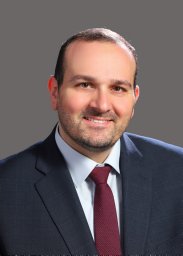 Amer N. Kadri合作论文数Department of Cardiovascular Medicine, Beaumont Health/Dearborn Hospital12Simon R. Dixon合作论文数Division of Cardiology, William Beaumont Hospital12
 Rajendra Makkar合作论文数Smidt Heart Institute, Cedars-Sinai Medical Center12
 Josep Rodés-Cabau合作论文数Institut universitaire de cardiologie et de pneumologie de Québec, Université Laval11
 Vinod H. Thourani合作论文数Piedmont Healthcare11
 Samir Kapadia合作论文数Robert and Suzanne Tomsich Department of Cardiovascular Medicine, Cleveland Clinic;Sydell and Arnold Miller Family Heart, Vascular & Thoracic Institute, Cleveland Clinic;College of Medicine, Case Western Reserve University11
 Steven J. Lester合作论文数Cardiac Stress and Imaging Center, Mayo Clinic11
 Taishi Okuno合作论文数Dept Cardiol, Univ Bern10
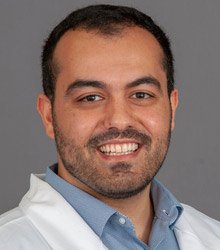 Laith Alhuneafat合作论文数These authors contributed equally to this article.9Alqarqaz Mohammad合作论文数9Bloomingdale Richard J合作论文数9
 James A. Goldstein合作论文数Millennium Cardiology;William Beaumont School of Medicine, Oakland University9
 Marie-Annick Clavel合作论文数Centre de Recherche, Institut Universitaire de Cardiologie et de Pneumonie de Québec, Université Laval;Département de Médecine, Faculté de Médecine, Université Laval9
 Wei C Lau合作论文数9Thomas Waggoner合作论文数8Steven Almany合作论文数8Amar Krishnaswamy合作论文数8
 Maria Alu合作论文数Columbia University Medical Center;Soprano Baroque Orchestra of NJ7
 Alexandra Selberg合作论文数7
 Alex Camacho合作论文数7William W. O'Neill合作论文数7
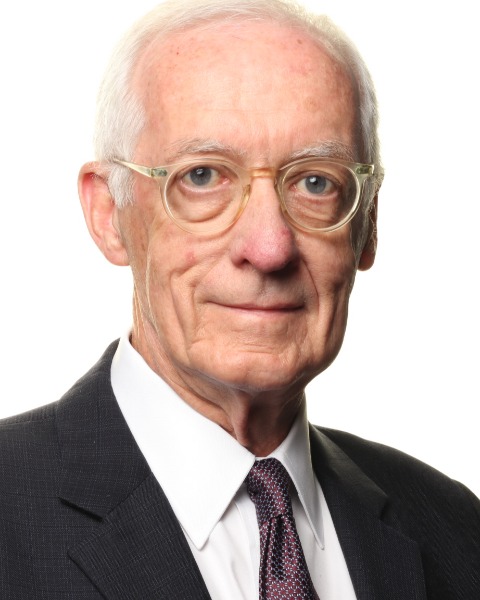 Michael Mack合作论文数Baylor Scott & White Health7
 Philippe Genereux合作论文数Anges Québec;Morristown Medical Center7
 Mackram F Eleid合作论文数7Mayra Guerrero合作论文数6Susheel Kodali合作论文数6Jason P Schott合作论文数6
 Pradeep Yadav合作论文数6
 Mohammed Mhanna合作论文数Dept Cardiol, Univ Connecticut6
 Ahmad Al-Abdouh合作论文数Div Hosp Med, Univ Kentucky6




