BACKGROUND Parents of children with developmental or intellectual disabilities tend to report greater use of coercive parenting practices relative to parents of typically developing children, increasing the risk of adverse child outcomes. However, to date, there is limited research exploring the role and relative contribution of modifiable and nonmodifiable risk factors in parents of children with a disability. The present study aimed to explore the role of various modifiable and nonmodifiable parenting, family and sociodemographic factors associated with the use of coercive parenting practices in parents of children with a disability. METHODS Caregivers (N = 1392) enrolled in the Mental Health of Young People with Developmental Disabilities (MHYPeDD) programme in Australia completed a cross-sectional survey about their parenting and their child aged 2-12 years with a disability. Measures covered a range of domains including relevant demographic and family background, use of coercive parenting practices, intensity of child behavioural difficulties and questions relating to parent and family functioning such as parental self-efficacy, adjustment difficulties and quality of family relationships. RESULTS Parents of older children, those who were younger at the birth of their child, and parents who were co-parenting or working reported more use of coercive parenting practices. Greater intensity of child difficulties, poorer parental self-efficacy and parent-child relationships, and more parental adjustment difficulties were also significantly associated with more use of coercive parenting. Examination of the relative contribution of variables revealed parent-child relationship was a key contributing factor, followed by intensity of child behaviour problems, parent adjustment and parent confidence. CONCLUSIONS These findings highlight a range of factors that should be targeted and modified through upstream prevention programmes and further inform our understanding of how coercive practices may be influenced through targeted parenting interventions.
BACKGROUND People with intellectual disability face a number of barriers to participation in physical activity. This paper aimed to determine rates of sport and physical activity participation in an Australian sample of adults with intellectual disability, compared with rates of participation in the general Australian population. A secondary aim was to investigate factors that may contribute to participation of adults with intellectual disability. METHOD Participants were part of the Australian Child to Adult Development (ACAD) study, consisting of a community sample with intellectual disability (n = 305), groups of adults with autism (n = 94), Down syndrome (n = 64), fragile X syndrome (n = 52), Williams syndrome (n = 45), and Prader-Willi syndrome (n = 30). Participation in sport/physical activity was reported over the past 3 months. Rates of participation were reported for adults with intellectual disability and compared with rates in a general Australian population sample. The relationship between participation in physical activity and age, degree of intellectual disability, physical mobility, living situation, socio-economic disadvantage, and behaviour and emotional problems were also conducted. RESULTS Participants in the ACAD community sample with intellectual disability participated in sport/physical activity at lower rates than the general Australian population (42% compared with 71%). Having no physical mobility impairment was significantly associated with higher rates of participation. Those with Down syndrome participated in sport/physical activity at higher rates than the community sample with intellectual disability, while no difference in sport/physical activity participation was observed in the groups with autism or other syndromes. CONCLUSION Australian adults with intellectual disability participate in sport and physical activity at lower rates than the general population. Having a physical mobility impairment was associated with lower rates of participation. However, people living in supported accommodation were more likely to participate than those in other living situations. Having Down syndrome was associated with a higher participation rate than the community sample.
BACKGROUND:There is limited research quantifying the direct and indirect economic costs associated with intellectual disability (ID) in Australia. Costs incurred by families, governments and broader society include time spent providing care, absenteeism and increased healthcare utilisation. The purpose of this research is to quantify the costs associated with ID in childhood using a range of methods to collect cost data.METHODS:Costs included healthcare service utilisation, pharmaceutical use, caregiver productivity losses and time spent providing care because of the child's disability. The sample comprised caregivers with a child with ID aged between 2 and 10 years old recruited in Australia. Healthcare service utilisation and pharmaceutical use were obtained from routinely collected administrative claims data. Healthcare utilisation not captured in the routinely collected administrative data and absenteeism data were obtained from a retrospective recall-based questionnaire. Time spent providing care because of the child's disability was obtained using a time-use diary.RESULTS:The total cost of ID in Australia was estimated to be AUD 72 027 per year per child, and the total cost of ID in childhood was estimated to be AUD 12.5 billion per year. The cost to governments of ID in childhood was estimated to be AUD 6385 per child per year, resulting in a total cost to government of AUD 1.1 billion per year.CONCLUSIONS:This is the first study to estimate the direct and indirect costs associated with ID in childhood. The results of this research demonstrate the considerable economic impact of ID in childhood on families, governments and broader society in terms of both direct and indirect costs. An understanding of the cost implications of any intervention are critical in assisting policymakers in planning and prioritising of health services.
BACKGROUND:Children with intellectual disability (ID) frequently have significant educational, social and health care needs, resulting in caregivers often experiencing a wide range of negative effects. This paper aims to determine the impact of childhood ID on caregivers' health-related quality of life (HRQoL) across co-morbid diagnostic groups. The second aim of this study is to determine the risk factors associated with lower HRQoL in this population.METHODS:Caregivers of a child with ID aged between 2 and 12 years old completed an online survey to determine their HRQoL using the EQ-5D-5L measure. They were also asked demographic questions and about their dependent child's level of behavioural and emotional difficulties.RESULTS:Of the total sample of 634 caregivers, 604 caregivers completed all five questions of the EQ-5D-5L. The mean age of caregivers was 39.1 years and 91% were women. Caregivers spent on average 66.6 h per week caring for their child related to their child's disability. The mean EQ-5D-5L score of caregivers was 0.80 (95% confidence interval: 0.79, 0.82), which is below the estimated Australian population norms (mean utility score of 0.92) for the age-equivalent population. Caregivers of children with autism spectrum disorders reported the lowest HRQoL (0.77, 95% confidence interval: 0.74, 0.79) of the five included co-morbid diagnostic groups. Caregivers with a lower income, a perceived low level of social support and children with higher degree of behavioural and emotional problems were likely to have a statistically lower HRQoL.CONCLUSIONS:This is the first study to produce utility values for caregivers of children with ID. The utility values can be used to compare health states and can be used to inform comparative cost-effectiveness analyses. Demonstrating that caregivers of children with ID have reduced HRQoL and that this is associated with the degree of behavioural and emotional problems has important policy implications, highlighting the potential for policy interventions that target behavioural and emotional problems to improve outcomes for caregivers.
There are extensive care needs associated with raising a child with an intellectual disability (ID). It is estimated that families spend 52-85 hours per week providing informal care, depending on disability severity. Traditional approaches use revealed preference methodology to estimate time costs associated with informal caregiving. However, these data do not account for unobserved effects or the heterogeneity of carer preferences. This research aims to use stated preference methodology to value individual’s preferences for informal care provided to children with ID. A discrete choice experiment (DCE) was designed to elicit an individual’s willingness to accept compensation for different care tasks. Respondents were asked to choose between two scenarios describing a free of charge care package or providing that care themselves and receiving cash compensation. The care package included; personal care, social support, errands and housework; and the number of hours of care differed by choice set The DCE was completed online and choices were analysed using a generalised multinomial logit model (G-MNL). A representative sample of 198 completed the survey. Overall carers would accept a minimum of $AUD20.61 to provide an extra hour of care. There was significant variation in the preferences for assistance with different types of care tasks. Most value was placed on providing social support, which included tasks such as discipline, supervision and encouragement of social interaction. Individuals accepted a minimum of $AUD35.96 to provide an extra hour of social support care. This study demonstrates that informal care tasks are not valued equally. Carers placed the most value on social support, which may reflect the time spent by carers on these tasks. The results of this study will help guide the prioritisation of care provided to these families.
AIM To investigate the relationship between functioning and post-school day occupation for young adults with Down syndrome. METHODS Families of young people with Down syndrome (n = 269) aged 15-30 years in 2009 were recruited from the population-based Down syndrome 'Needs Opinion Wishes' database in Western Australia. Questionnaires were mailed to participating families and involved two parts, young person characteristics and family functioning; 203 were returned (75%). Of those families who returned questionnaires, 164 (80.8%) of their young adults had left school. Participation in post-school day occupations was the main outcome and included; open employment, training, sheltered employment or alternatives to employment (ATE). RESULTS Young adults were reported as participating in open employment (n = 42), training (n = 17), sheltered employment (n = 64) or ATE (n = 41) post-school. Those who reported better functioning in self-care, community and communication skills were more likely to be in open employment and/or attending Technical and Further Education compared with those attending sheltered employment and/or ATE after adjusting for age, gender and rural/metropolitan regions. Current health as measured by visits to a general practitioner (GP) and hospitalizations revealed a weak relationship with post-school day occupations, with increasing likelihood of participating in open employment or training with increasing hospitalizations and GP visits. CONCLUSIONS Our analysis shows that functioning in activities of daily living was related to post-school day occupation. Current health status and behaviour were found to have a weak relationship with post-school day occupation adjusting for functioning in the final model.
Ros Madden Director, Australian ICF Disability and Rehabilitation Research Program, Faculty of Health Sciences The University of Sydney John Gilroy Lecturer, Indigenous Health Unit Faculty of Health Sciences The University of Sydney John Gilroy is a Koori man from the Yuin Nation Richard Madden Professor and Director National Centre for Classification in Health Faculty of Health Sciences The University of Sydney
Background: Although it has been known for some time that there are 200–400 genes on Chromosome 21, there has been a paucity of information as to which of these is responsible for causing the Down syndrome phenotype. Recently, new data have focussed attention on several key genes. Method: Review of relevant literature identified through Medline and Google Scholar. Results: Two genes in the Down syndrome critical region, DYRK1A and DSCR1 have been shown to contribute to Down syndrome features in mouse models. A mutation of DYRK1A has been identified in a human family with a mild Down syndrome phenotype. A function of DYRK1A is to phosphorylate tau protein, a key step in the pathogenesis of Alzheimer dementia. Conclusion: Recent research has substantially advanced our knowledge of possible pathogenic pathways in Down syndrome. Ultimately, gene therapy for Down syndrome may no longer be fanciful.
BACKGROUND: There is a history of over-prescription of antipsychotics to individuals with intellectual disability (ID), while antidepressants may be under-prescribed. However, appropriate treatment is best supported when the diagnosis of psychosis or depression is valid and carries good predictive validity. The present authors report a study examining one aspect of validity, namely whether skilled clinicians can agree on whether an individual with an ID is psychotic or depressed. MATERIALS AND METHODS: Pairs of clinicians assessed 52 individuals. Agreement was assessed using Cohen's kappa statistic and agreement proportion. RESULTS: Overall agreement was high for both psychosis and depression. Whether the individual had mild ID or moderate/severe ID did not have a significant impact on agreement. CONCLUSIONS: Experienced clinicians achieved a high level of agreement as to whether a person with ID was psychotic or depressed similar to that found for those without ID. The findings provide some support for treatment interventions based on diagnosis.
 Tonge Bruce John合作论文数23
 Kylie Gray合作论文数School of Social Policy and Society, University of Birmingham;Coventry and Warwickshire Partnership NHS Trust;Department of Psychiatry, School of Clinical Sciences, Monash University10J Taffe合作论文数5
 Matthew Sanders合作论文数School of Psychology, The University of Queensland;University of Auckland4
 Wayne Hall合作论文数National Centre for Youth Substance Use Research, University of Queensland;Faculty of Health and Behavioural Sciences, University of Queensland4
 Kate Sofronoff合作论文数The University of Queensland4
 Trevor Parmenter合作论文数School of Medicine, Faculty of Medicine and Health, The University of Sydney3Arora Sheena合作论文数National Drug and Alcohol Research Centre, University of New South Wales;Centre for Health Economics and Research Evaluation, University of Technology, Sydney;University of New South Wales, University of Technology, Sydney3
 Rosalie Viney合作论文数Centre for Health Economics Research and Evaluation, University of Sydney3Stephen Goodall合作论文数Centre for Health Economics Research;University of Technology;Centre for Health Economics Research, University of Technology3
 Roger Stancliffe合作论文数Centre for Disability Research and Policy, Faculty of Medicine and Health, The University of Sydney;Institute on Community Integration, University of Minnesota2
 Nan Hu合作论文数School of Women's and Children's Health, Faculty of Medicine, The University of New South Wales2Caroline Mohr合作论文数2Gillian Turner合作论文数2David Mowat合作论文数2Florence Levy合作论文数2A. Brereton合作论文数1M. Delves合作论文数1K-R Foley合作论文数1Ethan Carter合作论文数1R. Borland合作论文数1RW Davis合作论文数1
 Julie Hodges合作论文数1
 Gwynnyth Llewellyn合作论文数School of Health Sciences, Faculty of Medicine and Health, The University of Sydney1
 Vicki Flood合作论文数School of Health Sciences, Faculty of Medicine and Health, The University of Sydney1
 Damian Holsinger合作论文数School of Medicine Sciences, Faculty of Medicine and Health, The University of Sydney1
 Karen Turner合作论文数School of Psychology, Faculty of Health and Behavioural Sciences, The University of Queensland1Nur Hana Hamzaid合作论文数Faculty of Health Sciences, The University of Sydney1Oscar June合作论文数1
 Bruno K Meyer合作论文数Justus Liebig University Giessen1
 Jürgen Götz合作论文数Queensland Brain Institute, The University of Queensland;Clem Jones Centre for Ageing Dementia Research, The University of Queensland1M. Hofmann合作论文数1H. Heinke合作论文数1
 Tony Florio合作论文数Rozelle Hospital1Nicholas Lennox合作论文数1
 Detlef Hommel合作论文数Faculty of Physics and Astronomy, Wroclaw University1H. Alves合作论文数1Lindy Clemson合作论文数1Jenny Bourke合作论文数1
 Sue Thomas合作论文数De Montfort University1
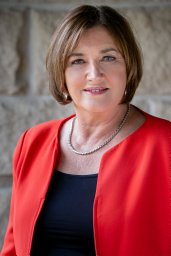 Elizabeth Elliott合作论文数Faculty of Medicine and Health, University of Sydney;Sydney Children's Hospitals Network1
 Peter Jacoby合作论文数Centre for Child Health Research, Telethon Institute for Child Health Research1Michael Partington合作论文数1
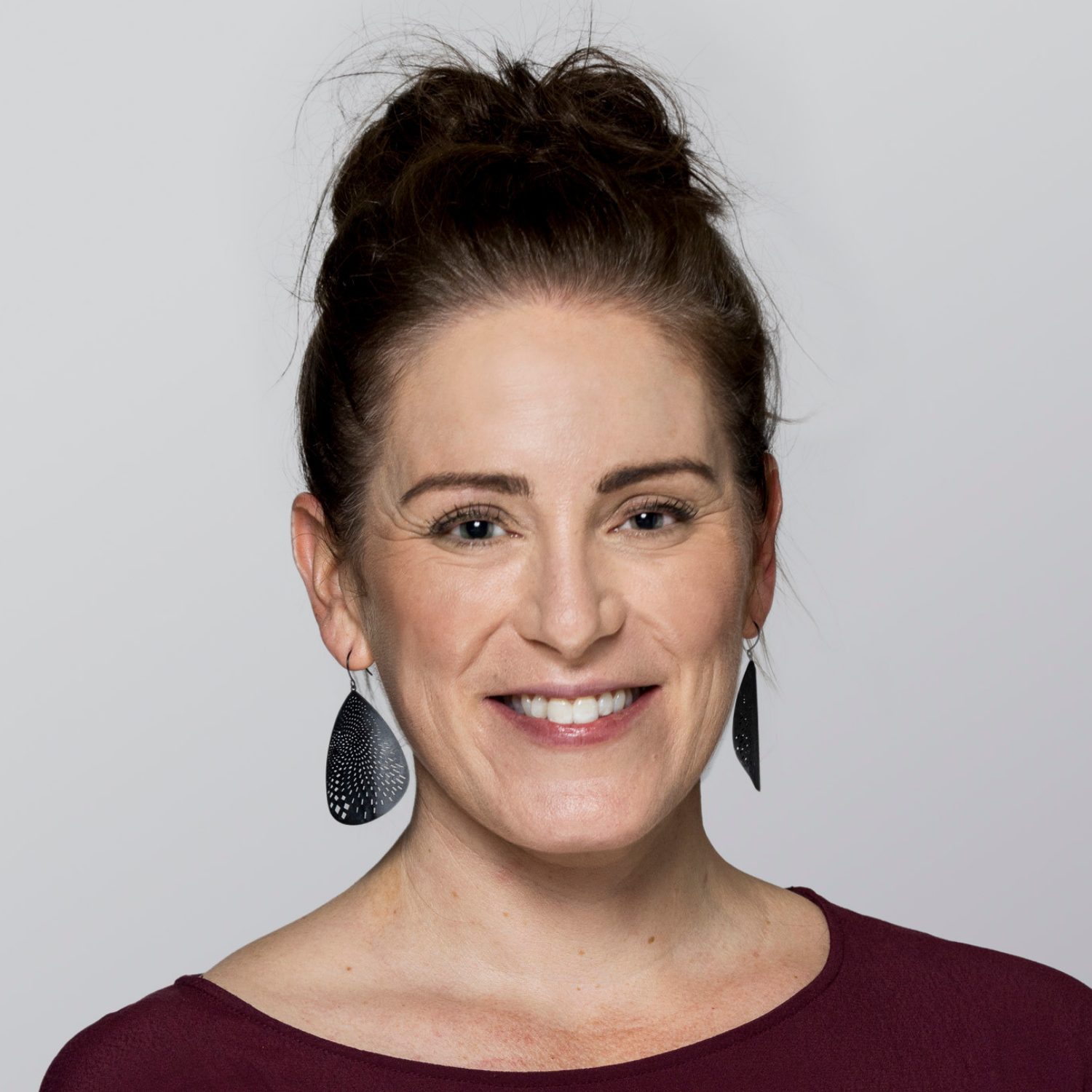 Sally Herring合作论文数Bionics Institute1
 Sonya Girdler合作论文数School of Exercise, Biomedical, and Health Sciences, Edith Cowan University1Helen Molony合作论文数1
 Eric Emerson合作论文数Division of Health Research, Faculty of Health and Medicine, Lancaster University;Centre for Disability Research & Policy, University of Sydney1
 Trevor G. Mazzucchelli合作论文数1D. Pfisterer合作论文数Dennis PfistererNo picture of Dennis Pfisterer available - click to provide one
No description available of Dennis Pfisterer1
Trevor G. Mazzucchelli合作论文数1D. Pfisterer合作论文数Dennis PfistererNo picture of Dennis Pfisterer available - click to provide one
No description available of Dennis Pfisterer1




