PEEK composite was tested mechanically as a maxillary removable partial denture (RPD) framework material instead of cast cobalt chromium alloy. Methods: Partial edentulous upper jaw cast was scanned using structured-light 3D scanner, palatal strap (PS) designs for RPD were designed by a designing dental laboratory software. CAD/CAM machine fabricated PSs patterns using their designs’ STL software files. PSs were made from poly-ether-ether ketone (PEEK) reinforced by ceramic fillers using thermal injection press technique and Co-Cr alloy using centrifugal casting, each material group was subdivided into two subgroups according to storage conditions (stored and non-stored subgroups), storage took place in deionized water for about 180 days at 37.5 ± 2 o C. All specimens were subjected to fracture resistance test using universal testing machine then maximum compression load (MCL) result values were subjected to statistical analysis. PEEK composite specimens were scanned by field emission microscope (FEM) and energy dispersive spectroscopy. Storage water of PEEK composite was analyzed using atomic absorption spectroscopy (AAS). Results: In either stored or non-stored subgroups of PEEK composite straps they showed significant lower mean MCL values than corresponding alloy subgroups (p=0.0001). FEM scanning showed fillers agglomerations in non-stored PEEK composite and their nearly absence from stored PEEK composite specimens. AAS detected Al element in PEEK composite storage water. Conclusion: Mechanically thermally injected ceramic reinforced PEEK composite could not replace cast Co-Cr alloy as PSs material for maxillary RPD. Biocompatibility concerns raised in this study due to suspected Al leaching and ceramic fillers dissolution from PEEK composite matrix.
A novel, small-volume vertically arranged spin bath was successfully developed for an air gap lyocell-type spinning process. A maximum regeneration bath length with a minimum free volume characterizes the concept of the new spin bath. Using the ionic liquid (IL) 1,5-diazabicyclo[4.3.0]non-5-enium acetate [DBNH][OAc], the spin bath showed very good spinning performances of IL-cellulose dopes at high draw ratios and spinning duration for single filament spinning experiments. Using this new device, it was possible to get a step further in the optimization of the Ioncell (R) process and simulate a process closed loop operation by performing single filament spinning in IL/H2O mixtures. Good dope spinnability and preserved fibers mechanical properties were achieved in a coagulation bath containing up to 30 wt% IL. It is only at 45 wt% of IL in the bath that the spinnability and fibers mechanical properties started to deteriorate. The fibers fibrillar structure was less pronounced in IL-containing spinning bath in comparison to a pure water bath. However, their crystallinity after washing was preserved regardless of the spinning bath composition. The results presented in this work have a high relevance to the upscaling of emerging IL-based cellulose dissolution and spinning processes.
Lyocell fibers have received increased attention during the recent years. This is due to their high potential to satisfy the rising market demand for cellulose-based textiles in a sustainable way. Typically, this technology adopts a dry-jet wet spinning process, which offers regenerated cellulose fibers of excellent mechanical properties. Compared to the widely exploited viscose process, the lyocell technology fosters an eco-friendly process employing green direct solvents that can be fully recovered with low environmental impact. N -methylmorpholine N -oxide (NMMO) is a widely known direct solvent that has proven its success in commercializing the lyocell process. Its regenerated cellulose fibers exhibit higher tenacities and chain orientation compared to viscose fibers. Recently, protic superbase-based ionic liquids (ILs) have also been found to be suitable solvents for lyocell-type fiber spinning. Similar to NMMO, fibers of high mechanical properties can be spun from the cellulose-IL solutions at lower spinning temperatures. In this article, we study the different aspects of producing regenerated cellulose fibers using NMMO and relevant superbase-based ILs. The selected ILs are 1,5-diazabicyclo[4.3.0]non-5-ene-1-ium acetate ([DBNH]OAc), 7-methyl-1,5,7-triazabicyclo[4.4.0] dec-5-enium acetate ([mTBDH]OAc) and 1,8-diazabicyclo[5.4.0]undec-7-enium acetate ([DBUH]OAc). All ILs were used to dissolve a 13 wt% (PHK) cellulose pulp. The study covers the fiber spinning process, including the rheological characterization of the various cellulose solutions. Moreover, we discuss the properties of the produced fibers such as mechanical performance, macromolecular properties and morphology. Graphic abstract
Microalgae are among the most promising sources of sustainable, carbon-neutral biofuels for the future. They are already being used as feedstock for producing biogas, biodiesel, bioethanol and kerosene, but the associated production methods consume a great deal of energy and are rather costly. Dr. Nikolaos Boukis from the Karlsruhe Institute of Technology (KIT) is working on the development of a sophisticated, thermochemical process with an energy balance that promises to improve the situation.
Ioncell is a Lyocell-based process that utilizes protic superbase-based ionic liquids (ILs) to produce man-made cellulose fibers. This process comprises a dry-jet wet spinning technology, in which ...
Ioncell is a Lyocell based technology for the production of man-made cellulose fibers. This technology exploits the intrinsic dissolution power of superbase-based ionic liquids (ILs) toward cellulose and the ability to form spinnable cellulose solutions. The regenerated fibers are produced via a dry-jet wet spinning process in which the cellulose filaments are stretched in an air gap before regenerating in an aqueous coagulation medium. For the commercialization of this process, it is essential to demonstrate the quantitative recovery of the solvent from the coagulation bath without impairing its solvation power. This study reports on the spinnability and recyclability of the IL 7-methyl-1,5,7-triazabicyclo[4.4.0]dec-5-enium acetate ([mTBDH][OAc]) over five cycles in comparison to 1,5-diaza-bicyclo[4.3.0]non-5-enium acetate ([DBNH][OAc]). The aqueous IL solutions were recovered from the coagulation bath by successive thermal treatments under reduced pressure. Accordingly, the recycled ILs were utilized to dissolve 13 wt % cellulose pulp in each cycle without the addition of make-up IL. While using [mTBDH][OAc], the pulp was completely dissolved and processed into easily spinnable cellulose solutions during all five cycles, whereas the ability to dissolve pulp was completely lost after the first recovery cycle when using [DBNH][OAc]. The composition of the recovered ILs and extent of side-products generated in the adopted process was analyzed in detail. This includes characterization of the rheological properties of the solutions as well as the macromolecular and mechanical properties of the regenerated fibers. In addition, we review the toxicity of both solvents using Vibrio fischeri bacteria. Finally, the spun fibers from all [mTBDH][OAc] spinning trials were combined to produce a demonstration dress (Paju), designed and sewn by Marimekko Design House in Finland.
The gasification of microalgae in supercritical water was investigated in this work. The product gas contained mainly H2, CO2, CH4, and C2H6. Operation at high temperatures and lower biomass concentrations resulted in the highest carbon gasification efficiency and the lowest total organic carbon levels in the residual water. Due to its content of inorganic nutrients, the residual water was applied as cultivation medium for microalgae. However, algal growth in the untreated residual water was inhibited by the existence of potentially toxic substances evolved from gasification. Upon treatment by activated carbon filtration and ultraviolet light degradation, these substances were eliminated and cultivation in the residual water was possible. The major fraction of inorganic residues from gasification was recovered by means of water purging, increasing the potential of nutrient recycling for cultivation.
Microalgal biomass of the green algae Acutodesmus obliquus produced in photobioreactors was converted during hydrothermal gasification into biogas. The liquid residues from this process contain mainly inorganic elements which may substitute traditional nutrient sources. The conversion process produces two residual water fractions, an aqueous phase and a salt brine with a total recovery rate of the macronutrient nitrogen, 56.8% and 1.3% of phosphorus. Both types of residues were added in separate batch experiments to study the effects on growth of A. obliquus and Chlorella vulgaris over 9–10days of cultivation. The biomass parameters and fatty acid productivity were assessed to elucidate the effects of the residues on the two algal species compared to a control culture medium. It was demonstrated that especially the salt brine can substitute fertilizers for algal cultivation. However not all the nutrients originally brought into the gasification process could be recovered, so the aqueous phase was replenished with nutrients. Biomass productivities of A. obliquus and C. vulgaris grown in the aqueous phase from the conversion process were similar to those in the control culture medium and reached up to 1.3gL−1d−1 and 0.5gL−1d−1, respectively. Fatty acid productivity of A. obliquus in the aqueous phase was 312.9mgL−1d−1, thus similar to the control. A much lower productivity of only 43.5mgL−1d−1 was determined for C. vulgaris with aqueous residue which accounted for only 52.6% of the control. The results indicate that the residual water from hydrothermal gasification can be partly applied as a sole nutrient source for large scale production of algal biomass and can also be a sustainable substitute for commercial fertilizers.
Hydrothermal gasification is a process which uses any biomass or carbon-containing source as substrate to generate biogas of regenerative energy production. We used microalgae as biomass source and evaluated the potential of using the residual water of the conversion process as recycled nutrient source for cultivation of microalgae. Nutrient recycling was tested by monitoring growth of Acutodesmus obliquus and Chlorella vulgaris on residual water from hydrothermal gasification of A. obliquus. Four different gasification set ups were tested. After the procedure, all obtained liquid nutrient phases contained, beside nutrients, growth-inhibiting substances affecting photosynthetic activity and biomass yield of the two algal species. At least 28 potential toxic substances were found within one of the batches. Phytotoxicity on cellular structure was verified by electron microscopy. The cell form remained intact but cell compartments vanished. C. vulgaris was not able to recover to a vital growing organism during cultivation, whereas A. obliquus was able to restore cell compartments, photosynthetic activity and growth after 3 days of cultivation. A 355-fold dilution, UV treatment for 4 h and activated carbon filtration of the residual water from gasification finally enabled the discharge to support microalgal growth. UV treatment eliminated 23 substances but generated 4 new substances that were not detected before treatment. Activated carbon filtration eliminated 26 substances. Growth of microalgae obtained in the treated residual water was comparable with that in control medium. This study demonstrated the possibility to recover nutrients after the hydrothermal gasification process when the discharge got remediated to restart the value adding chain of microalgae and lower additional nutrient supply for microalgal cultivation.
In this work, the hydrothermal gasification of microalgae, Scenedesmus obliquus, under supercritical water conditions was studied. The gasification experiments were conducted at a laboratory unit in KIT. The algal biomass used was cultivated by Strategic Science Consult (SSC) GmbH in Hamburg using a novel configuration of a flat-plate photobioreactor (BIQ-House) which utilizes sunlight for the growth of microalgae. The ultimate target being researched is the integration between the algal biomass production and hydrothermal gasification. This can be realized by increasing the energetic efficiencies of the two processes and by using byproducts from the hydrothermal gasification as a feed input to algal cultivation. For this purpose, the algal biomass was gasified in a tubular reactor under a temperature of 600-650 degrees C and a pressure of 28 MPa. The biomass concentration (Dry matter, DM) ranged from 2.5 to 5 % and a catalyst consisting of potassium carbonate (K2CO3) with a [K+] concentration of 1500 ppm was applied. The mean residence time at these conditions was 3-3.5 minutes and the product consisted mainly of (H-2, CO2 and CH4) with small amounts of lighter hydrocarbons. Our experimental results show high carbon gasification efficiencies (> 90%). A continuous operation up to 50 hours has been achieved. The composition of the gas mixture at steady state operation was measured to be (Vol. %; 46% H-2, 19% CH4, 29% CO2, 4.5% C2H6), having a lower heating value (LHV) of similar to 18.5 MJ/Kg DM. In addition, the experiments for algal cultivation were conducted by SSC GmbH using the byproducts (residual water and nutrients) of hydrothermal gasification and the results provide an indication that the integration between the two processes might be possible.
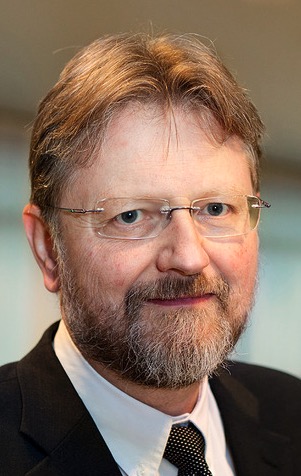 Herbert Sixta合作论文数Department of Bioproducts and Biosystems, Aalto University6
 Nikolaos Boukis合作论文数5
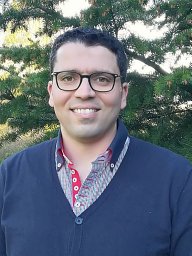 Chamseddine Guizani合作论文数RAPSODEE, Mines Albi;c;RAPSODEE, Mines Albi4Kerner Martin合作论文数4
 Stefan Hindersin合作论文数4
 Hellstén Sanna合作论文数3Dominik J. Patzelt合作论文数2Sawada Daisuke合作论文数2
 Michael Hummel合作论文数2
 Dieter Hanelt合作论文数Institut fur Pflanzenwissenschaften und Mikrobiologie, Fachbereich Biologie, Fakultat fur Mathematik, Informatik und Naturwissenschaften, Universitat Hamburg2
 Marja Rissanen合作论文数2Joanna Witos合作论文数2Ghada Atef Alian合作论文数1Jussi Helminen合作论文数1joerg sauer合作论文数1Sami Rantasalo合作论文数1Sauli Larkiala合作论文数1Paulus Hyväri合作论文数1
 A. Ali合作论文数1
 Kaniz Moriam合作论文数Dept Bioprod & Biotechnol, Aalto Univ1Ilkka Kilpelainen合作论文数1
 Dalia I. Sherief合作论文数Faculty of Dentistry, Ain-shams University1
 Susanne Wiedmer合作论文数1Antti Rantamäki合作论文数1Zeenat I. Khan合作论文数1
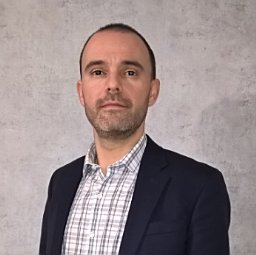 Marc Borrega合作论文数Faculty of Forest Sciences, University of Joensuu1




