Characterisation of six supergene ferromanganese ore samples revealed that P was hosted by several different Fe and Mn oxides. Goethite had the highest (up to >1% or higher) and highest mean (up to 0.32%) P contents, then cryptomelane-hollandite (mean up to 0.12% P) and nsutite-pyrolusite (mean up to 0.14% P). When present in the same sample, nsutite had a higher mean P content than pyrolusite. Phosphate minerals were not detected in the samples. P deportment was variable with deposit, deposit type and within individual mineral grains. EPMA showed that P content is elevated in cryptomelane with higher Mn/(Fe + Al + Si) ratios and in todorokite with lower Mn/(Fe + Al + Si) ratios. The results show that higher phosphorus supergene ferromanganese ores with considerable cryptomelane and nsutite contents are likely to have multi-phase Fe-P and Mn-P deportment. The propensity for very fine-scale intergrowths of goethite and Mn oxides +/- aluminosilicates in some ore types means that reliable characterisation of P deportment is critical in informing potential P-reduction pathways for ferroalloy feedstocks. P was most probably incorporated into Mn oxides via near-surface adsorption via complexation with cations such as Ca or Mg in todorokite, but the presence of structural P cannot be precluded in cryptomelane and nsutite.
A Floatex density separator was used to reduce the silica and alumina contents of a low-grade iron ore plant reject sample from the Pilbara region in Western Australia to produce a high-quality iron ore concentrate suitable for use in sinter and pellet blends. From a -2.0 mm head sample containing 49.42 wt% Fe, 12.77 wt% SiO2 and 4.90 wt% Al2O3, a product of 56.66 wt% Fe (63.29 wt% Fe calcined) with 4.91 wt% SiO2 and 2.55 wt% Al2O3 was obtained with a mass recovery of 70%, an iron recovery of 80% and rejection of 72% silica and 58% alumina.
Fe-Mn spinels are common bonding phases in ferromanganese sinter and play an important role in determining sinter strength. This study analysed spinel phases from ferromanganese sinter to determine the range of compositions present and examine the relationship between phase composition and microhardness. Spinels with alpha-vredenburgite and jacobsite compositions had notably increased mean Al content compared to that of end-member Feor Mn-spinels. There was a strong negative correlation between the Fe+Al content and the Mn/Fe ratio of sinter jacobsite and of alpha-vredenburgite, indicating the likely substitution of Al3+ for Mn3+ in the vredenburgite structure. Mixed Fe-Mn spinels had higher Vickers and Knoop microhardness and fracture toughness than end-member Fe-or Mn-spinels. It is likely that the presence of Al in the octahedral site in the alpha-vredenburgite structure is related to the increased microhardness and, therefore, should have a positive effect on sinter strength if vredenburgite is present in sufficient quantities.
Sinter quality (strength and reducibility) plays an important role in reducing the GHG emissions from the blast furnace ironmaking process and is significantly influenced by the reactions occurring in the sintering bed. Formation and fluidity of the initial sinter melt from adhering fines and its interactions with coarse nucleus particles are the key sintering reactions. Hence understanding of these high temperature characteristics of iron ore is urgently needed in order to produce strong and reducible sinter and optimise resource utilisation. In the present study, laboratory scale sintering tests were carried out to examine the effect of adhering fines and nucleus particles from various ores on the characteristics of initial sinter melt formation, fluidity, as well as penetration and assimilation. The formation ability and fluidity of the initial melts from various adhering fines were quite different, and various iron ore fines required distinct CaO contents to form the melt and spread out. The ore type of adhering fines and substrates affected the penetration and assimilation ability of the initial melt, but a good formation ability and fluidity of initial melt was the basis of good penetration and assimilation ability. Based on the micro and macro sinter structure, the high temperature characteristics were further related to the sinter quality and sintering performance. This information is expected to provide excellent tools in formulating and optimising future low cost and low emission sinter blends.
Sighter Induced Roll Magnetic Separation tests were conducted on a ferromanganese ore sample to determine the potential to significantly upgrade the Mn content and Mn:Fe ratio. The sample had a Mn:Fe ratio of 1.3 and was comprised of hematite, cryptomelane, pyrolusite, quartz, goethite and braunite. Tests at 4.7, 2.3 and 1 mm top sizes revealed better separation of Fe from Mn at the 2.3 and 1 mm top sizes. This reflected the better liberation and separation characteristics of Fe oxides at 2.3 mm and both Fe and Mn oxides at 1 mm. A test on the −2.3 + 0.6 mm size fraction improved the Mn:Fe ratio to 4.6, the Mn content to 41.5 wt% with 69.4% mass recovery and 84.2% Mn recovery. Particle magnetic susceptibility was influenced by particle microporosity, and its effect on apparent density, resulting in some Mn oxides reporting to the magnetic concentrate and Fe oxides to the tails.
To optimise processing/beneficiation procedures a detailed characterisation of goethitic ores is needed, including mineral liberation, association and textural classification. The identification of different iron oxides and oxyhydroxides is already reliably performed by optical image analysis (OIA). Automated OIA identification of different gangue materials, particularly quartz, can be problematic, however. The article demonstrates the capability of OIA software Mineral4/Recognition4 to characterise goethitic iron ores. Characterisation includes identification of the different types of goethite, hydrohematite and gangue materials such as quartz and kaolinite. XRD and XRF analysis results are compared with those from OIA. Correlation of these results and visual comparison shows that optical image analysis can be an effective tool for characterisation of low and medium grade iron ores. The work highlights issues regarding discrimination of aluminous goethite and gangue, micro and nano-porosity and effective density, for further study.
Dry processing options, involving the use of a circulating air classifier and thermal roasting (advanced microwave-assisted magnetizing roasting), followed by magnetic separation using an Induced Roll Magnetic Separator (IRMS), were evaluated for upgrading low-grade hematite-goethite iron ore fines. The novel magnetizing roast was conducted under reducing conditions using CO/CO2 gas mixtures which converted the initial goethite-rich ore into a magnetite-rich ore. From a feed sample containing 54.5% Fe, 2.10% SiO2, 7.97% Al2O3, 0.97% TiO2 and 0.13% P with a density of 3.87 g/cm(3) and 80 wt% passing 675 mu m, a high-grade IRMS magnetic product of 62.0 wt% Fe was obtained with a yield of 71.6 wt% and around 82 wt% recovery of iron units.
Microwave-assisted reduction roasting of a goethite-rich, reject iron ore waste stream (-2 mm) was used to produce a high-grade concentrate. Reduction roast experiments were conducted at 370 ?C, 450 ?C, 600 ?C and 1000 ?C under gas atmospheres of 30:70 and 40:60 CO/CO2, with a soak time of 20 min. Goethite was converted to hematite above 370 ?C under both gas mixtures while at the higher roasting temperatures, increasing amounts of magnetite formed. Roasting conditions for the best conversion of goethite to synthetic magnetite were 600 ?C in a gas atmosphere of 40:60 CO/CO2, with a soak time of 20 min. Laboratory-based magnetic separations in a Davis tube indicated that a blast furnace grade (+62 wt% Fe) pellet concentrate could be produced with an acceptable iron recovery of > 88 wt%. Under both gas atmospheres, a higher reduction temperature of 1000 ?C achieved a greater conversion of goethite to magnetite but resulted in over-reduction and the generation of w?stite, fayalite and Fe-rich spinel phases with different magnetic susceptibilities that are expected to make subsequent beneficiation difficult. Further processing to optimize the microwave-assisted magnetizing roast and the magnetic separation conditions can be expected to maximize the efficiency of upgrading the iron content in low grade goethite-rich iron ores.
This article details two geometallurgical case studies using classification schemes developed for Mn fine and lump ores. For the first, the relative abundance of 15 material types was compared to chemistry by size fraction. Positive correlations were evident between the proportion of aluminosilicate-bearing ore groups and Al2O3 content, the ratio of Mn oxide/Fe oxide ore groups and the Mn/Fe content, the proportion of cryptomelane-bearing groups and the K2O and BaO contents, and the ratio of hard to moderately hard + friable particles and the K2O + Ba + Na content. For the second, agreement was observed between the types of predominant material types in the two different ores and their mass distributions, major and trace element chemistries. Different material types had clear variances in their envelope and apparent particle densities. These two case studies support the expanded use of particle-based ore classification schemes for the characterisation of Mn ores to better predict their downstream processing performance.
Sinter quality is a key element for stable blast furnace operation. Sinter strength and reducibility depend considerably on the mineral composition and associated textural features. During sinter optical image analysis (OIA), it is important to distinguish different morphologies of the same mineral such as primary/secondary hematite, and types of silico-ferrite of calcium and aluminum (SFCA). Standard red, green and blue (RGB) thresholding cannot effectively segment such morphologies one from another. The Commonwealth Scientific Industrial Research Organization's (CSIRO) OIA software Mineral4/Recognition4 incorporates a unique textural identification module allowing various textures/morphologies of the same mineral to be discriminated. Together with other capabilities of the software, this feature was used for the examination of iron ore sinters where the ability to segment different types of hematite (primary versus secondary), different morphological sub-types of SFCA (platy and prismatic), and other common sinter phases such as magnetite, larnite, glass and remnant aluminosilicates is crucial for quantifying sinter petrology. Three different sinter samples were examined. Visual comparison showed very high correlation between manual and automated phase identification. The OIA results also gave high correlations with manual point counting, X-ray Diffraction (XRD) and X-ray Fluorescence (XRF) analysis results. Sinter textural classification performed by Recognition4 showed a high potential for deep understanding of sinter properties and the changes of such properties under different sintering conditions.
Manganese oxide, silicate and carbonate ores are mostly mined as feedstock for steelmaking where Mn is largely added as ferroalloy, but they are also used for battery and to a lesser extent fertiliser and pigment production. The physical, mineralogical and textural properties of manganese ore minerals are known to influence their thermal properties and thus their high temperature behaviour during sintering or alloy production. Microhardness testing using the Vickers indenter is a potentially valuable characterisation technique to correlate the physical and optical properties of Mn ore minerals with their mineral chemistry and texture when used in conjunction with electron probe microanalysis (EPMA) and helium pycnometry. Microhardness values can also inform potential beneficiation pathways for lower grade Mn ores and/or assist in the prediction of lump: fines ratios during mine planning. This study provides the results of microhardness testing of Mn ore minerals from several different Mn ore types with variable mineralogy and texture. The data indicates that there is a clear link between mineral microhardness and micro- to nano-scale porosity and microcrystallinity, leading to potentially large variations in microhardness for some common Mn ore minerals. For example, cryptomelane with lower reflectivity, interpreted as having higher nano- to micro-porosity and/or differences in microcrystallinity, has significantly lower microhardness (mean 267 kg/mm(2)) than cryptomelane with higher qualitative reflectivity (mean 629 kg/mm(2)). EPMA conducted on mineral grains subjected to microhardness testing showed microhardness values did not vary systematically with changes in mineral chemistry but did vary with total element content as determined by EPMA. Low analytical totals were a de facto semi-quantitative measurement of mineral nano- to micro-porosity due to likely beam splitting/dispersion on more microporous samples identified during optical microscopy. Although there was no systematic link seen between microhardness and tetravalent Mn mineral element chemistry in this instance (e.g., K in cryptomelane), cryptomelane with lower reflectivity has lower Mn contents and higher contents of minor elements such as Fe, Al and Si. Manganese oxide, silicate and carbonate ores are mostly mined as feedstock for steelmaking where Mn is largely added as ferroalloy, but they are also used for battery and to a lesser extent fertiliser and pigment production. The physical, mineralogical and textural properties of manganese ore minerals are known to influence their thermal properties and thus their high temperature behaviour during sintering or alloy production. Microhardness testing using the Vickers indenter is a potentially valuable characterisation technique to correlate the physical and optical properties of Mn ore minerals with their mineral chemistry and texture when used in conjunction with electron probe microanalysis (EPMA) and helium pycnometry. Microhardness values can also inform potential beneficiation pathways for lower grade Mn ores and/or assist in the prediction of lump: fines ratios during mine planning. This study provides the results of microhardness testing of Mn ore minerals from several different Mn ore types with variable mineralogy and texture. The data indicates that there is a clear link between mineral microhardness and micro- to nano-scale porosity and microcrystallinity, leading to potentially large variations in microhardness for some common Mn ore minerals. For example, cryptomelane with lower reflectivity, interpreted as having higher nano- to micro-porosity and/or differences in microcrystallinity, has significantly lower microhardness (mean 267 kg/mm(2)) than cryptomelane with higher qualitative reflectivity (mean 629 kg/mm(2)). EPMA conducted on mineral grains subjected to microhardness testing showed microhardness values did not vary systematically with changes in mineral chemistry but did vary with total element content as determined by EPMA. Low analytical totals were a de facto semi-quantitative measurement of mineral nano- to micro-porosity due to likely beam splitting/dispersion on more microporous samples identified during optical microscopy. Although there was no systematic link seen between microhardness and tetravalent Mn mineral element chemistry in this instance (e.g., K in cryptomelane), cryptomelane with lower reflectivity has lower Mn contents and higher contents of minor elements such as Fe, Al and Si. Manganese oxide, silicate and carbonate ores are mostly mined as feedstock for steelmaking where Mn is largely added as ferroalloy, but they are also used for battery and to a lesser extent fertiliser and pigment production. The physical, mineralogical and textural properties of manganese ore minerals are known to influence their thermal properties and thus their high temperature behaviour during sintering or alloy production. Microhardness testing using the Vickers indenter is a potentially valuable characterisation technique to correlate the physical and optical properties of Mn ore minerals with their mineral chemistry and texture when used in conjunction with electron probe microanalysis (EPMA) and helium pycnometry. Microhardness values can also inform potential beneficiation pathways for lower grade Mn ores and/or assist in the prediction of lump: fines ratios during mine planning. This study provides the results of microhardness testing of Mn ore minerals from several different Mn ore types with variable mineralogy and texture. The data indicates that there is a clear link between mineral microhardness and micro- to nano-scale porosity and microcrystallinity, leading to potentially large variations in microhardness for some common Mn ore minerals. For example, cryptomelane with lower reflectivity, interpreted as having higher nano- to micro-porosity and/or differences in microcrystallinity, has significantly lower microhardness (mean 267 kg/mm(2)) than cryptomelane with higher qualitative reflectivity (mean 629 kg/mm(2)). EPMA conducted on mineral grains subjected to microhardness testing showed microhardness values did not vary systematically with changes in mineral chemistry but did vary with total element content as determined by EPMA. Low analytical totals were a de facto semi-quantitative measurement of mineral nano- to micro-porosity due to likely beam splitting/dispersion on more microporous samples identified during optical microscopy. Although there was no systematic link seen between microhardness and tetravalent Mn mineral element chemistry in this instance (e.g., K in cryptomelane), cryptomelane with lower reflectivity has lower Mn contents and higher contents of minor elements such as Fe, Al and Si. Manganese oxide, silicate and carbonate ores are mostly mined as feedstock for steelmaking where Mn is largely added as ferroalloy, but they are also used for battery and to a lesser extent fertiliser and pigment production. The physical, mineralogical and textural properties of manganese ore minerals are known to influence their thermal properties and thus their high temperature behaviour during sintering or alloy production. Microhardness testing using the Vickers indenter is a potentially valuable characterisation technique to correlate the physical and optical properties of Mn ore minerals with their mineral chemistry and texture when used in conjunction with electron probe microanalysis (EPMA) and helium pycnometry. Microhardness values can also inform potential beneficiation pathways for lower grade Mn ores and/or assist in the prediction of lump: fines ratios during mine planning. This study provides the results of microhardness testing of Mn ore minerals from several different Mn ore types with variable mineralogy and texture. The data indicates that there is a clear link between mineral microhardness and micro- to nano-scale porosity and microcrystallinity, leading to potentially large variations in microhardness for some common Mn ore minerals. For example, cryptomelane with lower reflectivity, interpreted as having higher nano- to micro-porosity and/or differences in microcrystallinity, has significantly lower microhardness (mean 267 kg/mm(2)) than cryptomelane with higher qualitative reflectivity (mean 629 kg/mm(2)). EPMA conducted on mineral grains subjected to microhardness testing showed microhardness values did not vary systematically with changes in mineral chemistry but did vary with total element content as determined by EPMA. Low analytical totals were a de facto semi-quantitative measurement of mineral nano- to micro-porosity due to likely beam splitting/dispersion on more microporous samples identified during optical microscopy. Although there was no systematic link seen between microhardness and tetravalent Mn mineral element chemistry in this instance (e.g., K in cryptomelane), cryptomelane with lower reflectivity has lower Mn contents and higher contents of minor elements such as Fe, Al and Si.
The current beneficiation study examines the potential for separating ultrafine low-grade iron ore materials using a circulating-type air classifier. Statistical analysis using Response Surface Methodology (RSM) was implemented for optimization of the separator critical processing parameters to achieve sharp separation at a cut size as fine as 20-38 mu m. Results demonstrated that it was possible to achieve a separation of about 9.21% lean grade ultrafine content with a size cut of similar to d(50) 20 mu m through a single-stage application.
Phosphorus is one of the most deleterious elements in iron ore as it follows irorl during downstream reduction processes, forming iron phosphides that make steel brittle. Excess phosphorus increases the cost of steelmaking and the steel industry has placed an upper limit of 0.07-0.08 wt-% P on the iron ore feed. Goethite grains containing high levels of phosphorus are abundant in many iron ores and can be difficult to remove without also discarding valuable iron-containing units. The goethite forms during supergene metasomatic enrichment of BIF-derived ores and the phosphorus is typically associated in goethite with other impurity elements such as Si and Al. The current study focusses on determining the distribution and association of phosphorus within goethite present in a high-P Brockman type iron ore from the Pilbara region of Western Australia. Detailed characterisation of the chemistry and mineralogy of the goethite-rich ore was conducted using XRF, optical microscopy and EPMA to determine the distribution of phosphorus and other impurity elements. Using this knowledge, we speculate on the possible P substitution mechanisms in goethite. The latter has important implications in designing strategies for beneficiating high-P goethitic iron ores.
OIA (optical image analysis) has traditionally been used for reliable identification of different iron oxides and oxyhydroxides in iron ore. The automated CSIRO OIA system Mineral 4/Recognition 4 was created for rapid mineral and textural characterisation of iron ore providing identification of different minerals and different morphologies. The technique has further been applied to processed iron ore products such as iron ore sinter to determine key parameters such as porosity, different morphologies of hematite (primary and secondary), and different morphologies of SFCA (silicon ferrite of calcium and aluminium). Application of textural identification has recently been extended to coke characterisation where the software gives comprehensive characterisation of porosity, IMDC (inert material derived components), RMDC (reactive material derived components) and the boundaries between IMDC and RMDC. The software also has many unique features needed for iron ore research including characterisation of large objects like pellets and ore lumps; automated gangue (including quartz) identification; automated particle separation; multiple image set processing and on-line measurements. All these features make the Mineral 4/Recognition 4 OIA system a unique, reliable, industry/research focused tool for ore, sinter, pellet and coke characterisation.
The mineralogy and microstructure of sinter play an important role in determining the physical and metallurgical properties of iron ore sinter. Characterisation of sinter phases is, therefore, a cost-effective and complementary tool to conventional physical and metallurgical testing of iron ore sinter in evaluating and predicting sinter quality. Over the years, CSIRO (Commonwealth Scientific and Industrial Research Organisation) has developed a scheme for characterising iron ore sinter which classifies primary sinter phases, such as un-reacted and partially reacted haematite, magnetite and remnant fluxes, and secondary phases including silico-ferrite of calcium and aluminium (SFCA), secondary haematite and magnetite, glass and larnite. Quantification of these phases has traditionally been carried out by manual point counting under a petrographic microscope. However, new technologies based on automated optical image analysis, quantitative X-ray diffraction and scanning electron microscopy are now available for evaluation. In this study, two sinter samples of varying chemistry were prepared and characterised using both point counting and automated optical image analysis. Quantification of sinter phases is a complementary tool for comparing the physical properties of sinter obtained from various sinter blends, and sinter phase quantification results can be used for comparing pot-grate sinter with different metallurgical properties.
A textural approach to the geometallurgical characterisation of iron ores helps better predict ore behaviour during downstream processing. Therefore, a robust, automated, objective method for the textural characterisation of iron ores is relevant to both research and industry needs. Utilisation of an optical image analysis (OIA) technique allows reliable and consistent identification of different iron oxide and oxy-hydroxide minerals, e.g. haematite, kenomagnetite, hydrohematite, both vitreous and ochreous goethite. CSIRO Mineral4/Recognition4 OIA system automatically identifies particle sections with different textures and assigns these sections to defined textural groups. Furthermore, novel developments in the system have enabled the automatic identification of different textural forms and morphologies of the same mineral, e.g. martite and microplaty haematite in iron ore; primary and secondary haematite or different types of Silico-Ferrite of Calcium and Aluminium (SFCA) in sinter as well as segmentation of different phases with the same reflectivity like Inert Maceral Derived Components (IMDC) from Reactive Maceral Derived Components (RMDC) in coke.The high resolution and imaging speed of the OIA system makes it possible for users to significantly reduce the cost and subjectivity of iron ore characterisation with a simultaneous increase in the accuracy of mineral identification. Extra software modules have been developed to meet research and industry demands for enhanced productivity. The addition of a 'Multiple Block Imaging' module enables image acquisition for sets of polished blocks at a time, rather than separate imaging of individual blocks. The 'Multiple Set Processing' module allows the processing up to 20 groups of sets simultaneously, where every group can contain up to 20 different sets of images that share the same analysis profile. The added modules enable analyses to be performed over many hours without the need for operator intervention, thus increasing equipment utilisation and reducing operator time.These new developments, together with the improvement of previously available features, e.g. identification of non-opaque minerals, automated textural classification, automated particle separation, automated correction of mineral maps and on-line measurement, means that OIA can provide a unique, reliable, industry and research focused tool for iron ore, sinter and coke characterisation.
Beneficiation of −2 mm low-grade iron ore tailings (50·7%Fe, 10·8%SiO2 and 4·4%Al2O3) from Western Australia was studied. The sample consisted of hydrohaematite, goethite and quartz, with lesser kaolinite and shale. Two processing options were tested, which were wet high-intensity magnetic separation (WHIMS), either using deslimed or untreated feed, and reduction (magnetising) roasting of deslimed feed followed by Davis tube tests (DTT). WHIMS tests using deslimed feed gave a product having 55·4%Fe, 6·1%SiO2 and 2·7%Al2O3, while the iron recovery was 55·7%. The calcined iron grade was 62·1%Fe. Davis tube tests using deslimed feed that had been reduction roasted at 700°C using a 1∶1 mixture of CO/CO2 gave a product with 63·2%Fe, 5·4%SiO2 and 2·9%Al2O3, while the iron recovery was 60·1%. Overall, desliming followed by reduction roasting and DTT produced the highest grade product with the highest iron recovery.
The utilization of abundant low grade goethite (cc FeOOH) ores is potentially important to many countries in the world, especially Australia. These ores contain many detrimental impurities and are difficult to upgrade to make suitable concentrates for the blast furnace. In this paper, chemical and mineral transformations of a goethite ore were studied by dehydroxylation, reduction roasting in CO and CO2 gas mixtures, and magnetic separation. The goethite sample was taken from a reject stream at an iron ore mine from the Pilbara region, Western Australia. The roasting temperature range investigated was 400-700 degrees C. Chemical and mineralogical analysis was conducted using XRF, XRD, optical microscope, EPMA, and SEM. Magnetic separation was conducted using a Davis tube tester and a high intensity magnetic separator.The results show that reduction roasting can remove moisture and impurities but does not significantly change the Fe content in the feed. However, reduction roasting transforms goethite to hematite and eventually maghemite which can be recovered by magnetic separation, allowing upgrading. Further studies are needed to optimize the reduction roasting and correlate it with the magnetic separation to maximize the efficiency of iron upgrading. (C) 2014 Elsevier Ltd. All rights reserved.
The effect of Ti-oxide on the sintering behaviour of iron ore has been studied by doping pure TiO2 to a sinter blend in laboratory tests. The results showed a considerable effect of TiO2 on sinter strength, where the tumble index increased with increasing TiO2% (up to 2.0%). However, doping more than 2.0% TiO2 to the sinter blend decreased its strength. The melting point of the sinter was also affected by increasing the TiO2 content, indicating a possible change in the coke consumption during industrial-scale sintering of Ti-bearing ores. Optical and electron microscopy studies of sinter structures confirmed a general improvement in the overall pore structure and sinter melt by increasing TiO2 content of the sinter blend up to 2.0%. An important feature of the sinter structure was the observation of perovskite phase formation and an increase in the volume fraction of this phase obtained by increasing TiO2. The formation of this perovskite phase was considered as an important reason for the reduction of the sinter melting point. Also, doping TiO2 to the sinter mix resulted in stabilizing and increasing the volume fraction of the larnite phase in the sinter structure.
 J. R. Manuel合作论文数8
 Venkata Nunna合作论文数CSIRO Mineral Resources7
 Eugene Donskoi合作论文数School of Mathematical Sciences, Queensland University of Technology7
 A. Poliakov合作论文数CSIRO Mineral Resources, Queensland Ctr Adv Technol6
 James Manuel合作论文数Department of Chemical and Biological Engineering and Engineering Research Institute, Gyeongsang National University5
 Mark I. Pownceby合作论文数Bayerisches Geoinstitut, Universität Bayreuth5M. J. Peterson合作论文数4Michael John Peterson合作论文数4Keith Vining合作论文数3Austin Peter合作论文数3
 Liming Lu合作论文数CSIRO Mineral Resources/ISIJ International Advisory Board/Shanghai University/University of Science and Technology Liaoning/Central South University3Graham J. Sparrow合作论文数3Sreedhar Gaekwad Eswarappa合作论文数2Shiva Kumar Raparla合作论文数2
 Deqing Zhu (朱德庆)合作论文数Central South University2
 Jian Pan (潘建)合作论文数School of Minerals Processing and Bioengineering, Central South University2
 Heinrich Mali合作论文数1natalie ware合作论文数1
 Rajan Kumar合作论文数1
 Kyoung-oh Jang合作论文数Sch Chem Engn, Univ Queensland1T. Raynlyn合作论文数1R. J. Holmes合作论文数1L. Lu合作论文数1HongLiang Han合作论文数1michael somerville合作论文数1
 C. M. MacRae合作论文数CSIRO Mineral Resources1
 Ali Dehghan Manshadi合作论文数MechTest1
 Yu Cui合作论文数1John W. Douglas合作论文数1
 Anh Nguyen合作论文数School of Chemical Engineering, The University of Queensland1
 Nathan A. S. Webster合作论文数1
 Tom Honeyands合作论文数BHP Research Newcastle Laboratories1
 John Mathieson合作论文数1Jeff Donald Douglas合作论文数1
 Sharif Jahanshahi合作论文数Meta-Logical Solutions;School of Materials Science and Engineering, University of New South Wales1
 Warren Bruckard合作论文数Division of Process Science and Engineering, The Commonwealth Scientific and Industrial Research Organisation1Guo-Lin Zheng (郑国林)合作论文数1
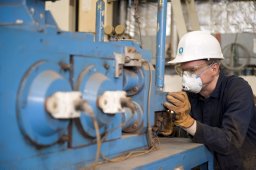 S.P. Suthers合作论文数CSIRO Minerals1




