Diphtheria toxin (DT) mediated deletion of marrow cells expressing its receptor (DTR), exclusively in adiponectin (Adipoq) positive cells, results in profound osteosclerosis, a process driven by activation of bone morphogenetic protein receptor (BMPR) signaling. This enhancement of bone mass is associated with removal of Grem1 and Chrdl1, but the cellular source of these BMPR inhibitors and whether they mediate this unique skeletal event, has not been established. In this study, we found replacing the depleted BMPR inhibitors, using nanoparticles bearing their mRNAs, attenuates the osteogenic effect of adiponectin positive cell depletion, confirming the essential role of Grem1 and Chrdl1 in the osteosclerotic process. Depletion of these BMPR inhibitors is accompanied by elimination of Cxcl12 and Lepr, suggesting that Adipoq positive subset of Cxcl12-abundant reticular (adipo-CAR) cells are the exclusive producers of Grem1 and Chrdl1 in marrow. While ablation of adipo-CAR cells does not increase osteo-CARs in the marrow, it activates BMPR in Col1*3.6 positive pre-osteoblasts, leading to their proliferation. Deletion of proliferating Col1*3.6 positive cells completely arrests bone formation induced by adipo-CAR cell ablation, suggesting that committed pre-osteoblasts, rather than earlier osteo-CARs, serve as the osteoprogenitors responsible for the new bone formation. The skeletal effects of eliminating marrow cells expressing leptin receptor (Lepr), also a marker of CAR cells, mirrors that induced by depleting those expressing adiponectin, including its initiation by BMPR activation in both male and female mice. Thus, marrow-residing Adipoq/Lepr positive CAR cells limit excessive skeletal mass by producing BMPR inhibitors, while their depletion leads to significant osteosclerosis through BMPR activation and pre-osteoblast proliferation.
Talc pleurodesis is highly effective for preventing recurrence of pneumothorax and pleural effusion, but it can be complicated by dissemination, acute lung injury, lead exposure, and foreign body-induced chronic inflammation and pain. Our objective is to develop a safe, biodegradable, contaminant-free particle for pleurodesis. We used mouse models of pneumothorax and malignant pleural effusion to compare the efficacy and safety of pleurodesis with talc and hydroxyapatite microspheres (HAM). Intrapleural instillation of microspheres induced pleural adhesions, fibrosis, and symphysis as effectively as talc and resulted in more durable protection from experimental pneumothorax. HAM and talc both induced an osteoclastogenic, inflammatory, and fibrotic response in pleural lavage cells. Intrapleural HAM was resorbed by osteoclast action over 3 months, whereas talc was not cleared. Deletion of the osteoclast effector, CTSK, diminished pleural adhesion formation and fibrosis by HAM, and inhibition of osteoclastogenesis with anti-RANKL antibody delayed HAM clearance. We found no difference in activity level, feeding behavior, or lung compliance between particles, but talc induced more persistent pleural inflammation. We conclude that HAM resulted in an osteoclastogenic and fibrogenic pleural response that induced pleurodesis that was more durable than talc with a superior safety profile due in part to osteoclast-mediated particle clearance.
The bone is one of the most commonly affected organs in sickle cell disease (SCD). Repeated ischemia, oxidative stress and inflammation within the bone is largely responsible for promoting bone pain. As more individuals with SCD survive into adulthood, they are likely to experience a synergistic impact of both aging and SCD on their bone health. As bone health deteriorates, bone pain will likely exacerbate. Recent mechanistic and observational studies emphasize an intricate relationship between bone remodeling and the peripheral nervous system. Under pathological conditions, abnormal bone remodeling plays a key role in the propagation of bone pain. In this review, we first summarize mechanisms and burden of select bone complications in SCD. We then discuss processes that contribute to pathological bone pain that have been described in both SCD as well as non-sickle cell animal models. We emphasize the role of bone-nervous system interactions and pitfalls when designing new therapies especially for the sickle cell population. Lastly, we also discuss future basic and translational research in addressing questions about the complex role of stress erythropoiesis and inflammation in the development of SCD bone complications, which may lead to promising therapies and reduce morbidity in this vulnerable population.
The pathophysiology of silicosis is poorly understood, limiting development of therapies for those who have been exposed to the respirable particle. We explored mechanisms of silica-induced pulmonary fibrosis in human lung samples collected from patients with occupational exposure to silica and in a longitudinal mouse model of silicosis using multiple modalities including whole-lung single-cell RNA sequencing and histological, biochemical, and physiologic assessments. In addition to pulmonary inflammation and fibrosis, intratracheal silica challenge induced osteoclast-like differentiation of alveolar macrophages and recruited monocytes, driven by induction of the osteoclastogenic cytokine, receptor activator of nuclear factor κΒ ligand (RANKL) in pulmonary lymphocytes, and alveolar type II cells. Anti-RANKL monoclonal antibody treatment suppressed silica-induced osteoclast-like differentiation in the lung and attenuated pulmonary fibrosis. We conclude that silica induces differentiation of pulmonary osteoclast-like cells leading to progressive lung injury, likely due to sustained elaboration of bone-resorbing proteases and hydrochloric acid. Interrupting osteoclast-like differentiation may therefore constitute a promising avenue for moderating lung damage in silicosis.
Abstract Integrin β3 is critical for tumor invasion, neoangiogenesis, and inflammation, making it a promising cancer target. However, preclinical and clinical data of integrin β3 antagonists have demonstrated no benefit or worse outcomes. We hypothesized that integrin β3 could affect tumor immunity and evaluated tumors in mice with deletion of integrin β3 in macrophage lineage cells (β3KOM). β3KOM mice had increased melanoma and breast cancer growth with increased tumor-promoting M2 macrophages and decreased CD8+ T cells. Integrin β3 antagonist, cilengitide, also enhanced tumor growth and increased M2 function. We uncovered a negative feedback loop in M2 myeloid cells, wherein integrin β3 signaling favored STAT1 activation, an M1-polarizing signal, and suppressed M2-polarizing STAT6 activation. Finally, disruption of CD8+ T cells, macrophages, or macrophage integrin β3 signaling blocked the tumor-promoting effects of integrin β3 antagonism. These results suggest that effects of integrin β3 therapies on immune cells should be considered to improve outcomes. Cancer Res; 76(12); 3484–95. ©2016 AACR.
Treatment of osteoporosis commonly diminishes osteoclast number which suppresses bone formation thus compromising fracture prevention. Bone formation is not suppressed, however, when bone degradation is reduced by retarding osteoclast functional resorptive capacity, rather than differentiation. We find deletion of deubiquitinase, BRCA1-associated protein 1 (Bap1), in myeloid cells (Bap1∆LysM), arrests osteoclast function but not formation. Bap1∆LysM osteoclasts fail to organize their cytoskeleton which is essential for bone degradation consequently increasing bone mass in both male and female mice. The deubiquitinase activity of BAP1 modifies osteoclast function by metabolic reprogramming. Bap1 deficient osteoclast upregulate the cystine transporter, Slc7a11, by enhanced H2Aub occupancy of its promoter. SLC7A11 controls cellular reactive oxygen species levels and redirects the mitochondrial metabolites away from the tricarboxylic acid cycle, both being necessary for osteoclast function. Thus, in osteoclasts BAP1 appears to regulate the epigenetic-metabolic axis and is a potential target to reduce bone degradation while maintaining osteogenesis in osteoporotic patients.
Pulmonary alveolar microlithiasis is an autosomal recessive lung disease caused by a deficiency in the pulmonary epithelial Npt2b sodium-phosphate co-transporter that results in accumulation of phosphate and formation of hydroxyapatite microliths in the alveolar space. The single cell transcriptomic analysis of a pulmonary alveolar microlithiasis lung explant showing a robust osteoclast gene signature in alveolar monocytes and the finding that calcium phosphate microliths contain a rich protein and lipid matrix that includes bone resorbing osteoclast enzymes and other proteins suggested a role for osteoclast-like cells in the host response to microliths. While investigating the mechanisms of microlith clearance, we found that Npt2b modulates pulmonary phosphate homeostasis through effects on alternative phosphate transporter activity and alveolar osteoprotegerin, and that microliths induce osteoclast formation and activation in a receptor activator of nuclear factor-κB ligand and dietary phosphate dependent manner. This work reveals that Npt2b and pulmonary osteoclast-like cells play key roles in pulmonary homeostasis and suggest potential new therapeutic targets for the treatment of lung disease.
The pathophysiology of silicosis is poorly understood, limiting development of therapies for those who have been exposed to the respirable particle. We explored the mechanisms of silica-induced pulmonary fibrosis in a mouse model using multiple modalities including wholelung single-nucleus RNA sequencing. These analyses revealed that in addition to pulmonary inflammation and fibrosis, intratracheal silica challenge induced osteoclast-like differentiation of alveolar macrophages and recruited monocytes, driven by induction of the osteoclastogenic cytokine, receptor activator of nuclear factor-κB ligand (RANKL) in pulmonary lymphocytes and alveolar type II cells. Furthermore, anti-RANKL monoclonal antibody treatment suppressed silica-induced osteoclast-like differentiation in the lung and attenuated silica-induced pulmonary fibrosis. We conclude that silica induces osteoclast-like differentiation of distinct recruited and tissue resident monocyte populations, leading to progressive lung injury, likely due to sustained elaboration of bone resorbing proteases and hydrochloric acid. Interrupting osteoclast-like differentiation may therefore constitute a promising avenue for moderating lung damage in silicosis. One Sentence Summary Silica induces the alveolar epithelium to reprogram recruited and resident pulmonary myeloid cells to become osteoclasts that contribute to pulmonary fibrosis.
Both LRF (Zbtb7a) and ThPOK (Zbtb7b) belong to the POK (BTB/POZ and Kruppel) family of transcription repressors that participate in development, differentiation, and oncogenesis. Although LRF mediates osteoclast differentiation by regulating NFATc1 expression, the principal established function of ThPOK is transcriptional control of T-cell lineage commitment. Whether ThPOK affects osteoclast formation or function is not known. We find that marrow macrophage ThPOK expression diminishes with exposure to receptor activator of NF-kB ligand (RANKL), but ThPOK deficiency does not affect osteoclast differentiation. On the other hand, enhanced ThPOK, in macrophages, substantially impairs osteoclastogenesis. Excess ThPOK binds the NFATc1 promoter and suppresses its transcription, suggesting a mechanism for its osteoclast inhibitory effect. Despite suppression of osteoclastogenesis by excess ThPOK being associated with diminished NFATc1, osteoclast formation is not rescued by NFATc1 overexpression. Thus, ThPOK appears to inhibit NFATc1 transcription and its osteoclastogenic capacity, while its depletion has no effect on the bone-resorptive cell. © 2022 The Authors. JBMR Plus published by Wiley Periodicals LLC on behalf of American Society for Bone and Mineral Research.
 Ross F Patrick合作论文数96
 Wei Zou (邹炜)合作论文数Institute of Translational Medicine, Zhejiang University56F Patrick Ross合作论文数49Aj Kahn合作论文数40
 Roberta Faccio合作论文数Department of Orthopaedic Surgery, Washington University39J Chappel合作论文数38LV AVIOLI合作论文数31Eduardo Slatopolsky合作论文数31Michael D. Fallon合作论文数29
 Yousef Abu Amer合作论文数Department of Orthopaedics, School of Medicine, Washington University in St. Louis27
 Harry C. Blair合作论文数Division of Clinical Chemistry, Section of Laboratory Medicine, Department of Pathology, School of Medicine, University of Pittsburgh;Department of Cell Biology, School of Medicine, University of Pittsburgh26Michael P. Whyte合作论文数23Rohatgi Nidhi合作论文数22
 Novack Veis合作论文数Veis (Novack) Lab, Division of Bone and Mineral Diseases, John T. Milliken Department of Medicine, School of Medicine, Washington University in St. Louis21Zvi Bar-Shavit合作论文数20MA BERGFELD合作论文数19M BERGFELD合作论文数18Sunao Takeshita合作论文数18JC Chappel合作论文数16
 Paul H. Schlesinger合作论文数Department of Cell Biology and Physiology, Washington University School of Medicine16
 Hideki Kitaura合作论文数16Louis V. Avioli合作论文数15S Wei合作论文数14Katherine N. Weilbaecher合作论文数14Ka Hruska合作论文数13Jd Malone合作论文数13
 Haibo Zhao合作论文数Washington Univ, Sch Med, Dept Pathol & Immunol, St Louis, MO 63110 USA13McHugh Kevin P合作论文数13Roberto Civitelli合作论文数13Jochen G Schneider合作论文数12N Namba合作论文数12Yalin Xu合作论文数12
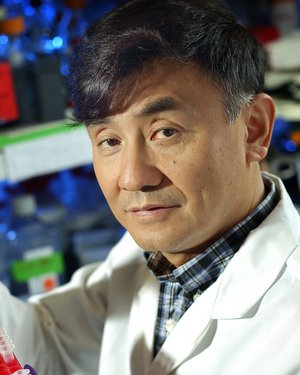 Xu Cao合作论文数Department of Orthopaedic Surgery, School of Medicine, Johns Hopkins University12Su Xinming合作论文数12
 Xu Feng合作论文数Divisions Molecular and Cellular Pathology, Department of Pathology, Heersink School of Medicine, University of Alabama at Birmingham;Comprehensive Arthritis, Musculoskeletal, Bone and Autoimmunity Center, School of Medicine, University of Alabama at Birmingham;Integrative Center for Aging Research, School of Medicine, University of Alabama at Birmingham12Michelle A Hurchla合作论文数12
 Stephen D Robinson合作论文数11Julia C. Tomasson合作论文数11Joshua S. Novack合作论文数11Gregory C. Fox合作论文数11JM Erdmann合作论文数11Takayuki Kobayashi合作论文数11MP Whyte合作论文数11Michael H. Ross合作论文数11
 Xiang Jingyu合作论文数11
 Amend Sarah R合作论文数The James Buchanan Brady Urological Institute, Johns Hopkins University11
 Brett Knolhoff合作论文数Department of Surgery, Washington University11




