The percentage of cells successfully transformed by Agrobacteria is usually very low (not more than 10% and usually much less; Thomas et al., 1989). In this report we show that in carrot (Daucus carota L., ssp. sativus) cell suspensions transformation efficiency was strongly improved by using cell cycle synchronized cells. Fluorodesoxyuridine (FDU) was added for 24 h to inhibit thymidine synthesis. This blocked the cell cycle at the transition from G1- to S-phase. Then the block was released by applying thymidine. A high rate of transformation was obtained when Agrobacterium tumefaciens was added concurrently with thymidine. As examples of efficient and long term foreign gene expression in transgenic cells, the reporter enzyme β-glucuronidase (GUS) as a model as well as the major hepatitis B virus surface protein were used. Both genes were linked to the MAS promoter. In carrot cell suspensions containing the viral gene, the corresponding viral protein was produced. In roots of mature transgenic carrot plants generated through somatic embryogenesis and raised in soil as well as in callus cultures derived thereof, the viral protein was also produced.
In chronically infected patients, hepatitis B virus (HBV) particles reach numbers as large as >109 genome equivalents (GE)/ml of serum. However, expression of infectious HBV particles in cell culture only yields 105–106 GE/ml, which is insufficient for many studies. HBV transcription and possibly replication is dependent on hepatocyte-specific differentiation. Thus, we tested several cell culture parameters that have been reported to enhance the expression of hepatocyte-specific markers, such as growth on different extracellular matrices, different cell culture media, low concentrations of fetal calf serum (FCS) and the addition of dimethyl sulfoxide (DMSO) to the medium. Lower concentrations of FCS, growth on collagen and inclusion of DMSO in the medium only moderately enhanced HBV production in vitro when applied individually. However, combinations of these parameters optimised cell culture conditions and reproducibly increased the release of HBV particles about 100-fold to titres >108 GE/ml of culture medium.
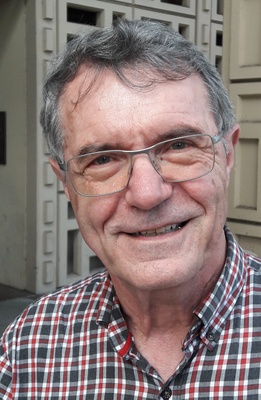 Wolfram Gerlich合作论文数Institute of Medical Virology, Faculty of Medicine, University of Giessen5
 Stephan Schaefer合作论文数5Maria Seifer合作论文数4Nicola Fiedler合作论文数4N. Sugimura合作论文数3Y. Onobori合作论文数3Dildora Avazova合作论文数3Esteban Domingo合作论文数3Kazuhiro Hara合作论文数3Suresh K. Tikoo合作论文数3Sigrun Broehl合作论文数3M Ikegami合作论文数3Yuri Etani合作论文数3
 Carlos Briones合作论文数Ctr Astrobiol CSIC INTA3
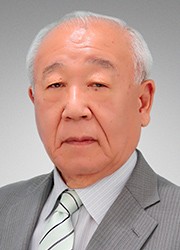 Masashi Mizokami合作论文数National Center for Global Health and Medicine3Carmen Altisent合作论文数3Hitoshi Tajiri合作论文数3Yasuhiko Ohta合作论文数3Shunji Mishiro合作论文数Dept Med Sci, Tokyo Shinagawa Hosp3Atsushi Sawada合作论文数3Yoshitsugu Matsumoto合作论文数3
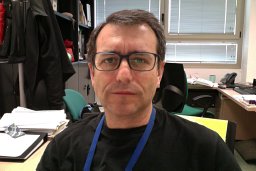 Antonio Mas合作论文数Centro Regional de Investigaciones Biomédicas (CRIB),3Yasuhiro Furuichi合作论文数GeneCare Research Institute3Keiichi Saeki合作论文数3Minako Hijikata合作论文数3Tatyana Hegay合作论文数3
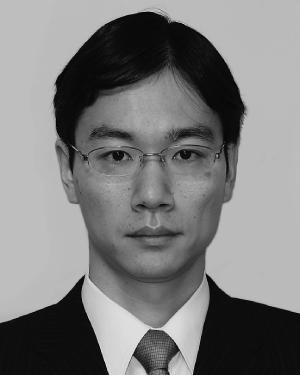 Takashi Onodera合作论文数3Tomohide Natsuaki合作论文数3
 Fuat Kurbanov合作论文数Department of Clinical Molecular Informative Medicine, Nagoya City University Graduate School of Medical Sciences3
 Ryuzo Ueda合作论文数Graduate School of Medicine, Nagoya University;Nagoya City University;Aichi Medical University3Bakhodir Achundjanov合作论文数3Kosuke Kozaiwa合作论文数3Ruslan Ruzibakiev合作论文数3
 Takuya Nishimura (西村卓也)合作论文数Research Center for Earthquake Hazards, Disaster Prevention Research Institute, Kyoto University3
 Hideaki Kato (加藤秀章)合作论文数Department of Forensic Medicine, Graduate School of Medical Sciences, Nagoya City University3Atsutaka Kubosaki合作论文数3Lazis Tuichiev合作论文数3Mariam Zalalieva合作论文数3Sotaro Mushiake合作论文数3Caron Pyne合作论文数3Tanja K. Tolle合作论文数3M A Rebello合作论文数2Won-Ho Lee合作论文数2
 Nadira Yusupovna Yuldasheva合作论文数Discovery and Translational Science Department, School of Medicine, University of Leeds2
 Mayte Perez-Olmeda合作论文数Natl Ctr Microbiol, Inst Salud Carlos III2Burlandy Fernanda Marcicano合作论文数2Heui-Soo Kim合作论文数2
 Andreas Berting合作论文数2T K Tolle合作论文数1




