Aims:Biliary strictures are a known complication of hepatobiliary and pancreatic surgeries. This retrospective descriptive series highlights six consecutive patients with complete bile duct occlusion or disruption who required a multidisciplinary approach with a combination of interventional radiology (IR) and endoscopic techniques to either re-cannulate or create a neo-anastomosis in the biliary system. Methods and Results:The biliary system was either re-cannulated or a neo-anastomosis was created using a small gauge needle (N = 3), a rendezvous procedure (N = 1), a radiofrequency ablation wire (N = 1), and the back end of a wire (N = 1). There was one major adverse event (bacteremia requiring antibiotic therapy). Follow-up protocol included scheduled biliary catheter checks every 10-12 weeks to assess biliary duct patency or tract maturation. At each interval, cholangioscopy and cholangioplasty were performed as indicated. Once the tract demonstrated maturity and liver function tests normalized, the catheter was converted to an external-only drain. Patients who successfully tolerated a capping trial of the external biliary catheter subsequently underwent catheter removal. Patients who remained asymptomatic with normal liver function tests following catheter removal were considered to have achieved catheter-free status. Conclusion:Four of the six patients are biliary catheter free, while two of the patients are progressing toward being catheter free. Additional data from larger series and planned prospective registries should help delineate standards for outcomes and patient management.
PURPOSE:In the United States, African Americans (AA) have higher Pancreatic ductal adenocarcinoma (PDAC) incidence and mortality rates than Caucasian Americans (CA). This study aimed to identify distinct gene expression signatures and differentially regulated pathways in AA and CA PDACs. METHODS:Transcriptomic analyses were conducted on FFPE sections of PDACs (n = 40) from AA (9 PDACs/3 normal) and CA (31 PDACs/5 normal) tissues to evaluate the differential expression and signaling pathways within and between racial groups and to identify distinctive and common genes/pathways. RESULTS:We identified unique differentially expressed genes in both racial groups. Distinct set genes were modulated in AA and CA PDACs, compared to their respective normal tissues. Thirteen genes (seven upregulated and six downregulated) were differentially modulated in AA PDACs vs. CA PDACs. CIBERSORT analysis revealed distinct immune cell composition, with increased resting NK cells and activated mast cells, in AA PDACs, and higher CD4 memory T cells present in CA PDACs. Canonical subtype analyses indicated a more heterogenous subtype distribution in AA PDACs, whereas CA PDACs showed a predominance of classical subtypes. Using a publicly available database, we analyzed the top 25 upregulated genes (normal vs. tumor) for AA and CA racial groups and seven differentially upregulated genes in AA PDACs vs. CA PDACs comparison for associations with survival outcomes. Eight genes (CHST15, PARP15, NUDT16, SERPINB3, PADI1, H3C8, ZNF488, and LETM2) correlated with poor patient survival. CONCLUSION:These findings show distinct gene expression profiles and modulated pathways in AA and CA PDACs, supporting development of race-based therapeutic targets.
BACKGROUND:Gastric antral vascular ectasia (GAVE) accounts for up to 4% of nonvariceal upper gastrointestinal bleeding. Argon plasma coagulation and radiofrequency ablation have been primary treatment modalities for patients with linear and punctate subtypes, with a newer trend of utilization of endoscopic band ligation (EBL). This study evaluates the outcomes of patients undergoing treatment for nodular GAVE. We hypothesize that patients treated initially with EBL will achieve higher rates of clinical remission with fewer endoscopic treatments and a shorter treatment interval. AIM:To investigate the effects of EBL as an initial treatment therapy on outcomes associated with nodular GAVE. METHODS:A total of 37 patients at a tertiary medical center with nodular GAVE were included in this retrospective study. The study population was divided between those treated initially with EBL (initial EBL) and initial endoscopic thermal therapy. Pre-treatment and post-treatment hemoglobin values, the model for end-stage liver disease scores, hospitalization rates, and other outcomes. Additionally, endoscopic treatment modality type and frequency were recorded, including radiofrequency ablation, argon plasma coagulation, and EBL. Continuous variables were compared using a t-test, while categorical variables were compared using Fisher's exact. RESULTS:Linear regression analysis displayed a positive relationship between the time interval from initial therapeutic esophagogastroduodenoscopy to first EBL treatment and overall treatment interval (t = 7.39, P < 0.001), as well as between the number of endoscopic treatments (t = 8.09, P < 0.001). Hemoglobin levels increased in both the initial EBL group (8.7 vs 11.4, P < 0.001) and the initial endoscopic thermal therapy group (8.6 vs 10.4, P = 0.042). Clinical remission rates were higher in the initial EBL group (90% vs 69% P = 0.041), with a non-significant trend of higher endoscopic remission rates (57.1% vs 37.5%, P = 0.270). CONCLUSION:The observed trend favoring EBL, combined with its association with improved clinical remission and reduced treatment burden, supports its consideration as a preferred initial treatment approach.
INTRODUCTION:The risk of progression to esophageal adenocarcinoma in Barrett's esophagus (BE) increases with advancing degrees of dysplasia. There is a critical need to improve the diagnosis of BE dysplasia, given substantial interobserver variability and overcalls of dysplasia during manual community pathologist reads. We aimed to externally validate a previously cross-validated BE dysplasia diagnosis deep learning model (BEDDLM) that predicts dysplasia grade on whole slide images (WSIs). METHODS:We digitized nondysplastic BE (NDBE), low-grade (LGD), and high-grade dysplasia (HGD) histology slides from 3 external academic centers. A consensus read by 2 expert study pathologists was used as the criterion standard. Slide stain characteristics were normalized using cycle-generative adversarial networks. WSIs were assessed by BEDDLM using an ensemble approach, combining a "You Only Look Once" model followed by a ResNet101 classifier model. RESULTS:We included 489 WSIs. Consensus histopathology revealed 232 NDBE, 117 LGD, and 140 HGD WSIs. The mean age (SD) was 66.9 (11.4) years; 413 (84.7%) were men. Using the BEDDLM ensemble model, sensitivity and specificity for NDBE were 73.3% (95% confidence interval [CI]: 67.09%-78.85%) and 93.4% (95% CI: 89.62%-96.10%); for LGD, 84.6% (95% CI: 76.78%-90.62%) and 80.6% (95% CI: 76.26%-84.54%); and for HGD, 80.7% (95% CI: 73.19%-86.89%) and 94.8% (95% CI: 91.97%-96.91%), respectively. The F1 score was 0.81, 0 0.69, and 0.83 for NDBE, LGD, and HGD, respectively. DISCUSSION:Our externally validated deep learning model demonstrates substantial accuracy for the diagnosis of BE dysplasia grade on WSIs.
 Kyanam Kabir Baig K R合作论文数Basil I. Hirschowitz Endoscopic Center of Excellence, University of Alabama at Birmingham63
 C. Mel Wilcox合作论文数Orlando Health Digestive Health Institute;Orlando Health Orlando Regional Medical Center53
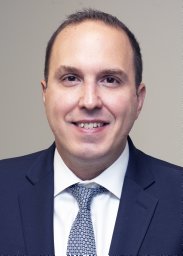 Ramzi Mulki合作论文数Dept Gastroenterol & Hepatol, Univ Alabama Birmingham36
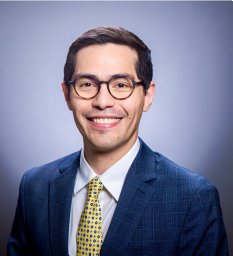 Sergio A. Sanchez-Luna合作论文数Heersink School of Medicine, The University of Alabama at Birmingham28
 Mahmoud Aryan合作论文数Internal Med Residency, Univ Alabama Birmingham26Ali M. Ahmed合作论文数25
 Dalton Norwood合作论文数23
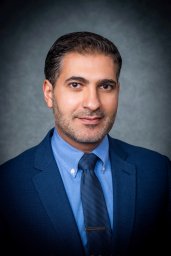 Sameer Al Diffalha合作论文数Department of Pathology, University of Alabama at Birmingham22Krishna Venkata合作论文数Baptist Med Ctr South, UAB Montgomery Internal Med Residency20
 Klaus Mönkemüller合作论文数Josip Juraj Strossmayer University of Osijek;Universidad Espíritu Santo;Virginia Tech Carilion School of Medicine19
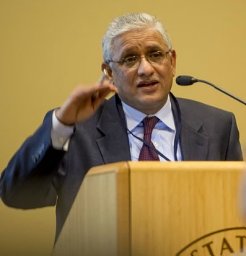 Upender Manne合作论文数the Comprehensive Cancer Center, University of Alabama at Birmingham18Mohamed Shoreibah合作论文数17
 Douglas R. Morgan合作论文数17Frederick H. Weber合作论文数17
 Beglinger, Christoph合作论文数Medizinischen Fakultät, Universität Basel17Sooryanarayana Varambally合作论文数16Prachi Bajpai合作论文数Cardiovascular Toxicology Division, Indian Institute of Toxicology Research (IITR),15Basem Alkurdi合作论文数14Phillip D. Smith合作论文数14Pamboukian Salpy V合作论文数13Ji Young Bang合作论文数College of Natural Science, Hoseo University13Adam L. Edwards合作论文数12Lesley E. Smythies合作论文数Department of Medicine, University of Alabama at Birmingham12
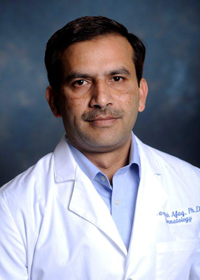 Farrukh Afaq合作论文数Department of Dermatology, School of Medicine, University of Alabama at Birmingham;Comprehensive Cancer Center, University of Alabama at Birmingham12
 Katie Alexander合作论文数11
 Mohd Khushman合作论文数University of South Alabama, Mitchell Cancer Institute11Hyung-Gyoon Kim合作论文数11
 Ali Ahmed合作论文数Department of Medicine, School of Medicine & Health Sciences, George Washington University;Georgetown University;Washington DC VA Medical Center11
 Lukas Degen合作论文数11
 Shyam S. Varadarajulu合作论文数Center for Advanced Endoscopy, Research & Education, Orlando Health Digestive Health Institute;College of Medicine, University of Central Florida11
 Sumit Agarwal合作论文数Dept Pathol, Univ Alabama Birmingham10Rachel Mitchell合作论文数10
 Ludwig T Heuss合作论文数Mitglied des Zentralvorstandes der FMH10Klaus Moenkemueller合作论文数9Wiley Truss合作论文数9Tyler Colvin合作论文数9Benjamin Nunley合作论文数9Barlass Usman合作论文数9
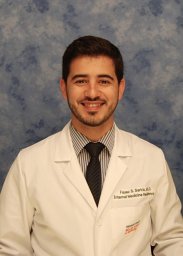 Sarkis Fayez S合作论文数Department of Internal Medicine, American University of Beirut Medical Center9
 Nicholas Baldwin合作论文数8Parth Patel合作论文数8Michael Behring合作论文数8
 Jenine Zaibaq合作论文数Department of Gastroenterology and Hepatology, University of Texas Medical Branch8Naseemuddin Mohammed合作论文数8
 Darshan Shimoga Chandrashekar合作论文数Institute of Bioinformatics and Applied Biotechnology (IBAB), Biotech Park, Electronic City, Bangalore - 560100, Karnataka state, India8Kondal Kyanam合作论文数7Lauren Daley合作论文数7Chaitanya Allamneni合作论文数7




