BACKGROUND:Caregivers of stroke survivors often face challenges due to the complex nature of caregiving responsibilities and the lack of adequate support systems. Understanding their burden of care and experiences with healthcare professionals is crucial for improving caregiver well-being and patient outcomes. PURPOSE:Was to identify unmet needs for support among caregivers of stroke survivors by exploring their burden of care and experiences of collaboration and support provided by health professionals. METHOD:Qualitative semi-structured interviews were conducted with informal caregivers of stroke survivors. Participants were recruited from a university hospital, among caregivers of patients discharged after a moderate to severe stroke (modified Rankin Scale score 3-5). Thematic analysis was conducted to identify recurring patterns and themes within the data. RESULTS:Fifteen participants were interviewed, and three interconnected themes were constructed from the data: "New roles and a new life," "conflicting expectations," and "unmet needs for information and advice." Caregivers described the burden of assuming multiple responsibilities, navigating expectations, and adapting their home and life to accommodate the needs of the stroke survivor. Further, they expressed dissatisfaction with the support and information provided by healthcare professionals, highlighting unmet needs for clearer communication, follow-up and guidance. CONCLUSION:Caregivers of stroke survivors experience a significant burden. The findings show poor communication, care continuity, and information to support caregivers. Meeting those needs may reduce caregiver burden and enhance their experience with the healthcare system. This highlights the need for more stroke-specific education and targeted research on effective interventions.
Insomnia is an independent risk factor for coronary artery disease (CAD). Persistent sleep difficulties after percutaneous coronary intervention (PCI) may hinder recovery, however, studies investigating factors contributing to insomnia in a longitudinal perspective are scarce. Therefore, we aimed to describe and determine: (i) the prevalence of insomnia symptoms in women and men with CAD after PCI; (ii) changes in insomnia symptoms scores over time and (iii) the association between insomnia symptoms, self-reported health status and individual factors 2-, 6- and 12 months post-PCI. Large-scale, prospective, multicentre cohort study on patients after PCI (N = 3,417). Patient-reported outcomes for all included patients were collected during index hospitalization after PCI prior to hospital discharge and 2-, 6-, and 12-months post-PCI (T0-T3 respectively). Insomnia symptoms were assessed with the Minimal Insomnia Symptom Scale, and self-reported health status with RAND-12 and the Seattle Angina Questionnaire. Clinical characteristics were collected from The Norwegian Registry of Invasive Cardiology and patients’ medical records. The prevalence of insomnia symptoms was high (women 47
Aims To describe how telemedicine in cardiac rehabilitation can be optimized through the development of a co-produced, family-focused Cardiac TeleRehabilitation model.Methods and results A co-production approach was used to collaboratively develop a cardiac telerehabilitation model with eight cardiac patients, three family members, and eight healthcare professionals through three workshops. Data were analysed iteratively after each workshop using an inductive, semantic-level approach inspired by Braun and Clarke's thematic analysis, identifying themes from explicit data content. We first identified the needs, barriers, and facilitators associated with video consultations and home monitoring in cardiac rehabilitation. We gained a deeper understanding of the participants' expectations, preferences, and challenges in adopting video consultations and home monitoring. Six themes emerged from the workshops: (i) Trust and relationship building initiated by the first in-person consultation; (ii) communication and presence in a digital setting; (iii) inclusion of family members; (iv) digital competencies and technical readiness; (v) informed decision-making and patient autonomy; and (vi) practicality, flexibility, and organizational readiness. These themes shaped a cardiac telerehabilitation model, comprising video consultations, home monitoring, manuals, a nurse support tool, and a patient decision tool.Conclusion Through co-productive workshops with patients, family members, and healthcare professionals, a cardiac telerehabilitation model was developed to support the use of video consultations and home monitoring. The model is intended to support the delivery of flexible, accessible rehabilitation tailored to each patient's individual needs. The model requires further evaluation in more diverse settings before broader implementation.Registration Part of ClinicalTrials.gov (NCT06320652).
BACKGROUND:Video consultations are increasingly implemented in healthcare, their integration into clinical practise remains challenging. Nurses' uncertainty derived from internal and external influences may hinder the use of technology. Limited research has examined nurses' experiences and perceptions related to the underuse of video consultations. AIM:This study aims to explore outpatient clinic nurses' experiences with video consultations and to identify the organisational prerequisites they consider important for successful implementation of video consultations in outpatient clinics. MATERIALS AND METHODS:A hermeneutic qualitative exploratory approach was applied explore and interpret experiences and perceptions. Data were generated through two focus group interviews with 5 and 7 participating nurses in each group. The participants were recruited from two Danish cardiology outpatient clinics selected to ensure relevant clinical experience. Data were analysed using thematic analysis guided by Braun & Clarke. RESULTS:Data provided insights into the perspectives of nurses, resulting in three main themes: Video consultations must be used at the right time, Nursing care must remain as a relational practice, and Missing initiatives for enabling nurses to use video consultations. Nurses experienced video consultations as both beneficial and challenging, shaped by tensions between efficiency demands, organisational conditions, and relational nursing values. Although video consultations offered flexibility and potential improvements in care delivery, nurses' use depended largely on organizational support and integration into clinical workflows. Participants emphasised that high-quality nursing care is based on relational, embodied, and ethically responsible practices, which they perceived as potentially compromised in digital encounters. Organisational factors, including leadership, training, and clear implementation strategies, were identified as critical to promoting sustainable use. PUBLIC CONTRIBUTIONS:No Patient or Public Contribution.
Background:Despite growing initiatives to promote partially virtual care, there is still a lack of comprehensive data describing its use, patient characteristics, and medication management practices. Objective:This study aimed to examine the use of partially virtual care in the management of cardiovascular disease. Methods:We used nationwide Danish registries to identify all patients with a first-time diagnosis of atrial fibrillation (AF), heart failure (HF), pulmonary embolism (PE), or acute coronary syndrome (ACS) between 2019 and 2023. Patients were categorized as receiving partially virtual care if followed up at least once virtually or in-person care if seen solely in-person. We evaluated temporal changes in the use of partially virtual care and calculated the odds of receiving partially virtual care vs in-person care and the prevalence of initiating guideline-directed medical therapy (GDMT). For GDMT initiation, the exposure was instead the type of the patient's first follow-up visit. Multivariable logistic regression was used to estimate the odds of receiving partially virtual care, adjusted for frailty score, residence, and period of diagnosis. Separate multivariable logistic regression models were then used to estimate adjusted average differences in the prevalence of GDMT initiation between virtual and in-person follow-up among patients not already on the medication, accounting for frailty score, residence, and period of diagnosis. Results:In total, 45,919 patients with AF, 30,482 with HF, 12,451 with PE, and 12,435 with ACS were followed up. Among these, 27.3% (AF: 12,517/45,919), 51.7% (HF: 15,749/30,482), 47.5% (PE: 5918/12,451), and 37.2% (ACS: 4627/12,435) had partially virtual follow-up. The use of partially virtual follow-up increased during the COVID-19 pandemic and remained high afterward. In 2023, 17.4% (475/2731) to 35.3% (876/2481) of patients' first follow-up visits were virtual, depending on the condition. Patient-specific factors significantly associated with partially virtual care were patients residing in cities for those with AF (odds ratio [OR] 1.27, 95% CI 1.21-1.34), HF (OR 1.38, 95% CI 1.31-1.46), and PE (OR 1.14, 95% CI 1.04-1.24), but not for patients with ACS, and "high frailty" for those with AF (OR 1.63, 95% CI 1.48-1.80) and PE (OR 1.53, 95% CI 1.29-1.81). A large percentage of patients were on GDMT prior to the first follow-up visit. Differences in new initiation of GDMT were small in absolute terms across conditions, regardless of virtual or in-person follow-up; for example, for patients with HF, 2.23% initiated sodium-glucose cotransporter-2 inhibitors following a virtual visit, vs 4.47% after an in-person visit (prevalence difference -2.24%, 95% CI, -2.61 to -1.87). Conclusions:Among patients who received follow-up, a considerable proportion of patients with cardiovascular disease (from 12,517/45,919, 27.3% to 15,749/30,482, 51.7%) received partially virtual care. The odds of receiving partially virtual care varied significantly based on patient characteristics, particularly place of residence and frailty score. Finally, small absolute differences were found in the initiation of new GDMT.
Background Obstructive sleep apnoea (OSA) is a common and modifiable risk factor for atrial fibrillation (AF), yet it remains frequently unrecognised and undertreated. Despite guideline recommendations to consider OSA screening, no consensus exists on optimal strategies. The VIR-SAAF (VIRtual national study with home Sleep Apnea investigation in patients with Atrial Fibrillation) trial investigates whether home-based OSA screening and referral for potential treatment improve quality of life, physical activity and AF-related outcomes compared with standard care.Methods and analysis VIR-SAAF is a national, investigator-initiated, decentralised randomised clinical trial enrolling adults with paroxysmal or persistent AF across Denmark. Participants are randomised 2:1 to home-based screening for OSA or to no screening. The trial is conducted entirely remotely using a purpose-built mobile application that supports electronic consent, digital questionnaires, rhythm monitoring, activity tracking and real-time communication with investigators. This design allows all study procedures, including device delivery, data collection and follow-up, to be completed without in-person visits, enabling large-scale participation across geographical regions. The primary outcome is the between-group difference in change from baseline to 18 weeks in quality of life, assessed using the Atrial Fibrillation Effect on QualiTy-of-life questionnaire. VIR-SAAF is the first randomised trial to evaluate OSA screening itself as an intervention in AF. The fully decentralised design will generate novel evidence on whether systematic home-based OSA screening can improve patient-centred outcomes.Ethics and dissemination The study has been approved by the Danish National Committee on Health Research Ethics (approval number: 2402591). All participants provide electronic informed consent prior to enrolment. Results will be disseminated through peer-reviewed publications and presentations at national and international scientific conferences.Trial registration number NCT06618417.
AIMS:To explore the psychological effects of interventions aimed at supporting informal caregivers involved in the care and treatment of patients with cardiovascular disease. METHODS AND RESULTS:Databases (PubMed, CINAHL, Embase, Cochrane Library, and PsycInfo) were searched for studies in accordance with the Cochrane Handbook guidelines. Inclusion criteria were: caregivers of patients with one or more cardiovascular diseases, patient and caregiver >18 years, caregivers included in the intervention, and, reporting of psychological outcomes specific to caregivers. Study designs were randomized controlled trials with a follow-up periods of >2 months. The RoB 2.0 bias assessment tool was used to assess risk of bias. Fifteen studies from nine countries were identified. Most interventions consisted of multiple components including educational face-to-face sessions, telephone support, and/or written resources. The analysis showed inconsistent results on caregiver outcomes, but significant improvements were reported in eight studies in at least one caregiver outcome. Analysis indicated that the studies providing more frequent contact with caregivers and patients were more likely to report significant improvements in caregiver outcomes. Risk of bias was judged as low in three studies, some concerns in nine studies, and as high in three studies. CONCLUSION:Due to inconsistency in results, this review yield uncertainty about whether interventions targeting caregivers of patients with cardiovascular disease improve caregivers' psychological outcomes. Therefore, further research is needed to develop effective interventions for caregivers, as they play a vital role in the daily care and treatment of patients with cardiovascular disease. REGISTRATION:PROSPERO: CRD420250654618.
Background: Atrial fibrillation (AF) is the most common sustained cardiac arrhythmia and is associated with substantial symptom burden and reduced quality of life. Catheter ablation is increasingly used; however, patients’ experiences across the treatment trajectory remain underexplored. Objective: To describe and explain patients’ experiences from referral to catheter ablation for AF to 4 months after the procedure. Methods: In this qualitative study, we used semistructured interviews with patients undergoing catheter ablation for AF. Interviews addressed experiences of referral, treatment, recovery, and follow-up. Data were analyzed using qualitative content analysis. Results: Our analysis revealed 6 categories describing patients’ experiences throughout the ablation trajectory: (1) Relational care is a pivotal cornerstone; (2) Communication creates a sense of security when individualized; (3) Recovery is a balance between caution and the desire for normality; (4) Ablation gives rise to concerns; (5) A well-planned and structured postablation pathway is needed; and (6) Waiting time creates unnecessary gaps. Two explanatory themes were revealed: "Navigating the emotional terrain of ablation through professional support and communication is needed, highlighting the need for organizational structures and professional support throughout the ablation pathway"; and "Living with uncertainty—Patient perspectives on recovery, expectations, and emotional responses, reflecting ongoing concerns before and after ablation". Conclusions: The findings underscore the importance of consistent involvement of healthcare professionals throughout the AF ablation trajectory. Coordinated, person-centered information, and a structured postablation follow-up pathway may address patient concerns, reduce uncertainty, and support recovery. Strengthening coordination and continuity of care appears essential to improving patient experiences.
BACKGROUND:Atrial fibrillation (AF) is associated with a significant clinical and psychosocial burden. It requires adequate informational, emotional, and functional support in addition to evidence-based treatment. Existing social support measures are largely generic and do not address the specific needs of AF care. AIM:To develop and psychometrically validate the Social Support for Patients with Atrial Fibrillation Instrument (SSAFI). METHODS:A methodological, cross-sectional validation study was conducted among 265 adults with AF in Finland. Data were collected using an online survey. Item characteristics were examined using descriptive statistics and correlation analyses. Exploratory factor analysis (EFA) was applied to examine empirical clustering patterns, followed by confirmatory factor analysis (CFA) to test a theoretically derived hierarchical model. Model fit, internal consistency, and construct validity were evaluated using established psychometric criteria. RESULTS:EFA suggested source-influenced clustering, whereas CFA supported a hierarchical model with informational, emotional, and functional support domains, showing acceptable fit (χ2/df = 2.29; CFI = 0.936; TLI = 0.926; IFI = 0.937; RMSEA = 0.077). Standardized loadings ranged from 0.301 to 0.864 with weaker loadings interpreted cautiously according to the predefined retention criterion, second-order loadings were strong (λ = 0.928-0.963), and reliability and validity indices supported the multidimensional structure. CONCLUSIONS:The SSAFI demonstrated satisfactory psychometric properties and provides a disease-specific tool for assessing perceived informational, emotional, and functional support. At the group and service levels, the instrument may provide nursing services and healthcare systems with a structured means to identify perceived gaps in patient education and support, informing the development of nurse-led AF care pathways.
BACKGROUND:Often prelicensure students may not appreciate the importance of research and may question the need for a research course. Application of experiential learning strategies to blend immersion experiences with active learning provides students opportunities to develop critical thinking and decision making, strengthening the practice-research interconnection. METHOD:We searched nursing education literature to identify experiential learning strategies used in teaching nursing research to prelicensure students. Databases searched include PubMed (National Library of Medicine), CINAHL (EBSCO), Education Resources Information Center (EBSCO), and Education Source (EBSCO). RESULTS:A total of 1,055 articles initially identified were narrowed down to 29 final reports. Experiential learning methods within a formal research course and in lieu of a formal course were found useful in teaching nursing research content. CONCLUSION:A variety of innovative experiential strategies exist to enhance learning and the practice-research interconnection. These foster a deeper understanding and greater appreciation for research as it relates to nursing practice and the preparation for diverse career pathways.
Objectives To identify whether patients with arrhythmia, heart failure or ischaemic heart disease presenting with anxiety symptoms measured by the Hospital Anxiety and Depression Scale (HADS) have identifiable anxiety according to the Structured Clinical Interview for Diagnostic and Statistical Manual of Mental Disorders (SCID) and, if so, which type of anxiety disorder based on the SCID.Design Initial screening data from the Heart and Mind randomised clinical trial.Setting Patients with arrhythmia, heart failure or ischaemic heart disease were screened using HADS, and patients with a HADS-anxiety (HADS-A) score≥8 were invited to participate. Participants were interviewed by trained cardiac nurses using the SCID to determine whether they met the criteria for anxiety and, if so, the type of anxiety disorder.Results Of the 7816 patients who completed the HADS questionnaire, 1803 (23%) had a HADS-A score≥8. Among these, 398 (22%) agreed to the SCID interview, and 336 (84%) met the diagnostic criteria for an anxiety disorder. The mean age was 61 years, with 40% being female. The mean HADS-A score was 11.3 (SD=2.7). The most common types of anxiety were generalised anxiety disorder (61%), panic disorder (23%) and specific phobia (8%).Conclusions The majority of individuals identified by the instrument also met the diagnostic criteria for an anxiety disorder. Generalised anxiety disorder and panic disorder were the most prevalent subtypes. Anxiety was common across the cardiac population, underscoring the need for routine assessment and targeted intervention in clinical practice.Trial registration number NCT04582734.
INTRODUCTION:Atrial fibrillation (AF) is a growing public health concern associated with significant morbidity, mortality and impaired quality of life. Despite evidence supporting cardiac rehabilitation (CR) as part of secondary prevention in AF care, referral rates remain low, and the extent of CR needs in this population is unknown. This protocol outlines a nationwide survey-based and registry-based study aiming to: i) describe CR needs among individuals with AF and ii) assess eligibility and acceptance of referral to specific CR components based on individual patient preferences and their overlap with identified needs. METHODS AND ANALYSIS:This cross-sectional study includes three phases: 1) identification of the study population using Danish national registries; 2) electronic survey distribution to individuals with a first-time AF diagnosis in 2023-2024 and 3) registry data enrichment of the entire population. The survey includes validated patient-reported outcome measures aligned with a newly developed Needs Assessment Model, supplemented by items on patient preferences for CR components. Data are analysed descriptively and using correlation analysis. ETHICS AND DISSEMINATION:Participants are informed of the study purpose, data protection and their rights before providing informed consent through survey participation. The study follows the Declaration of Helsinki and Danish ethical standards. Findings are disseminated via scientific journals, conferences, a cross-sectoral stakeholder workshop and public outreach activities. TRIAL REGISTRATION NUMBER:NCT06772207.
Aims Atrial fibrillation (AF) and coronary artery disease have several common risk factors, and 10-15% of patients with AF undergo percutaneous coronary intervention (PCI). Little is known about changes over time in modifiable risk factors and self-reported health in patients with and without a history of AF after PCI. Therefore, the aims were to determine and compare changes in modifiable risk factors and self-reported health in patients with and without a history of AF after PCI. Methods and results CONCARD(PCI), a prospective multi-centre cohort study including patients after PCI, was conducted at seven high-volume PCI centres in Norway and Denmark (n = 3417). Of these, 408 had a history of AF. Data collection was conducted at the index admission and at 2-, 6-, and 12 months after discharge. Self-reported health was assessed with RAND-12 and the myocardial infarction dimensional assessment scale. Patients with a history of AF reported poorer health at baseline. However, the physical (P = 0.012) and mental (P < 0.001) health improved over time in both groups. The patients with a history of AF reported more emotional reactions (P = 0.029) and insecurities (P = 0.015). The proportion of smokers increased from 2- to 12 months in patients with a history of AF (P = 0.041), however, decreased in patients without AF from baseline to 6 months (P < 0.001). Conclusion An intensified focus on lifestyle interventions is needed to improve modifiable risk factors and self-reported health in patients with and without a history of AF after PCI.
Abstract Background The CopenHeart trials investigated the effects of cardiac rehabilitation in patients treated for atrial fibrillation with ablation (RFA), patients after infective endocarditis (IE), and after heart valve surgery (VR). Cardiorespiratory fitness (CRF) is a key measurement for evaluating cardiac patients, with higher CRF linked to lower mortality. Maximum oxygen uptake (VO2-peak), measured during exercise, is a prognostic parameter of CRF but has limitations. Therefore, biomarkers that offer quantitative and objective knowledge of CFR are warranted. Brain natriuretic peptide (BNP) is produced by the ventricles in response to damage, myocardial stretch, or ischemia. N-terminal pro-B-type natriuretic peptide (NT-pro-BNP) is the biologically inactive peptide that is cleaved off the pro-hormone, proBNP. Higher levels of both peptides have been associated with poorer cardiac outcomes in patients with cardiac conditions. The aim of this study was to investigate whether NT-pro-BNP and HS-CRP (high sensitive CRP) can be used as biomarkers of CFR (VO2-peak and 6 minutes walk distance (6MWD)) and their change over time in patients with RFA, VR or IE. Study Design and Methods We used data from 342 participants included in the CopenHeart trials with complete data on NT-pro-BNP, HS-CRP, 6MWD and VO2-peak at baseline. Results Of the 342 participant, 242 completed follow-up at 4 months and 222 at 12 months. Multivariate models, adjusting for age group, sex and cardiac complications showed that higher baseline NT-pro-BNP and HS-CRP was associated with lower VO2-peak (p=0.002 and p=0.006). Addition of NT-pro-BNP and HS-CRP in the same model showed similar results (see figure 1 and 2). VO2-peak was higher among individuals with RFA compared to IE, and VO2-peak decreased significantly by higher age group compared to age <50 years. However, higher baseline NT-pro-BNP and HS-CRP was not associated with poorer/shorter 6MWD. Compared to participants after IE, participants in the RFA and VR groups had better 6MWD, and 6MWD decreased significantly by higher age group compared to age <50 years. Neither NT-pro-BNP nor HS-CRP at baseline was associated with changes in VO2-peak or 6MWD from baseline until 4th months. Conclusion Higher baseline NT-pro-BNP and HS-CRP was associated with lower VO2-peak, but not 6MWT. Since VO2 peak is considered the most valid CRF test, the results could indicate that higher NT-pro-BNP and HS-CRP is associated with lower CRF in patients with RFA, IE and VR similarly to patients with other cardiovascular diseases.Figure 1 and 2
PURPOSE:In patients admitted with acute coronary syndrome, invasive coronary angiography (ICA) is performed to determine which patients need revascularization. Coronary computed tomography angiography (CCTA) offers a widely available, non-invasive alternative that could reduce patient discomfort, procedural risks, and healthcare costs. The current trial aims to determine whether CCTA is noninferior to ICA in determining the interventional strategy for patients admitted with non-ST elevation acute coronary syndrome (NSTE-ACS)(Central Illustration). METHODS:TRACTION (Team-based Interventional Triage in Acute Coronary Syndrome Based on Noninvasive Coronary Computed Tomography Angiography Versus Invasive Coronary Angiography) is a multicenter, randomized, open-label, noninferiority trial enrolling 2,300 patients. Patients hospitalized with non-ST elevation myocardial infarction or unstable angina with ischemic changes on ECG will be randomized 1:1 to CCTA vs ICA (standard of care). In the CCTA group, a Coronary Team reviews the CCTA and clinical information to determine the interventional strategy. The primary composite endpoint is major adverse cardiac events at 1 year, comprised of all-cause mortality, nonfatal myocardial infarction, hospitalization due to refractory angina, or hospitalization due to heart failure. Secondary outcomes include cardiovascular death, revascularization, symptom status, procedure-related adverse events, and resource utilization. The trial is designed to demonstrate noninferiority if the 95% confidence interval excludes an absolute risk difference of the primary endpoint larger than 5%. PERSPECTIVES:If CCTA is shown to be noninferior to ICA in patients admitted with NSTE-ACS, CCTA could become the preferred management in a large group of patients. This could result in fewer patients exposed to invasive procedures and improved resource utilization. CLINICALTRIALS:gov identifier: NCT06101862.
Abstract Aim To investigate whether a compressive dressing after pacemaker or implantable cardioverter defibrillator (ICD) implantation and replacement applied for three hours can prevent bleeding, hematomas and pain. Method The study was a quasi-experimental interventional study including patients scheduled for implantation or replacement of a pacemaker or an ICD. In alternating months patients either received a compressive dressing (intervention group) or no compressive dressing (control group). Patients were followed at the catheterization lab, for three hours on the ward and until the first outpatient control visit (after 1-3 months). Outcomes was: Bleeding graded as bleeding, oozing or pocket-hematomas. Hematomas were measured by degrees and size. Pain was rated in a numerical rank scale (NRS). Results A total of 242 elective patients were included (intervention group n=114, control group n=128). The intervention group did not show any significant difference in development of pocket-hematomas compared to the control (p=0.24). Pain score was low in both groups (intervention NRS=1.41 vs. control NRS 1.32). Furthermore, no significant difference in pocket hematomas at follow-up were observed (p=0.77). Conclusion Using a compressive dressing did not significantly reduce bleeding or pocket hematomas after pacemaker or ICD implantation or replacement. Furthermore, no significant difference related to pain was observed. This study shows that patients who are not considered to be at elevated risk for bleeding or pocket-hematomas do not seem to benefit from a compressive dressing. Keywords Pacemaker, Implantable Cardioverter Defibrillator, Prophylactic compression bandaging, Pocket-hematoma, Device, Compression tool.
Telemedicine, including video consultations and home monitoring, is expected to become an essential tool in the healthcare system of the future. When used correctly, telemedicine has significant potential to optimize cardiac rehabilitation for patients and their families by offering flexible ways to schedule consultations that involve both patients and their family members(1). Although many digital solutions are available in the outpatient clinics, they are rarely used in cardiac rehabilitation. Furthermore, not often are the family members perspectives handled. A family-focused approach in cardiac rehabilitation has shown positive effect(2), why healthcare professionals should integrate the family members into the cardiac rehabilitation when a digital solution is applied. However, clinical practice and the literature reveal several barriers to the implementation of telemedicine. Examples of these barriers include the interaction between health care professionals and patients, where nurses report that their relationship and communication with patients are compromised(3,4). To address barriers, participatory design - engaging patients, family members, and healthcare professionals in developing telemedicine solutions - has received positive feedback(5). This study aimed to co-create a cardiac telerehabilitation model, with a family-focused approach, that integrates video consultations and home monitoring based on the individual needs of patients and their families. An action research design was used to develop the cardiac telerehabilitation model(6). In this co-creation process, the method was Learning cycle, which consisted of three workshops where stakeholders gathered to reflect on their actions and experience. Three former cardiac rehabilitation patients, three family members, six outpatient clinic nurses and two medical secretaries attended the workshops. By engaging in a repetitive process involving evidence-based knowledge, education, reflection, investigation, interpretation, and action, we aimed to uncover key patterns and factors influencing the use of telemedicine in cardiac rehabilitation. Preliminary results: Based on a thematic analysis of workshop data, five key themes emerged: 1) initial face-to-face meeting, 2) digital competencies, 3) relationship, safety, and trust, 4) IT support, and 5) the role of relatives. These themes shaped the cardiac telerehabilitation model, which includes a one-page guide to help outpatient nurses adopt a family-focused approach and assess patients' digital skills. Additionally, a decision-support tool was developed to assist patients in weighing the pros and cons of opting for video consultations with home monitoring. The Cardiac Telerehabilitation Model, created in collaboration with patients, family members, nurses, and medical secretaries, facilitates the seamless incorporation of telemedicine into cardiac rehabilitation consultations.
INTRODUCTION:Cardiac rehabilitation has traditionally been administered through face-to-face consultations with a specialised team of nurses, medical doctors and physiotherapists. However, the healthcare system is undergoing a significant digital transformation, which may lead to telemedicine (TM) becoming a cornerstone of healthcare. However, successful TM requires digital competencies among both patients and health professionals. This trial will examine the best methods of onboarding patients to TM by way of a co-designed cardiac telerehabilitation model with a family-focused approach. AIM:The aim is to investigate how patients and family members could benefit from using TM, including video consultations and home monitoring, for cardiac rehabilitation. We ask how patients' health literacy, digital health literacy, health-related quality of life and family support would be affected by a shift to TM. METHODS AND ANALYSIS:The primary outcome is the Health Literacy Questionnaire, and secondary outcomes are the eHealth Literacy Questionnaire, European Quality of Life-Five Dimensions Scale, and the Iceland-Family Perceived Support Questionnaire. The sample size is 73 patients in each group. Data will be analysed with χ2 or Fisher's exact tests, a t-test or a Wilcoxon signed-rank test, depending on the distribution. ETHICS AND DISSEMINATION:Approval for this trial was obtained from the Danish Data Protection Agency (P-2023-65) and the National Committee on Health Research Ethics (F-23075094). The trial will be conducted in compliance with the Declaration of Helsinki. The trial results-whether positive, neutral or negative-will be submitted for publication. The trial has been registered at ClinicalTrials.gov (NCT06320652). TRIAL REGISTRATION NUMBER:(NCT06320652).
Background: Atrial fibrillation (AF) affects approximately 2% of the population globally. Patients with AF often lack knowledge about the disease and its symptoms, leading to uncertainty about when to seek medical attention. Lack of knowledge may negatively impact several aspects of daily living. AF treatment is complex and requires a high degree of medical adherence to prevent complications and poor health-related quality of life. Aim: The aim of this study was to gain increased knowledge of how patients with AF experience their encounters with health-care professionals. Method: We conducted a qualitative study with a phenomenological-hermeneutical approach. Data were collected through in-depth semi-structured interviews and analyzed with systematic text condensation. Findings: Five women and five men with a mean age of 59.9 years and varying types of AF were included. The analysis resulted in four themes: 1. Balancing life with AF, 2. uncertainty as a companion in contacts with the hospital, 3. need to understand what is wrong with me, and 4. putting the heart in the right hands. Those patients with severe symptoms of AF wished to keep in contact with the hospital specialists to help feel less uncertainty. Across the participants, there was a trend toward reduced social and physical activity as a strategy to avoid provoking AF. Conclusion: Individualized patient education and access to health specialists play a critical role in how patients experience their capabilities in managing the challenges of everyday life with AF and persistent AF symptoms.
High blood pressure (BP) is a common condition that is estimated to soon affect one third of the worlds’ population. Poor subjective sleep quality is shown to be associated with an elevated risk of high BP, though it is a risk factor that can be modified. Yoga can be used as a complementary therapy to lower BP, but more knowledge on duration and intensity are needed. The overall aim is to test the effect of an online yoga intervention as a complementary therapy. The objectives are to: (1) Test whether online yoga can improve sleep quality, health related quality of life, and lower BP. (2) To explore and describe the implementation of online yoga and the participants’ experiences and perspectives on the intervention in a process evaluation. A pragmatic randomized controlled trial will be conducted. The study is described in accordance with the SPIRIT guidelines (Standard Protocol Items: Recommendations for Interventional Trials) and results will be reported following the CONSORT (CONsolidated Standards Of Reporting Trials) guidelines for pragmatic trials. The study is designed as a three arm, randomized superiority trial. Inclusion criteria: ≥65 years old, diagnosed with high BP, speaking and reading Danish, able to consent, no comorbidity that restricts them from participating in the intervention, and daily access to a smartphone or tablet. Participants will be randomly assigned to (i) control group which will be receiving treatment as usual (TAU), or to one of two intervention-groups (ii) performing yoga twice a week for 20 min (20 MIN) or (iii) 40 min (40 MIN) for a total of 10 weeks in addition to TAU. The primary outcome is sleep quality measured by the Pittsburg Sleep Quality Index and secondary outcomes include health related quality of life and BP. Analysis will present differences between groups and be carried out by a statistician blinded to group allocation. The study is grounded in the urgent need to address high BP since pharmacological interventions remain the primary treatment modality, the exploration of non-pharmacological strategies, such as yoga, offers a promising avenue for enhancing patient outcomes in a holistic manner. ClinicalTrials.gov ID NCT06553820. Protocol version 1. 13th November 2024.
 Selina Kikkenborg Berg合作论文数Department of Clinical Medicine, Faculty of Health and Medical Sciences, University of Copenhagen27
 Rasmussen Trine Bernholdt合作论文数The Heart Centre, Copenhagen University Hospital21
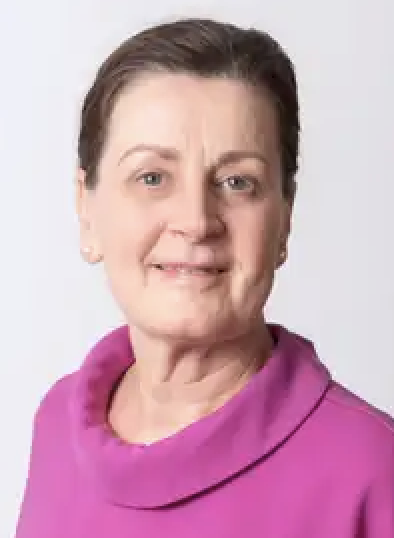 Ann Dorthe Olsen Zwisler合作论文数Department of Clinical Medicine, University of Copenhagen18
 Lau Caspar Thygesen合作论文数National Institute of Public Health, The Faculty of Health Sciences, University of Southern Denmark15
 Jesper Hastrup Svendsen合作论文数13
 Kirstine Lærum Sibilitz合作论文数Department of Cardiology, Rigshospitalet10Lindschou Jane合作论文数8
 Anne Brødsgaard合作论文数Department of Paediatrics, Copenhagen University Hospital Hvidovre7
 Christian Gluud合作论文数Copenhagen Trial Unit6
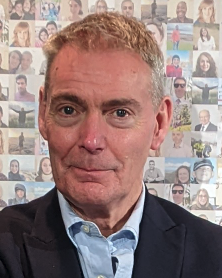 Rod Taylor合作论文数School of Health & Wellbeing, University of Glasgow;The Centre of Excellence for Trials Collaboration, University of Glasgow6Stine Rosenstrøm合作论文数4
 Signe Westh Christensen合作论文数4
 Lars Køber合作论文数Department of Clinical Medicine, Faculty of Health and Medical Sciences, University of Copenhagen;Rigshospitalet;Copenhagen University Hospital4Hassager Christian合作论文数4
 Anne Vinggaard Christensen合作论文数Statens Institut for Folkesundhed4
 Britt Borregaard合作论文数4Per Winkel合作论文数4Jens D. Hove合作论文数The Heart Center, University of Copenhagen Division of Cardiology4
 Jean-Paul Schmid合作论文数Klinik Barmelweid4
 Tone M Norekvål合作论文数Department of Heart Disease, Haukeland University Hospital;University of Bergen4Johanne Lind合作论文数3
 Henning Bundgaard合作论文数Department of Clinical Medicine, Faculty of Health and Medical Sciences, University of Copenhagen;Rigshospitalet3
 Charlotte Brun Thorup合作论文数3
 Jan H. Christensen合作论文数Department of Plant and Environmental Sciences, Exercise and Sports, Faculty of Science, University of Copenhagen2Hanne Konradsen合作论文数Department of Clinical Medicine, Faculty of Health and Medical Sciences, University of Copenhagen2
 Sine Lehn-Christiansen合作论文数Research Centre in Health Promotion, University of Roskilde2Tina Birgitte Hansen合作论文数2Jennifer H Pinney合作论文数2
 Victoria Vaughan Dickson合作论文数Rory Meyers College of Nursing, New York University2
 Ashutosh Wechalekar合作论文数University College London2
 Julian Gillmore合作论文数Centre for Amyloidosis & Acute Phase Proteins, University College London2
 Martin Balslev Jørgensen合作论文数Department of Clinical Medicine, Faculty of Health and Medical Sciences, University of Copenhagen;Institute of Clinical Medicine, University of Copenhagen;Dep O Rigshospitalet, Psychiatric Centre Copenhagen2
 Thirusha Lane合作论文数2
 Helen Lachmann合作论文数Division of Medicine, University College London2McCabe Pamela J合作论文数2Sattianayagam Prayman T合作论文数2
 Maria Wahlstrom合作论文数2
 Philip Hawkins合作论文数Centre for Amyloidosis, University College London2
 J Simon Gibbs合作论文数National Heart & Lung Institute, Faculty of Medicine, Imperial College London2Qvist Ina合作论文数2
 Lars Hermann Tang合作论文数2Wood Kathryn A合作论文数2
 Megan Streur合作论文数School of Nursing, University of Washington;Department of Biobehavioral Nursing and Health Informatics, University of Washington;Division of Cardiology, University of Washington2Schjødt Inge合作论文数2Philip Moons合作论文数2
 Jeroen Hendriks合作论文数College of Nursing and Health Sciences, Flinders University;University of Adelaide;Department of Cardiology, Royal Adelaide Hospital2Marianne W Nørgaard合作论文数1




