Background and purposeIn Europe intravenous thrombolysis (IVT) for ischaemic stroke is still not approved for patients aged >80 years. However, elderly patients are frequently treated based on individual decision making. In a retrospective observational study a consecutive and prospective stroke registry in southwest Germany was analysed.MethodsThe data registry collected 101 349 patients with ischaemic stroke hospitalized from January 2008 to December 2012. Of these, 38 575 (38%) were aged 80 years and older and 10 286 (10.1%) underwent IVT. Favourable outcome at discharge was defined as modified Rankin Scale (mRS) ≤1 or not worse than prior to stroke. Multiple logistic regression models stratified by 10‐year age groups were used to assess the relationship between IVT and mRS at discharge, adjusted for patient characteristics, admitting facility and length of hospital stay.ResultsThe highest IVT rate was 15% in patients aged <50 years, with a continuous decline down to 8% in patients aged ≥90 years. Adjusted odds ratios and 95% confidence intervals for patients 80–89 years of age were 2.20 (1.95–2.47) (P < 0.0001) and 1.25 (0.88–1.78) (P = 0.21) for patients >90 years of age, compared to patients of the same age decade not treated with IVT.ConclusionsThe evidence from routine hospital care in southwest Germany indicates that IVT is an effective treatment also for aged patients with ischaemic stroke in an age range between 80 and 89 years. Although no clear evidence for the effectiveness of IVT beyond 90 years was found, treatment should also be carefully considered in these patients. High age should not discourage from treatment.
BACKGROUND:In 1998 Baden-Wuerttemberg (BW), a federal state in southwest Germany with 10.8 million inhabitants, implemented a structured medical concept for the treatment of acute stroke.METHODS:Since 2004 participation in the BW stroke database is mandatory for all hospitals in BW involved in acute stroke care. The stroke database includes all inpatients ≥18 years of age who have suffered an ischemic or hemorrhagic stroke within 7 days before hospitalization. This article presents methodological aspects and first results of the BW stroke database in the time period from 2007 to 2011.RESULTS:Annual inclusion numbers increased continuously (29,422 vs. 35,724, p < 0.001). Median age of stroke onset was stable over time. The proportion of stroke patients ≥80 years increased from 36.9 to 38.8% (p < 0.001). Rates of patients treated in neurology departments rose from 50.7 to 60.9% (p < 0.001) and numbers of patients treated in stroke units rose from 59.1 to 68.4% (p < 0.001). Admission via emergency medical systems increased from 42.8 to 49.7% (p < 0.001) and arrival within 3 h increased from 29.8 to 34.4% (p < 0.001).CONCLUSION:We present results from a large, prospective and consecutive stroke patient database. This first analysis demonstrates a continuous increase of absolute and relative numbers of stroke patients who arrive within 3 h after onset, are hospitalized in neurology departments and treated in stroke units, and are aged ≥80 years.
 MG Hennerici合作论文数6Peter Ringleb合作论文数6
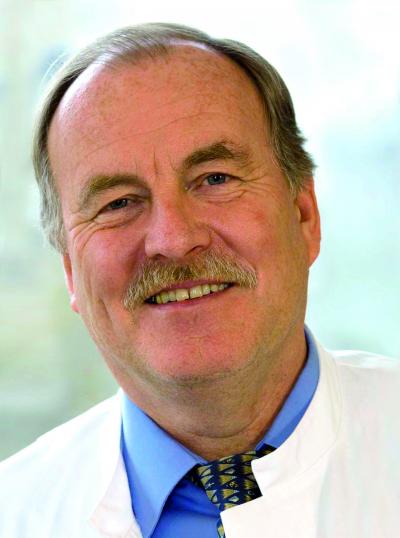 Werner Hacke合作论文数Department of Neurology, University of Heidelberg6
 Reuter Björn合作论文数Universitätsmedizin Mannheim, University of Heidelberg6
 Christoph Gumbinger合作论文数Department of Neurology Heidelberg, University of Heidelberg6Bruder I合作论文数6Rolf Kern合作论文数6Wiethoelter Horst合作论文数5T. Sauer合作论文数4
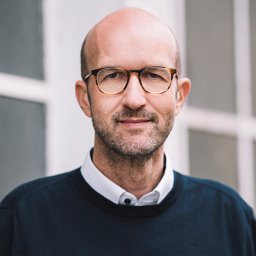 Christian Stock合作论文数Department of Urology, University of Heidelberg3
 Stefan Neumaier合作论文数2Curt Diehm合作论文数2
 Michael Daffertshofer合作论文数2
 Walter Maetzler合作论文数1H Wiethölter合作论文数1Meredith Edwards合作论文数1Druckerei Stückle合作论文数1Monica Bartulos合作论文数1Ahunna Onyenwenyi合作论文数1
 Chieh-Sen Chuang合作论文数1Corinne LeReun合作论文数1
 David Castro-Diaz合作论文数1Mamuka Teneishvili合作论文数1Alain Ruffion合作论文数1
 Joseph Chee Chang合作论文数Allen Institute for Artificial Intelligence1Fung-Chang Sung合作论文数1W Habscheid合作论文数1Marta Serrano合作论文数1
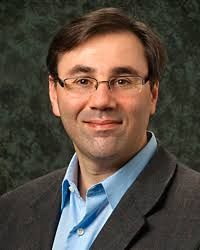 Gustavo Saposnik合作论文数Department of Medicine, Temerty Faculty of Medicine, University of Toronto1
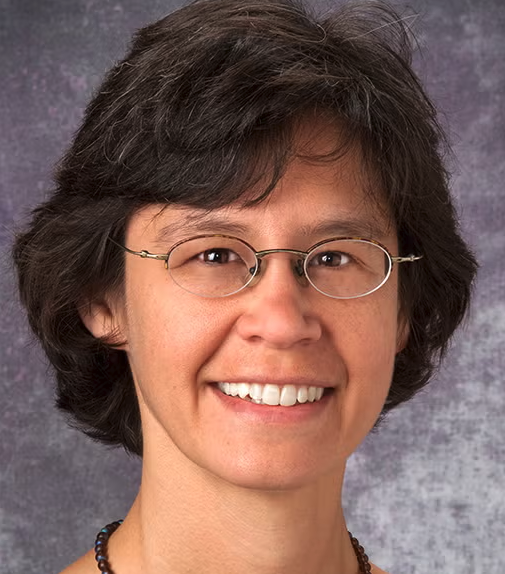 Beth E. Snitz合作论文数Department of Neurology, School of Medicine, University of Pittsburgh;Alzheimer Disease Research Center, University of Pittsburgh1Liepelt-Scarfone Inga合作论文数1
 Kwasa Judith合作论文数Center for Microbiology Research Kenya Medical Research Institute1Richard Price合作论文数Weill Institute for Neurosciences, School of Medicine, University of California, San Francisco1
 Kristian Steen Frederiksen合作论文数Dept Neurol, Univ Copenhagen1Jacquin Agnès合作论文数1
 Cheng-Li Lin合作论文数Management Office for Health Data, China Medical University Hospital1Meyer Ana-Claire合作论文数San Francisco General Hospital, University of California1Daubail Benoit合作论文数1Carol Chelimo合作论文数Department of Paediatrics, Child and Youth Health, School of Medicine, Faculty of Medical and Health Sciences, The University of Auckland1
 Maarten Timmers合作论文数1
 Ming-Chia Mellissa Lin合作论文数1Sobol Nanna Aue合作论文数1
 Nina Beyer合作论文数1Ruiz E合作论文数1Hoffmann Kristine合作论文数1Bormann Christian合作论文数1Müller Katharina合作论文数1Gauss Katharina合作论文数1Drewitz E合作论文数1




