Phytoplankton are primary producers in the aquatic ecosystems whose pigments, cell size, and physiological state affect how they absorb light and fix carbon. The phytoplankton absorption coefficient (ɑph(λ)) in the visible spectrum is a fundamental cellular optical property that determines phytoplankton–light interactions in the marine environment. This property links biological processes to ocean color remote sensing reflectance (Rrs), enabling an assessment of environmental and biogeochemical conditions in the ocean using ocean color satellites. This study presents a multi-stage systematic review of six decades (1965–2025) of ɑph(λ) research, with a focused synthesis of developments in the past decade. A bibliometric analysis empirically examines the research growth of the field and its thematic convergence into methodological divergence across six decades. Cluster analysis was used to compile influential research topics as well as emerging trends, to determine the scope and design of the systematic review. A focused systematic review of studies in the past decade (2015–2025) has been carried out to identify conceptual and theoretical advances, major observational and algorithmic improvements, and ongoing challenges. The data analyses highlight the accuracy achieved by various studies, the complexity of applications of algorithms, and product-focused developments. The ongoing challenges identified include resolving optical degeneracy, vertical structure acquisition, and scaling methods for operational use. This review concludes the centrality of ɑph(λ) as a key parameter to next-generation ocean color science, biogeochemical modeling, and climate-related ecosystem monitoring.
We developed a habitat suitability index (HSI) model for predicting the fishery potential and future climate-change-related habitat shifts for dolphinfish (Coryphaena hippurus) in the Western Pacific Ocean. We collected data on oceanographic variables, including sea surface temperature (SST), sea surface salinity (SSS), sea surface height (SSH), mixed layer depth (MLD), sea surface chlorophyll-a concentration (SSC), sea surface dissolved oxygen (OXG), and eddy kinetic energy (EKE), and fishery data from Taiwanese dolphinfish longline vessels for the 2017–2020 period. With satellite-derived remotely sensed oceanographic data becoming increasingly available, HSI models may prove useful for evaluating potential changes in habitat suitability caused by oceanographic phenomena and for providing scientific advice for management. We initially constructed arithmetic mean model (AMM)- and geometric mean model (GMM)-based HSI models and assessed them according to the lowest Akaike information criterion (AIC). We eventually selected the AMM-based model (AIC value: −15.12 for AMM vs. −13.93 for GMM). The suitable SST, SSS, SSH, MLD, SSC, OXG, and EKE ranges for dolphinfish habitats were 26 °C–29.5 °C, 34–34.4 PSU, 0.43–0.84 m, 6–26 m, 0.08–0.32 mgm−3, 200–212 mmolm−3, and 0.09–0.7 m2s−2, respectively. Temporal habitat persistence analysis revealed consistently high suitability zones closely aligned with observed standardized catch per unit effort (SCPUE) trends, confirming the model's utility as a proxy for fishing opportunity. Mid-century (2050) projections revealed that suitable dolphinfish habitats shifted southward under future climate scenarios, with the most pronounced shift occurring under the lower-emission Representative Concentration Pathway (RCP) 2.6 scenario. However, late-century (2100) projections indicated a northward shift in suitable habitats, particularly under the higher-emission RCP 8.5 scenario. These shifts highlight the need for climate-resilient, adaptive fishery management strategies that can inform future conservation efforts and facilitate habitat management for enhanced ecological monitoring.
Light absorption by microscopic phytoplankton in marine ecosystems is a crucial process underpinning biological production and global biogeochemical cycles. Accurate estimation of phytoplankton absorption coefficients, an inherent optical property of ocean water, can improve remote sensing applications including spectral photosynthesis models and assessments of ocean health, biodiversity, and climate change impacts. However, considerable uncertainty exists in current satellite retrievals of phytoplankton absorption coefficients, particularly for aph(676)-the phytoplankton absorption peak at red wavelengths near 676 nm-which is an input to several novel and advanced satellite algorithms. This uncertainty hinders operational use of algorithms for assessing phytoplankton physiology, size structure and oceanic carbon pools from space. We aimed to improve satellite-based estimation of aph (676) using advanced machine learning (ML) techniques. We compiled a comprehensive in situ dataset (n = 1576) of aph(676) from published databases and matched with remote-sensing reflectance Rrs at six wavelengths (412, 443, 490, 510, 560, and 665 nm) from the Ocean Colour Climate Change Initiative. We extensively evaluated multiple base ML algorithms: Random Forest (RF), Gradient Boosting Machines, and Linear Regression; and implemented ensemble ML models: RF with Grid Search Cross-Validation, eXtreme Gradient Boosting Ensembled Model, Ensemble Forecast, Stacked Voting, Optimised Ensemble and Meta Stacking, integrating the base models through cross-validated hyper-parameter tuning. Meta Stacking outperformed individual ML models in predictive accuracy across temporal resolutions, showing best results with daily composites. Our study addresses key limitations of previous models, including small training datasets, inconsistent performances, and lack of ensemble comparisons. We present a robust, extensively trained and validated ensemble ML model that significantly improves aph(676) estimation and opens the possibility of routinely using in ocean colour remote sensing.
Cope’s rule posits that evolution gradually increases the body size in lineages. Over the last decades, two schools of thought have fueled a debate on the applicability of Cope’s rule by reporting empirical evidence, respectively, for and against Cope’s rule. The apparent contradictions thus documented highlight the need for a comprehensive process-based synthesis through which both positions of this debate can be understood and reconciled. Here, we use a process-based community-evolution model to investigate the eco-evolutionary emergence of Cope’s rule. We report three characteristic macroevolutionary patterns, of which only two are consistent with Cope’s rule. First, we find that Cope’s rule applies when species interactions solely depend on relative differences in body size and the risk of lineage extinction is low. Second, in environments with higher risk of lineage extinction, the recurrent evolutionary elimination of top predators induces cyclic evolution toward larger body sizes, according to a macroevolutionary pattern we call the recurrent Cope’s rule. Third, when interactions between species are determined not only by their body sizes but also by their ecological niches, the recurrent Cope’s rule may get inverted, leading to cyclic evolution toward smaller body sizes. This recurrent inverse Cope’s rule is characterized by highly dynamic community evolution, involving the diversification of species with large body sizes and the extinction of species with small body sizes. To our knowledge, these results provide the first theoretical foundation for reconciling the contrasting empirical evidence reported on body-size evolution.
The particle size distribution (PSD) of suspended particles in near-surface seawater is a key property linking biogeochemical and ecosystem characteristics with optical properties that affect ocean color remote sensing. Phytoplankton size affects their physiological characteristics and ecosystem and biogeochemical roles, e.g., in the biological carbon pump, which has an important role in the global carbon cycle and thus climate. It is thus important to develop capabilities for measurement and predictive understanding of the structure and function of oceanic ecosystems, including the PSD, phytoplankton size classes (PSCs), and phytoplankton functional types (PFTs). Here, we present an ocean color satellite algorithm for the retrieval of the parameters of an assumed power-law PSD. The forward optical model considers two distinct particle populations: phytoplankton and non-algal particles (NAPs). Phytoplankton are modeled as coated spheres following the Equivalent Algal Populations (EAP) framework, and NAPs are modeled as homogeneous spheres. The forward model uses Mie and Aden-Kerker scattering computations, for homogeneous and coated spheres, respectively, to model the total particulate spectral backscattering coefficient as the sum of phytoplankton and NAP backscattering. The PSD retrieval is achieved via spectral angle mapping (SAM), which uses backscattering end-members created by the forward model. The PSD is used to retrieve size-partitioned absolute and fractional phytoplankton carbon concentrations (i.e., carbon-based PSCs), as well as particulate organic carbon (POC), using allometric coefficients. This model formulation also allows the estimation of chlorophyll a concentration via the retrieved PSD, as well as percent of backscattering due to NAPs vs. phytoplankton. The PSD algorithm is operationally applied to the merged Ocean Colour Climate Change Initiative (OC-CCI) v5.0 ocean color data set. Results of an initial validation effort are also presented using PSD, POC, and picophytoplankton carbon in situ measurements. Validation results indicate the need for an empirical tuning for the absolute phytoplankton carbon concentrations; however these results and comparison with other phytoplankton carbon algorithms are ambiguous as to the need for the tuning. The latter finding illustrates the continued need for high-quality, consistent, large global data sets of PSD, phytoplankton carbon, and related variables to facilitate future algorithm improvements.
Small pelagic fish (SPF) play an important ecological role by facilitating energy transfer in marine ecosystems, from lower to higher trophic levels. The Celtic Seas ecoregion is home to several economically important SPF that spend some or all their life in these waters. In recent decades, major changes in the relative abundances of the 6 main SPF in the region (anchovy, herring, horse mackerel, mackerel, sardine, and sprat) have been observed. Changes in the region may impact SPF, and previous studies in neighbouring seas have highlighted possible diet overlap of these species; therefore, it is important to understand the changes in diet overlap and trophic relationships, particularly across different seasons. Consequently, we investigated the seasonal diet composition of these 6 SPF in the Celtic Seas ecoregion, identified diet overlap, and determined species selectivity towards prey size. Combining historical and new observations on fish-stomach contents, diet-overlap indices were computed to quantify potential seasonal intra- and inter-specific overlap. Diet overlaps among species changed between seasons; in particular, sprat and anchovy changed significantly between spring and autumn, and mackerel between spring, summer, and winter. SPF species primarily consumed calanoid copepods, with herring and horse mackerel having more selective diets compared to mackerel, anchovy, and sardine. All species fed at similar trophic levels between seasons. To our knowledge, this study is the first to show seasonal variability in diet overlap among the 6 SPF in the Celtic Seas ecoregion. These results can improve the understanding of feeding dynamics for SPF in ecosystem model outputs.
S1 Assessment and propagation of uncertaintiesThe Monte Carlo simulations (N=3000) of the two-population Mie scattering model were used to estimate uncertainty of the retrieved PSD parameters that is due to assumptions of the values of the model input parameters.The input distributions from which the varying input parameters were sampled for the Monte Carlo simulations are shown in main text Tables 1 and2.This approach resulted in 3000 different realizations of modeled spectral b bp , for each ξ input value.The median of all realizations is used as the SAM end-members, and Kruskal-Wallis analysis of variance is used to determine class similarity (where each input ξ value represents a class).This analysis determined, for each class, the neighboring classes that are statistically not different from it (at the 5% significance level) in terms of spectral angle.This gave a range of possible retrieved ξ values.This range is not always symmetric, but it is approximated as a symmetric 95% confidence interval (CI) and converted to standard deviation for use in subsequent analytical error propagation.The standard deviation of the corresponding N 0 parameter across all similar classes and all Monte Carlo realizations is used as the uncertainty estimate for N 0 .
The northern stock of European sea bass (Dicentrarchus labrax) is a large, high value, slow growing and late maturing fish that is an important target species for both commercial and recreational fisheries. Around the UK, scientific assessments have shown a rapid eight-year decline in spawning stock biomass since 2010 attributed to poor recruitment; this was likely driven by environmental factors and high fishing mortality. Management of the stock is informed by scientific assessments in which a population model is fitted to the available data and used to forecast the possible consequences of various catch options. However, the model currently used cannot represent the spatial distribution of the stock or any effects of environmental variability. One approach that may be used to represent the effects of spatial and temporal variation in environmental drivers is with Individual based models (IBMs). In IBMs populations are represented by their constituent individuals that interact with their environment and each other. The mechanistic nature of IBMs is often advantageous as a management tool for complex systems including fisheries. Here we add to an existing IBM to produce a spatio-temporally explicit IBM of the northern stock of sea bass in which individual fish respond to local food supply and sea surface temperature. All life stages (i.e., pelagic stages, juvenile and mature fish) are modelled and individual fish have their own realistic energy budgets driven by observed dynamic maps of phytoplankton density and sea surface temperature. The model is calibrated using Approximate Bayesian Computation (ABC). After calibration by ABC the model gives good fits to key population parameters including spawning stock biomass. The model provides a mechanistic link between observed local food supplies and sea surface temperatures and overall population dynamics. Plots of spatial biomass distribution show how the model uses the energy budget to predict spatial and temporal change in sea bass biomass distribution in response to environmental variability. Our results indicate that the IBM is a promising approach that could be used to support stock assessment with scope for testing a range of spatially and temporally explicit management scenarios in addition to testing stock responses to novel environmental change.
Microscopic marine phytoplankton are crucial for the survival of marine animals and sustainability of marine food webs. Developing our capability to estimate and monitor the calorific value of marine phytoplankton in the global ocean is, therefore, invaluable. Using satellite remote-sensing, Roy (2018) reported the first global estimates of phytoplankton macromolecular concentrations based on a novel semi-analytical ocean-colour algorithm. The complete retrieval method builds on semi-analytical computational steps that were developed independently and were customised for ad-hoc applications to certain ocean-colour repository. Given the increasing interest in applying this method in local, regional and global scales, the technical details and customizations associated with the method is presented in this paper.•The method is presented with extensive level of technical details with illustrations, so that the users can follow this standalone document and implement the method on a coding platform of their choice.•The method can be implemented on any satellite ocean-colour repository, and at any spatial or temporal resolution.•Given that a wide variety of software packages are used in the field of ocean-colour algorithms and that the users may be constrained with certain coding platforms, no specific software package is made mandatory to implement the method.
Climate change and fishing represent two of the most important stressors facing fish stocks. Forecasting the consequences of fishing scenarios has long been a central part of fisheries management. More recently, the effects of changing climate have been simulated alongside the effects of fishing to project their combined consequences for fish stocks. Here, we use an ecological individual-based model (IBM) to make predictions about how the Northeast Atlantic mackerel (NEAM) stock may respond to various fishing and climate scenarios out to 2050. Inputs to the IBM include Sea Surface Temperature (SST), chlorophyll concentration (as a proxy for prey availability) and rates of fishing mortality F at age. The climate scenarios comprise projections of SST and chlorophyll from an earth system model GFDL-ESM-2M under assumptions of high (RCP 2.6) and low (RCP 8.5) climate change mitigation action. Management scenarios comprise different levels of F, ranging from no fishing to rate Flim which represents an undesirable situation for management. In addition to these simple management scenarios, we also implement a hypothetical area closure in the North Sea, with different assumptions about how much fishing mortality is relocated elsewhere when it is closed. Our results suggest that, over the range of scenarios considered, fishing mortality has a larger effect than climate out to 2050. This result is evident in terms of stock size and spatial distribution in the summer months. We then show that the effects of area closures are highly sensitive to assumptions about how fishing mortality is relocated elsewhere after area closures. Going forward it would be useful to incorporate: (1) fishing fleet dynamics so that the behavioral response of fishers to area closures, and to the stock’s spatial distribution, can be better accounted for; and (2) additional climate-related stressors such as ocean acidification, deoxygenation and changes in prey composition.
In 2018 we published a spatially-explicit individual-based model (IBM) that uses satellite-derived maps of food availability and temperature to predict Northeast Atlantic mackerel (Scomber scombrus, NEAM) population dynamics. Since then, to address various ecological questions, we have extended the IBM to include additional processes and data. Throughout its development, technical documents have been provided in the form of e.g. supplementary information to published articles. However, we acknowledge that it would be difficult for potential users to collate information from separate supplementary documents and gain a full understanding of the current state of the IBM. Here, we provide a full technical specification of the latest version of our IBM. The technical specification is provided in the standard ODD (Overview, Design concepts and Details) format, and supplemented by a TRACE (TRAnsparent and Comprehensive model Evaludation) document. For the first time, we give our model the acronym SEASIM-NEAM: a Spatially-Explicit Agent-based SIMulator of North East Atlantic Mackerel population dynamics. This article supersedes previous documentation. Going forward we hope that this article will stimulate development of similar models.•This article collates improvements that have been made to SEASIM-NEAM over time.
Fish are increasingly exposed to anthropogenic stressors from human developments and activities such as agriculture, urbanization, pollution and fishing. Lethal impacts of these stressors have been studied but the potential sublethal impacts, such as behavioural changes or reduced growth and reproduction, have often been overlooked. Unlike mortality, sublethal impacts are broad and difficult to quantify experimentally. As a result, sublethal impacts are often ignored in regulatory frameworks and management decisions. Building on established fish bioenergetic models, we present a general method for using the population consequences of disturbance framework to investigate how stressors influence ecologically relevant life processes of fish. We partition impact into the initial energetic cost of attempts to escape from the stressor, followed by the energetic impacts of any injury or behavioural change, and their consequent effects on life processes. As a case study, we assess the sublethal effects of catch and release angling for the European sea bass (Dicentrachus labrax,Moronidae), a popular target species for recreational fishers. The energy budget model described is not intended to replace existing experimental approaches but does provide a simple way to account for sublethal impacts in assessment of the impact of recreational fisheries and aid development of robust management approaches. There is potential to apply our energy budget approach to investigate a broad range of stressors and cumulative impacts for many fish species while also using individual-based models to estimate population-level impacts.
Over recent years the summer feeding distribution of Northeast Atlantic mackerel (NEAM, Scomber scombrus) has expanded from its traditional core in the Norwegian Sea, northwards towards Svalbard, and westward as far as Greenland. Food availability, temperature and an increase in spawning stock biomass (SSB) are reported to be possible drivers of the distribution, but quantifying the relative contributions of these factors is difficult. Previously we developed a bioenergetics individual-based model (IBM) that uses satellite-derived maps of food availability and temperature to predict NEAM population dynamics. Here, we extend the model to explore the ways in which individuals move in search of food in the summer. We construct models of four possible search mechanisms differing in (1) the extent of the area over which individuals can perceive the environment; and (2) whether or not individuals respond to the local density of conspecifics by avoiding areas in which competition is more intense. We report that the best matches to available data over 2007-2015 are obtained when the local density of competitors is taken into account, and individuals move in response to local gradients in feeding opportunities. To determine whether the IBM is able to reproduce the observed north and westward expansion, we record total distribution area, and predicted centre of gravity in terms of latitude and longitude, over 2005-2015. The IBM successfully predicts an increase in distribution area, and a northward shift in centre of gravity, over the time series. It also predicts a westward shift in centre of gravity, but to a much lesser extent than has been observed in surveys and the fishery. The inability of our IBM to capture the full extent of the westward expansion suggests that it does not account for all relevant drivers of the NEAM summer distribution. Going forward we hope that our model can be: (1) extended to explore additional drivers of the summer distribution (e.g. currents); and (2) used in a strategic capacity to predict how the NEAM stock may respond to future climate and management scenarios.
COVID-19 coronavirus pandemic has virtually locked down the entire world of human population, and through its rapid and unstoppable spread COVID-19 has essentially compartmentalised the population merely into susceptible, exposed, infected and recovered classes. Adapting the classical epidemic modelling framework, two distinct routes of COVID-19 transmission are incorporated into a model: (a) direct person-to-person contact transmission, and (b) indirect airborne and fomites-driven transmission. The indirect non-contact transmission route needs to explored in models of COVID-19 spread, because evidences show that this route of transmission is entirely viable with hugely uncertain level of relative contribution. This theoretical study based on model simulations demonstrates the following: (1) Not incorporating indirect transmission route in the model leads to underestimation of the basic reproduction number, and hence will impact on the COVID-19 mitigation decisions; (2) Lockdown measures can suppress the primary infection peak, but will lead to a secondary peak whose relative strength and time of occurrence depend on the success and duration of the lockdown measures; (3) To make lockdown effective, a considerable level of reduction in both contact and non-contact transmission rates over a long period is required; (4) To bring down the infection cases below any hypothetical health-care capacity, reduction of non-contact transmission rate is key, and hence active measures should be taken to reduce non-contact transmission (e.g., extensive uses of areal and aerosol disinfectant in public spaces to improve contaminated surfaces and air); (5) Any premature withdrawal of lockdown following the sign of a brief retracement in the infection cases can backfire, and can lead to a quicker, sharper and higher secondary peak, due to reactivation of the two transmission routes. Based on these results, this study recommends that any exit policy from lockdown, should take into account the level of transmission reduction in both routes, the absolute scale of which will vary among countries depending on their health-service capacity, but should be computed using accurate time-series data on infection cases and transmission rates.
The European sea bass (Dicentrarchus labrax) is a slow growing and late maturing high value fish that is exploited by both commercial and recreational fisheries. In recent years, scientific assessments have shown a rapid decline in spawning stock biomass around the UK attributed to poor recruitment (driven by environmental factors) and high fishing mortality. This resulted in significant reductions in the harvest of sea bass following technical measures implemented by the European Commission to conserve stocks. Individual-based models (IBMs) are simulations of individual 'agents' of organisms that interact with each other and their environment locally and have been shown to be effective management tools in many systems. Here, an IBM that simulates the population dynamics and spatial distribution of sea bass was developed to assess how technical management measures applied to subsets of the population impact the overall stock. Conventional stock assessment techniques were used to model the processes affecting population dynamics, while the spatial distribution was simulated using a combination of temperature preferences and information from tagging studies. The IBM was parameterised using existing knowledge from the literature and can mimic key assessment outputs used to inform management and advice on fishing opportunities. Utility of the IBM is demonstrated by simulating the population consequences of several key management scenarios based on those implemented by the European Commission, including short-term bans on pelagic trawling in spawning areas, commercial and recreational catch limits and increasing the minimum conservation reference size. The IBM has potential to complement the annual stock assessment in managing European sea bass because it models individual movement, environmental drivers and emergent spatial distribution, thereby providing enhanced predictions of management strategy outcomes that could inform spatial advice on fishing opportunities and policy.
Sources of uncertainty in a marine biogeochemical model include input from physical processes and the choice of functional forms representing the strength and dependencies of biogeochemical processes. This study explores characteristic signatures from these uncertainties by generating ensembles from perturbing the biogeochemistry equations and perturbing physical input using a 1-D intermediately-complex model run at five oceanographic stations. Perturbed biogeochemistry ensemble (PBE) produces larger spreads than perturbed physics ensemble (PPE), and distinctly different ensemble variations. Fractions of nitrogen in phytoplankton pool from observations show a larger variability than in any single model-ensemble member, but the PBE spread generally captures this variability, whereas the PPE spread does not. The results show that the PBE method gives a more realistic representation of uncertainty than PPE in our 1D-model setup. Our method needs to be tested in more complex models in order to understand its significance on larger scales.
Ocean colour is recognised as an Essential Climate Variable (ECV) by the Global Climate Observing System (GCOS); and spectrally-resolved water-leaving radiances (or remote-sensing reflectances) in the visible domain, and chlorophyll-a concentration are identified as required ECV products. Time series of the products at the global scale and at high spatial resolution, derived from ocean-colour data, are key to studying the dynamics of phytoplankton at seasonal and inter-annual scales; their role in marine biogeochemistry; the global carbon cycle; the modulation of how phytoplankton distribute solar-induced heat in the upper layers of the ocean; and the response of the marine ecosystem to climate variability and change. However, generating a long time series of these products from ocean-colour data is not a trivial task: algorithms that are best suited for climate studies have to be selected from a number that are available for atmospheric correction of the satellite signal and for retrieval of chlorophyll-a concentration; since satellites have a finite life span, data from multiple sensors have to be merged to create a single time series, and any uncorrected inter-sensor biases could introduce artefacts in the series, e.g., different sensors monitor radiances at different wavebands such that producing a consistent time series of reflectances is not straightforward. Another requirement is that the products have to be validated against in situ observations. Furthermore, the uncertainties in the products have to be quantified, ideally on a pixel-by-pixel basis, to facilitate applications and interpretations that are consistent with the quality of the data. This paper outlines an approach that was adopted for generating an ocean-colour time series for climate studies, using data from the MERIS (MEdium spectral Resolution Imaging Spectrometer) sensor of the European Space Agency; the SeaWiFS (Sea-viewing Wide-Field-of-view Sensor) and MODIS-Aqua (Moderate-resolution Imaging Spectroradiometer-Aqua) sensors from the National Aeronautics and Space Administration (USA); and VIIRS (Visible and Infrared Imaging Radiometer Suite) from the National Oceanic and Atmospheric Administration (USA). The time series now covers the period from late 1997 to end of 2018. To ensure that the products meet, as well as possible, the requirements of the user community, marine-ecosystem modellers, and remote-sensing scientists were consulted at the outset on their immediate and longer-term requirements as well as on their expectations of ocean-colour data for use in climate research. Taking the user requirements into account, a series of objective criteria were established, against which available algorithms for processing ocean-colour data were evaluated and ranked. The algorithms that performed best with respect to the climate user requirements were selected to process data from the satellite sensors. Remote-sensing reflectance data from MODIS-Aqua, MERIS, and VIIRS were band-shifted to match the wavebands of SeaWiFS. Overlapping data were used to correct for mean biases between sensors at every pixel. The remote-sensing reflectance data derived from the sensors were merged, and the selected in-water algorithm was applied to the merged data to generate maps of chlorophyll concentration, inherent optical properties at SeaWiFS wavelengths, and the diffuse attenuation coefficient at 490 nm. The merged products were validated against in situ observations. The uncertainties established on the basis of comparisons with in situ data were combined with an optical classification of the remote-sensing reflectance data using a fuzzy-logic approach, and were used to generate uncertainties (root mean square difference and bias) for each product at each pixel.
It has been hypothesized that allelopathy can prevent competitive exclusion and promote phytoplankton diversity in aquatic ecosystems, where numerous species coexist on a limited number of resources. However, experimental proof‐of‐principle is not available to support this hypothesis. Here we present the first experimental evidence to support this hypothesis by demonstrating that allelopathy promotes the coexistence of two phytoplankton species, Ankistrodesmus falcatus and Oscillatoria sp., that compete for a single limiting nutrient. By performing long‐term competition experiments in nitrate‐limited continuous cultures, and by describing the population dynamics using a mechanistic model, we demonstrate that when allelopathy comes into play, one of the following outcomes is possible depending on the relative initial abundances of the species: dominance of the stronger competitor for nitrate (the non‐allelopathic species), oscillatory coexistence, or dominance of the weaker competitor (the allelopathic species). Our model analysis revealed that sustained oscillatory coexistence of the two species would be a common outcome of this experiment. Our study confirms for the first time, based on laboratory experiments combined with mechanistic models, that allelopathy can alter the predicted outcome of inter‐specific competition in a nutrient‐limited environment and increase the potential for the coexistence of more species than resources, thereby contributing to the identification of endogenous mechanisms that explain the extreme diversity of phytoplankton communities.
 Joydev Chattopadhyay合作论文数Agricultural and Ecological Research Unit, Indian Statistical Institute13
 Shubha Sathyendranath合作论文数Remote Sensing Group, Plymouth Marine Laboratory11
 Trevor Platt合作论文数Plymouth Marine Laboratory9
 Richard M. Sibly合作论文数School of Biological Sciences, University of Reading7
 R. Boyd合作论文数Bell Communications Research, Inc.7
 Tihomir Kostadinov合作论文数Department of Liberal Studies, California State University San Marcos7
 Kieran Hyder合作论文数Centre for Epidemiology and Risk Analysis, VLA7
 Bob Brewin合作论文数College of Life and Environmental Sciences, University of Exeter6
 Nicola D. Walker合作论文数Lowestoft Lab, Ctr Environm Fisheries & Aquaculture Sci5
 Thorpe Robert B合作论文数Centre for Environment, Fisheries and Aquaculture Science (CEFAS), Lowestoft Laboratory Lowestoft, NR33 0HT, UK.5
 Victor Martinez-Vicente合作论文数Plymouth Marine Lab5Joseph W. Watson合作论文数3
 Nick J Hardman-Mountford合作论文数CSIRO Oceans & Atmosphere, Indian Ocean Marine Research Centre3
 Hubert Loisel合作论文数Laboratoire d’Océanologie et de Géosciences, University of the Littoral Opal Coast3
 Hajo Krasemann合作论文数3
 Takafumi Hirata (平田岳史)合作论文数Geochemical Research Center, Graduate School of Science, The University of Tokyo3
 Colleen B. Mouw合作论文数University of Rhode;Graduate School of Oceanography;Graduate School of Oceanography, University of Rhode3
 Annick Bricaud合作论文数Laboratoire de Physique et Chimie Marines3
 Astrid Bracher合作论文数Institute of Environmental;Physics and Remote Sensing;University of Bremen;Institute of Environmental|Physics and Remote Sensing, University of Bremen3Toru Hirawake合作论文数Graduate School of Fisheries Sciences, Hokkaido University3
 Julia Uitz合作论文数Laboratoire d’Oceanographie de Villefranche, Institut de la Mer de Villefranche,3Ruediger Roettgers合作论文数2Thomas Jackson合作论文数2
 Prima Anugerahanti合作论文数2
 Christina Eunjin Kong合作论文数Plymouth Marine Lab2
 Daniel Jorge合作论文数Univ Lille, Univ Littoral Cote dOpale2Ekaterina Kochetkova合作论文数2
 Stéphane Maritorena合作论文数Earth Research Institute, University of California Santa Barbara2
 Irina Marinov合作论文数Department of Earth and Environmental Science, School of Arts & Sciences, University of Pennsylvania2
 Fritz Aldinger合作论文数University of Stuttgart;Max Planck Institute for Metals Research2
 Stewart Bernard合作论文数2Robertson Lain L合作论文数2
 Hayley Evers-King合作论文数2
 Duncan Clare合作论文数Institute of Zoology, Zoological Society of London2
 Shariful Alam合作论文数2
 Bror Jonsson合作论文数Department of Oslo, Norwegian Institute for Nature Research2Xiaodong Zhang (张晓东)合作论文数Ctr MicroNano Mfg Technol, State Key Lab Precis Measuring Technol & Instrume, Tianjin Univ2
 Anna Musinu合作论文数Dipartimento di Scienze Chimiche, Via Ospedale 72, I-09124 Cagliari, Italy2
 Guido Ennas合作论文数Dipartimento di Scienze Chimiche SS554 bivio per Sestu, Università di Cagliari2
 Martin Wegmann合作论文数Institute of Geography and Geology, Julius-Maximilians-University Würzburg2
 Anna Cabre合作论文数Institut de Ciencies de l'Espai2
 Anna Hickman合作论文数Southampton Marine and Maritime Institute, Faculty of Engineering and Physical Sciences, University of Southampton2
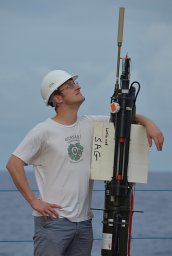 Giorgio Dall'Olmo合作论文数Center for Advanced Land Management Information Technologies;University of Nebraska2
 Harish Vedantham合作论文数Netherlands Institute for Radio Astronomy;University of Groningen2
 Kate S. He合作论文数2
 Keith Haines合作论文数Department of Meteorology;Edinburgh University;Department of Meteorology, Edinburgh University2
 Nathalie Pettorelli合作论文数Institute of Zoology, Zoological Society of London2Jonas Gregorio de Souza合作论文数1shinichiro katahira合作论文数1




