sociocultural factors related to the doctor-patient relationship, such as feelings of trust, similarity, and liking, may mediate previously reported racial discordance effects.In the present study, we tested the effects of doctor-patient shared group membership and patient ratings of doctor similarity, trust and liking on patient reported pain during simulated clinical interactions.A mixed-ethnicity sample of 80 participants (40 male), age 19-54 years old, was divided into two groups ostensibly based on the similarity of their self-reported beliefs (actually random), and then randomly assigned the role of doctor or patient.Participants took part in two simulated clinical interactions in which patients rated pain from 16 thermal heat stimulations delivered by an ingroup or outgroup doctor.Patients reported greater trust, similarity, and liking of ingroup than outgroup doctors, and patients' average ratings of their feelings towards their doctors predicted both continuous pain intensity rating during each heat stimulation and overall pain intensity rating completed after each heat stimulation.These results suggest that interventions aimed at increasing patient feelings of trust, similarity, and liking to their doctors may decrease patient reported pain during medical care regardless of racial and ethnic discordance.Such interventions may help mitigate the negative impact of doctor-patient racial and ethnic discordance in pain treatment.
OBJECTIVE:Arthritis has been an associated finding in juvenile dermatomyositis (JDM), but its prevalence, course, and response to therapy has not been well described. We investigated the frequency, course, and clinical and radiographic features in a large cohort of patients with JDM.METHODS:The charts of 94 patients with idiopathic myositis (1984-99) were reviewed: 80 JDM, 3 juvenile polymyositis (JPM), 5 amyopathic JDM, and 6 overlap myositis syndromes. Compiled data included demographics, clinical features, a detailed description of the arthritis, investigations (radiographs, autoantibodies), course, and response to therapy. All radiographs were independently reviewed by a single radiologist.RESULTS:Sixty-one percent (95% CI 50-72%) of patients with JDM had arthritis. The arthritis was reported a median 4.5 mo (range -73.6 to 76.6 mo) after the JDM onset. When compared to patients with no arthritis, the occurrence of arthritis was not significantly related to sex, race, positive antinuclear antibody or rheumatoid factor, calcinosis, nodules, vasculitis, or Raynaud's phenomenon. The initial involvement was pauciarticular in 67% and polyarticular in 33%. In the pauci group, asymptomatic knee effusions were the predominant finding (n = 19, 58%), and in 18 patients may have been the result of steroid therapy. Two patients evolved from a pauci onset to a polyarticular course. All responded to therapy (corticosteroids; 47 were taking other medications) with remission of the arthritis within a median of 2.0 mo (range 0.1-64.5 mo). However, the arthritis recurred in 39% as the corticosteroids were tapered. Four patients with JDM eventually required corticosteroid wrist injections, with resolution of the arthritis. The arthritis was nonerosive in all cases. No patient with JPM had arthritis. Three of 5 patients with amyopathic JDM and 4 of 6 with overlap myositis syndrome had a nonerosive polyarthritis.CONCLUSION:Nonerosive arthritis involving the knees, wrists, elbows, and fingers is a frequent manifestation of JDM and other idiopathic childhood myositis. The arthritis is seen early in the course of JDM and often responds to treatment. However, the arthritis may recur with tapering of corticosteroids despite remission of the JDM. In a significant proportion of JDM cases, arthritis is the major sequela and may warrant further medical therapy or intraarticular corticosteroid injections.
Myasthenia gravis and polymyositis are each a rare manifestation of immune dysregulation in chronic graft-versus-host disease (cGVHD). We report a 4-year-old boy with idiopathic acquired aplastic anemia who developed myasthenia gravis 22 months and polymyositis 69 months after an allogeneic BMT (5/6 matched, MLC-nonreactive). The occurrence of both syndromes in one patient is unique. Autoimmune dysfunction may be associated with the development of cGVHD as demonstrated by the high incidence of prior aplastic anemia in BMT patients presenting with myasthenia gravis and polymyositis. Recognition of these neurologic manifestations is important in the diagnosis and treatment of cGVHD.
 Earl Silverman合作论文数Institute of Medical Science, Temerty Faculty of Medicine, University of Toronto;The Hospital for Sick Children;Paediatric Lupus Clinic6
 Feldman Brian M合作论文数5
 Rayfel Schneider合作论文数Department of Paediatrics, University of Toronto;Division of Rheumatology, The Hospital for Sick Children;Research Institute, The Hospital for Sick Children;The Bloorview MacMillan Medical Centre;Sudbury Regional Hospital;Mount Sinai Hospital2
 Lai Guan Ng (黄来源)合作论文数Myeloid Cell Biology Laboratory, School of Medicine, Westlake University2Rm Laxer合作论文数2y butbul aviel合作论文数1
 Stephanie Luca合作论文数1EA Roberts合作论文数1Ef Saunders合作论文数1B Cameron合作论文数1A Huber合作论文数1S Parker合作论文数1
 Nicole Johnson合作论文数Univ Calgary, Calgary, AB, Canada1Lynn Spiegel合作论文数Department of Paediatrics, Faculty of Arts and Science, University of Toronto;Division of Rheumatology, The Hospital for Sick Children1
 Argerie Tsimicalis合作论文数Ingram School of Nursing, Faculty of Medicine and Health Sciences, McGill University1
 Pascal Tyrrell合作论文数Department of Medical Imaging, Temerty Faculty of Medicine, University of Toronto;Demeter Innovation Lab;Pulsar Music1
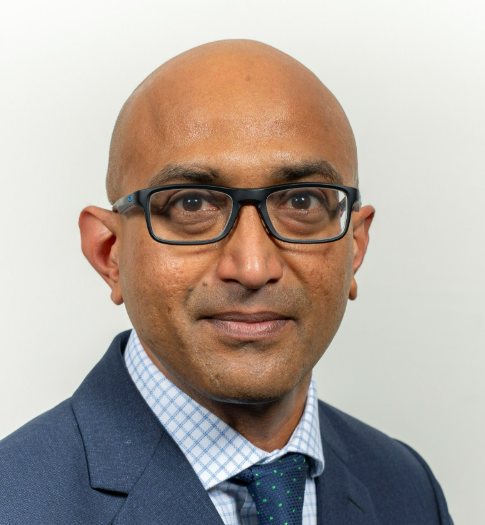 Athimalaipet Ramanan合作论文数Bristol Medical School, University of Bristol1
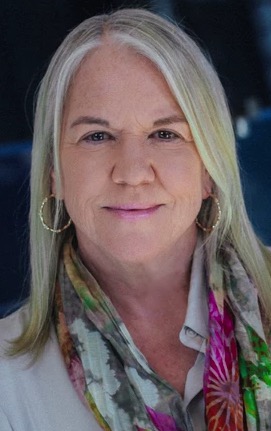 Jennifer Stinson合作论文数Lawrence S. Bloomberg Faculty of Nursing, University of Toronto;Institute of Health Policy, Management and Evaluation, University of Toronto;Pain Centre, The Hospital for Sick Children1
 Duffy Ciarán M合作论文数Childrens Hosp Eastern Ontario1
 Mark Connelly合作论文数Children's Mercy Hospitals and Clinics1M Gordon合作论文数1
 Berard Roberta A合作论文数From Western University;Children's Hospital, London Health Sciences Centre;Toronto General Research Institute, University Health Network;Division of Rheumatology, the Hospital for Sick Children;Cell Biology Program, the Hospital for Sick Children Research Institute;Dalla Lana School of Public Health, University of Toronto;Institute for Work and Health, Mount Sinai Hospital;Department of Medicine, University Health Network and Mount Sinai Hospital;University of Manitoba;Health Sciences Centre, Children's Hospital;Western University, University of Saskatchewan;University of Toronto, University Health Network;Toronto General Research Institute, University Health Network;Children's Hospital, University of Manitoba;University of Saskatchewan;the Dalla Lana School of Public Health, University of Toronto;the Hospital for Sick Children, University of Toro;From Western University, University of1Barsalou Julie合作论文数1Luca Nadia J C合作论文数1Ronald Laxer合作论文数Division of Rheumatology, Departments of Medicine and Paediatrics, The Hospital for Sick Children;University of Toronto1Paul Babyn合作论文数1
 Patrick Mcgrath合作论文数Department of Psychiatry, Faculty of Medicine, Dalhousie University1Sarah Campillo合作论文数1
 Eve A Roberts合作论文数1
 Lori B. Tucker合作论文数Division of Rheumatology, Department of Pediatrics, Faculty of Medicine, University of British Columbia;BC Children's Hospital1Paul Dancey合作论文数1Rotraud K. Saurenmann合作论文数1J Vajsar合作论文数1L Spiegel合作论文数1Naweed Tajuddin合作论文数1
 J. Charles Victor合作论文数Dalla Lana School of Public Health, University of Toronto1Katryn N. Furuya合作论文数1




