In the family of Vespidae there are examples of social evolution that are particular, compared to those found among other social insects. The characteristics of eusociality are, however, found only in three subfamilies, those of Stenogastrinae, Vespinae and Polistinae, but the problem of whether eusociality appeared one or two times has long been debated. Biomolecular analysis studies have definitively demonstrated that the Stenogastrinae are the representatives of a social lineage completely independent from that of the Polistinae and the Vespinae. In the present paper, I want to emphasize the various phenotypic characteristics, especially studied by the group for the study of social insects of the University of Florence, which make these social wasps different from the others.
Social wasps (Hymenoptera: Vespidae) constitute an important group of predatory insects that are particularly well-suited for transportation beyond their native habitats into new environments through commercial trade, a phenomenon that is strongly influenced by climate change. As they are predominantly predators dominating numerous natural food chains of insects, these alien species can exert serious and devastating impacts on the native entomological fauna of the new habitats they invade. Additionally, because species belonging to the subfamilies Polistinae and Vespinae possess potent stings for defending their colonies, invasive social wasps represent a public health concern due to the wide range of allergic reactions they can elicit in humans. In this paper, we review the principal invasions of social wasps into novel habitats around the world and highlight the need for efficient immunotherapies to address the allergological risks posed by alien species. We detail the recent invasion of the Asian Vespa velutina nigrithorax in Europe, where the native Vespa crabro is found, as well as the increasing presence of Vespa orientalis in northern Tuscany, Italy. We discuss the optimal immunotherapy required in cases of human stinging incidents and describe how this relates to the phylogenetic distance between the three species.
Eusocial wasps are represented in the Vespidae by the subfamilies Stenogastrinae, Vespinae and Polistinae. These wasps present colonies that are sometimes composed of thousands of individuals which live in nests built with paper materials. The high density of the adult and larval population, as well as the stable micro environment of the nests, make very favourable conditions for the flourishing of various types of microorganisms. These microorganisms, which may be pathogens, are beneficial and certainly contribute to model the sociality of these insects. The mutualistic relationships that we observe in some species, especially in Actinomycete bacteria and yeasts, could have important fallouts for the development of new medicines and for the use of these insects in agricultural environments.
In the last one-hundred years, the exponential expansion of wine making has artificialized the agricultural landscape as well as its microbial diversity, spreading human selected Saccharomyces cerevisiae strains. Evidence showed that social wasps can harbor a significant fraction of the yeast phenotypic diversity of a given area of wine production, allowing different strains to overwinter and mate in their gut. The integrity of the wasp-yeast ecological interaction is of paramount importance to maintain the resilience of microbial populations associated to wine aromatic profiles. In a field experiment, we verified whether Polistes dominula wasps, reared in laboratory and fed with a traceable S. cerevisiae strain, could be a useful tool to drive the controlled yeast dispersion directly on grapes. The demonstration of the biotechnological potential of social insects in organic wine farming lays the foundations for multiple applications including maintenance of microbial biodiversity and rewilding vineyards through the introduction of wasp associated microbiomes.
Specific Venom Immunotherapy (VIT) is practiced with venom extracted from insects, and is the specific therapy used for patients highly allergic to social insect (Hymenoptera) stings. Due to the dramatic shortage of vespid species in the local environment, we coupled vespiculture techniques of Polistes paper wasps with a venom collection procedure based on the electrical stimulation of individuals from entire colonies. The procedure involves little to no disturbance of the individual insects, and at the same time, successfully allows for the extraction of venom containing all allergens necessary for VIT.
Polistes paper wasps are a widespread taxon inhabiting various climates. They build nests in the open without a protective outer layer, which makes them vulnerable to changing temperatures. To better understand the options they have to react to environmental variation and climate change, we here compare the thermoregulatory behavior of Polistes biglumis from cool Alpine climate with Polistes gallicus from warm Mediterranean climate. Behavioral plasticity helps both of them to withstand environmental variation. P. biglumis builds the nests oriented toward east-south-east to gain solar heat of the morning sun. This increases the brood temperature considerably above the ambience, which speeds up brood development. P. gallicus , by contrast, mostly avoids nesting sites with direct insolation, which protects their brood from heat stress on hot days. To keep the brood temperature below 40–42 °C on warm days, the adults of the two species show differential use of their common cooling behaviors. While P. biglumis prefers fanning of cool ambient air onto the nest heated by the sun and additionally cools with water drops, P. gallicus prefers cooling with water drops because fanning of warm ambient air onto a warm nest would not cool it, and restricts fanning to nests heated by the sun.
Arthropods can produce a wide range of antifungal compounds, including specialist proteins, cuticular products, venoms and haemolymphs. In spite of this, many arthropod taxa, particularly eusocial insects, make use of additional antifungal compounds derived from their mutualistic association with microbes. Because multiple taxa have evolved such mutualisms, it must be assumed that, under certain ecological circumstances, natural selection has favoured them over those relying upon endogenous antifungal compound production. Further, such associations have been shown to persist versus specific pathogenic fungal antagonists for more than 50 million years, suggesting that compounds employed have retained efficacy in spite of the pathogens' capacity to develop resistance. We provide a brief overview of antifungal compounds in the arthropods’ armoury, proposing a conceptual model to suggest why their use remains so successful. Fundamental concepts embedded within such a model may suggest strategies by which to reduce the rise of antifungal resistance within the clinical milieu.
Insect societies require an effective communication system to coordinate members' activities. Although eusocial species primarily use chemical communication to convey information to conspecifics, there is increasing evidence suggesting that vibroacoustic communication plays a significant role in the behavioural contexts of colony life. In this study, we sought to determine whether stridulation can convey information in ant societies. We tested three main hypotheses using the Mediterranean ant Crematogaster scutellaris: (i) stridulation informs about the emitter'caste; (ii) workers can modulate stridulation based on specific needs, such as communicating the profitability of a food resource, or (iii) behavioural contexts. We recorded the stridulations of individuals from the three castes, restrained on a substrate, and the signals emitted by foragers workers feeding on honey drops of various sizes. Signals emitted by workers and sexuates were quantitatively and qualitatively distinct as was stridulation emitted by workers on different honey drops. Comparing across the experimental setups, we demonstrated that signals emitted in different contexts (restraining vs feeding) differed in emission patterns as well as certain parameters (dominant frequency, amplitude, duration of chirp). Our findings suggest that vibrational signaling represents a flexible communication channel paralleling the well-known chemical communication system.
Stingless bees often associate with termites, while association with ants is uncommon due to the high costs related to the aggressiveness of ants. Few combative genera of stingless bees can associate with a larger number of hosts, including ants. Here, we describe for the first time the association between a stingless bee ( Partamona testacea ) and the aggressive predator bullet ant ( Paraponera clavata ). In the study area, the colonies of P. testacea we spotted were all associated with P. clavata or Atta sp. ants. COI mitochondrial gene sequences of bees associated with bullet ants and leafcutter ants did not show any divergence, thus revealing no evidence that the two nesting strategies represent a case of cryptic speciation and specialisation on specific hosts. Bees are not unarmed respect to the bullet ants; when ants attempted to penetrate in the colony entrance, they were dragged inside the nest and covered by a resin-like substance. Behavioural experiments focused on ants in arenas and focused on bees at their nest entrance proved that the ants are significantly less aggressive toward associated bees and that guard bees are less alarmed when associated ants are presented. We verified by Gas Chromatography and Mass Spectrometry that P. testacea maintains its species-specific cuticular signature in the association with different ant species and that ants and bees possess typical colony signatures. The differential behavioural responses expressed toward associated colony members by both species are likely based on learning these heterospecific cuticular signatures as it occurs in ant parabiotic associations.
The significant risk of disease transmission has selected for effective immune-defense strategies in insect societies. Division of labour, with individuals specialized in immunity-related tasks, strongly contributes to prevent the spread of diseases. A trade-off, however, may exist between phenotypic specialization to increase task efficiency and maintenance of plasticity to cope with variable colony demands. We investigated the extent of phenotypic specialization associated with a specific task by using allogrooming in the honeybee, Apis mellifera, where worker behaviour might lower ectoparasites load. We adopted an integrated approach to characterize the behavioural and physiological phenotype of allogroomers, by analyzing their behavior (both at individual and social network level), their immunocompetence (bacterial clearance tests) and their chemosensory specialization (proteomics of olfactory organs). We found that allogroomers have higher immune capacity compared to control bees, while they do not differ in chemosensory proteomic profiles. Behaviourally, they do not show differences in the tasks performed (other than allogrooming), while they clearly differ in connectivity within the colonial social network, having a higher centrality than control bees. This demonstrates the presence of an immune-specific physiological and social behavioural specialization in individuals involved in a social immunity related task, thus linking individual to social immunity, and it shows how phenotypes may be specialized in the task performed while maintaining an overall plasticity.
Eusocial insect colonies represent some of the most extreme examples of specialized division of labor. Ageing in workers is often associated with a temporal polyethism in the tasks performed both inside and outside the colony. Such behavioral transition is sometimes linked to a gradual reduction in individual immunity. Here, we studied the immune ability of Apis mellifera guard bees, which represent an intermediate stage between house bees working inside the nest and foragers collecting resources outside, to assess if their specific task is associated with an immune specialization. Through immune challenge with Gram-negative bacteria Escherichia coli, we compared the guards ability to clear bacterial cells from their haemolymph with respect to house bees and foragers. Our findings demonstrate that guards do not show an immune specialization linked to their task but seem to represent a transition also in terms of immunity, since their anti-bacterial response appears intermediate between house bees and foragers.
Honeybee colonies are under the threat of many stressors, biotic and abiotic factors that strongly affect their survival. Recently, great attention has been directed at chemical pesticides, including their effects at sub-lethal doses on bee behaviour and colony success; whereas the potential side effects of natural biocides largely used in agriculture, such as entomopathogenic fungi, have received only marginal attention. Here, we report the impact of the fungus Beauveria bassiana on honeybee nestmate recognition ability, a crucial feature at the basis of colony integrity. We performed both behavioural assays by recording bee guards' response towards foragers (nestmate or non-nestmate) either exposed to B. bassiana or unexposed presented at the hive entrance, and GC-MS analyses of the cuticular hydrocarbons (CHCs) of fungus-exposed versus unexposed bees. Our results demonstrated that exposed bees have altered cuticular hydrocarbons and are more easily accepted into foreign colonies than controls. Since CHCs are the main recognition cues in social insects, changes in their composition appear to affect nestmate recognition ability at the colony level. The acceptance of chemically unrecognizable fungus-exposed foragers could therefore favour forager drift and disease spread across colonies.
Like vertebrates, invertebrates evolved acquired immunity based on memory-like mechanisms, known as immunisation. Immunisation and its transmission among individuals are phylogenetically ancestral and conserved characters that have been reported in different insect orders. Physiological mechanisms are still largely unknown, and the high variability in responses in different host-parasite systems led to different conclusions. In social insect species, the complex organisation of colonies further complicates the interpretation of the immune responses. In ants, it has been shown that the expression of immunisation depends on species, caste and physiological status of individuals. In this study, we investigate the occurrence of immunisation in queens of Crematogaster scutellaris ants using the fungus Metarhizium anisopliae as elicitor. Foundation in C. scutellaris is claustral and monogynic, allowing us to test the existence of the phenomenon in two distinct physiological conditions, corresponding to the claustral and colonial phases of queens. Queens and foundresses challenged with heavy doses of the pathogen showed higher mortality if previously exposed to light doses, indicating the absence of immunisation in our experimental settings. On the other hand, evidence of the trans-generational immunisation in the same host-parasite system has been recently found, where workers produced by queens exposed to light doses of M. anisopliae survived longer than those belonging to the control group. These results indicate that foundresses exposed to M. anisopliae can elicit an increased resistance in the offspring without providing themselves with a similar increased immune response and that immunisation and trans-generational immunisation are uncoupled phenomena in this host-parasite system.
Nest architecture is a fundamental character shaping immune strategies of social insects. The arboreal ant Temnothorax unifasciatus nests in cavities such as oak galls where the entire colony lives in a unique small chamber. In these conditions, physiological and behavioural strategies likely prevail over compartmentalisation and are presumably tuned with colony size. We designed two experiments to study chemical and behavioural immune strategies against the entomopathogenic fungus Metarhizium anisopliae in colonies of different sizes. First, we compared spore germination and length of germinal tubes inside artificial nests, designed to impede the contact between the ants and the fungus, in colonies of different size. In the absence of direct contact, Temnothorax unifasciatus colonies inhibit fungal growth inside their nests, presumably through volatile compounds. The analysis revealed a positive correlation between fungistatic activity and colony size, indicating that workers of smaller colonies do not invest a higher per capita effort in producing such substances compared to larger colonies. Second, we performed a removal experiment of contaminated and non-contaminated items introduced inside the nests of colonies of different size. Small colonies challenged with contaminated fibres showed an increased removal of all the items (both contaminated and non-contaminated) compared to small colonies challenged with non-contaminated fibres only. Conversely, larger colonies moved items regardless of the presence of the spores inside the nest. Colony size qualitatively affected removal of waste items showing a pathogen elicited reaction in small colonies to optimise the reduced workforce, while the removal behaviour in larger colonies revealed to be expressed constitutively.
Trained immunity is the enhanced response of the innate immune system to a secondary infection after an initial encounter with a microorganism. This non-specific response to reinfection is a primitive form of adaptation that has been shown to be conserved from plants to mammals. Insects lack an acquired immune component and rely solely on an innate one, and they have expanded it upon traits of plasticity and adaptation against pathogens in the form of immune priming. The recent discoveries of the role of Saccharomyces cerevisiae in the insect's ecology and the ability of this yeast to induce trained immunity in different organisms suggest that insects could have developed mechanisms of adaptation and immune enhancing. Here, we report that two yeast strains of S. cerevisiae, previously shown to induce trained immunity in mammals, enhance resistance to Escherichia coli infection in the paper wasp Polistes dominula. The reduction of injected E. coli load by S. cerevisiae strains was statistically significant in future foundresses but not in workers, and this occurs before and after hibernation. We thus investigated if the effect on E. coli was mirrored by variation in the gut microbiota composition. Foundresses, showing immune enhancing, had statistically significant changes in composition and diversity of gut bacterial communities but not in the fungal communities. Our results demonstrate that S. cerevisiae can prime insect responses against bacterial infections, providing an advantage to future foundress wasps to carry these microorganisms. Understanding the mechanisms involved in the generation of specific and long-lasting immune response against pathogenic infections in insects and the influence of the induction of trained immunity on the commensal gut microbiota could have a major impact on modern immunology.
One of the main tasks a freshly mated ant queen has to face is to find a safe and suitable nest site to start a new colony. Colony foundation by associated queens, also known as pleometrosis, has been described for several ant species and, under specific selective pressures, represents an alternative to independent colony foundation. Despite most newly mated queens of the common Mediterranean acrobat ant Crematogaster scutellaris generally adopting independent colony foundation inside tree trunks, both field and laboratory studies have demonstrated that the formation of pleometrotic groups may occur, particularly inside lignified aphid galls on poplar or oak trees. These associations typically end with the survival of only one queen after the foundation phase, and the benefits they may provide remain unclear. In this study, we investigated how queen density and different nest availability may promote the formation of pleometrotic associations in C. scutellaris. We found that occupied nests are not actively sought after by queens, as hypothesised in previous studies, but might be accepted when they are the only safe refugia available. Moreover, the tendency to form groups increases as queen density increases, and nest availability is a limiting factor. Finally, we found no evidence that the size of the queen affects whether to join an already occupied nest.
Social wasps encompass species displaying diverse social organization regarding colony cycle, nest foundation, caste differences (from none to significant dimorphism) and number of reproductive queens. Current phylogenetic data suggests that sociality occured independently in the subfamily Stenogastrinae and in the Polistinae+Vespinae clade. In most species, including those with the simplest social organization, colony reproduction is monopolised by a single or few females. Since their nest mates can also develop ovaries and lay eggs, dominant females must somehow inhibit them from reproducing. Physical interactions in the form of open aggression or, usually, ritualised dominance by the fertile females contribute to fertility inhibition in several species, but it is unlikely to function in large colonies. In the latter case, reproduction within the colony is likely to be regulated through pheromones. Relatively little is known about these semiochemicals. Studies on all the three social wasp subfamilies, revealed that cuticular hydrocarbon components differ in abundance between egg-laying and not egg-laying females and that their composition depends on fertility status. In several species, females have been reported to manifestly react towards females with activated ovaries, but there is little evidence to support the hypothesis that fertile individuals are either recognized through their CHC composition, or that over-represented CHC constituents can inhibit fertility. Moreover, very little information exists on the possibility that exocrine glands release fertility signals or chemicals inhibiting fertility.
 Rita Cervo合作论文数Dipartimento di Biologia;University of Florence;Centro Interdipartimentale di Spettrometria di Massa;Centro Interdipartimentale di Spettrometria di Massa, University of Florence69
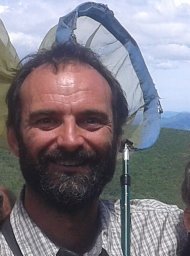 Leonardo Dapporto合作论文数Istituto Comprensivo Materna Elementere Media Convenevole da Prato47F. R. Dani合作论文数27
 David Baracchi合作论文数Dipartimento Biol Evoluzionist Leo Pardi, Univ Florence27
 Francesca R Dani合作论文数Dipartimento di Biologia;Animale e Genetica;Dipartimento di Biologia|Animale e Genetica24Matthew F. Sledge合作论文数20Giuseppe Pieraccini合作论文数Mass Spectrometry Center, University of Florence20
 Claudia Bruschini合作论文数19
 Laura Beani合作论文数Dipartimento di Biologia, Università di Firenze17
 Iacopo Petrocelli合作论文数Dipartimento di Biologia Evoluzionistica, Università di Firenze17
 Joan Strassmann合作论文数Department of Biology, Washington University in St. Louis15
 David Queller合作论文数Rice University;Department of Biology, College of Arts & Sciences, Washington University in St. Louis14
 Maria-Cristina Lorenzi合作论文数Laboratoire d'Ethologie Expérimentale et Comparée, Université Sorbonne Paris Nord12
 David Morgan合作论文数Chemistry Department, School of Chemical and Physical Sciences, Keele University11Brunella Perito合作论文数Dipartimento di Biologia Evoluzionistica “Leo Pardi”,, Università di Firenze11
 Duccio Cavalieri合作论文数Dept Biol, Univ Florence10Gloriano Moneti合作论文数10G Moneti合作论文数9E. Francescato合作论文数9G Jones合作论文数9
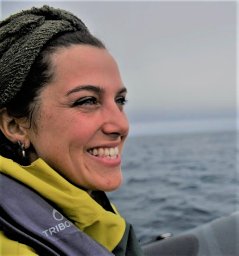 Adele Bordoni合作论文数ZEN Lab, Univ Firenze9
 Federico Cappa合作论文数Department of Biology, University of Florence9
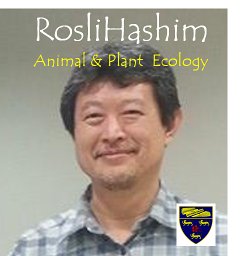 Rosli Hashim合作论文数Institute of Biological Sciences, University of Malaya9
 Angelo Fortunato合作论文数Dipartimento di Biologia Animale e Genetica,Università di Firenze,Firenze,Italy8
 Alessandro Cini合作论文数7
 Daniele Fanelli合作论文数Department of Methodology, London School of Economics and Political Science7Antonio Felicioli合作论文数7
 Alessandro Massolo合作论文数Dipartimento di Biologia Animale e Genetica, Università di Firenze7
 Irene Stefanini合作论文数Department of Pharmacology, University of Firenze7F. Le Moli合作论文数6
 Francesco Turillazzi合作论文数6Palagi Elisabetta合作论文数6
 Paolo Pasqualino Pelosi合作论文数Department of Surgical Sciences and Integrated Diagnostic, University of Genoa6Giovanni Delfino合作论文数Dipartimento di Biologia, Università degli Studi di Firenze6Mario Polsinelli合作论文数6Duccio Lambardi合作论文数6Guido Mastrobuoni合作论文数Interdepartmental Centre of Mass Spectrometry, University of Florence6M. Landi合作论文数5Irene Tatini合作论文数5
 Immacolata Iovinella合作论文数Department of Agriculture, Food and Environment, University of Pisa5Carlo Calloni合作论文数5Leo Pardi合作论文数5Simona Francese合作论文数5
 Giacomo Santini合作论文数Department of Evolutionary Biology “Leo Pardi”,, University of Florence5
 Donato A. Grasso合作论文数Dipartimento di Biologia Evolutiva e Funzionale, Università degli Studi5A. Mori合作论文数4F. Zacchi合作论文数4L. Fondelli合作论文数4R. Visicchio合作论文数4




