Glucocorticoids play a key role in the stress response, orchestrating the evolutionary conserved control of behavior, reproduction, and metabolism. This translates into a key role for glucocorticoids, amongst others, in the control of neuropsychological functioning. In accordance, both animal and human models of uncontrolled exposure to glucocorticoids show impaired stress responsiveness, cognitive dysfunction, and a broad spectrum of neuropsychiatric disorders, ranging from severe depression and anxiety disorders to acute psychosis and delirium. Importantly, exogenous glucocorticoid administration induce the same phenotype, proving the causal role of glucocorticoids per se on behavior and metabolism. These effects on the brain may be long-lasting and even may not be completely reversible, because cognitive dysfunction, mood disturbances, and maladaptive personality traits persist in patients long-term after successful correction of glucocorticoid excess. Long-term care for both patients exposed to glucocorticoid excess should therefore incorporate self-management interventions and increases self-awareness amongst all care takers in order to help to improve quality of life.
Abstract Context Radiomics may capture tumor characteristics predicting therapeutic response. Objective To develop MRI-based radiomics pipeline for predicting response to SRLs in acromegaly. Methods MRI data from 267 subjects across three datasets were used to develop an automated tumor detection and segmentation pipeline (Spanish multicenter acromegaly IGTP cohort, n = 81; two public datasets, n = 186). The three-stage pipeline comprised: (i) automated tumor detection (YOLOv8), (ii) 3D segmentation (SegResNet), and (iii) radiomic feature extraction (PyRadiomics) with supervised classification. Treatment-response radiomics included contrast-enhanced T1-weighted (CE-T1W1) MRI from 49 patients treated with SRL. SRL response was defined as ≥50% IGF-1 reduction or normalization. Eleven machine-learning classifiers were evaluated using stratified repeated k-fold cross-validation. Results Automated segmentation achieved a Dice coefficient of 0.795 using combined CE-T1WI and T2WI, decreasing to 0.765 in the acromegaly-specific cohort. The best-performing model was a three-feature logistic regression classifier, with an out-of-fold AUC of 0.798 (95% CI: 0.671-0.918), balanced accuracy of 0.793, F1-score of 0.815, and correct classification of 39/49 patients (79.6%). Performance improved as the radiomic feature set was reduced from five to two. The most consistent feature was log-sigma-3-0-mm-3D_glcm_ClusterShade, which appeared in 98% of cross-validation folds and contributed most to the model-derived discriminative signal. Conclusion In this multicenter radiomics study of SRL response prediction in acromegaly, an automated pipeline achieved good discriminative performance (AUC = 0.798). These findings highlight both the promise and the current challenges of radiomics-based treatment prediction.
OBJECTIVE:The aim of the study was to investigate bone comorbidities and their management in patients included in the European Register on Cushing's syndrome (ERCUSYN). DESIGN:A retrospective multicentric cohort study and on-line survey. METHODS:We analyzed the prevalence of osteoporosis (OP) and fractures among 1682 patients with Cushing's syndrome (CS), at initial evaluation and during follow-up. All the ERCUSYN partners received a survey addressing bone disease management in CS. RESULTS:Seven hundred and sixty-six patients (45%) had DXA examination at baseline, of whom 157 (21%) presented OP at spine and 103 (13%) at hip. Risk factors for OP were older age (P=0.038) and lower BMI (P=0.022). An X-ray was performed in 492 (29%) patients and fracture was detected in 87 (18%). Risk factors for fractures at baseline were male sex (P<0.001), muscle weakness (P=0.026) and bone mineral density (BMD) at hip indicating OP (P=0.026). During follow-up, spine BMD deterioration was more common in older patients (P=0.005) and in those with diabetes mellitus (P=0.024), while worsening of hip BMD was more frequent in patients with hypopituitarism (P=0.021), diabetes mellitus (P=0.034), on levothyroxine substitution (P=0.008) and those less often treated with anti-osteoporotic agents (P=0.022). The survey evidenced significant heterogeneity in terms of timing of bone evaluation and treatment initiation. CONCLUSIONS:A significant number of patients with CS experienced OP and fractures. Clinical factors may help to select patients at the highest risk. There are currently no standards of care for the management of bone complications in CS across Europe.
This study assessed the efficacy and safety of once-weekly somatrogon, a long-acting growth hormone, in adults with growth hormone deficiency (aGHD). A phase 3 randomized, double-blind, placebo-controlled study consisted of a 26-week double-blind period (Period 1), a 26-week open-label extension (OLE; Period 2), and a multi-year OLE (Period 3). Patients were randomized 2:1 to somatrogon or placebo in Period 1, with dosing adjusted for gender, age, and estrogen therapy. All patients received somatrogon in Periods 2 and 3. Primary endpoint was change in trunk fat mass (FM; baseline-Week 26). Secondary endpoints included changes in total FM, lean body mass (LBM), percentage change in trunk FM, and trunk FM. Changes in percent trunk FM relative to total trunk mass (FM + LBM), trunk LBM, and appendicular skeletal muscle mass were also evaluated in a post-hoc supplemental analysis. Safety assessments included adverse events (AEs) and laboratory evaluations. Of 389 patients screened, 202 were randomized, and 198 received treatment (somatrogon:133; placebo:65). Mean IGF-I SDS normalized following somatrogon initiation. There was no significant difference between somatrogon and placebo in change in trunk FM from baseline to Week 26 (-0.37 vs 0.03 kg; p=0.0821; primary endpoint) or in total FM. However, somatrogon significantly improved LBM, trunk FM as a percentage of total FM and the three supplemental endpoints. AE incidence was similar between groups, with most being mild to moderate in severity. Somatrogon significantly improved several body composition parameters and was well tolerated overall in adults with GHD. NCT01909479; registration date: 25/07/2013
Context:Medical treatment of acromegaly is currently performed through a trial-and-error approach using first-generation somatostatin receptor ligands (fgSRLs) as first-line drugs, with an efficacy of 50%. Some biomarkers can predict patient response, potentially benefiting nonresponders by using personalized treatment approaches. The ACROFAST study revealed that the probability of disease control was 2.53 times higher (CI 1.30-4.80) with personalized treatment, and insulin-like growth factor 1 (IGF1) normalization occurred in 78% vs 53% of patients, compared with standard treatment (P < .05). Objective:To evaluate the cost-effectiveness of personalized medicine based on predictive biomarkers, from the results of the ACROFAST study. Methods:Post hoc analysis from the ACROFAST study comparing cost-effectiveness of a protocol of medical treatment based on predictive biomarkers to fgSRLs (n = 32) vs standard treatment (n = 36) for 12 months. Costs analyzed were visits, examinations, study of biomarkers (121€/patient), and pharmacological treatment according to the prices established by the Spanish National Health Care System. Medium-term costs were evaluated, considering a projection of up to 2 years in uncontrolled cases, assuming positive and negative scenarios with additional monitoring costs and a 25% likelihood of disease progression per follow-up visit. Results:The personalized protocol reduced the average cost per patient required to achieve disease control by 22% (15 127€ vs 19 420€). These results represent an annual saving of 15 263€ per patient achieving hormonal control compared to the standard treatment. Conclusion:Personalized medicine, using a relatively straightforward biomarker-based protocol, enables a greater proportion of patients to attain hormonal control and proves to be a cost-effective strategy for managing acromegaly.
INTRODUCTION:Quality of life (QoL) is impaired in acromegaly, particularly in patients with active disease. Improvement of symptoms following hormonal normalization is expected to positively affect QoL. OBJECTIVE:To assess whether earlier and more effective disease control, achieved in the ACROFAST study, is associated with improvements in AcroQoL scores and symptom burden evaluated by the Patient-Assessed Acromegaly Symptom Questionnaire (PASQ) questionnaire. METHODS:AcroQoL and PASQ outcomes were analyzed within the ACROFAST study timeframe, comparing controlled and uncontrolled patients. Assessments were performed at baseline, 6 months, and 12 months. RESULTS:No differences in global AcroQoL scores were observed between treatment arms. However, hormonally controlled patients presented better results in the appearance sub-dimension of the AcroQoL (59 ± 19 vs 45 ± 20 points; P = .04) and in PASQ score (15 ± 12 vs 23 ± 10 points; P = .01) at the end of the study. Paired analyses confirmed improvement in PASQ among controlled patients, and linear mixed-effects modelling further demonstrated a reduction over time (estimated marginal means: 19, 14, 14), while scores remained stable in uncontrolled patients. Sub-group analysis revealed that women had worse scores for both QoL and symptoms tests. Severity of symptoms correlated with QoL. CONCLUSION:Biochemical control is associated with improved symptoms and appearance-related QoL. A personalized approach, which is more effective achieving biochemical control than the standard one, may provide additional patient centered benefits, even if this study only provides indirect evidence. Women exhibited poorer QoL despite similar control rates, suggesting unmet supportive care needs in this subgroup.
Hypercortisolism constitutes several symptoms and signs due to inappropriately high and prolonged exposure to excess glucocorticoids (GCs), known as Cushing's syndrome (CS). While iatrogenic corticosteroid administration is the most frequent cause of CS, pituitary corticotroph adenoma, is the most common cause of endogenous excessive GC secretion. Since chronic exposure to high GC levels has been associated with an increased multisystemic morbidity and mortality, prompt identification and treatment are mandatory to minimize long-term complications. The main abnormalities and diagnostic biochemical tests to evaluate cortisol secretion include loss of the normal circadian rhythm assessed by late night salivary cortisol, reduced GC feedback assessed by overnight 1mg dexamethasone suppression test and elevated levels of biologically active cortisol measured by 24-h urinary free cortisol. This chapter addresses the biochemical diagnosis of hypercortisolism. It outlines when to suspect the condition, which biochemical tests are recommended and how they should be performed, providing tools and recommendations for the initial biochemical evaluation. It also discusses challenges, potential pitfalls, and accuracy of each test to aid interpretation and optimize their clinical use.
Patients with controlled Cushing’s disease (CD) and acromegaly (ACRO) often experience persistent musculoskeletal dysfunction and impaired quality of life (QoL) despite biochemical normalization. Although undergoing supervised physical activity is a clear unmet need of pituitary patients, evidence on the effectiveness of individually tailored exercise programs in these populations is scanty. The aim of this pilot study was to evaluate the effectiveness of a 12-week individually tailored and supervised exercise program on muscle function and patient-reported outcomes (PROMs) in patients with biochemically controlled CD and ACRO. Twenty patients (10 women with CD in remission, 10 men with controlled ACRO) participated in a structured program combining aerobic and resistance exercises, supervised by professional trainers, three times a week over 12 weeks. Outcomes assessed at baseline and post-intervention included, grip strength and physical performance on gait speed, timed up-and-go, chair stand test, muscle structure and quality on ultrasound examination and QoL, as evaluated using disease-specific (CushingQoL, AcroQoL) and generic (SF-12, PANAS, PHQ-9, and GAD-7) questionnaires. After the 12-week intervention, significant improvements were observed in physical performance tests (p < 0.05 for all parameters vs. baseline) in both CD and ACRO patients. Ultrasound-measured muscle thickness increased CD patients after completion of the program (p < 0.05), while a decreased echogenicity was found in ACRO patients (p < 0.05) CD patients demonstrated significant improvements in waist circumference, diastolic blood pressure (p < 0.05). No significant changes were observed in PROMs in either group after the intervention. An individually tailored, supervised, 12-week exercise intervention significantly enhanced muscle structure and physical performance in patients with controlled CD and ACRO. Further randomized controlled studies are required to confirm the clinical effectiveness of incorporating supervised exercise programs into multidisciplinary management for pituitary disease patients.
INTRODUCTION:The diagnosis of acromegaly is often delayed, leading to facial disfigurements that persist despite endocrine cure. We aimed to study the relationship between facial modifications, Quality of Life (QoL), and psychologic status in patients with acromegaly. METHODS:Sixty-five patients in remission or with hormonal disease control participated (29 women and 36 men; mean age 57.4±13.5 years). The following variables were assessed: a) Quality of life using AcroQoL; b) Anxiety level with the STAI Questionnaire; c) Self-esteem by the Rosemberg Scale; and d) Facial acromegaly phenotypic changes evaluated from photographs by 8 experienced endocrinologists using a Likert scale. RESULTS:The overall AcroQoL score showed mid-range values, with better scores for men (72.3 vs 56.6, p=0.022). AcroQoL physical domain was also higher for men (59.0 vs 34.9, p=0.006). In the psychological domain, men tended to score better (65.7 vs 54.5, p=0.069), particularly in the appearance subdimension (53.8 vs 38.8, p=0.07), while women had worse anxiety scores (p=0.009). Global self-esteem was high (2.7 ± 0.6 for a maximal value of 3), without sex differences. A trend towards a negative correlation between self-esteem and facial scores was observed (rs= -0.559, p=0.074), indicating a low psychological impact. CONCLUSION:In controlled acromegaly, QoL is relatively preserved in both genders, although men have better anxiety scores. Facial changes have a weak but persistent negative impact on psychological status, with greater intensity observed in women.
Increasing evidence supports the presence of oxytocin deficiency (OXT-D) in patients with hypopituitarism and hypothalamic damage (HHD), that might be associated with neuropsychological deficits and sexual dysfunction, leading to worse quality of life (QoL). Therefore, identifying a provocative test to diagnose an OXT-D will be important. Corticotropin-releasing hormone (CRH) is a candidate for such a test as it increases oxytocin secretion in animal models. This study aimed to examine the effects of CRH on oxytocin release in HHD compared to healthy controls (HC) and to describe the psychopathology, sexual function and QoL and their associations with oxytocin. This is a single-blind, randomized, placebo-controlled, proof-of-concept study (NCT 04902235) with crossover assignment (CRH vs. placebo). Nineteen HHD patients (10 females) and 20 HC (11 females) completed two visits, receiving CRH or placebo in random order and completed validated questionnaires to assess psychopathology, sexual function and QoL. Samples were collected over 120 min to assess oxytocin. Linear mixed-effects regression model evaluated the change in oxytocin after CRH/placebo in HHD vs. HC. CRH administration did not impact oxytocin concentrations across groups over time (p = 0.97). HHD had greater psychopathology (most ps < 0.05), sexual dysfunction (p < 0.03) and worse QoL (p < 0.001) compared to HC, nevertheless, baseline oxytocin concentrations and area under the curve of oxytocin were not significantly associated with psychopathology, sexual function or QoL, neither in HHD or HC. In conclusion, CRH administration does not appear to be a suitable provocative test for diagnosing OXT-D in HHD. Identifying a reliable diagnostic test for OXT-D remains crucial. Alternative provocative tests or biomarkers should be explored.
BACKGROUND:Cushing's syndrome (CS) is associated with increased metabolic and cardiovascular (CV) risk factors and morbidities. Evidence-based guidelines for the management of these issues in active or remitted CS are not available, so best practice is derived from guidelines developed for the general population. We aimed to evaluate the awareness and practice variation for CV comorbidities of CS across Reference Centres (RCs) of the European Reference Network on Rare Endocrine Conditions (Endo-ERN). METHODS:A dedicated online survey was distributed from June 2022 to December 2022 to Endo-ERN RCs with recognized expertise in adrenal and/or pituitary diseases. RESULTS:19 centres provided complete responses to the survey, accounting for an estimated pool of around one thousand chronically cared CS patients across Europe. Most ERN experts consider patients with CS at high CV risk irrespectively of remission status. Preoperative cortisol-lowering treatment was a common practice, especially for severe cases, and deemed effective in reducing CV risk by many. Most comorbidities were regularly evaluated at diagnosis and during follow-up, although a lack of provocative testing to diagnose diabetes (used only in 26% of RCs) was evidenced. A strict glycaemic control was encouraged although its target differed. On the contrary, a less stringent approach to dyslipidaemia and overweight emerged. Preferred initial compounds for patients presenting comorbidities were angiotensin converting enzyme inhibitors, metformin and statins; lifestyle changes were preferred over drugs to control weight excess after cure. Screening for asymptomatic vascular disease was performed routinely and regularly repeated during follow-up by only half of the centres. Important heterogeneity in some responses emerged, especially regarding the effect of remission or medical treatment on comorbidities and CV risk. DISCUSSION:Our survey highlights the awareness of ERN experts on management of metabolic and CV risk factors or disease in CS. Most of them use the current European guidelines and apply strategies for high CV risk patients, although not all these recommendations were fully followed. Since several CV risk factors seem to persist after disease remission, they should be adequately and promptly addressed. Population-specific studies are required to identify the optimal management of CV and metabolic comorbidities of CS patients.
Background: Pituitary neuroendocrine tumours (PitNETs) are clinically and biologically heterogeneous neoplasms that remain challenging to diagnose, prognosticate, and treat. Although recent WHO classifications using transcription-factor-based markers have refined pathological categorisation, histopathology alone still fails to predict tumour behaviour or support individualised therapy. Objective: This systematic review aimed to evaluate how machine learning (ML) and knowledge extraction approaches can complement pathology by integrating multi-dimensional omics datasets to generate predictive and clinically meaningful insights in PitNETs. Methods: The review followed the PRISMA 2020 statement for systematic reviews. Searches were conducted in PubMed, Google Scholar, arXiv, and SciSpace up to June 2025 to identify omics studies applying ML or computational data integration in PitNETs. Eligible studies included original research using genomic, transcriptomic, epigenomic, proteomic, or liquid biopsy data. Data extraction covered study design, ML methodology, data accessibility, and clinical annotation. Study quality and validation strategies were also assessed. Results: A total of 726 records were identified. After the reviewing process, 98 studies met inclusion criteria. PitNET research employed unsupervised clustering or regularised regression methods reflecting their suitability for high-dimensional omics datasets and the limited sample sizes. In contrast, deep learning approaches were rarely implemented, primarily due to the scarcity of large, clinically annotated cohorts required to train such models effectively. To support future research and model development, we compiled a comprehensive catalogue of all publicly available PitNET omics resources, facilitating reuse, methodological benchmarking, and integrative analyses. Conclusions: Although omics research in PitNETs is increasing, the lack of standardised, clinically annotated datasets remains a major obstacle to the development and deployment of robust predictive models. Coordinated efforts in data sharing and clinical harmonisation are required to unlock its full potential.
The 15th Acromegaly Consensus Conference in September 2023 updated recommendations on therapeutic outcomes for acromegaly. Since the publication of medical management guidelines in 2018, new pharmacological agents and new treatment approaches have been developed. Fifty-two experts in the management of acromegaly reviewed the current literature and assessed changes in drug approvals, clinical practice standards and management. Current outcome goals were considered, with a focus on the effect of current and emerging somatostatin receptor ligands, the growth hormone receptor antagonist pegvisomant and the dopamine agonist cabergoline on biochemical control, clinical control, adenoma mass and surgical outcomes. Participants assessed factors that determine pharmacological choices, as well as the proposed use of each agent. Here, we present consensus recommendations highlighting how an evidence-based acromegaly management algorithm could be optimized in clinical practice. In this Consensus Statement, an international group of experts provide updated recommendations on the treatment of acromegaly, including discussion of treatment outcomes.
Objective To provide safety data on patients exposed to ketoconazole for treatment of endogenous Cushing's syndrome (CS). Patients and methods Open-label post-authorisation safety study, using the European Registry on Cushing's Syndrome. Primary objective: liver and cardiac safety. Secondary objectives: treatment pattern, overall safety, and effectiveness. Results As of 31 August 2024, 110 patients were enrolled (108 in full analysis set, 103 evaluated for safety, and 105 for efficacy). Mean age was 46.8 years, most patients (77.4%) had pituitary-dependent CS. Ketoconazole was used as monotherapy in 92/108 patients (85.2%), median exposure was 1.6 years, mean daily dose was 400mg.Among 41 cases of abnormal liver functions test (aLFT), values were<2 x ULN in 22 cases, which all resolved without treatment discontinuation. Values were>5 x ULN in 8 cases (7.4%), with coadministration of a known hepatotoxic drug suspected in 6; all resolved after discontinuation. No case of QTc prolongation was reported.Overall, 56/108 patients (51.9%) experienced at least one adverse event (AE), including 35 (32.4%) with at least one AE other than aLFT or QTc prolongation. Non-serious AEs were mainly gastrointestinal disorders (13.6%). The rate of serious AEs other than aLFT and QTc prolongation was 11.7% (endocrine disorders: 3.9%; acute adrenocortical insufficiency: 1.9%).Normalized UFC and morning plasma cortisol levels were achieved in 50.8% and 60.5% of patients respectively. Discussion The known safety and efficacy profile of ketoconazole is confirmed with no unexpected safety signals. The benefit-risk balance remains favourable in patients with endogenous CS.
Acromegaly (ACRO) leads to significant physical and psychological morbidity. Although patients often report persistent muscle dysfunction and impaired quality of life (QoL) after hormone control, the relationship between these two factors remains largely underexplored. Our objective was to investigate the association between muscle function parameters and QoL in long-term controlled ACRO patients. We studied 36 patients with ACRO (14 males, 22 females; mean age 54 ± 8 years) with controlled GH/IGF-I excess, defined as normalized IGF-I levels and suppressed GH concentrations after an OGTT, during a mean (± SD) of 8 (4) years. Muscle function was assessed using gait speed (GS), timed up and go (TUG), handgrip strength (HGS), and the 30-second chair-to-stand test. QoL was evaluated using the AcroQoL and SF-36 questionnaires. Poor muscle performance, particularly on GS and TUG, was significantly associated with reduced QoL scores on physical, psychological, and social domains of AcroQoL and SF-36 questionnaires. In women, mobility limitations were linked to impaired self-image and physical functioning. In men, reduced muscle strength and mobility were associated with broad QoL alterations on physical and emotional dimensions. These findings highlight the significant impact of muscle dysfunction on both physical performance perception and psychosocial well-being in ACRO patients. Muscle dysfunction in long-term controlled ACRO patients negatively affects QoL, underscoring the need for routine functional assessments and targeted rehabilitation strategies.
Background:Patients with primary hyperparathyroidism (PHPT) often present with nonspecific neuropsychological symptoms, which remain challenging to quantify. While parathyroidectomy (PTx) recently has been recommended for asymptomatic patients, its benefit remains unclear as existing evidence relies on generic health-related quality of life (HRQoL) tools. In contrast, the disease-specific PHPQoL questionnaire offers more sensitive and clinically relevant symptom assessment. This study aims to translate and validate the PHPQoL for Dutch use and to evaluate the effect of PTx on HRQoL in both symptomatic and asymptomatic PHPT patients. Methods:In this single-center prospective study, PHPT patients with at least one surgical indication underwent either PTx or conservative treatment based on medical requirement and patient preference. Clinicians classified patients as asymptomatic if no hypercalcemia-related complaints were present. HRQoL questionnaires were assessed using the PHPQoL, SF-36, and EQ-5D questionnaires at inclusion and 3 months after treatment. Statistical significance was set at P < 0.001. Results:Of the 100 patients included (mean age: 61.5 ± 12.4 years, 77% female), 89 underwent PTx (symptomatic: n = 47, asymptomatic: n = 42), and 11 received conservative treatment. The PHPQoL demonstrated strong psychometric properties and correlated well with generic HRQoL questionnaires. Following PTx, mean PHPQoL scores improved from 52.2 to 65.9 (P < 0.001); in asymptomatic patients, scores rose from 58.3 to 71.7 (P < 0.001). Conclusion:The Dutch version of the PHPQoL is a valid and reliable tool for assessing PHPT and demonstrates significant HRQoL improvements following PTx, including in asymptomatic patients, which may be underestimated by generic instruments.
Multiple endocrine neoplasia type 4 (MEN4) is caused by a germline CDKN1B deleterious variant. CDKN1B encodes p27Kip1, a cyclin-dependent kinase inhibitor that acts as tumor-suppressor. Clinical presentation of MEN4 is similar to multiple endocrine neoplasia type 1 (MEN1) but the diagnosis of MEN4 can only be established once a germline CDKN1B pathogenic variant has been confirmed. We describe a unique case presenting with two -rare endocrine conditions. A 59-year-old female patient was diagnosed with medullary thyroid cancer (MTC) without evidence of a germline pathogenic variant in the RET proto-oncogene. Five years later, she developed Cushing’s disease. A heterozygous germline variant was identified in the CDKN1B gene, specifically c.536del (p.Prol179GlnfsTer46), corresponding to a single-nucleotide deletion at position 536. This variant induces a frameshift, leading to an alternative stop codon. Immunostaining of the pituitary and thyroid tumors revealed a weak nuclear expression of p27/Kip1 without significant differences of expression between tumor and non-tumoral tissues. The NGS panel (Oncomine Comprehensive Assay v3) performed in both MTC and pituitary tissues identified the germline CDKN1B variant, as well as a pathogenic missense somatic variant c.182 A > G, p.(Gln61Arg) in HRAS in the MTC, without any RET somatic pathogenic variant. Evaluation of loss of heterozygosity (LOH) in both MTC and pituitary tissues showed compatibility with copy-neutral LOH, although further evidence is required for definitive confirmation. In conclusion, we report a clinical case of MTC coexisting with MEN4 due to a novel CDKN1B germline heterozygote frameshift variant.
A 62-year-old Sudanese female was diagnosed with a nonfunctioning pituitary adenoma in 2006. Despite undergoing 3 transsphenoidal surgeries and radiotherapy, her tumor persisted, causing debilitating symptoms, including headaches and visual defects. As a last resort, she was treated with pasireotide, a second-generation somatostatin analog with a broader receptor affinity than first-generation drugs. Over 6 months, the tumor mass was stabilized, and her symptoms, including headaches, disappeared. This case demonstrates a potential new therapeutic possibility for treating resistant pituitary adenoma with pasireotide, offering hope for patients when traditional treatments fail.
 Valassi Elena合作论文数Centro de Investigación Biomédica en Red de Enfermedades Raras (CIBER-ER, Hospital Sant Pau;Pare Claret 167, 08025 Barcelona, Spain. evalassi@santpau.cat110
 Alicia Santos合作论文数Hospital de Sant Pau, Universidad Autónoma de Barcelona101
 Eugenia Resmini合作论文数81Manel Puig-Domingo合作论文数59Aulinas Anna合作论文数55
 Iris Crespo合作论文数Hospital Sant Pau, Universitat Autònoma de Barcelona (UAB),45María-José Barahona合作论文数37
 Thierry Brue合作论文数Aix-Marseille University33
 Biagetti Betina合作论文数Hospital Vall d'Hebron, Universidad Autónoma de Barcelona33Xavier Badia合作论文数27Carmen Fajardo Montanana合作论文数27Strasburger Christian J合作论文数26
 Antonio Pico合作论文数24
 Richard Feelders合作论文数Department of Endocrinology, Erasmus MC22
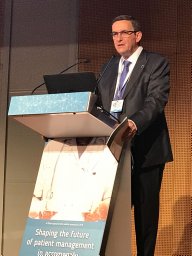 Ignacio Bernabeu合作论文数22
 Philippe Chanson合作论文数University Paris-Saclay;Bicêtre’s Hospital21
 Beatriz Gomez Anson合作论文数Autonomous University of Barcelona;Hospital de la Santa Creu i Sant Pau;IIB Sant Pau20
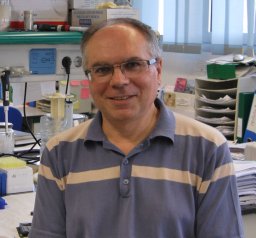 Joan Gil合作论文数Dept Ciencies Fisiol, Univ Barcelona19
 Martin Reincke合作论文数Medizinische Fakultat, Ludwig-Maximilians-Universitat Munchen;Medizinische Klinik und Poliklinik IV, Ludwig-Maximilians-Universitat Munchen19
 Vives-Gilabert Yolanda合作论文数PIC18
 Monica Marazuela合作论文数Hospital de la Princesa18Wägner Ana M合作论文数17Jordà Mireia合作论文数Institute of Predictive and Personalized Medicine of Cancer (IMPPC) 08916 Badalona, Barcelona, Spain.17
 Russel Reiter合作论文数Department of Cell Systems and Anatomy, University of Texas Health Science Center17Isabel Salinas合作论文数16Rosa Camara合作论文数Servicio de Endocrinología y Nutrición, Hospital Universitario y Politécnico La Fe16Sonia Gaztambide合作论文数Endocrinology and Diabetes Research Unit (G.P.d.N., E.F.-R., I.S, Hospital de Cruces16Olivier Chabre合作论文数Faculté de Medecine, Université Grenoble Alpes16Peter J Trainer合作论文数16M Viader合作论文数15Beverly M K Biller合作论文数15
 Oskar Ragnarsson合作论文数15Antoine Tabarin合作论文数15
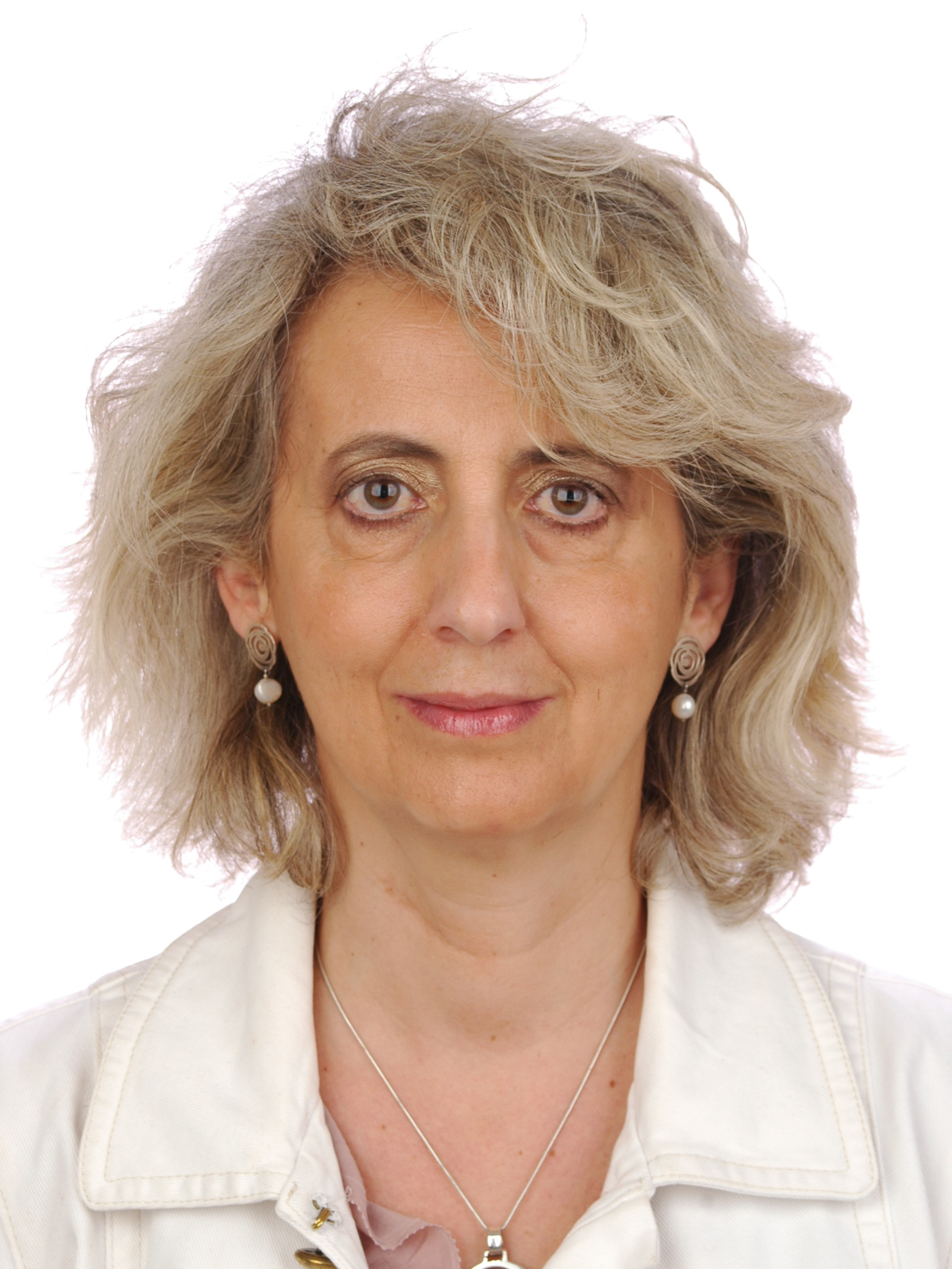 Cristina Álvarez Escola合作论文数Hospital Universitario La Paz14
 Rosa Corcoy合作论文数Sociedad Española de Diabetes (SED).14
 Stylianos Tsagarakis合作论文数National Expertise Centre for Rare Endocrine Diseases, Evangelismos Hospital14John A H Wass合作论文数Department of Endocrinology, Oxford Centre for Diabetes, Endocrinology and Metabolism, Churchill Hospital13
 Tóth Miklós合作论文数Department of Internal Medicine and Oncology, Semmelweis University;Department of Medicine, Semmelweis University13Dominique Maiter合作论文数13
 Mireia Mora合作论文数13Nuria Sucunza合作论文数13Justo P Castaño合作论文数12
 Oscar Fornas合作论文数UNIV BARCELONA,HOSP SANTA CRUZ & SAN PABLO,DEPT ENDOCRINOL,EXPT ENDOCRINOL LAB,E-08025 BARCELONA,SPAIN12
 Patricia Pires合作论文数12Ezio Ghigo合作论文数Facoltà Di Medicina Chirurgia , Università Di Torino;Dipartimento Assistenziale Di Medicina Generale Specialistica, AOU Città Della Salute Della Scienza Di Torino12
 Juan Ybarra合作论文数12
 Alberto Pereira Arias合作论文数Department of Endocrinology and Metabolism, Amsterdam University Medical Center;European Reference Network for Rare Endocrine Conditions12
 Michael Buchfelder合作论文数Department of Neurosurgery, University Hospital Erlangen12
 Raúl Miguel Luque Huertas合作论文数Department of Cell Biology, Physiology and Immunology, University of Córdoba;Maimonides Biomedical Research Institute of Córdoba12




