The three parts of Radix Angelicae Sinensis (Danggui) were reported to have different therapeutic effects. In order to investigate their chemical compositions of different parts of Danggui, gas chromatography-mass spectrometry (GC-MS) combined with chemometrics data analysis was applied to provide a more detailed study. Subwindow factor analysis (SFA) and a modified augmented evolving window orthogonal projection (AEWOP) method were used to resolve the batch GC-MS data sets from the Danggui samples. Then, t-test, Wilcoxon rank sum test, and principal component analysis (PCA) were applied to carry out the comparison job. The results indicate which components are found to have significant differences among the three parts. These findings may be helpful for further research of the pharmacological activities of Danggui.
The current approaches to the quality control of herbal medicines are either compound-oriented or pattern-oriented, the former targeting specific components with some known chemical properties and the latter targeting all detectable components. The marker approach uses specific chemical compounds with known molecular structures, while the multi-compound approach uses both chemical compounds with known structures and those with partial chemical information e.g. retention times, mass spectra and ultraviolet spectra. Apart from chromatographic techniques, new techniques such as oscillating and electrochemistry fingerprints have been developed for quality control. Chemometric resolution methods are widely used for component deconvolution and data comparison. Pattern recognition techniques are used for authentication of herbal medicines.
 Foo-Tim Chau合作论文数Department of Applied Biology and Chemical Technology, Faculty of Science, Hong Kong Polytechnic University4
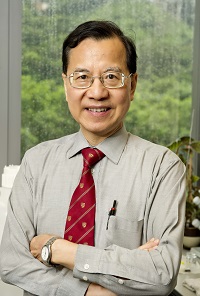 Fung Kwok Pui合作论文数School of Biomedical Sciences, The Chinese University of Hong Kong2
 Daniel Kam-Wah Mok (莫錦華)合作论文数Departement of Applied Biology and Chemical Technology, Faculty of Science, The Hong Kong Polytechnic University2
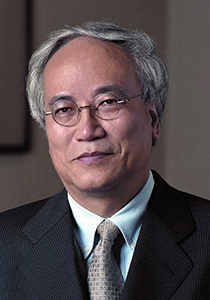 Ping Chung Leung合作论文数Centre for Clinical Trials on Chinese Medicine, Institute of Chinese Medicine, The Chinese University of Hong Kong;The Partner State Key Laboratory of Phytochemistry and Plant Resources in West China, Institute of Chinese Medicine, The Chinese University of Hong Kong2
 Kit-Man Lau合作论文数2Tsui-Yan Lau合作论文数2Chi-Man Koon合作论文数2Hui Cao合作论文数1
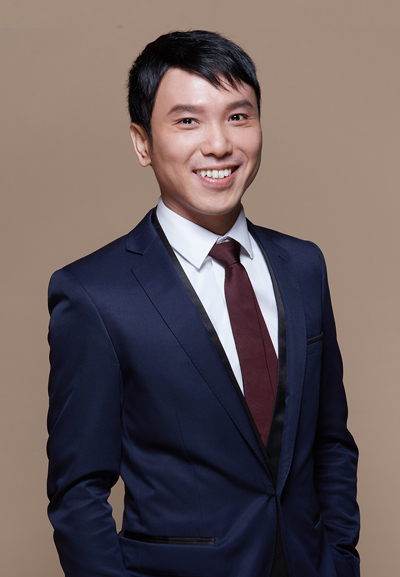 C.L. Cheung (張正龍)合作论文数Department of Pharmacology and Pharmacy, Li Ka Shing Faculty of Medicine, The University of Hong Kong1Zhongda Zeng合作论文数1
 Yizeng Liang (梁逸曾)合作论文数College of Chemistry and Chemical Engineering, Central South University1Hoi-Yan Chan合作论文数1
 Cheng-Jian Xu合作论文数1
 Chion Chan合作论文数Hong Kong Polytechnic University, The Hong Kong Polytechnic University1




