BACKGROUND:Recent trials have furthered uncertainty regarding the endovascular benefit for medium vessel occlusions (MeVO). Stent retrievers (SR) were employed in the first attempt in most interventional arm participants. We sought to compare outcomes in acute MCA M2 occlusions between frontline aspiration and SR, and to delineate procedural and anatomical covariates associated with differential treatment effect. METHODS:Retrospective analysis of a multicenter stroke thrombectomy cohort identified cases of MT for M2 occlusions. Unmatched and propensity score-matched (PSM) cohorts were generated comparing frontline aspiration to standalone and combined SR. The primary outcome was functional independence (mRS 0-2) at 90 days. Recanalization, symptomatic intracranial hemorrhage (sICH), mortality, and the effect of M2 laterality, division occlusion and procedure time were assessed. RESULTS:About 1734 patients with M2 occlusions underwent either frontline aspiration (n = 711) or SR/combined (n = 958) thrombectomy between 2013 and 2024. PSM analysis favored aspiration for functional independence (49.9% vs 44.0%, OR 1.27 (1.03-1.57)), complete recanalization (61.2% vs 48.7%, OR 1.66 (1.34-2.05)), complete first pass effect (35.0% vs 27.6%, OR 1.42 (1.13-1.78)), and sICH (3.5% vs 6.2%, OR 0.55 (0.33-0.91)), with no difference in mortality. Frontline aspiration had significantly shorter procedural times (median 28 [IQR 15-49.5] vs 51 [IQR 35-78] minutes; p < 0.001). For every minute increase in procedure time, the probability of functional independence decreased significantly (p < 0.001) less with frontline aspiration (0.35%) compared to SR/combined (1.61%). CONCLUSION:Frontline aspiration for M2 occlusions resulted in better clinical and angiographic outcomes compared to SRs. Future trials for MeVO with a focus on contact aspiration thrombectomy may succeed where recent trials have failed.
INTRODUCTION:Endovascular thrombectomy (EVT) is an effective treatment for basilar artery occlusion (BAO) stroke in select patients. While there is a growing body of literature suggesting that advanced imaging modalities such as computed tomography perfusion (CTP) and magnetic resonance (MR) may not be necessary for selecting anterior circulation large vessel occlusion stroke patients for EVT, whether advanced imaging may be superior to conventional imaging (non-contrast CT and CT angiography) in identifying good treatment candidates among BAO patients is less clear. PATIENTS AND METHODS:This was a multicenter retrospective cohort study of BAO EVT patients treated from 2013 to 2022 in the Stroke Thrombectomy and Aneurysm Registry. Patients selected for EVT by advanced imaging (CTP or MR) were matched with those selected by conventional imaging using propensity score matching (PSM) accounting for possible confounders. Primary outcome was functional independence at 90 days. Other outcomes include bedridden state or death at 90-days and symptomatic intracranial hemorrhage (sICH). RESULTS:268 patients were included. 150 patients were selected for BAO EVT by conventional imaging, 86 by CTP, and 32 by MR. Patients selected by advanced imaging were significantly older than those selected by conventional imaging (median age 71 vs 64 years, p = 0.001); patient characteristics were otherwise similar between cohorts. After PSM, 90-day outcomes were similar between the two cohorts (p = 0.56), with similar rates of functional independence (39.4% vs 35.1%, p = 0.65), bedridden state or death (40.4% vs 44.7%, p = 0.66), and sICH (3.3% vs 5.7%, p = 0.49) for conventional and advanced imaging groups, respectively. Results were similar across treatment time windows (all p > 0.05). CONCLUSIONS:Selecting patients for basilar EVT using conventional versus advanced imaging did not result in different clinical outcomes, regardless of treatment time windows. Conventional imaging appears sufficient as a first-line tool for selecting basilar EVT patients in routine clinical practice.
Introduction: Final infarct volume (FIV) on 24-hour MRI is a well-established imaging biomarker linked to functional recovery after ischemic stroke, 1-3 yet its prognostic value in ICAS-LVO remains poorly explored. The impact of adjunct intracranial stenting on both infarct size and infarct progression also remains unclear in this population. This study aimed to examine the association between FIV and clinical outcome, evaluate the effect of adjunct stenting on FIV and infarct progression, and assess the relationship between infarct progression and functional independence. Methods: We conducted a secondary analysis of the RESCUE-ICAS registry, 4 only patients with anterior circulation LVO with MRI after thrombectomy were included. Final infarct volume (FIV) was measured on diffusion-weighted MRI performed 24-36 hours post thrombectomy. Infarct progression was defined as the difference between baseline CTP infarct volume (CBF <30%) on presentation and 24–36-hour FIV. The primary outcome was 90-day functional independence (mRS 0–2). Secondary outcomes included the effect of adjunct stenting on FIV and infarct progression. Associations were analyzed using multivariable logistic regression and inverse probability of treatment weighting (IPTW). Results: Of the 417 patients included in the RESCUE-ICAS registry, 203 had anterior circulation ICAS-LVO and underwent MRI 24–36 hours post-thrombectomy. Among these, 80 patients (39%) received adjunct stenting. FIV was independently associated with 90-day functional independence (adjusted OR per 10 mL increase: 0.8; 95% CI: 0.68–0.94; p = 0.007). Adjunct stenting was associated with smaller FIV (IPTW-adjusted mean difference: –25.07 mL; 95% CI: –40.36 to –9.78; p = 0.001). In 108 patients with baseline CTP data and FIV data, infarct progression was not significantly different between stented and non-stented groups (Δ –9.53 mL; 95% CI: –37.9 to 18.8; p = 0.506), but progression <44.5 mL was strongly associated with favorable outcome. Conclusion: Among ICAS-LVO patients, 24-36-hour FIV is a strong predictor of functional outcome. Adjunct stenting is associated with smaller FIV. Lower infarct progression was also associated with favorable outcome. These findings highlight FIV as a reliable imaging biomarker and potential surrogate endpoint in future trials.
OBJECTIVE:Endovascular thrombectomy (EVT) for acute large-vessel occlusion stroke is well established, yet its role in patients presenting with minor stroke symptoms (National Institutes of Health Stroke Scale [NIHSS] score < 6) remains unclear. Prior studies have not accounted for intraprocedural factors that may influence outcomes in this subgroup. METHODS:The authors analyzed 5693 patients from the STAR (Stroke and Thrombectomy and Aneurysm Registry), including 398 with low NIHSS scores, to evaluate the association between procedure time (PT) and outcomes. Among patients with low NIHSS scores, propensity score matching was used to compare outcomes between those with PT ≤ 35 versus > 35 minutes, a cutoff defined using receiver operating characteristic curve analysis. The authors performed a meta-analysis of studies reporting best medical management (BMM) outcomes in patients with low NIHSS scores. To compare these with EVT-treated patients, a matched BMM comparator cohort using stratification on pooled baseline characteristics was constructed. Outcomes included 90-day functional independence (modified Rankin Scale [mRS] scores 0-2), intracranial hemorrhage, and mortality. RESULTS:PT had a stronger negative effect on outcomes in patients with low NIHSS scores compared with those with high scores, with a steeper decline in functional independence per minute of PT (slope: -0.45% vs -0.21%; p = 0.03 for interaction). Among patients with low scores, PT ≤ 35 minutes was associated with higher 90-day functional independence compared with the propensity score-matching cohort with PT > 35 minutes (82.6% vs 59.0%, p < 0.001). When benchmarked against BMM (75.2% mRS scores 0-2), patients undergoing EVT within 35 minutes had superior outcomes (85.1%, p = 0.047). In contrast, EVT with PT > 35 minutes resulted in worse outcomes than BMM (mRS scores 0-2: 59.8%, p = 0.008). The number needed to treat for PT ≤ 35 minutes was 10, whereas PT > 35 minutes yielded a number needed to harm of 6. CONCLUSIONS:PT critically modulates the benefit of EVT in minor stroke. While efficient EVT yields better outcomes than BMM, prolonged procedures are associated with harm. These findings may explain prior inconsistent evidence on EVT in patients with low NIHSS scores and underscore the need to individualize procedural thresholds in this population.
BACKGROUND:Flow-diverter stents (FDS) have become the standard of care for a wide range of intracranial aneurysms, but their efficacy/safety in the context of recurrent/recanalized aneurysms following stent-assisted coiling (SAC) is not well established. We evaluate the outcomes of FDS retreatment in a large multicenter cohort. METHODS:We retrospectively analyzed data from 118 patients across 22 institutions who underwent FDS retreatment for recurrent/persistent aneurysms after SAC (2008-22). The primary outcome was angiographic occlusion status at last follow-up, categorized as complete (100%), near-complete (90-99%), or incomplete (<90%) occlusion. Secondary outcomes included procedural complications and clinical outcomes measured by the modified Rankin Scale (mRS). RESULTS:A total of 118 patients (median age 57, 74.6% female) with median follow-up of 15.3 months were identified. Complete occlusion was achieved in 62.5% and near-complete occlusion in 25%. FDS deployment within the pre-existing stent was successful in 98.3% of cases. Major complications occurred in 3.4% of cases, including postoperative aneurysmal rupture with resultant mortality (1.6%) and thromboembolic events with long-term disability (1.6%). Favorable clinical outcomes (mRS 0-2) were observed in 95.1% of patients. Wider aneurysm neck diameter was a significant predictor of incomplete occlusion (adjusted OR (aOR) 1.23 per mm, P=0.044), with male sex trending towards association with non-occlusion (aOR 3.2, P=0.07), while baseline hypertension was associated with complete occlusion (aOR 0.32, P=0.048). CONCLUSIONS:FDS treatment for recurrent/residual aneurysms after SAC represents a viable treatment option for these challenging cases with acceptable safety and reasonable occlusion rates, although lower than de novo FDS occlusion rates.
Current guidelines acknowledge the importance of both microsurgical and neuroendovascular expertise in the treatment of cerebrovascular disease. To achieve optimal care for these patients, it is becoming increasingly evident that procedural volumes impact patient outcomes. This is demonstrated across various cerebrovascular diseases. In this literature review, we demonstrate the association of volume with patient outcomes across multiple cerebrovascular disease states and interventions. Microsurgical aneurysm clipping remains essential even with the rise of endovascular therapy and mortality and patient-safety indicator events are clearly lower at high-volume centers for both ruptured and unruptured aneurysms. Likewise, patients undergoing surgery for cerebrovascular malformations and carotid endarterectomy have significantly better outcomes in high-volume centers by high-volume surgeons. Studies of mechanical thrombectomy and carotid stenting reinforce the association between higher procedural volumes, decreased mortality, and improved outcomes across various intervention modalities. The integration of neurocritical care has further improved outcomes, with specialized units demonstrating reduced mortality rates and lengths of stay. Modern cerebrovascular and stroke care necessitates comprehensive care by experienced providers in high-volume centers to optimize patient outcomes for both hemorrhagic and ischemic cerebrovascular disease. The relationship between higher institutional and provider case volumes and better patient outcomes is clearly delineated in the literature. Maintaining high-volume standards for endovascular and microsurgical cerebrovascular care can help ensure high-quality care across centers.
BACKGROUND AND OBJECTIVES:Aspiration catheters are an integral component of mechanical thrombectomy for acute ischemic stroke (AIS). Following early series demonstrating increasing procedural efficiency and improved outcomes with use of large-bore (LB) aspiration catheters, there is increased interest in the use of emerging superlarge-bore (SLB) catheters. METHODS:We retrospectively analyzed AIS patients with large vessel occlusion treated at 34 international centers (2018-2025) using SLB or LB aspiration catheters on the first attempt. We used propensity score matching (1:6) to define a balanced cohort based on baseline and technical confounders between the catheter groups. Safety, efficacy, and technical outcomes were compared, with the primary outcome being the first pass effect (FPE). RESULTS:A total of 2032 patients treated with aspiration as the frontline technique were included (SLB n = 107; LB n = 1925). After propensity score matching (SLB n = 107; LB n = 642), there was no significant difference in FPE between the SLB and LB groups (56.1% vs 54.8%; odds ratio [OR] 1.05, P = .8). Secondary efficacy outcomes were similarly comparable, including functional independence at 90 days (50.0% vs 46.9%; OR 1.13, P = .586), successful recanalization (modified thrombolysis in cerebral infarction ≥2b) (96.3% vs 93.5%; OR 1.78, P = .3), and median time to modified thrombolysis in cerebral infarction ≥2b (22.0 vs 22.8 minutes; β = -5.94, P = .7). Safety outcomes were also comparable, including intraprocedural complications (10.3% vs 8.2%, P = .5), symptomatic intracranial hemorrhage (8.7% vs 6.6%, P = .4), embolization to new territory (15.9% vs 13.1%, P = .4), and 90-day mortality (21.6% vs 27.1%, P = .3). Using a 10% noninferiority margin, LB aspiration catheters met the prespecified noninferiority criterion compared with SLB aspiration catheters for successful recanalization and FPE. Our findings remained consistent in the subgroup restricted to internal carotid artery and M1 occlusions. CONCLUSION:The use of SLB aspiration catheters showed comparable safety and efficacy with standard LB catheters for mechanical thrombectomy in AIS.
BACKGROUND:Endovascular thrombectomy (EVT) has transformed acute ischemic stroke (AIS) care, with onset-to-puncture (OTP) time widely recognized as a critical determinant of outcome. However, emerging evidence suggests that in-hospital procedure time (PT)-from arterial puncture to final recanalization-may have an equally or more significant impact. This study examines the relative contribution of PT versus OTP to functional outcomes in patients with AIS undergoing EVT. METHODS:A retrospective analysis was conducted of 6644 patients with AIS treated at 44 international stroke centers from the Stroke Thrombectomy and Aneurysm Registry (STAR; 2016-2023). Multivariable regression, time-equivalence analysis, and marginal effects modeling were used to assess associations between PT, OTP, and 90-day modified Rankin Scale (mRS) outcomes. Centers were stratified by procedural efficiency and compared using propensity score matching (PSM). Mediation analysis evaluated whether PT accounted for inter-center differences. RESULTS:PT and OTP were independently associated with functional outcomes; however, PT had a significantly stronger effect (adjusted OR for mRS 0-2: PT=0.56 vs OTP=0.96 per hour). Each 5 min increase in PT was equivalent to 78-100 min of additional OTP in outcome impact. Centers with faster average PT had higher rates of functional independence (number needed to treat (NNT)=10), fewer complications, and lower symptomatic intracranial hemorrhage rates. PT significantly mediated the relationship between center tier and outcomes (Sobel's P<0.001). CONCLUSION:While minimizing OTP remains important, PT exerts a greater influence on outcomes after EVT. Procedural efficiency should be emphasized in stroke systems of care and included in center performance metrics to improve patient outcomes.
BACKGROUND:The contact aspiration (CA) technique is often used to perform endovascular thrombectomy (EVT) for acute ischemic stroke (AIS); however, rescue strategies are necessary if CA fails to achieve recanalization. This study investigates the outcomes of incorporating stent retriever (SR) thrombectomy in the rescue strategy following failed CA. METHODS:EVT patients with failed CA attempts were identified from a large multicenter registry and stratified by rescue technique: CA alone or incorporating SR in the rescue strategy. Outcomes included successful recanalization, 90-day functional outcomes (defined by the modified Rankin Scale (mRS) score), symptomatic intracranial hemorrhage (sICH), and 90-day mortality. RESULTS:Among 1885 patients with failed CA attempts, conversion to SR was associated with higher recanalization rates (85.2% vs 80.6%; p=0.03), higher rates of second-pass recanalization (31.2% vs 23.4%; p<0.001), and better 90-day outcomes (mRS 0-2: 35.2% vs 29.9%; p=0.04) when compared with repeated CA attempts. Trevo SRs showed higher odds of successful recanalization (adjusted odds ratio (aOR)=1.9; p=0.02), second-pass recanalization (aOR=1.7; p=0.01), and reduced odds of sICH (aOR=0.3; p=0.02). EmboTrap SRs were associated with higher odds of 90-day mortality (aOR=2.6; p=0.004) and sICH (aOR=2.9; p=0.04) and lower odds of recanalization (aOR=0.5; p=0.03). CONCLUSIONS:Incorporating SR in the rescue strategy after a failed CA improves recanalization rates and functional outcomes. Trevo SRs demonstrated superior efficacy and safety when incorporated into the rescue strategy.
BACKGROUND AND OBJECTIVES:Despite successful endovascular thrombectomy for acute ischemic stroke, a significant proportion of patients demonstrate fast and early progression of infarct core and fail to achieve functional independence at 90 days. The aim of this study was to evaluate the impact of thrombus location and the potential impact of collaterals on concurrent middle cerebral artery (MCA) and anterior cerebral artery (ACA) occlusion. METHODS:Data were included from a multicenter registry for patients undergoing endovascular thrombectomy for anterior circulation stroke from 32 international centers between 2015 and 2021. Patients were included based on thrombus location and categorized into intracranial internal carotid artery (ICA), ICA + MCA, ICA + ACA, or MCA + ACA cohorts. The primary outcome was 90-day functional independence, defined as a modified Rankin Score (mRS) of 0-2. Secondary outcomes included successful recanalization, procedure time, and rates of postprocedural hemorrhage. RESULTS:In total, 2067 patients were included in the study with 83 patients (4%) having concurrent MCA + ACA occlusions. There were no differences in age, comorbidities, or intravenous thrombolysis use between the ICA and MCA + ACA groups. On univariate analysis, the MCA + ACA group had a significantly lower proportion of patients achieving mRS 0-2 at 90 days (12% vs 33%, P < .05) compared with the ICA groups. There were no differences in secondary technical outcomes between the 2 groups ( P > .05); however, mortality was higher in the MCA + ACA group (22 vs 13%) ( P < .05). On multivariate regression, MCA + ACA location was an independent predictor of lower odds of mRS 0-2 compared with the ICA group overall (adjusted odds ratio = 0.52, P = .048) and in patients with successful recanalization (adjusted odds ratio = 0.45, P = .035). CONCLUSION:Despite similar vascular territories, concurrent occlusion of the MCA and ACA segments results in worse clinical outcomes compared with intracranial ICA occlusion.
Four recent randomized controlled trials demonstrated the efficacy and safety of mechanical thrombectomy (MT) for large vessel occlusion acute ischemic strokes (LVO-AIS) patients presenting with low Alberta Stroke Program Early CT Score (ASPECTS). However, these trials included very few patients aged over 80 years. Data from the Stroke Thrombectomy and Aneurysm Registry (STAR), an international prospectively maintained database, between 2013 and 2023 was used. LVO-AIS patients = 80-year-old presenting with ASPECTS = 5, who underwent MT for internal carotid artery (ICA), M1, or M2 segments of middle cerebral artery (MCA) occlusion. The primary outcome was 90-day favorable outcomes, defined as modified Rankin Scale [mRS] score of 0-3. Secondary outcomes included modified Thrombolysis in Cerebral Ischemia (mTICI) score, 90-day mortality and symptomatic intracranial hemorrhage (sICH). Among the 10,229 MT patients, 101 met the inclusion criteria. Successful recanalization was achieved in 81 (80.2%) of patients. 19 (18.8%) patients experienced 90-day favorable outcomes, with 8 (7.9%) achieving an mRS score of 0-2. sICH occurred in 14 (13.9%) patients, and the 90-day mortality rate was 49.5%. Only 1 patient (5.6%) = 90 years achieved a favorable outcome at 90 days, while 11 patients (21.2%) aged 80-84 years and 7 patients (22.5%) aged 85-89 did. Among all patients aged = 80 years, multivariate analysis identified higher ASPECTS (aOR, 1.21; 95% CI, 1.09 – 1.35; p < 0.001) as a predictor of 90-day favorable outcome, but it is not associated with 90-day mortality (aOR, 1.02; 95% CI, 0.93 – 1.12; p = 0.70). Our study highlights the efficacy and safety of mechanical thrombectomy for elderly patients aged = 80 years presenting with low ASPECTS. However, for individuals aged = 90 years, the decision to proceed with thrombectomy should be carefully considered on a case-by-case basis.
BackgroundThe elderly population (≥80 years) were underrepresented in recent trials of endovascular thrombectomy (EVT) for anterior circulation large vessel occlusion acute ischemic stroke (LVO-AIS) with low Alberta Stroke Program Early CT Score (ASPECTS) (≤5).MethodsThis study analyzed data from a prospectively maintained database of 37 thrombectomy centers. The primary cohort of the study comprised patients with LVO-AIS aged ≥80 who underwent EVT with ASPECTS≤5 from 2013 to 2023. The primary outcome was favorable modified Rankin Scale (mRS) score of 0–3. Propensity score matching (PSM) and multivariate regression were applied.ResultsIn a study of 14 233 patients undergoing EVT, 1741 patients were 80 or older, with 122 presenting with low ASPECTS. While successful recanalization rates were similar between age groups, patients aged ≥80 had significantly lower favorable 90-day mRS scores and higher mortality before propensity score matching (PSM). After PSM, differences in mortality and symptomatic intracranial hemorrhage (sICH) were no longer significant. Among all elderly patients, higher ASPECTS was an independent predictor of a 90-day favorable outcome but was not associated with 90-day mortality. For patients aged ≥80 years with low ASPECTS, favorable outcomes were associated only with lower rates of atrial fibrillation, baseline functioning (mRS 0–1), fewer thrombectomy passes, and higher likelihood of first-pass reperfusion within 30 min of puncture.ConclusionWhile age ≥80 increases mortality and disability in patients with AIS and low ASPECTS, select elderly patients may still benefit from EVT when clinical factors are considered, supporting individualized treatment and better patient selection for future trials.
Recanalization of occluded intracranial large vessels after endovascular thrombectomy (EVT) is often achieved following multiple attempts. Current literature does not offer any guidance regarding switching to alternative thrombectomy techniques (AT) after a futile first attempt. We included patients with stroke secondary to large vessel occlusion (LVO) who failed their first attempt at recanalization of either ICA or M1 segments utilizing an international multicenter cohort. Propensity score matching was then used to match patients with similar versus AT used as a second attempt on a 1:1 basis. Successful recanalization at the second attempt was the primary outcome while secondary outcomes consisted of functional outcomes at 90 days and postprocedural hemorrhage. 10229 patients were included, 2167 of which failed first pass EVT. 1733(80%) patients were treated with the same technique while 434 (20%) patients were switched to an AT. Conversion to AT was associated with higher recanalization rate (aOR = 1.5, P=0.041), higher odds of mRS (0-2) at 90 days (aOR = 1.6, P=0.005), without increased post-procedural hemorrhage rate (P=0.379). Conversion to AT after futile first EVT attempt is associated with imporved technical and function outcomes at 90 days without additional complications.
Background:Spontaneous, non-traumatic intracranial hemorrhage (ICH) is highly heritable disease. However, the identification of the genetic risk factors driving this high genetic predisposition has been limited by small sample sizes and underrepresentation of non-European populations. The ERICH-GENE study will gather and harmonize clinical, neuroimaging and genomic data on the largest and more diverse collection of ICH cases assembled to date. Methods:ERICH-GENE is an NIH-funded, multi-center, international, genetic and neuroimaging study that aims to achieve the necessary sample size and diversity required to accurately describe the genetic architecture and trans-ethnic variation of ICH. ERICH-GENE will collect and harmonize clinical, neuroimaging and genomic data at least 10,000 multi-ethnic ICH cases. These data will be aggregated with 20,000 existing ICH cases and 600,000 ICH-free controls available through completed studies by the International Stroke Genetics Consortium. To ensure validity, data will undergo extensive harmonization, including expert review of neuroimages to ensure spontaneous etiology and hemorrhage location. We will conduct genome-wide association studies of risk, severity and outcome of ICH, testing for effect modification by race/ethnicity, sex and hemorrhage location. We will also conduct pathway, polygenic risk score and Mendelian randomization analyses. Results:This study will include whole genome sequencing data from 10,850 spontaneous ICH samples, including clinical and radiographic phenotypic data to ensure reliability of true non-traumatic, non-lesional ICH and lobar vs nonlobar location. Of these, 1,497 have already been genotyped using genome-wide arrays, 3,753 have undergone whole genome sequencing, and 5,600 will undergo genome-wide genotyping through ERICH-GENE. There are currently 42 contributing sites exceeding study milestone enrollments. 16,175 radiographic studies from 4,974 patients have been uploaded for harmonization to date, including 26% lobar and 64% nonlobar hemorrhages. Neuroimaging assessment will also include grading for white matter hyperintensities, cerebral atrophy, and presence and severity of IVH. Nearly 6,000 ICH cases will complete genotyping by August 2025. Data/material transfer agreements for summary statistics as well as additional samples are on target to meet the study's objectives. Conclusion:ERICH-GENE is the largest trans-ethnic genetic study of ICH conducted to date. Combining a diverse patient population with expert adjudication of neuroimaging data, ERICH-GENE will identify genetic risk loci that drive the high heritability observed for this disease and make a significant contribution to the understanding of the trans-ethnic variation of its genetic architecture.
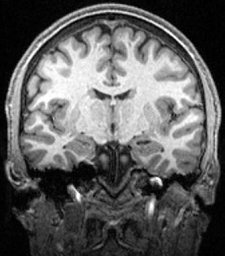
ABSTRACTBackground and PurposeEndovascular thrombectomy (EVT) is the standard for acute ischemic stroke from large vessel occlusion, but post‐EVT functional independence varies. Brain atrophy, linked to higher cerebrospinal fluid volume (CSFV), may affect outcomes. Baseline CSFV could predict EVT benefit by assessing brain health. We aimed to quantify total CSFV from clinical T1‐weighted (w) magnetic resonance imaging (MRI) to assess global brain atrophy and its association with functional outcomes following successful EVT.MethodsWe performed a retrospective analysis of patients achieving thrombolysis‐in‐cerebral‐infarction ≥2b revascularization via prospectively maintained single‐institution stroke thrombectomy registry (n = 432) between 2015 and 2021. We included 214 patients (mean age 67.5 ± 14.6, 49% female) with acceptable quality MRI within 14 days of EVT and available modified Rankin‐scale (mRS) at 90 days post EVT. Clinical T1w images were transformed into high‐resolution images using the convolutional neural‐network SynthSR. FreeSurfer software was then used to estimate total cranial CSFV. To correct for head size, percentage of CSFV to intracranial volume was used.ResultsBaseline CSFV% significantly predicted 90‐day mRS in an ordinal regression model adjusted for baseline mRS (p < 0.001). Further modeling was performed to account for age, sex, 24‐h National‐Institutes‐Health‐Stroke‐Scale (NIHSS), smoking history, prior stroke, hypertension, congestive heart failure, hemoglobin‐A1c, atrial fibrillation, and Alberta‐Stroke‐Program‐Early‐CT‐Score (ASPECTS). Total CSFV% remained an independent predictor of 90‐day mRS (p = 0.012). CSFV% did not significantly predict the occurrence of any type of hemorrhagic transformation in a logistic regression model.ConclusionsIncreased CSFV% correlates with poorer functional outcomes post EVT. Total CSFV% may serve as a useful imaging biomarker for clinicians determining patient prognostication prior to EVT.
BackgroundRecent randomized trials have shown that patients presenting with large core infarctions benefit from endovascular thrombectomy compared to medical management. We report real-world outcomes and factors associated with futile recanalization in patients meeting large core criteria for SELECT2.MethodsRetrospective review of health system records from 1/1/2024 to 12/31/2024 for patients presenting with computed tomography (CT) Alberta Stroke Program Early CT Score (ASPECTS) 3-5 or CT perfusion (CTP) core infarction ≥50 milliliters. Primary and secondary outcomes, 90-day modified Rankin Scale (mRS) score 0-2 and 0-3, respectively, were compared to rates reported in SELECT2. Logistic regression was used to identify factors independently associated with 90-day mRS 5-6 despite successful reperfusion (modified treatment in cerebral ischemia 2b-3).ResultsAmong 59 patients with 90-day outcome data, median CT ASPECTS and CTP core were 7 (5-10) and 78.5 (57-119) mL, respectively. Twelve (20.3%) achieved mRS 0-2, while 18 (30.5%) were ambulatory (mRS 0-3). Recanalization was achieved in 51 subjects, of whom 27 (52.9%) had a devastating neurological outcome (mRS 5-6). Atrial fibrillation was the only factor independently associated with futile recanalization (odds ratio 13.5, 95% confidence interval 1.4-128.8, p < 0.05).ConclusionOur real-world cohort of large core thrombectomy patients from daily clinical practice had identical rates of independent neurological function and lower ambulatory rates at 90 days to that reported in the treatment arm of SELECT2. A history of atrial fibrillation, independent of age and presenting stroke severity, was associated with futile recanalization.
Background The effectiveness of endovascular thrombectomy (EVT) for low Alberta Stroke Program Early CT score (ASPECTS) stroke patients with occlusion of the second segment of the middle cerebral artery (M2) is unclear. Methods This was a multicenter retrospective study. Patients with M1 or M2 occlusions and low ASPECTS (<6) who underwent successful EVT (modified treatment in cerebral ischemia score of 2b or higher) were included. Primary outcome was futile EVT reperfusion (defined as 90-day modified Rankin scale of 5 or 6). Other outcomes of interest include acceptable outcomes (modified Rankin scale of 3 or less) and intracranial hemorrhage (ICH), and all-cause 90-day mortality. Outcomes for M1 patients were compared to M2 patients with multivariable logistic regression models accounting for potential confounders. Results 173 patients with M1 or M2 occlusions and low ASPECTS (<6) who underwent successful EVT were identified. After multivariable adjustments, M2 patients had significantly higher odds of futile reperfusion (OR 5.48 [95%CI 1.91 to 15.7], p = 0.002), lower odds of acceptable outcomes (OR 0.33 [95%CI 0.12 to 0.89], p = 0.028), and higher odds of all-cause mortality (OR 4.90 [95%CI 1.65 to 14.5], p = 0.004). These findings suggest that EVT's efficacy for low-ASPECTS stroke patients may be diminished for patients with M2 occlusions. M2 occlusion was not significantly associated with ICH. Conclusions Among low-ASEPCTS stroke patients who underwent successful EVT, those with M2 occlusions had significantly higher odds of poor outcome compared to those with M1 occlusions.
BackgroundFunctional outcomes in elderly thrombectomy patients have been commonly reported up to 90 days, though long-term neurological status is not as well characterized. We studied 1-year outcomes in patients ≥ 80 years old and identified predictors of functional independence in elderly patients.MethodsRetrospective analysis of anterior circulation thrombectomy patients presenting from November 2016-August 2023 to a large health system. The primary outcome was 1-year modified Rankin Scale score (mRS) 0-2. Outcomes were compared between patients ≥ 80 and < 80 years old. Logistic regression was performed to identify predictors of 1-year functional independence in the elderly.Results957 patients were included, 220 (23%) of whom were ≥ 80 years old. A significantly lower proportion of patients ≥ 80 years old, compared to < 80 years, were functionally independent at 1-year (18.6% versus 45.9%, p < 0.001). In the elderly, predictors of functional independence included age (odds ratio (OR) 0.83, 95% confidence interval (CI) 0.74-0.93, p = 0.002), premorbid mRS score (OR 0.51, 95% CI 0.29-0.88, p = 0.016), presenting National Institutes of Health Stroke Scale score (OR 0.93, 95% CI 0.87-0.995, p = 0.035), cerebral blood volume index (OR 50.7, 95% CI 2.8-935, p = 0.008), and first-pass recanalization (OR 2.77, 95% CI 1.20-6.38, p = 0.017).ConclusionElderly thrombectomy patients had lower rates of functional independence at 1-year, though these are similar to previously reported rates at 90-days in octogenarians and nonagenarians. Factors associated with good outcomes in the elderly, including collateral status and single-pass revascularization, may be prognostically informative beyond the 90-day time window.
BACKGROUND AND OBJECTIVES:It remains unclear whether decompressive craniectomy (DC) is beneficial in patients who suffer symptomatic intracerebral hemorrhage (sICH) after acute ischemic stroke (AIS). We sought to study the effect of DC on functional outcomes in patients with sICH after AIS who underwent mechanical thrombectomy (MT). METHODS:Patients with AIS from anterior circulation large vessel occlusion who underwent MT and subsequently developed sICH were identified from the Stroke Thrombectomy and Aneurysm Registry database. The primary outcome was acceptable 90-day functional neurological outcome, defined as modified Rankin scale (mRS) 0-3. Multivariable logistic regression and propensity-score matching were used to identify and quantify risk factors. RESULTS:Of 464 patients identified with sICH after AIS after MT, 97 patients (20.9%) underwent DC. Patients who underwent DC were more likely to be female ( P < .001), younger ( P < .001), have a measured medical comorbidity, have higher baseline mRS ( P = .02), and have higher-grade hemorrhages ( P = .01). At 90 days, 14% of patients had the primary outcome of mRS 0-3 and 56% had died. The primary outcome was observed in 11 patients who underwent DC (11%) and 55 (15%) of those without DC (odds ratio [OR] 0.7, 95% CI 0.4-1.4, P = .40). DC did not affect mRS shift at 90 days ( P = .10) but was associated with lower mortality (OR 0.5, 95% CI 0.3-0.8, P = .01). Multivariable analysis demonstrated that DC decreased the odds of primary outcome (adjusted OR 0.2, 95% CI 0.02-0.9, P = .045), but did not affect mortality ( P = .94), mRS shift ( P = .50), or length of stay ( P = .90). Propensity-matched analysis similarly demonstrated that non-DC patients were more likely to achieve the primary outcome (24% vs 8%, P = .045). CONCLUSION:In patients with sICH after AIS after MT, those selected for DC had less favorable outcomes and similar rates of mortality at 90 days.
 Alejandro M. Spiotta合作论文数Department of Neurosurgery, College of Medicine, Medical University of South Carolina110
 Marios Psychogios合作论文数Clin Radiol & Nucl Med, Univ Hosp Basel99
 Kyle M. Fargen合作论文数Atrium Wake Forest Baptist Health;Department of Neurosurgery and Radiology, Wake Forest University School of Medicine92
 Alawieh Ali合作论文数Department of Neurosciences, Medical University of South Carolina;Department of Internal Medicine, American University of Beirut Medical Center;Medical University of South Carolina, American University of Beirut Medical Center86
 Fragata Isabel合作论文数83
 Ilko L. Maier合作论文数83
 Pascal M. Jabbour合作论文数Department of Neurological Surgery, The Sidney Kimmel Medical College, Thomas Jefferson University83
 Adam S. Arthur合作论文数Semmes Murphey81
 Peter Kan合作论文数79
 Justin Robert Mascitelli合作论文数Department of Neurosurgery, Long School of Medicine, The University of Texas Health Science Center79
 Michael Levitt合作论文数University of Washington77Robert M. Starke合作论文数73
 Ansaar T. Rai合作论文数Department of Neuroradiology, School of Medicine, West Virginia University;Rockefeller Neuroscience Institute, School of Medicine, West Virginia University;West Virginia University Hospitals69
 Sami Al Kasab合作论文数Dept Neurosurg, Med Univ South Carolina67
 Charles Matouk合作论文数Department of Neurosurgery, Yale School of Medicine, Yale University67
 Min S Park合作论文数63Richard Williamson合作论文数Stroke & Cerebrovascular Center, Baptist Medical Center Jacksonville62
 Joshua Osbun合作论文数Department of Neurosurgery, The University of Washington and Harborview Medical Center62Goyal Nitin合作论文数Department of Neurology, University of Tennessee Health Sciences Center59Jonathan A. Grossberg合作论文数Department of Neurosurgery, Emory University School of Medicine57Travis M. Dumont合作论文数Department of Surgery, University of Vermont College of Medicine54
 Adam Polifka合作论文数49De Leacy Reade A合作论文数49
 Shin-Ichi Yoshimura合作论文数Department of Neurosurgery, Hyogo College of Medicine48
 Eyad Almallouhi合作论文数Coll Med, Med Univ South Carolina44
 Brian M. Howard合作论文数40
 Daniele Romano合作论文数Dipartimento di Scienze Neurologiche e Neurosensoriali, Azienda Ospedaliera Universitaria Senese;Azienda ospedaliera universitaria San Giovanni e Ruggi di Aragona Salerno39
 Benjamin Gory合作论文数38Maxim Mokin合作论文数38Roberto Crosa合作论文数37Mark Moss合作论文数36
 Hugo Cuellar合作论文数Department of Neurosurgery, Louisiana State University Health Sciences Center36
 Edgar A Samaniego合作论文数Stanford University, Stanford University33
 Waleed Brinjikji合作论文数Division of Neuroradiology, Department of Radiology, Mayo Clinic33Navia Pedro合作论文数29
 Anadani Mohammad合作论文数University Hospitals Case Medical Center, Case Western Reserve University School of Medicine29Tanweer Omar合作论文数Department of Neurosurgery, New York University School of Medicine29
 Shakeel Chowdhry合作论文数28
 Joon-Tae Kim合作论文数27Roberto Javier Crosa合作论文数27I Maier合作论文数24
 Shaban Amir合作论文数24Patrick Brown合作论文数Neurological Surgery and Radiology, Wake Forest University23P Kan合作论文数22
 Grandhi Ramesh合作论文数Department of Neurological Surgery, University of Pittsburgh Medical Center22Altschul David J合作论文数22
 Nascimento Fábio A合作论文数Faculty of Medicine, Universidade Federal do Paraná21R Starke合作论文数20




