We aim to analyze the additive value of repeated transthoracic echocardiography (TTE) within a 1-week interval after a baseline TTE to diagnose infective endocarditis (IE) in patients admitted with Staphylococcus aureus bacteremia (SAB). We prospectively enrolled consecutive patients with SAB who were referred for TTE and transesophageal echocardiography (TEE) to exclude IE between January 2017 to December 2019. All patients underwent a second TTE within 5 to 7 days. We excluded patients with poor echo windows, previous IE, valve repair/replacement, and those with cardiac devices or a dialysis catheter in place. A total of 105 patients were enrolled, of which 40 (38.1
Heart failure with nonreduced ejection fraction (HFnrEF), defined as signs and symptoms of heart failure (HF) with a left ventricular ejection fraction (LVEF) of > 40%, continues to increase in prevalence with significant effects to patients, their care givers, and the health care system broadly. Historically, this population has been divided into HF with mildly reduced (HFmrEF) or HF with preserved ejection fraction (HFpEF). However, contemporary evidence indicates that patients across the spectrum of LVEF > 40% experience similar clinical outcomes and, importantly, respond consistently to several key pharmacotherapies. Adoption of the term HFnrEF provides a practical and unified framework for clinical decision-making, reducing ambiguity and promoting consistent application of evidence-based therapies. To support clinicians in translating evidence into practice, the Canadian Cardiovascular Society (CCS) and the Canadian Heart Failure Society (CHFS) present this guideline, which is focused on pharmacological management of symptomatic heart failure with nonreduced ejection fraction (HFnrEF). Underpinned by Grading of Recommendations, Assessment, Development, and Evaluation (GRADE) methodology and meta-analyses, outcomes of interest include pharmacotherapies shown to reduce the risk of HF hospitalization (HFH) and improve patient well-being in this population. The guideline offers concise recommendations for 4 key classes of pharmacological therapies: sodium-glucose cotransporter-2 inhibitors (SGLT2i), mineralocorticoid receptor antagonists (MRAs), angiotensin receptor-neprilysin inhibitors (ARNIs), and evidence-based drugs with glucagon-like peptide-1 (GLP-1) receptor agonist activity. Recommendations are complemented by practical tips to guide the initiation, titration, and maintenance of these foundational treatments. By emphasizing therapeutic consistency across the > 40% LVEF spectrum, this guideline aims to streamline care pathways and enhance the delivery of guideline-directed medical therapy for patients with symptomatic HFnrEF in real-world settings.
Background:Our institution implemented a clinical pathway to facilitate early hospital discharge (EHD) in < 48 hours post-primary percutaneous coronary intervention for low-risk ST elevation myocardial infarction. This study characterizes the exclusion criteria, barriers, safety profile, and patient satisfaction for EHD. Methods:We prospectively identified all patients with ST-elevation myocardial infarction between January 2023 and March 2024. Patient characteristics, potential EHD barriers and 30-day readmission rates were recorded. A postdischarge telephone survey assessed patient satisfaction. Patients discharged at ≤ 48 hours formed the EHD cohort; those discharged later comprised the non-EHD cohort. Statistical comparisons were performed using the chi-squared and Mann-Whitney U tests, with logistic regression assessing EHD barriers. Results:Among 433 STEMI patients, 65% (n = 282) were ineligible for EHD, primarily due to revascularization needs (29%) or infarct-related complications (47%). Of 151 eligible patients, 72% (n = 109) achieved EHD. Afternoon presentations were associated with higher EHD rates (82% vs 61%, odds ratio = 3.5, 95% confidence interval 1.57-7.83, P = 0.002). Rates of 30--day readmission were lower in the EHD cohort (0% vs 7%, P = 0.007). Patient satisfaction (96% vs 95%, P = 0.841), perceived appropriate length of stay (91% vs 82%, P = 0.15), and intention to attend cardiac rehabilitation (63% vs 67%, P = 0.73) were comparable between cohorts. Conclusions:Revascularization considerations and infarct-related complications were the most common reason for exclusion. Morning or overnight admissions were potential barriers to EHD, suggesting a role for optimized discharge planning. No adverse impacts on safety or patient satisfaction occurred.
Abstract Introduction The aim of this study is to analyze the diagnostic value of global longitudinal strain (GLS) in detecting inducible myocardial ischemia in patients with chest pain undergoing treadmill contrast-enhanced stress echocardiography (SE). Methods We retrospectively enrolled all patients who underwent invasive coronary angiography after treadmill contrast-enhanced SE. Rest and peak-stress myocardial GLS, segmental LS, and LS of 4-chamber (CH), 2-CH, and 3-CH views were reported. Luminal stenosis of more than 70% or fractional flow reserve (FFR) of < 0.8 was considered significant. Results In total 33 patients were included in the final analysis, among whom sixteen patients (48.4%) had significant coronary artery stenosis. Averaged GLS, 3-CH, and 4-CH LS were significantly lower in patients with critical coronary artery stenosis compared to those without significant stenosis (-17.1 ± 7.1 vs. -24.2 ± 7.2, p = 0.041), (-18.2 ± 8.9 vs. -24.6 ± 8.2, p = 0.045) and (-14.8 ± 6.2 vs. -22.8 ± 7.8, p = 0.009), respectively. Receiver operating characteristic (ROC) analysis of ischemic and non-ischemic segments demonstrated that a cut-off value of -20% of stress LS had 71% sensitivity and 60% specificity for ruling out inducible myocardial ischemia (Area under the curve was AUC = 0.72, P < 0.0001). Conclusion Myocardial LS measured with treadmill contrast-enhanced stress echocardiography demonstrates potential value in identifying patients with inducible myocardial ischemia.
Mechanical dysfunction of patent foramen ovale (PFO) closure device is extremely rare. We present a 58-year-old male patient who had multiple episodes of ischemic strokes 3 years after PFO closure, which was related to PFO device mechanical dysfunction and thrombosis. He was successfully treated with surgical intervention.
Echocardiography and medical education have changed significantly since the 2010 publication of the Canadian Cardiovascular Society (CCS) and Canadian Society of Echocardiography (CSE) guidelines for training in adult echocardiography. New training standards are needed to ensure that physicians who provide echocardiography services are appropriately prepared. This summary pro-vides an overview of the substantive changes that address: (1) new echocardiography applications now considered standard practice; (2) the shift to competency-based edu-cation; and (3) the need for objective documentation of competency achievement. The overarching goal of this update is to support excellence in the provision of echo-cardiography services to patients across all practice settings.
Echocardiography is an essential imaging modality for clinical care. Currently, by virtue of graduating from car-diology residency and performing/interpreting an arbi-trary number of echocardiograms, cardiology trainees are deemed competent to independently practice echocardi-ography. There is no formal assessment to ensure their competence. Recognizing this unmet need, we developed a novel echocardiography assessment tool and piloted it in a sample of 38 participants (including 7 expert echocardi-ographers). The tool was shown to be valid and reliable in assessing independent echocardiography interpretation skills; thus it can be used during training to ensure car-diology residents achieve competence in echocardiography before completing their training.
Tricuspid stenosis remains an uncommon presentation, affecting 1% of patients with heart disease in the developing world that is often associated with vague symptoms and signs, resulting in delayed clinical presentation.1 We present an unusual case of a 46-year-old woman who had been generally unwell for several years and who presented to hospital with cirrhosis and decompensated congestive heart failure. She was found to have a calcified mass originating from her interventricular septum that had eroded through the tricuspid valve and was obstructing the right ventricle. We present our surgical approach with video.
PURPOSE:We present this case series exploring the complementary role of coronary computed tomography angiography (CCTA) to SPECT myocardial perfusion imaging (MPI) in the detection of myocardial necrosis.METHODS:A cardiac hybrid imaging database search identified 144 patients with a previous history of ST-segment elevation myocardial infarction treated with coronary revascularization. CCTA and MPI scans were evaluated to determine whether CCTA had an added value to MPI in detecting myocardial necrosis.RESULTS:Five patients with patent stents and/or bypass grafts and both fixed perfusion defects on MPI and sub-endocardial hypo-perfusion on CCTA were identified. The extent and location of the perfusion defects were closely correlated between the CCTA and SPECT MPI images.CONCLUSION:In this series, CCTA and SPECT MPI were found to play a complementary role in the assessment of fixed perfusion defect, with CCTA adding specificity to the diagnosis of myocardial necrosis.
BACKGROUND:Postcardiotomy cardiogenic shock (PCS) is associated with poor prognosis. Medical therapy with afterload reduction, contractility optimization and systemic vasopressors often fails, and mechanical support is required. The aim of this study was to propose a strategy of prophylactic left ventricular assist device (LVAD) for high-risk patients undergoing cardiac surgery.METHODS:Between 2013 and 2019, 12 consecutive patients at high risk for PCS underwent cardiac surgery (valve surgery and/or coronary artery bypass grafting) with preplanned, prophylactic implantation of LVAD (CentriMag or Rotaflow). We reviewed patient characteristics and outcomes.RESULTS:Eight patients underwent a valve corrective surgery and seven patients underwent coronary artery bypass grafting. Eleven of 12 patients had successful LVAD insertion, support and wean, and survival to hospital discharge. Left ventricular function was stable perioperatively and improved at follow-up. Patients required low doses of inotropic support and no patients required extracorporeal membranous oxygenation. Major complications included, prolonged mechanical ventilation (n = 7), intra-aortic balloon pump (n = 1), temporary dialysis (n = 2), stroke (n = 1), bleeding requiring reoperation (n = 3), infection requiring mediastinal washout (n = 1). At a mean follow-up of, 660 ± 460.6 days all patients had either NYHA Class 1 (n = 6) or 2 (n = 4). There were two late mortalities (after 1 year).CONCLUSIONS:Prophylactic LVAD is a viable technique in select cardiac surgery patients who are high-risk for postcardiotomy shock. Further prospective study is warranted.
In this update of the Canadian Cardiovascular Society heart failure (HF) guidelines, we provide comprehensive recommendations and practical tips for the pharmacologic management of patients with HF with reduced ejection fraction (HFrEF). Since the 2017 comprehensive update of the Canadian Cardiovascular Society guidelines for the management of HF, substantial new evidence has emerged that has informed the care of these patients. In particular, we focus on the role of novel pharmacologic therapies for HFrEF including angiotensin receptor-neprilysin inhibitors, sinus node inhibitors, sodium glucose transport 2 inhibitors, and soluble guanylate cyclase stimulators in conjunction with other long established HFrEF therapies. Updated recommendations are also provided in the context of the clinical setting for which each of these agents might be prescribed; the potential value of each therapy is reviewed, where relevant, for chronic HF, new onset HF, and for HF hospitalization. We define a new standard of pharmacologic care for HFrEF that incorporates 4 key therapeutic drug classes as standard therapy for most patients: an angiotensin receptor-neprilysin inhibitor (as first-line therapy or after angiotensin converting enzyme inhibitor/angiotensin receptor blocker titration); a β-blocker; a mineralocorticoid receptor antagonist; and a sodium glucose transport 2 inhibitor. Additionally, many patients with HFrEF will have clinical characteristics for which we recommended other key therapies to improve HF outcomes, including sinus node inhibitors, soluble guanylate cyclase stimulators, hydralazine/nitrates in combination, and/or digoxin. Finally, an approach to management that integrates prioritized pharmacologic with nonpharmacologic and invasive therapies after a diagnosis of HFrEF is highlighted.
PURPOSE:Cardiac transplantation is a definitive therapy for end-stage heart failure, but demand exceeds supply. Cardiac donation after circulatory determination of death (cardiac DCDD) can be performed using direct procurement and perfusion (DPP), where cardiac activity is restored after heart recovery, or (NRP), where brain blood supply is surgically interrupted, circulation to the thoraco-abdominal organs is restored within the donor's body, followed by heart recovery. While cardiac DCDD would increase the number of heart donors, uptake of programs has been slowed in part because of ethical concerns within the medical community. These debates have been largely devoid of discussion regarding public perceptions. We conducted a national survey of public perceptions regarding cardiac DCDD.METHODS:We surveyed 1,001 Canadians about their attitudes towards cardiac DCDD using a rigorously designed and pre-tested survey.RESULTS:We found that 843 of 1,001 respondents (84.2%; 95% confidence interval [CI], 81.8 to 86.3) accepted the DPP approach, 642 (64.1%; 95% CI, 61.1 to 67.0) would agree to donate their heart using DPP, and 696 (69.5%; 95% CI, 66.6 to 72.3) would consent to the same for a family member. We found that 779 respondents of 1,001 respondents (77.8%; 95% CI, 75.1 to 80.3) accepted the NRP approach, 587 (58.6%; 95% CI, 55.5 to 61.6) would agree to donate their heart using NRP, and 636 (63.5%; 95% CI, 60.5 to 66.4) would consent to the same for a family member. Most respondents supported the implementation of DPP (738 respondents or 73.7%; 95% CI, 70.9 to 76.3) and NRP (655 respondents or 65.4%; 95% CI, 62.4 to 68.3) in Canada.CONCLUSION:The results of this national survey of public attitudes towards cardiac DCDD will inform the implementation of cardiac DCDD programs in a manner that is consistent with public values.
Amyloidosis is associated with poor prognosis, and patients with cardiac involvement have especially poor outcomes. Cardiac amyloidosis leads to higher rates of atrial arrhythmia and an increased risk of intracardiac thrombus formation. However, atrial mechanical dysfunction due to protein deposition in amyloidosis may lead to thrombus formation in the absence of atrial arrhythmia. We present a 42-year-old male patient with familial transthyretin amyloidosis who suffered an embolic stroke that originated from a left atrial appendage thrombus in the absence of any documented atrial fibrillation. This case highlights atrial mechanical dysfunction in patients with cardiac amyloidosis and the need to better stratify thrombotic risk in this population with integration of echocardiographic parameters and transesophageal echocardiography.
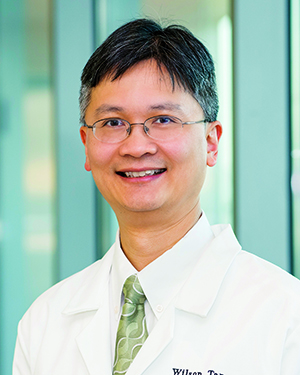 Wai Hong Wilson Tang合作论文数Department of Cardiovascular & Metabolic Sciences, Lerner Research Institute, Cleveland Clinic;Genomic Medicine Institute, Lerner Research Institute, Cleveland Clinic;Cleveland Clinic Lerner College of Medicine of School of Medicine, Case Western Reserve University13
 Elizabeth Swiggum合作论文数8
 Michael McDonald合作论文数Temerty Faculty of Medicine, University of Toronto;Ted Rogers Centre of Excellence in Heart Function, University of Toronto8
 Eileen O'Meara合作论文数8
 Anique Ducharme合作论文数Heart Failure Clinic, Montreal Heart Institute;Université de Montréal8
 Nadia Giannetti合作论文数Division of Cardiology, Faculty of Medicine and Health Sciences, McGill University;Department of Medicine, McGill University Health Centre8
 Serge Lepage合作论文数8Shelley Zieroth合作论文数8
 Randall Starling合作论文数Kaufman Center for Heart Failure, Cleveland Clinic8
 Rami Abazid合作论文数Advanced Cardiac Imaging Prince Sultan Cardiac Centre7Ryan Davey合作论文数6Richard Grimm合作论文数6
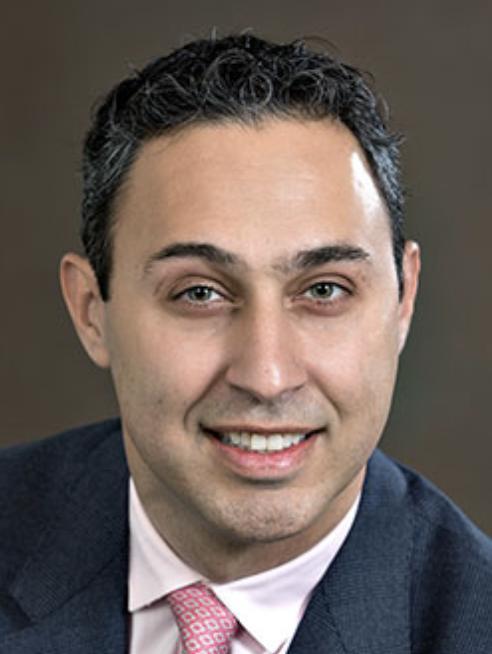 Mustafa Toma合作论文数Divisions of Cardiology & Cardiovascular Surgery, Department of Medicine, Faculty of Medicine, The University of British Columbia6
 Margot K. Davis合作论文数6
 Bruce Wilkoff合作论文数6David Verhaert合作论文数6Lisa M. Mielniczuk合作论文数6Brian Clarke合作论文数5Kim Anderson合作论文数5
 Stephanie Poon合作论文数Department of Medicine, University of Toronto;Department of Cardiology, University of Toronto;Sunnybrook Health Sciences Centre5
 Van Spall Harriette G C合作论文数5Lee Douglas S合作论文数5
 Abhinav Sharma合作论文数5
 A. Dave Nagpal合作论文数5
 Nikolaos Tzemos合作论文数5
 Zoran B Popovic合作论文数4Michel D'Astous合作论文数4Adam Grzeslo合作论文数4Bruce Sussex合作论文数4
 Natasha Aleksova合作论文数4Simon Kouz合作论文数4Baozhong Xin合作论文数4
 Susanna Mak合作论文数Institute of Medical Science, Temerty Faculty of Medicine, University of Toronto;Division of Cardiology, Department of Medicine, University of Toronto;Anna Prosserman Heart Function Clinic;Harold & Esther Mecklinger and the Posluns Family Cardiac Catheterization Research Laboratory, Mount Sinai Hospital4
 Justin A. Ezekowitz合作论文数Division of Cardiology, Department of Medicine, Faculty of Medicine & Dentistry, University of Alberta4
 Turgeon Ricky D合作论文数Faculty of Pharmaceutical Sciences, University of British Columbia4
 Michael W. Chu合作论文数Kaiser Permanente4Rajda Miroslaw合作论文数4
 Michael H M Chan (陳浩明)合作论文数Department of Chemical Pathology, The Chinese University of Hong Kong4
 Haissam Haddad合作论文数Division of Cardiology, University of Ottawa Heart Institute4
 Heng Wang合作论文数4
 Sheri L Koshman合作论文数4Andrea Lavoie合作论文数Department of Cardiovascular Medicine, Cleveland Clinic4
 Robert S. Mckelvie合作论文数McMaster University, Hamilton, Ontario, Canada4
 George A. Heckman合作论文数Department of Medicine, McMaster University4
 Rodrigo Bagur合作论文数Quebec Heart and Lung Institute, Laval University4
 Jonathan Howlett合作论文数Department of Cardiac Sciences, Cumming School of Medicine, University of Calgary;Department of Medicine, Cumming School of Medicine, University of Calgary4Leah Nye合作论文数4Alain Cohen-Solal合作论文数3Chirapa Puntawangkoon合作论文数3




