Japan's universal health coverage system has supported healthy longevity, but now confronts institutional stagnation: widely recognised structural pressures persist without reform of its core architecture. A multidisciplinary working group of 25 experts from Japan and the Western Pacific identified three interdependent structural challenges perpetuating policy inertia. These comprise a volume-driven, hospital-centric delivery model sustained by fee-for-service incentives, rigid budget allocation, and underdeveloped health technology assessment; fragmented data infrastructure and eroded public trust undermining evidence-informed governance; and institutional insularity limiting global interdependence. We propose a Vision 2040 framework with three goals: transitioning to an open, community-based ecosystem prioritising daily functioning and wellbeing; establishing trust and scientific independence as foundations of governance; and ensuring equity through circular innovation, in which Japan contributes to and learns from regional health networks by integrating global learning with domestic value assessment. Nine recommendations provide a roadmap for governance reform, data integration, reimbursement realignment with societal value, and reciprocal workforce partnerships. Reconstructing the social contract underpinning universal health coverage is central to sustainability across ageing Western Pacific societies.
Supplementary Table 1: Study population and exclusion criteria by cohorts as established by the ACC reproductive factor working group
BACKGROUND:Postoperative delirium (POD) is a common and serious complication, especially among older adults. The economic burden of POD, particularly in patients undergoing highly invasive cancer resection who are at high risk of delirium, remains unclear. We aimed to clarify the economic burden of subsyndromal delirium (SSD) and severe delirium in this population. METHODS:We prospectively enrolled 281 adults undergoing highly invasive cancer resection and evaluated the impact of severe delirium and SSD diagnosed using the Diagnostic and Statistical Manual of Mental Disorders, Fifth Edition, and the Delirium Rating Scale-Revised-98 severity scale. The primary outcome was diagnosis procedure combination (DPC) costs. Propensity score matching was performed to estimate the effect of delirium within a background-matched cohort, and generalized estimating equations with two-way cluster-robust standard errors were applied at both matched-set and patient levels. Sensitivity analyses were performed using direct medical costs (fee-for-service [FFS]). RESULTS:Fifty-five patients (19.6%) developed severe delirium. DPC costs showed no significant mean difference, whereas total FFS costs were significantly higher in severe delirium (mean difference: US$2364, 95%CI: US$122 ~ US$4606). Component analyses indicated higher costs for prescriptions, infusions, wound-related procedures, and laboratory tests. SSD had no significant economic impact. CONCLUSION:Severe postoperative delirium after highly invasive cancer resection was associated with increased FFS expenditures, particularly for prescriptions, infusions, wound care, and laboratory tests, whereas no significant differences were observed in DPC costs. Findings underscore the importance of preventing severe delirium.
LBA12002 Background: Delirium is a common and serious complication after major cancer surgery in older adults. Current guidelines, including the American Psychiatric Association guideline, do not recommend routine pharmacological prevention because of insufficient high-quality evidence. Ramelteon, a melatonin receptor agonist with a favorable safety profile, has suggested potential benefit in critically ill populations but has shown inconsistent results for prevention of postoperative delirium. Methods: This randomized, double-blind, placebo-controlled multicenter phase III trial enrolled cancer patients aged ≥65 years undergoing surgery under general anesthesia. Patients received ramelteon 8 mg or placebo nightly from 4–8 days before surgery through postoperative day 4. Randomization used minimization with prespecified stratification factors (age ≥75 years, surgical duration ≥6 h, benzodiazepine use, and study site). Guideline-based multicomponent delirium prevention care was implemented in all patients. The planned sample size was 678 patients aged ≥75 years (primary analysis set) plus 88 aged 65–74 years. The primary endpoint was DSM-5–defined delirium within 5 days after surgery. Between-group differences were analyzed using a Cochran–Mantel–Haenszel test adjusted for stratification factors. Results: Among patients aged ≥75 years, postoperative delirium occurred in 22.47% (71/316) of patients receiving ramelteon and 22.76% (71/312) receiving placebo, with no significant difference between groups (adjusted risk difference, ramelteon minus placebo, 0.05%; 95% CI, -6.50% to 6.59%; P = 0.9881). Among patients aged ≥65 years, delirium occurred in 22.54% (80/355) in the ramelteon group and 21.19% (75/354) in the placebo group (adjusted risk difference, ramelteon minus placebo, 1.57%; 95% CI, -4.52% to 7.65%; P = 0.6098). Conclusion: In this phase III randomized controlled trial, ramelteon did not reduce the incidence of postoperative delirium in older adults undergoing major cancer surgery, and these findings do not support routine pharmacological prevention with ramelteon in this setting. Clinical trial information: jRCTs031210673. Clinical trial information: jRCTs031210673 . Delirium within 5 days after surgery. Item Description Primary endpoint result (≥75 y) 22.47% (71/316) with ramelteon vs 22.76% (71/312) with placebo Secondary endpoint result (≥65 y) 22.54% (80/355) with ramelteon vs 21.19% (75/354) with placebo
Supplementary Table 3: Pooled relative risks for recategorized age at menarche and age at menopause & incident thyroid cancer risk, Overall and papillary type
Supplementary Table 2: Distribution of total cases according to histology according to participating cohorts
Supplementary Figure 3: Forest plots of the pooled hazard ratios (HRs) and 95% confidence intervals (CIs) generated by combining cohort-specific HRs for the association between reproductive factors and the overall risk of thyroid cancer in the Asia Cohort Consortium. A - Forest plot for the pooled HRs and CIs for breastfeeding status and thyroid cancer risk, overall B - Forest plot for the pooled HRs and CIs for postmenopausal status and thyroid cancer risk, overall C - Forest plot for the pooled HRs and CIs for age at menopause and thyroid cancer risk, overall
Supplementary Methods 1: Details on the development of the Asia Cohort Consortium reproductive factor working group protocol
Supplementary Figure 4: Forest plots of the pooled hazard ratios (HRs) and 95% confidence intervals (CIs) generated by combining cohort-specific HRs for the association between reproductive factors and the overall risk of thyroid cancer in the Asia Cohort Consortium. A - Forest plot for the pooled HRs and CIs for oral contraceptive use and thyroid cancer risk, overall B - Forest plot for the pooled HRs and CIs for hormone replace therapy use and thyroid cancer risk, overall
Supplementary Figure 5: Forest plot of stratified analysis between number of children/deliveries and thyroid cancer risk by birth years in the Asia Cohort Consortium. The Pooled Hazard Ratios (HRs) with 95% Confidence intervals (CIs) were generated by combining cohort-specific HRs. Models were adjusted for smoking status, alcohol drinking status and Body mass index. a Significant (p-value <0.05) trend across categories of the reproductive factor. b Significant (p-value <0.05) for interaction indicating a modifying effect on the association between the reproductive factor and thyroid cancer risk.
Supplementary Figure 6: Forest plot of pooled hazard ratios (HRs) and 95% confidence intervals (CIs) for the association between reproductive factors and thyroid cancer risk, by age of diagnosis in the Asia Cohort Consortium. The Pooled Hazard Ratios (HRs) with 95% Confidence intervals (CIs) were generated by combining cohort-specific HRs. Models were adjusted for smoking status, alcohol drinking status and Body mass index. a Significant (p-value <0.05). b The model included all 9 cohorts. c The model for Breastfeeding included 6 cohorts, that for Oral contraceptive use included 5 cohorts and that for hormone replacement therapy included 6 cohorts.
Supplementary Figure 1: Forest plots of the pooled hazard ratios (HRs) and 95% confidence intervals (CIs) generated by combining cohort-specific HRs for the association between reproductive factors and the overall risk of thyroid cancer in the Asia Cohort Consortium. A - Forest plot for the pooled HRs and CIs for age at menarche and thyroid cancer risk, overall B - Forest plot for the pooled HRs and CIs for age at first delivery and thyroid cancer risk, overall
Supplementary Figure 2: Forest plots of the pooled hazard ratios (HRs) and 95% confidence intervals (CIs) generated by combining cohort-specific HRs for the association between reproductive factors and the overall risk of thyroid cancer in the Asia Cohort Consortium. A - Forest plot for the pooled HRs and CIs for parity status and thyroid cancer risk, overall B - Forest plot for the pooled HRs and CIs for number of children/deliveries and thyroid cancer risk, overall C - Forest plot for the pooled HRs and CIs for recategorized number of children/deliveries and thyroid cancer risk, overall
Background Dental caries disproportionately affects low- and middle-income countries (LMICs), where access to fluoride toothpaste is often limited by poor affordability. This study aimed to assess the affordability of ≥ 950 parts per million of fluoride (ppm F) toothpaste for the general population in LMICs and its association with the prevalence of untreated dental caries. Methods A cross‑sectional ecological survey was conducted between January and March 2023. Key-informants—medical professionals with extensive experience in LMICs—reported brand, fluoride concentration, pack size, and price for commonly used toothpastes. Prices were converted to United States dollars using average 2023 exchange-rates, product volumes were standardised to grams, and annual consumption assumed 3 g/day (twice daily brushing). Affordability was defined as the proportion of 2023 median annual income required to purchase a 1‑year supply per person. National prevalence of untreated caries (ages ≥ 5 years), per capita refined sugar availability (2019), gross domestic product (GDP) per capita (PPP), and Gini index were assembled from international databases. Multiple linear regression assessed associations between caries prevalence and affordability, adjusting for GDP, Gini, and sugar; log‑transformations were applied except for Gini. Results Data were obtained for 45 LMICs across Asia, Africa, Oceania, Latin America, and the Middle East. The mean annual cost of fluoride toothpaste was USD 30.87 (SD 18.74; range 4.91–87.26). The mean affordability ratio was 0.48% (SD 0.49%; range 0.09–2.33%). In regression analyses, only affordability showed a significant positive association with untreated caries prevalence (coefficient 0.08; 95% CI 0.01–0.16; p = 0.03); GDP per capita, Gini index, and sugar availability were not significant. Conclusions Affordability of ≥ 950 ppm F toothpaste varies substantially across LMICs and is significantly associated with the national prevalence of untreated dental caries.
Women's labor force participation has increased in Japan, yet workplace support for cyclical, gender-specific health needs remains uneven. This study examined how working women in Japan managed these needs at work and how digital self-tracking might support job-aligned adjustments. Three age-stratified focus groups were conducted in the Kanto region (20-29 years, n = 7; 30-39 years, n = 6; 40-59 years, n = 8; total n = 21) in 2024. Transcripts were analyzed using conventional qualitative content analysis. Participants described formal support, including menstrual leave, as often impractical because of stigma, hierarchical norms, and concerns about fairness and workload redistribution, fostering informal coping and after-hours self-management. Menstrual-cycle apps and activity or sleep tracking were valued when outputs were accurate, interpretable, and aligned with bodily sensations; sustained use depended on low burden, peer recommendations, and clear privacy boundaries. Participants preferred concise, user-controlled summaries that could communicate the need for brief scheduling or task adjustments without divulging sensitive personal information. Privacy-preserving self-tracking was perceived as potentially useful when workplaces provided psychologically safe channels and fair procedures for translating summaries into agreed, low-disclosure micro-accommodations. These findings reflect perceived feasibility and potential usefulness rather than demonstrated effects on work functioning, absenteeism, presenteeism, organizational outcomes, or implementation effectiveness.
The global health architecture is under increasing strain in the context of intensifying multipolarity. Development assistance for health is declining and geopolitical fragmentation stalls collective action, leaving health sequestered within discretionary foreign aid. As Asia's sole G7 nation and a universal health coverage pioneer, Japan navigates tensions between domestic social protection and external change. Drawing on a two-round expert consultation and literature synthesis, this analysis diagnoses three interdependent structural barriers forming a cycle of strategic inertia: a crisis of solidarity, financing, and governance in the multilateral architecture; episodic leadership driven by institutional fragmentation and misaligned incentives; and unidirectional knowledge transfer that forecloses reverse learning needed to revitalise domestic capacity and regional partnerships. We propose a framework of human security diplomacy, positioning health as a pillar of regional architecture rather than discretionary expenditure. This framework advances three goals: harmonising global contribution with domestic growth; fostering solidarity and regional public goods through catalytic leadership; and mainstreaming health into social systems for planetary resilience. Central to this strategy is circular co-evolution, in which Japanese institutional expertise and partner-country innovations reinforce one another.
Supplementary Figure 7: Forest plot of stratified analyses between reproductive factors and thyroid cancer risk by body mass index (BMI) and smoking status in the Asia Cohort Consortium. The Pooled Hazard Ratios (HRs) with 95% Confidence intervals (CIs) were generated by combining cohort-specific HRs. Models for stratified analyses by smoking status were adjusted for alcohol drinking status and BMI and those for BMI were adjusted for smoking status and alcohol drinking status. a Significant (p-value <0.05). b Significant (p-value <0.05) for interaction indicating a modifying effect on the association between the reproductive factor and thyroid cancer risk. c The model included all 9 cohorts. d The model for Breastfeeding included 6 cohorts, that for Oral contraceptive use included 5 cohorts, and that for hormone replacement therapy included 6 cohorts
Supplementary Table 4: Stratified analyses of the Association between reproductive factors and the risk of thyroid cancer by country and birth years
BACKGROUND:Studies on the association between multimorbidity and mortality in large populations have mainly been conducted in European and North American populations. This study aimed to identify the association between cardiometabolic multimorbidity and all-cause and cardiovascular disease (CVD) mortality in the Asia Cohort Consortium. METHODS:In this prospective cohort study, pooled analysis was performed to evaluate the association between cardiometabolic diseases (hypertension, diabetes, ischemic heart disease, and stroke), multimorbidity, and all-cause and CVD mortality, including premature mortality, among participants from 11 Asian cohort studies. Hazard ratios (HRs) and 95% confidence intervals (CIs) were estimated using Cox hazard regression. RESULTS:A total of 483,532 participants were followed for a median of 14.3 years. Compared with participants without any disease, those with stroke and diabetes had higher age- and sex-adjusted HRs for all-cause mortality (HR 3.9; 95% CI, 3.28-4.56). Moreover, the age- and sex-adjusted HRs for CVD mortality were highest in participants with stroke, ischemic heart disease, and diabetes (HR 10.6; 95% CI, 6.16-18.25). These patterns remained consistent after additional adjustments for smoking status and body mass index. The risk of premature mortality followed similar trends but was more pronounced. CONCLUSION:These findings highlight the differential impacts of individual cardiometabolic diseases and their combinations on mortality risks. Stroke and diabetes were associated with the highest risks for all-cause and cardiovascular mortality, underscoring the need for targeted prevention and personalized management strategies tailored to these high-risk conditions in Asian populations.
 Manami Inoue (井上真奈美)合作论文数Division of Epidemiology, Institute for Cancer Control, National Cancer Center89
 Norie Sawada合作论文数76
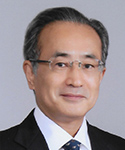 Shoichiro Tsugane合作论文数National Institute of Health and Nutrition, National Institutes of Biomedical Innovation, Health and Nutrition70
 Sarah Krull Abe合作论文数Healthcare Research Unit, Economic Research Institute for ASEAN and East Asia;Institute for Cancer Control, National Cancer Center;The University of Tokyo55
 Xiao-Ou Shu (舒晓鸥)合作论文数Vanderbilt Institute for Global Health, Vanderbilt University Medical Center;Department of Medicine, Division of Epidemiology, Vanderbilt University School of Medicine47
 Wei Zheng合作论文数Vanderbilt Institute for Global Health, Vanderbilt University Medical Center;Department of Medicine, Vanderbilt University Medical Center46
 Katanoda Kota合作论文数Ctr Canc Control & Informat Serv, Natl Canc Ctr45Yumi Sugawara合作论文数45Seiki Kanemura合作论文数43
 Paolo Boffetta合作论文数Tisch Cancer Institute, Icahn School of Medicine at Mount Sinai41
 Daehee Kang合作论文数College of Medicine, Seoul National University;Molecular & Genomic Epidemiology Laboratory, Seoul National University41
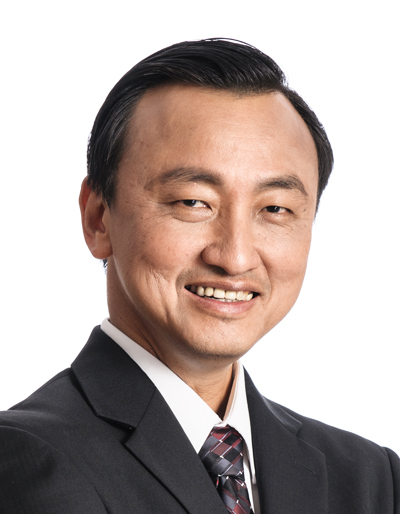 Kee Seng Chia合作论文数Saw Swee Hock School of Public Health, National University of Singapore;Yong Loo Lin School of Medicine, National University of Singapore40
 Habibul Ahsan合作论文数Institute for Population and Precision Health, University of Chicago;Department of Public Health Sciences, The University of Chicago;Comprehensive Cancer Center, The University of Chicago38
 Akiko Tamakoshi合作论文数Department of Public Health, Graduate School of Medicine, Hokkaido University38
 Youlin Qiao (乔友林)合作论文数Cancer Hospital, Chinese Academy of Medical Sciences;Department of Global Health, School of Population Medicine and Public Health, Chinese Academy of Medical Sciences;State Key Laboratory of Pathogenesis, Prevention and Treatment of High Incidence Diseases in Central Asia, Xinjiang Medical University36
 Keitaro Matsuo合作论文数Division of Cancer Epidemiology and Prevention, Aichi Cancer Center Research Institute36
 Hui Cai合作论文数School of Medicine, Vanderbilt University;Division of Epidemiology, Department of Medicine, Vanderbilt University Medical Center36Aesun Shin合作论文数Cancer Research Institute, Seoul National University34
 Nathaniel Rothman合作论文数Occupational and Environmental Epidemiology Branch, Division of Cancer Epidemiology and Genetics, National Cancer Institute, National Institutes of Health34Kim Jeongseon合作论文数Cancer Epidemiology Branch, National Cancer Center33Hori Megumi合作论文数32Chisato Nagata合作论文数32
 Sue Kyung Park合作论文数Preventive Medicine Department, College of Medicine, Seoul National University29
 Jian-Min Yuan合作论文数UPMC Hillman Cancer Center;Department of Epidemiology, School of Public Health, University of Pittsburgh27
 Ichiro Tsuji合作论文数Tohoku University Graduate School of Medicine27Taichi Shimazu合作论文数Research Center for Cancer Prevention and Screening, National Cancer Center27Sakata Ritsu合作论文数26Takashi Kimura合作论文数Department of Public Health, Hokkaido University Graduate School of Medicine25Motoki Iwasaki合作论文数25Keiko Wada合作论文数25
 Tomohiro Matsuda合作论文数24
 Yu-Tang Gao合作论文数Shanghai Jiao Tong University24Taiki Yamaji合作论文数23
 Woon-Puay Koh合作论文数Department of Epidemiology and Public Health, National University of Singapore, 16 Medical Drive, Singapore 117597, Singapore22
 Rahman Md Shafiur合作论文数Department of Public Health, First Capital University of Bangladesh21
 Hidemi Ito (伊藤秀美)合作论文数Division of Cancer Information and Control, Aichi Cancer Center Research Institute;Nagoya University21
 Md. Rashedul Islam合作论文数Hitotsubashi Institute for Advance Study, Hitotsubashi University20
 Atsushi Hozawa合作论文数Department of Public Health and Forensic Medicine, Tohoku University Graduate School of Medicine20
 Merritt M A合作论文数Harvard School of Public Health, Imperial College London19
 Ji-Yeob Choi合作论文数College of Medicine, Seoul National University;Behavioral Systems Epidemiology Lab, Seoul National University;Department of Biomedical Sciences, Graduate School, Seoul National University19
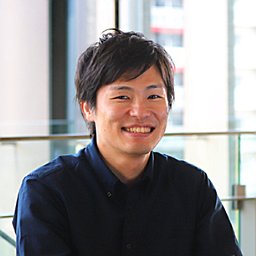 Daisuke Yoneoka合作论文数School of Advanced Sciences, the Graduate University for Advanced Studies18
 Kenji Shibuya合作论文数Soma COVID Vaccination Medical Center, The Tokyo Foundation for Policy Research18
 Wanqing Wen合作论文数Division of Epidemiology, Department of Medicine, Vanderbilt University Medical Center17Mayo Hirabayashi合作论文数15
 Yoon-Ok - Ahn合作论文数15Myung-Hee Shin合作论文数14
 Keun-Young Yoo合作论文数College of Medicine, Seoul National University14Oze Isao合作论文数Div Epidemiol & Prevent, Aichi Canc Ctr13Atsuko Sadakane合作论文数13




