The pathophysiologies of achalasia and gastroesophageal reflux disease with Barrett's esophagus are highly distinct, though the clinical signs and symptoms of both are highly overlapped. The concomitant development of both achalasia and Barrett's esophagus is rare. We describe a case of a patient with a concomitant diagnosis of both pathologies and further explain the epidemiology of carrying both diseases simultaneously.
INTRODUCTION:Achalasia has been linked to viruses. We have observed cases of rapid-developing achalasia post-coronavirus disease 2019 (COVID-19). METHODS:We aimed to prospectively evaluate esophageal muscle for severe acute respiratory syndrome coronavirus-2 (SARS-CoV-2) from patients with rapid-onset achalasia post-COVID-19 and compare them with achalasia predating COVID-19 and achalasia with no COVID-19. RESULTS:Compared with long-standing achalasia predating COVID-19 and long-standing achalasia with no COVID-19, the subjects with achalasia post-COVID-19 had significantly higher levels of messenger RNA for the SARS-CoV-2 nucleocapsid (N) protein, which correlated with a significant increase in the inflammatory markers NOD-like receptor family pyrin domain-containing 3 and tumor necrosis factor. DISCUSSION:SARS-CoV-2, the virus responsible for COVID-19, is a possible trigger for achalasia.
BACKGROUND:Real-time prediction of histologic features of small colorectal polyps may prevent resection and/or pathologic evaluation and therefore decrease colonoscopy costs. Previous studies showed that computer-aided diagnosis (CADx) was highly accurate, though it did not outperform expert endoscopists. OBJECTIVE:To assess the diagnostic performance of histologic predictions by general endoscopists before and after assistance from CADx in a real-life setting. DESIGN:Prospective, multicenter, single-group study. (ClinicalTrials.gov: NCT04437615). SETTING:6 centers across the United States. PARTICIPANTS:1252 consecutive patients undergoing colonoscopy and 49 general endoscopists with variable experience in real-time prediction of polyp histologic features. INTERVENTION:Real-time use of CADx during routine colonoscopy. MEASUREMENTS:The primary end points were the sensitivity and specificity of CADx-unassisted and CADx-assisted histologic predictions for adenomas measuring 5 mm or less. For clinical purposes, additional estimates according to location and confidence level were provided. RESULTS:The CADx device made a diagnosis for 2695 polyps measuring 5 mm or less (96%) in 1252 patients. There was no difference in sensitivity between the unassisted and assisted groups (90.7% vs. 90.8%; P = 0.52). Specificity was higher in the CADx-assisted group (59.5% vs. 64.7%; P < 0.001). Among all 2695 polyps measuring 5 mm or less, 88.2% and 86.1% (P < 0.001) in the CADx-assisted and unassisted groups, respectively, could be resected and discarded without pathologic evaluation. Among 743 rectosigmoid polyps measuring 5 mm or less, 49.5% and 47.9% (P < 0.001) in the CADx-assisted and unassisted groups, respectively, could be left in situ without resection. LIMITATION:Decision making based on CADx might differ outside a clinical trial. CONCLUSION:CADx assistance did not result in increased sensitivity of optical diagnosis. Despite a slight increase, the specificity of CADx-assisted diagnosis remained suboptimal. PRIMARY FUNDING SOURCE:Olympus America Corporation served as the clinical study sponsor.
Introduction: Per-Oral Endoscopic Myotomy (POEM) is the recommended first-line treatment for all achalasia subtypes due to its minimally invasive nature. We aim to evaluate the trends of utilization, costs, and outcomes (mortality and complications) of POEM versus Heller Myotomy (HM) in U.S. hospitals. Methods: This is a retrospective study of individuals admitted with a primary diagnosis of achalasia. Data was obtained from Nationwide Inpatient Sample databases from the years 2016 to 2020 using ICD-10 codes. We assessed the therapeutic procedures employed, the trends and outcomes associated with POEM versus HM in terms of hospital utilization, mortality, morbidity, and the baseline characteristics of our study population. Results: A total of 26 880 adult individuals were diagnosed with achalasia. Of these, 11% underwent POEM, while 59% underwent HM. POEM rates increased from 6% to 10% of achalasia admissions, while HM decreased from 49% to 41% during the study period. No significant differences in total hospital charges or length of stay were observed between the 2 procedures. Regarding procedural complications, HM was associated with significantly reduced odds of pneumonia (adjusted Odds Ratio [aOR] = 0.09, 95% CI: 0.02-0.41), pneumoperitoneum (aOR = 0.11, 95% CI: 0.03-0.36), and pneumomediastinum (aOR = 0.21, 95% CI: 0.06-0.68), with no difference in the odds of esophageal perforation (aOR = 1.33, 95% CI: 0.27-6.48) and sepsis (aOR = 2.04, 95% CI: 0.22-18.40). Conclusion: While HM rates are currently declining in the U.S., POEM usage appears to be increasing. Despite being a less invasive measure than HM, POEM remains underutilized in the U.S.
Barrett’s esophagus (BE) refers to the mucosal transition from normal squamous mucosa to a genetically unstable specialized columnar-type intestinal metaplasia in the esophagus. Recent sophisticated studies using orthogonal techniques of molecular and computational biology strongly support that BE is the predominant pathway to esophageal adenocarcinoma (EAC). In this treatise, we review the risk of BE transforming to EAC and the latest developments in risk assessment of BE progression to EAC. The progression rate of BE to EAC can vary from one study to another depending on the region of origin, definition of BE, and variations in data capture. Overall, the published studies suggest that the risk of BE transforming to EAC is less than 0.5% per year and that to high-grade dysplasia (HGD) or EAC is less than 1% per year. Clinical tools to predict risk such as the Progression in Barrett’s (PIB) have been developed but will need further validation. p53 is the biomarker for risk stratification and has stood the test of time but is still not being widely used due to incomplete correlation between the mutational status and protein expression. Molecular studies using genomics and proteomics approaches are being evaluated but need to demonstrate good clinical accuracy before being translated into practice.
To the editor, I read with great interest the article “The American Foregut Society white paper on the endoscopic classification of esophagogastric junction integrity”1 published in the journal. The newly proposed American Foregut Society (AFS) classification to grade the antireflux barrier (ARB) integrity provides more comprehensive evaluation that are relevant to the practicing clinicians in day-to-day practice. The authors appropriately call for future validation of this novel classification and its correlation with the presence and severity of gastroesophageal reflux disease, and additionally to extend the classification to assess the ARB integrity in individuals with prior antireflux interventions,1 whether surgical or endoscopic. However, the future directions fall short of addressing 2 important variables that may affect the assessment of ARB integrity by applying the AFS classification. First, the classification does not take into consideration the anesthesia effect on the ARB. The hiatal aperture tends to be larger under general anesthesia with use of paralytics as compared to conscious sedation without the use of paralytics. Second, the novel AFS classification does not take obesity into consideration either. It is common to see a large fat pad in the diaphragmatic hiatus during laparoscopy, which may prevent accurate appreciation of a hidden hiatal hernia, whether endoscopically or laparoscopically. Therefore, caution needs to be taken when evaluating for hiatal hernia in obese patients, and other modalities, such as upper gastrointestinal contrast study, should be used to assess for presence of hiatal hernias.2 Addressing these 2 important issues is of paramount importance in future studies. Declaration of Conflicting Interests
The study by Åkerström et al1 recently published in Gastroenterology is an important one to add to the body of literature regarding the role of antireflux surgery (ARS) to decrease the risk of progression in Barrett's esophagus (BE). The recent American College of Gastroenterology guideline on the diagnosis and management of BE suggests against the use of ARS as a measure to decrease the risk of progression, although this recommendation was conditional with a low level of evidence.2 One specific important factor that is missing from the data in the study by Åkerström et al1 is whether ARS was effective in eliminating or decreasing the burden of reflux.
See also: Wide-area transepithelial sampling with computer-assisted analysis to detect high grade dysplasia and cancer in Barrett's esophagus: a multicenter randomized study Endoscopy 2023; 55(04): 303-310DOI: 10.1055/a-1949-9542 See also: Reply to Drs. Hamo and SamoEndoscopy 2023; 55(11): 1056-1056DOI: 10.1055/a-2106-7613
 Muhammed Sherid合作论文数48
 Samian Sulaiman合作论文数Department of Internal Medicine, Saint Francis Hospital41
 Husein Husein合作论文数Department of Internal Medicine, University of Tishreen29
 Humberto Sifuentes合作论文数23Subbaramiah Sridhar合作论文数Department of Gastroenterology, Medical College of Georgia23Falak Hamo合作论文数17
 Qiang Cai合作论文数Emory University School of Medicine10
 Steven A Keilin合作论文数10Anand S Jain合作论文数9Vainder John A合作论文数9Tupper Ruth合作论文数8
 Nikrad Shahnavaz合作论文数Immunology, Asthma and Allergy Research Institute, Tehran University of Medical Sciences8Spurr Charles合作论文数7Sethuraman Sankara N合作论文数7Dharma Thiruvaiyaru合作论文数7Lucie Calderon合作论文数6Christie Jennifer合作论文数6Shanthi Srinivasan合作论文数5John Bloch合作论文数5Marie Godiers合作论文数5
 Malav P Parikh合作论文数Dept Hosp Med, Cleveland Clin Fdn5Chuma Obineme合作论文数5Bhagatwala Jigar合作论文数5Addis Asfaw合作论文数4Nadia El Hangouche合作论文数4Ana Inashvili合作论文数4Sathish Krishnan合作论文数4Chalres Spurr合作论文数4
 Ramzi Mulki合作论文数Dept Gastroenterol & Hepatol, Univ Alabama Birmingham4Karan A. Dietz-Lindo合作论文数4Charles L. Spurr合作论文数4Kevin Liu合作论文数4
 Venu Ganipisetti合作论文数Miami Valley Hosp4
 Shahriar Dadkhah合作论文数4Patel Vaishali合作论文数4
 Mekaroonkamol Parit合作论文数Grady Memorial Hospital, Emory University School of Medicine4
 Peter Kahrilas合作论文数Feinberg School of Medicine, Northwestern University4
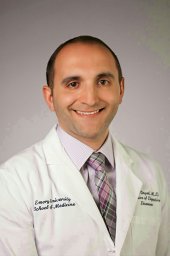 Emad Qayed合作论文数4Shahryar Khan合作论文数3Margaret Yungbluth合作论文数3Harvey Friedman合作论文数3Rushikesh Shah合作论文数3Olayinka Afolabi合作论文数3Hani Snounou合作论文数3Piyush Nathani合作论文数3Mollie Jackson合作论文数3Kyle M Yuquimpo合作论文数Dept Internal Med, Univ Kansas3
 Dustin A Carlson合作论文数Gastroenterology and Hepatology, Department of Medicine, Feinberg School of Medicine, Northwestern University3Raja Shreya合作论文数3




