This publication describes the biology, distribution, behavior, and impact of the parasitoid Leptomastix dactylopii Howard. This beneficial insect is known for providing significant reductions in mealybug populations in Florida and other locations. It is also intended to provide knowledge about this parasitoid to a wide range of interested audiences including growers, Extension agents, researchers, students, laypersons, and other stakeholders.
The Featured Creatures collection provides in-depth profiles of insects, nematodes, arachnids and other organisms relevant to Florida. These profiles are intended for the use of interested laypersons with some knowledge of biology as well as academic audiences.
Motivation: Aquatic insects comprise 64% of freshwater animal diversity and are widely used as bioindicators to assess water quality impairment and freshwater ecosystem health, as well as to test ecological hypotheses. Despite their importance, a comprehensive, global database of aquatic insect occurrences for mapping freshwater biodiversity in macroecological studies and applied freshwater research is missing. We aim to fill this gap and present the Global EPTO Database, which includes worldwide geo-referenced aquatic insect occurrence records for four major taxa groups: Ephemeroptera, Plecoptera, Trichoptera and Odonata (EPTO).Main type of variables contained: A total of 8,368,467 occurrence records globally, of which 8,319,689 (99%) are publicly available. The records are attributed to the corresponding drainage basin and sub-catchment based on the Hydrography90m dataset and are accompanied by the elevation value, the freshwater ecoregion and the protection status of their location.Spatial location and grain: The database covers the global extent, with 86% of the observation records having coordinates with at least four decimal digits (11.1 m precision at the equator) in the World Geodetic System 1984 (WGS84) coordinate reference system.Time period and grain: Sampling years span from 1951 to 2021. Ninety-nine percent of the records have information on the year of the observation, 95% on the year and month, while 94% have a complete date. In the case of seven sub-datasets, exact dates can be retrieved upon communication with the data contributors.Major taxa and level of measurement: Ephemeroptera, Plecoptera, Trichoptera and Odonata, standardized at the genus taxonomic level. We provide species names for 7,727,980 (93%) records without further taxonomic verification.Software format: The entire tab-separated value (.csv) database can be downloaded and visualized at . Fifty individual datasets are also available at , while six datasets have restricted access. For the latter, we share metadata and the contact details of the authors.
The current study assessed the ecological–health risks of potentially toxic arsenic (As) and antimony (Sb) in the vegetable Centella asiatica, topsoils, and mangrove sediments sampled from Peninsular Malaysia. The As concentrations ranged from 0.21 to 4.33, 0.18 to 1.83, and 1.32 to 20.8 mg/kg dry weight, for the leaves, stems, and roots of the vegetable, respectively. The ranges of Sb concentrations were 0.31–0.62, 0.12–0.35, and 0.64–1.61 mg/kg dry weight, for leaves, stems, and roots of the vegetable, respectively. The children’s target hazard quotient (THQ) values indicated no non-carcinogenic risks of As and Sb in both leaves and stems, although children’s THQ values were higher than those in adults. The calculated values of estimated weekly intake were lower than established provisional tolerable weekly intake of As and Sb for both children and adult consumers. The carcinogenic risk (CR) values of As for children’s intake of leaves and stems of vegetables showed more public concern than those of adults. The levels of Sb and As in the topsoils were generally higher (although not significantly) than those in the mangrove sediments, resulting in a higher geoaccumulation index, contamination factor and ecological risk, hazard index, THQ, and CR values. This indicated that the anthropogenic sources of Sb and As originated from the land-based activities before reaching the mangrove near the coast. The CR of As signifies a dire need for comprehensive ecological–health risks exposure studies, as dietary intake involves more than just vegetable consumption. Therefore, risk management for As and Sb in Malaysia is highly recommended. The present findings of the ecological–health risks of As and Sb based on 2010–2012 samples can be used as an important baseline for future reference and comparison.
Human activities due to different land uses are being studied widely in many countries. This study aimed to determine the ecological risks and human health risk assessments (HHRA) of Cd, Pb, Ni, Cu, and Zn in the topsoils of six land uses in Peninsular Malaysia. The ranges of the potentially toxic metals (PTMs) in the soils (mg/kg, dry weight) of this study were 0.24–12.43 for Cd (mean: 1.94), 4.66–2363 for Cu (mean: 228), 2576–116,344 for Fe (mean: 32,618), 2.38–75.67 for Ni (mean: 16.04), 7.22–969 for Pb (mean: 115) and 11.03–3820 for Zn (mean: 512). For the ecological risk assessments, the potential ecological risk index (PERI) for single metals indicated that the severity of pollution of the five metals decreased in the following sequence: Cd > Cu > Pb > Zn > Ni. It was found that industry, landfill, rubbish heap, and mining areas were categorized as “very high ecological risk”. For HHRA, the land uses of industry, landfill and rubbish heap were found to have higher hazard quotient (HQ) values for the three pathways (with the order: ingestion > dermal contact > inhalation ingestion) of the five metals for children and adults, when compared to the mining, plantation, and residential areas. The values for both the non-carcinogenic (Cd, Cu, Ni, and Zn), and carcinogenic risks (CR) for inhalation (Cd and Ni) obtained for children and adults in this study showed no serious adverse health impacts on their health. However, of public concern, the hazard index (HI), for Pb of children at the landfill (L-3) and the rubbish heap (RH-3) sites exceeded 1.0, indicating non-carcinogenic risk (NCR) for children. Therefore, these PERI and HHRA results provided fundamental data for PTMs pollution mitigation and environmental management in areas of different land uses in Peninsular Malaysia.
The ecological and children’s Health Risk Assessments (HRA) of Copper (Cu) in aquatic bodies ranging from rivers, mangrove, estuaries, and offshore areas were studied using the Cited Cu Data in The Sediments (CCDITS) from 125 randomly selected papers published from 1980 to 2022. The ecological and children’s HRA were assessed in all CCDITS. Generally, local point Cu sources (8%) and lithogenic sources were the main controlling factors of Cu concentrations. The present review revealed three interesting points. First, there were 11 papers (8%) documenting Cu levels of more than 500 mg/kg dw while China was the country with the highest number (26%) of papers published between 1980 and 2022, out of 37 countries. Second, with the Cu data cited from the literature not normally distributed, the maximum Cu level was higher than all the established guidelines. However, the median Cu concentration was lower than most of the established guidelines. The median values of the geoaccumulation index (Igeo) indicated a status of ‘unpolluted‘ and ‘moderate contamination’ for the contamination factor (CF), and ‘low potential ecological risk’ for the ecological risk (ER) of Cu. However, the Cu ER could be based at present on the above mentioned 8% of the literature in the present study. Third, the calculated hazard index (HI) values were found to be below 1, indicating no potential chance of Cu non–carcinogenic effects in both adults and children, except for children’s HI values from Lake Pamvotis of Greece, and Victoria Harbor in Hong Kong. Thus, regular monitoring (every 2 years), depending upon the available resources, is recommended to assess the ecological–health risk of Cu pollution in aquatic bodies to abate the risk of Cu exposure to children’s health and avoid injurious impacts on the biota. It can be concluded that there is always a need for the mitigation and management of a Cu exposure risk assessment that can be used successfully for screening purposes to detect important human health exposure routes. Consequently, any sediments contaminated with Cu require rapid sediment remediation techniques.
The coral health of Pulau Anak Datai (PAD), located off the northwest of Langkawi, Malaysia, was assessed using the Coral Health Index (CHI) method. Three ecological parameters, namely, benthic cover, fish biomass, and microbes (Vibrio) were determined at four sites around the island in 2019. In addition, community parameters such as coral mortality index, coral richness, relative abundance, diversity index, Evenness tests, and reef morphology were measured for each site. The results revealed that the benthic cover consists of less than 40% of scleractinian corals at all sites. A total of 25 genera of hard corals comprising of 11 families and 1 scleractinian Incertae sedis were observed, with the most dominant corals belong to the genera Porites, Favites, and Diploastrea. The average fish biomass of PAD was low (16.76 g/m2), with only 19 non-cryptic fish species observed. The abundance of Vibrio around the island was within the average range of 29.58 cfu/ml. Based on the benthos, fish, and Vibrio values, the Coral Health Index (CHI) of PAD was classified on the low side of the fair status. All sites tended toward high values of the mortality index (MI > 0.33). Reef morphology was strongly influenced by stress-tolerant corals, dominated by massive and sub-massive corals. The data presented here suggested that the reefs of PAD could be rated as stressed and becoming unhealthy and disturbed. However, in view of the rarity of coral reef ecosystems in the Straits of Malacca, this island deserves increased attention for conservation planning and coral reef protection.
The present study investigated the antioxidant enzyme activities (AEA) of ascorbate peroxidase (APX), catalase (CAT), guaiacol peroxidase (GPX), and superoxide dismutase (SOD) as biomarkers of Cu and Pb stress by using Centella asiatica grown in an experimental hydroponic condition. The results showed (i) higher accumulations of Cu and Pb in the roots of C. asiatica than those in the leaves, (ii) synergistic effects of Cu and Pb stress at higher metal-level exposures, and (iii) Cu and Pb stress triggered the increment of APX, CAT, GPX, and SOD levels in both the leaves and roots of C. asiatica. The increment of four AEA indicated that C. asiatica underwent oxidative stress caused by the production of reactive oxygen species when the plant was exposed to Cu and Pb. In order to prevent damages caused by Cu and Pb stress, the AEA system was heightened in C. asiatica, in which APX, CAT, GPX, and SOD can be used as biomarkers of Pb and Cu stress in the plant.
Along with the growing utilization of zinc (Zn) and Zn-containing nanoparticles in various industries, Zn ecotoxicological evaluation on human food supply is necessary even though Zn is generally considered safe and rarely concentrated ecotoxicologically. This study aimed to investigate the bioaccumulation of Zn in 18 species of vegetables (seven leafy, nine fruity vegetables and one species each of tuber and legume) collected from two farming sites in the west coast of Peninsular Malaysia. A human health risk assessment (HHRA) was also conducted. In addition to HHRA based on the general population, HHRA based on each major ethnic group of the Malaysian society was also determined considering that the food consumption pattern would definitely be varied across ethnicities and age groups (children and adults). The study results showed that Zn concentrations were significantly higher (p < 0.05) in leafy vegetables than in other types of vegetables. However, the target hazard quotient (THQ) values were all found to be < 1.0. Therefore, based on the Malaysian ethnicities and age groups with their respective vegetable consumption patterns, the results indicated insignificant noncarcinogenic human health risk of Zn via oral consumption of vegetables by the Malaysian population. As a metric of measurement of HHRA, a comparison of THQ values could yield previously unreported insights into HHRA differences among the compared populations. A comparison of THQ values among the consumer groups indicated higher HHR for Chinese Malaysians and children due to their higher vegetable consumption and lower body weight, respectively. A comparison the Zn intakes of all the consumer groups with the recommended nutrient intakes indicated that the oral consumption of the vegetable species collected in this study would not result in Zn-related hazards and would not be able to fulfil the Zn dietary need of the individual consumer.
The invasive weed Asystasia gangetica was investigated for its potential as a biomonitor and as a phytoremediator of potentially toxic metals (PTMs) (Cd, Cu, Ni, Pb, and Zn) in Peninsular Malaysia owing to its ecological resistance towards unfavourable environments. The biomonitoring potential of PTMs was determined based on the correlation analysis of the metals in the different parts of the plant (leaves, stems, and roots) and its habitat topsoils. In the roots, the concentrations (mg/kg dry weight) of Cd, Cu, Ni, Pb, and Zn ranged from 0.03 to 2.18, 9.22 to 139, 0.63 to 5.47, 2.43 to 10.5, and 50.7 to 300, respectively. In the leaves, the concentrations (mg/kg dry weight) of Cd, Cu, Ni, Pb, and Zn ranged from 0.03 to 1.16, 7.94 to 20.2, 0.03 to 6.13, 2.10 to 21.8, and 18.8 to 160, respectively. In the stems, the concentrations (mg/kg dry weight) of Cd, Cu, Ni, Pb, and Zn ranged from 0.03 to 1.25, 5.57 to 11.8, 0.23 to 3.69, 0.01 to 7.79, and 26.4 to 246, respectively. On the other hand, the phytoremediation potential of the five metals was estimated based on the bioconcentration factor (BCF) and the translocation factor (TF) values. Correlation analysis revealed that the roots and stems could be used as biomonitors of Cu, the stems as biomonitors of Ni, the roots and leaves as biomonitors of Pb, and all three parts of the plant as biomonitors of Zn. According to the BCF values, in the topsoil, the "easily, freely, leachable, or exchangeable" geochemical fractions of the five metals could be more easily transferred to the roots, leaves, and stems when compared with total concentrations. Based on the TF values of Cd, Ni, and Pb, the metal transfer to the stems (or leaves) from the roots was efficient (>1.0) at most sampling sites. The results of BCF and TF showed that A. gangetica was a good phytoextractor for Cd and Ni, and a good phytostabilizer for Cu, Pb, and Zn. Therefore, A. gangetica is a good candidate as a biomonitor and a phytoremediator of Ni, Pb, and Zn for sustainable contaminant remediation subject to suitable field management strategies.
Florida red scale, Chrysomphalus aonidum (L.) is a species of armored scales, which attacks citrus crops. Biological control, particularly ladybeetles, are critical for its management in citrus production systems. We evaluated predation of C. aonidum by adult and larvae (3rd-4th instar) of the metallic blue ladybeetle, Curinus coeruleus. C. coeruleus were tested against C. aonidum in three separate treatments on Valencia orange leaves in Petri-dish arenas (1) individuals with armor intact, (2) individuals with armor removed, and (3) mix of individuals with armor intact or removed, to determine if armor inflicts distraction to predator consumption of scale and impact. Within 24 h of exposure to C. aonidum, adult beetle consumption rate averaged 64-68% in the two treatments containing all or half of the individuals with armor, compared to 100% in the treatment with armor removed. The consumption rate in the former two treatments increased to 83-89% within 72 h. Larval consumption of C. aonidum with armor intact was 25% at 24 h and 41% at 72 h, compared to 92-100% in the treatment with armor removed. The adults resulting from the larvae developed on C. aonidum with the armor intact or between the diets of armor intact or removed consumed more scales without armor than with armor. Significant consumption of C. aonidum by adults and larvae of C. coeruleus indicates that it is an efficient predator of this pest species. These novel findings suggest that this predator could be useful for suppressing C. aonidum populations in citrus production systems, particularly in habitats where both species are established such as Florida.
This study aimed to analyse ten trace metal concentrations in the edible part of the freshwater clam Corbicula javanica and to provide a critical assessment of the potential risks to human health through consumption of this clam as food based on well-established indices and food safety guidelines. The clams were captured from a pristine original site and transplanted to other sites with different environmental qualities. The trace metal levels in the edible total soft tissue (TST) of the clam were below those of the food safety guidelines referred to except for Pb, which exceeded the permissible limit set by the European Commission (2006) and the US Food and Drug Administration/ Center for Food Safety and Applied Nutrition); Interstate Shellfish Sanitation Conference. (USFDA/CFSAN; ISSC) (2007). The estimated daily intake (EDI) values of the clam were found to be lower than the oral reference dose and the calculated target hazard quotient (THQ) and total THQ were found to be less than 1. Therefore, in conclusion, the human health risk for consumption of TST of C. javanica at both average and high-level were insignificant regardless of the environment it was exposed to.
The objective of this commentary is to promote the use of bivalves as biomonitors, which is a part of the continual efforts of the International Mussel Watch. This commentary is an additional discussion on “Bivalve mollusks in metal pollution studies: From bioaccumulation to biomonitoring” by Zuykov et al., published in Chemosphere 93, 201–208. The present discussion can serve as a platform for further insights to provide new thoughts and novel ideas on how to make better use of bivalves in biomonitoring studies. The certainty of better and more extensive applications of mollusks in environmental monitoring in the future is almost confirmed but more studies are urgently needed. With all the reported studies using bivalves as biomonitors of heavy metal pollution, the effectiveness of using Mussel Watch is beyond any reasonable doubts. The challenge is the development of more accurate methodologies for of heavy metal data interpretation, and the precision of the biomonitoring studies using bivalves as biomonitors, whether in coastal or freshwater ecosystems. Lastly, inclusion of human health risk assessment of heavy metals in commercial bivalves would make the research papers of high public interest.
The loss of aquatic biodiversity in tropical streams of SE Asia is evident due to increasing anthropogenic activities. Therefore, there is a necessity for immediate and feasible conservation plans. Effective conservation planning depends on successful application of surrogate groups. However, progress of this approach is hindered by the paucity of relevant reports based on cross-taxon congruence analysis. In this study, we investigated congruence patterns among aquatic groups (Plecoptera, Trichoptera, Ephemeroptera, Odonata and fish) in six rivers located in the Kerian River Basin (KRB), Malaysia. Species richness was significantly correlated among aquatic groups (except for Ephemeroptera and Trichoptera where r = 0.040 and P = 0.202). The strongest relationship in species richness was reported between Ephemeroptera and Plecoptera. The Mantel's r coefficient of similarity matrices (based on the Bray-Curtis distance measure) showed a positive correlation between the matrices of Ephemeroptera-Trichoptera and Plecoptera-Trichoptera. However, a negative relationship was reported between Odonata-fish matrices. The relationships between average Trichoptera-Odonata distance to the centroid (i.e. beta diversity) among the aquatic groups were also investigated. The strongest relationship in the average to the centroids was reported between Ephemeroptera and Odonata (R2 = 0.424, P < 0.05). However, the weakest relationship was reported between Trichoptera and fish with R2 value of 0.024. It is concluded that richness of Plecoptera, Odonata and fish showed correlations patterns, and these can be used as surrogates for each other with some restrictions.(c) 2020 Ecological Society of China. Published by Elsevier B.V. All rights reserved.
The intertidal and urban waters of west Peninsular Malaysia are interesting area for ecotoxicological studies because they receive wastes due to agricultural, municipal and industrial wastes along the west coast of Peninsular Malaysia.Surface water samplings were conducted from the intertidal coastal waters and from urban rivers/drainages from northern to southern parts of the west coastal areas of Peninsular Malaysia between January and April 2005.These nitrate levels in the south western part ranged from 0.33-0.56mg/Lwhile those in the north western part ranged from 0.11 to 1.91mg/L.These nitrate levels in these intertidal waters were much lower than those found for urban drainages (0.45 to 2.27mg/L) of Peninsular Malaysia.Overall, the mean values for the nitrate concentrations (mg/L) follow: Urban drainages (1.04)>north western intertidal (0.79)>south western intertidal (0.43).The results showed the occurrence of nitrate contamination in the urban area due to human-induced activities such as domestic wastes.Albeit this study revealed no serious threat of nitrate contamination in the urban and intertidal coastal waters compared to the safety limits, continuous monitoring should be carried out on the concentrations of nitrate in the aquatic ecosystem of Peninsular Malaysia since it could be a harmful nutrient to living organisms if presented in excessive concentrations.
Fluctuating asymmetry (FA) of Hydropsyche doctersi (Trichoptera: Hydropsychidae) and its relationship with physico-chemical parameters of four rivers, Kurau River and Ara River in Perak while Kob River and Sedim River in Kedah, Malaysia were studied. All investigated rivers experienced good water quality (Class II) according to water quality index (WQI), although the rivers were surrounded by different land uses. However, high values of BOD, COD and TSS of Kob River indicated that the river was highly polluted. The influence of several physicochemical parameters on H. doctersi anatomical structures such as 1st tarsal claw length, 1st tarsal length, 1st tibial length, 1st tibial width, 2nd tibial length, 2nd tibial width, 2nd femur length, 3rd tibial length, 3rd tibial width, 3rd femur length, 3rd trochanter length, mesonotum length and anal claw length were also investigated. However, only four structures (2nd tibial length, TBL and 3rd tibial width, TBW) exhibited FA in H. doctersi samples from the rivers and were further analyzed. Results revealed that the greatest numbers of traits exhibited FA was recorded at Ara River with eight traits and the greatest FA11 was recorded in third femur length, meanwhile only three traits exhibited FA in Kurau River. In 3rd TBW, AbsFA and FA index showed correlation with nitrate concentration in the rivers. The FA incidence was also reported in the 1st TBL based on correlation of AbsFA with temperature, TDS and orthophosphate. As a conclusion, FA occurrence at Hydropsyche doctersi has proved that river pollution contributed to deformities among the aquatic organisms.
Heavy metal pollution in agricultural soil has been a worldwide issue where it may bring upon the bioaccumulation of the pollutants in crops such as vegetables [1].Human activities such as mining, the use of agricultural pesticides, and untreated water irrigation contributed to a major part of metal contamination in soil and vegetables [2,3].Metal-contaminated vegetables has been a major concern for consumers because it constitutes one of the main route of heavy metals into the
Haqal is a small city located in north-western part of Arabian Peninsula. The anthropogenic activities in this region are evident. This region is targeted for future development by Saudi government. In this study, the surface sediment of Haqal coastal waters were analysed for heavy metals (Cd, Cu, Fe, Ni, Pb, and Zn). The total concentration (mg/kg dry weight) ranged from 0.012-0.186 for Cd, 0.582-1.13 for Cu, 0.51-2.18 for Ni, 0.68-2.64 for Pb, 1.97-4.52 for Zn while for Fe, it ranges from 0.155 to 0.254%. Based on ecological risk assessment results, the values of PERI were categorised as 'low ecological risk', thus all sampling sites were unpolluted with heavy metals. Despite that, this monitoring study had a positive result for non-heavy metal pollution, future mitigation of the heavy metal pollution in coastal areas of Tabuk should be given priority by the authorities. The present study can be considered as the first effort to monitor the pollution of heavy metals in Haqal. This provides baseline information for future ecotoxicological studies which can involve application of bioindicators to assess the quality of the marine environment in this region.
 Che Salmah Md Rawi合作论文数29Abu Hassan Ahmad合作论文数School of Biological Sciences, Universiti Sains Malaysia25
 Chee Kong Yap合作论文数Department of Biology, Faculty of Science, Universiti Putra Malaysia18
 Hee Cheng合作论文数Faculty of Health and Life Sciences, INTI International University12
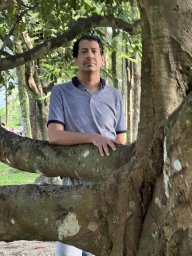 Khalid Awad Almutairi合作论文数Department of BiologyFaculty of Science, University of Tabuk11
 Moslem Sharifinia合作论文数Shrimp Research Center, Iranian Fisheries Science Research Institute (IFSRI),11
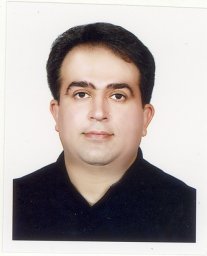 Alireza Riyahi Bakhtiari合作论文数Faculty of Natural Resources and Marine Sciences, Tarbiat Modares University11
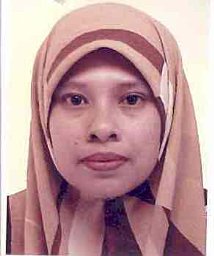 Rosimah Nulit合作论文数11
 M. Nor Siti-Azizah合作论文数9
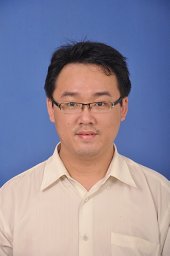 Koe Wei Wong合作论文数Fac Sci, Univ Putra Malaysia UPM9
 Mohamad Saupi Ismail合作论文数Fisheries Res Inst8
 Hideo Okamura (岡村秀雄)合作论文数Graduate School of Maritime Sciences, Faculty of Maritime Sciences, Kobe University8
 Mohd Ibrahim合作论文数Dept Crop Sci, Univ Putra Malaysia7
 Suhaila Abdul Hamid合作论文数Science, Islamic;University of Malaysia;University of Malaysia6
 Muhammad Saleem合作论文数5Weiyun Chew合作论文数Fac Sci, Univ Putra Malaysia UPM5
 Mahyoub Jazem Abdullah合作论文数Dept. of Biological sciences, King Abdulaziz University5Aziz Al Thabiani合作论文数5Madrus Madziatul Rosemahanie合作论文数5
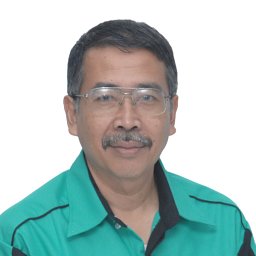 Hishamuddin Omar合作论文数Faculty of Science, Universiti Putra Malaysia5
 Wen Siang Tan合作论文数Institute of Bioscience, Universiti Putra Malaysia5Aziran Yaacob合作论文数4
 Wan Mohd Hafezul Wan Abdul Ghani合作论文数4Franklin Berandah Edward合作论文数4
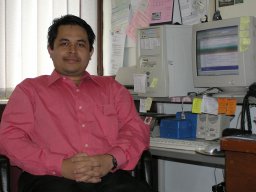 Muskhazli Mustafa合作论文数Department of Biology;Faculty of Science;Universiti Putra Malaysia;Faculty of Science, Universiti Putra Malaysia4
 Suhaila Ab Hamid合作论文数3Chee Wah Yap合作论文数3Shih Hao Tony Peng合作论文数3
 Noor Azrizal Abdul Wahid合作论文数3
 Leow Chee Seng合作论文数3
 Wan Mohd Syazwan合作论文数Dept Biol, Univ Putra Malaysia3
 Nurul Huda Abdul合作论文数3
 Jani Heino合作论文数Geography Research Unit, Faculty of Science, University of Oulu3
 Chen-Feng You (游鎮烽)合作论文数Isotope Geochemistry Laboratory, National Cheng Kung University;Department of Earth Sciences, College of Sciences, National Cheng Kung University;Institute of Earth Sciences, Academia Sinica3
 Jawwad A Qureshi合作论文数Institute of Food and Agricultural Sciences, University of Florida3
 Hock Ghim Ong合作论文数2
 Associate Prof. Dr. Kumar Krishnan合作论文数2M R Che Salmah合作论文数2
 Wah June Leong合作论文数2madziatul rosmahanie madrus合作论文数2Nur Adibah Mohd Ishadi合作论文数2
 Dean Jacobsen合作论文数Department of Biology, Faculty of Science, University of Copenhagen2
 sahana harun合作论文数Universiti2Takaomi Arai合作论文数2
 Khalid F. Almutairi合作论文数King Saud University2
 Panneerselvam Chellasamy合作论文数Faculty of Science, University of Tabuk2
 Florian Altermatt合作论文数Department of Evolutionary Biology and Environmental Studies, University of Zurich;Department of Aquatic Ecology, Swiss Federal Institute of Aquatic Science and Technology;Swiss Academy of Sciences2
 Ahmad Zaharin Bin Aris合作论文数Department of Environment, Faculty of Forestry and Environment, Universiti Putra Malaysia;International Institute of Aquaculture and Aquatic Sciences, Universiti Putra Malaysia2
 Mira Gronroos合作论文数Finnish Environment Institute, University of Oulu2




