Intravenous leiomyomatosis is characterized by the growth of leiomyomatous tissue within the venous walls. It is rare but can have devastating consequences when extending into cardiac chambers.A 45-year woman presented with abdominal pain and thrombosis of left ovarian vein extending to the renal vein. Intravenous leiomyomatosis was suspected on imaging, due to the association with uterine myomas. Left nephrectomy with complete hysterectomy, right salpingectomy and left adnexectomy were performed. Follow-up at one-year was uneventful. Even rare, vascular surgeons should include intravenous leiomyomatosis in their differential diagnosis of venous thrombosis in a reproductive or premenopausal woman regardless of symptoms.
Introduction:Popliteal artery entrapment syndrome (PAES) is a rare but underdiagnosed vascular disorder in young, active individuals, frequently athletes. Although surgery is considered the gold standard, data on functional outcomes, return to sport, and long term quality of life remain scarce. This study aimed to evaluate the functional outcomes of the surgical management of PAES using validated patient reported measures. Method:Pre- and post-operative functional assessments were performed using the VascuQOL (Quality of Life)-25 questionnaire, complemented by sport specific questions. Imaging (dynamic duplex ultrasound, computed tomography angiography, magnetic resonance imaging when indicated) guided diagnosis was according to the Whelan classification. Primary outcomes were changes in VascuQOL scores; secondary outcomes included arterial patency, return to physical activity, and correlations with PAES type. Results:Fourteen patients (18 limbs) were analysed (mean age, 30.3 ± 13.6 years; ten men and four women). Most patients presented with exertional claudication; imaging identified predominantly type VI (functional) and type V PAES. VascuQOL-25 scores demonstrated statistically significant improvements in activity, symptoms, pain, and social domains, with overall total score increasing from 4.3 ± 1.2 to 5.2 ± 1.5 (p = 0.002). At a mean follow up of 70.4 months, one and five year primary patency rates were 94.4%. Nevertheless, only six of 13 previously active patients returned to pre-symptomatic athletic levels. Conclusion:Surgical treatment of PAES yields excellent long term patency and significant quality of life gains. However, return to pre-symptomatic athletic performance was limited, highlighting the importance of realistic counselling, tailored rehabilitation, and multidisciplinary management strategies to optimise recovery.
BACKGROUND:Abdominal aortic aneurysms (AAA) open surgical repair (OSR) is still considered as a valuable option. There are no strong arguments to choose one vascular graft material and design rather than another one to perform the revascularization. The goal of the study was to evaluate the 5-year performance of the expanded polytetrafluoroethylene (ePTFE) GORE-TEX® vascular graft for AAA OSR. METHODS:We performed a retrospective, multicenter, single-arm study of patients treated with ePTFE GORE-TEX® vascular grafts for aorto-iliac aneurysms. Patients were enrolled from three different medical centers in France. Protocol enrollment was from 2022-2023, with procedure data collected between September 2013 and January 2017. Primary endpoints included survival and primary patency at 5-years and secondary outcomes included secondary patency, infection and reinterventions rates. RESULTS:Sixty-five patients were included. Fifty-seven percent of the patients were males and mean age was 66±7.1 years. Mean AAA diameter was 54±14 mm. Thirty-day mortality was 1.5%. Lost of follow-up rate was 1.5%. One and five-year survival rates were respectively 93.8% and 81.3%. One and five-year primary patency rates were respectively 98.5% and 96.7%. Five-year reintervention rate was 12.3%. No infection was reported. CONCLUSIONS:Our study, conducted on patients with at least a 5-year follow-up, demonstrated good results in terms of safety and durability of the use of an ePTFE graft for AAA OSR. This contemporary study contributes in the reappraisal of OSR for the management of AAA.
This global survey investigated the use of virtual reality simulation (VRS) in ophthalmological surgery education. Questionnaires were distributed to authors of publications and directors of centers using VRS for surgical education in ophthalmology, then forwarded to residents and fellows of their team for completion. Out of 1845 questionnaires sent across 36 countries, 170 responses from 26 countries were analyzed, primarily from residents and fellows (75%). Mean access duration to VRS was 3.6 years, often at University Hospitals (43.5%). Notably, 12% of respondents traveled an average of 550 km to access VRS. The EyeSi VR Magic was the most frequently reported simulator (80%, mainly in Europe/North America), followed by HelpMeSee (48%, primarily in Europe/India/Madagascar). In 25 training centers across 12 countries, VRS was a mandatory prerequisite for patient access, functioning as a “surgical license”. A larger number of training centers (49 from 19 countries) favored such mandatory training. Junior surgeons perceived a greater impact of VRS on their surgical practice compared to senior surgeons (p = 0.032). The study concludes that while VRS holds a significant role in postgraduate ophthalmic surgical training, its access is unequal worldwide. Broader implementation and standardized practices could improve and maintain high educational standards in this field.
Since the late 1950s, grafts and endografts have been constructed from a variety of materials and have been designed to be implanted in several different ways. However, despite the level of safety, effectiveness and versatility these devices reached, failures still exist. METHODS: Material surveillance through a dedicated explant analysis program is the cornerstone towards improving knowledge about vascular grafts and endografts behavior in humans. Major lessons learned from explant analysis have already been published few years ago, but this review provides an update by summarizing the recent findings of a dedicated explant analysis program over the past five years. Recent findings include vascular grafts degradation, devices calcifications, mechanisms of endografts failure. Two mechanisms of vascular grafts degradation have been reported: a decrease in the density of the meshing and local ruptures of the polyethylene terephthalate fibers. The degradation occurred preferentially in some grafts zones where the textile was weakened during manufacturing process. Calcification of vascular grafts and endografts have also been reported, and may contribute to device failure, as calcification reduces compliance, increases stiffness and generated a compliance mismatch. Concerning mechanisms of endografts failure, it has been shown that the polymer used in the endobags of the Nellix EndoVascular Aneurysm Sealing (EVAS) System could lose weight and volume upon dehydration. Accordingly, the polymer deteriorated and failed to retain its weight, volume and shape, undergoing fragmentation, explaining the high rate of migration observed with this device. Endoleaks have also been investigated and endograft fabric damages responsible for endoleaks have been demonstrated. This review highlights that despite continuous improvement of vascular and endovascular devices, failure still exists. Accordingly, continuous material surveillance is mandatory in order to provide the latest information on the mechanisms responsible for degradation and implement knowledge concerning the biological and mechanical behavior of grafts and endografts.
Introduction:Superior mesenteric artery aneurysm (SMAA) is a rare presentation mostly secondary to atherosclerosis, infection, cystic medial dysplasia, collagen vascular disorders, trauma, and arterial dissection. However, inflammatory SMAAs are sometimes idiopathic. The aim of the article is to report the case of an idiopathic inflammatory SMAA and perform a systematic literature review. Case report:A 61 year old man presented with chronic abdominal pain. Computed tomography angiography showed a typical 65 mm diameter inflammatory abdominal aortic aneurysm and a SMAA with similar signs of wall inflammation. Positron emission tomography computed tomography confirmed the inflammation by active fixation. A full workup including all inflammatory markers was negative, and no cause was found. Treatment consisted of fenestrated endograft implantation. At 11 months, follow up confirmed aneurysm exclusion and patency of the stents and a similar SMAA diameter with some mild remaining inflammation. Literature review:A systematic review of the MEDLINE and PubMed databases extending from 1979 to 2024 by a combined strategy of Medical Subject Headings terms returned only two publications of idiopathic inflammatory SMAA in two patients. In both cases, the symptoms were abdominal or lower back pain and the diagnosis was made by computed tomography angiography. Treatment was open surgery in one case and medical in the other. Median follow up was 18 months. Conclusion:Idiopathic inflammatory SMAA is rarely described in the literature. The aetiological assessment including histological data should be exhaustive in order not to miss a differential diagnosis.
OBJECTIVE:This review aimed to evaluate the use of Omniflow II biosynthetic grafts for infrainguinal vascular reconstruction in infected fields. DATA SOURCES:A systematic literature search (PubMed, Embase, Cochrane Library) following PRISMA guidelines was performed (PROSPERO registration number CRD420251000785). REVIEW METHODS:All English full text articles from 1989 - 2024 reporting on infrainguinal vascular reconstruction using an Omniflow II in an infected field were included. Cases series and cohorts with fewer than five patients were excluded from the pooled analysis. The primary outcome was freedom from re-infection at one year and three years. Secondary outcomes were 30 day all cause death, and survival, primary and secondary patency, freedom from amputation, and aneurysmal degeneration at one and three years. Statistical analysis was conducted using Prometa 3.0 and OpenMeta software. Evidence certainty for key outcomes was assessed using Grading of Recommendations Assessment, Development, and Evaluation (GRADE). RESULTS:Six studies (116 patients) were included in the quantitative synthesis. Overall risk of bias was low in four studies and high in two studies. Freedom from re-infection was 90% (95% confidence interval [CI] 82 - 95%) at one year and 76% (95% CI 47 - 92%) at three years. The all cause 30 day mortality rate was 4% (95% CI 0 - 10%). Survival was 93% (95% CI 86 - 97%) at one year and 87% (95% CI 73 - 95%) at three years. Primary patency was 76% (95% CI 66 - 83%) at one year and 68% (95% CI 56 - 77%) at three years. Secondary patency was 83% (95% CI 74 - 89%) at one year and 77% (95% CI 65 - 86%) at three years. Freedom from amputation was 89% (95% CI 82 - 94%) at one year and 88% (95% CI 77 - 94%) at three years. No aneurysmal degeneration was reported. GRADE certainty was low or very low for all outcomes. CONCLUSION:The Omniflow II graft offers an off the shelf solution for infrainguinal reconstructions in infected fields when there is no autologous vein option. Larger prospective cohorts are needed to further validate its effectiveness.
BACKGROUND AND AIMS:Atherothrombosis is the leading cause of mortality worldwide, responsible for more deaths than any other condition. Although the determinants of atherothrombosis are well established, the thrombogenic potential of atherosclerotic plaques in different arterial territories remains unexplored. This study aimed to perform an in-depth characterization of plaques from aortic, carotid and femoral arteries by comparing their intrinsic composition and thrombogenicity. METHODS:Human atherosclerotic plaques were collected from the abdominal aorta and the common carotid and femoral arteries of symptomatic patients undergoing endarterectomy, and plaque composition was characterized using histology, ELISA and quantitative label-free proteomic analysis. Plaque thrombogenicity was evaluated using platelet aggregometry, flow cytometry, microfluidic assays and thrombin generation tests. RESULTS:All plaque homogenate supernatants induced strong platelet P-selectin exposure, integrin αIIbβ3 activation and platelet aggregation, with aortic plaque extracts being more potent than carotid or femoral extracts. Under high shear flow, aortic plaques were the most thrombogenic and the only ones to promote occlusive thrombus formation. Moreover, aortic plaque supernatants enhanced phosphatidylserine exposure on platelets and subsequent thrombin generation, displaying a greater potential to promote the procoagulant function of platelets than carotid or femoral supernatants. Compositional analysis demonstrated that aortic plaques contained significantly larger amounts of fibrillar collagen (types I and III) than carotid or femoral plaques. CONCLUSION:This study shows that aortic atherosclerotic plaques present a higher degree of thrombogenicity as compared to carotid or femoral plaques, an effect mainly attributable to their distinct collagen composition.
The artificial intelligence (AI) is revolutionizing vascular surgery by enhancing arterial healing, remodeling, and predictive analytics. The AI-driven models, particularly machine learning (ML) and deep learning (DL) algorithms, provide unprecedented insights into endothelial recovery, smooth muscle migration, and extracellular matrix remodeling, optimizing preoperative planning, intraoperative guidance, and postoperative monitoring. Advanced imaging techniques, such as convolutional neural networks (CNNs) for ultrasound and MRI analysis, improve early detection of restenosis, thrombosis, and atherosclerotic plaque vulnerability. Additionally, AI-powered computational fluid dynamics (CFD) simulations facilitate personalized hemodynamic modeling, predicting aneurysm growth, rupture risk, and post-intervention outcomes. In vascular surgery, AI enhances precision medicine through tailored therapeutics, robotic-assisted procedures, and AI-enabled intraoperative navigation, improving surgical accuracy and efficiency. The AI-driven remote monitoring systems employ recurrent neural networks (RNNs) and biosensors to detect early complications, reducing adverse events and improving patient prognosis. Despite these advancements, challenges remain, including the need for high-quality annotated datasets, algorithmic interpretability issues, and ethical concerns regarding data privacy. Future research should focus on multimodal AI integration, validation through clinical trials, and standardized regulatory frameworks to ensure safe and effective implementation. AI continues to evolve, promising to redefine vascular interventions by advancing diagnostic accuracy, therapeutic innovation, and patient-specific care in cardiovascular medicine.
Objectives: Native arteriovenous fistulae (AVF) may fail to achieve adequate blood flow or size for successful cannulation and dialysis. No clear strategy exists concerning the effectiveness of collateral vein ligation (CVL) to improve AVF maturation. The aim of this study was to evaluate the effectiveness of CVL in improving AVF maturation. Methods: A retrospective study was performed, including all patients who underwent CVL for delayed AVF maturation between January 2023 and December 2023. Combined procedures, such as concomitant venous stenosis angioplasties, were excluded. Evolution of AVF flow after CVL compared with AVF flow before CVL was recorded. The primary endpoint was defined as successful maturation after CVL. The AVF was considered mature when it could be routinely cannulated for the total duration of dialysis, for at least six months. Results: Median follow up was eleven months (range 6–14 months). CVL allowed successful maturation in five of the six patients, with a median AVF flow increase of 44%. In these five patients, sustained dialysis after CVL was uneventful, without need for any additional interventions. Conclusion: These results highlight the potential effectiveness of CVL in improving AVF maturation, although larger studies are needed to confirm these findings.
Clinical problem: More than 200 million people worldwide have peripheral artery disease (PAD). PAD affects the quality of life and is associated with significant morbidity and mortality. Standard treatment for severe cases of PAD is surgical or endovascular revascularization. However, up to 30% of patients are not candidates for open or endovascular procedures, due to high operative risk or unfavorable vascular involvement. Furthermore, revascularization procedures may be insufficient to adequately improve microvascular tissue perfusion, wound healing, or limb salvage. Accordingly, regardless of advances in treatment modalities, outcomes of patients with PAD have remained unfavorable. Therefore, new medical therapeutic approaches are much needed. Small animal models are indispensable tools for the understanding of PAD physiopathology and the development of novel medical therapies. Recommendations for increasing translation from animal models: Development of animal models that more closely mimic the pathophysiology (with occlusive atherothrombosis and chronic development of limb ischemia) can incorporate the cardiovascular risk factors associated with this disease state, and focus on more clinically relevant outcomes is critical. In practice, this means using both animals that develop atherosclerosis and methods for the application of gradual arterial occlusion to induce hind limb ischemia. Doing so will likely help identify novel targets for intervention and overcome some principal challenges confronted by previous clinical trials. While various rodent models are discussed, the optimal animal model is yet to be defined.
Objective Primary stenting for long femoropopliteal (FP) lesions remains controversial because of the high risk of stent fracture (SF). This study aims to summarise current knowledge on SF from randomised control trials about FP stenting. Methods A systematic review of the Medline database was performed by a combined strategy of MeSh terms: “femoral artery”, “popliteal artery”, “stenting”, and “stent fracture”. SF was classified according to a standard classification: 1, single strut fracture; 2, ≥ 2 struts fracture; 3, type 2 with deformation; 4, multiple struts fracture with acquired transection; 5, type 4 with gap in the stent body. Results The literature search identified 25 publications including covered stents (CSs; n = 3), drug eluting stents (DESs; n = 8), bare metal stents (BMS; n = 17), and bioabsorbable stent (n = 1). Data were extracted from 4 047 patients; mean age ± standard deviation was 68.9 ± 3.0 years and 69% were male. Median lesion length was 87.6 mm (interquartile range [IQR] 70.0, 149) with a median chronic total occlusion proportion of 36.8% (IQR 29.0, 56.5). In 208 patients treated with CS, SF rates ranged from none to 2.6% at 36 months with no clinical correlation. In 1 106 patients treated with DES, SF rates were relatively low in large cohorts, ranging from 0% at 12 months to 1.9% at 60 months. In smaller cohorts (under 100 patients per group), they ranged from 12.5% at six months to 46.7% at 12 months, with no clinical repercussion. In 1 610 patients treated with BMS, SF rates ranged from 2% to 32.7% at 12 months and from 2.9% to 48.9% at 24 months, with no clinical repercussion. Conclusion SF rates in large cohorts were low in CF and DES, and quite common in BMS, although none of them occasioned clinical repercussions. However, longer follow ups and detailed, accurate reports are needed to assess eventual real clinical outcomes.
Objective: To understand possible reasons for poor durability of the Nellix (Endologix Inc., Irvine, USA) endovascular aneurysm sealing (EVAS) device. Materials and Methods: 21 Nellix endoprostheses explanted for endoleaks and migration underwent visual examinations of stent structures and instrumental examinations of the polymer endobags on 4 devices. We harvested 2.0-gram polymer slices out of each of them and tested the samples in an in vitro implantation replication that included wet and dry exposures. During the wet phase, we placed samples in a beaker with saline, mimicking the filling of the endobags during implantation. An exposure to a 37°C environment with 60% humidity during the dry phase replicated the postimplantation conditions inside the aneurysmal sac. Results: Iatrogenic defects affected 16 (76%) metal stents and 20 (95%) endobags. The polymer was disintegrated owing to degradation in 15 (71%) cases. The polymer could lose more than 70% of its initial weight when partially dehydrated and regain 80% when placed in saline. We observed volume decrease and polymer fragmentation during these study phases. Conclusions: The polymer can lose weight and volume while it dehydrates. This structural degradation of the polymer could lead to the development of endoleaks and/or migration of the device. Clinical Impact Based on the results of previous investigations, due to possible endovascular device degradation, patients with endografts should be offered life-long surveillance, and the Nellix device is no exception. Herein we suggest polymer degradation as one of the possible reasons for the device failure. Although Nellix has been withdrawn from the market, there are numerous patients with this type of endograft. Due to its unpredictable performance in the medium and long term, these patients should be recommended enhanced life-long surveillance every 6 months. Any suspicious conditions during the follow-up must be taken seriously and explantation should be considered.
BACKGROUND: Although endovascular revascularization is the preferred treatment in aortoiliac occlusive disease (AIOD), few studies have compared covered stents (CS) versus bare-metal stents (BMS) in this location. The aim of our multicenter study was to compare CS and BMS result in kissing reconstruction of the aortic bifurcation. METHODS: We considered all patients who had kissing stent for AIOD between February 2015 and March 2020, in three European centers. Data were collected retrospectively and CS and BMS groups were compared. RESULTS: A total of 124 patients were included (66.1% males; mean age 67.8 +/- 0.9 years), 79 in the CS group and 45 in the BMS group. The two groups were similar in terms of age, comorbidities and TASC II classification. The mean follow-up was 22.58 +/- 1.6 months and was similar in the two groups (P=0.138). Technical success was 100%; primary patency at 24 months was 94.3% for CS and 81.2% for BMS (P=0.168). Assisted primary patency was better in the CS group (P=0.054). There were no statistically significant differences in restenosis and thrombosis rates, secondary patency, limb salvage, and survival. When comparing the TASC C -D and TASC A -B groups, survival was statistically significant (P=0.03) in favor of the TASC A -B group. CONCLUSIONS: The kissing stent technique ensure excellent results in terms of technical success and patency in the short and medium term. No statistically significant differences between the two types of stents emerged in our population, even if the use of CS seems to provide slightly better results than BMS.
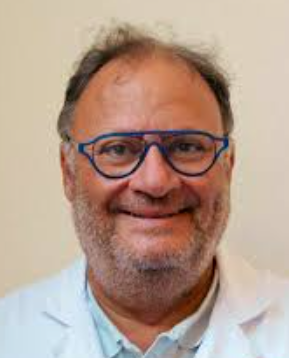 Nabil Chakfé合作论文数Hopitaux Universitaires de Strasbourg;ID NEST MEDICAL;GEPROVAS;Academie Nationale de Chirurgie;European Journal of Vascular and Endovascular Surgery;European Vascular Course62
 Lejay Anne合作论文数53
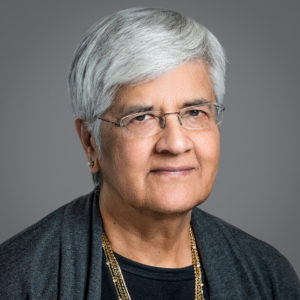 Renu Virmani合作论文数CVPath Institute Inc.26Jinnouchi Hiroyuki合作论文数23Aloke V. Finn合作论文数23Atsushi Sakamoto合作论文数22Anne Cornelissen合作论文数21Frank D. Kolodgie合作论文数CVPath Institute19
 Yu Sato合作论文数18
 Guo Liang合作论文数16Torii Sho合作论文数16Raquel M. Fernandez合作论文数16
 Maria Romero合作论文数CVPath Institute, Inc.15Dipti Surve合作论文数12Ka Hyun Paek合作论文数12
 Yannick Georg合作论文数Service de chirurgie vasculaire, nouvel hôpital civil12Daniela T Fuller合作论文数11
 Frederic Heim合作论文数11Matthew Kutyna合作论文数10Fabien Thaveau合作论文数10Neel Gadhoke合作论文数9
 Vincenzo Vento合作论文数9Anne-Florence Rouby合作论文数7Rika Kawakami合作论文数6Masayuki Mori合作论文数6Nicole Neumann合作论文数5Schwein Adeline合作论文数5
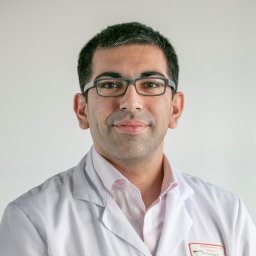 Ohana Mickaël合作论文数1 Department of Radiology, Strasbourg University Hospital5
 Hiroyoshi Mori (森敬善)合作论文数Showa University5Christina M Mayhew合作论文数4Delphine Dion合作论文数4
 Damir Vakhitov合作论文数Department of Surgery, Tampere University Hospital4Sophie Caillard合作论文数Nouvel hôpital civil, hôpitaux universitaires de Strasbourg4Hugo Gangloff合作论文数3Jonathan Grandhomme合作论文数3Kathryn Harris合作论文数3Parker J Lee合作论文数3Leah M Weinstein合作论文数3Roma Dhingra合作论文数3Ryan Braumann合作论文数CVPath Inst3Joohyung Park合作论文数3Mauro Gargiulo合作论文数3
 Sebastien Deglise合作论文数3Robert Kutys合作论文数3Laurent Raibaut合作论文数2Emilie Bonnin合作论文数2Pascaline Bonnin合作论文数2Rosalinda D'Amico合作论文数2Lydie Steinmetz合作论文数2




