Decades of research demonstrate that vigilance deteriorates rapidly and reliably and is often resistant to motivational override, yet ergonomic practice continues to assign monitoring tasks on assumptions the evidence does not consistently support. This paper argues that attentional capacity may be genuinely bound by biological architecture rather than merely variable in response to conditions. Drawing on empirical research and occupational vigilance data, we argue for what might be understood as a recovery of the foundational human factors philosophy of accommodation, calling for ergonomic design to redistribute cognitive work across human and machine capabilities in ways that respect the real limits of human attention.
An ergonomic assessment was conducted to quantify the activities and physical demands during the British Army's 8-week Platoon Sergeant and Section Commander Battle Courses (PSBC, SCBC). Twenty PSBC and 18 SCBC male infantry soldiers volunteered. Body Mass (BM) was measured pre- and post-course, with course physical activity levels (PAL), energy expenditure (EE) and sleep profiles quantified using tri-axial accelerometery. The courses were predominately field-based, involving slow and rapid load carriage tasks, digging and moving casualties. Average daily EE (SCBC = 4020 ± 599 vs. PSBC = 3876 ± 525 kcal.day-1; p>0.05) and BM decreases were similar (SCBC = -3.9 ± 2.9 vs. PSBC = -2.0 ± 2.7 kg; p>0.05). Daily PAL was higher for SCBC than PSBC (2.1 ± 0.3 vs. 2.0 ± 0.3, p=0.041), likely due to greater moderate-vigorous activity levels (p=0.003). Daily sleep durations were variable, but similar across courses (≈5.1 hr.day-1; p>0.05). These data confirm these courses are arduous and can be used to inform course-specific physical screening tests and training to increase course success.
Intake of anthocyanin-rich blackcurrant extract showed muscle fibre-type specific force responses during fatigue development from combined use of voluntary maximal isometric contractions and electrically evoked twitch contractions of the m. quadriceps femoris. In the present exploratory study, we examined the fibre-type specific effects by blackcurrant extract on high-intensity intermittent treadmill running performance to exhaustion. Active males (n = 16, age: 23 ± 3 years, height: 179 ± 5 cm, body mass: 79 ± 3 kg, V˙O2max: 55.3 ± 5.0 mL·kg−1·min−1) completed a fatiguing protocol with 16 voluntary maximal isometric contractions to predict muscle fibre typology. The high-intensity intermittent running protocol was completed twice following a 7-day intake of blackcurrant extract (210 mg anthocyanins per day) and twice following a placebo (PL) in a randomized, double blind, crossover design. Heart rate and lactate were recorded at exhaustion. Data were averaged for each condition. There were no significant correlations between the percentage force decline by the repeated isometric contractions (mean ± SD: 29.3 ± 12.4%) and total and high-intensity running distance. Participants were categorized into a predominant muscle fibre type I (slow-twitch, n = 3 with the lowest isometric force decline: 12 ± 9%) and type II typology (fast-twitch, n = 3 with the highest isometric force decline: 46 ± 10%). Only the individuals with a predominant type I fibre typology improved the total running and high-intensity running distance by 17 ± 12% and 15 ± 11%. At exhaustion, there were no differences between individuals with a type I or II fibre typology for heart rate and lactate. These exploratory results suggest that the ergogenic potential of anthocyanin-rich blackcurrant extract on high-intensity intermittent exercise may depend on muscle fibre type, though larger and more robust studies are needed to confirm this observation. Future work will establish whether our exploratory results contributed to our understanding of the underpinning of inter-individual responses to the intake of anthocyanin-rich nutritional ergogenic aids.
PURPOSE:This study investigated sex differences in, and the effect of protein supplementation on, whole-body protein turnover during a military field exercise. METHODS:Forty-four British Army trainees (14 women) completed a 36-h field exercise. Participants consumed their habitual diet ( n = 14 women [Women], protein intake 1.7 g·kg -1 ·d -1 ; n = 15 men [Men Controls], protein intake 1.6 g·kg -1 ·d -1 ) or the habitual diet and an additional 46.6 g·d -1 protein ( n = 15 men [Men Protein], protein intake 2.1 g·kg -1 ·d -1 ). Total 24-h whole-body protein turnover was measured using the [ 15 N]-glycine end-product method, and muscle protein breakdown was estimated from urinary 3MH:creatinine 24 h before, during, and 96 h after field exercise. Women and Men Protein were compared with Men Controls to examine the effect of sex and protein supplementation. RESULTS:Whole-body protein turnover, synthesis, breakdown, and balance, and 3MH:creatinine did not differ between time points ( P ≥ 0.056). Whole-body protein balance was higher and 3MH:creatinine was lower in Women than Men Controls (all time points, P ≤ 0.032), with no difference between sexes for other measures of protein turnover ( P ≥ 0.072). Men Protein and Men Controls were not different for any outcome ( P ≥ 0.060) but adjusted mean differences [95% confidence intervals] showed protein balance was 1.12 [0.28, 1.97] g·kg -1 ·d -1 higher in Men Protein than Men Controls during the field exercise. CONCLUSIONS:Women have higher whole-body protein balance than men in arduous training, likely due to higher energy balance. Protein supplementation may be effective for protecting whole-body protein balance in men.
Intake of anthocyanin-rich supplements such as New Zealand blackcurrant (NZBC) extract for 7 days showed beneficial effects on cardiovascular function at rest and during moderate and high-intensity exercise. The effects of 4- and 7-day intake of 600 mg of NZBC extract on cardiovascular function, femoral artery diameter, muscle force, muscle activity and muscle fatigue during low-intensity sustained intermittent isometric contractions were examined. Fifteen healthy males (age: 25 ± 6 years, height: 180 ± 7 cm, body mass: 82 ± 8 kg) visited the laboratory on five occasions (familiarisation, days 4 and 7 of placebo (PLA) or NZBC extract intake). Each visit required the participants to hold the isometric contraction of the m.quadriceps femoris at 10
This commentary examines the potential application of esports research to military and emergency responder roles. It highlights similarities between competitive gaming and operational environments, focusing on cognitive performance under pressure. The commentary explores how esports-derived knowledge could enhance recruitment, training, and performance in areas like rapid decision making, strategic thinking, team coordination, and stress management. Potential applications include cognitive assessment, simulation training, and stress inoculation. Although acknowledging challenges and limitations, the commentary suggests significant potential for leveraging esports insights in high-pressure occupational settings. However, further targeted research is needed to validate skill transfer and address ethical considerations in these real-world contexts.
IntroductionMilitary personnel must manage a multitude of competing physiological and cognitive stressors while maintaining high levels of performance. Quantifying the external workload and cognitive demands of tactical military field exercises closely simulating operational environments, will provide a better understanding of stressors placed on personnel to inform evidence-based interventions.MethodsThirty-one soldiers completing a dismounted 48 hours tactical field exercise, participated in the study. External workload was quantified using a wrist-worn triaxial accelerometer, with cognitive function (Go-/No-Go, N-back, psychomotor vigilance task and subjective workload ratings (NASA-TLX) assessed pre-exercise, mid-exercise and postexercise. Physical activity was described using Euclidian Norm Minus One (mg), with moderate vigorous physical activity (MVPA) and sedentary light physical activity (SLPA) as ≥ or <113 mg, respectively. Changes in general cognitive performance (total accuracy-speed trade-off (ASTO) % change) and function outcome variables (overall mean reaction time, ASTO and number of correct and missed responses) were calculated for each assessment from pre-exercise, to mid-exercise and postexercise.ResultsFor the exercise duration (50:12±02:06 hh:mm) participants spent more time completing SLPA compared with MVPA (1932±234 vs 1074±194 min;p<0.001), equating to 33% of the time spent completing MVPA. Overall cognitive performance decreased over the exercise (pre-to-post: −249). However, the largest decrement was observed pre-to-mid (−168). Perceived mental demand associated with the cognitive assessments significantly increased over the duration of the exercise (pre-: 33; mid-: 38 and post-: 51; χ2F(2)= 26.7,p= <0.001, W=0.477) which could suggest that participants were able to attenuate a further decline in cognitive performance by investing more effort/mental resources when completing assessments.ConclusionThe study successfully quantified the physical activity, and subsequent impact on cognitive function, in soldiers completing a 48 hours tactical field exercise. Further research is needed to better understand how physiological stressors interact with cognitive function during military operations.
Poor officer fitness can lead to decreased occupational task performance, injuries, increased absenteeism, and a variety of negative health sequalae further adding to the challenges of staffing law enforcement agencies. Optimizing the physical fitness for both serving officers and new recruits is critical as their loss is, and will increasingly be, difficult to replace. However, maintaining and recruiting a physically fit workforce faces several challenges. For serving officers, shiftwork is known to decrease motivation to exercise and negatively impact sleep and diet. Additional factors impacting their fitness includes age-related declines in fitness, increasing obesity, long periods of sedentarism, and negative COVID-19 effects. Concurrently, recruiting physically fit recruits is challenged by declining levels of fitness, reduced physical activity, and increasing obesity in community youth. Ability-based training (ABT), individualizing physical conditioning training based on the existing fitness levels of individuals within a group, offers a potential solution for delivering physical conditioning to groups of applicants, recruits, and officers with a range of physical fitness capabilities. Law enforcement agencies should consider implementing ABT during academy training and ongoing fitness maintenance to minimize injury risk and optimize task performance.
AIM:Characterise the physiological demands of a military dismounted assault task (DAT) simulation. METHOD:Fourteen men (mean ± SD: age 29 ± 9 years; body mass 79.9 ± 9.2 kg; V˙O2peak 51.9 ± 4.4 ml·kg-1·min-1; upright pull strength 177 ± 20 kg) performed a DAT (external load 24.3 kg) of 16 × 6 m bounds in 20 s cycles (5 s work, 15 s rest) followed by an 18 m leopard crawl. Performance and physiological demands (heart rate and indirect calorimetry via the Douglas bag technique) during the first and last 48 m of bounds and the leopard crawl were compared using a one-way repeated measures ANOVA. Performance was maintained across the first and last 48 m (bound speed 5.7 ± 0.9 and 5.8 ± 0.8 km·h-1) despite substantial increases in oxygen consumption (first 48 m 25.4 ± 3.3 ml·kg-1·min-1; last 48 m 31.7 ± 3.5 ml·kg-1·min-1; leopard crawl 40.4 ± 6.4 ml·kg-1·min-1, p < 0.001, Ѡ2 = 0.64). Mean leopard crawl time was 26.1 ± 8.1 s at a speed of 2.7 ± 0.8 km·h-1 and post-exercise blood lactate was 3.8 ± 1.4 mmol·L-1. Increasing oxygen consumption with modest blood lactate responses suggests the demands of the DAT simulation are similar to intermittent high-intensity exercise and that aerobic fitness is an important determinant of performance.
Intake of New Zealand blackcurrant (NZBC) extract for 7 days has been shown to improve high-intensity intermittent running (HIIR) performance. Objectives: We examined the repeat response of NZBC extract on HIIR performance. Methods: Sixteen active males (age: 23 ± 3 yrs, height: 179 ± 5 cm, mass: 79 ± 11 kg, V˙O2max: 55.3 ± 5 mL∙kg−1∙min−1, velocity at V˙O2max: 17.2 ± 0.8 km∙h−1, mean ± SD) participated. Familiarized subjects completed the HIIR test at individualized exercise intensities with stages consisting of six 19 s high-intensity running bouts interspersed by 15 s of low-intensity running and 1 min of inter-stage rest. The test was repeated at increasing speeds until exhaustion, under four conditions; two with a daily dose of 600 mg of NZBC extract (CurraNZ™, providing 210 mg anthocyanins) and two with a placebo, each over 7 days. The study used a double-blind, randomized, cross-over design with a wash-out period of at least 14 days. Results: For the cohort, there were no differences between the placebo and NZBC conditions for mean heart rate (p = 0.071), mean oxygen uptake (p = 0.713), and mean lactate (p = 0.121) at exhaustion for the HIIR. The NZBC extract increased the mean total running distance and mean high-intensity running distance by 7.9% and 8.0% compared to the placebo. With NZBC extract, 8 of the 16 participants (50%) enhanced in both trials beyond the smallest worthwhile change for total running distance (≥173 m) and high-intensity running distance (≥111 m). For repeated responders, total running distance and high-intensity running distance was increased by 16.7% (95% CI [11.0, 22.4%] and 16.6% (95% CI [11.0, 22.2%]. Three participants had enhanced running performance in one trial beyond the SWC, and five participants were considered non-responders. Conclusions: This is the first study on the repeated response by an anthocyanin-rich supplement on high-intensity running performance. New Zealand blackcurrant extract can substantially enhance intermittent high-intensity running performance in consistent responders. Future work should examine dosing strategies of New Zealand blackcurrant, and whether a repeated response rate exceeding 50% can be attained. These findings suggest that NZBC extract could be beneficial for athletes participating in high-intensity team sports.
Athletes and physically active individuals consume sport nutrition supplements to enhance competitive sport performance and exercise recovery. Polyphenols have emerged as a promising area of research with application for sport and exercise nutrition owing to affecting physiologic mechanisms for exercise performance and recovery. The anthocyanin is a polyphenol that can be abundantly present in dark-colored fruits, berries, and vegetables. Anthocyanins and anthocyanin-induced metabolites will provide antioxidant and anti-inflammatory effects. The focus of this narrative review was on the observations with intake of anthocyanin-rich blackcurrant supplements on whole-body exercise performance and exercise recovery. This review included 17 studies with a randomized placebo-controlled crossover design (10 studies on performance and 8 on recovery effects) and 1 with a randomized placebo-controlled parallel group design (recovery effects). Among the performance studies, 6 studies (60%) reported positive effects, 3 studies (30%) reported no significant effects, and 1 study (10%) reported a mixed outcome. Among the recovery studies, 7 studies (78%) reported positive effects, 1 study (11%) reported no significant effects, and 1 study (11%) reported a negative effect. Studies with intake of supplements made from New Zealand blackcurrants (dose: 1.8-3.2 mg/kg and 105-315 mg anthocyanins, acute to 7-d intake) provided meaningful (but not always consistent) effects on continuous and intermittent exercise performance tasks (i.e. rowing, cycling, and running) and markers for exercise recovery. A mechanistic understanding for the beneficial exercise effects of anthocyanins for athletes and physically active individuals is still limited. Future work requires a better understanding of the specific types of anthocyanins and anthocyanin-induced metabolites and their effects on altering cell function that can enhance exercise performance and recovery.
Objectives: Bouts of military load carriage are rarely completed in isolation; however limited research has investigated the physiological responses to repeated load carriage tasks. Design: Twelve civilian men, (age, 28 ± 8 y; stature, 185.6 ± 5.8 cm; body mass 84.3 ± 11.1 kg; maximal oxygen uptake, 51.5 ± 6.4 mL·kg-1·min-1) attended the laboratory on two occasions to undertake a familiarisation and an experimental session. Methods: Following their familiarisation session, participants completed three bouts of a fast load carriage protocol (FLCP; ~65-minutes), carrying 25 kg, interspersed with a 65-minute recovery period. Physiological strain (oxygen uptake [V̇O2], heart rate [HR]) were assessed during the FLCP bouts, and physical performance assessments (weighted counter-movement jump [wCMJ], maximal isometric voluntary contraction of the quadriceps [MIVC], seated medicine ball throw [SMBT]) were measured pre- and post- each FLCP bout. Results: A main effect for bout and measurement time was evident for V̇O2 and HR (both p<0.001, Ѡ2= 0.103-0.816). There was no likely change in SMBT distance (p=0.201, Ѡ2=0.004), but MIVC peak force reduced by approximately 25% across measurement points (p<0.001, Ѡ2=0.133). A mean percentage change of approximately -12% from initial values, was also evident for peak wCMJ height (p=0.001, Ѡ2=0.028). Conclusions: Collectively, these data demonstrate that repeated FLCP bouts result in an elevated physiological strain for each successive bout, along with a substantial reduction in lower body power (wCMJ and MIVC). Future research should therefore investigate possible mitigation strategies, in an attempt to maintain role-related capability.
Nootropics are compounds that enhance cognitive performance and have been highlighted as a medium-term human augmentation technology that could support soldier performance. Given the differing ethical, safety and legal considerations associated with the pharmaceutical subset of nootropics, this analysis focuses on dietary supplementation which may enhance cognition during training and operations. Numerous supplements have been investigated as possible nootropics; however, research is often not context specific or of high quality, leading to questions regarding efficacy. There are many other complex cofactors that may affect the efficacy of any dietary nootropic supplement which is designed to improve cognition, such as external stressors (eg, sleep deprivation, high physical workloads), task specifics (eg, cognitive processes required) and other psychological constructs (eg, placebo/nocebo effect). Moreover, military population considerations, such as prior nutritional knowledge and current supplement consumption (eg, caffeine), along with other issues such as supplement contamination, should be evaluated when considering dietary nootropic use within military populations. However, given the increasing requirement for cognitive capabilities by military personnel to complete role-related tasks, dietary nootropics could be highly beneficial in specific contexts. While current evidence is broadly weak, nutritional nootropic supplements may be of most use to the military end user during periods of high military specific stress. Currently, caffeine and L-tyrosine are the leading nootropic supplement candidates within the military context. Future military-specific research on nootropics should be of high quality and use externally valid methodologies to maximise the translation of research to practice.
Load carriage is a vital role related task for military, emergency service, and search and rescue personnel, through the transport of critical equipment. From an external validity perspective, a common oversight in previous research is the effect of multiple stressors during load carriage; for example, the inclusion of adverse environmental conditions and/or concurrent cognitive tasks. Therefore, this study aimed to quantify physiological and cognitive changes over time during military specific fast-paced lower-weight load carriage in a cold environment. With approval from the University of Chichester’s Ethics Committee, nine participants completed a load carriage task consisting of 20 min walking at 5.1 km∙h-1, 40 min walking at 6.5 km∙h-1, followed by 8 × 9 s shuttles running at 11 km∙h-1 in an environmental temperature of −10°C. Participants wore overalls whilst carrying 16 kg of external load (10 kg belt-webbing, 6 kg body armour). Throughout, measurements were taken of heart rate, core and skin temperatures, expired gas (VO2), and ratings of physical exertion and thermal comfort. Six military-specific auditory n-back tasks (MSANT) were completed across the trial. The rating scale of mental effort (RSME) quantified mental exertion during the load carriage task. Statistical differences within variables were evaluated using a one-way repeated measures ANOVA with post-hoc analysis employed to identify differences between timepoints. Heart rate and VO2 behaved as expected, with increases after the 5.1 to 6.5 km∙h-1 speed escalation (Pbonf< 0.001); heart rate also increased during the shuttles compared to the first 6.5 km∙h-1 collection (Pbonf = 0.003). A main effect rise for core temperature was evident (Pbonf < 0.001), increasing after 25 min at 6.5 km∙h-1 (Pbonf = 0.009). Skin temperature presented a main effect (Pbonf < 0.001) with an initial decrease and plateau occurring after 15 min. There was no main effect for MSANT or RSME at MSANT completion timepoints (P’s= 0.935 and 0.368 respectively). However, during non-MSANT completion timepoints, RSME was greater from 25 min onwards compared to 5 min (Pbonf < 0.05) signifying an increase in inter-task cognitive demand, oppose to a period of relative mental recovery. This reduced efficiency could be exacerbated during concurrent or extended physical and cognitive tasks. This study is the first to examine physiological and cognitive responses to fast-paced lower-weight load carriage in the cold, progressing understanding of occupational performance in representative environments. These performance data can inform training protocols and operation approaches by highlighting higher inter-task cognitive demand, potentially emphasising an avenue for mitigation strategies.
BACKGROUND:Dismounted military operations require soldiers to complete cognitive tasks whilst undertaking demanding and repeated physical taskings. OBJECTIVE:To assess the effects of repeated fast load carriage bouts on cognitive performance, perceptual responses, and psychophysiological markers. METHODS:Twelve civilian males (age, 28 ± 8 y; stature, 186 ± 6 cm; body mass 84.3 ± 11.1 kg; V̇O2max, 51.5 ± 6.4 mL·kg-1·min-1) completed three ∼65-min bouts of a Fast Load Carriage Protocol (FLCP), each interspersed with a 65-min recovery period, carrying a representative combat load of 25 kg. During each FLCP, cognitive function was assessed using a Shoot/Don't-Shoot Task (SDST) and a Military-Specific Auditory N-Back Task (MSANT), along with subjective ratings. Additional psychophysiological markers (heart rate variability, salivary cortisol, and dehydroepiandrosterone-sulfate concentrations) were also measured. RESULTS:A main effect of bout on MSANT combined score metric (p < .001, Kendall's W = 69.084) and for time on the accuracy-speed trade-off parameter of the SDST (p = .025, Ѡ2 = .024) was evident. These likely changes in cognitive performance were coupled with subjective data indicating that participants perceived that they increased their mental effort to maintain cognitive performance (bout: p < .001, Ѡ2 = .045; time: p < .001, Ѡ2 = .232). Changes in HRV and salivary markers were also evident, likely tracking increased stress. CONCLUSION:Despite the increase in physiological and psychological stress, cognitive performance was largely maintained; purportedly a result of increased mental effort. APPLICATION:Given the likely increase in dual-task interference in the field environment compared with the laboratory, military commanders should seek approaches to manage cognitive load where possible, to maintain soldier performance.
AbstractThis study assessed the effect of a commercial carbohydrate menthol drink on cycling time trial (TT) performance in hot and humid conditions compared with a carbohydrate only drink. Ten participants (5 women; V̇O2max: 52.3 ± 8.6 mL kg−1 min−1, Peak Power Output: 286 ± 56 W) completed a 40‐min cycling preload (50% V̇O2max) followed by a 15‐min self‐paced TT in hot (∼35°C) and humid (∼54%) conditions on two occasions (double blind, crossover design). Every 10‐min, 85 mL of carbohydrate (CHO; SIS GO Energy, 60 g h−1) or carbohydrate and menthol (CHO + MEN; SIS Turbo+ 60 g h−1, 0.01% menthol) was swilled (∼10‐s) and ingested. Rectal temperature (Trec) and heart rate (HR) were recorded throughout. Thermal sensation (TS), thermal comfort (TC) and rating of perceived exertion (RPE) were recorded every 5‐min. Taste and aftertaste were rated from very pleasant (+5) to very unpleasant (−5). TT performance (total work; kJ) was similar between CHO (153 kJ [95% CI: 129–177 kJ]) and CHO + MEN (151 kJ [128–178 kJ]). During preload exercise, Trec increased by ∼0.9°C and was similar at the end of the TT (∼38.20°C). Mean preload HR was ∼140 b min−1 in each condition and reached ∼177 b min−1 at the end of the TT. TC was rated as ‘much too warm’ and TS rated as ‘very hot’ in both conditions. Both conditions were ‘extremely hard’ (end point RPE ∼19). All participants preferred the taste and aftertaste of the CHO drink. The commercial carbohydrate menthol drink offered no additional ergogenic benefit compared to a carbohydrate only drink during cycling exercise performed in hot and humid conditions.
British Army basic training (BT) and initial trade training (ITT) enable personnel to develop role-related physical capability to perform in-service job-roles. The study aimed to compare physical performance of trainees (completing ITT) and trained soldiers, on a series of gym-based fitness tests and representative military tasks. A total of 316 British Army personnel [68 trainees (63 men: 22 ± 3 years, 71.6 ± 8.4 kg and 1.74 ± 0.07 m) and 248 trained soldiers (225 men: 27 ± 6 years, 78.7 ± 12.7 kg and 1.76 ± 0.08 m)] completed two sessions. Session 1; body mass, stature, age and gym-based tests (2 km run, broad jump, seated medicine ball throw, hex bar deadlift, 100 m shuttle sprints, pull-ups and mid-thigh pull). Session 2; representative military tasks (loaded carriage [stage 1, 4 km, 35-40 kg and 4.8 km h-1 fixed pace and stage 2, 2 km, 20-25 kg and individual best-effort speed], tactical movement, casualty drag, stretcher carry, vertical lift, repeated carry and incremental lift). Independent sample t-tests were employed to examine group differences. Compared to trainees, trained soldiers were older (p < 0.001), heavier (p < 0.001) and scored higher on broad jump (p = 0.024), medicine ball throw (p = 0.007) and mid-thigh pull (p = 0.048), but were slower on 2 km run (p = 0.047), loaded carriage (p < 0.019), tactical movement (p < 0.001) and casualty drag (p < 0.001). Overall, trainees achieve higher scores on aerobic/anaerobic tests, whereas trained soldiers outperform trainees in strength/power-based tests. Although a cross-sectional comparison does not provide strong evidence, the results may indicate that cardiovascular fitness is developed during BT, whereas muscle strength/power develops post BT/ITT. These findings would need confirming by a longitudinal study and could inform the development/management of role-related fitness during BT, ITT and through career.
BACKGROUND: There is a requirement for British Army personnel to operate in/around water. Assessing role-related swimming/water competence will support personnel to conduct their job-roles safely and effectively. OBJECTIVE: To undertake a Job-Task Analysis (JTA) of British Army personnel when working in/around water and use this information to develop a Swimming Representative Military Task (RMT) to assess swimming/water competence. METHODS: Workshops, surveys, and observations were used to conduct a JTA, which identified and described job-tasks conducted by British Army personnel in/around water. Ergonomic analysis of these job-tasks identified seven water-based physical actions, which were considered fundamental for all personnel to be competent in performing. These seven actions guided design of a Swimming RMT, which was subsequently conducted twice by 103 serving personnel (89 men, 11 women) and once by 65 recruits (49 men, 16 women). RESULTS: The RMT comprised of entering the water in combat fatigues and webbing, removing webbing, swimming 50 m, and staying afloat for up to 10 minutes. During RMT trials, in trial 1, 85% of serving personnel and 74% of recruits successfully completed the RMT, which increased to 93% in serving personnel for trial 2. Across trials 1 and 2, all three timed RMT elements showed moderate-high correlational reliability (ICC range: 0.462-0.791). On average, serving personnel were quicker to complete the 50 m swim phase compared to recruits (91 +/- 24 s vs. 100 +/- 26 s; U = 2575.0, rb = -0.192, p = 0.039). CONCLUSIONS: The JTA-informed Swimming RMT provides an assessment of the minimum role-related swimming/water competence standard for British Army personnel.
 Mark P. Rayson合作论文数40Julie P. Greeves合作论文数34
 Mark E. T. Willems合作论文数Departinent of Physiology;West Virginia University;Departinent of Physiology, West Virginia University29
 David Wilkinson合作论文数24
 Christopher A J Vine合作论文数23
 Sarah Jackson合作论文数22
 Sarah L. Coakley合作论文数Fac Sport Allied Hlth & Performance Sci, St Marys Univ21
 Ella Walker合作论文数21Victoria L. Richmond合作论文数18
 James Carter合作论文数From the Cardiovascular Center and the Departments of Medicine and Anesthesia, University of Iowa Hospital18
 James Lee John Bilzon合作论文数Dept Hlth, Univ Bath16
 Ben J. Lee合作论文数Exercise Science Applied Research Group, Coventry University16Andrew G. Siddall合作论文数15
 Sophie Wardle合作论文数Department of Army Health and Physical Performance Research, UK Ministry of Defence15
 Julianne Doherty合作论文数15Victoria C. Edwards合作论文数14
 Carla Rue合作论文数13
 Tess Flood合作论文数Occupat Performance Res Grp, Univ Chichester12Joseph J. Knapik合作论文数Center for Health Promotion and Preventive Medicine (Knapik, Jones),, U.S. Army12
 Sarah Needham-Beck合作论文数11
 Jane Elizabeth S. Thompson合作论文数11Fallowfield Joanne L合作论文数11
 Stephen D. Myers合作论文数J. D. and D. M. Watson, 31-49 Grangeway Centre, Preston North Road, Tynemouth, Northumberland, England11
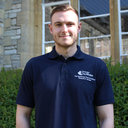 Steve Powell合作论文数10Faye S. Walker合作论文数9Pieter E. H. Brown合作论文数9
 Bradley C. Nindl合作论文数Neuromuscular Research Laboratory, University of Pittsburgh;Warrior Human Performance Research Center, University of Pittsburgh8Deborah L. Gebhardt合作论文数6
 Tessa Maroni合作论文数Occupat Performance Res Grp, Univ Chichester6Beverley Hale合作论文数6
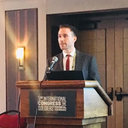 Thomas J O'Leary合作论文数Army Hlth & Performance Res, British Army6
 Stephen Myers合作论文数6
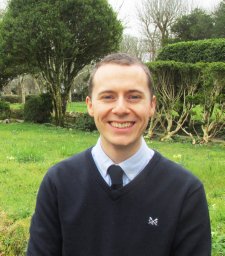 Matthew Cook合作论文数6Rachel M. Izard合作论文数6andrew siddall合作论文数5Charlotte V. Coombs合作论文数Army Health and Performance Research, Army Headquarters5
 Oliver Runswick合作论文数Department of Psychology, School of Mental Health & Psychological Sciences, Institute of Psychiatry, Psychology & Neuroscience, King’s College London5
 Alan Nevill合作论文数University of Wolverhampton;Newman University;School of Sport, Performing Arts and Leisure, University of Wolverhampton5Fleur E. Horner合作论文数5Tessa D. Maroni合作论文数4Elise R. Orford合作论文数4Stefano Montanari合作论文数4Priya Singh合作论文数4Sarah S. Kefyalew合作论文数4Brown Peter I合作论文数4
 Michelle Venables合作论文数Human Performance Laboratory;School of Sport and Exercise Sciences;University of Birmingham;School of Sport and Exercise Sciences, University of Birmingham4Antony Wright合作论文数4Carla A. Gallagher合作论文数3




