Polypharmacy has been defined as the use of increased number of medications, medication underuse, the use of inappropriate medications, including herbal or complementary/alternative medications which are increasing in prevalence in older cancer patients, or medication duplication [ [1] Maggiore R.J. Gross C.P. Hurria A. Polypharmacy in older adults with cancer. Oncologist. 2010; 15: 507-522 Crossref PubMed Scopus (134) Google Scholar ]. Furthermore, in the setting of geriatric oncology, there is the addition of cancer specific therapy that adds to the number of medications as well as to treatment complexity and drug-drug interactions [ [2] Sharma M. Loh K.P. Nightingale G. Mohile S.G. Holmes H.M. Polypharmacy and potentially inappropriate medication use in geriatric oncology. J Geriatr Oncol. 2016; 7: 346-353 Abstract Full Text Full Text PDF PubMed Scopus (105) Google Scholar ] The prevalence of polypharmacy varies widely from 16%–94% [ [3] Midão L. Giardini A. Menditto E. Kardas P. Costa E. Polypharmacy prevalence among older adults based on the survey of health, ageing and retirement in Europe. Arch Gerontol Geriatr. 2018; 78: 213-220 Crossref PubMed Scopus (99) Google Scholar , [4] Bregnhøj L. Thirstrup S. Kristensen M.B. Bjerrum L. Sonne J. Prevalence of inappropriate prescribing in primary care. Pharm World Sci. 2007; 29: 109-115 Crossref PubMed Scopus (53) Google Scholar ] mostly due to different definitions and different study populations, while several adverse outcomes have been associated with polypharmacy and potentially inappropriate medications.
Lung cancer is the leading cause of cancer deaths. Tumor heterogeneity, which hampers development of targeted therapies, was herein deconvoluted via single cell RNA sequencing in aggressive human adenocarcinomas (carrying Kras -mutations) and comparable murine model. We identified a tumor-specific, mutant-KRAS-associated subpopulation which is conserved in both human and murine lung cancer. We previously reported a key role for the oncogene BMI-1 in adenocarcinomas. We therefore investigated the effects of in vivo PTC596 treatment, which affects BMI-1 activity, in our murine model. Post-treatment, MRI analysis showed decreased tumor size, while single cell transcriptomics concomitantly detected near complete ablation of the mutant-KRAS-associated subpopulation, signifying the presence of a pharmacologically targetable, tumor-associated subpopulation. Our findings therefore hold promise for the development of a targeted therapy for KRAS-mutant adenocarcinomas.
Introduction: The diagnosis and treatment of lung cancer is challenged by complex diagnostic pathways and fragmented care that can lead to care disparities for vulnerable patients. Methods: A multi-institutional, multidisciplinary conference was convened to address the complexity of lung cancer care particularly in patients at high-risk for treatment delay. The resulting care delivery model, called the Lung Cancer Strategist Program (LCSP), was led by a thoracic-trained advanced practice provider (APP) with emphasis on expedited surgery and early oncologic consultation in the assessment of a newly diagnosed suspicious lung nodule. We performed a retrospective review to evaluate care efficiency and oncologic outcomes in the first 100 LCSP patients compared to 100 concurrent patients managed via routine surgical referral. Results: In the 78 LCSP and 41 routine referral patients managed via nodule surveillance, LCSP patients had a shorter time from suspicious finding to work-up (3 vs. 26 days, p < 0.001) and to surveillance decision (12.5 vs. 39 days, p < 0.001). In the 22 LCSP and 59 routine referral patients treated for intrathoracic malignancy, LCSP patients had fewer hospital visits (4 vs 6, p < 0.001), clinicians seen (1.5 vs. 2, p = 0.08), and diagnostic studies (4 vs 5, p = 0.01) with a shorter time to diagnosis (30.5 vs. 48 days, p = 0.02) and treatment (40.5 vs. 68.5 days, p = 0.02). Conclusions: Patient triage through a thoracic-trained APP in consultation with surgical, medical, and radiation oncology facilitates rapid assessment of benign versus malignant lesions with reduced time to diagnosis and treatment, even among patients at high-risk for treatment delay.
Objective: Older patients with cancer value functional outcomes as much as survival, but surgical studies lack functional recovery (FR) data. The value of a standardized frailty assessment has been confirmed, yet it's infrequently utilized due to time restrictions into everyday practice. The multicenter GOSAFE study was designed to (1) evaluate the trajectory of patients' quality of life (QoL) after cancer surgery (2) assess baseline frailty indicators in unselected patients (3) clarify the most relevant tools in predicting FR and clinical outcomes. This is a report of the study design and baseline patient evaluations. Materials & Methods: GOSAFE prospectively collected a baseline multidimensional evaluation before major elective surgery in patients (70 years) from 26 international units. Short-/mid-/Iong-term surgical outcomes were recorded with QoL and FR data. Results: 1003 patients were enrolled in a 26-month span. Complete baseline data were available for 977(97.4%). Median age was 78 years (range 70-94); 52.8% males. 968(99%) lived at home, 51.6% without caregiver. 54.4% had 3 medications, 5.9% none. Patients were dependent (ADL < 5) in 7.9% of the cases. Frailty was either detected by G8 <= 14(68.4%), fTRST >= 2(37.4%), TUG > 20 s (5.2%) or ASAIII-IV (48.8%). Major comorbidities (CACI > 6) were detected in 36%; 20.9% of patients had cognitive impairment according to Mini-Cog. Conclusion: The GOSAFE showed that frailty is frequent in older patients undergoing cancer surgery. QoL and FR, for the first time, are going to be primary outcomes of a real-life observational study. The crucial role of frailty assessment is going to be addressed in the ability to predict postoperative outcomes and to correlate with QoL and FR. (C) 2019 Elsevier Ltd. All rights reserved.
Background: There is limited information on the frequency of complications among older adults after oncological thoracic surgery in the modern era. We hypothesized that morbidity and mortality in older adults with lung cancer undergoing lobectomy is low and different than that of younger patients undergoing thoracic surgery. Methods: All patients undergoing lobectomy at a large volume academic center between May 2016 and May 2019 were included. Patients were prospectively monitored to grade postoperative morbidity by organ system, based on the Clavien-Dindo classification. Patients were divided into two groups: Group 1 included patients 65?91 years of age, and Group 2 included those <65 years. Results: Of 680 lobectomies in 673 patients, 414(61%) were older than 65 years of age (group 1). Median age at surgery was 68 years (20?91). Median hospital stay was 4 days (1?38) and longer in older adults. Older adults experienced higher rates of grade II and IV complications, mostly driven by an increased incidence of delirium, atrial fibrillation, prolonged air leak, respiratory failure and urinary retention. In this modern cohort, there was only 1 stroke (0.1%), and delirium was reduced to 7%. Patients undergoing minimally invasive (MI) surgery had a lower rate of Grade IV life-threatening complications. Older adults were more likely to be discharged to a rehabilitation facility, however this difference also disappeared with MI surgical procedures. Conclusions: Current morbidity of older adults undergoing lobectomy for cancer is low and is different than that of younger patients. Thoracotomy may be associated with postoperative complications in these patients. Our findings suggest the need to consider MI approaches and broad-based, geriatric-focused perioperative management of older adults undergoing lobectomy. Background: There is limited information on the frequency of complications among older adults after oncological thoracic surgery in the modern era. We hypothesized that morbidity and mortality in older adults with lung cancer undergoing lobectomy is low and different than that of younger patients undergoing thoracic surgery. Methods: All patients undergoing lobectomy at a large volume academic center between May 2016 and May 2019 were included. Patients were prospectively monitored to grade postoperative morbidity by organ system, based on the Clavien-Dindo classification. Patients were divided into two groups: Group 1 included patients 65?91 years of age, and Group 2 included those <65 years. Results: Of 680 lobectomies in 673 patients, 414(61%) were older than 65 years of age (group 1). Median age at surgery was 68 years (20?91). Median hospital stay was 4 days (1?38) and longer in older adults. Older adults experienced higher rates of grade II and IV complications, mostly driven by an increased incidence of delirium, atrial fibrillation, prolonged air leak, respiratory failure and urinary retention. In this modern cohort, there was only 1 stroke (0.1%), and delirium was reduced to 7%. Patients undergoing minimally invasive (MI) surgery had a lower rate of Grade IV life-threatening complications. Older adults were more likely to be discharged to a rehabilitation facility, however this difference also disappeared with MI surgical procedures. Conclusions: Current morbidity of older adults undergoing lobectomy for cancer is low and is different than that of younger patients. Thoracotomy may be associated with postoperative complications in these patients. Our findings suggest the need to consider MI approaches and broad-based, geriatric-focused perioperative management of older adults undergoing lobectomy. ? 2020 Published by Elsevier Ltd.
Objective: The purpose of this study was to determine the incidence of venous thromboembolism and utility of a routine surveillance program in patients undergoing surgery for mesothelioma. Methods: Patients undergoing pleurectomy from May 2016 to August 2018 were included. A standardized surveillance program to look for venous thromboembolism in this group included noninvasive studies every 7 days postoperatively or earlier if symptomatic. All patients received external pneumatic compression sleeves in addition to prophylactic heparin. If deep vein thrombosis or pulmonary embolus was discovered, heparin drip was initiated until conversion to therapeutic anticoagulation. Results: A total of 100 patients underwent pleurectomy for mesothelioma. Seven patients were found to have preoperative deep vein thrombosis, and as such only 93 patients were included for analysis. The median age of patients at surgery was 71 years (30-85 years). During the study, 30 patients (32%) developed evidence of thrombosis; 20 patients (22%) developed only deep vein thrombosis without embolism, 3 patients (3%) developed only pulmonary embolism, and 7 patients (7%) developed both deep vein thrombosis and pulmonary embolus. Of the 27 patients who developed deep vein thrombosis, 9 (33%) were asymptomatic at the time of diagnosis, and none of these developed a pulmonary embolus or other bleeding complications. There were 2 (2%) events of major postoperative bleeding related to therapeutic anticoagulation. Conclusions: The incidence of venous thromboembolism is high (32%) among patients undergoing surveillance after pleurectomy for mesothelioma. Up to 33% of patients with deep vein thrombosis are asymptomatic at the time of diagnosis, and the incidence of complications related to anticoagulation is low. Routine surveillance may be useful to diagnose and treat deep vein thrombosis before it progresses to symptomatic or fatal pulmonary embolus.
Background. We analyzed the association between neoadjuvant chemoradiation in patients undergoing bronchial sleeve resection with the incidence of postoperative pulmonary and airway complications. Methods. After instructional review board approval we performed a retrospective review of a prospectively maintained database of 136 patients who underwent sleeve resection in our institution between January 1998 and December 2016. Administration of neoadjuvant chemoradiation treatment was the studied exposure. Outcomes of interest were rates of postoperative pulmonary and airway complications. Nonparametric testing of demographic, surgical, and pathologic characteristics and morbidity was performed. Logistic regression models evaluated postoperative pulmonary complications and airway complications. Analysis was performed using Stata/IC 15. Results. We analyzed 136 patients (18 underwent neoadjuvant chemoradiation), 77 (57%) of whom had non-small cell lung cancer. Postoperative pulmonary complications were observed in 44 of 136 patients (32%). Incidences of pulmonary complications were higher in the neoadjuvant chemoradiation group compared with the non-neoadjuvant radiation group (15/18 patients [83%] vs 29/118 patients [25%], respectively; P < .001). Likewise, rates of pneumonia, atelectasis, respiratory insufficiency, bronchial stenosis, prolonged air leak, bronchopleural fistula, and completion pneumonectomy (2/18 [11%]) were higher in the neoadjuvant chemoradiation group, reaching statistical significance in all cases except bronchial stenosis and prolonged air leak. Only neoadjuvant chemoradiation therapy remained significant for postoperative pulmonary and airway complications on logistic regression (both P < .05). Conclusions. Patients who undergo neoadjuvant chemoradiation before sleeve resection are at an increased risk of pulmonary and airway complications. (C) 2021 by The Society of Thoracic Surgeons
BACKGROUND:Current quality guidelines recommend the removal of urinary catheters on or before postoperative day two, to prevent catheter-associated urinary tract infections (CAUTI). The goal of this study was to evaluate the impact urinary catheter removal on the need for urinary recatheterization (UR) of patients with epidural anesthesia undergoing thoracic surgery.MATERIALS AND METHODS:All patients undergoing thoracic surgery between November 4th, 2017 and January 9th, 2018 who had a urinary catheter placed at the time of intervention were prospectively evaluated. Patient characteristics including: history of benign prostatic hyperplasia (BPH), catheter related variables and rates of UR were collected through chart review and daily visits to the wards. BPH was defined as history of transurethral resection of the prostate or treatment with selective α1-adrenergic receptor antagonists.RESULTS:Over a two-month period 267 patients were included, 124 (46%) were male. Epidural catheters were placed in 88 (33%) patients. Median duration of urinary catheters for the cohort was 1 day (0 days - 18 days), and it was significantly higher in patients with epidural anesthesia (Table 1). Overall 20 (7%) patients required UR. On initial analysis, there was no statistical difference in the rate of UR among patients with and without epidural catheters [9/88 (10%) vs 11/179 (6%), p=0.23). The rate of UR was higher in males than in females (14/124 (11%) vs 6/143 (4%), p=0.03). Fifteen (12%) patients had a diagnosis of BPH. The rate of UR was three-times higher in this group than in those without BPH [4/15 (27%) vs 10/109 (9%) p=0.05]. Four (1%) patients developed a CAUTI during follow-up, and the rate of CAUTI was not different between those with and without epidural catheters.CONCLUSION:Urinary catheters in patients with thoracic epidural anesthesia can be safely removed, as evidenced by low reinsertion and infection rates. Removal of urinary catheters in patients with a history of BPH should be carefully evaluated, as over 1/4 will require urinary recatheterization in this subgroup. Further study of this group is needed to avoid unnecessary patient discomfort associated with recatheterization.
Background: It is estimated that 20% of lung cancer cases in the United States are among never smokers, yet current screening recommendations only include a small subset of high-risk patients. In this study, 2 models were used to predict the risk of developing lung cancer in subgroups of never smoking patients with additional risk variables. Methods: The Liverpool Lung Project (LLP) and the Prostate, Lung, Colorectal, and Ovarian Cancer Screening Trial (PLCO) were 2 models used to calculate risk of developing lung cancer. Risk was calculated as a function of age for developing lung cancer within the next 5 to 10 years. Results: PLCO estimated a peak risk of 16.20% at age 75 for 30-pack-year smokers with a first-degree relative with lung cancer. LLP estimated a peak risk of 7.3% over the next 5 years at age 79 for men with 30-pack-year and a first-degree relative with early-onset lung cancer (<60 years). Female never smokers with cumulative variables other than smoking had a peak risk of 3.40% for age 74 to 75 years. In contrast, women with only 30-pack-year smoking history and no other variable had a peak risk of 2.20% at age 74 to 75 years. Conclusions: Models such as LLP and PLCO might be used to identify risk for patients who would otherwise not receive lung cancer screening. These individual risk assessments can be used by patients and providers to assess if one is at substantial risk for developing lung cancer.
De León, Luis E. MD; Patil, Namrata MD, MPH; White, Abby DO; BravoIñiguez, Carlos E. MD; Fox, Sam W.; Tarascio, Jeffrey; Colson, Yolonda L. MD, PhD; Jaklitsch, Michael T. MD; Swanson, Scott J. MD Author Information
Journal of Surgical OncologyVolume 117, Issue 3 p. 457-458 EDITORIAL Can PET/CT help manage ground glass nodules? Francine L. Jacobson MD, MPH, Francine L. Jacobson MD, MPH Brigham and Women's Hospital, 75 Francis St, Boston, Massachusetts 02115Search for more papers by this authorJeffrey N. Tarascio, Corresponding Author Jeffrey N. Tarascio jtarascio@bwh.harvard.edu orcid.org/0000-0002-5380-7655 Brigham and Women's Hospital, 75 Francis St, Boston, Massachusetts 02115 Correspondence Jeffrey N. Tarascio, Brigham and Women's Hospital, 75 Francis St, Boston, MA 02115. Email: jtarascio@bwh.harvard.eduSearch for more papers by this authorSam W. Fox, Sam W. Fox Brigham and Women's Hospital, 75 Francis St, Boston, Massachusetts 02115Search for more papers by this author Francine L. Jacobson MD, MPH, Francine L. Jacobson MD, MPH Brigham and Women's Hospital, 75 Francis St, Boston, Massachusetts 02115Search for more papers by this authorJeffrey N. Tarascio, Corresponding Author Jeffrey N. Tarascio jtarascio@bwh.harvard.edu orcid.org/0000-0002-5380-7655 Brigham and Women's Hospital, 75 Francis St, Boston, Massachusetts 02115 Correspondence Jeffrey N. Tarascio, Brigham and Women's Hospital, 75 Francis St, Boston, MA 02115. Email: jtarascio@bwh.harvard.eduSearch for more papers by this authorSam W. Fox, Sam W. Fox Brigham and Women's Hospital, 75 Francis St, Boston, Massachusetts 02115Search for more papers by this author First published: 23 February 2018 https://doi.org/10.1002/jso.24975Citations: 3Read the full textAboutPDF ToolsRequest permissionExport citationAdd to favoritesTrack citation ShareShare Give accessShare full text accessShare full-text accessPlease review our Terms and Conditions of Use and check box below to share full-text version of article.I have read and accept the Wiley Online Library Terms and Conditions of UseShareable LinkUse the link below to share a full-text version of this article with your friends and colleagues. Learn more.Copy URL Share a linkShare onFacebookTwitterLinkedInRedditWechat No abstract is available for this article.Citing Literature Volume117, Issue3March 1, 2018Pages 457-458 RelatedInformation
 Michael T. Jaklitsch合作论文数9
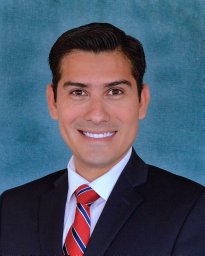 Luís León合作论文数9
 Jeffrey N. Tarascio合作论文数8Bravo-Iñiguez Carlos合作论文数8
 Raphael Bueno合作论文数Brigham and Women's Hospital Heart and Vascular Center;Brigham and Women's Lung Center;Harvard Medical School4Kristin Cardin合作论文数3Swanson Scott J合作论文数3
 Yolonda Colson合作论文数Massachusetts General Hospital, Harvard Medical School;Mass General Research Institute2Matthew M Rochefort合作论文数2Laura N Frain合作论文数2
 Aaron R. Dezube合作论文数2Clark DuMontier合作论文数2
 Namrata Patil合作论文数2
 Lisa A. Cooper合作论文数Welch Center for Prevention, Epidemiology, and Clinical Research, Johns Hopkins University School of Medicine;Johns Hopkins Urban Health Institute2
 Francine Jacobson合作论文数2Abby A. White合作论文数2Hanneke van der Wal-Huisman合作论文数1Rachel D. Levy合作论文数1
 Gianluca Pellino合作论文数1Maria Rodriguez合作论文数1Valerie A. Maymi合作论文数1Art Branstrom合作论文数1Giacomo Sermonesi合作论文数1Giampaolo Castagnoli合作论文数1Baha Siam合作论文数1Mariateresa Mirarchi合作论文数1Emanuela Stratta合作论文数1Anna Garutti合作论文数1Lydia Loutzidou合作论文数1Corinne E. Gustafson合作论文数1Kimberly Vermilya合作论文数1Matthijs Plas合作论文数1
 Jessica Mae Copeland合作论文数1Julee R Armitage合作论文数1Claire de Forcrand合作论文数1Nicole Pandell合作论文数1Gerardo Palmieri合作论文数1Franco De Cian合作论文数1Francesca De Lucia合作论文数1Francesca Tauceri合作论文数1Kinga Szabat合作论文数1Claire V Meyerovitz合作论文数1Samuel Freyaldenhoven合作论文数1
 Matteo Sacchi合作论文数1Yochai Levy合作论文数1Peter J. Tramontozzi合作论文数1Bernadette Vertogen合作论文数1
 Andrea Costanzi合作论文数1Alessandra Giorgetti合作论文数1




