Introduction: Bidirectional deep brain stimulation (DBS) devices can continuously record neural activity while delivering stimulation. Due to memory limitations on the implanted device on which data are stored, frequent data downloads are required to prevent data loss. In this study, we present a novel collaborative data collection method utilizing a nationwide network of device representatives to allow frequent data transfer that reduces data loss without imposing travel burden on patients. Methods: We collected chronic neural data from nine patients with severe obsessive-compulsive disorder who received ventral capsule/ventral striatum DBS treatment between May 2023 and August 2024. We included patients implanted with the Medtronic Percept generator (either primary or rechargeable cell). Because most patients live at a distance from our center, our team worked in conjunction with patients and local device representatives to coordinate data acquisition meetings. Results: In total, we collected 40,080 h of neural data through in-person clinic visits (57.0%) and representative-facilitated remote downloads (43.0%). A team of seven device representatives completed 21 downloads across seven cities. Six of the nine patients completed ≥1 remote download. The percentage of potential data not captured was 54.8% (n = 3) among patients without remote downloads, compared to 29.1% (n = 6) among those with at least one remote download. Conclusion: Our data collection strategy helps mitigate the loss of neural data recorded on DBS devices for patients who live remote to the programming center and/or who visit the center infrequently. Nonetheless, challenges remain in ensuring regular downloads to prevent information loss. Implementation of automated downloads may further decrease data loss and patient burden.
In vectorial embeddings of word meaning, semantic features often reflect consistent directions—or axes—within a representational space. A classic example is gender: the vector spanning “ boy ”→“ girl ” can be added to the embedding for “ king ” to predict “ queen .” Here we show that the same principle governs semantically driven neural responses in the human brain. We recorded single-neuron activity in three brain regions while participants listened to podcasts. Across fifteen analogical categories —including gender, number, and antonymy—we observed consistent vectorial directions, resulting in parallelogram structure within the neural manifold. Among pronouns, vectors corresponding to grammatical case, number, person, and possession obeyed the principle of commutativity, resulting in a prismatic structure, demonstrating that semantic axes can be factorized. We found parallelogram structure in all three regions, with some regional specialization: noun pluralization was more robust in the hippocampus than in the anterior cingulate cortex (ACC) or orbitofrontal cortex, whereas verbal conjugation effects were more robust in the ACC. Finally, we found evidence for partial functional specialization at the neuron level: neurons most strongly involved in one analogy type were less involved in others. These principles parallel representational structure observed in large language models. Together, these findings support a geometric basis for analogical reasoning.
There is growing recognition of the need for human-based models of the nervous system and its diseases. Studies have investigated the electrophysiological properties of neurons in ex vivo human brain tissue, but the maintenance of other cell types remains unclear. We therefore used single-nucleus RNA sequencing of six patient samples to determine how well various cell types maintain their transcriptional identities over two weeks in organotypic slice culture (day 0, with 83 501 nuclei, and day 14, with 45 738). For each patient sample (two pediatric temporal lobectomies, one adult frontal cortex, two glioblastomas, and one medulloblastoma), we generated correlations between each day 0 and day 14 cell type using the extent of up- and down-regulation of all significantly variable genes. We found generally high correlations, especially in tumour cells (glioblastoma tumour cells r = 0.81, medulloblastoma tumour cells r = 0.90), with microglia (r = 0.72), oligodendrocytes (r = 0.76), and endothelial cells (r = 0.75). This holds significant promise for this model's use in both mechanistic studies and therapeutic screens, with its high degree of molecular and cellular relevance to the in vivo human brain.
The anterior limb of the internal capsule (ALIC) is a major target for deep brain stimulation (DBS) in obsessive-compulsive disorder and other treatment-resistant psychiatric disorders. Although anatomical studies have demonstrated a highly organized topography of prefrontal pathways within the ALIC, it remains unclear whether these organizational principles are preserved in treatment-resistant psychiatric patients and whether they predict stimulation-induced network engagement. We applied anatomically informed diffusion tractography to patients with treatment-resistant obsessive-compulsive disorder (n=18) and treatment-resistant depression (n=5) undergoing ALIC DBS. To assess functional network engagement, we analyzed cerebro-cerebral evoked potentials (CCEPs) elicited by single-pulse stimulation of ALIC DBS contacts while recording from ventral prefrontal cortex (vPFC) electrodes in depression patients. Diffusion tractography demonstrated preservation of established ALIC topography in treatment-resistant psychiatric patients, including the dorsoventral organization of prefrontal projections and the mediolateral organization of subcortical pathways. CCEP analyses revealed a corresponding functional organization: ventral ALIC stimulation preferentially engaged medial vPFC sites, whereas dorsal stimulation preferentially engaged lateral vPFC sites in the left hemisphere. These findings demonstrate that stimulation-induced network responses follow known anatomical principles of ALIC organization, and outcome that will support more precise and individualized neuromodulatory strategies for neuropsychiatric disorders.
Finding suitable therapies for treatment-refractory neuropsychiatric disorders constitutes a major goal for translational neuroscience. Deep brain stimulation shows promise for treatment resistant depression, but treatment efficacy varies substantially across patients. Objective, electrophysiologically driven strategies to optimize deep brain stimulation for treatment resistant depression could greatly improve clinical efficacy by minimizing the trial-and-error approach needed to personalize stimulation settings. This may not only reduce the delay between the start of the treatment and symptom improvement, but also enable acute, real-time verification of circuit engagement, advancing our understanding of the mechanism mediating antidepressant effects. Here, we investigate whether cerebro-cerebral evoked potentials elicited through different deep brain stimulation configurations could be used to guide stimulation personalization for treatment resistant depression. Cerebro-cerebral evoked potentials offer a fast, objective way to identify regions engaged by stimulation, revealing the effective connectivity pattern of the stimulated location. Data were collected from eight patients with treatment resistant depression who received dual bilateral deep brain stimulation devices targeting the subcallosal cingulate and ventral capsule/ventral striatum. During an initial in-hospital monitoring period, single-pulse electrical stimulation was delivered through the deep brain stimulation devices and cerebro-cerebral evoked potentials were recorded through temporary stereo-electroencephalography probes across fronto-temporal regions. Patients underwent several outpatient stimulation programming sessions over the course of 9 months to identify the stimulation configurations leading to the greatest improvement in depressive symptoms. We retrospectively analysed cerebro-cerebral evoked potentials obtained in response to stimulation of different stimulation configurations to identify features distinguishing the clinically effective configurations. The deep brain stimulation configurations leading to the greatest improvement in depressive symptoms were associated with significantly larger evoked potentials in the orbitofrontal cortex and showed an increased number of evoked potentials across dorsal and ventral prefrontal regions. Waveform similarity analysis revealed a gradient in therapeutic effects, such that multiple alternative stimulation configurations led to similar symptom improvement. The vast deep brain stimulation parameter space might contain a configuration subspace defined by comparable therapeutic effects. In addition, evoked potentials obtained from single-pulse and from bursts of high-frequency stimulation displayed similar spatial patterns, suggesting that either method might be able to identify the configuration best engaging the circuit mediating the clinical response. Together, these findings provide proof-of-principle evidence that stimulation-evoked prefrontal responses reflect network engagement associated with antidepressant effects. Cerebro-cerebral evoked potentials may offer an objective and acute strategy to guide contact selection in deep brain stimulation for treatment resistant depression.
Introduction:Deep brain stimulation (DBS) of the ventral capsule/ventral striatum (VC/VS) can benefit patients with treatment-refractory obsessive-compulsive disorder (OCD). However, time to respond post-operatively ranges from weeks to over a year. We examined neuroanatomical determinants of this variability. Methods:We studied 16 treatment-refractory OCD patients who responded to VC/VS DBS, classifying them as rapid (≤3 months) or slow (>3 months) responders. We compared contact locations along anterior-posterior, dorsal-ventral, and medial-lateral axes. In 11 patients with diffusion-weighted magnetic resonance imaging (dMRI), we utilized volumes of tissue activated (VTAs) for both initial and most recent effective DBS settings to filter tractograms of the anterior limb of the internal capsule to 11 predefined prefrontal cortical regions. We analyzed streamline counts as a proxy for connectivity strength with mixed-effects models. Results:Rapid (n=8) and slow (n=8) responders exhibited a clear bimodal distribution of time-to-response, supported by a Bayesian Information Criterion difference (Δ BIC) of 9.14. Rapid responders' right-hemisphere contacts were positioned more superiorly, and there was a trend toward their left-hemisphere contacts being positioned more posteriorly. Connectivity fingerprints and mixed-effects modeling showed greater dorsolateral prefrontal cortex engagement in rapid responders than in slow responders, whereas slow responders showed enhanced central orbitofrontal cortex connectivity over time. Discussion:Variability in VC/VS contact placement corresponds to distinct prefrontal cortical connectivity patterns and response timelines. Patient-specific targeting and connectivity-informed programming may accelerate response to treatment.
OBJECTIVE:This study was undertaken to evaluate the safety and effectiveness of responsive thalamic stimulation as adjunctive therapy for drug-resistant idiopathic generalized epilepsy (IGE) with generalized tonic-clonic seizures (GTCSs). METHODS:NAUTILUS is a prospective, multicenter, single-blind, randomized sham-controlled pivotal trial. Patients were ≥12 years of age with drug-resistant IGE and ≥2 GTCSs over a 3-month baseline. Bilateral depth leads were targeted to the centromedian thalamus. One month later, patients were randomized to Active (responsive stimulation, n = 44) or Sham (no stimulation, n = 43). The effectiveness evaluation period (EEP) began 3 months postimplant through 1 year. After a second GTCS in the EEP, patients transitioned to open-label active stimulation. The primary safety endpoint was the serious adverse device-related event (SADE) rate at 84 days postimplant. The primary effectiveness endpoint was time-to-second-GTCS during the EEP. Additional endpoints included median percent change in days with any generalized seizure, GTCS frequency, and responder rate (RR). RESULTS:Eighty-seven patients were implanted across 23 US centers. The SADE rate was significantly below the performance goal (6.9%, p < .0001), with no adverse effects on cognition, mood, or sleep. The prespecified primary effectiveness endpoint was not significant. However, a post hoc mixed-effects model considering all EEP days demonstrated greater GTCS reduction in the originally randomized Active group (61%) compared to patients originally randomized to Sham (49%, p = .030). Eighteen-month outcomes included 76.8% median GTCS reduction, 62.5% RR, 40% GTCS-free at that timepoint, and 77.8% median reduction in days with any generalized seizure. More than 90% of patients and 86% of physicians reported improvement on Global Impression of Change scales. SIGNIFICANCE:NAUTILUS is the first randomized controlled neuromodulation trial in IGE. Responsive thalamic stimulation provided a clinically meaningful and durable reduction in seizures with an acceptable safety profile, offering a much-needed option for drug-resistant IGE.
BACKGROUND AND OBJECTIVES:Surgical resection offers the highest seizure freedom rates in appropriately selected patients with drug-resistant epilepsy (DRE). However, complete resection may not be feasible if the epileptogenic zone is diffuse, multifocal, or eloquent. Responsive neurostimulation (RNS) reduces seizure frequency in patients who are not candidates for complete resection but rarely results in complete seizure freedom. For patients requiring subtotal resection because of eloquent cortex involvement, we pursued a hybrid approach using RNS to target the remaining unresectable regions of the putative seizure onset zone. We hypothesized that neuromodulation of unresected areas would improve seizure control beyond subtotal resection alone and conducted a retrospective analysis investigating partial resection plus RNS (R + RNS) efficacy in DRE. METHODS:We conducted a retrospective study of patients with focal DRE who underwent R + RNS at our institution between 2020 and 2022 and had at least 6 months of follow-up. We assessed relative seizure frequency, severity, seizure-free periods, and subjective improvements. RESULTS:Seven patients underwent R + RNS with a mean follow-up of 20.7 months. The mean seizure frequency reduction was 79.3% (range 0%-100%). Three patients (42.9%) achieved seizure freedom postresection but experienced recurrence; RNS activation restored sustained seizure freedom in all three. One additional patient with initial seizure relapse achieved near seizure-freedom through RNS programming optimization. Overall, 3 patients (42.9%) were seizure-free at the final follow-up. Patients reported decreased seizure severity and improved sleep. No complications occurred. CONCLUSION:In our case series, R + RNS yielded substantial seizure reductions for patients with DRE. This combined approach may serve as a beneficial strategy for patients who cannot undergo a complete resection of their seizure onset zone because of the involvement of eloquent areas or secondary foci.
Introduction:The anterior limb of the internal capsule (ALIC) is a major white matter highway connecting prefrontal cortical (PFC) regions to the thalamus, brainstem, and subthalamic nucleus. Structural and functional abnormalities within the ALIC circuit have been associated with many neuropsychiatric disorders, including obsessive-compulsive disorder (OCD) and depression, and deep brain stimulation (DBS) may provide effective treatment to some of these patients. However, it remains unclear whether the well-characterized topographic organization of the ALIC observed in healthy individuals and preclinical models is preserved in treatment-resistant psychiatric populations. Methods:We first used diffusion tractography to evaluate the topography of PFC and subcortical fibers through the ALIC in patients with treatment-resistant OCD (n=18) and depression (n=5). In depression patients, we also evaluated ALIC topography using cerebro-cerebral evoked potentials (CCEPs) elicited by single-pulse electrical stimulation (SPES) of DBS leads in the ALIC and recordings in the ventral PFC (vPFC). Results:The topographic organization of PFC and subcortical projections is preserved in the ALIC among treatment-resistant psychiatric patients, consistent with patterns observed in healthy individuals and preclinical models. CCEP recordings in the ventral PFC showed a ventral ALIC to medial vPFC/dorsal ALIC to lateral vPFC response pattern in the left hemisphere, but not in the right. Conclusion:Our findings confirm that topographic patterns within the ALIC previously identified using preclinical models and healthy controls are preserved in treatment-resistant psychiatric patients. Furthermore, by linking white matter topography to stimulation effects, this work supports more precise and individualized neuromodulatory strategies for neuropsychiatric disorders.
Objective:To address the limitations of current trial-and-error programming strategies in deep brain stimulation (DBS) for refractory obsessive-compulsive disorder (OCD), we implanted patients with sensing-capable DBS devices to identify neural biomarkers that could provide objective feedback to the clinician about therapeutic efficacy. Methods:We conducted an early feasibility study in 10 patients with severe, treatment-resistant OCD. All subjects received bilateral DBS leads targeting the ventral internal capsule (VC) and the second half of the cohort also received strip electrodes over the bilateral orbitofrontal cortex for recording only. All leads were connected to investigational, bidirectional DBS devices. After implantation, participants returned for scheduled programming visits to determine optimal stimulation parameters (Phase 1). In Phase 2, patients completed a course of exposure and response prevention (ERP) psychotherapy, and in Phase 3, patients underwent a double-blind discontinuation of DBS to test true vs. sham response. Phase 4 was an open-label follow-up. We administered standardized symptom scales throughout the study and used non-parametric repeated-measures analyses to analyze neuropsychological data. Results:All patients elected to resume stimulation after a discontinuation phase. At the end of the study, the mean reduction in the Yale-Brown Obsessive-Compulsive Scale (Y-BOCS) was 22 points or 60% across all patients with 8 patients demonstrating full response ( > 35% decrease in Y-BOCS). All participants also experienced reduced depression severity. Conclusions:In patients with refractory OCD, we demonstrate excellent clinical response to VC DBS. We show feasibility of recording neural data both at home and in the clinic on board bidirectional DBS devices.
Bipolar disorder (BD) features episodic shifts among (hypo)mania, depression, mixed states, and euthymia. Timely detection of mood transitions is difficult due to infrequent clinical touchpoints. Digital health technologies, including wearables and smartphones, offer a unique opportunity to passively and continuously monitor behavior and physiology that could reflect underlying mood dynamics in real-world settings. We aim to systematically review passively collected digital biomarkers for BD mood states, characterize devices/modalities and analytic approaches, appraise risk of bias, and identify design gaps and priorities for clinical translation. Following PRISMA guidelines (PROSPERO CRD42024607765), we searched MEDLINE, PsycINFO, Scopus, IEEE Xplore, and ACM Digital Library (February 7, 2025). We included peer-reviewed studies of adults with BD I/II that measured passively collected digital biomarkers and related them to depressive, (hypo)manic, mixed, or euthymic states. Active-only measures (e.g. lab tests, ecological-momentary assessment) and studies entangling BD with other diagnoses were excluded. Two independent reviewers screened studies and extracted study characteristics and results. We grouped digital biomarkers into categories and conducted narrative synthesis. Risk of bias was assessed with PROBAST (predictive models) and the Newcastle–Ottawa Scale (observational studies). Of 8,355 records, 45 studies met criteria. Most enrolled ≤50 participants (64%) and monitored ≤100 days (49%); 29% collected data only in-clinic. Nine biomarker domains emerged: physical activity, heart rate (HR), electrodermal activity (EDA), geolocation, keyboard use, light exposure, sleep, socialization, and speech. Consistent patterns linked depression to reduced mobility and social interaction, later/variable sleep, and lower daytime light; (hypo)mania was associated with higher and more variable activity, shorter/advanced sleep, and increased communication. Circadian features derived from sleep/activity repeatedly aided prediction. EDA tended to be lower in depression; HRV findings were mixed across settings and methods. Keyboard and speech features (e.g., timing, prosody) showed associations and performed well in classifiers. Fifteen studies used ML; several reported strong performance for episode prediction/classification (AUROC ≈0.80–0.98 in larger cohorts), yet external validation was absent, samples were small, monitoring windows were often short relative to episode timescales, clinical labels were infrequent/misaligned, and missingness was rarely modeled despite likely informativeness. Passive digital biomarkers for BD show promise, with the most robust signals aligning with DSM-5 behavioral and circadian features (sleep–wake patterns, activity/mobility, socialization/geolocation, and speech). To move from promise to practice, future studies should adopt longer within-subject monitoring, align label cadence with sensing granularity, standardize features/reporting, pre-register analyses, externally validate models, minimize data to protect privacy, and expand physiological measurement beyond heart rate and electrodermal activity. These steps are essential to develop reliable, actionable tools for earlier detection and management of BD mood episodes.
OBJECTIVE Stereo-electroencephalography (sEEG) is a common method for clinical epilepsy monitoring and provides unique opportunities for intracranial research in humans. Optimal selection of reference electrodes is essential for obtaining high-quality localizable data. White matter (WM) electrode contacts are commonly used as references; however, this reference scheme presents several limitations that may influence the data, including a limited selection of electrodes in the WM, nonneutral activity in the WM, and a laterality bias. Here, the authors detail the use of a midline subgaleal (SG) electrode as an alternative reference for sEEG recordings. METHODS An SG reference was used for 14 patients with drug-resistant epilepsy undergoing intracranial monitoring. Following the placement of sEEG electrodes, one 8-contact sEEG electrode (n = 2) or 4-contact strip electrode (n = 12) was placed in the SG space at the parietal midline. In a subset of 4 participants, we obtained awake, resting baseline recordings (5-minute duration) using different references, allowing us to compare signals recorded with an SG, WM, and gray matter (GM) reference. The authors compared the number of interictal spikes (IISs) detected by measuring the seizure onset zone selectivity index (SSI), cross-channel correlations, and power spectral density properties across these baseline recordings. RESULTS No adverse effect of the SG electrode placement was reported in any participant. Recordings using an SG reference have a higher SSI compared with a WM or GM reference. Neural signals obtained with an SG reference have lower cross-channel correlations compared with the other two references and preserve more power at higher frequencies than a WM or GM reference. CONCLUSIONS Extracranial placement of an SG electrode allows for a neutral midline reference. The authors’ findings demonstrate that an SG reference is a safe alternative to the standard WM reference, improving the signal-to-noise ratio and not interfering with the clinical investigation.
BackgroundDespite growing evidence supporting deep brain stimulation (DBS) for treatment- resistant depression (TRD), how stimulation delivered across hemispheres or across multiple targets interact to shape large-scale network activity remains poorly characterized.ObjectiveUsing a unique opportunity to simultaneously stimulate the subcallosal cingulate (SCC) and ventral capsule/ventral striatum (VC/VS) in subjects with TRD while recording neural activity across putative prefrontal networks underlying depression via intracranial electrodes, we investigated whether bilateral or multi-target stimulation has additive, synergistic/super-additive, or antagonistic/sub-additive effects on power modulation across depression-related brain networks.MethodsFour DBS leads, and ten stereo-electroencephalography (sEEG) leads were implanted in depression-related prefrontal brain regions in three subjects with TRD. Power modulation in response to unilateral and bilateral stimulation, as well as interaction classes of combinatorial stimulations, were evaluated across various combinations of frequency bands and region of interests (ROI) using marginal predictions from a linear mixed-effects model which were then used as input for machine learning classifiers to predict the additive interaction class of combinatorial stimulations.ResultsBilateral and multi-target stimulation produced additive or sub-additive interactions in most cases. A decision tree classifier identified ROI as the most important feature for predicting interaction class, followed by stimulation target and spectral frequency band.
BACKGROUND:Primary motor cortex metastases (pMCM) often result in functionally impairing symptoms. The aim of this study was to determine the local control and functional outcomes of patients who underwent combined microsurgical resection followed by stereotactic radiosurgery (SRS) for pMCM. METHODS:A retrospective review was performed to identify patients who received microsurgical resection followed by SRS for pMCM at a single institution between 2013 and 2021. Tumor volumes, treatment parameters, local control data, and functional motor scores using the Response Assessment in Neuro-Oncology Brain Metastases criteria were analyzed for a follow-up period of one year after treatment. RESULTS:Eleven patients who received microsurgical resection followed by SRS within 35 days were included in the analysis. Median SRS dose was 18 Gy to the 50% isodose line delivered in 1-3 fractions. The mean tumor volume was 13.2 cm3. All patients with follow-up data had stable or improved strength scores up to one year after treatment, with no patients showing disease progression, based on Neuro-Oncology Brain Metastases criteria at 3, 6, and 12 months after treatment. CONCLUSIONS:In this single-center case series, microsurgical resection followed by SRS for pMCM is safe and results in rapid and durable improvements in functional motor outcomes, particularly for patients with larger tumor sizes.
A hallmark of human cognitive flexibility is the ability to perform a wide range of unrelated tasks. While much is known about how neural circuits support individual tasks, less is understood about how these circuits support multiple tasks. Are neural representations largely task-specific, or do they retain a shared structure across distinct behaviors? To investigate this question, we recorded neural population activity from the hippocampus and anterior cingulate cortex, two regions linked to generalization and cognitive control, in eleven human patients performing three distinct tasks. Using dimensionality reduction, we estimated the neural subspace associated with each task and compared subspace geometry across tasks. We found that task-related subspaces were not independent: across tasks, approximately half of the subspace dimensions were shared, and these were primarily the dimensions containing most of the shared neural covariance. These findings indicate that neural population activity in these regions is not purely task-specific. This suggests a stable, low-dimensional circuit structure may persist even across unrelated behaviors, potentially providing a common substrate for flexible cognition.
Consciousness is a fundamental component of cognition1, but the degree to which higher-order pattern recognition relies on it remains disputed2,3. Here we demonstrate the persistence of oddball discrimination, semantic processing and online prediction in individuals under general-anaesthesia-induced loss of consciousness4,5. Using high-density Neuropixels microelectrodes6 to record both single-unit and local-field-potential neural activity in the human hippocampus while playing a series of tones to anaesthetized patients, we found that hippocampal neurons and local oscillations retained some detection of oddball tones. This effect size grew over the course of the experiment (around 10 min), demonstrating representational plasticity. A biologically plausible recurrent neural network model showed that learning and oddball representation are an emergent property of flexible tone discrimination. Moreover, when we played language stimuli, single units and local field potentials carried information about the semantic and grammatical features of natural speech, even predicting semantic information about upcoming words. Together these results indicate that in the hippocampus, which is anatomically and functionally distant from primary sensory cortices7, complex processing of sensory stimuli occurs even in the unconscious state. In the hippocampus, complex processing of sensory stimuli occurs even in the unconscious state.
 Wayne Goodman合作论文数Lee and Joe Jamail Specialty Care Center, Menninger Department of Psychiatry and Behavioral Sciences, Baylor College of Medicine108
 Nicole R Provenza合作论文数Department of Neurosurgery, Baylor College of Medicine91
 Garrett Banks合作论文数From the Department of Neurological Surgery, Columbia University Medical Center;Weill Cornell Medical College, Cornell University;Department of Neurology, Columbia University Medical Center;Columbia University Medical Center, Columbia University Medical Center62
 Ben Shofty合作论文数Sourasky Medical Center50
 Guy M. McKhann II合作论文数Department of Neurosurgery, Columbia University;Columbia University Irving Medical Center45
 Bartoli Eleonora合作论文数Faculty of Psychology, Vita-Salute San Raffaele University45
 Kelly Rowe Bijanki合作论文数College of Medicine, University of Iowa Carver42
 Eric Alan Storch合作论文数Department of Psychiatry & Behavioral Sciences, Baylor College of Medicine42
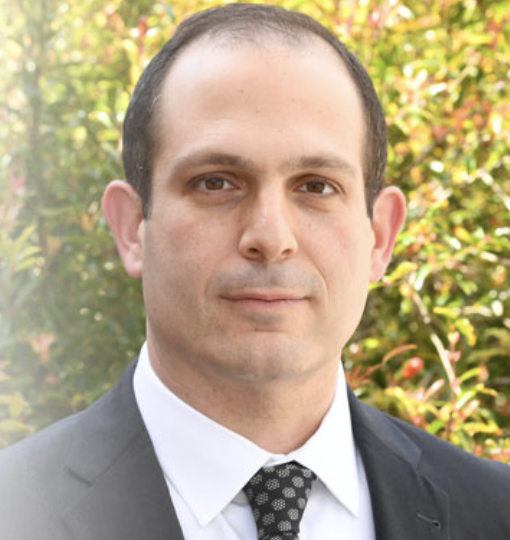 Nader Pouratian合作论文数Department of Bioengineering, School of Engineering, University of California, Los Angeles41
 Nisha Giridharan合作论文数30
 Catherine Schevon合作论文数Dept Neurol, Columbia Univ29Joshua A Adkinson合作论文数27Raissa Mathura合作论文数27
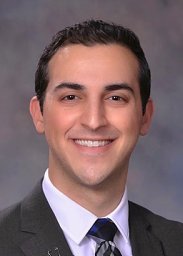 Ron Gadot合作论文数Department of Neurosurgery, Baylor College of Medicine26
 Michael R. Sperling合作论文数Department of Neurology, Sidney Kimmel Medical College, Thomas Jefferson University;Jefferson Comprehensive Epilepsy Center, Thomas Jefferson University Hospital;Clinical Neurophysiology Laboratory, Thomas Jefferson University Hospital26
 Emad N. Eskandar合作论文数Albert Einstein College of Medicine26
 Andrew J. Watrous合作论文数25Ashwin Viswanathan合作论文数Department of Neurosurgery, M.D. Anderson Cancer Center25
 Sarah R Heilbronner合作论文数Department of Neuroscience, University of Minnesota23Elliot H. Smith合作论文数22
 Anusha Allawala合作论文数School of Engineering, Brown University22Ricardo A. Najera合作论文数20Denise Oswalt合作论文数20
 Robert E. Gross合作论文数Department of Neurosurgery, School of Medicine, Emory University20
 David Borton合作论文数Center for Biomedical Engineering, Department of Molecular Pharmacology, Physiology, and Biotechnology, Brown University20
 Gavvala Jay合作论文数Feinberg School of Medicine, Northwestern University20
 Gregory A. Worrell合作论文数Department of Neurology, Mayo Clinic;Department of Physiology & Biomedical Engineering, Mayo Clinic20
 Ben Hayden合作论文数Department of Neurosurgery, Baylor College of Medicine19
 Bradley Lega合作论文数Department of Neurological Surgery, Medical School, UT Southwestern Medical Center;Department of Neurology, Medical School, UT Southwestern Medical Center;Department of Psychiatry, Medical School, UT Southwestern Medical Center19
 Kalman Katlowitz合作论文数Department of Neurosurgery, Baylor College of Medicine17Barbara C. Jobst合作论文数Department of Medicine, Dartmouth Medical School17Michelle Avendano-Ortega合作论文数16
 Kathryn A. Davis合作论文数Department of Neurology, Perelman School of Medicine, University of Pennsylvania16Huy Q. Dang合作论文数15Jiayang Xiao合作论文数Department of Neurosurgery, Baylor College of Medicine15
 Adrish Anand合作论文数Department of Neurosurgery, Baylor College of Medicine15
 Brian Metzger合作论文数Department of Neurosurgery, Baylor College of Medicine15
 Jeffrey A. Herron合作论文数Department of Neurological Surgery, University of Washington15
 Darin D Dougherty合作论文数Department of Psychiatry, Massachusetts General Hospital;Department of Psychiatry, Harvard Medical School15
 Jeffrey Cohn合作论文数Robotics Institute, School of Computer Science, Carnegie Mellon University;Department of Psychology, University of Pittsburgh;Department of Psychiatry, University of Pittsburgh;Deliberate.ai15
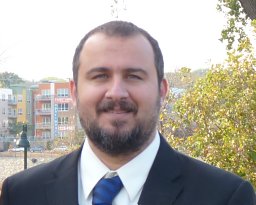 Nuri F. Ince合作论文数University of Minnesota15
 Sanjay Johan Mathew合作论文数Menninger Department of Psychiatry & Behavioral Sciences, Baylor College of Medicine;School of Medicine, Naresh K. Vashisht College of Medicine, Texas A&M University14
 Patel Shaun R合作论文数Nayef Al-Rodhan Laboratories, Massachusetts General Hospital;Department of Anatomy and Neurobiology, Boston University School of Medicine;Massachusetts General Hospital, Boston University School of Medicine14Daniel Yoshor合作论文数14
 Vaishnav Krishnan合作论文数Baylor College of Medicine14Matthew K. Mian合作论文数14
 Brian P Walcott合作论文数Dept Neurol Surg, Univ Calif San Francisco13
 Michael J. Kahana合作论文数Department of Psychology University of Pennsylvania13
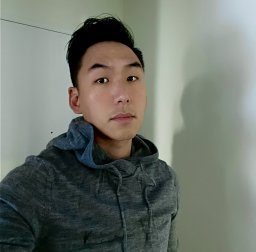 Churl-Su Kwon合作论文数Department of Neurosurgery, Icahn School of Medicine at Mount Sinai12




