Although bulk biotherapeutics are often frozen during fill finish and shipping to improve their stability, they can undergo degradation leading to losses in biological activity during sub-optimal freeze-thaw (F/T) process. Except for a few small-scale studies, the relative contribution of various F/T stresses to the instability of proteins has not been addressed. Thus, the objective of this study was to determine the individual contributions of freeze-concentration, ice surface area, and processing time to protein destabilization at a practical manufacturing-scale. Lactate dehydrogenase (LDH) in histidine buffer solutions were frozen in 1L containers. The frozen solutions were sliced into representative samples and assessed for the ice specific surface area (SSA) and extent of solutes freeze-concentration. For the first time to our knowledge, ice SSA was measured in dried samples from large-volume protein solutions using volumetric nitrogen adsorption isotherms. SSA measurements of the freeze-dried cakes showed that the ice surface area increased with an increase in the freezing rate. The ice SSA was also impacted by the position of the sample within the container: samples closer to the active cooled surface of the container exhibited smaller ice surface area compared to ice-cored samples from the center of the bottle. The freeze-concentrate composition was determined by measuring LDH concentration in the ice-cored samples. The protein distributed more evenly throughout the frozen solution after fast freezing which also correlated with enhanced protein stability compared to slow freezing conditions. Overall, better protein stability parameters correlated with higher ice SSA and lower freeze-concentration extent which was achieved at a faster freezing rate. Thus, extended residence time of the protein at the freeze-concentrated microenvironment is the critical destabilizing factor during freezing of LDH in bulk histidine buffer system. This study expands the understanding of the relative contributions of freezing stresses which, coupled with the knowledge of cryoprotection mechanisms, is imperative to the development of optimized processes and formulations aiming stable frozen protein solutions.
Fluidized bed dryer often used in the pharmaceutical industry for drying of wet granules. Coupled computational fluid dynamics (CFD) – discrete element method (DEM) is frequently used to model the drying process because of its ability to obtain the relevant information at the particle level. However, it becomes almost impossible to model the industrial scale fluidized bed dryer using the coupled CFD-DEM method because of the presence of large number of particles $$\left(\sim {10}^{6-8}\right)$$ . To reduce the number of particles to be tracked in the simulation, coarse grained coupled CFD-DEM method was developed by researchers where a certain number of particles of the original system was represented by a relatively bigger particle in the coarse-grained system. The appropriate scaling of the particle–particle and particle–fluid interaction forces is necessary to make sure that the dynamics of the coarse-grained particles/parcels accurately represent the dynamics of the original particles. The coarse-graining of the drying process of pharmaceutical granules during fluidization needs systematic coarse-graining of the momentum, heat, and solvent vapor transfer process. A coarse grained coupled CFD-DEM method was used to model the momentum and heat transfer during the fluidization of pharmaceutical granules. It was shown that the heat transfer during the fluidization of large number of particles could be predicted by simulating a smaller number of bigger particles with appropriate scaling of particle–particle heat and momentum transfer, and particle–fluid heat and momentum transfer at significantly smaller computational time. This model can be further extended by including a coarse-grained moisture transport model in future.
The fluidized bed is an essential and standard equipment in the field of process development. It has a wide application in various areas and has been extensively studied. This review paper aims to discuss computational modeling of a fluidized bed with a focus on pharmaceutical applications. Eulerian, Lagrangian, and combined Eulerian-Lagrangian models have been studied for fluid bed applications with the rise of modeling capabilities. Such models assist in optimizing the process parameters and expedite the process development cycle. This paper discusses the background of modeling and then summarizes research papers relevant to pharmaceutical unit operations.
Leukocyte differential test is a widely carried out clinical procedure for screening infectious diseases. Existing hematology analyzers require labor‐intensive work and a panel of expensive reagents. Herein, an artificial‐intelligence‐enabled reagent‐free imaging hematology analyzer (AIRFIHA) modality is reported that can accurately classify subpopulations of leukocytes with minimal sample preparation. AIRFIHA is realized through training a two‐step residual neural network using label‐free images of isolated leukocytes acquired from a custom‐built quantitative phase microscope. By leveraging the rich information contained in quantitative phase images, not only high accuracy is achieved in differentiating B and T lymphocytes, but also CD4 and CD8 T cells are classified, therefore outperforming the classification accuracy of most current hematology analyzers. The performance of AIRFIHA in a randomly selected test set is validated and is cross‐validated across all blood donors. Due to its easy operation, low cost, and accurate discerning capability of complex leukocyte subpopulations, AIRFIHA is clinically translatable and can also be deployed in resource‐limited settings, e.g., during pandemic situations for the rapid screening of infectious diseases.
Triboelectric charging is defined as the phenomenon of charge transfer between two different material surfaces when they are brought into contact and separated. The focus of this research is the development of a Discrete Element Method (DEM) based simulation model to predict tribocharging during hopper discharge. Due to decreased particle-wall interactions and reduced particle wall contact times, net charges generated during hopper discharge are low. The simulation model confirmed this effect and was implemented to predict the triboelectric behavior of glass beads and MCC particles during hopper flow, along with the prediction of percent charged and uncharged particles. Approximately one-third of the particles were predicted to remain uncharged during the hopper discharge simulations for mono-dispersed particles, thus rendering a comparatively high amount of charge distribution into a small concentration of materials. The DEM model acted as a tool to predict charges that can be generated during hopper discharge at a specified geometry, with a potential to mitigate particle charging, when used for appropriate selection of hopper angles, and hopper wall materials.
In this study, a pre-screening test has been developed for the binder-jet 3D printing process (BJ3DP) which has been validated using statistical analysis. The pre-screening test or drop test has been adapted from the wet granulation field and modified later on to be used for tablet manufacturing in BJ3DP. Initially, a total of eight powders and ten water-based binder solutions have been introduced in the preliminary test to understand the powder-binder interactions. Afterward, based on the preliminary test results, three blends were developed which had undergone the same drop test. All these powder and binder combinations were then used for 3D printing. The key parameters such as mechanical strength and shape factors of the drop test agglomerates and 3D printed tablets were then compared using multiple linear regressions. Few dimensionless parameters were introduced in this study such as binding capacity and binding index to capture the printability properties of the powders used in this study. Significant relations (p<0.05) were found between the drop test and the BJ3DP process. Application of drop test was carried out to establish a prescreening test, ii) to develop new blend formulations as well as iii) to develop a fundamental understanding of powder-binder interaction during BJ3DP process
The current study utilized an artificial neural network (ANN) to generate computational models to achieve process optimization for a previously developed continuous liposome manufacturing system. The liposome formation was based on a continuous manufacturing system with a co-axial turbulent jet in a co-flow technology. The ethanol phase with lipids and aqueous phase resulted in liposomes of homogeneous sizes. The input features of the ANN included critical material attributes (CMAs) (e.g., hydrocarbon tail length, cholesterol percent, and buffer type) and critical process parameters (CPPs) (e.g., solvent temperature and flow rate), while the ANN outputs included critical quality attributes (CQAs) of liposomes (i.e., particle size and polydispersity index (PDI)). Two common ANN architectures, multiple-input-multiple-output (MIMO) models and multiple-input-single-output (MISO) models, were evaluated in this study, where the MISO outperformed MIMO with improved accuracy. Molecular descriptors, obtained from PaDEL-Descriptor software, were used to capture the physicochemical properties of the lipids and used in training of the ANN. The combination of CMAs, CPPs, and molecular descriptors as inputs to the MISO ANN model reduced the training and testing mean relative error. Additionally, a graphic user interface (GUI) was successfully developed to assist the end-user in performing interactive simulated risk analysis and visualizing model predictions.
Pharmaceutical applications of the 3D printing process have recently matured, followed by the FDA approval of Spritam, the first commercial 3D printed dosage form. Due to being a new technology in the conventional dosage formulation field, there is still a dearth of understanding in the 3D printing process regarding the effect of the raw materials on the printed dosage forms and the plausibility of using this technology in dosage development beyond the conventional ways. In this review, the powder-based binder jet 3D printing (BJ3DP) process and its pharmaceutical applications have been discussed, along with a perspective of the formulation development step. The recent applications of BJ3DP in pharmaceutical dosage development, the advantages, and limitations have further been discussed here. A discussion of the critical formulation parameters that need to be explored for the preformulation study of the solid oral dosage development using the BJ3DP process is also presented.
The present study focuses on the implementation of a modified simplex centroid statistical design to predict the triboelectrification phenomenon in pharmaceutical mixtures. Two drugs (Ibuprofen and Theophylline), 2 excipients (lactose monohydrate and microcrystalline cellulose/MCC), and 2 blender wall materials (aluminum and poly-methyl methacrylate) were studied to identify the trends in charge transfer in pharmaceutical blends. The statistical model confirmed the excipient-drug interactions, irrespective of the blender wall materials, as the most significant factor leading to reduced charging. Also, lactose monohydrate was able to explain the charge variability more consistently compared with MCC powders when used as secondary material. The ratio of the individual components in the blends explained almost 80% of the bulk charging for Ibuprofen mixtures and 70% for Theophylline mixtures. The study also explored the potential lack of efficacy of lactose-MCC as a combination in ternary systems when compared with binary mixtures, for impacts on charge variability in pharmaceutical blends.
We have constructed a convolutional neural network for classifying white blood cells by using data from a quantitative phase microscope. Better than 90% classification accuracy is obtained in both training set and test set.
Graphene is one of the crystalline forms of carbon, along with diamond, graphite, carbon nanotubes and fullerenes where in carbon atoms are arranged in a regular hexagonal pattern. Graphene can be described as a one-atom thick layer of the layered mineral graphite. High-quality graphene is very strong, light, nearly transparent, and excellent conductor of heat and electricity. Graphene has a number of properties which make it potentially promising for bioapplications. Its large surface area, chemical purity, and the possibility of easy functionalization provide opportunities for drug delivery. Its unique mechanical properties suggest its application in tissue- engineering and regenerative medicine. Its combination of ultimate thinness, conductivity, and strength make it an ideal support for imaging biomolecules in transmission electron microscopy. Also, chemically functionalized graphene might lead to fast and ultrasensitive measurement devices, capable of detecting a range of biological molecules. This chapter will summarize the latest progress of using graphene for various biomedical applications, including drug delivery, cancer therapies, and biosensing, and discuss the opportunities and challenges in this emerging field.
 Bodhisattwa Chaudhuri合作论文数University of Connecticut9
 Koyel Sen合作论文数Department of Pharmaceutical Sciences, University of Connecticut3
 H. Aziz合作论文数Med Coll, Virginia Commonwealth Univ3
 Raj Mukherjee合作论文数Department of Pharmaceutical Sciences, University of Connecticut3Kai-Yu Tong合作论文数2
 Tanu Mehta合作论文数2Xin Shu合作论文数2
 Aritra Halder合作论文数Department of Statistics, University of Connecticut2Tibo Duran合作论文数2
 Renjie Zhou (周仁杰)合作论文数Department of Biomedical Engineering, The Chinese University of Hong Kong2
 Di Jin合作论文数2
 Rishikesh Pandey合作论文数Department of Inorganic and Physical Chemistry, Indian Institute of Science2
 Anson W K Ma合作论文数2Shivangi Naik合作论文数1
 Ruchi Singh合作论文数Department of Pharmaceutics, Vivekanand Education Society’s College of Pharmacy1Thomas O'Connor合作论文数1Manish Goyal合作论文数Department of Computer Science, University of North Carolina1
 Gowtham Yenduri合作论文数1
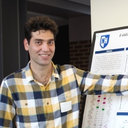 Hossein Mohammadiarani合作论文数1Minatovicz Bruna合作论文数1Costa Antonio合作论文数1
 Xiaoming Xu合作论文数1
 Diane J. Burgess合作论文数Department of Pharmaceutical Sciences, School of Pharmacy, University of Connecticut1
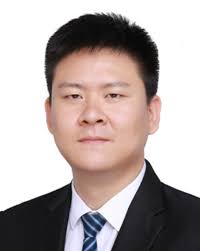 Xiangxiang Zeng (曾湘祥)合作论文数Department of Computer Science, College of Computer Science and Electronic Engineering, Hunan University1Yijie Gao合作论文数The Children's Hospital, Harvard University Medical School1
 Supriya S. Shidhaye合作论文数Vivekanand Education Society's College of Pharmacy1
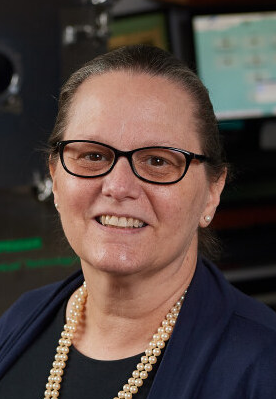 Robin Bogner合作论文数Department of Pharmaceutical Sciences, School of Pharmacy, University of Connecticut;Kildsig Center for Pharmaceutical Processing Research, University of Connecticut1




