Previous thermoelastic models have struggled to accurately capture the complex behavior of materials under thermal and mechanical loads, particularly with regard to nonlocal effects and memory-dependent behaviors. To address this limitation, a new model has been developed to study the behavior of porous materials with voids, which are critical in engineering applications such as construction, aerospace, and biomedicine. The proposed model is based on the dual-phase lag theory (DPL), which accounts for delays in thermal responses within porous materials, where multiple phases influence thermal conductivity. A key innovation of this research is the integration of spatial and temporal nonlocal effects, which are essential for understanding microscopic interactions in porous materials. Furthermore, the introduction of Caputo-tempered fractional derivatives enhances the modeling of memory effects, providing a more precise understanding of how previous deformations and thermal exposures influence the behavior of these materials. The model has been validated by analyzing the transient response of a porous cylindrical medium subjected to a laser-shaped thermal flow. The effects of nonlocal interactions, phase delays, and fractional parameters on the thermomechanical responses have subsequently been compared and examined. The findings underscored the pivotal role of nonlocal time-length scale parameters in nanomaterial models, highlighting their influence on the reduction of heat transfer efficiency and the attenuation of thermal stresses.
Visual servoing using image registration is a method employed in robotics to control the movement of a system using visual information. In this context, we propose a new intensity-based image registration algorithm (IBIR) that uses information derived from images acquired at different times or from different views to determine the parameters of the geometric transformations needed to align these images. The Arithmetic Optimization Algorithm (AOA) is used to optimize these parameters, minimizing the difference between the images to be aligned. The proposed algorithm, Intensity-Based Image Registration via Arithmetic Optimisation Algorithm (IBIRAOA), is robust to image data fluctuations and perturbations and can avoid local optima. Simulation results prove the importance and efficiency of the proposed algorithm in terms of computation time and similarity of aligned images compared to other methods based on various metaheuristics. In addition, our results confirm a significant improvement in the trajectory of the wheeled mobile robot, thus reinforcing the overall effectiveness of our method in practical navigation and robotic control applications.
This study investigated magneto-thermoelastic interactions in rotating viscoelastic nanorods under moving heat sources, advancing the modeling of nanoscale systems. A key innovation was the adoption of Klein–Gordon-type nonlocal elasticity theory, which incorporated internal length and time scales to capture small-scale interactions effectively. Additionally, a fractional heat conduction model using two-parameter tempered-Caputo derivatives introduced memory effects and nonlocality, ensuring finite thermal wave speeds and overcoming the limitations of the classical Fourier model. The inclusion of the Kelvin–Voigt viscoelastic framework accounted for energy dissipation, enhancing the model’s accuracy. By integrating rotation, viscoelasticity, magnetic forces, and fractional heat conduction, the study developed a comprehensive nonlinear model of nanorod behavior. Numerical simulations demonstrated that fractional-order heat conduction and nonlocal elasticity significantly influenced the thermal and mechanical responses, reducing discrepancies in heat propagation predictions. These findings showed that the fractional and tempering parameters controlled thermal dissipation rates and thermal wave propagation velocity, ensuring physically realistic thermal responses. The incorporation of nonlocal length scale and time scale parameters enabled accurate representation of size-dependent behaviors, including stiffness reduction and stress redistribution in nanorods. These parameters also influenced memory effects affecting wave propagation and relaxation in viscoelastic materials.
[This retracts the article DOI: 10.1016/j.heliyon.2024.e32145.].
The accurate determination of results in decision analysis is usually predicated on the association between two factors. Although generating data for analytical purposes presents an apparent hurdle, the data obtained may present hurdles in its interpretation. Correlation coefficients can be used to analyze the interaction between two factors and their variations. These coefficients deliver an objective description of the association between parameters, assisting in predicting and assessing alterations between particular parameters. The purpose of this research is to explore the applicability of correlation coefficients (CC) and weighted correlation coefficients (WCC) in interval-valued q-rung orthopair fuzzy hypersoft sets (IVq-ROFHSS) structures with their essential characteristics. These measures are developed to address the inevitable confusion, inconsistency, and volatility in real-life decision-making challenges. The implementation of these components attempts to boost the productivity of the technique for order preference by similarity to the ideal solution (TOPSIS) method. The computational models with correlation constraints are presented to determine the reliability and regularity of the proposed method. This research proves that the proposed technique is effective for multi-attribute group decision-making (MAGDM), particularly for analyzing and prioritizing convoluted data sets. Moreover, a numerical illustration is presented to clarify how the advocated decision-making methodology can be implemented in reality in evaluating bio-medical disposal techniques for hospitals. This study determines incineration as the most beneficial method for BMW disposal, demonstrating its more efficient use of alternative disposal techniques. A comparative analysis further substantiates the feasibility and effectiveness of the proposed approach over other decision-making techniques.
With the rapid growth in the exchange of digital data, the problem of protecting images has become essential, particularly in sectors such as medicine, surveillance and secure communications. Traditional encryption techniques, such as DES, AES and RSA, are effective for text, but often ineffective for images, due to high redundancy and high correlation between pixels. We suggest a novel image encryption algorithm based on chaotic maps and the variable-step Josephus problem to get over these restrictions and increase the encryption resilience. This algorithm uses Kepler Chaotic Optimisation Algorithm (CKOA) to select the most suitable chaotic maps, guaranteeing optimal diffusion and complex pixel confusion. Key generation is enhanced with MD5 and SHA-256 hash functions, providing increased resistance to collisions and attacks. In addition, Discrete Wavelet Transform (DWT) is integrated to compress images and reduce processing time, while maintaining a high average entropy of 7.999 for encrypted images. Experimental tests demonstrate strong resistance against cryptographic attacks, including 99.6% as pixel change rate and 33.31% as unified average change intensity, ensuring optimum security. Compared with other image-based encryption schemes, our method stands out for its speed and reduced computational complexity, while offering superior security.
Fractional derivatives have received considerable attention in modeling thermoelastic behavior due to their ability to reflect memory effects and non-local interactions. In this paper, we introduce a novel thermoelastic model designed to explore the behavior of porous materials featuring voids. This advanced framework builds upon the fractional phase lag thermoelastic model by integrating a two-parameter Mittag-Leffler kernel. An important enhancement over conventional elastic models is the inclusion of both spatial and temporal non-local effects, which are essential for accurately capturing the intricate microscopic interactions characteristic of porous structures. Furthermore, the addition of the Goufo-Caputo two-parameter fractional derivative into the heat conduction equation has improved the representation of memory effects, providing a more comprehensive understanding of how historical deformations and thermal conditions impact material behavior. By evaluating temperature, displacement, stress, and volume fraction fields, this study highlights the strengths and weaknesses of these fractional operators, shedding light on their significance in advancing thermoelastic modeling.
Tuberculosis, a deadly and contagious disease caused by Mycobacterium tuberculosis, remains a significant global public health threat. HIV co-infection significantly increases the risk of active TB recurrence and prolongs medical treatment for tuberculosis (TB). The study focuses on using advanced machine learning (ML) techniques to predict TB incidence and HIV-TB co-infection using data from the 2023 World Health Organization (WHO) Global TB burden database. The estimated rate for all types of tuberculosis per 100,000 people (E_inc_100k) and the estimated rate of HIV-positive tuberculosis incidence per 100,000 people (e_inc_tbhiv_100k) are the two main goal factors in the dataset. F1 score, accuracy, precision, recall, and the Receiver Operating Characteristic-Area Under the Curve (ROC-AUC) were among the important metrics used to evaluate the model’s performance. With 99.7% accuracy, 99.80% precision, 99.6% recall, a 99.7% F1 score, and a 99.7% ROC-AUC score, the Extreme Gradient Boosting (XGB) model outperformed other models for e_inc_100k. The e_inc_tbhiv_100k records outstanding performance from the Gradient Boosting (GB) model, with 98.58% accuracy, 98.32% precision, 98.73% recall, a 98.53% F1 score, and a 98.58% ROC-AUC score. Finally, the study aligns with the UNAIDS and WHO End TB Strategy, indicating a progression in combating TB and TB-HIV co-infection in public health workflow.
This study presents novel and generalizable sufficient conditions for determining the oscillatory behavior of solutions to higher-order half-linear neutral delay dynamic equations on time scales. Utilizing the Riccati transformation technique in combination with Taylor monomials, we derive new and comprehensive oscillation criteria that cover a wide range of cases, including super-linear, half-linear, and sublinear equations. These results extend and improve upon existing oscillation criteria found in the literature by introducing more general conditions and providing a broader applicability to different types of dynamic equations. Furthermore, the study highlights the role of symmetry in the underlying equations, demonstrating how symmetry properties can be leveraged to simplify the analysis and provide additional insights into oscillatory behavior. To demonstrate the practical relevance of our findings, we include illustrative examples that show how these new criteria, along with symmetry-based perspectives, can be effectively applied to various time scales.
The widespread adoption of advanced technologies may be responsible for the extensive dissemination of forged photographs and videos on the Internet. This could potentially result in the proliferation of fraudulent identities online, raising safety concerns in society. The traditional method for detecting forgery, commonly referred to as the classical forgery method, lacks the capability to accurately identify such fraudulent activities. This limitation arises because these algorithms are trained on publicly available centralized datasets and do not prioritize privacy and security considerations. Consequently, they adversely affect the ability to detect counterfeit content. As a potential solution to this problem, we employed a highly effective deep learning methodology rooted in federated learning. We introduced a novel deep learning approach that combines features to assess the authenticity of photographs and videos shared on social media platforms. The proposed model was trained using three widely recognized forensic datasets: FaceForensics++, Deepforensic-1.0, and WildDeepfake. Visual features were extracted using two widely recognized deep learning approaches, namelyInception and Xception. These features were then combined into a feature vector using Canonical Correlation Analysis, and Convolutional Neural Networks were trained on these features to identify manipulated images and videos. The experiments were carried out with publicly available datasets and involved changing several parameters. Finally, the proposed model’s performance was compared with other deep learning models within federated learning environments to identify forgeries. Our proposed approach demonstrated exceptional performance, achieving an accuracy rate of 98.99% when evaluated on the merged dataset.
This article examined the thermoelastic behavior of functionally graded (FG) materials using a partially modified thermoelastic heat transfer model. The model utilized the three-phase lag thermoelasticity theory and incorporated higher-order fractional derivatives of Caputo and Fabrizio to address advanced thermodynamic and mechanical properties. These improvements showed great potential for applications in engineering fields such as aerospace, pressure vessel design, and structural engineering. The study applied the proposed model to analyze a thermoelastic problem involving an infinite FG medium with a cylindrical cavity subjected to thermal shock. The medium’s radially varying thermal and mechanical properties, characteristic of FG materials, played a central role in the analysis. The results revealed that the gradient coefficient and fractional derivative coefficient significantly affected the distribution of physical fields within the medium. Adjusting these parameters optimized the thermoelastic response, enabling tailored performance to meet specific engineering requirements.
Software Defect Prediction (SDP) empowers the creators to diagnose and unscramble defects in the introductory legs of the software evolution process to reduce the effort and cost invested in creating high-quality software. Feature Selection (FS) is critical to pinpoint the most pertinent features for defect prediction. This paper intends to employ a peculiar wrapper-based FS mode, dubbed DAOAFS, rooted on the dynamic arithmetic optimization algorithm (DAOA). Subsequently, this work evaluates the competence of the proposed FS mode using ten benchmark NASA datasets on four supervised learning classifiers, namely NB, DT, SVM, and KNN using accuracy and error curve as the standard performance measure metrics. This paper also correlates the proposed FS mode's conduct with existing FS techniques based on widely utilized meta-heuristic approaches such as GA, PSO, DE, ACO, FA, and SWO. This work employed Friedman and Holm test to ratify the proposed FS mode's statistical connotation. The investigatory outcomes supported the assertion that the recommended DAOAFS mode was effective in enhancing the efficacy of the defect forecasting model by achieving the highest mean accuracy of 94.76%. The findings also revealed that the proposed approach established its supremacy over the other studied FS techniques with bettered veracity in most instances.
This article introduces a new family of orthogonal moments, the fractional Racah moments (FrROMs), developed to meet the demands of copyright protection for medical images, a field requiring robust and secure methods that preserve the integrity of the original image. The FrROMs are derived from a matrix of fractional Racah orthogonal polynomials (FrROPs), which in turn are obtained from the matrix of classical Racah polynomials (ROPs) using the spectral decomposition theorem. To compute the ROPs, we enhanced a method for calculating the initial terms of these polynomials to avoid instability issues associated with higher-order ROPs. Subsequently, the FrROMs are used as descriptors for embedding and extracting a zero-watermark. Experimental results demonstrate that the proposed zero-watermarking scheme efficiently leverages the FrROMs, surpassing classical ROMs in terms of robustness and reconstruction capability. This scheme provides strong protection against various image processing attacks while maintaining the original content intact. Compared to existing methods, it stands out for its enhanced robustness and reliability, making a significant contribution to the secure protection of medical images.
Tomatoes are considered one of the most valuable vegetables around the world due to their usage and minimal harvesting period. However, effective harvesting still remains a major issue because tomatoes are easily susceptible to weather conditions and other types of attacks. Thus, numerous research studies have been introduced based on deep learning models for the efficient classification of tomato leaf disease. However, the usage of a single architecture does not provide the best results due to the limited computational ability and classification complexity. Thus, this research used Transductive Long Short-Term Memory (T-LSTM) with an attention mechanism. The attention mechanism introduced in T-LSTM has the ability to focus on various parts of the image sequence. Transductive learning exploits the specific characteristics of the training instances to make accurate predictions. This can involve leveraging the relationships and patterns observed within the dataset. The T-LSTM is based on the transductive learning approach and the scaled dot product attention evaluates the weights of each step based on the hidden state and image patches which helps in effective classification. The data was gathered from the PlantVillage dataset and the pre-processing was conducted based on image resizing, color enhancement, and data augmentation. These outputs were then processed in the segmentation stage where the U-Net architecture was applied. After segmentation, VGG-16 architecture was used for feature extraction and the classification was done through the proposed T-LSTM with an attention mechanism. The experimental outcome shows that the proposed classifier achieved an accuracy of 99.98% which is comparably better than existing convolutional neural network models with transfer learning and IBSA-NET.
Currently, visual data security plays a significant role in various fields, especially in medical imaging. Addressing the challenges associated with limited key space and vulnerability to different types of attacks within current encryption schemes, this work proposes an optimal compression-encryption scheme for large medical images that incorporates elements of Archimedes' optimization algorithm, discrete orthogonal Hahn moments, chaotic systems, and DNA coding. The primary aim of this study is to develop an optimal and exceptionally resilient compression-encryption scheme capable of countering various attack types effectively. This approach is structured into three principal phases: a compression phase harnessing the efficiencies of Hahn's discrete orthogonal moments (HMs) in signal and image representation, coupled with the Archimedes optimization algorithm (AO) to ensure optimal tuning of polynomial parameters (a, b) for superior image reconstruction quality. The encryption phase is performed on the compressed image, using hyperchaotic memristive 4-D (HCM-4D), adapted logistics map (ALM) and DNA coding. Initially, the adapted logistics map is responsible for generating random sequences linked to the compressed image. Subsequently, chaotic sequences originating from the hyperchaotic 4-D memristive system govern both random sequences and DNA processes. The optimization phase, facilitated by the AO algorithm, focuses on minimizing the value of the objective function (correlation) on the compressed and encrypted images. Ultimately, the image with the lowest correlation value is designated as the optimal compressed-encrypted representation.The simulation results clearly illustrate the resilience of the AO algorithm when juxtaposed with other optimization algorithms, especially with respect to convergence speed and computational efficiency. On the other hand, the proposed compression approach demonstrated exceptional efficiency in compressing medical images, offering us the possibility to achieve impressive compression ratio (CR) as well as exceptional quality in decompressed images, evident thanks to high PSNR values. In addition, security analyze demonstrate that the proposed compression-encryption benefits from a larger key space and superior resistance against different types of attacks. Furthermore, our approach was subjected to a comparative analysis alongside various encryption method. These comparisons demonstrate that our encryption algorithm surpasses others in terms of both security and effectiveness.
This study investigates the wave-induced fluid flow and reflection/transmission of seismic waves at the interface of a non-viscous fluid and a double-porosity thermoelastic (DPT) solid. The analytical reflection/transmission coefficients are calculated for two boundary conditions: wholly sealed and open pores using the displacement potentials and Gauss-elimination method. The wave-induced local fluid flow (LFF) is computed analytically using the transmission coefficients of transmitted waves in a DPT medium, and it found that four compressional waves contribute to wave-induced LFF. Further, the energy partitioning between reflected and transmitted waves is also computed. An energy matrix describes the amount of energy transmitted to the DPT medium. The matrix has five diagonal elements representing the five waves' energy proportions with different properties. The total of all the non-diagonal elements in the matrix indicates the energy involved in the interaction between transmitted waves. A numerical example is considered to perform the computational analysis of distinct propagation characteristics. Finally, the impacts of incident direction, wave frequency, inclusion radius, and pores fluid viscosity on the wave-induced LFF and energy partitioning are investigated graphically. Finally, energy conservation for both kinds of surface pores is found.
In this paper, some mathematical properties and dynamic investigations of a Cournot–Bertrand duopoly game using a computed nonlinear cost are studied. The game is repeated and its evolution is presented by noninvertible map. The fixed points for this map are calculated and their stability conditions are discussed. One of those fixed points is Nash equilibrium, and the discussion shows that it can be unstable through flip and Neimark–Sacker bifurcation. The invariant manifold for the game’s map is analyzed. Furthermore, the case when both competing firms are independent is investigated. Due to unsymmetrical structure of the game’s map, global analysis gives rise to complicated basin of attraction for some attracting sets. The topological structure for these basins of attraction shows that escaping (infeasible) domain for some attracting sets becomes unconnected and the rise of holes is obtained. This confirms the existence of contact bifurcation.
Selecting an optimum technique for disposing of biomedical waste is a frequently observed obstacle in multi-attribute group decision-making (MAGDM) problems. The MAGDM is commonly applied to tackle decision-making states originated by obscurity and vagueness. The interval-valued q-rung orthopair fuzzy soft set is a novel variant of fuzzy sets. The main objective of this study is to introduce the interval-valued q-rung orthopair fuzzy soft Einstein-ordered weighted and Einstein hybrid weighted aggregation operators. Based on developed aggregation operators, a novel decision-making approach, the Evaluation based on the Distance from the Average Solution introduced to solve the MAGDM problem. The execution of the proposed approach demonstrates the significant impact of determining the most effective strategy to handle biomedical waste. Our proposed approach's practicality is confirmed by a case study focusing on selecting the most effective technique for Biomedical Waste (BMW) treatment. This study shows that autoclaving is the most effective method for the disposal of BMW. Comparative and sensitivity analysis confirms the consistency and effectiveness of our methodology. The comparative study indicates the effects of the proposed strategy are more feasible and realistic than the prevailing techniques.
 Mohamed Abouhawwash合作论文数61
 Hijaz Ahmad合作论文数54
 Ahmad M. Alshamrani合作论文数21
 A. Al-Khedhairi合作论文数King Saud University;College of Science;Department of Statistics;College of Science, Saud University19
 Ahmed Elsayed Abouelregal合作论文数Department of Mathematics, College of Arts and Sciences - AlQurayat, Jouf University19
 Imran Siddique合作论文数Dept Math, Univ Management & Technol18Abdelaziz Foul合作论文数18
 Rana Muhammad Zulqarnain合作论文数School of Economics and Management, Tongji University17
 Osama Moaaz合作论文数Mansoura University14
 Marin Marin合作论文数Departamentul de Matematica si Informatica, Facultatea de Matematica si Informatica, Universitatea Transilvania din Brașov;Dept. of Mathematics and Computer Science, Universitatea Transilvania din Brasov11
 Clemente Cesarano合作论文数Sect Math, Univ Telemat Int Uninettuno10
 Dilber Uzun Ozsahin合作论文数Near East Univ8
 Mohamed Abdel-Basset合作论文数Zagazig University8
 Hicham Karmouni合作论文数Sidi Mohamed Ben Abdellah Fez Univ, Dhar El Mahrez Fac Sci, Lab Elect Signals & Syst Informat LESSI, CED ST,STIC, Fes, Morocco8
 A. A. Elsadany合作论文数Al-Ijailat Teachers' College, Seventh April University8
 Mhamed Sayyouri合作论文数Syst & Applicat Lab, Sidi Mohamed Ben Abdellah Univ8
 Omar Bazighifan合作论文数Sect Math, Univ Uninettuno6
 Krishna Singh合作论文数6
 Khalid Abdulaziz Alnowibet合作论文数6
 Abdelrahman A. Karawia合作论文数Faculty of Science, Qassim University6
 Nebojsa Bacanin合作论文数Faculty of Computer Science, University Megatrend Belgrade6
 K. Venkatachalam合作论文数5
 Muhammad Sohail合作论文数5
 Tahiri Mohamed Amine合作论文数Dhar El Mahrez Faculty of Science, Sidi Mohamed Ben Abdellah-Fez University5
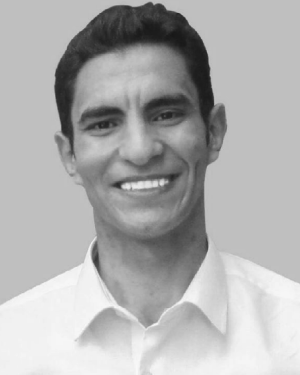 Reda Mohamed合作论文数Zagazig Univ, Fac Comp & Informat, Dept Comp Sci, Zagazig 44519, Egypt5
 Nitin Mittal合作论文数Chandigarh Univ, Dept Elect & Commun Engn, Mohali 140413, Punjab, India5
 Akansha Singh合作论文数Department of CSE & IT, ITM University;c;Department of CSE & IT, ITM University5
 Thongchai Botmart合作论文数5
 Metwally Elabbasy合作论文数Department of Mathematics;Faculty of Science;Mansoura University;Faculty of Science, Mansoura University5Ahmed M. Hassan合作论文数4
 Muhammad Asif合作论文数4
 Ahmed Bencherqui合作论文数Sidi Mohamed Ben Abdellah University4
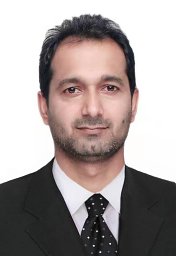 Shahid Hussain Gurmani合作论文数Sch Math Sci, Anhui Univ4
 Nainaru Tarakaramu合作论文数Dept Math Humanities & Basic Sci, Annamacharya Inst Technol & Sci4
 Emad H.M. Zahran合作论文数Benha University4
 Umar Nazir合作论文数Dept Appl Math & Stat, Inst Space Technol4
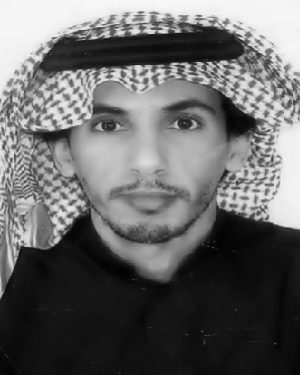 Adel F. Alrasheedi合作论文数King Saud Univ, Coll Sci, Stat & Operat Res Dept, Riyadh 11451, Saudi Arabia4Muhammad Farman合作论文数4
 Shyam Sundar Santra合作论文数Department of Mathematics, JIS College of Engineering4
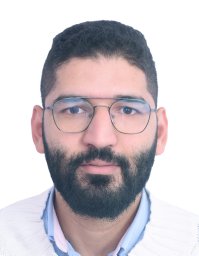 Saad Motahhir合作论文数Systems and Applications Laboratory, Sidi Mohammed Ben Abdellah University4
 Wen-Xiu Ma合作论文数Department of Mathematics & Statistics, College of Arts and Sciences, University of South Florida4M. Marin合作论文数3
 Hassan Qjidaa合作论文数3
 Shreyas . J合作论文数3
 Aqeel Ahmad合作论文数Univ Lahore, Dept Math & Stat, Lahore, Pakistan3
 Abid Mahboob合作论文数Department of Mathematics, University of Education Lahore3
 Ahmed A. El-Deeb合作论文数Faculty of Science, Al-Azhar University3
 Mona F. Elwakeel合作论文数Faculty of Science, Tanta University3
 Manjeet Kumar合作论文数2




