Aortic valve calcification (AVC) is a guideline-endorsed diagnostic tool in low-flow, low-gradient (LFLG) aortic stenosis (AS), but its prognostic value across LFLG subtypes remains debated. In this retrospective cohort of 457 patients undergoing transcatheter aortic valve replacement (TAVR), severe AVC was associated with significantly fewer heart failure rehospitalizations in classical LFLG AS (adjusted hazard ratio [HR], 0.41; P = .023) but not in paradoxical LFLG AS (adjusted HR, 0.76; P = .422). AVC also correlated with true-severe AS when dobutamine stress echocardiography (DSE) was performed. These findings suggest that AVC alone can identify classical LFLG AS patients likely to benefit from TAVR, even when DSE results are unavailable or inconclusive.
Low-flow severe aortic stenosis (LFSAS) is a high-risk phenotype associated with increased mortality after transcatheter aortic valve replacement (TAVR). The prognostic value of postprocedural normalization of stroke volume index (SVi), and its variation across valve types, remain uncertain. To evaluate the association between post-TAVR flow state and 1-year clinical outcomes among patients with LFSAS, and to determine whether this association differs between balloon-expandable valves (BEV) and self-expanding valves (SEV). We retrospectively analyzed consecutive patients with LFSAS (SVi ≤ 35 ml/m²) who underwent TAVR at a single quaternary center from 2019 to 2022 The primary endpoint was a composite of all-cause mortality or heart failure hospitalization at 1-year follow-up. Predictors of flow change post-TAVR were also assessed. Of 567 patients included, 54.9% received BEV and 45.1% SEV; 42.2% achieved flow normalization post-TAVR. The primary endpoint occurred in 13.8% of the normalized flow group and 17.4% of the maintained flow group (adjusted HR 0.82, 95% CI 0.51 to 1.30; p = 0.40). There was no statistically significant interaction between valve type (BEV vs SEV) and flow normalization status in the primary endpoint (pint = 0.31). In multivariable analysis, post-TAVR flow normalization was not independently associated with improved 1-year outcome in patients with LFSAS. The findings suggest that underlying myocardial and systemic factors may drive prognosis more strongly than procedural flow changes.
Transcatheter aortic valve replacement has rapidly expanded from high-risk populations to younger patients with aortic stenosis. This shift raises important questions about valve durability, reintervention strategies, and long-term outcomes compared with surgical aortic valve replacement. Younger patients often present with unique anatomical challenges, including bicuspid aortic valves, and are expected to outlive their first valve prosthesis, making lifetime management a central concern. While new valve technologies show promise, long-term data remain limited. Careful patient selection, shared decision-making, and ongoing prospective studies are essential to guide the role of TAVR in this population.
Background: Sex-based disparities persist in the management of patients with coronary artery disease undergoing complex percutaneous coronary intervention (PCI). Objectives: The purpose of this study was to evaluate sex differences in early and late outcomes among patients undergoing mechanical circulatory support (MCS)–assisted complex PCI. Methods: We conducted a retrospective analysis of hemodynamically stable patients who underwent complex PCI assisted with either an intra-aortic balloon pump or Impella (Abiomed) at a single center between 2017 and 2022. The primary endpoint was 1-year major adverse cardiovascular events (MACE), defined as a composite of all-cause death, myocardial infarction, and stroke. Secondary endpoints included individual MACE components, target vessel revascularization, bleeding, and procedural complications. Results: Among the 605 included patients, 24% were women (n = 145). Women had a higher comorbidity burden, presented more frequently with non–ST-segment elevation myocardial infarction, and experienced significantly more in-hospital complications, particularly bleeding. At 1 year, women had higher rates of MACE compared with men (25.5% vs 13.8%; P = 0.002), driven largely by excess mortality (20.8% vs 10.2%; P = 0.003), irrespective of MCS device type. After multivariable adjustment, the difference in MACE was no longer statistically significant (adjusted HR: 1.34; 95% CI: 0.74-3.03; P = 0.337). Conclusions: Women undergoing complex PCI with MCS support experienced higher procedural risk and worse early outcomes, yet adjusted 1-year MACE rates were comparable to men. The marked absolute differences in bleeding and mortality highlight the need for sex-specific approaches to patient selection, procedural planning, and post-PCI management in this high-risk population.
OBJECTIVE:To demonstrate transcatheter aortic valve-in-valve replacement in a small surgical bioprosthesis with a kinked aortic root graft using an intra-annular self-expanding valve. KEY STEPS:Balloon valve fracture to enable implantation of a larger balloon-expandable valve was excluded because of prior root replacement. A supra-annular self-expanding valve with a single-spine shaft was considered unfavorable for the kinked aortic graft. A 23-mm Navitor Vision valve was successfully deployed over a Lunderquist guidewire, with pre- and postdilatation using a 21-mm True balloon. POTENTIAL PITFALLS:Use of a small balloon-expandable valve could have resulted in unfavorable hemodynamics and increased risk of valve dislodgement during advancement of a naked valve across the kinked aortic graft. A supra-annular self-expanding valve with a single-spine shaft could have posed difficulty crossing the kinked graft in the small surgical bioprosthesis. TAKE-HOME MESSAGE:A small degenerated surgical bioprosthesis with a kinked aortic graft can be successfully treated with an intra-annular self-expanding valve.
OBJECTIVES:In the transcatheter aortic valve replacement (TAVR) era, the presence of low-flow, low-gradient aortic stenosis (LFLG AS) itself does not preclude intervention. However, chronic kidney disease (CKD) and right-sided extravalvular damage (RSED) complicate procedural risk assessment. Both their association with each other and their joint impact on post-TAVR mortality in LFLG AS and across its subtypes remain incompletely characterized. METHODS:The authors performed a retrospective study of patients with LFLG AS who underwent TAVR between 2019 and 2022, stratified by CKD stage (from no CKD to end-stage renal disease [ESRD]) and LFLG AS subtype (classical vs paradoxical). RSED was defined by greater than or equal to moderate pulmonary hypertension, greater than or equal to moderate tricuspid regurgitation, or right ventricular (RV) systolic dysfunction. Poisson regression models assessed associations between CKD stage and RSED, while multivariable Cox regression models and Wald tests compared mortality across cohorts. RESULTS:Among 402 patients (137 classical, 265 paradoxical), ESRD was independently associated with RSED and RV dysfunction, whereas earlier CKD stages were not. ESRD was associated with increased RV dysfunction in paradoxical LFLG AS but not in classical LFLG AS. Advanced CKD and RSED were each associated with increased post-TAVR mortality. In paradoxical LFLG AS, combined RSED and advanced CKD were associated with significantly higher mortality than either condition alone. This effect was not observed in classical LFLG AS patients. CONCLUSIONS:Advanced renal dysfunction is associated with RSED in LFLG AS. In paradoxical LFLG AS, their combination has a possibly multiplicative association with mortality.
BACKGROUND AND AIMS:Standard modifiable risk factors (SMuRFs), including hypertension, diabetes, hyperlipidaemia, and smoking, are prevalent among patients undergoing percutaneous coronary intervention (PCI). This study aimed to assess the prevalence and impact of controlled SMuRFs in patients undergoing PCI. METHODS:Data of patients who underwent PCI at a single tertiary-care centre between 2012 and 2023 were analysed. SMuRF control was assessed using pre-procedural measurements: systolic blood pressure <140 mmHg, fasting glucose <126 mg/dL or a haemoglobin A1c < 7%, low-density lipoprotein <100 mg/dL, and smoking status (non-smoker). Patients were stratified by the number of controlled risk factors (CRF): 4, 3, 2, and ≤1. The primary outcome was major adverse cardiovascular events (MACE), a composite of all-cause mortality, myocardial infarction, and stroke, at one-year post-PCI. RESULTS:Among 19 651 patients, 5876 (29.9%) had 4-CRF, 8199 (41.7%) had 3-CRF, 4415 (22.5%) had 2-CRF, and 1161 (5.9%) had ≤1-CRF. Compared with 4-CRF, the risk for MACE increased progressively with fewer controlled risk factors (3-CRF: adjHR 1.17, 95% CI 0.98-1.40; 2-CRF: adjHR 1.39, 95% CI 1.14-1.69; ≤1-CRF: adjHR 1.48, 95% CI 1.10-2.00). Glycaemic control had the most significant association with lower MACE (adjHR 0.56, 95% CI 0.49-0.65). CONCLUSIONS:Comprehensive SMuRF control before PCI remains infrequent, though it is associated with lower MACE rates. Prioritizing glycaemic control may yield the greatest benefit in improving post-PCI prognosis.
 Roxana Mehran合作论文数Zena and Michael A. Wiener Cardiovascular Institute, Icahn School of Medicine at Mount Sinai414
 Annapoorna Kini合作论文数398
 George Dangas合作论文数Zena and Michael A. Wiener Cardiovascular Institute, Icahn School of Medicine at Mount Sinai370
 Usman Baber合作论文数298
 Samantha Sartori合作论文数Icahn School of Medicine at Mount Sinai;Hunter College296Annapoorna S Kini合作论文数242Joseph Sweeny合作论文数200
 Prakash Krishnan合作论文数165
 Stamatios Lerakis合作论文数Department of Medicine, School of Medicine, Emory University137
 Birgit Vogel合作论文数3. Medizinische Abteilung mit Kardiologie und internistischer Notaufnahme, Wilhelminenspital der Stadt Wien121
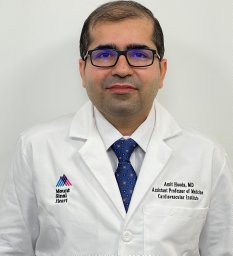 Amit Hooda合作论文数Indian Institute of Technology Delhi111
 Parasuram Melarcode Krishnamoorthy合作论文数Icahn School of Medicine, Mount Sinai Hospital108Nitin Barman合作论文数107
 Gilbert H Tang合作论文数Department of Cardiothoracic Surgery, Icahn School of Medicine at Mount Sinai103
 Khera Sahil合作论文数New York Med Coll100
 Pedro R Moreno合作论文数93
 Cao Davide合作论文数Department of Cardiology, Bern University Hospital92
 Johny Nicolas合作论文数Zena and Michael A. Wiener Cardiovascular Institute Icahn School of Medicine, Mount Sinai, New York, New York85Vengrenyuk Yuliya合作论文数84
 Giustino Gennaro合作论文数Interventional Cardiology Unit, San Raffaele Scientific Hospital82
 Serdar Farhan合作论文数3rd Department of Medicine, Cardiology and Emergency Medicine, Wilhelminen Hospital82Pedro Moreno合作论文数77
 Vishal Kapur合作论文数Department of Internal Medicine, University of Texas Medical Branch62Keisuke Yasumura合作论文数59
 Jason Kovacic合作论文数Victor Chang Cardiac Research Institute;Graduate School of Biomedical Science, Icahn School of Medicine at Mount Sinai;The Mount Sinai Hospital;St Vincent's Health Australia;University of New South Wales59
 Angelo Oliva合作论文数58Victor M. Aquino合作论文数56
 Valentin Fuster合作论文数Centro Nacional de Investigaciones Cardiovasculares;Zena and Michael A. Wiener Cardiovascular Institute, Icahn School of Medicine at Mount Sinai;The Mount Sinai Hospital55Sharma Raman合作论文数53Pooja Vijay合作论文数51
 Zhongjie Zhang合作论文数Zena and Michael A. Wiener Cardiovascular Institute Icahn School of Medicine, Mount Sinai, New York, New York51
 Anastasios Roumeliotis合作论文数The Zena and Michael A. Wiener Cardiovascular Institute, Icahn School of Medicine at Mount Sinai50
 Rishi Chandiramani合作论文数The Zena and Michael A. Wiener Cardiovascular Institute, Icahn School of Medicine at Mount Sinai48Javed Suleman合作论文数48
 Bimmer E Claessen合作论文数47
 Ridhima Goel合作论文数Icahn Sch Med Mt Sinai, Zena & Michael A Wiener Cardiovasc Inst47Jaya Chandrasekhar合作论文数45
 Jagat P Narula合作论文数Icahn School of Medicine, Mount Sinai45Kenneth Smith合作论文数44
 Asaad A Khan合作论文数42
 Sabato Sorrentino合作论文数42
 Anton Camaj合作论文数42
 Manish Vinayak合作论文数41Lucy Safi合作论文数Hackensack University Medical Center40
 Mauro Chiarito合作论文数Dept Biomed Sci, Human Univ40
 Chayakrit Krittanawong合作论文数rittanawongMD39Syed Zaid合作论文数39




