Figure S2. WGS and anchored PCR analysis of chromosomal region adjacent to viral integration sites in transformed keratinocytes.
Essential oils derived from plants have gained increasing interest in recent years for their potential antimicrobial, antiviral, and disinfectant properties. However, data specifically examining the virucidal efficacy of essential oils against human papillomavirus (HPV), a major human pathogen, remains very limited. In this study, we compared the chemical composition of sandalwood essential oils derived from five different species (Santalum album, S. austrocaledonicum, S. insulare, S. paniculatum, and S. spicatum). We further investigated the ability of S. album sandalwood oil, the species highest in α- and β-santalol content, to inactivate infectious HPV type 16 virions dried onto glass carriers at contact times of 5 and 30 min. HPV-16 is a high-risk HPV type frequently associated with cervical and other cancers. A RT-qPCR assay based on E1^E4 spliced transcript detection was used to measure viral infectivity levels post-treatment. S. album oil exhibited moderate but incomplete virucidal activity, achieving a mean 2.59 log reduction (99.7% inactivation) of HPV-16 after a 30 min contact time. In contrast, the shorter 5 min contact time resulted in negligible reductions in viral infectivity compared to untreated controls. These data suggest that while S. album oil has the ability to inactivate HPV, it requires relatively long contact times to achieve significant reduction.
The rising incidence of oropharyngeal cancer caused by high-risk Human Papillomavirus (HPV) type 16 and HPV18 in the U.S and other developed countries is an important public health issue. This has been attributed to changes in sexual behavior, including the practice of oral sex, which may expose individuals to increased risk of acquiring oral HPV infection. The incidence of oral HPV infections highlights the role of the oral cavity as an important anatomical site in the acquisition and transmission of high-risk HPVs. Generally, the use of mouthwash/oral rinses have focused on targeting the oral bacteriome, and could additionally be formulated for managing the oral virome. Here, we examined virucidal properties of common over-the-counter antibacterial mouthwash products against native HPV16 and HPV18 virion in vitro, and downstream modification of virus infectivity. We tested oral rinses containing essential oils/alcohol, hydrogen peroxide, and cetylpyridinium chloride. Our results demonstrated greater than 90% efficacy against HPV16 inactivation, but comparatively with less efficacy against HPV18. Overall, hydrogen peroxide containing oral rinses demonstrated the best efficacy against both high-risk types, albeit with lower efficacy against HPV18. Prophylactic virucidal oral rinses targeted towards high-risk HPVs could be beneficial in reducing incidental oral HPV load, prevalence, and persistent infections.
Approximately 70% of oropharyngeal squamous carcinomas (OPSCC) are associated with human papillomavirus (HPV). Although patients with HPV-positive (HPV+) tumors generally have better outcomes than those with HPV-negative tumors, a subset of HPV+ positive patients do have poor outcomes. Our previous work suggested that tumors with integrated virus exhibit significantly greater genome-wide genomic instability than those with only episomal viral genomes, and patients with HPV+ OPSCC with episomal viral genomes had better outcomes. To explore the causal relation between viral integration and genomic instability, we have examined the time course of viral integration and genetic instability in tonsillar keratinocytes transformed with HPV16. HPV-infected human tonsil keratinocyte cell lines were continuously passaged, and every fifth passage, some cells were retained for genomic analysis. Whole-genome sequencing and optical genomic mapping confirmed that virus integrated in five of six cell lines while remaining episomal in the sixth. In all lines, genome instability occurred during early passages but essentially ceased following viral integration; however, it continued to occur in later passages in the episomal line. To test tumorigenicity of the cell lines, cells were injected subcutaneously into the flanks of nude mice. A cell line with the integrated virus induced tumors following injection in the nude mouse whereas that with the episomal virus did not.Implications: Genomic instability in HPV OPSCC tumors is not the result of viral integration but likely promotes integration. Moreover, transformants with episomal virus seem to be less tumorigenic than those with integrated virus.
The cleavage of viral surface proteins by furin is associated with some viruses' high virulence and infectivity. The human papillomavirus (HPV) requires the proteolytic processing of its capsid proteins for activation before entry. Variability in reactivity with furin and other proprotein convertases (PCs) among HPV types was investigated. HPV16, the most prevalent and carcinogenic HPV type, reacted with PCs with the broadest selectivity compared to other types in reactions of pseudoviral particles with the recombinant PCs, furin, PC4, PC5, PACE4, and PC7. Proteolytic preactivation was assessed using a well-established entry assay into PC-inhibited cells based on the green fluorescent protein as a reporter. The inhibition of the target cell PC activity with serpin-based PC-selective inhibitors also showed a diversity of PC selectivity among HPV types. HPV16 reacted with furin at the highest rate compared to the other types in time-dependent preactivation reactions and produced the highest entry values standardized to pseudoviral particle concentration. The predominant expression of furin in keratinocytes and the high reactivity of HPV16 with this enzyme highlight the importance of selectively targeting furin as a potential antiviral therapeutic approach.
The ubiquitous herpesvirus Epstein-Barr virus (EBV) is associated with cancers of B lymphocytes and epithelial cells and is primarily transmitted in saliva. While several models exist for analyzing the life cycle of EBV in B lymphocytes, models of EBV infection in the epithelium have more recently been established.
Human papillomavirus (HPV) is thought to be sexually transmitted; however, there have been a few studies investigating a possible iatrogenic source of infection. Therefore, it is important to assess the cleaning methods of reusable medical devices. This study assessed whether cleaning methods of flexible endoscopes in an otolaryngology clinic are effective against HPV. There were 24 patients with a history of head and neck cancer in the study; however, two outliers were excluded. Nine patients were confirmed to have HPV‐associated cancer. PCR was used to measure and quantify the viral genomes of samples collected before and after cleaning. After cleaning, few HPV+ samples had endoscopes with less DNA than before cleaning. Additionally, for several patients with non‐HPV‐associated head and neck cancer, PCR showed more DNA after cleaning than before cleaning, suggesting residual HPV DNA within the cleaning solution. There was no significant difference (p > 0.05) between pre‐ and post‐cleaning in both cohorts. Current cleaning methods of reusable endoscopes may not be effective in completely removing viral DNA.
Medical instruments that are not autoclavable but may become contaminated with high-risk human papillomaviruses (HPVs) during use must be thoroughly disinfected to avoid the possibility of iatrogenic transmission of infection. There is an expectation that prolonged soaking of instruments in the United States Food and Drug Administration-cleared chemical disinfectant solutions will result in high-level decontamination, but HPV16 and HPV18 are known to be resistant to commonly used formulations. However, they are susceptible to a variety of oxidative agents, including those based on chlorine. Here, we tested the efficacy of homogeneous hypochlorous acid (HOCl) solutions against mature infectious virions of HPV16 and HPV18 dried onto butadiene styrene coupons and ultrasonic probes. Both viruses were inactivated to >4 log reduction value (LRV) after 15 s on coupons and 5 min on ultrasonic probes. Morphologic changes became evident within those contact times by transmission electron microscopy when HPV16 virus-like particles were exposed to HOCl under identical conditions. Mass spectrometry analysis of trypsin-digested products of L1 capsid proteins exposed to HOCl showed that mostly conserved residues were modified by oxidation and that these changes rapidly lead to instability of the protein demonstrable on sodium dodecyl sulfate-polyacrylamide gel electrophoresis (SDS-PAGE). Modifications to these residues may contribute to rapid virus inactivation. The use of homogeneous HOCl solutions for HPV decontamination provides a highly effective means of assuring the safety of nonautoclavable medical instruments.
Human papillomavirus (HPV) 16 capsids have been chosen as a DNA delivery vehicle in many studies. Our preliminary studies suggest that HPV58 capsids could be better vehicles than HPV16 capsids to deliver encapsidated DNA in vitro and in vivo. In the current study, we compared HPV16, HPV58, and the cottontail rabbit papillomavirus (CRPV) capsids either as L1/L2 VLPs or pseudoviruses (PSVs) to deliver externally attached GFP-expressing DNA. Both rabbit and human cells were used to test whether there was a species-specific effect. DNA delivery efficiency was determined by quantifying either GFP-expressing cell populations or mean fluorescent intensities (MFI) by flow cytometry. Interestingly, CRPV and 58-VLPs and PSVs were significantly more efficient at delivering attached DNA when compared to 16-VLPs and PSVs. A capsid/DNA ratio of 2:1 showed the highest efficiency for delivering external DNA. The PSVs with papillomavirus DNA genomes also showed higher efficiency than those with irrelevant plasmid DNA. HPV16L1/58L2 hybrid VLPs displayed increased efficiency compared to HPV58L1/16L2 VLPs, suggesting that L2 may play a critical role in the delivery of attached DNA. Additionally, we demonstrated that VLPs increased in vivo infectivity of CRPV DNA in rabbits. We conclude that choosing CRPV or 58 capsids to deliver external DNA could improve DNA uptake in in vitro and in vivo models.
Journal of Medical VirologyVolume 93, Issue 4 p. 1903-1904 LETTER TO THE EDITOR Rebuttal to overinterpretation of the antiviral results for human coronavirus 229E relative to severe acute respiratory syndrome coronavirus-2 by Rowpar Pharmaceuticals Craig Meyers, Corresponding Author Craig Meyers [email protected] orcid.org/0000-0001-8773-3976 Department of Microbiology and Immunology, Pennsylvania State College of Medicine, Hershey, Pennsylvania, USA Correspondence Craig Meyers, Department of Microbiology and Immunology, H107, 500 University Dr, Pennsylvania State College of Medicine, Hershey, PA 17033, USA. Email: [email protected]Search for more papers by this authorRichard Robison, Richard Robison Department of Microbiology and Molecular Biology, Brigham Young University, Provo, Utah, USASearch for more papers by this authorJanice Milici, Janice Milici Department of Microbiology and Immunology, Pennsylvania State College of Medicine, Hershey, Pennsylvania, USASearch for more papers by this authorSamina Alam, Samina Alam Department of Microbiology and Immunology, Pennsylvania State College of Medicine, Hershey, Pennsylvania, USASearch for more papers by this authorDavid Quillen, David Quillen Department of Ophthalmology, Pennsylvania State College of Medicine, Hershey, Pennsylvania, USASearch for more papers by this authorDavid Goldenberg, David Goldenberg Department of Otolaryngology, Pennsylvania State College of Medicine, Hershey, Pennsylvania, USASearch for more papers by this authorRena Kass, Rena Kass Department of Surgery, Pennsylvania State College of Medicine, Hershey, Pennsylvania, USASearch for more papers by this author Craig Meyers, Corresponding Author Craig Meyers [email protected] orcid.org/0000-0001-8773-3976 Department of Microbiology and Immunology, Pennsylvania State College of Medicine, Hershey, Pennsylvania, USA Correspondence Craig Meyers, Department of Microbiology and Immunology, H107, 500 University Dr, Pennsylvania State College of Medicine, Hershey, PA 17033, USA. Email: [email protected]Search for more papers by this authorRichard Robison, Richard Robison Department of Microbiology and Molecular Biology, Brigham Young University, Provo, Utah, USASearch for more papers by this authorJanice Milici, Janice Milici Department of Microbiology and Immunology, Pennsylvania State College of Medicine, Hershey, Pennsylvania, USASearch for more papers by this authorSamina Alam, Samina Alam Department of Microbiology and Immunology, Pennsylvania State College of Medicine, Hershey, Pennsylvania, USASearch for more papers by this authorDavid Quillen, David Quillen Department of Ophthalmology, Pennsylvania State College of Medicine, Hershey, Pennsylvania, USASearch for more papers by this authorDavid Goldenberg, David Goldenberg Department of Otolaryngology, Pennsylvania State College of Medicine, Hershey, Pennsylvania, USASearch for more papers by this authorRena Kass, Rena Kass Department of Surgery, Pennsylvania State College of Medicine, Hershey, Pennsylvania, USASearch for more papers by this author First published: 29 December 2020 https://doi.org/10.1002/jmv.26762Read the full textAboutPDF ToolsRequest permissionExport citationAdd to favoritesTrack citation ShareShare Give accessShare full text accessShare full-text accessPlease review our Terms and Conditions of Use and check box below to share full-text version of article.I have read and accept the Wiley Online Library Terms and Conditions of UseShareable LinkUse the link below to share a full-text version of this article with your friends and colleagues. Learn more.Copy URL Share a linkShare onEmailFacebookTwitterLinkedInRedditWechat No abstract is available for this article. REFERENCES 1 EPA. Registering disinfectants in response to coronavirus (COVID-19); 2020. https://www.epa.gov/coronavirus/disinfectant-use-and-coronavirus-covid-19. Accessed December 30, 2020. Google Scholar 2Bidra AS, Pelletier JS, Westover JB, Frank S, Brown SM, Tessema B. Comparison of in vitro inactivation of SARS CoV-2 with hydrogen peroxide and povidone-iodine oral antiseptic rinses. J Prosthodont. 2020; 29: 599-603. https://doi.org/10.1111/jopr.13220 10.1111/jopr.13220 PubMedWeb of Science®Google Scholar 3Bidra AS, Pelletier JS, Westover JB, Frank S, Brown SM, Tessema B. Rapid in-vitro inactivation of severe acute respiratory syndrome coronavirus 2 (SARS-CoV-2) using povidone-iodine oral antiseptic rinse. J Prosthodont. 2020; 29: 529-533. https://doi.org/10.1111/jopr.13209 10.1111/jopr.13209 PubMedWeb of Science®Google Scholar 4Meister TL, Brüggemann Y, Todt D, et al. Virucidal efficacy of different oral rinses against severe acute respiratory syndrome coronavirus 2. J Infect Dis. 2020; 222: 1289-1292. https://doi.org/10.1093/infdis/jiaa471 10.1093/infdis/jiaa471 CASPubMedWeb of Science®Google Scholar 5Mohamed NA, BaharomN, Sulaiman WSW, et al. Early viral clearance among COVID-19 patient when gargling with povidone-iodine and essential oils—a clinical trial (Report No. NCT04410159, clinicaltrial.gov NCT04410159); 2020. Google Scholar Volume93, Issue4Special Issue on New coronavirus (2019‐nCoV or SARS‐CoV‐2) and the outbreak of the respiratory illness (COVID‐19): Part‐XIApril 2021Pages 1903-1904 ReferencesRelatedInformation
Loss of Paneth cell (PC) function is implicated in intestinal dysbiosis, mucosal inflammation, and numerous intestinal disorders, including necrotizing enterocolitis (NEC). Studies in mouse models show that zinc transporter ZnT2 (SLC30A2) is critical for PC function, playing a role in granule formation, secretion, and antimicrobial activity; however, no studies have investigated whether loss of ZnT2 function is associated with dysbiosis, mucosal inflammation, or intestinal dysfunction in humans. SLC30A2 was sequenced in healthy preterm infants (26–37 wks; n = 75), and structural analysis and functional assays determined the impact of mutations. In human stool samples, 16S rRNA sequencing and RNAseq of bacterial and human transcripts were performed. Three ZnT2 variants were common (>5%) in this population: H346Q, f = 19%; L293R, f = 7%; and a previously identified compound substitution in Exon7, f = 16%). H346Q had no effect on ZnT2 function or beta-diversity. Exon7 impaired zinc transport and was associated with a fractured gut microbiome. Analysis of microbial pathways suggested diverse effects on nutrient metabolism, glycan biosynthesis and metabolism, and drug resistance, which were associated with increased expression of host genes involved in tissue remodeling. L293R caused profound ZnT2 dysfunction and was associated with overt gut dysbiosis. Microbial pathway analysis suggested effects on nucleotide, amino acid and vitamin metabolism, which were associated with the increased expression of host genes involved in inflammation and immune response. In addition, L293R was associated with reduced weight gain in the early postnatal period. This implicates ZnT2 as a novel modulator of mucosal homeostasis in humans and suggests that genetic variants in ZnT2 may affect the risk of mucosal inflammation and intestinal disease.
The emergence of the severe acute respiratory syndrome coronavirus 2 pandemic has created an unprecedented healthcare, social, and economic disaster. Wearing of masks and social distancing can significantly decrease transmission and spread, however, due to circumstances such as medical or dental intervention and personal choice these practices have not been universally adopted. Additional strategies are required to lessen transmission. Nasal rinses and mouthwashes, which directly impact the major sites of reception and transmission of human coronaviruses (HCoV), may provide an additional level of protection against the virus. Common over-the-counter nasal rinses and mouthwashes/gargles were tested for their ability to inactivate high concentrations of HCoV using contact times of 30 s, 1 min, and 2 min. Reductions in titers were measured by using the tissue culture infectious dose 50 (TCID50) assay. A 1% baby shampoo nasal rinse solution inactivated HCoV greater than 99.9% with a 2-min contact time. Several over-the-counter mouthwash/gargle products including Listerine and Listerine-like products were highly effective at inactivating infectious virus with greater than 99.9% even with a 30-s contact time. In the current manuscript we have demonstrated that several commonly available healthcare products have significant virucidal properties with respect to HCoV.
In industrial applications, safety is determined as a crucial theme. With time, many solutions are used to save labors from traumatic events or constructional failures. A wearable helmet is exhibited in this study, warns leaking toxic gas in a large amount. This study is also aid for petro-chemical to save the lives as well as the safety of workers. This prototype provides real-time monitoring of harmful gases, temperature, humidity, and worker’s heart-rate. To overcome the hazardous situations, this system provides an emergency alarm for the monitoring station. With the aid of unified sensors, the helmet is adroit to execute nearby observing actions of the labor and rapidly forwards alarm regarding the un-avoidable collision. This system is very user-friendly and cost-effective.
Epidemiology studies suggest that Human Immunodeficiency Virus (HIV)-infected patients on highly active anti-retroviral therapy (HAART) may be at increased risk of acquiring opportunistic Human Papillomavirus (HPV) infections and developing oral and cervical cancers. Effective HAART usage has improved survival but increased the risk for HPV-associated cancers. In this manuscript, we report that Protease Inhibitors (PI) treatment of three-dimensional tissues derived from primary human gingiva and cervical epithelial cells compromised cell-cell junctions within stratified epithelium and enhanced paracellular permeability of HPV16 to the basal layer for infection, culminating in de novo biosynthesis of progeny HPV16 as determined using 5-Bromo-2′-deoxyuridine (BrdU) labeling of newly synthesized genomes. We propose that HAART/PI represent a novel class of co-factors that modulate HPV infection of the target epithelium. Our in vitro tissue culture model is an important tool to study the mechanistic role of anti-retroviral drugs in promoting HPV infections in HAART-naïve primary epithelium. Changes in subsequent viral load could promote new infections, create HPV reservoirs that increase virus persistence, and increase the risk of oral and cervical cancer development in HIV-positive patients undergoing long-term HAART treatment.
Background: The coronavirus disease 2019 pandemic has greatly increased the frequency of disinfecting surfaces in public places, causing a strain on the ability to obtain disinfectant solutions. An alternative is to use plain alcohols (EtOH and IPA) or sodium hypochlorite (SH). Aim: To determine the efficacy of various concentrations of EtOH, IPA and SH on a human coronavirus (HCoV) dried on to surfaces using short contact times. Methods: High concentrations of infectious HCoV were dried on to porcelain and ceramic tiles, then treated with various concentrations of the alcohols for contact times of 15 s, 30 s and 1 min. Three concentrations of SH were also tested. Reductions in titres were measured using the tissue culture infectious dose 50 assay. Findings: Concentrations of EtOH and IPA from 62% to 80% were very efficient at inactivating high concentrations of HCoV dried on to tile surfaces, even with a 15-s contact time. Concentrations of 95% dehydrated the virus, allowing infectious virus to survive. The dilutions of SH recommended by the Centers for Disease Control and Prevention (1/10 and 1/50) were efficient at inactivating high concentrations of HCoV dried on to tile surfaces, whereas a 1/100 dilution had substantially lower activity. Conclusions: Multiple concentrations of EtOH, IPA and SH efficiently inactivated infectious HCoV on hard surfaces, typical of those found in public places. Often no remaining infectious HCoV could be detected. (C) 2020 The Healthcare Infection Society. Published by Elsevier Ltd. All rights reserved.
Recently, employees of Rowpar Pharmaceuticals Inc., wrote a commentary entitled, \"Overinterpretation of the antiviral results for human coronavirus 229E (HCoV-229E) relative to severe acute respiratory syndrome coronavirus-2 (SARS-CoV-2).\" In their commentary they discussed our recent publication entitled, \"Lower the transmission and spread of human coronavirus.\" In their commentary there is a limited discussion of accepted virucidal analysis, confusing virucidal assays with assays to determine mechanisms of infection. Also ignored is the corroboration of our studies by others using SARS-CoV-2, including a clinical trial. We will now address their comments, including providing the corroborative published studies. This article is protected by copyright. All rights reserved.
Epidemiological data confirm a much higher incidence of high-risk human papillomavirus 16 (HPV16)-mediated carcinogenesis of the cervical epithelium than for other target sites. In order to elucidate tissue-specific responses to virus infection, we compared gene expression changes induced by productive HPV16 infection of cervical, foreskin, and tonsil organotypic rafts. These rafts closely mimic persistent HPV16 infection, long before carcinogenesis sets in. The total number of gene expression changes varied considerably across the tissue types, with only 32 genes being regulated in common. Among them, we confirmed the Kelch-like family protein KLHL35 and the laminin-5 complex to be upregulated and downregulated, respectively, in all the three tissues. HPV16 infection induces upregulation of genes involved in cell cycle control, cell division, mitosis, DNA replication, and DNA damage repair in all the three tissues, indicative of a hyperproliferative environment. In the cervical and tonsil epithelium, we observe significant downregulation of genes involved in epidermis development, keratinocyte differentiation, and extracellular matrix organization. On the other hand, in HPV16-positive foreskin (HPV16 foreskin) tissue, several genes involved in interferon-mediated innate immunity, cytokine signaling, and cellular defenses were downregulated. Furthermore, pathway analysis and experimental validations identified important cellular pathways like STAT1 and transforming growth factor β (TGF-β) to be differentially regulated among the three tissue types. The differential modulation of important cellular pathways like TGF-β1 and STAT1 can explain the sensitivity of tissues to HPV cancer progression.IMPORTANCE Although the high-risk human papillomavirus 16 infects anogenital and oropharyngeal sites, the cervical epithelium has a unique vulnerability to progression of cancer. Host responses during persistent infection and preneoplastic stages can shape the outcome of cancer progression in a tissue-dependent manner. Our study for the first time reports differential regulation of critical cellular functions and signaling pathways during productive HPV16 infection of cervical, foreskin, and tonsil tissues. While the virus induces hyperproliferation in infected cells, it downregulates epithelial differentiation, epidermal development, and innate immune responses, according to the tissue type. Modulation of these biological functions can determine virus fitness and pathogenesis and illuminate key cellular mechanisms that the virus employs to establish persistence and finally initiate disease progression.
Studies in humans and pre-clinical animal models show milk-derived miRNAs reflect mammary gland function during lactation. The zinc transporter SLC30A2/ZnT2 plays a critical role in mammary gland function; ZnT2-null mice have profound defects in mammary epithelial cell (MEC) polarity and secretion, resulting in sub-optimal lactation. Non-synonymous genetic variation in SLC30A2 is common in humans, and several common ZnT2 variants are associated with changes in milk components that suggest breast dysfunction in women. To identify novel mechanisms through which dysfunction might occur, milk-derived miRNA profiles were characterized in women harboring three common genetic variants in SLC30A2 (D103E, T288S, and Exon 7). Expression of ten miRNAs differed between genotypes, and contributed to distinct spatial separation. Studies in breast milk and cultured MECs confirmed expression of ZnT2 variants alters abundance of protein levels of several predicted mRNA targets critical for breast function (PRLR, VAMP7, and SOX4). Moreover, bioinformatic analysis identified two novel gene networks that may underlie normal MEC function. Thus, we propose that genetic variation in genes critical for normal breast function such as SLC30A2 has important implications for lactation performance in women, and that milk-derived miRNAs can be used to identify novel mechanisms and for diagnostic potential.
 Craig Meyers合作论文数48
 Shannon Kelleher合作论文数Department of Nutrition;University of California Davis;Department of Nutrition, University of California Davis15
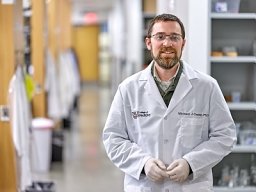 Michael J. Conway合作论文数Yale University, Yale Univ.13Janice Milici合作论文数9
 David Soybel合作论文数Brigham and Women’s Hospital, Boston, MA9Naeema Khan合作论文数8David Goldenberg合作论文数7Sadaf Saeed合作论文数7
 Neil D. Christensen合作论文数Department of Pathology and Laboratory Medicine, Penn State Cancer Institute;Department of Microbiology and Immunology, Penn State Cancer Institute;Department of Pathology, Penn State University7Mohd Israr合作论文数5
 Karam El-Bayoumy合作论文数Department of Biochemistry and Molecular Biology, Penn State Cancer Institute;College of Medicine, Biochemistry and Molecular Biology, The Pennsylvania State University5
 Mashooda Hasan合作论文数Department of Chemistry, Allama Iqbal Open University5B. S. Bowser合作论文数5
 Nipu Kumar Das合作论文数Renewable Energy Laboratory, Chittagong University of Engineering and Technology (CUET),4Andreas Fischer合作论文数4
 Mrinmoy Dey合作论文数Dept Elect & Elect Engn, Chittagong Univ Engn & Technol4
 Robison Richard A合作论文数4
 Md. Abdul Matin合作论文数4
 Dey, M.合作论文数Dept. of Electr. & Electron. Eng., Chittagong Univ. of Eng. & Technol. Chittagong;c;Dept. of Electr. & Electron. Eng., Chittagong Univ. of Eng. & Technol. Chittagong4
 Rena B Kass合作论文数Penn State Hershey Medical Center4Hennigar Stephen R合作论文数Department of Nutritional Sciences, The Pennsylvania State University4Bostanci Zeynep合作论文数Department of Nutritional Sciences, The Pennsylvania State University;Department of Surgery, Penn State Hershey College of Medicine;Penn State Hershey College of Medicine, The Pennsylvania State University4Chen Horng-Shen合作论文数4Chatterjee Sreejata合作论文数Molecular Biophysics Unit, Indian Institute of Science4
 Eric Ryndock合作论文数4
 Nowshad Amin合作论文数Department of Electrical and Electronic Engineering, Faculty of Engineering, American International University-Bangladesh4
 Ellora Sen合作论文数National Brain Research Centre4David Y. Goldrich合作论文数3Kathryn Sheldon合作论文数3Umesh Dimri合作论文数3David Quillen合作论文数3
 Vivek Joshi合作论文数Indian Council Agr Res, Natl Res Ctr Mithun3
 Sooyeon Lee合作论文数3Cruz Linda合作论文数3Biryukov Jennifer合作论文数3Kang Sa Do合作论文数3
 Sjoerd van der Burg合作论文数Department of Clinical Oncology, Leiden University Medical Center;Oncode Institute3Lisa Schneper合作论文数3Kathleen Marya Chaisson合作论文数3
 Regina Lamendella合作论文数Department of Civil and Environmental Engineering, University of Cincinnati3Cesar Aliaga合作论文数3
 James R. Broach合作论文数Penn State Cancer Institute, College of Medicine, The Pennsylvania State University;Department of Biochemistry and Molecular Biology, College of Medicine, The Pennsylvania State University;Princeton University3Dennis P. Murr合作论文数2Paige Chandler合作论文数2Jennifer L Bromberg-White合作论文数2Bogdan Prokopczyk合作论文数2
 Aftab Alam Khan合作论文数2d mitchell合作论文数2




