The current work involves the preparation, characterization, and application of zirconia-doped bimetallic oxide (CeZrO4-delta) as an efficient catalyst for the transesterification of ethylene carbonate (EC). In this study, we report fluorite CeZrO4-delta as a highly active, durable, and reusable catalyst for converting EC to dimethyl carbonate. The catalysts were prepared using a gel combustion method, followed by calcination, and then subjected to catalytic activity tests. The prepared catalyst was thoroughly characterized using various physicochemical techniques. Additionally, the catalyst can be recycled and reused up to six runs with minimal loss of reactivity. Both fresh and recycled catalysts were analyzed using several methods, including X-ray diffraction, X-ray photoelectron spectroscopy, transmission electron microscopy, Raman analysis, ICP-OES, and Brunauer-Emmett-Teller (BET) analysis. The use of earth-abundant, recyclable mixed-metal oxide catalysts highlights the environmentally benign nature of this approach.
Optoelectronics lies at the core of numerous technological devices. The growth of the optoelectronics field largely relies on functional phosphors in which multipolar interactions between the phosphor center and the activator/sensitizer play a profound role in determining the device efficiency. Though the robustness, tunable lattice, and dielectric nature of germanates render them as frontrunner host materials for optoelectronics, yet their potential as the host of an optically active center has been largely underexplored. The present work reports first-time exploration of a yttrium pyrogermanate system to host an efficient upconverting Yb3+-Er3+ couple with Bi3+, introduced as a supplementary codopant to tailor system polarity and performance. Meticulous analysis by different techniques established the formation of the tetragonal Y2Ge2O7 phase with a homogeneous distribution of the luminescent center (Er3+) and sensitizer (Yb3+, Bi3+). DFT calculations in conjunction with experimental optical parameters reveal that while inclusion of Bi3+ preserves the geometrical symmetry of the host lattice, concurrently it enhances polarity in the neighbourhood of Er3+ ions and overall ionicity of host. This facilitates stronger multipolar interactions between the luminescent center and sensitizers along with enhancment in the probability of different electronic transitions of Er3+. Detailed analysis of relative intensity ratios of the green emission of Er3+ ions indicated that Y2Ge2O7:Yb/Er and Bi3+ codoped Y2Ge2O7:Yb/Er are suitable for temperature sensing in the 300-400 K range. Notably, inclusion of Bi3+ in Y2Ge2O7:Yb/Er not only enhances near-infrared-induced visible upconversion of Er3+ but simultaneously it also opens up the window of UV-to-visible downconversion by additional sensitization. In summary, the polar nature and dual mode luminescence of the "Bi3+ incorporated Y2Ge2O7:Yb/Er phosphor" make it a promising candidate for phosphor converted light-emitting diode application and spectral conversion application for boosting solar cell efficiency.
Lithium lanthanum titanium oxide (LLTO) is a promising solid electrolyte (SE) for solid-state batteries, owing to its excellent chemical and thermal stability, wide electrochemical window, and high ionic conductivity even at room temperature. However, the influence of lattice dynamics and local structural features on lithium transport remains poorly understood. In this study, we employ large-scale machine-learned molecular dynamics (MLMD) simulations alongside inelastic neutron scattering (INS) measurements to reveal the role of strongly anharmonic soft phonons in Li-ion diffusion. Unlike many other materials where soft phonons facilitate ion transport, we find that in LLTO, these phonons suppress Li diffusion by inducing tilt or rotational distortions in the lattice. These distortions constrict the bottlenecks that significantly hinder ionic conductivity. Our results show that stabilising these soft phonon modes and thereby restricting the oxygen dynamics, combined with the inherent anharmonicity of Li-related vibrations, can substantially enhance Li diffusion. Thus, in perovskite-based SEs, soft phonon modes and oxygen dynamics emerge as critical descriptors for designing advanced electrolytes. Additionally, our investigation of lattice thermal conductivity using the Green-Kubo formalism reveals glass-like thermal transport behaviour, arising from the disordered structure and extremely anharmonic soft modes.
Uniform and localized oxide morphologies formed on Zr-2.5(wt.%) Nb alloy in water and steam environments have been studied using electron microscopy techniques such as SEM and EPMA. The uniform oxidation was characterized by a compact and thin oxide layer. In contrast, the nodules showed localized thicker oxide growth with cracked and porous morphology. Significant segregation of Nb at the surface of the oxide nodule was observed, leading to destabilization and spallation of the oxide. The chemical states of Zr, Nb, and O in the two types of oxides were analyzed by XPS. The atomic composition of oxides in terms of O and M fractions was evaluated by p-EBS. The study revealed the oxide nodule to be richer in oxygen in comparison to the surrounding uniform oxide. The phase characteristics of these oxides were studied by Raman spectroscopy. The effect of initial surface in-homogeneities on nodule nucleation has been discussed. Polishing made the surface free of initial in-homogeneities and resulted in uniform oxidation on the surface.
The VWC-catalyst thermally mineralizes o-DCB [a surrogate moiety representing dioxin and furan] at 120 °C for the first time in oxidative and non-oxidative condition with strong effect of lattice oxygen establishing its reaction mechanism.
Even though technological relevance for nuclear and oxide fuel cell application has persuaded a large number of investigations on the Y2Zr2O7 system, its local structure still remains ambiguous and debatable. While diffraction-based investigations claim a lack of local ordering, the MAS NMR and Raman spectroscopic investigations speculate the presence of local ordering. Besides, a correlation between the local and global structures of Y2Zr2O7 is also missing to date. Present work attempts to get deeper insights into the local structure of Y2Zr2O7 and correlate the local structure with global disordering. Complementary investigation using multiple strategies (XRD, RAMAN, electron microscopy, DFT calculations) revealed the presence of pyrochlore-like features in globally disordered Y2Zr2O7. Globally distributed "local probe ions" (Sn4+ by MAS NMR and Eu3+ by photoluminescence (PL)) were utilized for establishing the correlation between local and global structures. The 119Sn MAS NMR spectra possess the shoulder peak bearing chemical shift values, which are improbable under complete cationic randomization. The emission and decay profiles of the Eu3+ ion recommend positioning of few probe ions at the centrosymmetric site, which was further reinforced by crystal field splitting and lifetime values. Thus, both NMR and PL results reaffirm the existence of a pyrochlore-like atomic arrangement in predominantly defective fluorite Y2Zr2O7 phase. These discernible pyrochlore-like features have been envisaged to be emanating from unevenness in bond strength and ionicity/covalency of Y-O and Zr-O bonds. Cationic and anionic randomization energetically endorses global disordering, but the bonding disparity induces short-range ordering. It is believed that the presented findings will guide future research in regulating the physicochemical properties of Y2Zr2O7 for the target applications.
The next-generation of batteries need be both energy dense and environment friendly. Lithium sulfur batteries (LSBs) satisfy both criteria but their practical implementation is marred by the highly resistive nature of sulfur. Carbon-based cathodes play a vital role in mitigating the issue because their high conductivity allows for effective electron transfer during electrochemical cycling. Synthesis and electrochemical evaluation of carbon-based cathodes from two different sources for LSBs was carried out. Herein, two kinds of carbon, namely bio-derived carbon from coconut shells (CC500) and N-doped carbon (NC) from polyacrylonitrile fibers were synthesized and sulfur was incorporated via the melt diffusion route. The composites are characterized by PXRD and TGA, which determined 80 wt
Uniform and localized oxide morphologies formed on Zr-2.5(wt.%) Nb alloy in water and steam environments have been studied using electron microscopy techniques such as SEM and EPMA. The uniform oxidation was characterized by a compact and thin oxide layer. In contrast, the nodules showed localized thicker oxide growth with cracked and porous morphology. Significant segregation of Nb at the surface of the oxide nodule was observed, leading to destabilization and spallation of the oxide. The chemical states of Zr, Nb, and O in the two types of oxides were analyzed by XPS. The atomic composition of oxides in terms of O and M fractions was evaluated by p-EBS. The study revealed the oxide nodule to be richer in oxygen in comparison to the surrounding uniform oxide. The phase characteristics of these oxides were studied by Raman spectroscopy. The effect of initial surface in-homogeneities on nodule nucleation has been discussed. Polishing made the surface free of initial in-homogeneities and resulted in uniform oxidation on the surface.
Uniform and localized oxide morphologies formed on Zr-2.5(wt. %)Nb alloy in water and steam environments have been studied using electron microscopy techniques such as SEM and EPMA. The uniform oxidation was characterized by compact thin oxide layer having smooth oxide-metal interface. In contrast to the uniform oxide, the oxide nodules showed localized thicker oxide growth with cracked and porous morphology. Significant segregation of Nb at the surface of oxide nodule was observed leading to localized spallation of the oxide. The chemical states of Zr, Nb and O in the two types of oxides were analysed by XPS. The atomic composition of oxides in terms of O and M fractions was evaluated by p-EBS. The study revealed higher oxygen to metal fraction in the oxide nodule in comparison to the surrounding uniform oxide. The phase characteristics of these oxides were studied by Raman Spectroscopy. The effect of initial surface in-homogeneities on nodule nucleation has been discussed. Polishing made the surface free of initial in-homogeneities and resulted in uniform oxidation on the surface.
ScVO 4 and ScPO 4 represent the zircon (xenotime) type structures with smallest trivalent cations, and that enable them to host both transition metal and rare-earth ions for applied optical materials. Thus, their crystal chemistry and thermophysical properties becomes relevance for their application in non -ambient conditions. In this report, high temperature crystal chemistry and vibrational properties of ScVO 4 and ScPO 4 , as observed from in situ high temperature powder XRD and Raman spectroscopic studies, are reported. The comparative analyses of the results indicate that, though both are isostructural, they show drastically different thermal expansion behavior. In case of ScVO 4 , the c - axis shows significantly larger expansion compared to a - axis, while in ScPO 4 the thermal expansion along and a and c - axes are more or less similar. At ambient condition, the thermal expansion anisotropy in ScPO 4 and ScVO 4 are 1.02 and 3.97, respectively. Additionally, ScPO 4 shows relatively lower coefficient of volume thermal expansion compared to ScVO 4 , ( alpha v = 23.64 x 10 -6 K -1 for ScPO 4 and 26.09 x 10 -6 K -1 for ScVO 4 ), and is contributed by the expansion of ScO 8 units in their structures. The thermal expansion coefficients of ScO 8 unit in ScPO 4 and ScVO 4 are 36.3 x 10 -6 K -1 and 39.1 x 10 -6 K -1 , respectively. Temperature evolution of Raman modes indicates weakening of all the modes, except a symmetric stretching mode, with increasing temperature. The anharmonic analyses of the Raman modes indicate that implicit contributions in ScVO 4 and ScPO 4 are appreciably higher than the explicit contributions, and hence the changes in mode wavenumbers with volume play dominating role in governing their thermal expansion behaviors. Further, it is concluded that ScPO 4 is characterized by more or less like rigid unit cell compared to ScVO 4 .
SnO2 is an excellent candidate for replacement of conventional graphite-based anodes in lithium-ion batteries. It offers four times the specific capacity of carbon and a low working potential of similar to 0.6 V vs Li+/Li but suffers from large capacity fade due to a drastic volume change (similar to 300%) upon cycling. A unique design of SnO2 quantum dots (QDs) dispersed over flexible and conducting polypyrrole (PPy) is vital for achieving a high rate capability and long cycle life. This specially designed SnO2 QDs@PPy anode delivers excellent cycle performance with discharge capacities of 1252, 723, 474, 298, and 152 mAh g(-1) at discharge rates of 0.35, 0.7, 1, 1.8, and 3.5 A g(-1). Upon long cycling at an elevated current density of 2 A g(-1), the anode demonstrated an initial discharge capacity of 572 mAh g(-1), while retaining 399 mAh g(-1) at the 1360th cycle with a very low capacity decay of 0.022% per cycle. The superior mechanical stability and conductivity of the specially designed composite may be the reason behind very high cycle stability.
Coupling of orbital degree of freedom with a spin exchange, i.e., Kugel-Khomskii-type interaction (KK), governs a host of material properties, including colossal magnetoresistance, enhanced magnetoelectric response, and photoinduced high -temperature magnetism. In general, KK-type interactions lead to deviation in experimental observables of coupled Hamiltonian near or below the magnetic transition. Using diffraction and spectroscopy experiments, here we report anomalous changes in lattice parameters, electronic states, spin dynamics, and phonons at four times the Ne ' el transition temperature (TN) in CrVO4. The temperature is significantly higher than other d -orbital compounds such as manganites and vanadates, where effects are limited to near or below TN. The experimental observations are rationalized using firstprinciples and Green's function -based phonon and spin simulations that show unprecedentedly strong KK-type interactions via a superexchange process and an orbital -selective spin -phonon coupling coefficient at least double the magnitude previously reported for strongly coupled spin -phonon systems. Our results present an opportunity to explore the effect of KK-type interactions and spin -phonon coupling well above TN and possibly bring various properties closer to application, for example, strong roomtemperature magnetoelectric coupling.
Low loss and high dielectric constant materials are essentially desired for wide varieties of applications in electronics and communication technology. Herein the structure and dielectric properties of two titanosilicates, Ln2Ti2SiO9, for Ln = Pr3+ and Nd3+ are reported. Both materials are isostructural and have layered structure with layers of [LnTi2SiO9]3- and Ln3+ ions. Electrical properties of both have been analyzed by using the temperature and frequency dependent permittivity, loss, conductivity and modulus data. At room temperature, appreciable relative permittivity (35 for Nd2Ti2SiO9 and 22 for Pr2Ti2SiO9 over the frequency range of 100Hz to 5MHz) and low dielectric loss (like 0.007-0.03 at 100Hz and 10-4-10-3 at 1MHz). Analysis of dc-conductivity data of both compounds indicate that the conduction in both materials is due to the correlated barrier hopping (CBH) of polarons. The relaxation peak of modulus spectra indicates more non-Debye like relaxation in Pr2Ti2SiO9 than that in Nd2Ti2SiO9, and that is possibly due to increased correlation in the dynamics of hopping polarons in Pr2Ti2SiO9.
The removal of uranium from radioactive wastewater is an important step in nuclear waste management. In this study, a solid adsorbent was developed utilizing mesoporous alumina encapsulated within polyethersulfone (PES) beads for effective uranium extraction. The encapsulation process enhances the stability and selectivity of the material, while the mesoporous structure of alumina enables controlled mass transfer and optimal uranium adsorption. These composite beads were synthesized and thoroughly characterized, and their performance was evaluated for uranium removal from simulated radioactive wastewater. The synthesized materials have been characterized by FTIR, TGA–DSC, SEM, EDX and BET surface area analysis techniques to get complete insight into morphology, functionality and topography of materials. Batch adsorption experiments revealed rapid uranium uptake, reaching equilibrium within a short time frame. The maximum adsorption capacity was found to be 18 mg g−1. These findings establish the potential of mesoporous alumina-encapsulated PES beads as a promising candidate for uranium extraction, offering a valuable contribution to the advancement of radioactive waste treatment technologies.
Catalysts with V2O5, WO3 and V2O5-WO3 dispersed over TiO2 were synthesized using sol-gel technique and thoroughly characterized by various techniques. The catalysts were evaluated for degradation of ortho-dichloro benzene (o-DCB) in air/helium, a representative probe molecule for polychlorinated dibenzo-para-dioxin and polychlorinated dibenzofuran by employing in situ Fourier-transform infrared spectroscopy (FT-IR spectroscopy). Different intermediate species formed on the surface of the TiO2 supported catalysts through of interaction of sorbate molecules with the lattice and/or gaseous oxygen were investigated in detail. Analysis of vibrational bands, observed during sorption of o-DCB and o-DCB-air mixture as a function of temperature over these catalysts, delineated the role of surface intermediate species such as phenolate, enolates, maleates, carboxylates, carbonates in mineralization of o-DCB. Nature and stability of intermediate species, found to be different over these catalysts, were able to elucidate the catalytic activity trend.
Cancer theranostic is the combination of diagnosis and therapeutic modalities for cancer treatment. It realizes a more flexible, precise and non-invasive treatment of patients. In this aspect, magnetic nanostructures (MNSs) have gained paramount importance and revolutionized the cancer management due to their unique physicochemical properties and inherent magnetic characteristics. MNSs have amazing theranostic ability starting from drug delivery to magnetic hyperthermia and magnetic resonance imaging to multimodal imaging in association with radioisotopes or fluorescent probes. Precise regulation over the synthetic process and their consequent surface functionalization makes them even more fascinating. The ultimate goal is to develop a platform that combines multiple diagnostic and therapeutic functionalities based on MNSs. This perspective has provided an overview of the state-of-art of theranostic applications of MNSs. Special emphasis has been dedicated towards the importance of synthetic approaches of MNSs as well as their subsequent surface engineering and integration with biological/therapeutic molecules that decide the final outcomes of the efficacy of MNSs in theranostic applications. Moreover, the recent advancements, opportunities and allied challenges towards clinical applications of MNSs in cancer management have been demonstrated.
ScVO4 and ScPO4 represent the zircon (xenotime) type structures with smallest trivalent cations, and that enable them to host both transition metal and rare-earth ions for applied optical materials. Thus, their crystal chemistry and thermophysical properties becomes relevance for their application in non-ambient conditions. In this report, high temperature crystal chemistry and vibrational properties of ScVO4 and ScPO4, as observed from in situ high temperature powder XRD and Raman spectroscopic studies, are reported. The comparative analyses of the results indicate that, though both are isostructural, they show drastically different thermal expansion behavior. In case of ScVO4, the c-axis shows significantly larger expansion compared to a-axis, while in ScPO4 the thermal expansion along and a and c-axes are more or less similar. At ambient condition, the thermal expansion anisotropy in ScPO4 and ScVO4 are 1.02 and 3.97, respectively. Additionally, ScPO4 shows relatively lower coefficient of volume thermal expansion compared to ScVO4, (αv = 23.64 × 10⁻⁶ K-1 for ScPO4 and 26.09 × 10⁻⁶ K-1 for ScVO4), and is contributed by the expansion of ScO8 units in their structures. The thermal expansion coefficients of ScO8 unit in ScPO4 and ScVO4 are 36.3 × 10⁻⁶ K-1 and 39.1 × 10⁻⁶ K-1, respectively. Temperature evolution of Raman modes indicates weakening of all the modes, except a symmetric stretching mode, with increasing temperature. The anharmonic analyses of the Raman modes indicate that implicit contributions in ScVO4 and ScPO4 are appreciably higher than the explicit contributions, and hence the changes in mode wavenumbers with volume play dominating role in governing their thermal expansion behaviors. Further, it is concluded that ScPO4 is characterized by more or less like rigid unit cell compared to ScVO4.
The present work deciphered an innovative pathway for evasion of surface-quenching effect in the Y 2 Sn 2 O 7 :Eu phosphor without compromising homogeneity in structural ordering or vicinal symmetry of the dopant across the dimensions of the nanophosphor.
The quest for better alternatives for graphite anodes is the holy grail in the field of energy storage technologies. Biomass-derived carbon has been widely explored as the energy-dense and cost-effective option but involves several pre/post-conditioning steps. In this study, kitchen chemistry concepts of fermentation have been utilized to obtain sustainable carbon anodes from readily available and cost-effective wheat flour and baker's yeast. The yeast-fermented mixture of wheat flour and MnCO3 is pyrolyzed under 500 degrees C to yield porous C-MnO composites, which have been explored as an anode for Li-ion batteries. The material showed superior electrochemical performance with an initial discharge of 1160 mAh g(-1) at 0.15 A g(-1) (after solid electrolyte interface formation). A reversible capacity of 1499 mAh g(-1) was obtained with a concomitant improvement of 30% after 160 cycles exhibiting a "negative fading effect". Excellent electrochemical behavior has been attributed to the synergistic effect of in situ synthesized, well-dispersed MnO in carbon, the presence of redox-active Mn, and well-connected porosity in nanohybrids. At a high current density of 1 A g(-1), the anode displayed an exemplary initial discharge capacity of 770 mAh g(-1) with a high initial Coulombic efficiency of 90%, which was maintained at 856 mAh g(-1) after 760 cycles. Easy synthesis and excellent electrochemical performance render this material highly promising for battery applications.
We report a generalized route for synthesizing pure SnO2 and Cu (1 and 3 at%) doped SnO2 at room temperature with crystallite size in a nanometer range of 1.0-3.0 nm using CuCl2, nitric acid and Sn metal. The structural properties of these samples were characterized using X-ray diffraction (XRD) and transmission electron microscopy (TEM). The open system was used to monitor heat generation. Thin films of SnO2 and SnO2:xCu nanocrystallites were prepared using a mixture of surfactant (docusate sodium salt), SnO2, water and cyclohexane. H2S sensing at room temperature was performed. The Cu-doped SnO2 sample showed higher sensitivity than pure SnO2, and its sensitivity was more than that of the reported ones.
 S. N. Achary合作论文数Chemistry Division, Bhabha Atomic Research Center, Government of India223
 Sonali Dash合作论文数Materials Science Division, Indira Gandhi Centre for Atomic Research209
 Baldev Raj合作论文数National Institute of Advanced Studies, Indian Institute of Science Campus, Bengaluru;Indira Gandhi Centre for Atomic Research81
 Kamruddin Mohammed合作论文数80Vinita Grover合作论文数Chemistry Division, Bhabha Atomic Research Centre78
 Balaji P Mandal合作论文数Bhabha Atomic Research Centre;Homi Bhabha National Institute70
 Onattu Damodharan Jayakumar合作论文数Chemistry Division;Bhabha Atomic Research Centre;Chemistry Division, Bhabha Atomic Research Centre67
 Niranjan Kumar合作论文数66S.J. Patwe合作论文数Applied Chemistry Division, Bhabha Atomic Research Centre61
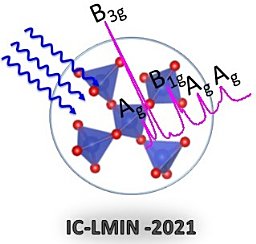 Sandip Dhara合作论文数Surface & Nanosci Div, Indira Gandhi Ctr Atom Res50
 Dimple P. Dutta合作论文数Chemistry Division, Bhabha Atomic Research Centre48V. Sudarsan合作论文数Chemistry Division, Bhabha Atomic Research Centre45
 R.K. Mishra合作论文数36
 R. Mittal合作论文数Solid State;Physics Division;Bhabha Atomic Research Centre;Physics Division, Bhabha Atomic Research Centre35p k ajikumar合作论文数34
 T R Ravindran合作论文数IGCAR;Indira Gandhi Centre for Atomic Research, HBNI32
 Tom Mathews合作论文数Department of Metallurgy, Indian Institute of Science31Rekha Rao合作论文数School of Advanced Studies, Anna30M.D. Mathews合作论文数30Krishnan, R.合作论文数29
 C.P. Kaushik合作论文数Waste Management Division, Bhabha Atomic Research Centre29
 P. S. R. Krishna合作论文数Solid State Physics Division, Bhabha Atomic Research Centre27Sandeep Vasant Chavan合作论文数Chemistry Division, Bhabha Atomic Research Centre27
 Daniel Errandonea合作论文数Department of Applied Physics, Universidad de Valencia26
 Farheen Sayed合作论文数Department of Chemistry, University of Cambridge24
 Keka R. Chakraborty合作论文数Solid State Physics Division, Bhabha Atomic Research Centre24A. K. Balamurugan合作论文数24
 Kaustava Bhattacharyya合作论文数Chemistry Division, Bhabha Atomic Research Center24Mainak Roy合作论文数23
 Mayank Gupta合作论文数23
 g.mangamma Sairam合作论文数Surface & Nanosci. Div., Indira Gandhi Centre Atomic Res.;c;Surface & Nanosci. Div., Indira Gandhi Centre Atomic Res.22
 Salim Yusuf合作论文数Medical School, McMaster University;Population Health Research Institute, Hamilton Health Sciences22
 Tripura Sundari合作论文数22Raghumani Singh Ningthoujam合作论文数Chemistry Division, Bhabha Atomic Research Centre22
 S. K. Deshpande合作论文数Mumbai Centre, Bhabha Atomic Research Centre22s ilango合作论文数21R.M. Kadam合作论文数21
 S. R. Polaki合作论文数Corresponding author.20
 Bijaya Ketan Panigrahi合作论文数Department of Electrical Engineering, Indian Institute of Technology Delhi20ratna naik合作论文数19
 Ramaseshan R合作论文数19
 R.K. Vatsa合作论文数Chemistry Division, Bhabha Atomic Research Centre19
 Amirthapandian Sankarakumar合作论文数18
 SL Chaplot合作论文数Bhabha Atomic Research Centre18P. U. Sastry合作论文数18
 Goutam Dev Mukherjee合作论文数Department of Chemistry, Indian Institute of Technology17
 Dheeraj Jain合作论文数17R.D. Purohit合作论文数17A. B. Shinde合作论文数Bhabha Atomic Research Centre Solid State Physics Division 400 085 Mumbai India17




