Introduction: Resuscitative endovascular balloon occlusion of the aorta (REBOA) has become a viable alternative to open aortic occlusion for hemorrhage control. It is often performed without maximal barrier precautions, and sterility is not consistently ensured. As REBOA usage increases, a knowledge gap exists in its infectious risks. We sought to characterize the type and incidence of infectious complications in patients undergoing REBOA. Patients and Methods: A retrospective review of all REBOA patients at an urban, American College of Surgeons-verified Level I Trauma Center was conducted from November 2016 to September 2023. The trauma registry was queried for all patients who underwent REBOA placement. Data pertaining to patient demographics and infectious complications were obtained for descriptive analysis. The medical record was then examined for the source of bacteremia and other infectious complications. Patients who did not survive beyond hospital day two were excluded. Results: Seventy patients met the inclusion criteria. The median age was 40.3 years (IQR 29.5), and patients were predominantly male (72.8%). The overall mortality rate was 19.1%. Among all patients, 37% (n = 26) developed pneumonia, 17% (n = 12) had a deep or organ-space surgical site infection (SSI), and 12.8% (n = 9) had a blood stream infection. None were bacteremic within 48 hours of REBOA placement. All blood stream infections could be associated with concurrent infections such as intra-abdominal sepsis, pneumonia, or soft tissue infection. No SSIs were identified at the site of vascular access. Conclusions: Our findings demonstrate a modest rate of infectious complications among patients undergoing REBOA placement, comparable with published historical data, but no evidence to suggest infectious complications directly related to REBOA placement. Although limited by small sample size and single-institution experience, this study serves as one of the first studies to describe the infection rates in patients undergoing REBOA. Further prospective multi-center studies are required to evaluate the true infectious risks associated with REBOA.
INTRODUCTION:Prehospital tourniquet placement is not a required criterion for standard trauma team activation (TTA-S) as recommended by the American College of Surgeons Committee on Trauma. Educational campaigns such as STOP THE BLEED have led to an increase in tourniquet applications in the prehospital setting. We intend to evaluate if using extended trauma team activation (TTA-T) criteria, which includes tourniquet application, would lead to an acceptable amount of overtriage. METHODS:This was a multicenter retrospective analysis, utilizing the American Association for the Surgery of Trauma Major Extremity Trauma Tourniquet Database, comparing the overtriage rate of TTA-S criteria against the TTA-T criteria. RESULTS:A total of 1235 patients were included, with 687 meeting the TTA-S criteria and an additional 175 patients meeting the TTA-T criteria. The overtriage rate was calculated to be 21.2%, within the accepted over triage rate of 25%-35%. CONCLUSIONS:Field tourniquet application for life-threatening hemorrhage, although not an American College of Surgeons Committee on Trauma criterion for TTA, should be considered for full TTA. Utilizing this as a criterion for TTA is associated with an acceptable rate of overtriage, while also having the benefit of rapid surgical team evaluation and intervention for possible life- or limb-threatening injuries.
INTRODUCTION:Minimal literature correlates stroke rates in blunt cerebrovascular injury (BCVI) to bilaterality, multi-vessel injury, or multifocal injury. We hypothesized that a synchronous cerebrovascular injury and a higher-grade injury would increase stroke rates. METHODS:A single-center retrospective (1/2016-12/2023) review was conducted identifying patients with BCVI. Injury characteristics, clinical features, and demographic data were collected and statistically modeled in relation to stroke risk. RESULTS:Stroke rate in our cohort was 3.7 %. Higher-grade injuries increased the odds of stroke in carotid and vertebral BCVIs. The odds of stroke also increased with combined carotid and vertebral BCVIs versus isolated vertebral injury (OR 3.9 [1.4-10.2]), but not with bilateral carotid (OR 1.5 [0.5-3.9]) or vertebral injuries (OR 1.0 [0.3-2.8]). CONCLUSION:Our findings support previous data on the relationship between BCVI grade and stroke risk; however, combined vertebral and carotid injuries may also increase the risk.
INTRODUCTION:The role of mandatory exploration and repair of low-grade penetrating carotid injuries is unclear. We aim to compare outcomes of those managed non-operatively and operatively. METHODS:A single-center retrospective (1/2012-12/2023) review of penetrating common carotid (CCA) and internal carotid arteries (ICA) was performed. Low-grade injuries were defined as intimal dissections and intramural hematomas. Patients with low-grade injuries managed non-operatively and operatively were compared. RESULTS:There were 54 patients with 62 low-grade injuries. Ten patients underwent operative management, of which 90 % had non-therapeutic vascular explorations. One patient expired due to neurologic decline and herniation. Of the 44 patients managed non-operatively, none expired due to a decline in their neurologic exam. There was no difference in stroke rates between the groups. CONCLUSIONS:Stroke rates were similar between non-operatively and operatively managed low-grade penetrating CCA and ICA injuries. CT imaging should be considered in stable patients with penetrating neck trauma to characterize their vascular injury, as low-grade injuries may be managed non-operatively without significant sequelae.
Compartment syndrome (CS) is a well-known surgical emergency with high morbidity including potential long-term disability and limb loss. The most important factor determining the degree of morbidity with CS is time to treatment; therefore, early diagnosis and surgery are vital. We present a patient who fell off his bicycle and sustained cervical spine fractures causing near complete quadriplegia. He was found by the road over 12 hours later, so his creatine phosphokinase (CPK) was trended and serial examinations were performed. We identified tight deltoid, trapezius, and latissimus compartments and brought him to the operating room for fasciotomies. Although lab values and compartment pressures can be helpful, they should not guide treatment. It is important to consider atypical sites for CS and complete a head to toe physical examination. Patients should proceed to the operating room if clinical suspicion exists for CS because of the morbidity associated with a missed diagnosis.
Background: Traumatic vascular injuries of the lower extremity in the pediatric population are uncommon but can result in significant morbidity. The objective of this study is to demonstrate our experience with these injuries by describing patterns of traumatic vascular injury, the initial management, and data regarding early outcomes. Methods: In total, 506 patients presented with lower extremity vascular injury between January 1, 2009 and January 1, 2021 to Grady Memorial Hospital, an urban, adult Level I trauma center in Atlanta, Georgia. Thirty-two of the 506 patients were aged less than 18 years and were evaluated for a total of 47 lower extremity vascular injuries. To fully elucidate the injury patterns and clinical course in this population, we examined patient demographics, mechanism of injury, type of vessel injured, surgical repair performed, and early outcomes and complications. Results: The median (interquartile range) age was 16 (2) years (range, 3e17 years), and the majority were male (n = 29, 90.6%). Of the vascular injuries identified, 28 were arterial and 19 were venous. Of these injuries, 14 patients had combined arterial -venous injuries. The majority of injuries were the result of a penetrating injury (n = 28, 87.5%), and of these, all but 2 were attributed to gunshot wounds. Twenty-seven vascular interventions were performed by nonpediatric surgeons: 11 by trauma surgeons, 13 by vascular surgeons, 2 by orthopedic surgeons, and 1 by an interventional radiologist. Two patients required amputation: 1 during the index admission and 1 delayed at 3 months. Overall survival was 96.9%. Conclusions: Vascular injuries as the result of trauma at any age often require early intervention, and we believe that these injuries in the pediatric population can be safely managed in adult trauma centers with a multidisciplinary team composed of trauma, vascular, and orthopedic surgeons with the potential to decrease associated morbidity and mortality from these injuries.
Injury Severity Score (ISS) has limited utility as a prospective predictor of trauma outcomes as it is currently scored by abstractors post-discharge. This study aimed to determine accuracy of ISS estimation at time of admission. Attending trauma surgeons assessed the Abbreviated Injury Scale of each body region for patients admitted during their call, from which estimated ISS (eISS) was calculated. The eISS was considered concordant to abstracted ISS (aISS) if both were in the same category: mild (<9), moderate (9-15), severe (16-25), or critical (>25). Ten surgeons completed 132 surveys. Overall ISS concordance was 52.2%; 87.5%, 30.8%, 34.8%, and 61.7% for patients with mild, moderate, severe, and critical aISS, respectively; unweighted k = .36, weighted k = .69. This preliminarily supports attending trauma surgeons’ ability to predict severity of injury in real time, which has important clinical and research implications.
Blunt tracheobronchial injuries are often life-threatening, and most victims do not survive. We report a successful case of a complete thoracic tracheal transection in a 26-year-old man involved in a motorcycle crash. The prompt diagnosis and successful emergent operative repair utilizing cross-table single-lung ventilation are discussed.
INTRODUCTION:High-grade pancreaticoduodenal injuries are highly morbid and may require complex surgical management. Pancreaticoduodenectomy (Whipple procedure) is sometimes utilized in the management of these injuries, but guidelines on its use are lacking. This paper aims to present our 14-year experience in management of high-grade pancreaticoduodenal injuries at our busy, urban trauma center. METHODS:A retrospective review was performed on patients (ages >15 years) presenting with high-grade (AAST-OIS Grades IV and V) injuries to the pancreas or duodenum at our Southeastern Level 1 trauma center. Inclusion criteria included high-grade injury and requirement of Whipple procedure based on surgeon discretion. Patients were divided into two groups: (1) those who underwent Whipple procedures during the index operation and (2) Whipple candidates. Whipple candidates included patients who received Whipples in a staged fashion or who would have benefited from the procedure but either died or were salvaged to another procedure. Demographics, injury patterns, management, and outcomes were compared. Primary outcome was survival to discharge. RESULTS:Of 66,272 trauma patients in this study period, 666 had pancreatic or duodenal injuries, and 20 met inclusion criteria. Of these, 6 had Whipples on the index procedure and 14 were Whipple candidates (among whom 7 had staged Whipples, 6 died before completing a Whipple, and 1 was salvaged). Median (IQR) age was 28 (22.75-40) years. Patients were 85 % male, 70 % Black. GSWs comprised 95 % of injuries. All patients had at least one concomitant injury, most commonly major vascular injury (75 %), colonic injury (65 %), and hepatic injury (60 %). In-hospital mortality among Whipple patients was 15 %. CONCLUSIONS:Complex pancreaticoduodenal injuries requiring pancreaticoduodenectomy are rare but life-threatening. In such patients, hemorrhage was the leading cause of death in the first 24 h. Approximately half underwent damage control surgery with staged Whipple Procedures. However, pancreaticoduodenectomy at the initial operation is feasible in highly selective patients, depending on the extent of injury, physiologic status, and resuscitation.
Injury Severity Score (ISS) as a prospective predictive variable is limited, as it is scored post-discharge by registrars. We followed a phase 1 pilot investigation of the feasibility of prospective ISS estimation (eISS) by trauma surgeons within 1 day of admission with an investigation of the impact of a simple educational aid on the accuracy of these estimations. Eleven surgeons evaluated 178 patients in phase 2. With the educational aid, ISS concordance improved from 74.6% to 85.1% for non-severe (abstracted ISS, aISS <16) injuries and from 78.8% to 83.1% for severe (aISS ≥16) injuries; weighted k improved from 0.53 to 0.72. Abbreviated Injury Scale (AIS) concordance similarly improved in five of seven body regions. The ability to prospectively document ISS has important clinical and research implications. There remains opportunity to refine educational aides and harness the EHR to further improve prediction accuracy and facilitate adoption in standard clinical workflows.
Introduction: Patients with Non-English Language Preferences (NELP) experience challenges navigating the US healthcare system which can lead to disparate out-comes. This study sought to investigate injury patterns and outcomes in hospitalized trauma patients with NELP.Methods: A retrospective review was performed at a trauma center from January 2019-December 2020. An institutional database of all emergency department video consultations for interpreter services was cross-referenced with the trauma registry and comparisons were made between NELP and English-preferred (EP) speaking patients.Results: During the study, 257 NELP patients were hospitalized after traumatic injury. Twenty-two percent had work related injuries compared to only 3.0% in the EP cohort (p < 0.001). When propensity score matched, there were no significant differences in ICU and hospital length of stay or mortality between NELP and EP patients.Discussion: Trauma patients are linguistically diverse and understanding their injury patterns and outcomes is crucial for guiding culturally and linguistically appropriate injury prevention.
Background Traumatic abdominal wall hernias (TAWH) are relatively uncommon; however, the shearing force that results in fascial disruption could indicate an increased risk of visceral injury. The aim of our study was to evaluate whether the presence of a TAWH was associated with intra-abdominal injury requiring emergent laparotomy. Methods The trauma registry was queried over an 8-year period (7/2012-7/2020) for adult patients with blunt thoracoabdominal trauma diagnosed with a TAWH. Those patients who were identified with a TAWH and greater than 15 years of age were included in the study. Demographics, mechanism of injury, ISS, BMI, length of stay, TAWH size, type of TAWH repair, and outcomes were analyzed. Results Overall, 38,749 trauma patients were admitted over the study period, of which 64 (.17%) had a TAWH. Patients were commonly male (n = 42, 65.6%); the median age was 39 years (range 16-79 years) and a mean ISS of 21. Twenty-eight percent had a clinical seatbelt sign. Twenty-seven (42.2%) went emergently to the operating room, the majority for perforated viscus requiring bowel resection (n = 16, 25.0%), and 6 patients (9.4%) who were initially managed nonoperatively underwent delayed laparotomy. Average ventilator days was 14 days, with a mean ICU LOS of 14 days and mean hospital LOS of 18 days. About half of the hernias were repaired at the index operation, 6 of which were repaired primarily and 10 with mesh. Conclusion The presence of a TAWH alone was an indication for immediate laparotomy to evaluate for intra-abdominal injury. In the absence of other indications for exploration, nonoperative management may be safe.
The authors regret that a resource of funding was not included in the original article publication. The authors would like to note that this research is supported by NIH T32 Training Grant in Critical Care, NIGMS (5T32GM095442-11). The authors would like to apologise for any inconvenience caused. Presentation, clinical course and complications in trauma patients with concomitant COVID-19 infectionThe American Journal of SurgeryVol. 224Issue 1PreviewDesigned by Naomi Whitaker (Emory Rollins School of Public Health). Full-Text PDF
Benchmark data on traumatic brain injury (TBI) are potentially confounded by morbidity and rehabilitation needs associated with coincident extracranial injuries. Using data on isolated head injuries from 13 trauma centers in Georgia over 3 years, we studied the epidemiology and natural history of isolated TBI in geriatric vs non-geriatric patients in order to identify potential areas for quality improvement. We identified 8 512 patients, 3 895 of whom were geriatric. Geriatric patients had higher baseline comorbidity burden, mostly presented after ground level falls, had higher mortality despite equivalent ICU admission rates, and had higher rates of post-discharge resource utilization than non-geriatric counterparts. Geriatric patients are more likely to require post-discharge services and/or facility placement, regardless of pre-injury functional status. These data highlight the importance of streamlined protocols that place an early focus on post-discharge needs and goals of care, informed by cohort-specific prognosis data.
BACKGROUND:Traumatic pneumopericardium (PPC) is a rare clinical entity associated with chest trauma, resulting from a pleuropericardial connection in the presence of a pneumothorax, interstitial air tracking along the pulmonary perivascular sheaths from ruptured alveoli to the pericardium, or direct trachea-bronchial-pericardial communication. Our objectives were to describe the modern management approach to PPC and to identify variables that could improve survival with severe thoracic injury. METHODS:We conducted a retrospective study of the trauma registry between 2015 and 2022 at a Level I verified adult trauma center for all patients with PPC. Demographics, injury patterns, and treatment characteristics were compared between blunt and penetrating trauma. This study focused on the management strategies and the physiologic status regarding PPC and the development of tension physiology. The main outcome measure was operative versus nonoperative management. RESULTS:Over a seven-year period, there were 46,389 trauma admissions, of which 488 patients had pneumomediastinum. Eighteen patients were identified with PPC at admission. Median age was 39.5 years (range, 18-77 years), predominantly male (n = 16, 89 %), Black (n = 12, 67 %), and the majority from blunt trauma (78 %). Half had subcutaneous emphysema on presentation while 39 % had recognizable pneumomediastinum on chest x-ray. Tube thoracostomy was the most common intervention in this cohort (89 %). Despite tube thoracostomy, tension PPC was observed in three patients, two mandating emergent pericardial windows for progression to tension physiology, and the remaining requiring reconstruction of a blunt tracheal disruption. The majority of PPC patients recovered with expectant management (83 %), and no deaths were directly related to PPC. CONCLUSIONS:Traumatic PPC is a rare radiographic finding with the majority successfully managed conservatively in a monitored ICU setting. These patients often have severe thoracic injury with concomitant injuries requiring thoracostomy alone; however, emergent surgical intervention may be required when PPC progresses to tension physiology to improve overall survival.
BACKGROUND:Tourniquet use for extremity hemorrhage control has seen a recent increase in civilian usage. Previous retrospective studies demonstrated that tourniquets improve outcomes for major extremity trauma (MET). No prospective study has been conducted to date. The objective of this study was to evaluate outcomes in MET patients with prehospital tourniquet use. We hypothesized that prehospital tourniquet use in MET decreases the incidence of patients arriving to the trauma center in shock.METHODS:Data were collected prospectively for adult patients with MET at 26 Level I and 3 Level II trauma centers from 2015 to 2020. Limbs with tourniquets applied in the prehospital setting were included in the tourniquet group and limbs without prehospital tourniquets were enrolled in the control group.RESULTS:A total of 1,392 injured limbs were enrolled with 1,130 tourniquets, including 962 prehospital tourniquets. The control group consisted of 262 limbs without prehospital tourniquets and 88 with tourniquets placed upon hospital arrival. Prehospital improvised tourniquets were placed in 42 patients. Tourniquets effectively controlled bleeding in 87.7% of limbs. Tourniquet and control groups were similarly matched for demographics, Injury Severity Score, and prehospital vital signs (p > 0.05). Despite higher limb injury severity, patients in the tourniquet group were less likely to arrive in shock compared with the control group (13.0% vs. 17.4%, p = 0.04). The incidence of limb complications was not significantly higher in the tourniquet group (p > 0.05).CONCLUSION:This study is the first prospective analysis of prehospital tourniquet use for civilian extremity trauma. Prehospital tourniquet application was associated with decreased incidence of arrival in shock without increasing limb complications. We found widespread tourniquet use, high effectiveness, and a low number of improvised tourniquets. This study provides further evidence that tourniquets are being widely and safely adopted to improve outcomes in civilians with MET.LEVEL OF EVIDENCE:Therapeutic/Care Management; Level IV.
Screening, brief intervention, and referral to treatment (SBIRT) is an intervention originally developed to prevent and deter substance abuse. Adaptation of the SBIRT model to prevent post-traumatic stress disorder (PTSD) may potentially reduce acute stress symptoms after traumatic injury. We conducted a prospective randomized control study of adult patients admitted for gunshot wounds. Patients were randomized to intervention (INT) vs. treatment as usual (TAU) groups. INT received the newly developed SBIRT Intervention for Trauma Patients (SITP)-a 15-minute session with elements of cognitive behavioral therapy techniques. SITP took place during the index hospitalization; both groups had followup at 30 and 90 days at which time a validated PTSD screening tool, PCL-5, was administered. Most of the 46 participants were young (mean age = 30.5y), male (91.3%), and black (86.9%). At three-month follow-up, SBIRT and TAU patients had similar physical healing scores but the SBIRT arm showed reductions in PTSD symptoms.
Background: This study investigated the impact of COVID-19 infection on hospitalized trauma patients. Methods: A retrospective review of hospitalized trauma patients at a level I trauma center was performed from March-December 2020. Data pertaining to patient demographics, presentation and hospital course was compared between COVID positive and negative trauma patients. Results: There were 4,912 patients and 179 (3.64%) were COVID-19 positive. Demographics and clinical presentation did not differ significantly between those with and without concomitant COVID-19. However, COVID positive trauma patients had higher rates of acute kidney injury (p = 0.016), sepsis (p = 0.016), unplanned intubation (p = 0.002) and unplanned return to the ICU (p = 0.01). The COVID positive cohort also had longer hospital stays (p < 0.01) with no significant difference in mortality. Conclusions: In the setting of an ongoing pandemic, awareness of the complications COVID positive trauma patients are predisposed to is important for providers.
 Frederick A Moore合作论文数Department of Surgery, College of Medicine, University of Florida;University of Florida Health28
 Jonathan Nguyen合作论文数14
 Krista Turner合作论文数13
 Joseph Sucher合作论文数12Moore Laura J合作论文数Department of Surgery, The University of Texas Health Science Center12
 Jason D Sciarretta合作论文数12Chad T Wilson合作论文数11Smith Randi合作论文数11Bruce A. McKinley合作论文数10Vasiliy Sim合作论文数8Patricia Ayoung-Chee合作论文数New York University Program for Surgical Weight Loss, New York University School of Medicine8Courtney Meyer合作论文数7
 Spiros G. Frangos合作论文数Division of Acute Care Surgery, Department of Surgery, Grossman School of Medicine, New York University7
 Clay Cothren Burlew合作论文数Department of Surgery, School of Medicine, University of Colorado;Department of Surgery-GI, Trauma, and Endocrine Surgery, School of Medicine, University of Colorado7
 Kenji Inaba合作论文数Department of Surgery, Keck School of Medicine, University of Southern California;Division of Trauma and Surgical Critical Care, Keck School of Medicine, University of Southern California7
 Rosemary A. Kozar合作论文数School of Medicine, University of Maryland;Shock Trauma Anesthesia Research Center, University of Maryland7
 Martin A. Schreiber合作论文数Division of Trauma, Critical Care and Acute Care Surgery, School of Medicine, Oregon Health & Science University7Christine Castater合作论文数6Sailors R Matthew合作论文数6
 Lillian S. Kao合作论文数Department of Surgery, The University of Texas Medical School at Houston6
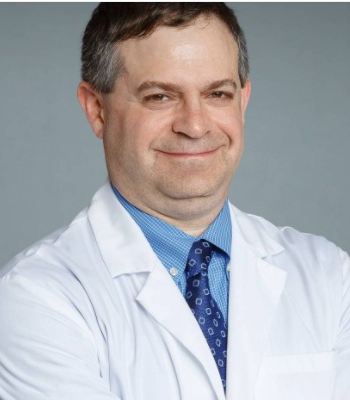 Stephen P. Wall合作论文数Department of Emergency Medicine, Grossman School of Medicine, New York University5Jacko Sally合作论文数5
 James M Haan合作论文数5Benjamin Elizabeth R合作论文数5Christine S. Cocanour合作论文数Department of Surgery, University of Texas at Houston Medical School5Michael S. Truitt合作论文数5
 John B. Holcomb合作论文数Department of Surgery, Heersink School of Medicine, The University of Alabama at Birmingham;Decisio Health, Inc.5Alicia Valdivia合作论文数4
 Barbara L. Bass合作论文数4
 April A Grant合作论文数4Kelly Lightwine合作论文数4Ronald Simon合作论文数4
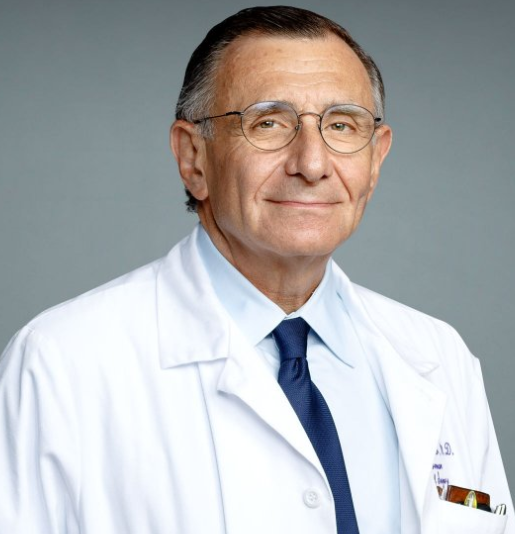 H. Leon Pachter合作论文数Division of Endocrine Surgery, Department of Surgery, Grossman School of Medicine, New York University4Dultz Linda A合作论文数Bellevue Hospital Center, New York University School of Medicine4
 Dennis Y Kim合作论文数Mech. & Aerosp. Eng. Dept., Univ. of California;c;Mech. & Aerosp. Eng. Dept., Univ. of California4Bholat Omar合作论文数4Slaughter Dekeya合作论文数4
 James W. Suliburk合作论文数University of Texas Medical School at Houston4Thomas J. Schroeppel合作论文数4Darren Malinoski合作论文数4D. Koganti合作论文数3P. Ayoung-Chee合作论文数3V. J. Muralidharan合作论文数3Stephen L Jones合作论文数3Stephanie D Gordy合作论文数3M. Davis合作论文数3Millard A. Davis合作论文数3Gina Solomon合作论文数3Soroosh Noorbakhsh合作论文数3




