Abstract The increasing availability of genomic and transcriptomic sequencing has uncovered diverse genomic alterations and distinct gene expression profiles driving hematologic diseases, yet a data integration and sharing platform dedicated to hematology remains lacking. We developed the American Society of Hematology (ASH) HematOmics Program (ASHOP; ashop.hematology.org), a resource for exploring somatic alterations and gene fusions, transcriptomic results, and clinical data from 5960 patients spanning B-cell precursor and T-cell acute lymphoblastic leukemia, acute myeloid leukemia, myelodysplastic syndromes, and chronic lymphocytic leukemia. Users can explore genomic alteration landscapes and comutation patterns via lollipop and matrix plots and analyze significantly altered genes in user-defined subcohorts. Transcriptomes can be explored through interactive uniform manifold approximation and projections, clustering, differential expression, and pathway enrichment. Genomic, transcriptomic features, and clinical outcomes can be correlated in a user-driven manner or combined to precisely define study cohorts. We illustrate the following 4 use cases of ASHOP: (1) stratification of DUX4-rearranged B-cell leukemias into Early/Multipotent and Committed subgroups with distinct outcomes, (2) characterization of HOXA/HOXB expression patterns in acute myeloid leukemias, (3) correlating mutational burden with mismatch repair deficiency and mutational signatures, and (4) investigation of TP53 alteration landscape. ASHOP is an open-access resource to inform genomic and transcriptomic data interpretation for hematologic malignancies and will expand to support additional diseases and data modalities from the ASH community.
Abstract Tumor clonal evolution is driven by the selection or acquisition of mutations that confer an advantage under the pressures of therapeutic intervention. Much of the knowledge of clonal evolutionary trajectories is based upon single nucleotide variants (SNVs), a mutation type well-suited for detecting subclones and estimating their cancer cell fraction by deep sequencing. To explore the role of structural variants (SVs) in the evolutionary process, we analyzed 13 pediatric cancer patients with multiple spatiotemporally distinct tumor samples and patient-derived xenografts (PDXs) profiled by whole-genome sequencing (WGS). In addition to de novo SV calling, the SV presence across all tumor samples from the same patient was analyzed by Fuzzion2, which uses pattern matching to find SVs at a sensitivity as low as a single read pair. We found that clonal architectures defined by SVs largely mirrored those of SNVs, although the branch lengths could differ if SV formation was not affected by therapy-related mutagenesis (e.g. cisplatin). SV-based mutational processes, such as RAG-mediated recombination in leukemia, can be active from diagnosis to relapse, and complex SVs caused by chromothripsis may not be selected for despite their predominant presence at diagnosis. A trio of diagnosis-relapsed rhabdomyosarcoma samples exhibited an intriguing pattern of sharing an ancestral extrachromosomal amplicon of MDM2, which co-existed with a second amplicon distinct at diagnosis and relapse. RNA sequencing confirmed each amplicon led to overexpression of different subsets of genes, and SVs derived from WGS indicated that the amplicon private to relapse may have merged with the ancestral MDM2 amplicon. Validation of this finding is currently underway, leveraging long-read sequencing and cells derived from PDX models of these tumors. Our study emphasizes the importance of examining SVs to gain perspective on the dynamic changes that impact driver genes and amplicon architecture during therapy and may offer new insights on strategies to overcome therapeutic resistance. Citation Format: Robert Greenhalgh, Bensheng Ju, Samuel W. Brady, John Easton, Sivaraman Natarajan, Jinghui Zhang, . Structural variation shapes clonal evolution in pediatric cancer [abstract]. In: Proceedings of the American Association for Cancer Research Annual Meeting 2026; Part 1 (Regular Abstracts); 2026 Apr 17-22; San Diego, CA. Philadelphia (PA): AACR; Cancer Res 2026;86(7 Suppl):Abstract nr 3525.
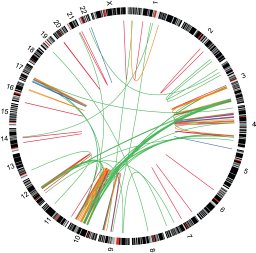
Structural variants (SVs) account for over 60% of pediatric cancer driver variants. Pan-cancer analyses on 1,616 pediatric and 2,203 adult whole genomes show that pediatric SV burden varies ∼100-fold across cancer types, is reduced 6- to 16-fold compared to adult brain and solid tumors, but is comparable in hematological malignancies. The top-ranked SV-disrupted genes are drivers in pediatric cancers and fragile sites in adult cancers. Recurrent SV hotspots near RAG recombination signal sequences disrupt immune loci and driver genes in pediatric acute lymphoblastic leukemias, but immune loci exclusively in adult lymphoid cancers. Ten extracted SV signatures implicate RAG-mediated mutagenesis as a potential etiology for COSMIC SV7 in lymphoid cancers, while clustering of spatiotemporally distinct samples from 13 patients reveals the ongoing evolutionary contributions of SVs to intra-tumor heterogeneity and driver selection. Our study expands the known scope of RAG-mediated mutagenesis, while the curated SV dataset can guide future research and clinical testing.
Acquired thiopurine resistance and mismatch repair (MMR) deficiency are increasingly recognised drivers of relapse in paediatric B-cell acute lymphoblastic leukaemia (B-ALL); however, their real-world genomic prevalence and link to maintenance dosing patterns remain poorly characterised. Paediatric B-ALL relapse cases (2018-2024) were subjected to whole exome sequencing (WES; 200-250× depth; n = 70) and deep targeted sequencing (700-900×; n = 5). Per-sample frequencies of resistance gene mutations, single-base mutational signatures, tumour mutational burden-high (≥10 mutations/Mb), microsatellite instability-high (MSI-H) and thiopurine S-methyltransferase (TPMT)/nucleoside diphosphate-linked moiety X-type motif 15 (NUDT15) status were determined. Clinical variables included the median weekly 6-mercaptopurine (6-MP) dose (mg/m2, time-weighted) and duration of 6-MP dose interruptions. A total of 18/75 (24%) relapse cases showed SBS87 (thiopurine-related), SBS6/15 (MMR-related) or Thio-deficient mismatch repair (Thio-dMMR) mutational signature. Thiopurine resistance clones in cytosolic 5'-nucleotidase II (NT5C2) (13), phosphoribosyl pyrophosphate synthetase 1 (PRPS1) (2) or tumor protein p53 (TP53) (7) were noted in 19/75 (25%) cases; germline or somatic clones in MMR genes were noted in 19/75 (25%). Correlation analysis revealed that both low median weekly 6-MP dose (<45 mg/m2) and ≥4 weeks of dose interruptions were significantly associated with higher hazard for SBS87 or Thio-dMMR signature (hazard ratio [HR] 7.09 [95% confidence interval (CI): 1.77-28.34], p = 0.006, and HR 6.21 [95% CI: 1.66-23.32], p = 0.007 respectively). This real-world study demonstrates that suboptimal median 6-MP dosing and prolonged dose interruptions during maintenance are significantly associated with thiopurine resistance and MMR deficiency-related mutational signatures at relapse. These findings underscore the importance of optimised dose intensity and minimal interruptions during maintenance therapy in paediatric B-ALL.
Cancer therapeutics frequently fail in clinical trials because of poor therapeutic index (efficacy-to-toxicity ratio). We systematically identified targets likely to have a good therapeutic index, revealing insulin receptor substrate 4 (IRS4) as a dependency in IRS4-expressing cancers. Pan-cancer analysis of pediatric-enriched cancers revealed IRS4 expression consistent with dependency in 68% of choroid plexus, 37% of malignant rhabdoid, 31% of NUT midline, and 5% of osteosarcomas, while in adult cancers, it was expressed in 8% of uterine leiomyosarcomas and 1 to 2% of lung squamous, stomach, and breast carcinomas. IRS4 expression in adult tumors was associated with enhancer hijacking rearrangements, including recurrent GATA3-IRS4 and ANKRD30A-IRS4 in breast cancer, while rhabdoid and NUT midline cancers expressed IRS4 epigenetically. IRS4 fueled cancer dependency through PI3K-Akt activation, and domain analysis revealed the PH and PTB domains, which have a predicted drug pocket, to be dispensable, suggesting degradation-based modalities. These data reveal IRS4 as a target in IRS4-expressing cancers and suggest inhibitory approaches.
Childhood cancer survivors have a heightened risk of developing subsequent neoplasms (SN) related to therapy. We analyzed whole-genome, exome, and RNA sequencing of 200 breast, meningioma, and thyroid SNs, which developed a median of 26.4 years after childhood cancer, among 160 survivors. Meningioma and thyroid SNs were enriched for driver gene rearrangements compared with de novo tumors, including NF2-disrupting alterations and kinase fusions potentially induced by radiation. Radiation correlated with increased insertion-deletion signature ID5. Nitrogen mustard treatment correlated with elevated "flat" signature SBS5 in breast and meningioma SNs; in vitro, these agents caused an unresolved flat signature associated with multiple flat signatures from the Catalogue of Somatic Mutations in Cancer. In meningioma, platinum therapy correlated with NF2 splice-site variants. Analysis of 19 multisample survivors revealed intrapatient heterogeneity in meningioma, including clonally independent tumors. These results demonstrate the long-term impact of childhood cancer treatment on the genomes of SNs developing in adulthood, which may guide SN treatment and prevention. SIGNIFICANCE:This represents the most comprehensive genomic characterization of SNs from childhood cancer survivors to date, revealing the mutagenic impact of multiple therapies on the SN genome, including the potential impact of nitrogen mustards such as cyclophosphamide. These results may guide the optimization of future cancer treatment regimens to prevent SN development. See related commentary by Bertrums and van Boxtel, p. 1483.
Abstract Acute lymphoblastic leukemia (ALL) is the most common pediatric cancer. While treatment outcomes have improved, drug resistance remains a major clinical concern and the primary cause of relapse in patients, with relapsed patient survival rates at approximately 40%. Although changes in gene expression are known to impact drug resistance in ALL, the gene regulatory elements that control and modulate these genes are frequently undefined, and the role of these elements in anti-leukemic drug resistance remains largely unknown. As a result, a more comprehensive epigenetic effort is needed to profile and validate gene regulatory networks linked to anti-leukemic drug response in ALL. We therefore generated matched B-cell origin ALL patient chromatin accessibility and ex vivo drug sensitivity (pharmacotyping) datasets covering 16 anti-leukemia drugs in primary ALL cells from over 150 patients to generate a compendium of gene regulatory elements associated with ex vivo chemotherapy response. Importantly, ex vivo measurements of chemotherapy response are known to associate with clinical outcomes in ALL patients. We further integrated these data with transcriptomics, tumor-normal whole genome sequencing and three-dimensional chromatin conformation results obtained from a subset of these patient biospecimens. We identified 74,307 drug response elements (DREs) and 2,854 drug response genes (DRGs) using a combination of linear modeling and feature selection techniques (p-adj < 0.05, s-value < 0.005). For this analysis, LC50 drug sensitivity was modeled in both continuous and categorical modes against chromatin accessibility and transcriptomic sequence counts. Although many DREs were specific to a singular drug or common drug family, a subset was associated with response to multiple drugs. DREs harbored 868 somatic mutations, many of which overlapped transcription factor (TF) footprints, with PU.1 among the most common overlapping TF sites. TF footprinting identified 148,732 TF binding events associated with drug response. Common TF footprints that correlated with drug response included EBF family TFs for inotuzumab ozogamicin response and STAT family TFs for trametinib response. On average, 74% of these drug response TF footprints mapped to DREs. Subsequent multi-omic integration of gene expression, chromatin accessibility and TF footprinting with three-dimensional chromatin conformation maps identified over 9000 gene regulatory networks linked to altered drug response. Collectively, this work represents the largest study of chromatin accessibility and TF occupancy impacting ALL chemotherapy drug response and supports an important functional role for many DREs in anti-leukemic drug resistance. Citation Format: Kelly R. Barnett,Robert J. Mobley,Wenjian Yang,Landon Choi,Kami Chauncy,Kristine R. Crews,Samuel W. Brady,Jun J. Yang,Daniel Savic. Integrative multi-omic investigation of gene regulatory networks associated with chemotherapy response in acute lymphoblastic leukemia [abstract]. In: Proceedings of the American Association for Cancer Research Annual Meeting 2026; Part 1 (Regular Abstracts); 2026 Apr 17-22; San Diego, CA. Philadelphia (PA): AACR; Cancer Res 2026;86(7 Suppl):Abstract nr 3122.
By integrating short-read WGS and RNA-seq data with long-read RNA sequencing, we dissect the complex genomic architecture of PAX5 intragenic tandem multiplication (PAX5-ITM), revealing that these complex rearrangements result in in-frame transcripts that likely encode proteins with altered domains.
Supplementary Table S1 shows SN sample clinical variables and metadata. Supplementary Table S2 shows a comparison of variables between good-quality vs. excluded samples. Supplementary Table S3 shows a summary of prior treatments across SN patients. Supplementary Table S4 shows a summary of original childhood cancer diagnoses for SN patients. Supplementary Table S5 shows metadata for 33 pediatric cancers with matched FFPE and fresh-frozen exome data. Supplementary Table S6 shows a list of coding-region somatic SNVs used for mutation burden analysis. Supplementary Table S7 shows multivariable analysis comparing SNV burdens between cohorts. Supplementary Table S8 shows multivariable analysis comparing age between cohorts. Supplementary Table S9 shows multivariable analysis comparing SNV burdens between thyroid cancer cohorts among samples with coverage below 100x. Supplementary Table S10 shows cancer-predisposing germline alterations among SN patients. Supplementary Table S11 shows a list of coding-region somatic indels used for mutation burden analysis. Supplementary Table S12 shows multivariable analysis comparing indel burdens between cohorts. Supplementary Table S13 shows SNV signature levels among SNs. Supplementary Table S14 shows multivariable analysis comparing SBS5 burdens in breast SNs stratified by prior treatment. Supplementary Table S15 shows multivariable analysis comparing SBS5 burdens in meningioma SNs stratified by prior treatment. Supplementary Table S16 shows multivariable analysis testing SBS5-cyclophosphamide dose-response relationship in meningioma SNs. Supplementary Table S17 shows variation in cyclophosphamide-containing regimens among meningioma SNs. Supplementary Table S18 shows indel signature levels among SNs. Supplementary Table S19 shows multivariable analysis testing ID5-radiation dose-response relationship in each SN type. Supplementary Table S20 shows multivariable analysis testing ID5-radiation dose-response relationship with all 3 SN types combined. Supplementary Table S21 shows NF2-disrupting structural variants detected in meningioma SNs. Supplementary Table S22 shows multivariable analysis comparing driver alteration frequency between meningioma cohorts. Supplementary Table S23 shows driver fusions in thyroid SNs. Supplementary Table S24 shows multivariable analysis comparing mutation group frequency between thyroid cancer cohorts. Supplementary Table S25 shows multivariable analysis comparing driver alteration frequency between thyroid cancer cohorts. Supplementary Table S26 shows multivariable analysis comparing driver alteration frequency between breast cancer cohorts
Importance:Associations with chemotherapy, occurrence of multiple meningiomas, and mortality after subsequent meningioma diagnosis among survivors of childhood cancer remain unclear. Objectives:To report the incidence of meningioma among childhood cancer survivors, identify novel risk factors for meningiomas, characterize survivors with multiple meningiomas, and describe cause-specific mortality following meningioma occurrence. Design, Setting, and Participants:The Childhood Cancer Survivor Study is a retrospective cohort study with longitudinal prospective follow-up of childhood cancer survivors diagnosed between 1970 to 1999 in the US and Canada. Eligibility included diagnosis of cancer before age 21 years and surviving more than 5 years after diagnosis. Meningiomas were self-reported and confirmed by review of pathology reports. Childhood cancer diagnosis, chemotherapy details, and radiation therapy exposures from up to 5 years from diagnosis were abstracted from medical records. Main Outcomes and Measures:Cumulative incidence of meningioma was calculated starting from 5 years from the diagnosis. Overall survival (OS) from diagnosis of the first subsequent meningioma was estimated using Kaplan-Meier methods. Results:The CCSS cohort included 24 886 survivors initially diagnosed from 1970 to 1999, including 471 survivors (263 female [56%]; median [range] age at last follow-up, 42.5 [19.7-66.3] years; median [range] age at primary cancer diagnosis, 5.6 [0-20.9] years) who were diagnosed with 710 meningiomas. Thirty-five years after primary cancer diagnosis, the cumulative incidence of a subsequent meningioma was 2.3% (95% CI, 2.1%-2.6%). Of the 471 survivors who developed meningioma, 137 (29.0%) had at least 2 meningiomas, and 80 (16%) met criteria for meningiomatosis. An increased risk of meningioma was associated with higher doses of cranial radiation therapy (eg, HR, 125.3 [95% CI, 58.1-270.5]), younger age at primary cancer diagnosis (eg, 0 to 4 years: HR, 4.0 [95% CI, 2.4-6.1]), female sex (HR, 1.6 [95% CI, 1.3-1.9]), and exposure to platinum, 6-mercaptopurine, and intrathecal chemotherapy, and a lower risk was associated with non-Hispanic Black race (HR, 0.5 [95% CI, 0.3-1.0]) and exposure to alkylating agents (HR, 0.6 [95% CI, 0.5-0.8]). The all-cause cumulative mortality was 4.9%, 10.5% and 18.4% at 5, 10, and 15 years from the first subsequent meningioma diagnosis. Conclusions and Relevance:Meningiomas have a relatively high incidence and mortality for childhood cancer survivors. Results from this study could justify screening for meningiomas in high-risk populations.
Relapse remains the leading cause of mortality in pediatric acute myeloid leukemia (AML), yet the genetic changes contributing to relapse remain incompletely defined. To address this gap, we performed whole-genome sequencing and targeted-capture sequencing on 39 diagnosis-relapse and 2 relapse-relapse pairs of pediatric AML. Mutational burden increased at relapse, largely reflecting spontaneous mutagenesis, whereas therapy-related signatures were rarely observed and only occasionally associated with pathogenic mutations. Although recurrently enriched mutations at relapse included those in FLT3, WT1, and TP53, relapse-fated subclones were frequently marked only by non-pathogenic or non-coding variants. Longitudinal deep sequencing in eight patients showed rapid depletion of major clones after induction therapy, whereas subclones often displayed variable chemosensitivity. Relapse-specific mutations emerged only late or remained undetectable during remission, suggesting that clonal selection of pre-existing clones is the predominant mechanism of relapse. Transcriptome analysis of paired RNA sequencing data revealed no differentially expressed genes, but gene set enrichment analysis and CIBERSORT deconvolution in each pair uncovered heterogeneous trajectories to relapse. Although relapse is often attributed to the emergence of stem-like phenotypes, our data demonstrate that transcriptional evolution is more diverse: some cases acquired stem-like features, whereas others showed partial differentiation, which was confirmed by re-analysis of a public single cell RNA sequence dataset. These changes were largely constrained by baseline differentiation states at diagnosis. Together, our data indicate that pediatric AML relapse arises through selection of pre-existing clones with diverse trajectories, underscoring the need to target both stem-like and differentiated populations to achieve durable cures.
Structural variants (SVs) account for over 60% of the driver variants in pediatric cancer, and in many cases act as the cancer initiating event. To study SVs from a pan-cancer perspective, we analyzed 1,616 pediatric cancer genomes in 16 major cancer types of hematological malignancies (n = 908), brain tumors (n = 183), and solid tumors (n = 525) and compared their profiles to those of 2,203 adult cancers. The SV burden varied ~100-fold across pediatric cancer types and demonstrated an 8- to 16-fold reduction compared to adult brain and solid tumors but was comparable in pediatric versus adult hematological malignancies. Recurrent SV hotspots occurred uniquely in pediatric acute lymphoblastic leukemias (ALLs) in proximity to RAG-mediated recombination signal sequences (RSS) and disrupted multiple immune-related loci as well as 69 genes, which often involved cryptic RSS sites. By contrast, such hotspots affected only immune-related loci but not driver genes in adult lymphoid cancers. Eight SV signatures extracted from the cohort had varying distributions across cancer types, with clustered translocations reflecting templated insertions in osteosarcoma, and medium-sized deletions (10 kb to 1 Mb) enriched in cancers with RAG-mediated deletions. Intra-patient evolutionary analysis in 13 patients with multiple spatiotemporally distinct samples revealed that RAG-mediated recombination in leukemia and complex rearrangements in solid tumors occurred both early in disease initiation and continuously during later diversification, contributing to clonal heterogeneity. Finally, we found that both driver genes and fragile sites were the two genomic regions most frequently disrupted by SVs. The unique and diverse SV landscapes that emerged from this comprehensive analysis expand the scope of RSS-mediated mutagenesis in pediatric ALL and will be a valuable resource for guiding future functional studies and the design of clinical genomic testing in pediatric cancer.
While >85% of children with cancer will become five-year survivors, they are at substantially increased risk of developing subsequent neoplasms (SNs) in part due to DNA-damaging therapy. However, the effects of primary cancer therapy on the SN genomic landscape are unknown. We utilized biospecimens collected through the Childhood Cancer Survivor Study (CCSS) and employed whole-genome, exome, and RNA sequencing to analyze 199 SNs (median diagnosis age of 37.8 years, range 13.0-54.4) and matched germline tissue from 159 childhood cancer survivors, including 62 breast, 57 meningioma, and 42 thyroid SN patients. Overall, each SN type had similar somatic driver alterations to corresponding de novo cancers though at different frequencies, including increased frequency of kinase fusions and copy number alterations in thyroid SNs compared to de novo thyroid cancers. Meningioma and thyroid SNs had significantly elevated somatic single-nucleotide variant (SNV) and insertion-deletion (indel) burdens compared to de novo tumors from published cohorts such as The Cancer Genome Atlas, while breast SNs and de novo breast cancers had similar SNV and indel burdens. Prior treatment with nitrogen mustards, such as cyclophosphamide, was associated with increased levels of ubiquitous clock-like SNV mutational signature SBS5 in breast and meningioma SNs. We confirmed this association experimentally by treating cultured breast epithelial cells with an active cyclophosphamide metabolite followed by WGS, which revealed an SBS5-like signature induced by the treatment. In addition, we observed platinum-induced signatures SBS31 and SBS35 in 4 of 5 meningioma and thyroid SNs previously treated with platinum therapy, and identified and functionally validated NF2 splice variants which were predicted to be platinum-induced in meningioma based on their occurrence at platinum signature hotspots. Driver alterations occurred evolutionarily early in most breast and thyroid SNs (12 of 14 multi-sample patients) as evidenced by their truncal status (detected in all samples at clonal variant allele fractions), while most meningioma patients (3 of 5) show intrapatient driver divergence, including a lack of shared mutations indicative of genetically independent tumors. Together, these results demonstrate the long-term impact of childhood cancer treatment on the genomes of SNs developing in adulthood, which may guide efforts to treat and prevent SNs. Samuel W. Brady, Michael A. Arnold, Mingjuan Wang, Ramzi Alsallaq, Li Dong, Mohammad A. Khan, Wentao Yang, Kayla L. Stratton, Wei Liu, Yan Chen, Emily Plyler, Jacob Steele, Brent B. Powers, David Rosenfeld, Michael N. Edmonson, Sasi Arunachalam, Heather L. Mulder, Deo Kumar Srivastava, Michael Rusch, Vikki Nolan, Aaron McDonald, Lucie Turcotte, Cindy Im, John Easton, Zhaoming Wang, Wendy Leisenring, Miriam Conces, Joseph P. Neglia, Yutaka Yasui, Smita Bhatia, Jinghui Zhang, Gregory T. Armstrong. The genomic landscape of subsequent breast, meningioma, and thyroid neoplasms after treatment for childhood cancer: a report from the Childhood Cancer Survivor Study [abstract]. In: Proceedings of the American Association for Cancer Research Annual Meeting 2025; Part 1 (Regular Abstracts); 2025 Apr 25-30; Chicago, IL. Philadelphia (PA): AACR; Cancer Res 2025;85(8_Suppl_1):Abstract nr 712.
ETV6::RUNX1 is the most common fusion gene in childhood acute lymphoblastic leukemia (ALL) associated with favorable prognosis, but the optimal therapy for this subtype remains unclear. Profiling the genomic and pharmacological landscape of 194 pediatric ETV6::RUNX1 ALL cases, we uncover two transcriptomic clusters, C1 (61%) and C2 (39%). Compared to C1, the C2 subtype features higher white blood cell counts and younger age at diagnosis, as well as better early treatment responses. Pharmacologically, C2 is more sensitive to thiopurines and prednisolone, partially explained by the enrichment of PAX5 deletions. Re-introducing PAX5 in ETV6::RUNX1 ALL of the C2 subtype converts its gene expression and drug resistance profile to C1, with partial blockade of G1 to S transition mediated by CDK6 expression. Our results point to molecular heterogeneity within ETV6::RUNX1 ALL linked to divergent drug responses, providing insights into the pathogenesis and therapeutic vulnerability of this common pediatric ALL subtype.
Genomic alterations of IKZF1 are common and associated with adverse clinical features in B-ALL. The relationship between the type of IKZF1 alteration, disease subtype and outcome are incompletely understood. Leukemia subtype and genomic alterations were determined using transcriptome and genomic sequencing and SNP microarray in 688 pediatric patients with B-ALL in St. Jude Total Therapy 15 and 16 studies. IKZF1 alterations were identified in 115 (16.7%) patients, most commonly in BCR::ABL1 (78%) and CRLF2-rearranged, BCR::ABL1-like B-ALL (70%). These alterations were associated with 5-year cumulative incidence of relapse (CIR) of 14.8 ± 3.3% compared to 5.0 ± 0.9% for patients without any IKZF1 alteration (P < 0.0001). IKZF1 deletions of exon 4-7 (P = 0.0002), genomic IKZF1plus with any IKZF1 deletion (P = 0.006) or with focal IKZF1 deletion (P = 0.0007), and unfavorable genomic subtypes (P < 0.005) were independently adversely prognostic factors. Associations of genomic IKZF1plus and exon 4-7 deletions with adverse outcomes were confirmed in an independent cohort. Genomic IKZF1plus with any IKZF1 deletion, IKZF1 deletion of exon 4-7, and unfavorable subtype confer increased risk of relapse. The type of IKZF1 alteration, together with the subtype, are informative for risk stratification and predict response in patients with B-ALL.
Introduction Interactions between types of alterations in the IKZF1 transcription factor gene and clinical outcome in acute lymphoblastic leukemia subtypes are not fully understood. We have assessed a range of IKZF1 alterations, including focal IKZF1 deletions, the IKZF1plus genetic profile, and IKZF1 missense mutations and their associations with clinical outcome, in the context of genomic subtypes of B-acute lymphoblastic leukemia (B-ALL). Patients and Methods We analyzed single nucleotide polymorphism 6.0 microarrays, total RNA-sequencing, whole genome sequencing, and whole exome sequencing data to detect genetic alterations and subtypes in a cohort of 688 pediatric patients with B-ALL enrolled into St. Jude Total Therapy XV and XVI studies. Results IKZF1 alterations were identified in 115 (16.7%) patients, commonly in BCR::ABL1 (78%) and CRLF2-rearranged, BCR::ABL1-like B-ALL (70%) and were associated with 5-year cumulative incidence of relapse (CIR) of 14.8 ± 3.3% compared to 5.0 ± 0.9% for patients without any IKZF1 alteration (P<0.0001). IKZF1 deletions of exon 4-7 (P=0.0002), genomic IKZF1plus with any IKZF1 deletion (P=0.006) or with focal IKZF1 deletion (P=0.0007), and unfavorable genomic subtypes (P<0.005) were independently adversely prognostic. Patients with both IKZF1 exon 4-7 deletion and unfavorable genomic subtype had a significantly increased risk of relapse (HR=58.3; 95% CI, 11.9–285.4; P<0.0001), whereas IKZF1 sequence mutations were not independently predictive of outcome. Associations of genomic IKZF1plus and exon 4-7 deletions with adverse outcomes were demonstrated in an independent study group comprising 1475 patients enrolled in Children's Oncology Group clinical trials with predominantly SR B-ALL (1360 patients from AALL0331 and AALL0932 with favorable and neutral cytogenetics) or HR B-ALL (115 patients from AALL0232 and AALL1131 with favorable cytogenetics). Conclusions Genomic IKZF1plus with focal or any IKZF1 deletion, the exon 4-7 IKZF1 deletion, and unfavorable subtype are independently adversely prognostic for relapse. The combination of unfavorable genomic subtype and IKZF1 deletion of exon 4-7 identified patients at greatest risk of relapse despite MRDdirected therapy. The type of IKZF1 alteration together with subtype are informative for risk stratification and predict response in patients with B-ALL.
PURPOSE:Best practices exist for communicating medical information to patients, but there is less emphasis on methods to communicate risks, especially in medical imaging. The authors conducted a scoping review of patient decision aids in medical imaging and characterized the presentation methods of imaging risks. METHODS:Embase, MEDLINE, CINAHL, and PsychINFO were searched to identify studies involving patient decision aids used in diagnostic imaging that communicated the risks. Study characteristics included the number and types of risks included, as well as the presentation type and how the probability of risks were communicated. RESULTS:The final study included 46 articles encompassing 27 distinct patient decision aids. Mammography was the most common imaging scenario (22 of 46), followed by lung cancer screening (18 of 46), traumatic brain injury (5 of 46), and urolithiasis (1 of 46). All patient decision aids included risks associated with imaging, but the number of risk types varied from two to nine (mean, 4 ± 2). Twelve risks were identified across the 27 decision aids, but no single study included all risks. Overall, most risks (65%) were communicated with text, and the presentation mode varied by type of risk. False-positive risks were most commonly communicated using a visual format, whereas radiation risk was most commonly communicated using text format. CONCLUSIONS:There was no consistent manner of communicating risk to patients, and visual methods such as icon arrays were not consistently used. The variability of both included risks and the risk presentation modes in the patient decision aids may affect decision making, especially among patients and caregivers with lower health literacy and numeracy.
Advancements in cardiac catheterization have improved survival for pediatric congenital heart disease patients, but the associated ionizing radiation risks necessitate ethical consideration. This study presents an empirical model to establish reference air kinetic energy released per unit mass (KERMA) and air KERMA area product, also referred to as dose area product, alert levels based on pediatric patient size during diagnostic or interventional cardiac catheterization. Recognizing the significant size variations among pediatric patients, the model provides a universal application for institutions to set quality assurance programs to prevent overexposure. Developed from 3131 unique procedures, the model uses linear regression of logarithmic reference air KERMA and dose area product against the patient's lateral thickness of the thorax for various procedural categories, setting alert levels at the top 95% and 99% of patient data. This allows institutions to tailor dose alert levels to their specific pediatric populations.
 Dihua Yu合作论文数Department of Molecular and Cellular Oncology, The University of Texas MD Anderson Cancer Center;Graduate School of Biomedical Sciences, The University of Texas Health Science Center33
 Xiaotu Ma合作论文数Department of Computational Biology, St. Jude Children's Research Hospital;Comprehensive Cancer Center, St. Jude Children's Research Hospital27
 Wang Hai合作论文数20Ping Li合作论文数Department of Statistical Science
Faculty of Computing and Information Science 20
Wang Hai合作论文数20Ping Li合作论文数Department of Statistical Science
Faculty of Computing and Information Science 20 Michael Rusch合作论文数Dept Computat Biol, St Jude Childrens Res Hosp19
 Andrea Bild合作论文数Department of Pharmacology and Toxicology, University of Utah19Michael N Edmonson合作论文数St Jude Childrens Res Hosp, Dept Computat Biol, Memphis, TN 38105 USA15
 James R. Downing合作论文数St. Jude Children’s Research Hospital14
 Jinghui Zhang (张京慧)合作论文数Central South University13
 Charles G. Mullighan合作论文数Department of Pathology, St. Jude Children's Research Hospital;Comprehensive Cancer Center, St. Jude Children's Research Hospital13Mulder Heather合作论文数13
 Ching-Hon Pui (裴正康)合作论文数Leukemia/Lymphoma Division, Department of Oncology, St. Jude Children's Research Hospital13
 Qingfei Wang合作论文数State Key Laboratory of Geological Processes and Mineral Resources, China University of Geosciences13
 Gabriel N. Hortobagyi合作论文数Department of Breast Medical Oncology, Division of Cancer Medicine, The University of Texas MD Anderson Cancer Center13
 Jun J. Yang (杨俊)合作论文数Department of Pharmacy and Pharmaceutical Sciences, St. Jude Children's Research Hospital13Yanling Liu合作论文数St Jude Childrens Res Hosp, Dept Computat Biol, 332 N Lauderdale St, Memphis, TN 38105 USA12
 Elizabeth M. Jaffee合作论文数Department of Pathology, School of Medicine, Johns Hopkins University;Institute for Clinical & Translational Research, Johns Hopkins University12Yu Liu (刘宇)合作论文数Shanghai Children's Medical Center, Shanghai Jiao Tong University School of Medicine11
 Hai-Liang Ge (葛海良)合作论文数上海交通大学医学院11Yann Dean合作论文数10Jian Wang合作论文数BGI Shenzhen, Shenzhen 518083, Peoples R China10
 Andrew T. Trout合作论文数Department of Radiology and Medical Imaging, Cincinnati Children's Hospital Medical Center10
 Gang Wu合作论文数Department of Pathology, St. Jude Children’s Research Hospital;Center for Applied Bioinformatics, St. Jude Children’s Research Hospital10
 Xin Zhou合作论文数Department of Computational Biology, St. Jude Graduate School of Biomedical Sciences, St. Jude Children's Research Hospital10
 Scott Newman合作论文数Hutchison-MRC Research Centre and Department of Pathology, University of Cambridge10
 Özgür Sahin合作论文数Division of Molecular Genome Analysis, German Cancer Research Center10Jae Hyuk Yoo合作论文数9Tara Mleynek合作论文数9Coulson P Rich合作论文数9Lehi Acosta-Alvarez合作论文数9Donghan Shin合作论文数9Jingfu Peng合作论文数9
 David A. Kircher合作论文数9
 Michael A. Dyer合作论文数Department of Developmental Neurobiology, St. Jude Children's Research Hospital9Aaron Rogers合作论文数9
 Allie H Grossmann合作论文数9
 Qingling Zhang (张庆玲)合作论文数南方医科大学基础医学院病理学系9Yi Xiao合作论文数9Shannon J. Odelberg合作论文数9
 Sheri Holmen合作论文数Laboratory of Cell Signaling and Carcinogenesis, Van Andel Research Institute9
 Lise K. Sorensen合作论文数9
 Roger Wolff合作论文数Department of Pathology, School of Medicine, University of Utah;Department of Internal Medicine, School of Medicine, University of Utah9Chia-Chi Chang合作论文数8Ti-Cheng Chang合作论文数8
 Binbing Zhou (周斌兵)合作论文数College of Basic Medical Sciences, Shanghai Jiao Tong University;School of Medicine, Shanghai Jiao Tong University8
 Victoria Seewaldt合作论文数Medical Center, Duke University8Sasi Arunachalam合作论文数Program in Bioinformatics and Proteomics/Genomics, University of Toledo Health Science Campus;Dept. of Neuroscience, University of Toledo Health Science Campus8
 Banu Arun合作论文数MD Anderson Cancer Center, University of Texas8




