Cancer cells activate the integrated stress response (ISR) to adapt to stress and resist therapy1. ISR signals converge on activating transcription factor 4 (ATF4), which controls cell-intrinsic transcriptional programs that are involved in metabolic adaptation, survival and growth2,3. However, whether the ISR-ATF4 axis influences anti-tumour immune responses remains mostly unknown. Here we show that loss of ATF4 decreases tumour progression considerably in immunocompetent mice, but not in immunocompromised ones, by enhancing T cell-dependent anti-cancer immune responses. An unbiased genetic screen of ATF4-regulated genes identifies lipocalin 2 (LCN2) as the principal ATF4-dependent effector that impairs anti-tumour immunity by favouring infiltration with immunosuppressive interstitial macrophages. Furthermore, we find that LCN2 promotes T cell exclusion and immune evasion in preclinical mouse models, and correlates with decreased T cell infiltration in patients with lung and pancreatic adenocarcinomas. Anti-LCN2 antibodies promote robust anti-tumour T cell responses in mouse models of aggressive solid tumours. Our study shows that the ATF4-LCN2 axis has a cell-extrinsic role in suppressing anti-cancer immunity, and could pave the way for an immunotherapy approach that targets LCN2.
Abstract Metastatic esophageal cancer exhibits a strong predilection for dissemination to the lungs. Lung metastases are associated with poor survival outcomes, therapeutic resistance, and limited treatment options, underscoring the urgent need to identify targetable mechanisms driving lung colonization. Yet, these molecular mechanisms driving lung-specific tropism remain poorly understood, which serves as the basis for our novel approaches. Herein, we employed state-of-the-art in vivo CRISPR-Cas9 knockout screens using a sgRNA library targeting chromatin regulators to identify epigenetic modulators of lung metastasis in esophageal cancer. This screen targeted 600 genes with a pooled sgRNA library enriched for epigenetic regulators and chromatin remodelers. The library, containing 6 sgRNAs per gene and appropriate non-targeting controls, was transduced into isogenic cells with either mutant Trp53R172H/- (a frequently detected hotspot Trp53 mutation in the DNA binding domain) or its depletion at a low multiplicity of infection to ensure single sgRNA integration per cell. The transduced cells were injected orthotopically or via tail-vein into mice, and comparative abundance analysis was performed between the pre-implantation pool and lung metastatic lesions. Our screen uncovered key chromatin regulators that selectively promote lung colonization in the presence of mutant p53, including histone methyltransferases and demethylases (Kmt2d, Kdm1b, Kdm4d), histone deacetylases (Hdac4), and additional DNA and chromatin modifiers (Eya2, Prmt8, Parp14, Tox4, Eny2, and Gata2a). To elucidate the mechanisms by which these epigenetic regulators contribute to metastatic potential, we are performing comprehensive histone methylation and acetylation profiling in the corresponding KO clones, in combination with ATAC-seq and RNA-seq. This integrative approach will enable us to correlate histone modification landscapes with chromatin accessibility and gene expression programs, delineating how mutant p53 cooperates with specific chromatin regulators to reprogram enhancer networks and drive pro-metastatic transcriptional states. Collectively, these studies will define epigenetic mechanisms underlying lung tropism in esophageal cancer and identify actionable vulnerabilities for therapeutic targeting, with broader implications for TP53-mutant cancers. Citation Format: Raul Navaridas, Gizem Efe, Ali Iftikhar, Karen J. Dunbar, Katherine Cunningham, Emily Esquea, Noriyuki Noriyuki, Constanza Tapia Contreras, Alice E. Shin, Francisco J. Sánchez-Rivera, Chao Lu, Anil K. Rustgi. In vivo CRISPR screening of chromatin regulators reveals p53-dependent drivers of lung metastasis in esophageal cancer [abstract]. In: Proceedings of the American Association for Cancer Research Annual Meeting 2026; Part 1 (Regular Abstracts); 2026 Apr 17-22; San Diego, CA. Philadelphia (PA): AACR; Cancer Res 2026;86(7 Suppl):Abstract nr 6102.
Control of cell identity and number is central to tissue function, yet principles governing the organization of malignant cells remain poorly understood. Using genetically engineered mouse models and orthotopic allografts with dual WNT reporter systems, we discover that pancreatic ductal adenocarcinoma (PDAC) organizes in a stereotypical pattern, whereby PDAC cells responding to WNT signals (WNT-R) neighbor WNT-secreting cancer cells (WNT-S). Lineage tracing reveals that the WNT-R state is transient and gives rise to a stable WNT-S state. A subset of WNT-S cells expressing DLL1 forms a functional niche for WNT-R cells. The genetic inactivation of WNT secretion or Notch pathway components, or the cytoablation of WNT-S cells, disrupts PDAC tissue organization, suppressing tumor growth and metastasis. Analysis of human PDAC tissues confirms conservation of these populations. PDAC growth depends on an intricately controlled equilibrium of functionally distinct cancer cell states, revealing the fundamental principles governing solid tumor organization and therapeutic opportunities.
Chromatin regulation critically influences gene expression and cancer progression, yet the functions of chromatin adaptors remain incompletely defined. Using focused CRISPR screening, we identified TRIM28, a multi-domain chromatin adaptor, as a dependency in acute leukemia, where its depletion impaired leukemia cell proliferation in vitro and in vivo , while activating neutrophil differentiation programs. Integrative transcriptomic and chromatin profiling revealed that TRIM28 acts as a co-repressor of neutrophil-associated loci independently of H3K9 methylation, and that TRIM28 loss drives terminal differentiation of leukemia cells into functionally mature neutrophil-like cells with reduced leukemic potential. We developed a selective small-molecule TRIM28 inhibitor that binds the TRIM28 PHD-bromodomain, phenocopies TRIM28 loss across biochemical and cellular assays, exhibits low micromolar anti-leukemia activity, induces neutrophil differentiation, and synergizes with Menin inhibition. Together, these findings, spanning target discovery, mechanism of action, and chemical probe development, establish TRIM28 as a regulator of myeloid cell fate and a promising pro-differentiation therapeutic target in acute leukemia.
Protein mutational landscapes are shaped by how amino acid substitutions affect stability and folding or aggregation kinetics. These properties are modulated by cellular proteostasis networks. Heat shock factor 1 (HSF1) is the master regulator of cytosolic and nuclear proteostasis. Chronic HSF1 activity upregulation is a hallmark of cancer cells, potentially because upregulated proteostasis factors facilitate the acquisition and maintenance of oncogenic mutations. Here, we assess how HSF1 activation influences mutational trajectories by which p53 can escape cytotoxic pressure from nutlin-3, an inhibitor of the p53 regulator mouse double minute 2 homolog (MDM2). HSF1 activation broadly increases the fitness of dominant-negative p53 substitutions, particularly non-conservative, biophysically unfavorable amino acid changes within buried regions of the p53 DNA-binding domain. These findings demonstrate that HSF1 activation reshapes the oncogenic mutational landscape by preferentially supporting the emergence and persistence of biophysically disruptive, cancer-associated p53 substitutions, linking proteostasis network activity directly to oncogenic evolution.
Insufficient functional T cell persistence impedes therapeutic success of chimeric antigen receptor (CAR) therapies. Here we performed a CAR-adapted base-editing screen of PIK3CD, a key regulator of T cell function, metabolism and fate. We identified point mutations that beneficially modulate CAR T cell profiles in 4-1BBz and 28z CAR T cells, respectively. We found that point mutations with differing effects on phosphatidylinositol-3-kinase delta (PI3Kδ) signaling activity were advantageous in distinct CAR contexts: The PI3Kδ-activating substitution E81K enhanced proliferation, metabolic fitness and effector function of 4-1BBz CARs, promoting long-term functional persistence and enhanced therapeutic efficacy in vivo. Conversely, the PI3Kδ-attenuating substitution L32P improved T cell memory formation and functionality of 28z CAR T cells. Together, our approach of rational optimization of activation-dependent signaling through targeted allelic reprogramming (ROADSTAR) illustrates the importance of CAR design-specific fine-tuning of intrinsic T cell signaling and demonstrates the potential of base editing for next-generation cellular therapies. By performing a CAR-adapted base-editing screen of phosphatidylinositol-3-kinase delta (PI3Kδ, PIK3CD), Bucher et al. identify mutations affecting endogenous PI3K–AKT signaling that enhances CAR T cell antitumor potency.
Supplementary Fig. 1 Multiparametric in vitro assessment of top hits. Supplementary Fig. 2 In vitro assessment of memory phenotype and inhibitory receptor expression upon depletion of top hits. Supplementary Fig. 3 NFIL3 ablation enhances CAR T cell anti-tumor efficacy in multiple tumor models. Supplementary Fig. 4 CAR stimulation induces NFIL3 expression. Supplementary Fig. 5 Characterization of NFIL3 disruption in 4-1BB-based CAR T cells. Supplementary Fig. 6 Overexpression of NFIL3 impairs CAR T cell expansion and drives early differentiation. Supplementary Fig. 7 NFIL3 differentially regulates cytokine secretion profiles. Supplementary Fig. 8 NFIL3 drives a gene signature that is associated with poor clinical outcomes post CAR T cell therapy. Supplementary Fig. 9 Gating Strategy.
The discovery of the p53 tumor suppressor protein raised fundamental questions about cell cycle regulation that have spanned several decades. TP53 mutations are found in most human cancers, most frequently as missense alterations in the DNA-binding domain (DBD). As a master regulator of both cell-intrinsic and cell-extrinsic functions, mutant p53 contributes to pro-oncogenic activities through gain-of-function (GOF) properties in addition to loss-of-function (LOF) and dominant-negative effects (DNEs). New technologies and improved fidelity of model systems are uncovering the functional consequences caused by p53 mutations at the molecular, cellular, and tissue levels. In a new era of precision medicine, with the context of recent success in targeting genetic mutations, ongoing and future understanding of fundamental mutant p53 biology is of paramount importance.
Somatic missense mutations in histone genes, often referred to as 'oncohistones', have been identified in diverse types of human cancers. The functional and mechanistic impact of most oncohistones remains unknown. To address this gap, we developed CHANCLA, a modular platform for high-throughput functional screening of oncohistones using multiomic phenotypic readouts. We used CHANCLA to systematically measure the impact of 303 human oncohistones on cellular proliferation, differentiation, histone-specific post-translational modifications, and chromatin accessibility. Integrative multiomic analyses revealed discrete oncohistone molecular classes that promote proliferation, block lineage-specific differentiation, and physically remodel the chromatin landscape by altering specific histone modifications and reducing nucleosome stability. Structural mapping and computational modeling studies uncovered that functionally convergent mutations are clustered at key nucleosome interfaces, particularly H2B-H4, and that chromatin accessibility-promoting mutations are linked to mono-nucleosome destabilization. Leveraging this multiomic resource, we discovered that the H3.3-Q5H mutant histone is a bona fide human oncohistone that accelerates lung adenocarcinoma growth in vivo. Mechanistically, we found that H3.3-Q5H expression leads to suppression of promoter-associated H3K4me3 and expansion of repressive H3K27me3 domains, resulting in increased KRAS signaling and gene expression programs associated with epithelial-to-mesenchymal transition. Together, this work provides a multiomic functional atlas of cancer-associated histone mutations, identifies structural and mechanistic principles governing chromatin reprogramming by oncohistones, and establishes CHANCLA as a modular platform for systematic discovery of mechanisms and vulnerabilities associated with these genetic lesions.
Chimeric antigen receptor (CAR) therapy has transformed the treatment landscape for hematologic malignancies, but its efficacy in solid tumors is limited, owing in part to insufficient functional persistence of the engineered T cells. To elucidate the basis for their functional decline, we conducted integrated chronic in vivo and in vitro screens of 400 transcription factors, which revealed NFIL3 as a driver of CAR T-cell dysfunction. Genetic disruption of NFIL3 in CAR T cells sustains their expansion and increases cytokine production, overall restraining terminal differentiation. Loss of NFIL3 enhances CAR T-cell efficacy, improving tumor control and prolonging survival in xenograft and syngeneic mouse tumor models across different CAR designs. Under chronic stimulation, disruption of NFIL3 establishes a transcriptional state predictive of favorable clinical outcomes. Our findings underscore the power of comprehensive in vivo genetic screens integrated with multiparameter in vitro assessment and identify NFIL3 as a novel therapeutic target to enhance cancer immunotherapy. SIGNIFICANCE:This study presents a two-step screening framework, integrating an in vivo pooled guide RNA screen with a multiparameter, in vitro arrayed screen. NFIL3 emerged as the top candidate, and its disruption enhanced CAR T-cell antitumor efficacy in both hematologic malignancies and solid tumors across diverse CAR architectures.
Materials, cell lines, services, reagents and sgRNA target sequences used in this study
Abstract Most cancer coding mutations are of unknown function, limiting their biological and therapeutic interpretation. While prime editing enables precise genomic alterations, mutations often reside in sequence contexts unfavorable to current prime-editing guide RNA (pegRNA) designs. Here we develop CodonPrime, a prime-editing framework that exploits codon degeneracy surrounding a mutation site to substantially expand its targeting set of pegRNAs. We use this approach to screen ∼2500 coding mutations spanning 298 cancer genes, yielding a 9.2-fold increase in amino-acid editing efficiency over conventional prime editing. Approximately 10% of coding mutations enhance cell growth, recovering known oncogenic hotspots and revealing oncogenic potential for previously uncharacterized mutations (e.g. HNF1AR272C). Our analysis uncovers dominant effects in paralogous genes (e.g. RHOBTB1/2) and organization of mutant phenotypes in pathways (e.g. PI3K-MTOR signaling). We formulate a general-purpose transformer for design of CodonPrime pegRNAs, enabling scalable interrogation of human coding variants. Citation Format: Xiaoyu Zhao, Isabella Panagiotou, Rachel Collier, Catalina Fogg, Katherine Licon, John J. Lee, Dylan Fong, Jing Chen, Paulina Rios, Ondine Atwa, Samuel I. Gould, Ingoo Lee, Jiahao Gao, Francisco J. Sánchez-Rivera, MARCUS R. KELLY, Trey Ideker. Massively parallel installation and evaluation of cancer coding mutations [abstract]. In: Proceedings of the American Association for Cancer Research Annual Meeting 2026; Part 1 (Regular Abstracts); 2026 Apr 17-22; San Diego, CA. Philadelphia (PA): AACR; Cancer Res 2026;86(7 Suppl):Abstract nr 5936.
Efficient and scalable isolation of specific cell populations remains a central bottleneck for genome engineering, pooled screening, and cell therapy manufacturing. Here, we present DASIT (Destabilized-nanobody Antigen Selection and Identification Tool), a protein-based circuit for antigen-specific cell selection. DASIT uses a destabilized nanobody fused to an antibiotic resistance protein. In cells expressing the target antigen, binding of the nanobody fusion to the cognate antigen stabilizes DASIT, thereby coupling the presence of an antigen to a selectable signal. We developed DASIT circuits that enable robust selection of antigen-expressing cells and show that they can be designed to target distinct antigen classes and perform across cell types. Because DASIT operates at the protein level, it supports both stable integration and transient delivery, enabling recyclable selection without permanent genomic integration of resistance markers. We demonstrate scalable, FACS-free enrichment in three challenging applications: multiplexed, logic-gated integration of landing pads in human iPSCs, high-throughput CRISPR screening, and phenotypic selection of in vitro-derived neurons at transplantation scale. By decoupling selection from vector integration, DASIT establishes an automation-compatible architecture for multistep genome engineering, high-throughput library screening and large-scale cell manufacturing.
Cancer metastasis is a major contributor to patient morbidity and mortality1, yet the factors that determine the organs where cancers can metastasize are incompletely understood. Here we quantify the absolute levels of 124 metabolites in multiple tissues in mice and investigate how this relates to the ability of breast cancer cells to grow in different organs. We engineered breast cancer cells with broad metastatic potential to be auxotrophic for specific nutrients and assessed their ability to colonize different tissue sites. We then asked how tumour growth in different tissues relates to nutrient availability and tumour biosynthetic activity. We find that single nutrients alone do not define the sites where breast cancer cells can grow as metastases. In addition, we identify purine synthesis as a requirement for tumour growth and metastasis across many tissues and find that this phenotype is independent of tissue nucleotide availability or tumour de novo nucleotide synthesis activity. These data suggest that a complex interplay between multiple nutrients within the microenvironment dictates potential sites of metastatic cancer growth, and highlights the interdependence between extrinsic environmental factors and intrinsic cellular properties in influencing where breast cancer cells can grow as metastases.
Pancreatic ductal adenocarcinoma (PDAC) is one of the most lethal human cancers and shows resistance to any therapeutic strategy used. Here we tested small-molecule inhibitors targeting chromatin regulators as possible therapeutic agents in PDAC. We show that JQ1, an inhibitor of the bromodomain and extraterminal (BET) family of proteins, suppresses PDAC development in mice by inhibiting both MYC activity and inflammatory signals. The histone deacetylase (HDAC) inhibitor SAHA synergizes with JQ1 to augment cell death and more potently suppress advanced PDAC. Finally, using a CRISPR-Cas9-based method for gene editing directly in the mouse adult pancreas, we show that de-repression of p57 (also known as KIP2 or CDKN1C) upon combined BET and HDAC inhibition is required for the induction of combination therapy-induced cell death in PDAC. SAHA is approved for human use, and molecules similar to JQ1 are being tested in clinical trials. Thus, these studies identify a promising epigenetic-based therapeutic strategy that may be rapidly implemented in fatal human tumors.
Proteins that drive or support human disease phenotypes are attractive molecular targets for precision therapy, yet most are nominated by knockout studies and then targeted with drugs that inhibit core catalytic pockets. These strategies cannot resolve which residues are essential, whether non-catalytic sites offer better selectivity or potency, or identify on-target resistance mechanisms. We introduce a framework that integrates precision genome editing, mechanistically diverse therapeutics, and computational sequence-structure-function analysis to map protein essentiality and potential druggability at single amino acid resolution. Applying this framework across 9 cyclin-dependent kinases (CDKs) and 15 cancer therapeutics-including ATP-competitive inhibitors, PROTACs, and molecular glue degraders-we identify shared and CDK-specific residues critical for cell fitness and drug response, including known resistance mutations and dozens of new variants. The resulting functional maps resolve residue- and mechanism-specific differences in the resistance spectra among agents targeting the same protein. We show that this iterative strategy can also uncover higher order interactions by performing intra- and extragenic epistasis screens to identify residues that mediate on-target and within-family cell fitness and drug resistance. Finally, we find evidence of novel CDK6 mutations in breast cancer patients and concordance between experimental and clinical correlates of response to CDK4/6 inhibitors. By mapping residue-level essentiality and forecasting therapy resistance mutations, target-drug interaction maps could inform clinical treatment and guide design of more selective therapeutic molecules.
Chimeric antigen receptor (CAR) T cell therapy has demonstrated promising outcomes in patients with certain refractory hematological malignancies. However, insufficient functional T cell persistence impedes therapeutic success of CAR therapies in a significant number of patients. Here, we performed a CAR-adapted screen of base-edited PIK3CD alleles to optimally calibrate PI3K/AKT signaling in T cells given its critical role in T cell function, metabolism, and fate. Our screen comprised both, prototypic 4-1BBz and CD28z CAR T cells to account for the distinct effector and memory functions imparted to T cells through incorporation of different costimulatory domains in CARs. We identified individual point mutations that induce beneficial CAR T cell profiles through precise balancing of endogenous PI3Kδ signaling strength in 4-1BBz and CD28z CAR T cells, respectively. Remarkably, point mutations with differing effects on PI3Kδ signaling activity were advantageous within the distinct CAR contexts: While 28z CAR T cells profited from attenuated signaling, the PI3Kδ-activating mutation E81K enhanced proliferative capacity, metabolic fitness and effector function in 4-1BBz but not in 28z CAR T cells. E81K-modified BBz CARs ameliorated long-term functional T cell persistence and enhanced therapeutic efficacy in established in vivo models of hematological and solid tumors without evidence of malignant transformation. Together, these data illustrate the importance of tailoring intrinsic T cell signaling capacities to the specific requirements of different CAR designs and demonstrate the potential of base editing to precisely optimize T cell function for bespoke cellular therapies. Josef Leibold, Philip Bucher, Judith Feucht, Nadine Brückner, Jule Kortendieck, Melanie Grimm, Karlotta Bartels, Steffen Hardy, Hannah Wurzer, Meike Thiemann, Celina May, Julia Quach, Nayan Jain, Letizia Quintanilla de Fend, Yu-Jui Ho, Francisco J. Sanchez-Rivera, Jie Sun, Bettina Weigelin, Martina Rausch, Mara Mitstorfer, Irene Gonzalez-Menendez, Michel Sadelain. CAR-adapted PIK3CD base editing enhances T cell anti-tumor potency [abstract]. In: Proceedings of the American Association for Cancer Research Annual Meeting 2025; Part 2 (Late-Breaking, Clinical Trial, and Invited Abstracts); 2025 Apr 25-30; Chicago, IL. Philadelphia (PA): AACR; Cancer Res 2025;85(8_Suppl_2):Abstract nr LB024.
 Tyler Jacks合作论文数Department of Biology, Massachusetts Institute of Technology;Koch Institute for Integrative Cancer Research, Massachusetts Institute of Technology38
 Scott W. Lowe合作论文数Howard Hughes Medical Institute;Sloan Kettering Institute, Memorial Sloan Kettering Cancer Center;Geoffrey Beene Cancer Research Center, Memorial Sloan Kettering Cancer Center;Gerstner Sloan Kettering Graduate School of Biomedical Sciences;Graduate School of Medical Sciences, Cornell University36
 Arjun Bhutkar合作论文数Boston University30
 Roderick T. Bronson合作论文数Harvard Medical School;Dana-Farber / Harvard Cancer Center24Mary Clare Beytagh合作论文数22
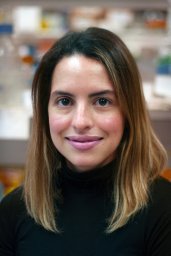 Yadira M. Soto-Feliciano合作论文数Mayaguez Center for Chemical Sensors Development/Chemical Imaging Center, University of Puerto Rico19
 Carla Kim合作论文数Boston Children's Hospital;Harvard Medical School18Jonathan Y. Kim合作论文数17Carla P Concepcion合作论文数17
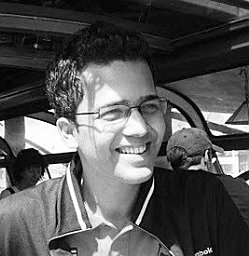 Gupta Manav合作论文数Department of Pediatrics, Indiana University School of Medicine17Angeliki Karatza合作论文数14
 Kwok-Kin Wong合作论文数Department of Medicine, Grossman School of Medicine, New York University14
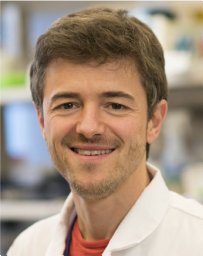 Leibold Josef合作论文数Department of Pediatric Hematology/Oncology, University Children's Hospital Tübingen14Chendi Li (李晨笛)合作论文数13D. R. Mani合作论文数12Caroline Stanclift合作论文数12Audris Oh合作论文数12Caroline G. Fahey合作论文数12Antoine Simoneau合作论文数Department of Pathology, Massachusetts General Hospital & Harvard Medical School12
 Christine Fillmore Brainson合作论文数Markey Cancer Center, University of Kentucky12Hai Hu合作论文数12Paschini Margherita合作论文数Salk Institute for Biological Studies12
 Alice Shaw合作论文数Harvard Medical School;Department of Medical Oncology, Dana-Farber Cancer Institute12
 Monica Schenone合作论文数12
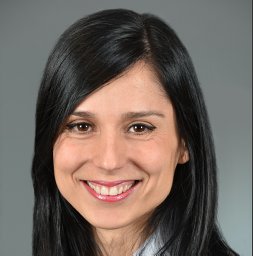 Pessina Patrizia合作论文数Cell Biology Group, Pompeu Fabra University (UPF),12Feucht Judith合作论文数12
 Steven A. Carr合作论文数Broad Institute of MIT and Harvard12
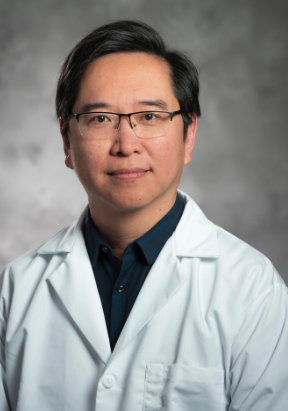 Lee Zou合作论文数Department of Pharmacology and Cancer Biology, School of Medicine, Duke University;Duke Cancer Institute, School of Medicine, Duke University12Hasmik Keshishian合作论文数12Yu-Jui Ho合作论文数11Fei Li合作论文数11Kastenhuber Edward R合作论文数Mem Sloan Kettering Canc Ctr, Sloan Kettering Inst11
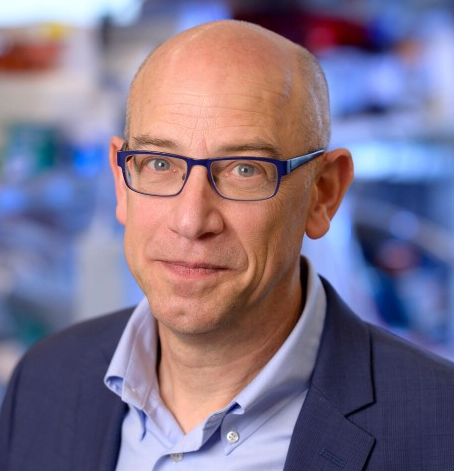 Charles M. Rudin合作论文数David H. Koch Center for Cancer Care, Memorial Sloan Kettering Cancer Center11
 Elisa de Stanchina合作论文数Sloan Kettering Institute, Memorial Sloan Kettering Cancer Center10
 Peter M K Westcott合作论文数9
 Lukas Dow合作论文数Cell & Developmental Biology, Weill Cornell Graduate School of Medical Sciences, Cornell University9
 Nayan K. Jain合作论文数School of Sciences, Gujarat University9
 John T. Poirier合作论文数Department of Medicine, NYU Grossman School of Medicine, NYU Langone Health9
 Michel Sadelain合作论文数Herbert Irving Comprehensive Cancer Center, Columbia University;Vagelos College of Physicians & Surgeons, Columbia University9Samuel I. Gould合作论文数8
 Matthew Vander Heiden合作论文数Koch Institute for Integrative Cancer Research, Massachusetts Institute of Technology;MIT Koch Institute for Integrative Cancer Research8
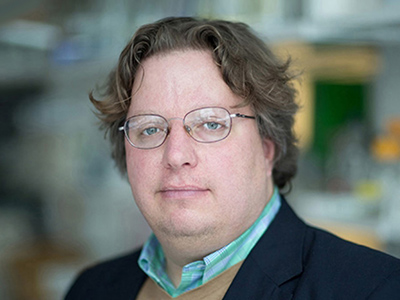 Michael T. Hemann合作论文数MIT Department of Biology8Alexandra Wuest合作论文数7
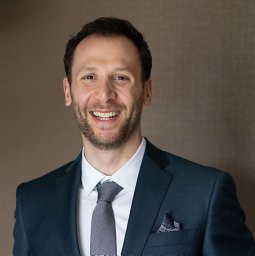 Schoenfeld Adam合作论文数Department of Radiation Oncology, University of California, San Francisco7
 Tuomas Tammela合作论文数Mol Canc Biol Lab, Univ Helsinki7
 Thales Papagiannakopoulos合作论文数Department of Pathology, New York University School of Medicine, 550 First Avenue, United
States7Thomas Carroll合作论文数6Anton Dobrin合作论文数6Maximiliano Meneses合作论文数6
Thales Papagiannakopoulos合作论文数Department of Pathology, New York University School of Medicine, 550 First Avenue, United
States7Thomas Carroll合作论文数6Anton Dobrin合作论文数6Maximiliano Meneses合作论文数6




