Interpersonal influence within social networks plays a central role in the diffusion of health behaviors, with trusted peers and opinion leaders often providing the social reinforcement necessary for adoption in contexts where legitimacy or trust is limited. However, the countervailing role of negative ties—characterized by dislike, mistrust or conflict—remains understudied. This study examines how negative ties can offset positive peer effects in the adoption of a malaria preventive measure—an insecticidal cream—in a hard-to-reach village in Meghalaya, India. We analyzed the adoption process using sociocentric signed network data collected from 102 villagers. Results show that on average adoption was most likely when at least three trusted peers used a cream, but that the presence of even one negative tie to an adopter reduced the probability of adoption to baseline levels, offsetting the positive influence of multiple trusted peers and of the local healthcare providers. These findings provide rare empirical evidence of behavioral distancing driven by negative contacts and highlight how negative relationships can disrupt complex contagion processes. Public health interventions designed for hard-to-reach populations warrant the incorporation of negative ties and of relationships with opinion leaders into diffusion models.
Objectives The Government of India launched the Pradhan Mantri Bhartiya Janaushadhi Pariyojana (PMBJP) to expand access to affordable generics through private retail outlets named as Jan Aushadhi Kendras (JAKs). This study examines the association of PMBJP with out-of-pocket expenditure (OOPE), catastrophic health expenditure (CHE) and impoverishment rate (IR) attributable to medicines.Design A cross-sectional observational study was conducted across nine Indian states in 2022–2023.Setting Outpatient (OPD) and inpatient (IPD) departments of secondary and tertiary government hospitals, private pharmacies and JAKs in 18 districts of IndiaParticipants A total of 10 336 patients were recruited from OPD (n=2881) and IPD (n=1009) departments of government hospitals as well as pharmacy settings (n=6446). Data on sociodemographics, disease severity, number of generic prescriptions, source of acquiring medicines and medicine-related OOPE were collected through semistructured interviews and periodic follow-ups.Primary and secondary outcomes Primary outcomes included mean OOPE on medicines, incidence of CHE (≥40% of non-food consumption expenditure on medicines), IR among JAK and non-JAK users were the primary outcomes of the study. Secondary outcomes comprised awareness of JAKs, generic prescribing rates in hospitals and the factors associated with OOPE, CHE and IR.Results Patients procuring medicines exclusively from JAKs reported the lower mean OOPE (OPD: ₹172; IPD: ₹275; pharmacy: ₹307), compared with significantly higher spending at private pharmacies (OPD: ₹1085; IPD: ₹3165; pharmacy: ₹1031). After adjusting for covariates, OOPE among exclusive JAK users was significantly lower relative to private pharmacy users by 60.6%–89.3%. Furthermore, matched analysis confirmed 42% lower expenses, compared with private pharmacies. The likelihood of CHE was also significantly greater among private pharmacy users. However, utilisation of JAKs remained limited, mainly due to low awareness, perceived stock shortages and low rates of generic prescribing.Conclusion PMBJP is associated with significant reduction in OOPE and financial hardship, positioning it as an effective cost-containment intervention within India’s universal health coverage framework. Strengthening supply chains, promoting generic prescribing and integrating JAKs with public facilities would further maximise its impact.
Context: A poor-quality diet with low diversity is central to the high prevalence of malnutrition among young Indian children. The Indian Integrated Child Development Services Scheme (ICDS) addresses this nutritional gap through its Supplementary Nutrition Program (SNP), which provides energy, protein, fat, and essential micronutrients to children via Take-Home Rations (THR, for children aged 6-36 months) and Hot Cooked Meals (HCM, for children aged 37-72 months). Aims: To examine the diet diversity of THR and HCM provided under ICDS-SNP across Indian states and identify strategies for improvement. Settings and Design: A pan-India study analysing 12 diverse food groups in the ICDS-SNP: cereals and millets, pulses and legumes, green leafy vegetables, other vegetables, roots and tubers, nuts and seeds, edible oils and fat, eggs, milk and milk-based products, other non-vegetarian foods, fruits, and sugar across states. Methods and Material: Diet diversity scores for THR and HCM were calculated based on the provision of these food groups. Regional variations and inclusion of locally available foods were examined. Statistical analysis used: Descriptive analysis was conducted to assess diet diversity scores across states. Regional patterns and variations in the SNP food composition were analysed. Results: The study revealed significant variability in diet diversity across states, with scores ranging from 3-11. Southern and Eastern states showed higher diversity, incorporating local fruits, vegetables, and animal-source foods like milk and eggs. Both THR and HCM were predominantly cereal based. Findings suggest that achieving diet diversity in ICDS-SNP is feasible but lagging states need tailored, geographically specific strategies.
Introduction Zoonotic diseases (ZDs) pose significant global health risks, affecting both public health and the livelihoods of indigenous communities. The Northeast Region of India, with its rich biodiversity, remoteness and porous international borders, is a hotspot for ZDs. Despite extensive human–animal interactions, where risks are likely elevated, there is little literature on zoonoses. This study documented practices related to livestock slaughtering as well as local knowledge and perceptions of zoonoses among livestock rearers and veterinary care providers from such settings.Methods We conducted a qualitative study involving 46 participants (livestock rearers, traditional animal healers and veterinary professionals) in Ri Bhoi, East Khasi Hills and Eastern West Khasi Hills districts of Meghalaya state. Livestock rearers with >10 years of experience and veterinary doctors were purposively sampled while traditional healers were identified through snow-ball sampling.Results The concept of ‘zoonoses’ was unfamiliar to livestock rearers and traditional healers. Once the idea of zoonotic transmission was introduced, participants acknowledged its possibility and identified mainly meat consumption as a potential route of transmission. Livestock rearers largely practised ‘backyard slaughtering’. They expressed concerns about the lack of preslaughter health checks for livestock, consumption of sick or dead animals and inadequate hygiene in animal sheds as possible risk factors. Livestock rearers and traditional healers possessed local knowledge of common animal diseases and believed that transmission of animal diseases occurs through imported livestock, insect vectors and pig feed. A local practice of relevance was the use of rinse water from meats in households as pig feed.Conclusion This study identified awareness and practice gaps regarding ZD risks, underscoring the need for multiprong public health interventions in rural communities. A One Health communication strategy integrating community education, frontline worker training and cross sector collaboration would strengthen disease prevention and enhance early response.
Background and objectives Scrub typhus is endemic in India and neighbouring countries. India’s north-eastern region (NER) is geographically and ecologically distinct from the rest of the country, with variations in climate, ecology, land use patterns, and population behaviours, heightening the risk of scrub typhus among the residents. Scrub typhus remains an under-explored zoonotic disease in the region. Methods A systematic review was conducted to estimate the burden of scrub typhus in the NER of India. Six databases were searched for studies on the prevalence, seroprevalence, and case fatality rate of scrub typhus in NER. A meta-regression analysis was conducted to ascertain the sources of heterogeneity. Results A total of 718 studies were retrieved from the included databases. Twelve hospital-based prevalence studies spanning 7 States and 4 community-based seroprevalence studies spanning 5 States met the eligibility criteria. The prevalence of scrub typhus among patients with febrile illness and/or clinically suspected cases ranged from 7-36%, while seroprevalence among healthy individuals ranged from 0.8-45%; the case fatality rate ranged from 3-13%. Multivariable meta-regression identified region ( P =0.004) and sample size ( P =0.003) as significant moderators for prevalence, but not for seroprevalence. Interpretation and conclusions This review highlights the under-recognised burden of scrub typhus in the NER of India. Studies, though limited, underscore the need for better epidemiological data, enhanced surveillance, and community-based research, particularly in high-risk areas.
India stands at a pivotal moment in its journey towards universal health coverage-a crucial component of the government's Viksit Bharat vision to elevate it to the status of a developed country by 2047, 100 years since its formation as an independent nation. At this juncture, there is unprecedented political will for reform and sustained economic growth, creating a window of opportunity to advance transformative change and for India to leapfrog to a new health-care paradigm: a universal, citizen-centred, and technology-driven system that dissociates affluence from access to high-quality, comprehensive health care. The Lancet Commission on a citizen-centred health system for India was established in December, 2020, to identify the reforms needed to realise this vision. Our analyses are rooted in the lived experiences, expectations, and preferences of the people of India and guided by the principle that they enjoy a universal, fundamental, and inalienable Right to Health, and that the government must be accountable for financing and operating the public sector and stewarding both the public and private sectors. To this end, the Commission engaged a diverse spectrum of expertise and drew systematically upon existing and new research to arrive at our recommendations. This report presents a key shift in the conventional narrative of the barriers to realising universal health coverage (UHC) in India: these are no longer driven by a lack of political will, underfunding, inadequate human resources and physical infrastructure, or low demand for health-care services. Instead, uneven quality of care, inefficiencies in spending, fragmented delivery, inadequate design and implementation of financial protection programmes, and poor governance emerge as key challenges. Our clarion call is for an integrated, citizen-centred health-care delivery system that is publicly financed and publicly provided as the primary vehicle for UHC, while shaping the private sector to leverage its strengths. Variations in State and district health systems highlight the importance of decentralised processes in health system design, implementation, and evolution. Recognising this, we present our reforms as options for governments to choose from based on local realities, consultations with civil society and health-care providers, and refinement through continuing evaluation.
India's Supplementary Nutrition Programme (SNP), under the Integrated Child Development Services, provides a Morning Snack and a Hot Cooked Meal to children aged 36-72 months through Anganwadis (day-care centres). This study assessed these meals against SNP standards (2012) and age-specific ICMR recommendations, when standards were unavailable, and explored the use of linear programming (LP) to improve nutrient quality of SNP meals. A cross-sectional survey documented the SNP-meals, ingredients, serving portions and other details, using questionnaires administered to Anganwadi workers and programme officials from purposively selected Anganwadis across 27 States and Union Territories. Nutrient composition was estimated using standard food composition tables, and State-specific food lists and retail prices were incorporated into the LP framework to identify foods that could improve nutrient content of SNP meals. Energy standards were met in 56% of States, while 22% fell more than 20% below recommendations. Protein standards were achieved in 74% of States; however, declined to 52% after adjusting for digestibility. Only 22% of States met the ICMR-based fat requirement. Zinc, iron and folate were largely met, whereas calcium and vitamins A, B6 and B12 were below recommendations in more than half the States. Meals were predominantly cereal-based with limited inclusion of nutrient-dense foods. LP identified foods that reduced nutrient gaps, although many improvements exceeded the per-child cost allocation. Overall, meals showed wide variability, with persistent gaps in fat and key micronutrients. LP provides a structured approach to enhance nutrient provision within the programme setting, although meeting all nutrient targets may require adjustments to cost and procurement strategies.
Some species of the Leucosphyrus Group of Anopheles mosquitoes in Southeast Asia are highly anthropophilic and efficient vectors of human malaria parasites, while others primarily feed on non-human primates (NHP) and transmit NHP malaria parasites. The evolutionary history of this group, particularly the origin of anthropophily, was studied using phylogenomic analysis of 2,657 high-confidence nuclear single-copy orthologous genes and 13 mitochondrial protein coding genes from 40 individuals of 11 species. Molecular dating and ancestral state reconstruction revealed that monkey-feeding is ancestral with speciation of monkey-feeding species dating to the Pliocene within Sundaland (Malay peninsula, Borneo, Sumatra and Java) which was covered in tropical rain forests during this period. Although less parsimonious alternatives cannot be excluded, molecular dating, ancestral state reconstruction and reticulation analysis indicated that anthropophily most likely evolved once, involving adaptive introgression, in the early Pleistocene in Sundaland, giving rise to multiple descendent anthropophilic species. Such early origination of anthropophily must necessarily have been in response to the arrival of early hominins (Homo erectus) rather than anatomically modern humans, likely associated with loss and fragmentation of rainforests during the early Pleistocene. The early origination of anthropophily also provides independent non-archaeological evidence supporting the limited fossil record of early hominin colonization in Southeast Asia around 1.8 Mya.
Non-communicable diseases (NCDs) such as diabetes and hypertension are growing global health concerns, including in India. Despite the launch of the National Programme for Cancer, Diabetes, Cardiovascular Diseases, and Stroke in 2010, screening uptake for diabetes and hypertension remains low in Meghalaya, a state in northeast India. We conducted a qualitative study with 52 participants including healthcare providers, frontline workers, community members, and Village Health Council members (VHC) to document barriers of uptake of diabetes and hypertension screening services. Health workers were selected from a sample of Health and Wellness Centres (HWCs) and the VHCs were drawn from the HWC catchment villages with active engagement in health activities. The research involved seven in-depth interviews and six focus group discussions across three blocks in West Garo Hills District. Data were transcribed, translated into English, uploaded into Taguette, and thematically analyzed. Our analysis identified several barriers to hypertension and diabetes screening across levels of the socio-ecological model. At the individual level, the cause and prevention of diabetes and hypertension were often associated primarily with diet. Work obligations, fear of diagnosis, and concern about long-term treatment discouraged participation in screening. Interpersonally, family members - particularly elders - played a key role in determining participation in screening. At the community level, limited involvement of VHCs and a preference for traditional medicine constrained screening efforts. At the policy level, a high village-to-HWC ratio, workforce vacancies and limited training created systemic barriers to screening. These same factors point to opportunities through intervention: providing screening and care that is reliable and easy to access, reaching out to trusted community messengers, and reducing logistical barriers to screening could all be effective strategies. These findings highlight the need for multipronged strategies that address individual, community, and systemic factors to enhance screening for early detection and management of NCDs in Meghalaya.
OBJECTIVES:The study aimed to estimate the willingness to pay (WTP) for a quality-adjusted life-year (QALY) to help determine the threshold for cost-effectiveness in India. We also assessed the factors affecting WTP/QALY. METHODS:We used a multistage stratified random sampling strategy to select 5460 respondents across 6 Indian states. Participants were interviewed to gather household socioeconomic and demographic data, followed by assessments of health gains using time trade-off and WTP. Respondents were presented with 12 hypothetical health states to gauge health gains and their WTP to restore health. These values were combined to determine WTP per QALY using an aggregated approach. The health gains were discounted at 3%. Weighted estimates based on state, residence, gender, age, and education were computed. A mixed-effect regression model explored the relationship between socio-demographic variables and WTP/QALY. RESULTS:Based on 21 640 observations, we found that mean weighted WTP/QALY was estimated to be INR 2 12 307 (US$ 2535). Based on the different health states, the WTP/QALY ranged from INR 1 70 414 (US$ 2034) to INR 2 58 985 (US$ 3092). Age, gender, family size, education, marital status, occupation, presence of health insurance, consumption expenditure, and number of earning members in the household significantly impacted WTP per QALY. CONCLUSIONS:To our knowledge, our study reports the first-ever estimate of WTP/QALY for the Indian population. The WTP/QALY ranges from 1 to 1.52 times the gross domestic product per capita. This could be considered as the cost-effectiveness threshold for health technology assessment in India.
Background: For childhood immunization, community engagement interventions can potentially address demand-side barriers to achieving immunization coverage targets, while also mobilizing the community to advocate for better service delivery. However, high-quality evidence that can causally relate such interventions to increased immunization coverage is scarce. We evaluated the impact of a community engagement intervention on childhood immunization coverage in rural India. Methods and findings: The community engagement intervention, referred to by the acronym SALT (Stimulate, Appreciate, Learn, Transfer), is a complex intervention involving an iterative process of multiple steps and continued engagement with the community. To evaluate the SALT intervention, we conducted a cluster randomized controlled trial in 196 villages spread across 3 districts in rural Assam, a state in the northeast region of India. The villages in the intervention group (n=97) received the SALT intervention for about one year along with routine immunization services and the villages in the control group (n=99) received only routine immunization services. The primary evaluation outcomes were full immunization, defined as one dose of Bacillus Calmette–Guérin vaccine, three doses of oral polio vaccine, three doses of diphtheria- pertussis-tetanus (DPT) vaccine or Pentavalent vaccine and one dose of measles vaccine, in children 12- 23 months old, and three doses of DPT or Pentavalent vaccine in 6- 23 months old children. To gather information on evaluation outcomes, we conducted cross- sectional household surveys at baseline and after 22 months at endline, in the 196 villages. We interviewed mothers with a 6-23 months old child in a random sample of households in eachvillage. In our analyses, we followed the intention-to-treat principle and used mixed-effects models to account for clustering. At endline, a total of 2,907 mothers were interviewed resulting in a median number of 15 (interquartile range (IQR)= 0) 6-23 months old children and 10 (IQR=2) 12-23 months old children from each village in both the intervention and the control groups. There was no difference between the two groups in the proportion of 12-23 months old children receiving full immunization (OR=0.98, 95% CI: 0.71 – 1.36) or in the proportion of children receiving three or more doses of DPT or Pentavalent among 6-23 months old children (OR=1.01, 95% CI: 0.76 – 1.35). Conclusions: The intervention was not found to be effective in increasing childhood immunization coverage in our study. After baseline survey, we noted that the vaccination coverage in the three districts was substantially higher than previously reported in national surveys which were used in designing the trial. The higher coverage rates were most likely due to widespread implementation of a supplementary immunization programme led by the Government of India prior to this study. We do not know whether selecting study sites with a lower vaccination coverage rate at baseline or having a more targeted approach in implementing the intervention would have resulted in a positive impact.
The effective prevention of many infectious and non-infectious diseases relies on people concurrently adopting multiple prevention behaviors. Individual characteristics, opinion leaders, and social networks have been found to explain why people take up specific prevention behaviors. However, it remains challenging to understand how these factors shape multiple interdependent behaviors. We propose a multilevel social network framework that allows us to study the effects of individual and social factors on multiple disease prevention behaviors simultaneously. We apply this approach to examine the factors explaining eight malaria prevention behaviors, using unique interview data collected from 1529 individuals in 10 hard-to-reach, malaria-endemic villages in Meghalaya, India in 2020-2022. Statistical network modelling reveals exposure to similar behaviors in one's social network as the most important factor explaining prevention behaviors. Further, we find that households indirectly shape behaviors as key contexts for social ties. Together, these two factors are crucial for explaining the observed patterns of behaviors and social networks in the data, outweighing individual characteristics, opinion leaders, and social network size. The results highlight that social network processes may facilitate or hamper disease prevention efforts that rely on a combination of behaviors. Our approach is well suited to study these processes in the context of various diseases.
Malaria has historically been a public health concern in Meghalaya with year-round transmission peaking during the monsoon and post-monsoon seasons. This study investigated malaria prevalence among suspected cases presenting at health centres across three districts of Meghalaya, in the northeastern region (NER) of India. A multi-site, facility-based, cross-sectional study was conducted in five primary health centres (PHC) and one district hospital from three geographically distinct regions of Meghalaya: West Khasi Hills [KH] district, West Jaintia Hills [JH] district, and South Garo Hills [GH] district. Individuals presenting at the selected healthcare facilities with malaria-like symptoms between 2018 and 2021 were enrolled. Malaria cases were detected by light microscopy, RDT, and PCR. Malaria prevalence was estimated as the number of Plasmodium infections divided by the total number of participants providing a blood sample. Logistic regression analysis was conducted to assess the risk factors of malaria. A total of 1,031 participants provided a blood sample for testing. Forty-five (4.4
Background & objectives: Maternal mortality remains a major global health issue, with India, particularly Meghalaya, contributing significantly to the burden. The three delays: decision-making, reaching a healthcare facility, and receiving care are key factors contributing to maternal deaths. Birth preparedness and complication readiness (BPCR) interventions aim to address these delays by preparing women for childbirth and its complications. This study evaluated the BPCR index and the quality of antenatal care (ANC) in Meghalaya, considering the perspectives of both pregnant women and healthcare providers. Methods: A mixed-methods design was employed in different blocks of East Khasi Hills District, Meghalaya. A quantitative design was used to assess the BPCR index among 200 pregnant women. Direct observations of a subset of over 10 per cent of the ANC checkups were done to assess their quality. Additionally, in-depth interviews with 14 pregnant women and eight healthcare providers explored factors influencing BPCR and the quality of ANC. Results: The BPCR index from this study was 43.4 per cent. Only 5 per cent of pregnant women could identify at least one danger sign of pregnancy. Direct observations revealed that the quality of ANC concerning BPCR was poor, with none of the ANC check-ups incorporating BPCR counselling. In-depth interviews also revealed that none of the healthcare providers were aware of BPCR counselling. Interpretation & conclusion: The study revealed a critical lack of awareness about danger signs, contributing to the low birth preparedness and complication readiness. The absence of related counselling during ANC visits highlights a significant gap in maternal care and preparedness in the region.
Mobile health (mHealth) uses mobile devices and wireless technologies to support health systems and improve healthcare delivery. It has been heralded as a way to streamline data management and move away from paper-based system inefficiencies. This paper examines the transition to mHealth systems in primary healthcare in rural West Garo Hills, Meghalaya, India, focusing on health workers’ experiences with data collection and its implications for healthcare delivery. Through qualitative interviews with 49 participants across the health system, we found that although mHealth platforms were introduced alongside existing paper-based practices to address barriers to care, the transition often exacerbated systemic inefficiencies. Specific challenges included extensive duplication of data entry across paper and digital platforms, poor data management, and a displaced burden of data entry, often at the expense of patient care. This was compounded by contextual barriers, including insufficient training, infrastructural limitations, unreliable internet connectivity, and poor offline functionality, rendering digital tools ineffective in some settings. Additionally, community hesitancy complicated data collection efforts, while restricted access to uploaded health data hindered patient follow-ups and delayed early detection of those in need of care. These findings highlight the disconnect between the theoretical benefits of mHealth systems and practical implementation in resource-constrained settings. While mHealth has the potential to enhance data management and strengthen primary healthcare systems, realizing its full benefits requires prioritizing user-centered design, robust infrastructure, ongoing training, and streamlined, interoperable digital platforms to effectively strengthen local health systems.
Primary healthcare is broadly acknowledged as the cornerstone of any strategy aimed at achieving Universal Health Coverage (UHC). This study aims to evaluate the costs, work patterns and efficiency of comprehensive primary healthcare (CPHC) in India. We will use a top-down microcosting approach to estimate the economic cost of services delivered at the primary healthcare facilities in India. A multistage stratified random sampling approach will be applied to select the primary healthcare facilities-Ayushman Arogya Mandirs (AAMs), formerly Health and Wellness Centres (HWCs). First, states will be selected based on key supply-side and demand-side healthcare indicators. Second, two districts will be chosen in each state based on advanced functionality criteria of AAMs. Finally, AAM-subhealth centres (SHCs) and AAM-primary health centres (PHCs) will be randomly selected within each district, implying a total of 48 SHCs and 24 PHCs. Data on both quantity and prices of capital (such as space, building, equipment and furniture) and recurrent resources (including salaries, medicines, consumables, stationery and overheads) used for delivering primary healthcare services during the period from April 2022 to March 2023 will be collected. All costs will be reported in current India Rupees (₹) and US Dollar (USD) ($) at an exchange rate of $1 = ₹86. A time and motion study will be undertaken to collect data from a total of 48 Community Health Officers (CHOs) and 48 auxiliary nurse midwives (ANMs) over a period of 6 days. This will be complemented by interviews to ascertain time spent on various services and activities. The data will be analysed to derive the annual cost of delivering CPHC services at an AAM, unit cost of individual services as a part of the 12 CPHC packages, as well as time spent by the healthcare workers (CHO and ANM) on various activities and services. Finally, a data envelopment analysis will be used to assess the level of technical efficiency in delivering primary healthcare services. The evidence on cost generated through the study will be useful for decisions related to better planning of healthcare services by aligning the work pattern to desired goals, efficient resource allocation, as well as future research on cost-effectiveness and benefit incidence over health accounts of primary healthcare services. The study has been approved by the Institute Ethics Committee of the Post Graduate Institute of Medical Education and Research, Chandigarh, India vide IEC no: PGI/IEC/2023/EIC000588. The study results will be published in peer-reviewed journals and presented to the policymakers at the national level. Furthermore, the cost estimates generated by the study will be integrated into the National Health System Cost Database for India, providing information to policymakers and researchers.
Background & objectives: India accounts for seven per cent of the global cancer burden, with the highest incidence reported from the northeastern region. To address this burden, the Government of India launched the National Programme for Prevention and Control of Cancer, Diabetes, Cardiovascular Diseases and Stroke (NPCDCS) in 2010, but this programme was implemented in Meghalaya four years after its launch. This paper aims to examine the implementation facilitators and barriers to cancer prevention in Meghalaya within the NPCDCS framework. Methods: A desk review prior to the interviews enabled selection of relevant stakeholders from the health system. In this qualitative study, fifty-six healthcare professionals and frontline health workers from various tiers of the health system were involved through twenty in-depth interviews (IDIs) with healthcare professionals and four focus group discussions (FGD) with the frontline health workers. Data were transcribed in local language and subsequently in English. A hybrid coding strategy was adopted and a codebook was developed in MS Excel (version 16.6). NVivo-12 software was used to organize the data and codes, facilitating the identification and categorisation of emergent themes in alignment with the research question. Results: While the programme is intended to provide equal attention to cancer prevention activities, hypertension and diabetes took priority. Barriers included inadequacy in information, education, and communication content on breast and cervical cancers; unavailability of acetic acid for cervical cancer screening; and lack of privacy for cancer screenings. Communication gaps stem from the absence of patient tracking mechanism and programme review meetings at NCD clinics. Training inadequacies affected staff confidence in conducting screenings, while low community awareness compromised the accuracy of data collated for the community-based assessment checklist. Preference for traditional healers further complicated the treatment pathways. Interpretation & conclusions: Meghalaya's high cancer incidence underscores the urgency to address these gaps for efficient implementation of the cancer activities within NPCDCS framework.
Understanding the evolution of anthropophily, the preference of mosquitoes to feed on humans offers insights into current and future human disease transmission. Some species of the Leucosphyrus Group of Anopheles mosquitoes in Southeast Asia are highly anthropophilic and efficient vectors of human malaria parasites, while others primarily feed on non-human primates and transmit non-human primate malaria parasites. Through phylogenomic analysis of 11 recognized species, we studied the biogeography and evolutionary history of anthropophily in this group. Molecular dating and ancestral state reconstruction revealed that anthropophily evolved during the late Pliocene/early Pleistocene in Sundaland, likely in response to early hominins. This finding provides independent non-archaeological evidence supporting the limited fossil record of early hominin colonization in Southeast Asia around 1.8 million years ago. ### Competing Interest Statement The authors have declared no competing interest.
 Jane M. Carlton合作论文数Malaria Research Institute, Bloomberg School of Public Health, Johns Hopkins University13
 Rajiv Sarkar合作论文数Department of Gastrointestinal Sciences, Christian Medical College12
 Anne Kessler合作论文数10John Dh Porter合作论文数6Catherine Walton合作论文数Department of Earth and Environmental Sciences, School of Natural Sciences, Faculty of Science and Engineering, The University of Manchester5
 Mark L. Wilson合作论文数Department of Ecology and Evolutionary Biology, School of Public Health, University of Michigan, Ann Arbor5Mattimi Passah合作论文数4
 Aparup Das合作论文数Evolutionary Genom & Bioinformat Lab, Natl Inst Malaria Res4
 Anura V Kurpad合作论文数Division of Nutrition, St. John's Research Institute, St. John’s Academy of Health Sciences;Department of Physiology, St. John’s Medical College4
 Suparna Ghosh-Jerath合作论文数Indian Institute of Public Health (Delhi) Public Health Foundation of India, University of Sydney4
 Shankar Prinja合作论文数School of Public Health, Post Graduate Institute of Medical Education and Research4
 Tinku Thomas合作论文数Department of Psychiatry, National Institute of Mental health and Neuro Sciences4
 Pulkit Mathur合作论文数Department of Physics, West Virginia University4Carinthia Balabet Nengnong合作论文数3
 Eliza Dutta合作论文数Indian Inst Publ Hlth3
 Upasana Shyamsunder Singh合作论文数Dept Earth & Environm Sci, Univ Manchester3
 Gaurav Jyani合作论文数3
 Elisa Bellotti合作论文数School of Social Sciences, Faculty of Humanities, The University of Manchester3
 Kar Sitanshu Sekhar合作论文数School of Public Health, Post Graduate Institute of Medical Education and Research3
 Santanu Pramanik合作论文数Public Health Foundation of India3Hemangini Gandhi合作论文数2Arpita Ghosh合作论文数2Philip Forth合作论文数2Rituu B. Nanda合作论文数2
 Mayur Trivedi合作论文数2Charishma Khongwir合作论文数2
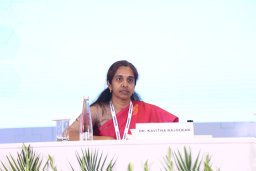 Kavitha Rajsekar合作论文数Ministry of Health and Family Welfare, Government of India2Melari Shisha Nongrum合作论文数2
 Ankita Mondal合作论文数2
 Tiken Das合作论文数Nowgong Coll Autonomous, AT Rd2
 Melissa Glenda Lewis合作论文数Indian Inst Publ Hlth2
 Svea Closser合作论文数International Health, Bloomberg School of Public Health, Johns Hopkins University2Seng Chang Moh合作论文数2
 Vikram Patel合作论文数Blavatnik Institute Global Health & Social Medicine, Harvard Medical School;Department of Global Health and Social Medicine, Harvard Medical School;Department of Global Health and Population, Harvard T.H. Chan School of Public Health2
 Morgan Katy合作论文数Max Planck Institute for Developmental Biology, Department of Evolutionary Biology, Spermannstr. 37, Tübingen, Germany.2
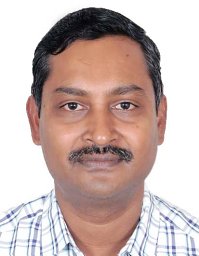 Binod Kumar Patro合作论文数Postgraduate Institute of Medical Education and Research, School of Public Health2
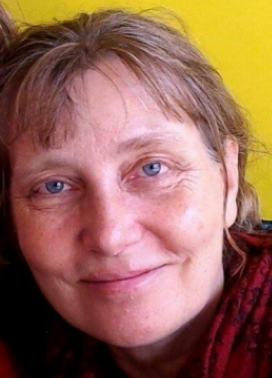 Annemieke van Eijk合作论文数Liverpool School of Tropical Medicine2Kharkongor Glenn C合作论文数2
 Praveen Sahu合作论文数Institute of Bioinformatics and Biotechnology, University of Pune;Ispat General Hospital;Institute of Bioinformatics and Biotechnology, University of Pune2Prakash A合作论文数2
 Judith Green合作论文数Wellcome Centre for Cultures & Environments of Health, University of Exeter2
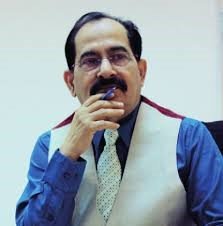 A. P. Dash合作论文数National Institute of Malaria Research2
 Ralph Harbach合作论文数Dept Life Sci, Nat Hist Museum2
 Alex Eapen合作论文数Department of Pharmacology, University of Iowa College of Medicine2Steven A. Sullivan合作论文数National Center for Biotechnology Information, National Institutes of Health2
 Pauline Oosterhoff合作论文数Medical Committee Netherlands Vietnam2
 Pradya Somboon合作论文数2
 Sanjib Mohanty合作论文数Ispat General Hospital2
 Samuel Crocodile Wassmer合作论文数Clinical Research Programme, Malawi-Liverpool Wellcome Trust2




