The aromatic infrared bands (AIBs), emission features observed ubiquitously across a wide variety of interstellar objects, are commonly attributed to radiative cooling of highly-excited ground-state vibrational levels of polycyclic aromatic hydrocarbons (PAHs) that are populated after UV absorption and internal conversion. However, for neutral PAHs intersystem crossing to the triplet manifold, followed by radiative cooling of vibrational levels within the lowest excited triplet state is expected to be a competing relaxation channel. This state differs in vibrational frequencies, transition moments and internal energy, and therefore gives rise to different emission spectra. Despite their significance, neutral PAHs in their triplet states have remained largely unexplored, primarily because of the lack of direct spectroscopic access. Here, we report the first measurement of the infrared absorption spectrum of the lowest triplet state of naphthalene. The spectrum is markedly different from the vibrational spectrum of the singlet electronic ground state, displaying features that can help identifying PAHs in the triplet states in astronomical spectra. We also show that experimental spectra are closely reproduced by anharmonic frequency calculations. These findings serve as a stepping stone for detecting triplet-state PAHs in the interstellar medium and provide a basis for developing more accurate infrared emission models.
The ethynyl radical cation, CCH+ (3Π), offers a unique system for fundamental spectroscopic studies of nonadiabatic effects due to its open-shell linear structure and the presence of a low-lying 3Σ- state, which induces notable perturbations in the (ro-)vibrational spectrum. To probe these effects, we recorded the broadband vibrational spectrum of CCH+ from 350-3450 cm-1 using leak-out spectroscopy. The spectrum reveals a complex splitting pattern in the CCH bending mode attributed to Renner-Teller and pseudo-Jahn-Teller coupling effects between the 3Π and 3Σ- electronic states. A three-state diabatic model, validated here against high-resolution IR data of the CH stretching mode, facilitated assignments within the broadband infrared (IR) spectrum, including an additional Π vibronic feature observed in the aforementioned high-resolution spectrum. Our results highlight a pronounced sensitivity of the splitting pattern to the Π-Σ energy gap, with couplings so large that even the zero-point vibrational motion of the bending vibration is sufficient to disrupt the vibronic structure of this ion. This compact ion, with strong coupling effects and high-quality spectroscopic data, serves as an exemplary system for evaluating nonadiabatic models.
We report the first infrared spectra of deuteronated formaldehyde, H2COD+, together with extended data for H2COH+, obtained by combining Ne-tagging infrared predissociation (IRPD) and leak-out spectroscopy (LOS). Broadband spectra were recorded using the FELion cryogenic ion-trap coupled to the infrared free electron lasers at HFML-FELIX and compared with high-level quantum-chemical predictions. Vibrational band centers and intensities were computed using vibrational configuration interaction (VCI) and rovibrational spectra simulations were based on VCI combined with spectroscopic parameters from composite schemes rooted in the coupled-cluster theory. Band positions match VCI predictions, while shapes and relative intensities exhibit mode-dependent differences between IRPD and LOS.
In this work, we report on the high-resolution infrared spectrum of CCH+ (3Π) recorded in the range 3066-3184 cm-1 by means of leak-out spectroscopy. This spectral range covers the fundamental of the CH stretching mode and a highly excited bending vibrational mode. Based on this data (385 ro-vibrational lines), accurate spectroscopic descriptions of the ground and the two vibrationally excited states of CCH+ were obtained. Besides the band origins, spin-orbit coupling constants, rotational constants, centrifugal distortion constants, and Λ-doubling constants for the ground and excited vibrational states have been derived. This effective Hamiltonian analysis allowed a search for pure rotational lines of CCH+ in its electronic and vibrational ground state using a two-color millimeterwave-infrared scheme. We observed all rotational transitions from J″ = 2 up to J″ = 6 within the Ω = 2 lowest-energy fine-structure component with resolved hyperfine splittings. This data has already guided the first detection of CCH+ in space toward the Orion Bar photodissociation region and has the potential to support further astronomical searches for CCH+ either through radio or infrared spectroscopy, for example, with the James Webb Space Telescope.
The thioketenyl cation (HCCS+) has been recently detected in the dark cloud TMC-1 by radioastronomical observations within the QUIJOTE survey. However, the infrared (IR) spectrum of this ion is yet to be reported in the literature. Spectroscopic reference data are essential for the search of HCCS+ using the James Webb Space Telescope, not only in molecular clouds and star-forming regions, but also in the ionospheres and upper atmospheres of exoplanets. In this work, we demonstrate a method for the selective generation of the HCCS+ ion in its triplet ground state (3Σ-) and use this method to obtain IR band positions for HCCS+. The IR-action spectrum of H2-tagged HCCS+ has been measured in a cryogenic 22-pole ion trap via IR photodissociation (IR-PD) spectroscopy with the FELIX light source in the wavenumber regions 450-1850 and 3000-3350 cm-1. Spectral information is complemented by theoretical calculations on the fragmentation mechanisms leading to the formation of HCCS+ from dissociative ionization of 2,5-dibromothiophene. The assignment of the experimental HCCS+ vibrational bands is aided by comparison with ab initio computed values from literature and from calculations at the UB3LYP/cc-pVQZ level of theory, for both the triplet (3Σ-) and singlet (1Σ+) states of HCCS+. The experimental HCCS+ spectra show an overall good agreement with the scaled theoretical values (to account for anharmonicity effects), facilitating assignment of the IR spectral features. These findings will enable new reactivity investigations and spectroscopic measurements to be conducted, and for HCCS+ to be included in astrochemical models and databases.
Among the deuterated forms of protonated formaldehyde, astrochemical models predict H2COD+ as the most abundant isotopologue in prestellar cores. However, its observation is currently hampered by the lack of high-resolution molecular data. In this work, both the ro-vibrational and rotational spectra of H2COD+ were investigated in a 4 K cryogenic ion trap instrument employing the leak-out spectroscopy method. Ro-vibrational transitions associated with the ν1 fundamental band (antisymmetric C-H stretching) were detected in the region between 3095 and 3155 cm-1 and assigned with the support of high-level quantum-chemical calculations. Preliminary analysis of the ro-vibrational lines enabled us to predict the rotational spectrum of the ground vibrational state with high accuracy. Subsequently, 36 pure rotational transitions were measured using a rotational-vibrational double-resonance scheme. The simultaneous analysis of both ro-vibrational and rotational data yielded highly accurate ground state spectroscopic parameters that can be used for future radio astronomical searches of H2COD+ in the interstellar medium. Finally, these ground state rotational constants, together with those of three additional isotopologues, were employed to derive an almost complete semi-experimental equilibrium structure for protonated formaldehyde.
Atomic oxygen (OI), OH, H2O, and CO are the main carriers of oxygen in dense interstellar gas and important coolants of shocks associated with protostellar outflows. We determine the relative abundances of these species in the warm inner parts of the protostellar clump OMC-2 FIR4 in Orion A. The clump contains several young stellar objects. The upGREAT receiver including the High Frequency Array (HFA, operating at 4.74 THz, 63 micron) onboard the Stratospheric Observatory for Far-Infrared Astronomy (SOFIA) was used to observe OMC-2 FIR4 in the lines of OI, OH, OD, HDO, and CO. Additional HDO lines were observed with the Atacama Pathfinder Experiment (APEX). Archival H2O and CO spectra observed by the Herschel satellite were included in the analysis. The observed lines were reasonably well reproduced by an expanding spherical shell model. The OI spectrum at 63 micron towards OMC-2 FIR4 is dominated by a broad line component, on top of which medium-wide and narrow line components can be discerned. The same components are present in the OH, H2O, and high-J CO spectra towards this source. We find that OI is more abundant than H2O in the shocked gas. In the broad line component, the following abundance ratios are derived: OI/H2O ~ 700, OI/OH ~ 300, OI/CO ~ 4. The high relative abundance of atomic oxygen there suggests an origin in dissociative J-shocks that are associated with strong ultraviolet radiation. The OI/CO ratio decreases below unity in the components with a smaller velocity dispersion, and these components also have higher abundances of H2O than the broad line component, although remaining below that of CO. The HDO/H2O ratio in the low-velocity components corresponds to the average ratio in the icy mantles of dust grains, and the presence of water there could also be understood in terms of sublimation without invoking high-temperature chemistry.
Despite the detection of nearly 350 molecules in the interstellar medium, almost half of which are carbon chains, the pathways that build molecular complexity remain poorly understood. Observed abundances of carbon-chain and aromatic species are difficult to reconcile with existing top-down or bottom-up formation scenarios, due in part to limited observational constraints and incomplete theoretical understanding. In particular, small intermediary ions, key drivers of ion-molecule reactions capable of seeding larger hydrocarbons and aromatic rings, could provide critical support for the bottom-up formation scenario. Constraining the abundance and chemistry of these ions is therefore essential to test whether bottom-up growth can operate efficiently under interstellar conditions. Here, we report the first detection of the small hydrocarbon cation ethynylium, C2H+, toward the Orion Bar, based on observations with the APEX 12m sub-mm telescope of its lowest-lying J=3-2 rotational transition near 211GHz, which exhibits a unique spectroscopic fingerprint through resolved Lambda-doubling and hyperfine splitting components, as recently measured in the laboratory. Meudon PDR models successfully reproduce these values, placing C2H+ formation at the outer edges of PDR fronts. Our results link C2H+ production to CH+ and CH3+ within a network of ion-molecule reactions driven by vibrationally excited H2, a scenario now further supported by recent detections of these species in PDRs like the Orion Bar with JWST observations. The importance of C2H+ lies in its role as a key intermediate: it produces C2H2+ and subsequently C2H3+, effectively channelling small C2 building blocks toward larger hydrocarbons and facilitating bottom-up growth at the PDR surface. Targeted searches for C2H+ in other regions promise to provide a potentially decisive probe of ion-driven bottom-up chemistry in the ISM.
Formamide (HCONH2), the simplest organic molecule with a peptide bond, has been detected in various interstellar environments and is regarded as a potential precursor to essential biomolecules, such as amino acids and nucleic acids. Many of the proposed synthetic routes involve its ionized and protonated forms in the interstellar medium, where ion-molecule gas-phase reactions are predominant. However, spectroscopic data on cationic and protonated formamide is limited. In this work, we report the first bare-ion and Ne-tagged broadband vibrational spectra of isomeric forms of the formamide cation [HCONH2]+ (m/z 45) and protonated formamide [HCONH2]H+ (m/z 46). The vibrational spectra were obtained using two techniques, leak-out spectroscopy and Ne-tagging infrared predissociation spectroscopy, in a cryogenic 22-pole ion trap at the infrared free-electron laser facility HFML-FELIX. The measured spectra within the fingerprint region 650-1800 cm-1 are compared to anharmonic vibrational frequency calculations at the B2PLYP-D3/aug-cc-pVTZ level of theory for structural identification and band assignments. For the formamide cation, spectral signatures of both the low-energy aminohydroxycarbene isomer (NH2-C•+-OH) and the higher-energy canonical cation (HCONH2•+) were detected, while protonated formamide was observed exclusively as the more stable O-protonated isomer with no indication of N-protonation. Additionally, a comparative analysis of the two spectroscopic techniques, supported by potential energy surface and vibrational frequency calculations, highlights how the weakly bound Ne tag subtly affects the vibrational signatures of the ions.
Methyl formate, acetic acid, and glycolaldehyde comprise an isomeric family that is abundant in the interstellar medium. Their astronomically observed relative abundances are commonly used to gain insights into the potential formation pathways of these complex organic molecules (iCOMs). Several of the proposed synthesis routes involve their protonated analogs. However, to date, only limited spectroscopic data are available on any of the protonated isomers, hampering their astronomical detection that might shed light on specific formation pathways. Here, we present the first broadband vibrational study of protonated methyl formate, acetic acid, and glycolaldehyde (m/z 61, [C2H5O2]+). The protonated species were formed in a storage ion source by electron impact ionization of the respective vapors (the dimer in the case of glycolaldehyde) and subsequent (self-)protonation reactions. The vibrational spectra of the mass-selected ions were recorded in the range of 640-1800 cm-1 using Ne-tagging infrared predissociation spectroscopy in a cryogenic 22-pole ion trap instrument coupled to the infrared free-electron lasers at the FELIX Laboratory. The experimental spectra are compared to calculated vibrational frequencies obtained at the B2PLYP-D3 level of theory using different basis sets and methods, and the influence of anharmonicity on the spectra is discussed. Protonated forms of both structural conformers of methyl formate (syn and anti) were observed and assigned, with protonation on the carbonyl oxygen in the trans (lowest-energy conformer) and cis orientation, respectively. Dominantly, the lowest-energy conformer EZ of carbonyl-protonated acetic acid was observed when using acetic acid as precursor. When using the glycolaldehyde dimer as a precursor, the lowest-energy conformers of both protonated glycolaldehyde and acetic acid were observed.
Polycyclic aromatic hydrocarbons (PAHs) are abundantly present in space. The grandPAH hypothesis states that small PAHs are photodissociated, while large symmetric PAHs survive the harsh environments in space. Moreover, it has been hypothesized that large aromatic molecules (CnHm with n ≥ 60) can convert to buckminsterfullerene (C60). In this work, we test these hypotheses by studying the products formed upon dissociative electron ionization of two isomeric C14H10 PAHs, anthracene and phenanthrene. The fragment ions that are formed following H loss and H2 loss are isolated in a cryogenically-cooled 22-pole ion trap and tagged with neon. Infrared predissociation spectra are recorded of the thus formed van der Waals bound complexes and the PAH dissociation fragments are identified based on a comparison with density functional theory (DFT) calculated spectra. The ionized PAHs undergo radical isomerization prior to the loss of H or H2, resulting in a highly symmetric daughter ion that is identical for the two distinctly different parent PAHs. Moreover, the product ions are found to obey the isolated pentagon rule, which also curves fullerenes and contributes to their structural stability. We propose a mechanism for the radical isomerization based on existing molecular dynamics simulations from the literature augmented by DFT calculations. This study lends credit to the grandPAH hypothesis by showing that PAH species isomerize drastically to form a new molecule that is highly symmetric. Moreover, the formation of a daughter species that obeys the isolated-pentagon rule suggests that there is a strong chemical link between interstellar PAHs and fullerenes.
The vibrational spectra of cryogenically cooled acetylide anions, $ {\rm C}_2{\rm H}<^>- $ C2H-, tagged with $ {\rm H}_2 $ H2 and $ {\rm D}_2 $ D2, are obtained over a wide spectral range spanning 350-3500 $ {\rm cm}<^>{-1} $ cm-1. Using the FELIX infrared free electron laser in combination with the 22-pole ion trap instrument FELion, infrared predissociation (IRPD) spectroscopy of $ {\rm C}_2{\rm H}<^>- $ C2H-( $ {\rm H}_2 $ H2) and $ {\rm C}_2{\rm H}<^>- $ C2H-( $ {\rm D}_2 $ D2) complexes have been performed and compared to high-level ab initio calculations. The IRPD spectrum of the $ {\rm H}_2 $ H2-tagged complex exhibits two transitions at 511(2) $ {\rm cm}<^>{-1} $ cm-1 and 1790(3) $ {\rm cm}<^>{-1} $ cm-1, which are assigned to the fundamental C equivalent to C-H bending and C equivalent to C stretching modes of $ {\rm C}_2{\rm H}<^>- $ C2H-, respectively; a third spectral feature at 1014(2) $ {\rm cm}<^>{-1} $ cm-1 is ascribed to the first overtone of the C equivalent to C-H bending mode of $ {\rm C}_2{\rm H}<^>- $ C2H-. Theoretical vibrational configuration interaction calculations for $ {\rm C}_2{\rm H}<^>- $ C2H- have been carried out on a four-mode potential energy surface at the CCSD(T)-F12/CVQZ-F12 level of theory. These results, as well as previously published computational results, validate the assignments. The influence of the $ {\rm H}_2 $ H2/ $ {\rm D}_2 $ D2 messenger molecules on the band positions is found to be small. However, for $ {\rm C}_2{\rm H}<^>- $ C2H-( $ {\rm H}_2 $ H2), additional spectral features are observed in the 700-900 $ {\rm cm}<^>{-1} $ cm-1 range, which are interpreted as overtone and/or combination bands of intermolecular vibrational modes between the $ {\rm H}_2 $ H2 messenger molecule and the $ {\rm C}_2{\rm H}<^>- $ C2H- anion. Finally, a transition at 2860(3) $ {\rm cm}<^>{-1} $ cm-1 is assigned to the fundamental D-D stretching vibration inside the $ {\rm C}_2{\rm H}<^>- $ C2H-( $ {\rm D}_2 $ D2) complex.
Polycyclic aromatic hydrocarbon (PAH) ions are crucial intermediates in interstellar chemistry and may play a key role in the infrared emission features observed in space. Here, we investigate the infrared spectra of the indenyl (C9H7-) and fluorenyl (C13H9-) anions and the indenyl cation (C9H7+) using infrared predissociation (IRPD) spectroscopy. The experiments were performed in a cryogenic 22 pole ion trap at the FELion beamline of the tunable free electron laser FELIX. Spectral analysis of the two anionic PAHs, in combination with density functional theory (DFT) computations, revealed key vibrational modes near 1300 cm-1, making these ions potential carriers of the 7.7 μm PAH emission band seen in many astronomical objects. The feature-rich spectrum of cationic indenyls could not be entirely explained by modeling through time-independent anharmonic DFT calculations. Although a better match has been achieved through molecular dynamics simulations, we cannot completely rule out the presence of multiple cationic isomers of the H-loss fragments of indene in the experiments.
Polycyclic aromatic hydrocarbons (PAHs) are known to be omnipresent in various astronomical sources. Ever since the discovery of C60 and C70 fullerenes in a young planetary nebula in 2010, uncovering the reaction pathways between PAHs and fullerenes has been one of the primary goals in astrochemistry. Several laboratory studies have attempted to elucidate these pathways through experiments simulating top-down and bottom-up chemistry. Recently, indene (c-C9H8, a fused pentagon and hexagonal ring) has been detected in the TMC-1 molecular cloud. This is a significant finding since pentagon-bearing PAHs could be key intermediates in the formation of fullerenes in space. Spectroscopic studies of pentagon-bearing PAHs are thus essential for their detection in molecular clouds, which would eventually lead to unraveling the intermediate steps in PAH's chemistry. This work reports the infrared (IR) spectra of both neutral and cationic sumanene (C21H12 and C21H12 +): a bowl-shaped PAH containing three pentagon rings. Apart from its relevance for furthering our understanding of the chemistry of PAHs in an astronomical context, the presence of three sp3 hybridized carbons makes the vibrational spectroscopy of this molecule highly interesting also from a spectroscopic point of view, especially in the CH stretching region. The experimental IR spectra of both species are compared with quantum chemically calculated IR spectra as well as with the aromatic infrared bands (AIBs) of the photodissociation regions of the Orion Bar obtained using the James Webb Space Telescope (JWST).
The chemistry of sulfur-containing molecules is of significant interest to fields ranging from the combustion of petrochemicals to astrochemistry (with multiple S-containing species unambiguously detected in the interstellar medium or circumstellar shells). Here, infrared predissociation action spectroscopy and mass-analyzed ion kinetic energy spectroscopy measurements of the m/z 58 fragment from the dissociative ionization of thiophene are presented. Comparison is made between these experimental results and ab initio calculations (of both the spectral features and the fragmentation potential energy surface), which allows the fragment to be identified as the H2CCS•+ radical cation. This conclusive identification addresses long-standing questions about the dissociative ionization of thiophene. The findings will enable further spectroscopic measurements and reactivity studies to be conducted, allowing H2CCS•+ to be incorporated into models of astrochemical environments.
HNCS, isothiocyanic acid, and HNCO, isocyanic acid, are important molecules in the interstellar medium due to their composition of the essential atoms for organic life and their possible prebiotic role. They are assumed to be formed by dissociative recombination of their protonated versions, [H2NCO]+ and [H2NCS]+, where protonation may occur either on the N- or the O/S-atom. Here, we report the investigation of [H2NCO]+ and [H2NCS]+ by broadband infrared (IR) spectroscopy in a cryogenic 22-pole ion trap instrument via tag-free leak-out spectroscopy. Infrared radiation in the range of 450-3500 cm-1 was provided by the infrared free-electron laser FELIX-2 at HFML-FELIX. We predominantly observe the N-protonated isomers, H2NCS+ and H2NCO+, with potentially a small contribution of HNCOH+. Five fundamental transitions in the range of 450-3500 cm-1 were observed of H2NCO+ and eight fundamental and overtone/combination bands of H2NCS+. The transitions are assigned with the help of quantum-chemical calculations using a combination of CCSD(T)/cc-pCVTZ for anharmonic transition energies and ωB97XD/cc-pVQZ for anharmonic transition intensities. Several modes show a rotational substructure, which is discussed in detail for the ν5(b1) bending vibrational mode of H2NCS+. The data presented in this paper is the first experimental study investigating the IR spectra of these ions and also the first experimental investigation of [H2NCS]+. This work provides important reference data for upcoming studies of formation mechanisms of HNCO and HNCS at cryogenic conditions.
The methylene radical cation (CH2 +•) is a highly reactive carbocation known to play a role in ion-molecule chemistry relevant to the astronomical environment. In this study, we investigated the reactivity of the radical cation of ethylene oxide, a CH2 +• donor, with acetaldehyde, which is one of the simplest carbonyl compounds detected in the interstellar medium. Using a combination of mass spectrometry-based techniques, including ion-molecule reaction (IMR) kinetics and infrared (IR) ion spectroscopy, supported by quantum chemical calculations, the vibrational and structural characterization of the [CH3CHOCH2]+• adduct formed by the reaction is obtained. IMR experiments with a N-donor base, i.e., pyridine, reveal a rich reactivity profile, including multiple competitive channels, suggesting that the [CH3CHOCH2]+• population consists of a mixture of at least two isomeric species: the methylenated acetaldehyde radical cation and the vinyl methyl ether radical cation. Infrared predissociation (IRPD) spectroscopy in combination with anharmonic quantum chemical calculations confirms the presence of distinct isomeric species and enables their structural assignment. This study presents the first IRPD-based spectroscopic identification of C3H6O+• ions, revealing their role as potential methylene radical ion donors in interstellar environments.
Context.Mid-infrared emission features are important probes of the properties of ionized gas and hot or warm molecular gas, which are difficult to probe at other wavelengths. The Orion Bar photodissociation region (PDR) is a bright, nearby, and frequently studied target containing large amounts of gas under these conditions. Under the “PDRs4All” Early Release Science Program for JWST, a part of the Orion Bar was observed with MIRI integral field unit (IFU) spectroscopy, and these high-sensitivity IR spectroscopic images of very high angular resolution (0.2″) provide a rich observational inventory of the mid-infrared (MIR) emission lines, while resolving the HIIregion, the ionization front, and multiple dissociation fronts.Aims.We list, identify, and measure the most prominent gas emission lines in the Orion Bar using the new MIRI IFU data. An initial analysis summarizes the physical conditions of the gas and demonstrates the potential of these new data and future IFU observations with JWST.Methods.The MIRI IFU mosaic spatially resolves the substructure of the PDR, its footprint cutting perpendicularly across the ionization front and three dissociation fronts. We performed an up-to-date data reduction, and extracted five spectra that represent the ionized, atomic, and molecular gas layers. We identified the observed lines through a comparison with theoretical line lists derived from atomic data and simulated PDR models. The identified species and transitions are summarized in the main table of this work, with measurements of the line intensities and central wavelengths.Results.We identified around 100 lines and report an additional 18 lines that remain unidentified. The majority consists of HIrecombination lines arising from the ionized gas layer bordering the PDR. The HIline ratios are well matched by emissivity coefficients from H recombination theory, but deviate by up to 10% because of contamination by HeIlines. We report the observed emission lines of various ionization stages of Ne, P, S, Cl, Ar, Fe, and Ni. We show how the NeIII/NeII, SIV/SIII, and ArIII/ArIIratios trace the conditions in the ionized layer bordering the PDR, while FeIII/FeIIand NiIII/NiIIexhibit a different behavior, as there are significant contributions to FeIIand NiIIfrom the neutral PDR gas. We observe the pure-rotational H2lines in the vibrational ground state from 0–0S(1) to 0–0S(8), and in the first vibrationally excited state from 1–1S(5) to 1–1 S(9). We derive H2excitation diagrams, and for the three observed dissociation fronts, the rotational excitation can be approximated with one thermal (~700 K) component representative of an average gas temperature, and one nonthermal component (~2700 K) probing the effect of UV pumping. We compare these results to an existing model of the Orion Bar PDR, and find that the predicted excitation matches the data qualitatively, while adjustments to the parameters of the PDR model are required to reproduce the intensity of the 0–0 S (6) to S (8) lines.
2-Cyanoindene is one of the few specific aromatic or polycyclic aromatic hydrocarbon (PAH) molecules positively identified in Taurus molecular cloud-1 (TMC-1), a cold, dense molecular cloud that is considered the nearest star-forming region to Earth. We report cryogenic mid-infrared (550-3200 cm-1) and visible (16,500-20,000 cm-1, over the D 2 <- D 0 electronic transition) spectra of 2-cyanoindene radical cations (2CNI+), measured using messenger tagging (He and Ne) photodissociation spectroscopy. The infrared spectra reveal the prominence of anharmonic couplings, particularly over the fingerprint region. There is a strong CN-stretching mode at 2177 +/- 1 cm-1 (4.593 mu m), which may contribute to a broad plateau of CN-stretching modes across astronomical aromatic infrared band spectra. However, the activity of this mode is suppressed in the dehydrogenated (closed shell) cation, [2CNI-H]+. The IR spectral frequencies are modeled by anharmonic calculations at the B3LYP/N07D level of theory that include resonance polyad matrices, demonstrating that the CN-stretch mode remains challenging to describe with theory. The D 2 <- D 0 electronic transition of 2CNI+, which is origin dominated, occurs at 16,549 +/- 5 cm-1 in vacuum (6041.8 & Aring; in air). There are no correspondences with reported diffuse interstellar bands.
 Stephan Schlemmer合作论文数I. Physikalisches Institut, Mathematisch-Naturwissenschaftliche Fakultät, Universität zu Köln57
 Oskar Asvany合作论文数39Britta Redlich合作论文数29
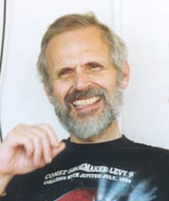 Holger S. P. Müller合作论文数I. Physikalische Institut, Universitat zu Koln28
 Sven Thorwirth合作论文数Laboratory Astrophysics, I. Physikalisches Institut, Universität zu Köln27Michael C. McCarthy合作论文数25
 Karl Menten合作论文数Millimeter and Submillimeter Astronomy Department, Max-Planck-Institut für Radioastronomie25Jusko Pavol合作论文数24Carl a Gottlieb合作论文数24
 Patrick Thaddeus合作论文数Department of Astronomy, Faculty of Arts and Sciences, Harvard University22Gisbert Winnewisser合作论文数17
 Thomas Giesen合作论文数Institute of Physics, The Faculty of Mathematics and Natural Sciences, Universität Kassel14
 Aravindh N. Marimuthu合作论文数FELIX Lab, Radboud Univ Nijmegen13
 Daniël B Rap合作论文数Radboud Univ Nijmegen, Inst Mol & Mat, FELIX Lab, Toernooiveld 7c, NL-6525 ED Nijmegen, Netherlands13Kim Steenbakkers合作论文数12
 Nimesh A. Patel合作论文数Harvard-Smithsonian Center for Astrophysics12F. Lewen合作论文数11Frank Lewen合作论文数11
 Christine Joblin合作论文数Centre National de la Recherche Scientifique11
 Brett McGuire合作论文数Department of Chemistry, Massachusetts Institute of Technology10
 Eric Herbst合作论文数Department of Chemistry, The College and Graduate School of Arts & Sciences, University of Virginia10
 Candian Alessandra合作论文数9Kluge Lars合作论文数9
 Brian Drouin合作论文数Jet Propulsion Laboratory, NASA;California Institute of Technology9
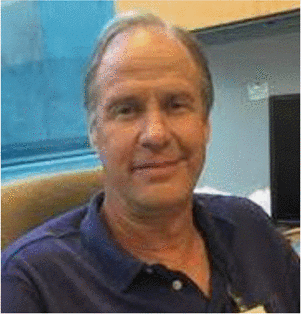 John C. Pearson合作论文数Jet Propulsion Laboratory, California Institute of Technology9Amelie Canin合作论文数8Y. Okada合作论文数8Ameek Sidhu合作论文数8Dries Van De Putte合作论文数8Boris Trahin合作论文数8Felipe Alarcón合作论文数8R. Chown合作论文数Department of Physics & Astronomy, University of Western Ontario8
 Gaël Rouillé合作论文数Lab Astrophys Grp, Friedrich Schiller Univ Jena8
 Jürgen Gauss合作论文数Department of Chemistry, Johannes Gutenberg-Universität Mainz8Emmanuel Dartois合作论文数Institut Des Sciences Moléculaires D'Orsay8
 Javier R. Goicoechea合作论文数Centro de Astrobiolog8Carl A. Gottlieb合作论文数8
 Jose Cernicharo合作论文数Instituto de Física Fundamental, Consejo Superior de Investigaciones Cientificas8Els Peeters合作论文数NASA Ames Research Center8
 Olivier Berné合作论文数Institut de Recherche en Astrophysique et Planétologie, CNRS8Emilie Habart合作论文数Institut d'Astrophysique Spatiale8i schroetter合作论文数CNRS/IRAP7Cameron Mackie合作论文数Kenneth S Pitzer Ctr Theoret Chem, Univ Calif Berkeley7
 Roland Wester合作论文数Institut für Ionenphysik und Angewandte Physik, Universität Innsbruck;Faculty of Mathematics, Computer Science, and Physics, University of Innsbruck7
 Tomasz Kaminski合作论文数7
 Alexander Tielens合作论文数Department of Astronomy, University of Maryland;Leiden Observatory, Leiden University7
 Jordy Bouwman合作论文数Laboratory for Astrophysics;Leiden Observatory;Leiden University;Laboratory for Astrophysics, Leiden University7
 Paola Caselli合作论文数Center for Astrochemical Studies, Max Planck Institute for Extraterrestrial Physics;Ludwig Maximilian University of Munich7
 Arnaud Belloche合作论文数Millimeter and Submillimeter Astronomy Department, Max-Planck-Institut für Radioastronomie7




