Mental health concerns have become increasingly prevalent among young adults. A growing body of literature indicates that increasing plant intake shows benefits for mental health. An existential-phenomenological study was conducted with 11 emerging adults with symptoms of anxiety and/or depression who had adopted a whole-food, plant-based diet (WFPB) diet to understand their lived experiences. Adoption of a WFPB diet was about Experiencing Transformation: An “Internal Calling.” The context of transformation was the experience of Going Against the Grain of Society. Six figural themes were identified: (a) Embracing Food as Medicine: “Healthy from the inside out,” (b) Benefiting from a Holistic Approach: “Feeding your body is feeding your soul and is feeding your mind,” (c) Adopting a Lifestyle Change and Its Evolution Over Time: “Getting older and realizing what you need,” (d) Finding Time for “The Joy of Cooking,” versus Time Constraints, (e) Fostering Community: The “Community-Building Power of Food,” and (f) Following the Call: “I'm motivated by my moral compass.” For nurses, primary care nurse practitioners, and psychiatric mental health nurse practitioners, a holistic approach, including an anti-inflammatory diet, could be key for managing symptoms of anxiety and depression among emerging adults.
This study explored the lived experiences of eight women veterans regarding military sexual trauma (MST), as shared on two online social media platforms. The study integrated two qualitative methods, netnography (which facilitated analysis of social media content) and phenomenology (which explored the meaning of lived experiences). Figural themes included: (a) Called to serve, (b) The powerlessness of the assault, (c) Lasting impacts of the assault, (d) Disbelieved, blamed, and silenced, (e) Life savers, (f) You are not alone, (g) Block out the trauma, (h) You do not belong, (i) Thank you for serving, bye, and (j) Getting my life back.
Hospice nurses encounter profound challenges that make self-care both essential and deeply complex. This study explored the lived experience of self-care among hospice nurses using an existential-phenomenological approach. Hospice nursing, characterized by its focus on comfort care and end-of-life support, presents unique emotional, physical, and ethical challenges that often lead to burnout and compassion fatigue. Phenomenological analysis revealed 4 central themes: Threads of Trust: Weaving Meaningful Connections; A Full Heart, an Empty Cup; When Caring Hurts: The Emotional Cost of Hospice Nursing (with 2 subthemes-The Cost of Grief and The Stigma and Misunderstood Nature of Hospice Work); and The System Forgot the Caregiver. Participants highlighted the emotional strain of hospice work. The participants shared their lived experiences, emphasizing the emotional demands of their work, sparse self-care practices, and a lack of organizational support. The findings suggest that practicing self-care must be augmented by other actions such as systemic changes, caseload limits, leadership training, and structured emotional support systems. This study highlights the urgent need for health care systems to prioritize hospice nurses' well-being and help sustain compassionate nursing care.
 Howard R. Pollio合作论文数14Katherine H. Greenberg合作论文数13
 Brian Sohn合作论文数13
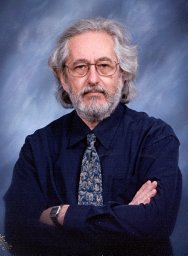 Neil Greenberg合作论文数Department of Ecology and Evolutionary Biology, University of Tennessee10Maureen W. Groer合作论文数10Mona M. Shattell合作论文数10
 Kenneth D Phillips合作论文数6Linda Mefford合作论文数5Bonnie L. Callen合作论文数4Dava H. Shoffner合作论文数3Hall Joanne M合作论文数3Robert L. Williams合作论文数Oxford University Press3Timothy J. Pettibone合作论文数3
 Mary Gunther合作论文数3Sally Helton合作论文数2Ginger Evans合作论文数2Gary Klukken合作论文数2Yvonne Dias-Bowie合作论文数2Melinda Collins合作论文数2Cleary Michelle合作论文数2Carol A. Moore合作论文数2
 Reba Umberger合作论文数Memphis Veterans Affairs Medical Center2Mitzi Davis合作论文数2Tracey Martin合作论文数2Sharon Starr合作论文数2Polly M. McArthur合作论文数1Ka Lawler合作论文数1Patricia Gentry Droppleman合作论文数1Karen Franklin合作论文数1Patricia Droppleman合作论文数1Laurie Sparks合作论文数1Elizabeth Talbott合作论文数1
 Allyson Neal合作论文数1
 Kendrea Todt合作论文数1CL Thompson合作论文数1Brenda Murphy合作论文数1r n blair short合作论文数1r n belinda mccall合作论文数1r n kelli edwards合作论文数1r n angela sims合作论文数1Tiffany Dellard合作论文数1Kristina Plaas合作论文数1Margaret Pierce合作论文数1
 Lauren Munoz合作论文数1Marissa Bartmess合作论文数1
 Aaron M Sebach合作论文数1




