Background Despite the growing body of research on remote primary care and access for (digitally) excluded groups, very little is known about care for patients who have been deliberately excluded from mainstream services. The ‘Special Allocation Scheme’ (SAS) in England provides GP services to patients who have been excluded from their GP practice after being reported for violent behaviour. Patients registered on SAS are likely to be offered remote services, in part because patients are often placed in an ‘out-of-area’ SAS practice. Our aim is to find out more about the needs of patients on the SAS, whether and when it is appropriate to offer remote options, and who these options might benefit or disadvantage. We also aim to develop safe, ethical, and meaningful ways to involve patients with experience on the scheme in research and service development. Methods Workstream 1 includes a national scoping survey of SAS provision across England. Workstream 2 comprises of three ethnographic case studies of SAS services, including observation and interviews with patients, NHS staff and national/regional decision makers. Workstream 3 involves two codesign workshops with patients, researchers, clinicians, support staff and third sector care providers to co-produce a set of reflections and best practices to inform future research and service redesign in this context. An iterative and participatory-informed PPIE approach is adopted throughout, involving patients and other stakeholders from early conceptualisation to study design, analysis and codesign of outputs. Conclusions Whilst remote solutions can improve access to primary care for some, they are not suitable for every patient population and can widen health inequalities. This is a novel study in a critically under-researched area of service delivery with clear practical and ethical implications for practice. Findings will develop understanding and transferable learning for SAS delivery and inform the design of a future study.
This paper explores the altered landscape of primary care following the accelerated process of implementing digitally enabled triage across UK general practice in response to COVID-19. Traditional understandings of triage are based on a static 'pile sorting' logic, which suggests that triage outcomes depend upon a single decision in time and space. With the introduction of remote, asynchronous and distributed decision-making, triage needs a more dynamic conceptualisation. Drawing on a team ethnography in three GP practices in England, we develop the concept of triage choreography to explore the (often hidden) work involved in achieving the flow of patient requests through triage systems. We ask who participates in this work, who might be excluded and the consequences for triage outcomes. Our findings extend the literature on digital in/exclusion in primary care, providing a critical analysis of 'flow' in digitally enabled triage and what it means for patients. We show how, as patient requests enter digital systems, triaging work becomes distributed, often in uneven ways. And although digitally enabled routes through systems afford faster and smoother movement, they can also limit patients' ability to influence how they access care and the modality in which it is delivered.
Since the COVID-19 pandemic there has been increased emphasis on remote provision of healthcare, including innovative models such as remote group clinics. These video or hybrid clinics combine clinical review, peer discussion and education, with (most) patients joining collectively via videoconferencing rather than in individual consultations. This study uses linguistic ethnography to examine how interaction is organised within remote group clinics and how different sociomaterial arrangements (including positioning of videoconferencing equipment) co-shape patient participation. Drawing on interactional analysis of video-recorded sessions (group clinics delivered fully online or in hybrid formats) across five English general practices, alongside ethnographic fieldnotes and qualitative interviews, we show that sociomaterial modalities create new possibilities for interaction (e.g. chat, emojis) while also reshaping participation dynamics. Patients and clinicians are required to navigate multiple communicative modalities simultaneously (e.g. video, audio, text; co-located and remote participants) and interpret participation cues accordingly (e.g. distinguishing disengagement from preference for privacy when cameras are off). Yet, healthcare staff and patients often rely on communication strategies suited to co-located interactions, which may not translate effectively to remote settings. Limited attention to the interactional and sociomaterial conditions that enable and constrain equitable co-presence can lead to suboptimal care and disrupted therapeutic relationships. We argue that careful planning and new communicative competencies are needed to support diverse participation needs and consultation goals. The paper concludes with methodological reflections for researchers conducting linguistic ethnography on remote healthcare provision.
Background Despite the growing body of research on remote primary care and access for (digitally) excluded groups, very little is known about care for patients who have been deliberately excluded from mainstream services. The ‘Special Allocation Scheme’ (SAS) in England provides GP services to patients who have been excluded from their GP practice after being reported for violent behaviour. Patients registered on SAS are likely to be offered remote services, in part because patients are often placed in an ‘out-of-area’ SAS practice. Our aim is to find out more about the needs of patients on the SAS, whether and when it is appropriate to offer remote options, and who these options might benefit or disadvantage. We also aim to develop safe, ethical, and meaningful ways to involve patients with experience on the scheme in research and service development. Methods Workstream 1 includes a national scoping survey of SAS provision across England. Workstream 2 comprises of three ethnographic case studies of SAS services, including observation and interviews with patients, NHS staff and national/regional decision makers. Workstream 3 involves two codesign workshops with patients, researchers, clinicians, support staff and third sector care providers to co-produce a set of reflections and best practices to inform future research and service redesign in this context. An iterative and participatory-informed PPIE approach is adopted throughout, involving patients and other stakeholders from early conceptualisation to study design, analysis and codesign of outputs. Conclusions Whilst remote solutions can improve access to primary care for some, they are not suitable for every patient population and can widen health inequalities. This is a novel study in a critically under-researched area of service delivery with clear practical and ethical implications for practice. Findings will develop understanding and transferable learning for SAS delivery and inform the design of a future study.
BACKGROUND:Transitions of care are defined as critical moments along the care continuum for patients as they navigate changes in their health status or level of care. Researchers suggest that the existing research on transitions of care is largely descriptive and lacking in theoretical depth, which limits its application to different clinical contexts. AIM:We therefore aim to review the existing literature and theoretical frameworks on transitions of care, with a focus on primary care settings. METHOD:We undertook a systematic hermeneutic review - an approach that emphasises analytical reading, including identifying key concepts and building interpretations across a large and heterogeneous body of literature. Our initial search yielded 1640 articles, and we included 54 sources in our review. RESULTS:Despite interdisciplinary discussions, the main narratives of transitions of care centered around hospitals, with limited consideration for transitions in community settings. Moreover, using re-hospitalisation admission rates as the primary metric to measure the effectiveness of transitions of care initiatives fails to capture the negotiations required by patients and staff. This highlights the undercurrent of a positivist and biomedical approach, and the influence of broader health policy in shaping the methods and narratives used to define transitions. CONCLUSION:We consider this gap pertinent, given the increasing complexity of care delivered in community settings through remote chronic care models. In response, we suggest further engagement with theory to deconstruct our focus on settings and re-conceptualise transitions of care, which are also marked by changes in practices, materials, and people.
The use of digital technology to facilitate remote access to care can increase inequalities, especially for people with complex health and social care needs. Care navigation, human input to support access, is one potential solution. We aimed to understand how care navigation is practised in the context of increasing remote access in primary care in the United Kingdom. We used the concepts of social navigation and infrastructure to analyse empirical data from a study of care navigation in general practices in 2023. Our dataset included interviews with 18 care navigators. We focused on people with additional social care needs including those being homeless or insecurely housed, refugees, asylum-seekers and vulnerable migrants, and older people requiring residential or voluntary social care and support. Our data showed the importance of people working outside of health services in a range of organisational settings. These findings allowed us to extend the concept of care navigation from a signposting and gateway role to a set of distributed sociotechnical practices. We conceptualised the problem of access as difficulty in connecting to the infrastructure of primary care. Care navigators' relational work, therefore, offered 'nodes' in the network of primary care: opportunities for interactions that supported connection.
Background The growing pressure faced by adult social care in England has fuelled interest in technology-enabled care (TEC). This includes the use of sensor-based technology to monitor activity patterns for ‘proactive’ interventions and care. However, evidence on its effectiveness and use is limited to feasibility pilots, as opposed to business-as-usual. Working with three local authorities using home sensors, we sought to define good practices and draw transferable lessons on implementing and embedding this technology in routine care practice. Methods Across all sites, we interviewed 51 staff and system stakeholders, 19 service users and family/informal caregivers. We also used secondary data to determine the feasibility of a full economic study. The analysis was guided by the NASSS (non-adoption, abandonment, and challenges to scale-up, spread and sustainability) framework to explore factors influencing implementation and sustained adoption of the technology in use. Results Home sensors were used across multiple care contexts (assessment, reablement, and long-term care monitoring). Perceived value and impact included an increase in service user independence and safety, family/informal caregiver reassurance, identifying healthcare needs, providing more holistic and objective assessments, and supporting dialogue regarding care needs. However, evidence of the impact across these areas was limited, and we were unable to obtain the data required to undertake an economic analysis. Key issues to consider for sustained adoption include the materiality and dependability of the technology, compatibility with service users and their care networks, workforce knowledge and confidence, inter-organizational routines and coordination work, and strategic alignment. Conclusion Our findings indicate the need to acknowledge the labor-intensive process of embedding and adapting the use of home sensors for proactive care. Decision makers need to focus on how to support and resource incremental and system wide-changes, with particular attention paid to ensuring technology dependability, ‘wrap around’ support, workforce knowledge and skills, co-adaptation of inter-organization routines, cross-stakeholder collaboration, and evaluation capabilities.
Background The growing pressure faced by adult social care in England has fuelled interest in technology-enabled care (TEC). This includes the use of sensor-based technology to monitor activity patterns for ‘proactive’ interventions and care. However, evidence on its effectiveness and use is limited to feasibility pilots, as opposed to business-as-usual. Working with three local authorities using home sensors, we sought to define good practices and draw transferable lessons on implementing and embedding this technology in routine care practice. Methods Across all sites, we interviewed 51 staff and system stakeholders, 19 service users and family/informal caregivers. We also used secondary data to determine the feasibility of a full economic study. The analysis was guided by the NASSS (non-adoption, abandonment, and challenges to scale-up, spread and sustainability) framework to explore factors influencing implementation and sustained adoption of the technology in use. Results Home sensors were used across multiple care contexts (assessment, reablement, and long-term care monitoring). Perceived value and impact included an increase in service user independence and safety, family/informal caregiver reassurance, identifying healthcare needs, providing more holistic and objective assessments, and supporting dialogue regarding care needs. However, evidence of the impact across these areas was limited, and we were unable to obtain the data required to undertake an economic analysis. Key issues to consider for sustained adoption include the materiality and dependability of the technology, compatibility with service users and their care networks, workforce knowledge and confidence, inter-organizational routines and coordination work, and strategic alignment. Conclusion Our findings indicate the need to acknowledge the labor-intensive process of embedding and adapting the use of home sensors for proactive care. Decision makers need to focus on how to support and resource incremental and system wide-changes, with particular attention paid to ensuring technology dependability, ‘wrap around’ support, workforce knowledge and skills, co-adaptation of inter-organization routines, cross-stakeholder collaboration, and evaluation capabilities.
Background:United Kingdom general practices transitioned rapidly to remote-by-default services in 2020 and subsequently considered whether and how to continue these practices. Their diverse responses provided a unique opportunity to study the longer-term embedding, adaptation and abandonment of digital innovations. Research questions: What was the range of responses to the expansion of remote and digital triage and consultations among United Kingdom general practices in the period following the acute phase of the coronavirus disease discovered in 2019 (COVID-19) pandemic? What can we learn from this example about the long-term impacts of crisis-driven sociotechnical change in healthcare settings? Methods:We collected longitudinal data from 12 general practices from 2021 to 2023, comprising 500 hours of ethnographic observation, 163 interviews in participating practices and linked organisations (132 staff, 31 patients), 39 stakeholder interviews and 4 multi-stakeholder workshops (210 participants), with additional patient and public involvement input. Data were de-identified, uploaded to NVivo (QSR International, Warrington, UK) and synthesised into case studies, drawing on theories of organisational innovation. Results:General practices' longitudinal progress varied, from a near-total return to traditional in-person services to extensive continuing use of novel digital technologies and pathways. Their efforts to find the right balance were shaped and constrained by numerous contextual factors. Large size, slack resources, high absorptive capacity, strong leadership and good intrapractice relationships favoured innovation. Readiness for remote and digital modalities varied depending on local tension for change, practice values and patient characteristics. Technologies' uptake and use were influenced by their material properties and functionality. Embedding and sustaining technologies required ongoing work to adapt and refine tasks and processes and adjust (or, where appropriate, selectively abandon) technologies. Adoption and embedding of technologies were affected by various staff and patient factors. When technologies fitted poorly with tasks and routines or when embedding efforts were unsuccessful, inefficiencies and 'techno-stress' resulted, with compromises to patient access and quality of care. Limitations:Sampling frame was limited to United Kingdom and patient interviews were relatively sparse. Conclusion:There is wide variation in digital maturity among United Kingdom general practices. Low use of remote and digital technologies and processes may be warranted and reflect local strategic choices, but it may also indicate lack of awareness and a reactive rather than strategic approach to digital innovation. We offer an updated typology of digital maturity in general practice with suggestions for tailored support. Future work:The typology of digital maturity could be applied further to identify in more detail the kind of support needed for practices that are at different stages of maturity and are serving different populations. The need for strategically traditional practices in deprived settings should also be explored. Funding:This article presents independent research funded by the National Institute for Health and Care Research (NIHR) Health and Social Care Delivery Research programme as award number NIHR132807.
The concept of 'peer support' has generated much interest in mainstream health services. In policy discourse, peer-based initiatives are often described as 'empowering' and seen as contributing to more 'democratic' and 'holistic' forms of care. Focusing on group clinics as one such example, this article challenges the assumption that peer-based initiatives represent a straightforward and unequivocal 'good' when embedded in clinical care. We draw on qualitative data from three studies (2016-2025), including 118 interviews and ethnographic observation in 59 in-person, remote, and hybrid group clinics for diabetes and menopause at 5 primary and secondary care sites in England. Adopting a sociomaterial lens, we uncover how different forms and practices of peerhood emerge (or not) in the circumstances through which these clinics are materialised. We show how biomedical artefacts (e.g. diabetes test results, menopause symptom lists) used as part of consulting play a key role in constituting forms of affiliation and differentiation between patients, in turn determining whether and what forms of peer 'support' (e.g. disciplinary, affirmative) are accomplished. We go on to explore how being presented as a peer as part of clinical consulting brings about new roles and responsibilities for patients, and introduce the term 'experiential caring' to denote a new mode of consulting that mobilises roles, practices, and subjectivities associated with peerhood.
Background:Chronic obstructive pulmonary disease affects around 2% United Kingdom population. Timely identification of patients at risk of deterioration is crucial. Technology-enabled remote monitoring may help prevent deterioration, support chronic obstructive pulmonary disease patients at home and appropriate use of National Health Service services. Evidence on the adoption, use and experience of technology-enabled remote monitoring in the chronic obstructive pulmonary disease pathway is currently limited, impeding efforts to inform effective technology-enabled remote monitoring design and implementation. Objective:To understand what supports good practice in the implementation and use of technology-enabled remote monitoring in the chronic obstructive pulmonary disease care pathway and draw transferable lessons that can inform spread and scale up. Design and methods:Rapid evaluation, combining qualitative interviews, focused case studies and stakeholder workshops. Patient and public voices informed evaluation design, conduct and co-design of resources. Setting and participants:Scoping interviews with a purposive sample of 29 national and regional stakeholders informed selection of four case study sites involved in delivering technology-enabled remote monitoring for chronic obstructive pulmonary disease. Case studies combined interviews with 19 staff and review of 18 documents. Analysis was informed by the non-adoption, abandonment and challenges to scale-up, spread and sustainability of technology framework. A stakeholder workshop (n = 23 participants) refined emerging findings. Interviews with respiratory patients and a co-design workshop informed development of patient-facing resources. Results:Technology-enabled remote monitoring for chronic obstructive pulmonary disease occurs along a continuum of scope and scale. Technology-enabled care pathways have some common overarching features, but variation is seen across contexts and patient cohorts. Technology-enabled remote monitoring services influence care provision on a system level. Effective implementation is underpinned by service characteristics affecting its use, technology functionalities and organisational capabilities and capacities. Technology-enabled remote monitoring success also depends on defining the data-driven purpose and value proposition, ensuring buy-in, organising the workforce and workload in sustainable ways, data and IT platform interoperability, support for patients in using the service safely and appropriately, utilising existing resources, team buy-in, financial resourcing and clear policy incentives, and openness to ongoing learning. Patients value technology-enabled remote monitoring services that help them feel more connected to healthcare providers and provide timely information and support. Healthcare staff value high-quality patient care, services value affordability and sustainable workload impact. Limitations:Small-scale qualitative evaluation conducted at pace. Conclusions:Technology can support remote monitoring but is only one aspect of an effective technology-enabled remote monitoring service. It needs to be embedded in the chronic obstructive pulmonary disease pathway and align with service needs and existing capacity in cost-effective ways and with proportionate oversight of quality and safety. Decision-makers need to consider which aspects of the technology are essential, how they can be effectively embedded and supported by an appropriately equipped workforce, and needs of different patient cohorts. Future work:There is a need for evidence on longer-term effectiveness and cost-effectiveness of technology-enabled remote monitoring for chronic obstructive pulmonary disease, impact on patient and staff experience, and issues of equity of access. Qualitative and quantitative approaches are needed to appreciate varied technology and evolving use in different settings/groups. Funding:This article presents independent research funded by the National Institute for Health and Care Research (NIHR) Health and Social Care Delivery Research programme as award number NIHR154231.
OBJECTIVE:Medical devices account for approximately 6-10% of national health systems' carbon footprints. The global use of single-use devices has increased, with implications for health systems' climate impact. This systematic review aimed to synthesise global evidence on medical device carbon footprints, compare single-use and reusable devices and identify lifecycle carbon hotspots to inform policy and practice. DESIGN:We conducted a systematic review of carbon footprints of medical devices used in clinical settings, reported using Preferred Reporting Items for Systematic Reviews and Meta-Analyses (PRISMA) 2020 guidelines. DATA SOURCES:We searched MEDLINE and Scopus, in 2022 and updated in 2025, and used citation tracking. ELIGIBILITY CRITERIA:English-language, primary research involving carbon modelling of medical devices used in clinical settings was included, with no date restrictions. DATA EXTRACTION AND SYNTHESIS:Articles were screened, and data on carbon modelling methods, device footprints and lifecycle hotspots were extracted by two independent reviewers. Findings were synthesised in figures and tables, and narratively in text. The heterogeneity in carbon modelling approaches prevented quantitative synthesis. RESULTS:Of 5195 articles identified, 59 met inclusion criteria. Life cycle assessment was the main carbon modelling approach, though application and data quality varied. Carbon footprints of 61 devices were assessed, primarily in surgical (16), anaesthetic (8) and endoscopic (8) specialties. Reusable devices consistently had lower lifecycle footprints. Hotspots were production and manufacturing for single-use devices and reprocessing for reusables. CONCLUSION:Reusable devices are preferable from a climate perspective, though efforts are needed to reduce reprocessing emissions. Co-ordinated interventions are required: policymakers can enable supportive regulation; manufacturers can improve device design; healthcare facilities can optimise reprocessing; and providers can prioritise reusable device procurement and use.
BACKGROUND:Despite the introduction of primary care-based diabetes prevention strategies, labelling people with prediabetes and encouraging behaviour change, type 2 diabetes continues to rise, causing significant morbidity and mortality. AIM:To examine how a prediabetes diagnosis influences a person's health-related practices. DESIGN AND SETTING:An in-depth qualitative study with 25 people with prediabetes, recruited via general practices. METHOD:The study included narrative interviews, patient-collected data, and follow-up interviews. Theoretical analysis was informed by Bourdieu's theory of practice. RESULTS:Participants with prediabetes, especially those from low-income and diverse ethnic groups, often had difficulty following prescribed 'lifestyle' recommendations. An individual's habitus - that is, their embodied traits and behaviour patterns that had built up over their life-interacted with life-world influences, including the expectations and health beliefs of people in their immediate social circle (such as partner, children, and work colleagues); norms associated with wider social rituals (such as birthday parties); and structural intersectional influences (especially food availability and cost, influences of advertising, access to green spaces, and precarity, for example, housing insecurity). Going against social norms and expectations may risk an individual's social positioning, cultural belonging, and sometimes job security. This risk was often experienced as more salient and pressing than a hypothetical future risk of diabetes. CONCLUSION:To improve the success of diabetes prevention efforts, interventions should go beyond individual-level behavioural advice to incorporate changes to the physical, economic, social, and cultural worlds that influence behavioural practices. By going against social norms 'healthy' behaviours may represent a personal social risk for some, particularly those from diverse ethnic groups.
Objectives To investigate the challenges of doing physical examinations and exercises by video, and the communication strategies used by physiotherapists and patients to overcome them. Design A qualitative study of talk and social actions, examining the verbal and non-verbal communication practices used by patients and physiotherapists. Video consultations between physiotherapists and patients were video recorded using MS Teams, transcribed and analysed in detail using Conversation Analysis. Setting Video consultations were recorded in three specialist settings (long-term pain, orthopaedics, and neuromuscular rehabilitation) across two NHS hospitals. Participants 15 adult patients (10 female, 5 male; aged 20-77) with a scheduled video consultation. Results Examinations and exercises were successfully accomplished in all 15 consultations. Two key challenges were identified for physiotherapists and patients when doing video assessments: (1) managing safety and clinical risk, and (2) making exercises and movements visible. Challenges were addressed by through communication practices that were patient -centred and tailored to the video context (e.g., explaining how to frame the body to the camera or adjust the camera to make the body visible). Conclusions Video is being used by physiotherapists to consult with their patients. This can work well, but tailored communication strategies are critical to help participants overcome the challenges of remote physical examinations and exercises. Contribution of the Paper This paper is a first to use video -based analysis to determine the challenges of video consulting for doing remote assessments and exercises in physiotherapy settings. It demonstrates how patients and physiotherapists use communication strategies to raise concerns around safety and visibility and how they overcome these concerns. (c) 2023 The Author(s). Published by Elsevier Ltd on behalf of Chartered Society of Physiotherapy. This is an open access article under the CC BY license (http://creativecommons.org/licenses/by/4.0/).
Increasing numbers of older people undergo major surgery in the United Kingdom (UK), with many at high risk of complications due to age, co-morbidities or frailty. This article reports on a study of such patients and their clinicians engaged in shared decision-making. Shared decision-making is a collaborative approach that seeks to value and centre patients' preferences, potentially addressing asymmetries of knowledge and power between clinicians and patients by countering medical authority with greater patient empowerment. We studied shared decision-making practices in the context of major surgery by recruiting 16 patients contemplating either colorectal, cardiac or joint replacement surgery in the UK National Health Service (NHS). Over 18 months 2019-2020, we observed and video-recorded decision-making consultations, studied the organisational and clinical context for consultations, and interviewed patients and clinicians about their experiences of making decisions. Linguistic ethnography, the study of communication and interaction in context, guided us to analyse the interplay between interactions (during consultations between clinicians, patients and family members) and clinical and organisational features of the contexts for those interactions. We found that the framing of consultations as being about life-saving or life-enhancing procedures was important in producing three different genres of consultations focused variously on: resolving problems, deliberation of options and evaluation of benefits of surgery. We conclude that medical authority persists, but can be used to create more deliberative opportunities for decision-making through amending the context for consultations in addition to adopting appropriate communication practices during surgical consultations.
'Reflexivity', as used by Margaret Archer, means creative self-mastery that enables individuals to evaluate their social situation and act purposively within it. People with complex health and social needs may be less able to reflect on their predicament and act to address it. Reflexivity is imperative in complex and changing social situations. The substantial widening of health inequities since the introduction of remote and digital modalities in health care has been well-documented but inadequately theorised. In this article, we use Archer's theory of fractured reflexivity to understand digital disparities in data from a 28-month longitudinal ethnographic study of 12 UK general practices and a sample of in-depth clinical cases from 'Deep End' practices serving highly deprived populations. Through four composite patient cases crafted to illustrate different dimensions of disadvantage, we show how adverse past experiences and structural inequities intersect with patients' reflexive capacity to self-advocate and act strategically. In some cases, staff were able to use creative workarounds to compensate for patients' fractured reflexivity, but such actions were limited by workforce capacity and staff awareness. Unless a more systematic safety net is introduced and resourced, people with complex needs are likely to remain multiply disadvantaged by remote and digital health care.
Background Contemporary general practice includes many kinds of remote encounter. The rise in telephone, video and online modalities for triage and clinical care requires clinicians and support staff to be trained, both individually and as teams, but evidence -based competencies have not previously been produced for general practice. Aim To identify training needs, core competencies, and learning methods for staff providing remote encounters. Design and setting Mixed -methods study in UK general practice. Method Data were collated from longitudinal ethnographic case studies of 12 general practices; a multi -stakeholder workshop; interviews with policymakers, training providers, and trainees; published research; and grey literature (such as training materials and surveys). Data were coded thematically and analysed using theories of individual and team learning. Results Learning to provide remote services occurred in the context of high workload, understaffing, and complex workflows. Low confidence and perceived unmet training needs were common. Training priorities for novice clinicians included basic technological skills, triage, ethics (for privacy and consent), and communication and clinical skills. Established clinicians' training priorities include advanced communication skills (for example, maintaining rapport and attentiveness), working within the limits of technologies, making complex judgements, coordinating multi -professional care in a distributed environment, and training others. Much existing training is didactic and technology focused. While basic knowledge was often gained using such methods, the ability and confidence to make complex judgements were usually acquired through experience, informal discussions, and on-the-job methods such as shadowing. Whole -team training was valued but rarely available. A draft set of competencies is offered based on the findings. Conclusion The knowledge needed to deliver highquality remote encounters to diverse patient groups is complex, collective, and organisationally embedded. The vital role of non -didactic training, for example, joint clinical sessions, casebased discussions, and in -person, wholeteam, on-the-job training, needs to be recognised.
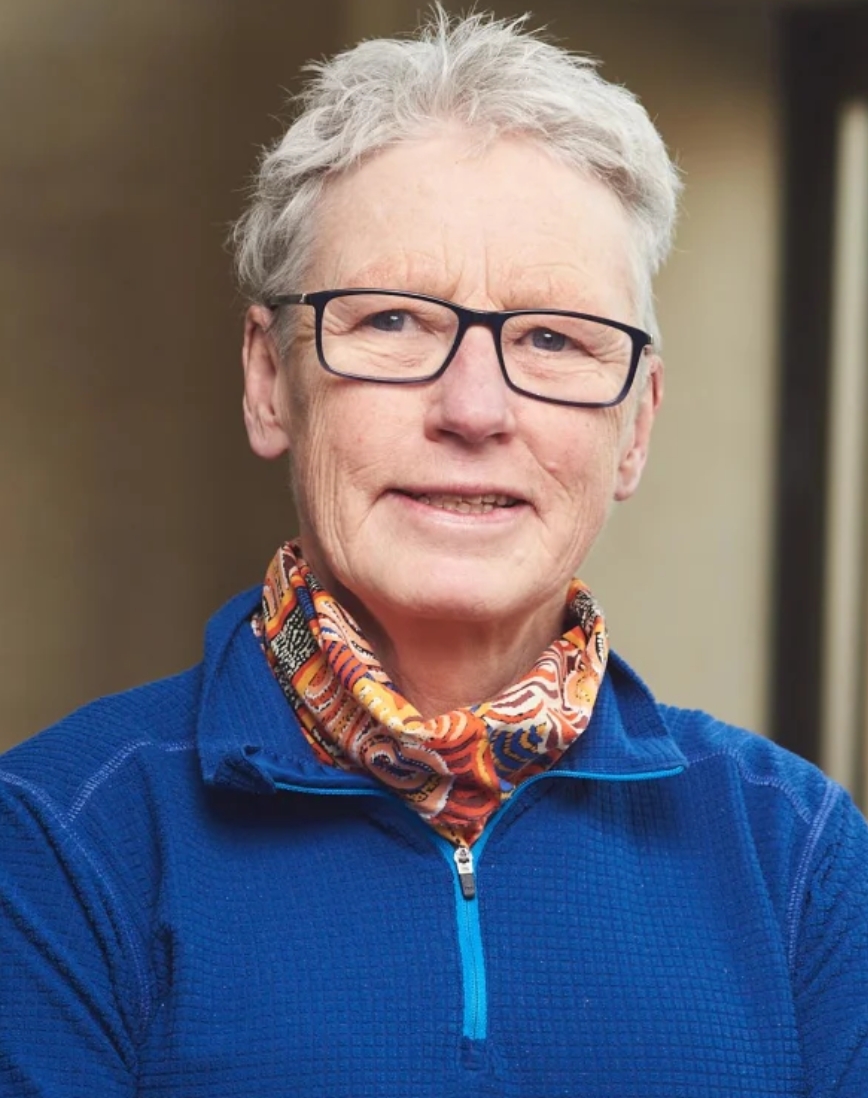 Trish Greenhalgh合作论文数Department of Primary Care Health Sciences, Medical Sciences Division, University of Oxford75
 Joseph Wherton合作论文数Nuffield Department of Primary Care Health Science, Medical Sciences Division, University of Oxford45
 Chrysanthi Papoutsi合作论文数Department of Primary Care Health Sciences, University of Oxford31
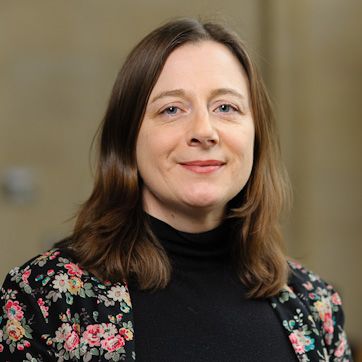 Hughes Gemma合作论文数Department of Primary Care Health Sciences, University of Oxford24
 Rebecca Rosen合作论文数18Sarah Rybczynska-Bunt合作论文数14
 Lucy Moore合作论文数Department of Primary Care Health Sciences, University of Oxford14
 Stuart Faulkner合作论文数Department of Primary Care Health Sciences, University of Oxford14
 Jackie van Dael合作论文数NIHR Patient Safety Translational Research Centre, Department of Surgery and Cancer, Faculty of Medicine, Imperial College London12
 Sietse Wieringa合作论文数12
 Lucas Martinus Seuren合作论文数Department of Primary Care Health Sciences, University of Oxford12
 Richard Byng合作论文数Grange Cottage11
 Christine A'Court合作论文数Nuffield Department of Primary Care Health Sciences, University of Oxford;National Institute for Health Research;Broadshires Health Centre10Emma Ladds合作论文数Department of Primary Care Health Sciences, University of Oxford9
 Asli Kalin合作论文数Nuffield Department of Primary Care Health Sciences, Medical Sciences Division, University of Oxford;NHS9
 Sara Paparini合作论文数Centre for the Study of Sexual Health, Homerton Hopital9
 Nina Hemmings合作论文数Nuffield Trust8Morris Joanne合作论文数8Vijayaraghavan Shanti合作论文数8Carter Y H合作论文数8
 Rob Procter合作论文数The Alan Turing Institute;Department of Computer Science, University of Warwick8
 Aileen Clarke合作论文数Warwick Medical School, University of Warwick8
 Francesca Dakin合作论文数Nuffield Department of Primary Health Care Sciences, Oxford University7
 Laiba Husain合作论文数Nuffield Dept Primary Care Hlth Sci, Univ Oxford7Satyajit Bhattacharya合作论文数7Roland Petchey合作论文数7Fraser Macfarlane合作论文数6Isabel Hodkinson合作论文数5
 Rebecca Payne合作论文数5
 H. Alami合作论文数Nuffield Department of Primary Care Health Sciences, University of Oxford Radcliffe Primary Care Building5
 Alex Rushforth合作论文数5Collard Anna合作论文数5
 Nick Fahy合作论文数Department of Primary Care Health Sciences, University of Oxford5Hanson Philippa合作论文数5Yvonne H Carter合作论文数5
 Deborah Swinglehurst合作论文数5
 Jean-Paul Fortin合作论文数Department of Social and Preventive Medicine, Laval University5
 Jamie Murdoch合作论文数5sharon l abbott合作论文数4
 Sue Hinder合作论文数4Isabel Hanson合作论文数4Seendy Ramoutar合作论文数4
 Jennifer Lynch合作论文数School of Health and Social Work, University of Hertfordshire4
 Judith Smith合作论文数Univ Birmingham4Russell Jill合作论文数4
 Tim Stephens合作论文数Simulation and Essential Clinical Skills Department, Barts Health NHS Trust4
 Sonja Marjanovic合作论文数Department of Public Health and Primary Care, University of Cambridge4
 Gary W Wood合作论文数4
 Mark Petticrew合作论文数Department of Public Health, Environments and Society, Faculty of Public Health and Policy, London School of Hygiene & Tropical Medicine;Centre for Evaluation, London School of Hygiene & Tropical Medicine;Centre for Maternal Adolescent Reproductive & Child Health, London School of Hygiene & Tropical Medicine4




