PURPOSE:Perceptual learning, improved understanding, of a degraded speech signal is driven by speech predictability. A hallmark feature of childhood apraxia of speech (CAS) is speech variability and inconsistency. This initial case study examined whether both naive and familiar listeners can improve their understanding of a child with CAS through perceptual training. METHOD:Speech recordings were collected from a 4-year-old boy with CAS and presented to listeners within a structured pretest-training-posttest paradigm. In Experiment 1, naive listeners (n = 44) received training using speech produced either by the child with CAS (experimental condition) or by an age- and sex-matched typically developing child (control condition). In Experiment 2, familiar listeners (n = 15; caregivers, teachers, and therapists of the child with CAS) completed the same CAS training used in the experimental condition of Experiment 1. Intelligibility was operationalized as percent words correct based on listener transcription of speech produced by the child with CAS before (pretest) and after (posttest) training. RESULTS:In Experiment 1, naive listeners who received CAS training showed significant intelligibility improvements following training, as reflected in higher percent words correctly identified after versus before training. No such improvement was observed for the listeners in the control training group. In Experiment 2, familiar listeners demonstrated significant intelligibility improvement following CAS training, and these gains were larger than naive listeners. CONCLUSIONS:Case study findings provide initial evidence that perceptual training can improve the intelligibility of a child with CAS for communication partners. This suggests that despite the speech signal variability that is characteristic of CAS, there is sufficient predictability to support learning and, furthermore, that this learning response is not constrained by partner familiarity.
This study investigated whether different types of dysarthric speech (with comparable baseline intelligibility) are equally susceptible to background noise. Using intrinsically degraded speech from four individuals with dysarthria, each representing a distinct motor speech disorder subtype, we examined how intelligibility is impacted by masker type (stationary vs fluctuating noise) and signal-to-noise ratio (SNR). Ninety-five listeners completed a listening task with stationary speech-shaped noise or ecologically valid cafeteria noise, across multiple SNRs. Although all degraded signals showed intelligibility declines in noise, the extent and pattern of decline varied, suggesting that not all forms of pathological degradation interact with background noise in the same way. Notably, the typical intelligibility benefit associated with fluctuating maskers (i.e., masking release) was absent for all dysarthric signals. These findings reveal that equivalently intelligible but qualitatively different dysarthric signals do not respond uniformly to environmental challenges. The results have implications for models of speech perception, which must account for complex interactions between intrinsic (speaker-specific) and external (environmental) degradations, as well as for real-world communication and intervention strategies.
Contextual clues aid in speech perception, especially when the signal is degraded by speech disorders or background noise. This study examined whether different types of degradation affect how listeners use contextual predictability. Two groups of 50 listeners were tested across three conditions: dysarthric speech, neurotypical speech masked by noise, and dysarthric speech masked by noise. Listeners relied on semantic context similarly for dysarthric speech in quiet and neurotypical speech in noise (single degradations). However, when dysarthric speech was masked by noise (concurrent degradation), contextual benefit was greatly reduced. Findings highlight the communication burden noise adds for understanding dysarthric speech.
Purpose: Perceptual learning-the ability to improve understanding of degraded speech with exposure-has been shown to occur across languages when speech is masked by stationary noise. However, it is unknown whether this holds for more complex maskers like babble noise, which introduces both energetic and informational masking. Compared to stationary noise, babble has greater rhythmic complexity, which may interfere with listeners' ability to use rhythmic cues for perceptual learning, particularly for stress-timed languages like English. In a previous study, rhythm perception predicted perceptual learning for English-speaking but not Spanish-speaking listeners, suggesting that the role of rhythm in perceptual learning may be language specific; whether this relationship remains in the presence of rhythmically complex babble remains an open question. Method: Native English-speaking and Spanish-speaking listeners (N = 77) completed a perceptual learning paradigm (pretest, training, posttest) with lowpredictability phrases masked by four-talker babble noise, followed by a rhythm perception task. Results: Listeners in both groups showed significant perceptual learning, but Spanish-speaking listeners demonstrated greater intelligibility improvement. Rhythm perception did not predict learning in either group, suggesting that babble noise disrupts rhythm-based perceptual learning strategies. Conclusion: These findings highlight that perceptual learning in babble is influenced by language-specific rhythmic properties and that rhythm perception may play a reduced role in more complex masking conditions.
Purpose: Here, we investigated how intelligibility is impacted in underappreciated, highly complex, but real-world communication scenarios involving two clinical populations-when the speaker has dysarthria and the listener has hearing loss, in noisy everyday environments. As a second aim, we examined the potential for modern noise reduction to mitigate the noise burden when listeners with hearing loss are attempting to understand a speaker with dysarthria. Method: Thirteen adults with sensorineural hearing loss (SNHL) listened and transcribed dysarthric speech under three processing conditions: quiet, noise, and noise reduced. The intelligibility scores of listeners with SNHL were compared with previously reported data collected from adults without hearing loss (Borrie et al., 2023). Results: Listeners with SNHL performed significantly poorer than typical-hearing listeners when listening to speech produced by a speaker with dysarthria-an intelligibility disadvantage that was exacerbated when background noise was present. However, it was also found that a time-frequency-based noise reduction technique was able to effectively restore the intelligibility of dysarthric speech in noise to approximate levels in quiet for listeners with hearing loss. Conclusions: The results highlight the substantial intelligibility burden placed upon a communication dyad consisting of a speaker with dysarthria and a listener with hearing loss, when background noise is present. Given the etiologies of dysarthria and hearing loss, and presence of noise in many everyday communication environments, this scenario is not uncommon. As such, these results are an important first step toward understanding the challenges experienced when communication disorders interact. The finding that noise reduction techniques can mitigate much of the noise burden provides a promising future direction for research that seeks to manage communication with two clinical populations.
This study examines the relationship between rhythm perception abilities and perceptual learning of speech in noise cross-linguistically, with native listeners of both English (stress-timed) and Spanish (syllable-timed). Forty native listeners of each language participated in a pre-test, training, and post-test perceptual learning paradigm using speech masked by white noise. All participants also completed the Musical Ear Test to assess rhythm perception discrimination abilities. Results showed no significant difference in rhythm perception between the two groups, suggesting that native language does not influence sensitivity to rhythm perception. Significant perceptual learning of speech in noise was observed for both English and Spanish listeners and to a similar degree. However, rhythm perception abilities strongly predicted perceptual learning for English listeners but not for Spanish listeners. This study provides evidence for cross-linguistic differences in how listeners utilize rhythmic cues in the perceptual learning of speech in noise and suggests that rhythmic cues play a greater role in perceptual learning for English where rhythmic variability is higher, compared to Spanish, in which perceptual learning may rely more on segmental information.
Low latency is an essential requirement for noise reduction in real-world devices such as hearing aids and cochlear implants. Reducing the algorithmic latency of a deep neural network charged with noise reduction allows additional time for other processing. However, a larger analysis window may be advantageous to the performance of the network. This trade-off is currently examined with regard to human speech-intelligibility performance. The algorithmic latency of the attentive recurrent network (ARN) was modified by reducing the size of the analysis time frame. The ARN model was talker, noise, and recording-channel independent, and fully causal. Listeners with hearing loss and with normal hearing heard sentences in babble at various signal-to-noise ratios. Large increases in intelligibility were observed as a result of noise reduction, especially for the listeners with hearing loss and at less favorable signal-to-noise ratios. Slightly larger objective measures of network performance were observed at larger latencies. But more critically, human performance was essentially unchanged as algorithmic latency was reduced from 20 to 10 or 5 ms. These results are discussed in the context of overall design and implementation of deep-learning based noise reduction, and information on latency requirements for human listeners is summarized.
PURPOSE:The ability to understand speech under adverse listening conditions is highly variable across listeners. Despite this, studies have found that listeners with normal hearing display consistency in their ability to perceive speech across different types of degraded speech, suggesting that, for at least these listeners, global skills may be involved in navigating the ambiguity in speech signals. However, there are substantial differences in the perceptual challenges faced by listeners with normal and impaired hearing. This study examines whether listeners with sensorineural hearing loss demonstrate the same type of consistency as normal-hearing listeners when processing neurotypical (i.e., control) speech that has been degraded by external noise and speech that is neurologically degraded such as dysarthria.METHOD:Listeners with normal hearing (n = 31) and listeners with sensorineural hearing loss (n = 36) completed an intelligibility task with neurotypical speech in noise and with dysarthric speech in quiet.RESULTS:Findings were consistent with previous work demonstrating a relationship between the ability to perceive neurotypical speech in noise and dysarthric speech for listeners with normal hearing, albeit at a higher intelligibility level than previously observed. This relationship was also observed for listeners with hearing loss, although listeners with more severe hearing losses performed better with dysarthric speech than with neurotypical speech in noise.CONCLUSIONS:This study demonstrated a high level of consistency in intelligibility performance for listeners across two different types of degraded speech, even when those listeners were further challenged by the presence of sensorineural hearing loss. Clinical implications for both listeners with hearing loss and their communication partners with dysarthria are discussed.
PURPOSEBackground noise reduces speech intelligibility. Time-frequency (T-F) masking is an established signal processing technique that improves intelligibility of neurotypical speech in background noise. Here, we investigated a novel application of T-F masking, assessing its potential to improve intelligibility of neurologically degraded speech in background noise.METHODListener participants (N = 422) completed an intelligibility task either in the laboratory or online, listening to and transcribing audio recordings of neurotypical (control) and neurologically degraded (dysarthria) speech under three different processing types: speech in quiet (quiet), speech mixed with cafeteria noise (noise), and speech mixed with cafeteria noise and then subsequently processed by an ideal quantized mask (IQM) to remove the noise.RESULTSWe observed significant reductions in intelligibility of dysarthric speech, even at highly favorable signal-to-noise ratios (+11 to +23 dB) that did not impact neurotypical speech. We also observed significant intelligibility improvements from speech in noise to IQM-processed speech for both control and dysarthric speech across a wide range of noise levels. Furthermore, the overall benefit of IQM processing for dysarthric speech was comparable with that of the control speech in background noise, as was the intelligibility data collected in the laboratory versus online.CONCLUSIONSThis study demonstrates proof of concept, validating the application of T-F masks to a neurologically degraded speech signal. Given that intelligibility challenges greatly impact communication, and thus the lives of people with dysarthria and their communication partners, the development of clinical tools to enhance intelligibility in this clinical population is critical.
Classrooms are often noisy environments, which can result in unfavorable learning conditions for students. However, research has insufficiently addressed how noisy classrooms affect autistic students. This preliminary study examined differences in, and the impact of, background noise on reading performance for elementary-aged autistic and non-autistic (NA) children ( N = 49). Autistic ( n = 13) and NA children ( n = 36) between the ages of 6 and 13 years participated in the current study. We employed a repeated measures design where each participant read four, grade-appropriate reading curriculum-based measurement (CBM) passages and subsequently completed comprehension (i.e., retell and recall) tasks in the presence of four different listening conditions (i.e., experimental condition): (1) quiet, (2) a single talker, (3) classroom noise, and (4) white noise. Using multi-level modeling (MLM), we found that listening condition differentially impacted reading fluency for all children. Children’s reading fluency was more negatively impacted by the single talker in comparison to white noise and quiet. The performance of all children to retell story components (a measure of reading comprehension) was moderated by age with older children recalling more story components in the presence of white noise. Recalling story components correctly was not impacted by listening condition or disability. Regardless of disability, environments that include a single talker were not optimal for children’s reading fluency skills. Moreover, preferred environments for children’s reading comprehension skills—specifically the retelling of key story components—depend on student age, with background white noise being ideal for older children. Notably, no differences in how background noise impacts reading performance were found between autistic and NA children.
The involvement of family and loved ones in health care appointments can be very beneficial, including providing patients with emotional and logistical support and sharing the burden of processing information.1-3 This may be particularly true for audiology appointments since the consequences of hearing loss can be profound. For audiologists to get a more holistic view of the challenges that patients face, it is important to actively involve family members in appointments since hearing loss often affects the entire family. Intervention plans for individuals can then be tailored to be more comprehensive,4,5 such as addressing communication barriers within the home environment for both sides of the communication pair. Audiology appointments can also be overwhelming to a new patient who just received a diagnosis along with substantial amounts of new information.Freepik/rawpixel.com, audiology, health care, familyUnfortunately, it appears that family involvement in adult audiology services may be limited.6 Despite awareness of its benefits, little research has been done on why this is the case. To increase the participation of family members, it is first necessary to understand the barriers to such participation, then educate audiology professionals on these barriers and how they can work with patients and their families to overcome them. As a first step, we conducted a survey to gain insights into patients’ perspectives on involving family members in audiology appointments. PATIENT PERSPECTIVES A survey was completed by nearly 400 patients in a university audiology clinic.7 The survey asked questions concerning patients’ desire to have a family member present at audiology appointments and how their hearing loss affects their lives and those of their loved ones. Of note, nearly 50 percent of patients brought a companion when they came to the university audiology clinic for an appointment, during which they completed the survey. However, only 39 percent of respondents reported that they wanted family at appointments, and more than half said that they either did not want family to attend or were unsure. This is a relatively large proportion of participants who reported not wanting family at appointments. One possible reason is embarrassment or the stigma surrounding hearing loss. The study found a relationship between patients’ lack of desire to include family in appointments and negative feelings related to their hearing loss, including frequently feeling embarrassed or isolated. However, patient variables such as age, gender, duration of hearing loss, and education level did not predict whether a patient desired family at appointments. It may be helpful to understand the reasoning and feelings of those who do or don't want family at appointments to overcome these barriers. Among those who want family at appointments, their motivations included: for the family to gain a better understanding of hearing loss, have assistance in retaining and remembering information provided during the appointment, and have additional support. For example, one respondent said that having family members at appointments would be helpful so they “understand what steps and procedures are being taken.” Another stated that her family members “may be able to express how my hearing loss is affecting them, and they would be able to get information on how to deal with their concerns.” On the other hand, patients who did not want family at appointments reported reasons such as having family members who were busy or lived in distant locations. CLINICAL IMPLICATIONS Ultimately, audiologists will need to find ways to overcome the barriers to family involvement. These barriers may include the stigma associated with hearing loss, which could be potentially mitigated through improved counseling. However, other barriers are more practical or logistical in nature, such as family living far away from the patient. Technology and the increased adoption of telepractice in audiology provide creative and simple solutions to address these logistical barriers. Many patients may not realize the benefits of involving family in their hearing health care. Audiologists can educate patients and provide opportunities for involvement, which may be as simple as directly inviting patients to bring family members to appointments so that the concerns of both the patient and his or her family can be addressed or informing the patient of ways to include family members who live far away. Since our study found no relationship between patient characteristics (e.g., age or gender) and a patient's desire to have family at appointments, audiologists should have these conversations with all patients regardless of these factors. The study described here is just a first step toward understanding patient attitudes on family involvement in audiology care. It is important to investigate audiology professionals’ understanding of and attitudes toward family involvement. Having an open and ongoing dialogue between patients and professionals could lead to a much deeper understanding of why family involvement is limited and what changes in practice can be implemented to increase participation. With the growing focus on patient- and family-centered care in audiology,3,4,8 increased awareness of this issue among professionals is timely and necessary.
Speech perception studies typically rely on trained research assistants to score orthographic listener transcripts for words correctly identified. While the accuracy of the human scoring protocol has been validated with strong intra- and inter-rater reliability, the process of hand-scoring the transcripts is time-consuming and resource intensive. Here, an open-source computer-based tool for automated scoring of listener transcripts is built (Autoscore) and validated on three different human-scored data sets. Results show that not only is Autoscore highly accurate, achieving approximately 99% accuracy, but extremely efficient. Thus, Autoscore affords a practical research tool, with clinical application, for scoring listener intelligibility of speech.
In recent years, increased emphasis has been placed on the replicability and reproducibility of scientific studies. However, an under-appreciated variable in the study of speech perception is the potential differential impact various types of background noise may have on the intelligibility of various talkers. In the current study, the stability of ten talkers' intelligibility was observed across different listening environments. Specifically, sentence intelligibility in terms of percent words correct was measured in three different types of background noise (speech-shaped noise, babble, cafeteria) at two different signal-to-noise ratios (SNRs) for five male and five female talkers. Ten young, normal-hearing listeners were assigned to each of the six conditions for a total of 60 listener participants. An analysis via multilevel modeling demonstrated that the intelligibility of male talkers was more negatively impacted than the intelligibility of female talkers by less favorable SNRs across all types of noise. After this effect was accounted for, nearly 20% of the remaining variance in percent correct was attributable to talker-to-talker differences and less than 7% was attributed to listener-to-listener differences, indicating that the individual talker plays a large role in the pattern of results observed across noise types and SNRs. These results have important implications for the design of studies which examine the influence of noise on speech intelligibility, and for considerations of human performance across different noise environments.
The Speech Intelligibility Index includes a series of frequency importance functions for calculating the estimated intelligibility of speech under various conditions. Until recently, techniques to derive frequency importance required averaging data over a group of listeners, thus hindering the ability to observe individual differences due to factors such as hearing loss. In the current study, the "random combination strategy" [Bosen and Chatterjee (2016). J. Acoust. Soc. Am. 140, 3718-3727] was used to derive frequency importance functions for individual hearing-impaired listeners, and normal-hearing participants for comparison. Functions were measured by filtering sentences to contain only random subsets of frequency bands on each trial, and regressing speech recognition against the presence or absence of bands across trials. Results show that the contribution of each band to speech recognition was inversely proportional to audiometric threshold in that frequency region, likely due to reduced audibility, even though stimuli were shaped to compensate for each individual's hearing loss. The results presented in this paper demonstrate that this method is sensitive to factors that alter the shape of frequency importance functions within individuals with hearing loss, which could be used to characterize the impact of audibility or other factors related to suprathreshold deficits or hearing aid processing strategies.
Purpose This study assessed the confidence of speech-language pathologists (SLPs) and school psychologists (SPs) in working with children with hearing loss (HL) and other co-occurring disabilities. Professionals' opinions on barriers to and importance of interdisciplinary collaboration were also of interest. Method A 59-item online survey was distributed to SLPs and SPs in the United States through state professional organizations and social media posts. A total of 320 respondents completed the survey and met criteria. Perceptions of confidence across 5 different skill set types were assessed, along with experiences and attitudes concerning professional training and interdisciplinary collaboration. Results A 2-way analysis of variance revealed significant main effects of profession and skill set type on professionals' confidence in assessing a student with HL and other co-occurring disabilities, as well as their confidence in determining the etiology of a student's difficulties. Results from a multiple linear regression revealed the number of students worked with who have HL and the amount of training in graduate school as significant predictors of confidence in both aforementioned skill set types. Results indicate that respondents value interdisciplinary collaboration but that time and access to other professionals are barriers to collaboration. Conclusions Results of the current study indicate that many school-based SLPs and SPs have insufficient training or experience in working with students who have HL and other co-occurring disabilities. Limited training and experience with this unique population among practitioners have the potential to affect the quality of services provided to these students and thus need to be addressed within the school system and the fields of school psychology and speech-language pathology. Supplemental Material https://doi.org/10.23641/asha.7772867.
Purpose: This study assessed the confidence of speech-language pathologists (SLPs) and school psychologists (SPs) in working with children with hearing loss (HL) and other co-occurring disabilities. Professionals’ opinions on barriers to and importance of interdisciplinary collaboration were also of interest.Method: A 59-item online survey was distributed to SLPs and SPs in the United States through state professional organizations and social media posts. A total of 320 respondents completed the survey and met criteria. Perceptions of confidence across 5 different skill set types were assessed, along with experiences and attitudes concerning professional training and interdisciplinary collaboration.Results: A 2-way analysis of variance revealed significant main effects of profession and skill set type on professionals’ confidence in assessing a student with HL and other co-occurring disabilities, as well as their confidence in determining the etiology of a student’s difficulties. Resultsfrom a multiple linear regression revealed the number of students worked with who have HL and the amount of training in graduate school as significant predictors of confidence in both aforementioned skill set types. Results indicate that respondents value interdisciplinary collaboration but that time and access to other professionals are barriers to collaboration.Conclusions: Results of the current study indicate that many school-based SLPs and SPs have insufficient training or experience in working with students who have HL and other co-occurring disabilities. Limited training and experience with this unique population among practitioners have the potential to affect the quality of services provided to these students and thus need to be addressed within the school system and the fields of school psychology and speech-language pathology.Supplemental Material S1. Participant survey. Muncy, M. P., Yoho, S. E., & McClain, M. B. (2019). Confidence of school-based speech-language pathologists and school psychologists in assessing students with hearing loss and other co-occurring disabilities. Language, Speech, and Hearing Services in Schools, 50, 224–236. https://doi.org/10.1044/2018_LSHSS-18-0091
Background Many adults suffer from an array of consequences due to their hearing loss (e.g., self-efficacy, mastery, psychosocial challenges). Family involvement can help improve their outcomes. Purpose This study aimed to determine audiology adult patients hearing experiences and inquired about their perspectives on family involvement in appointments. Research Design A cross-sectional survey was completed. Descriptive statistics, item analyses, and quantitative analyses were used to examine patient's characteristics and perspectives. Study Sample Three hundred eighty-two adult audiology patients participated in the study. Data Collection and Analysis A 15-item survey was created with 4 sections, including patient demographic information, general hearing questions, hearing experiences, and family interactions and involvement. Descriptive statistics were used to examine patient's characteristics and perspectives on family involvement in audiology appointments. Chronbach's alpha was used to reveal good internal consistency of difficult feelings related to hearing and perceived negative family member reactions. Quantitative analyses were used to determine patient perspectives on family involvement. Results Though patients reported difficulties due to their hearing loss, more than half reported that they did not want family involvement or they were unsure of the benefit that the involvement would provide. Patients who were interested in having family involved reported benefits such as educational opportunities and support. Few barriers of family involvement were reported by patients. Conclusions Patients had a mixed desire about family involvement in their adult audiology appointments. Education of patients about the benefits of family involvement may need to happen for this shift in audiologic practice.
Automation tools---software that simplifies, calculates, scores, or otherwise performs necessary research tasks---can increase the efficiency and reproducibility of many common research tasks. Herein, we present the Autoscore R package, an open-source research and clinical tool for scoring orthographic transcripts for a measure of words correct, an important task in a variety of fields. It has previously been demonstrated that Autoscore is highly accurate and efficient (Borrie, Barrett, & Yoho, 2019). This paper presents the design of the Autoscore package, outlines how the software can be extended or improved, and provides a brief tutorial on the use of the package on example data. We also conclude by discussing the implications of Autoscore, and other openly accessible tools like it, in improving replicability and reproducibility of research.
In the current study, the intelligibility of dysarthric speech in background noise was determined. Speech-shaped noise was mixed with neurologically healthy (control) and disordered (dysarthric) speech at a series of signal-to-noise ratios. In addition, bandpass filtered control and dysarthric speech conditions were assessed to determine the effect of noise on both naturally and artificially degraded speech. Both the amount of noise and type of speech significantly impacted intelligibility, but there was no interaction between the two factors. Thus, it appears that there is no differential effect of noise on dysarthric speech relative to control speech. Despite this lack of interaction, it is important to note that the intelligibility of dysarthric speech was substantially lower than the intelligibility of control speech at each of the signal-to-noise ratios. This supports the idea that patients with dysarthria and their communication partners should be advised to select a favorable listening environment for communication. Lastly, large-scale online crowdsourcing via Amazon Mechanical Turk was utilized to collect data for the current study. Findings and implications for this data collection approach will be discussed.
It is well known that there exists substantial individual variability in the ability to understand speech in adverse listening conditions. Despite this variability, a recent study with normal-hearing listeners has revealed a strong relationship between the ability to perceive speech in noise (environmental degradation) and dysarthric speech (source degradation) [Borrie et al., Journal of Acoustical Society of America,141, 4660–4667 (2017)]. While a large body of literature on the difficulty faced by hearing-impaired listeners in understanding speech in noise exists, the difficulties faced by this population in understanding dysarthric speech has received much less attention. Further, investigations into the relationship between processing speech in noise and dysarthric speech for listeners with hearing loss do not exist. This current study extends on previous findings, investigating the relationship between processing speech in noise and dysarthric speech for listeners with sensorineural hearing loss. Preliminary results replicate previous findings of a relationship between the ability to perceive speech in noise and dysarthric speech for normal hearing listeners. This relationship is also observed for hearing-impaired listeners; however, these listeners perform substantially better with dysarthric speech relative to speech in noise. The complex interplay between hearing loss and type of degradation will be discussed.
 Eric W. Healy合作论文数26
 Frederic Apoux合作论文数14
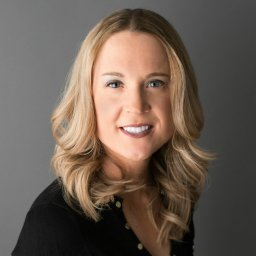 Borrie Stephanie A合作论文数Dept Commun Disorders & Deaf Educ, Utah State Univ14
 Carla Youngdahl合作论文数9
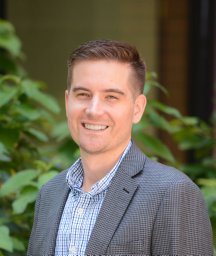 Tyson S Barrett合作论文数8
 Yuxuan Wang合作论文数ByteDance6
 Deliang Wang (汪德亮)合作论文数School of Data Science, Chinese University of Hong Kong, Shenzhen5
 Jitong Chen (陈纪同)合作论文数ByteDance4
 Maryellen Brunson McClain合作论文数Department of Counseling & Educational Psychology, Indiana University Bloomington3
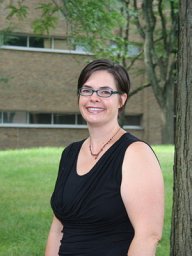 Rachael Frush Holt合作论文数DeVault Otologic Research Laboratory, Also;Department of Otolaryngology - Head and Neck Surgery;Indiana University;School of Medicine;School of Medicine, Indiana University3
 Michael I Mandel合作论文数Facebook Reality Labs3Bailey Reynolds合作论文数2
 Adam K Bosen合作论文数Boys Town Natl Res Hosp, Omaha, NE 68131 USA2
 Karen Munoz合作论文数* Department of Communication Disorders &Deaf Education, Utah State University;* Department of Communication Disorders & Deaf Education, Utah State University2Shelley R. Upton合作论文数1David Longhurst合作论文数1Rochelle B. Drill合作论文数1
 Cassity Haverkamp合作论文数1Pitt Cache合作论文数1
 Brittan A Barker合作论文数University of Iowa1
 Sarah E. O. Schwartz合作论文数Utah State University1
 Ashutosh Pandey合作论文数Meta1




